Palace Pandemonium
- Buckingham Palace
- 1914
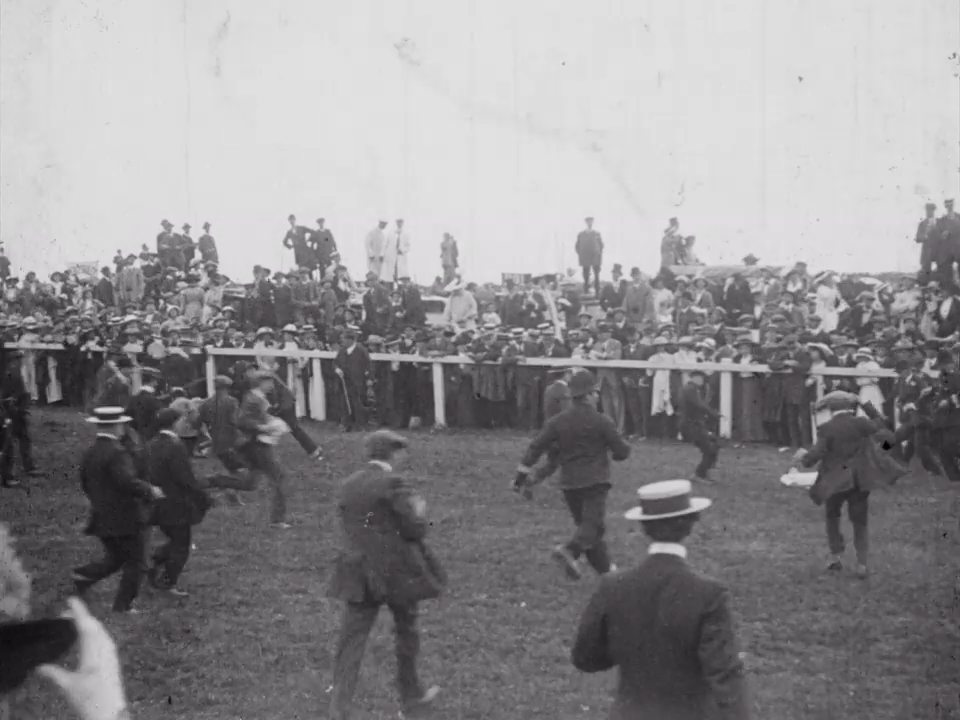
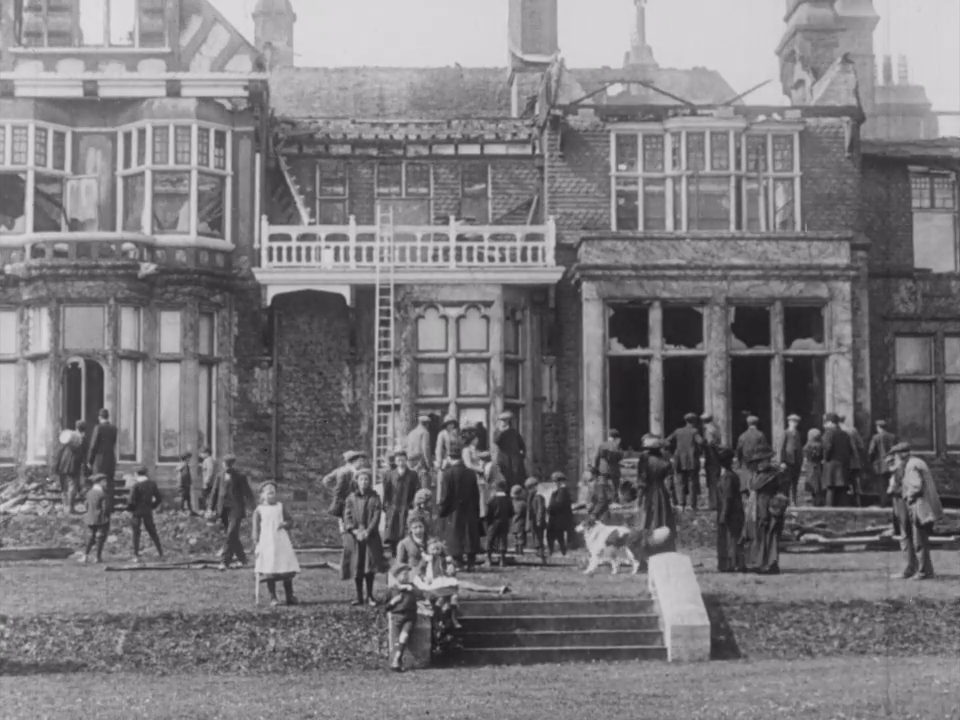
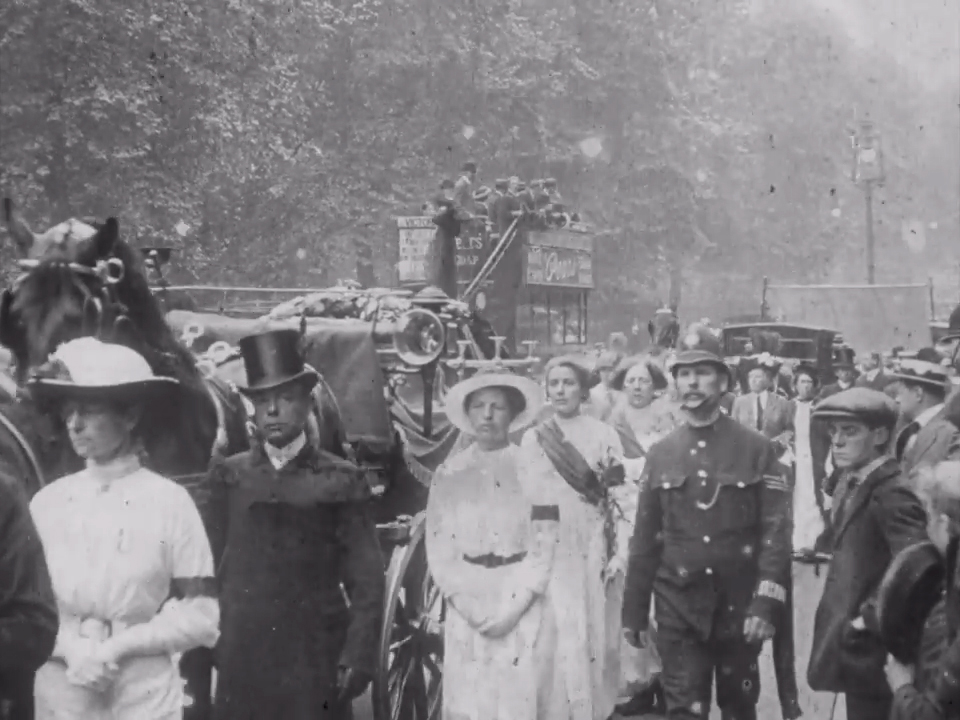
A momentous act of self sacrifice is caught on camera - Emily Davison is trampled by the King's horse at the 1913 Epsom Derby.
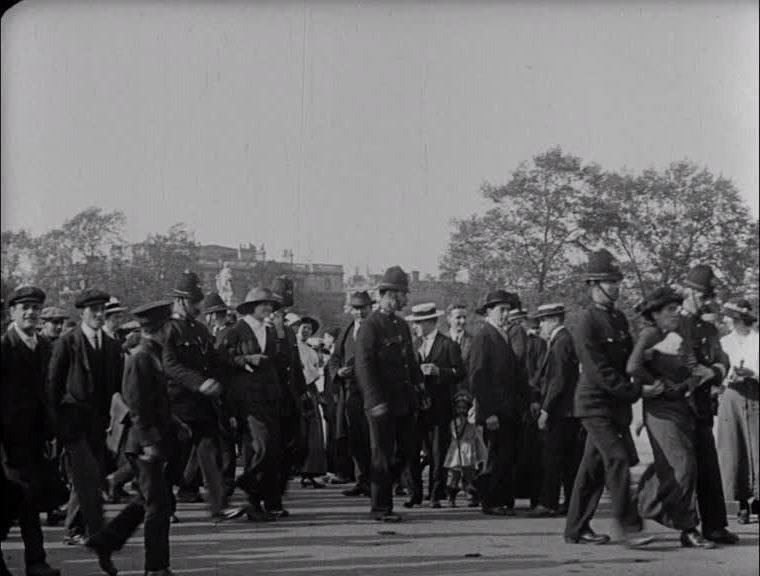
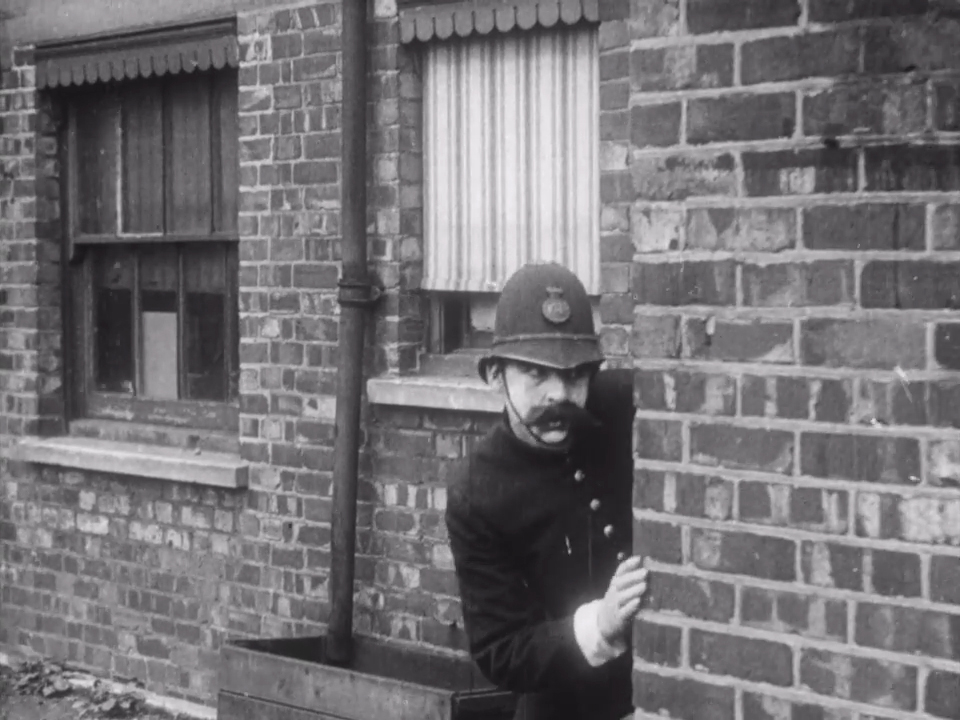
This newsreel footage captures a milestone event in the campaign for women's suffrage: the trampling to death of activist Emily Davison under the hooves of the King's horse at the 1913 Epsom Derby. The film begins, much like any other of Derby day, with scenes before the off - bobbies having their luncheon and cars arriving at the scene, including the carriage of King George V, mobbed with onlookers. As the race gets underway and the riders round Tattenham Corner, the camera is trained firmly on the track. Emily steps out.
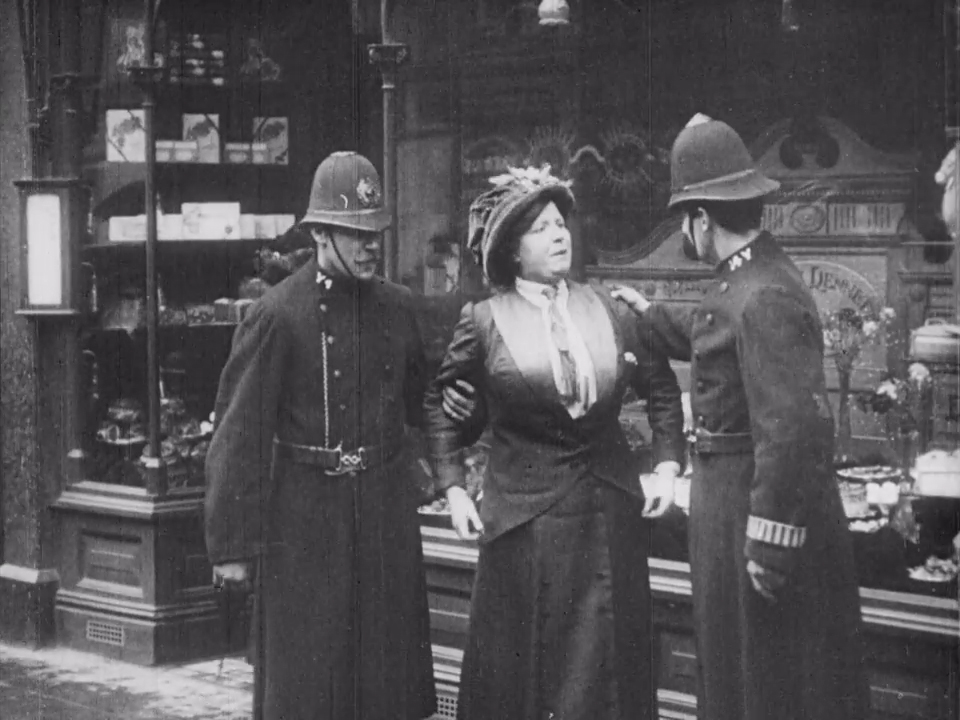
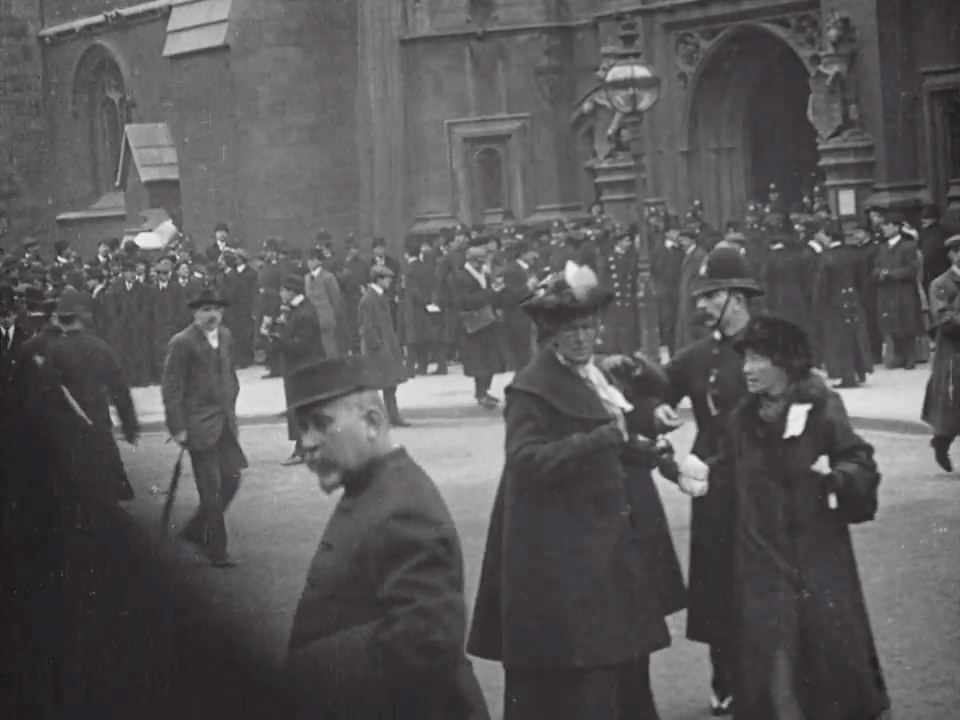
Emily died from her injuries a few days later. A hundred years on, her motives are still debated. Certainly, the suffragettes were adept at harnessing the media to highlight their struggle. Emily's previous attention-grabbing antics included throwing stones at future Prime Minister David Lloyd George, and taking part in prison hunger strikes. She would have been fully aware of the scale of press coverage leveraged on the day and the presence of multiple newsreel cameras (Topical Budget also caught the fateful moment).
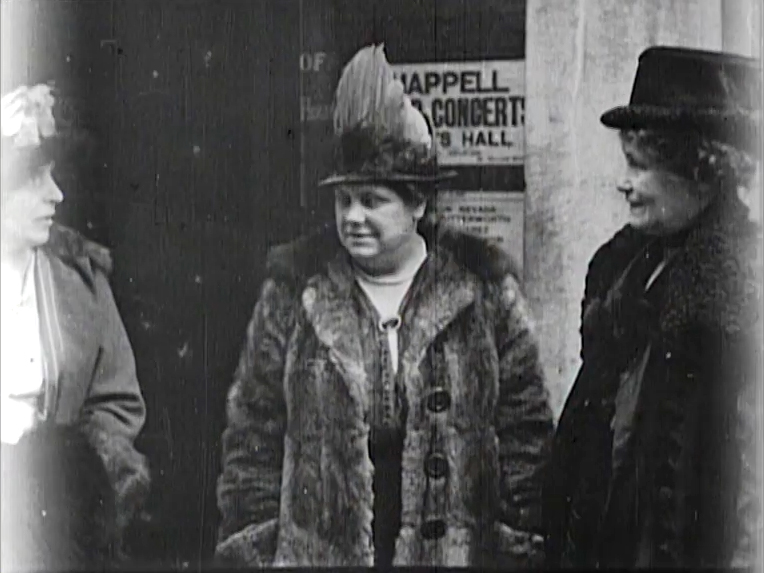
"You have to make more noise than anybody else!," cried Suffragette pioneer Emmeline Pankhurst. But how to make more noise in silent film?
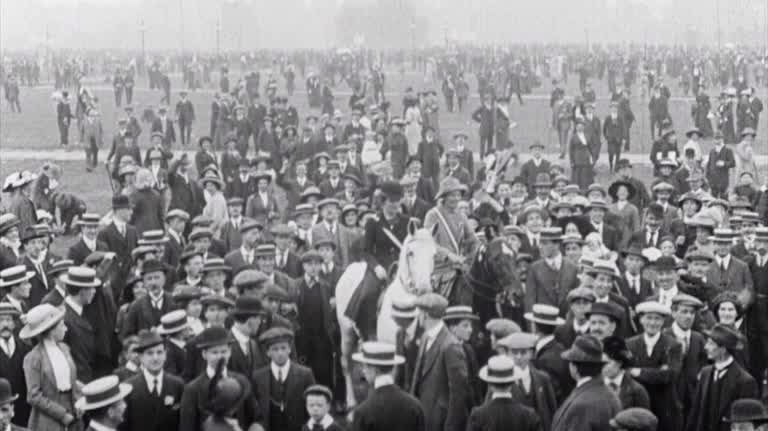
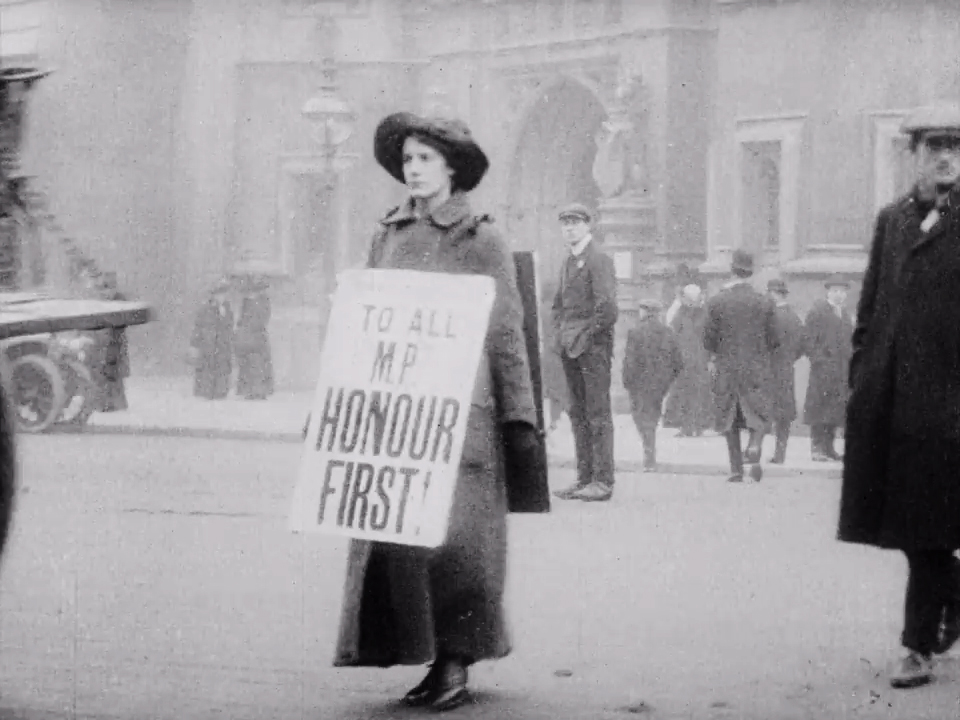
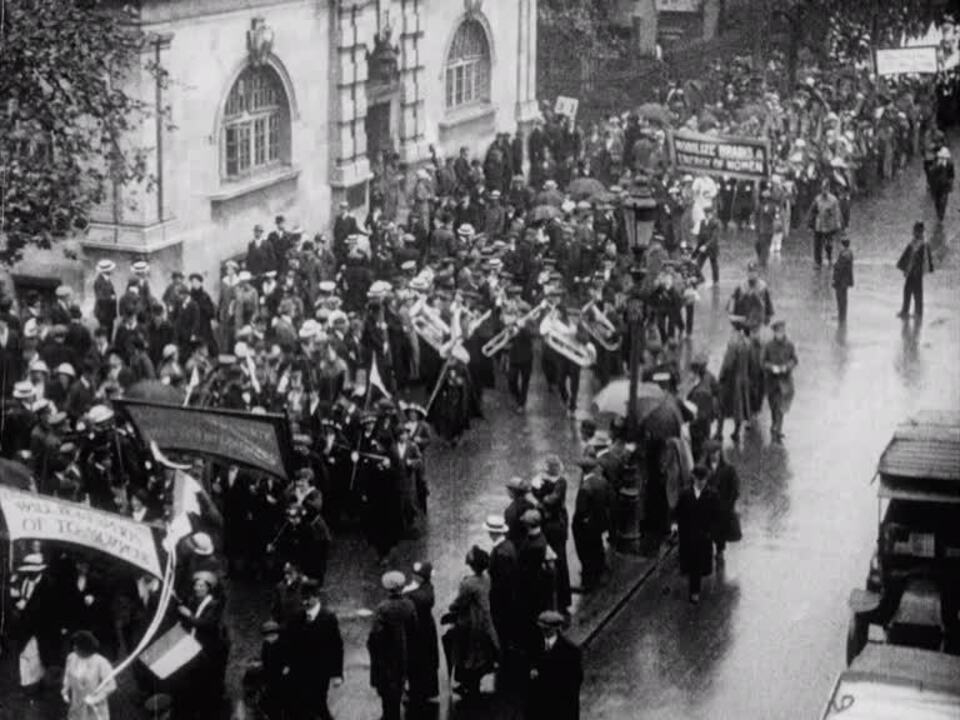
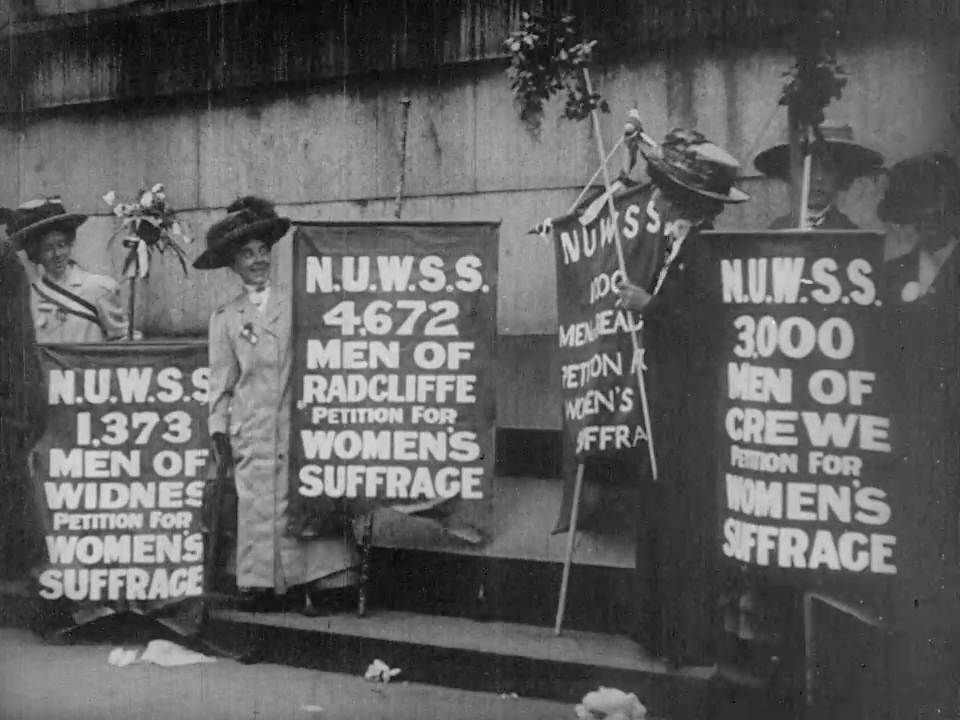
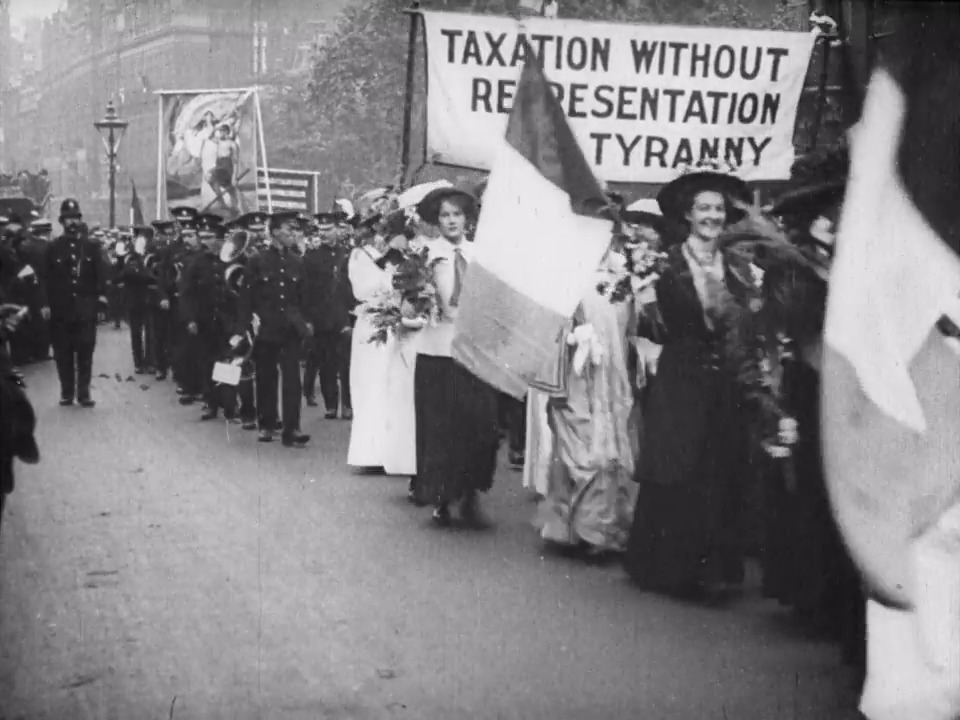
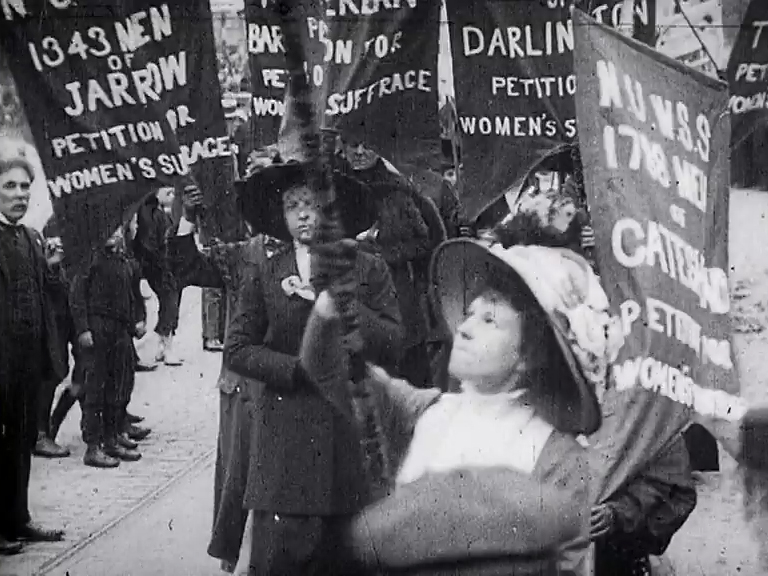
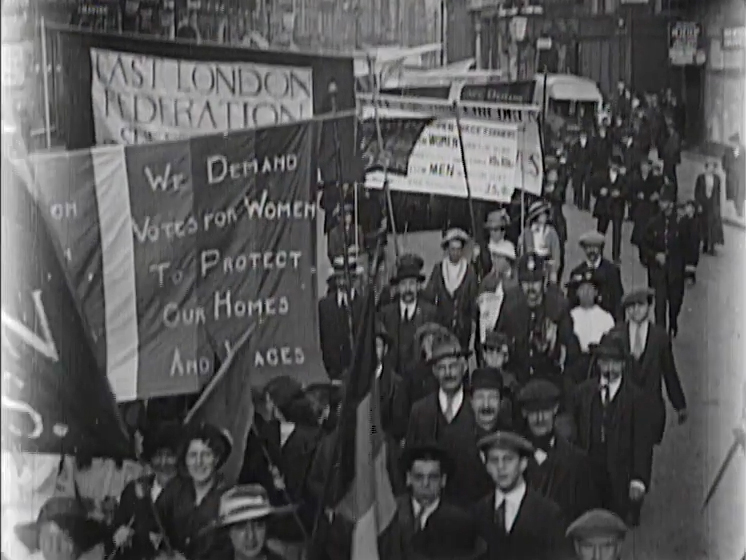
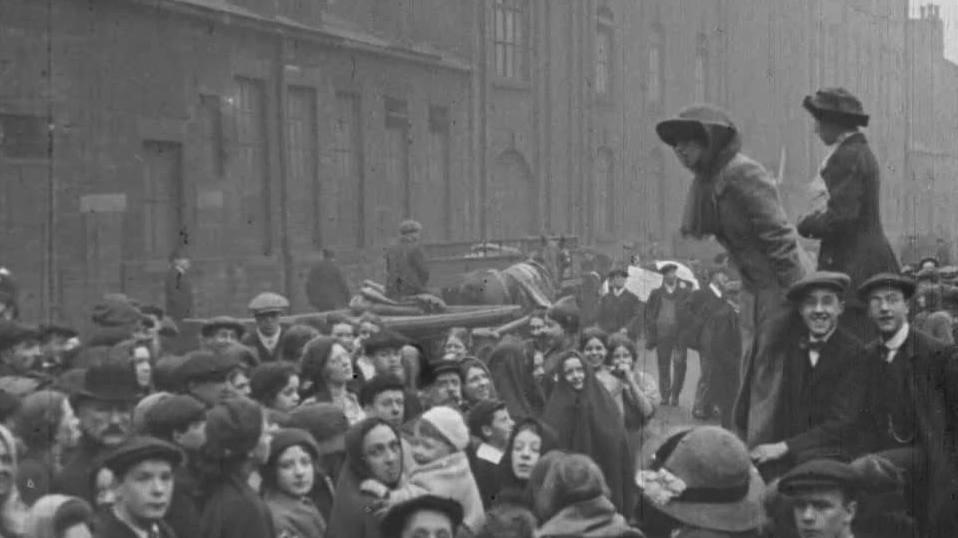
Pankhurst's strategy was simple but clever: at every public meeting or gathering, Suffragettes should stand up and shout "votes for women!". But how to make more noise in silent film? With moving images becoming increasingly important, the suffragettes needed to be not just heard, but seen. Newsreels were noticeably more neutral in their reporting than newspapers, so their cameramen were invited to big demonstrations, where banners and placards were carefully placed for the cameras.
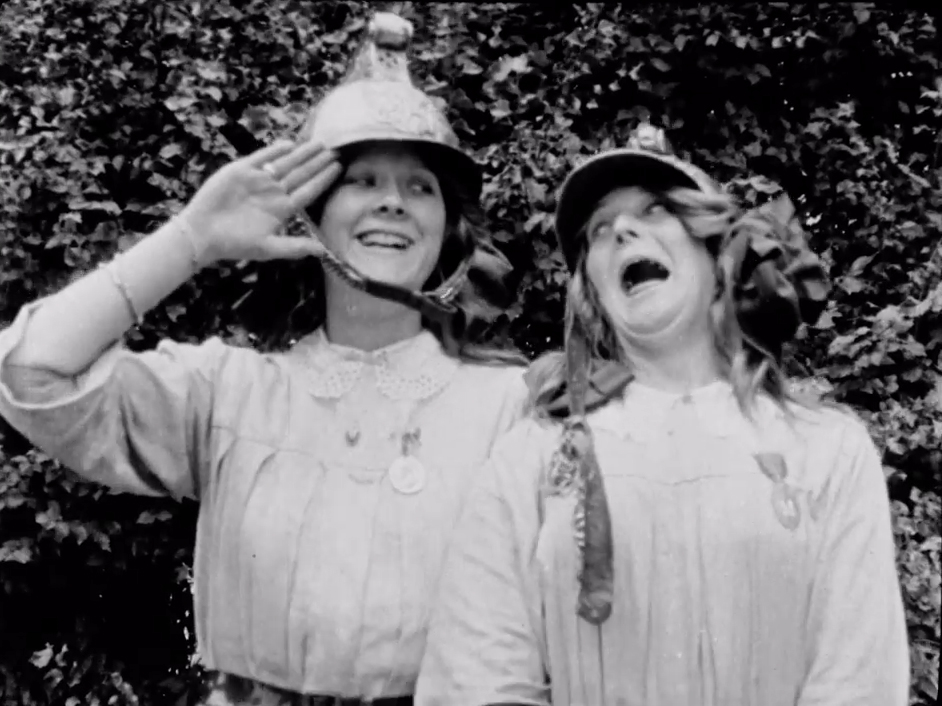
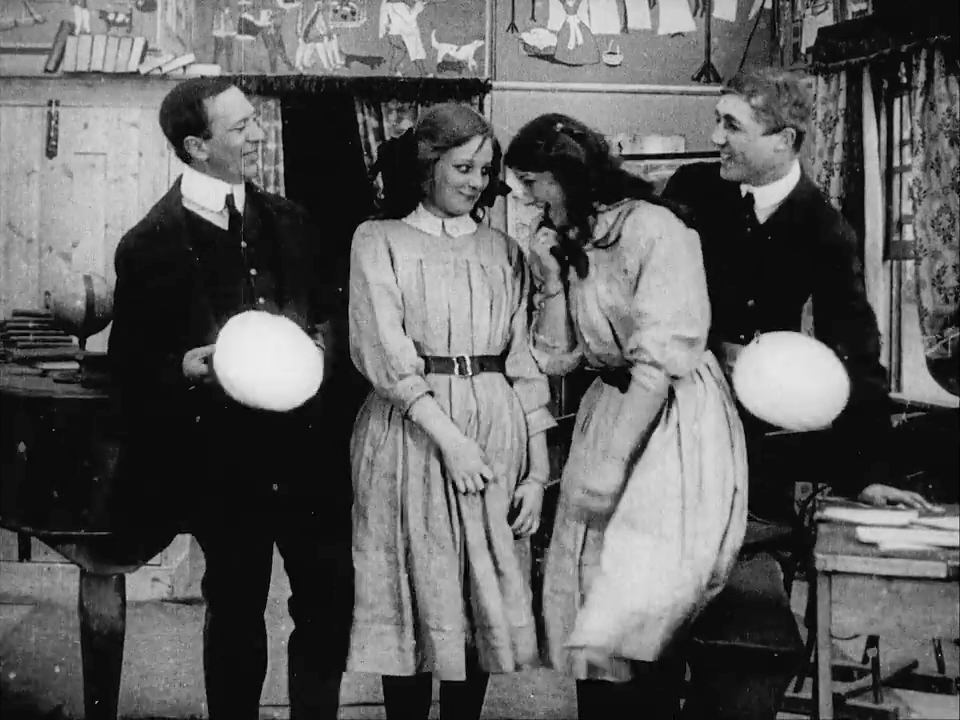
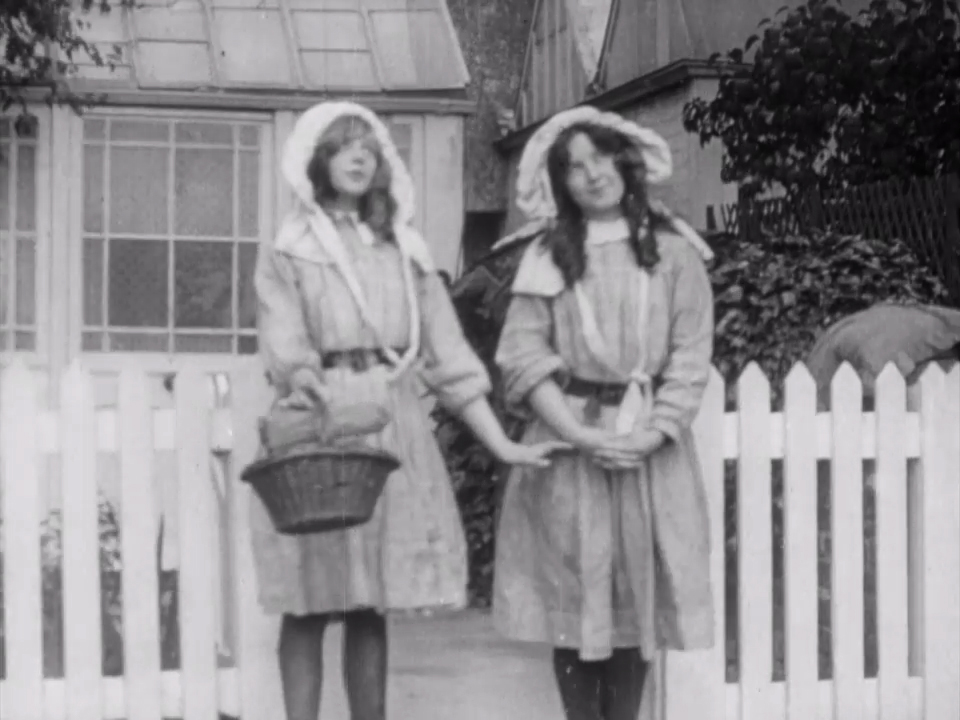
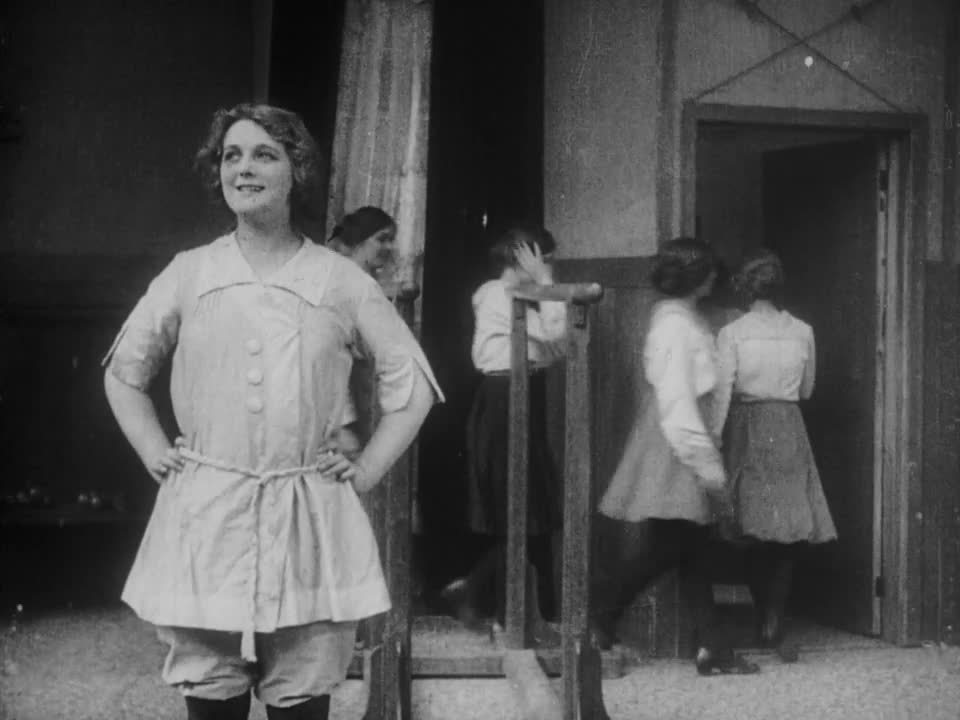
Suffragettes (often played by men in drag) were common objects of ridicule in film comedies. But some characterisations were more ambiguous, and comedy could even - sometimes - give its female protagonists the freedom to make one hell of a noise.