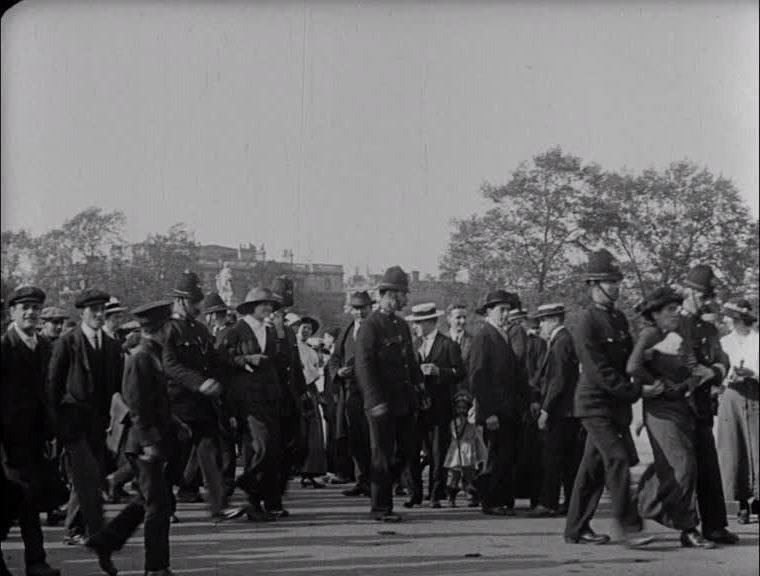
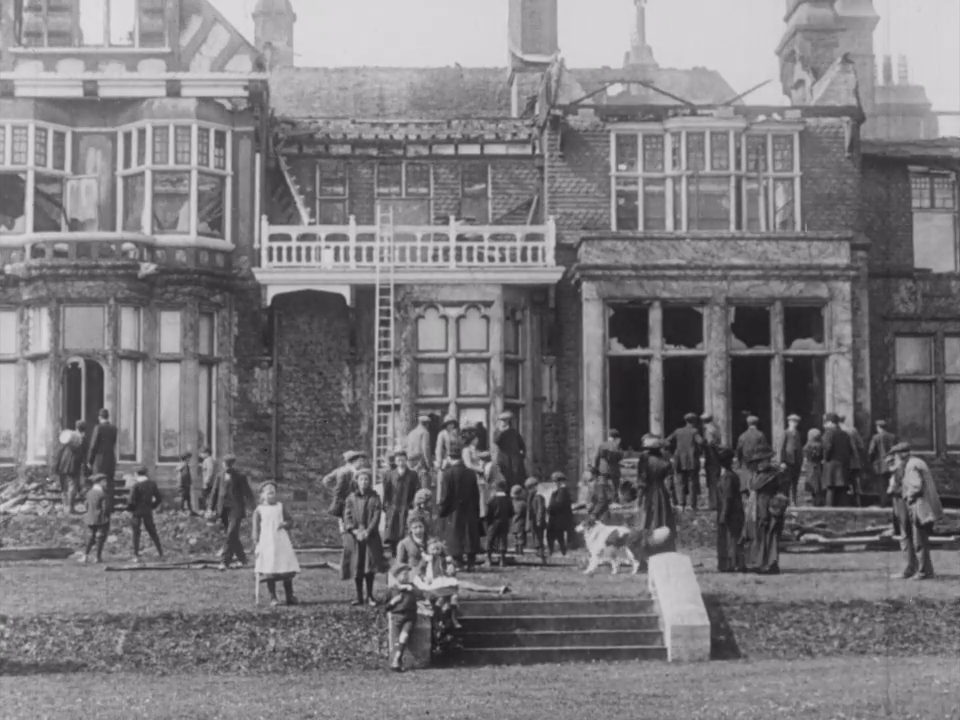
Palace Pandemonium
- Buckingham Palace
- 1914
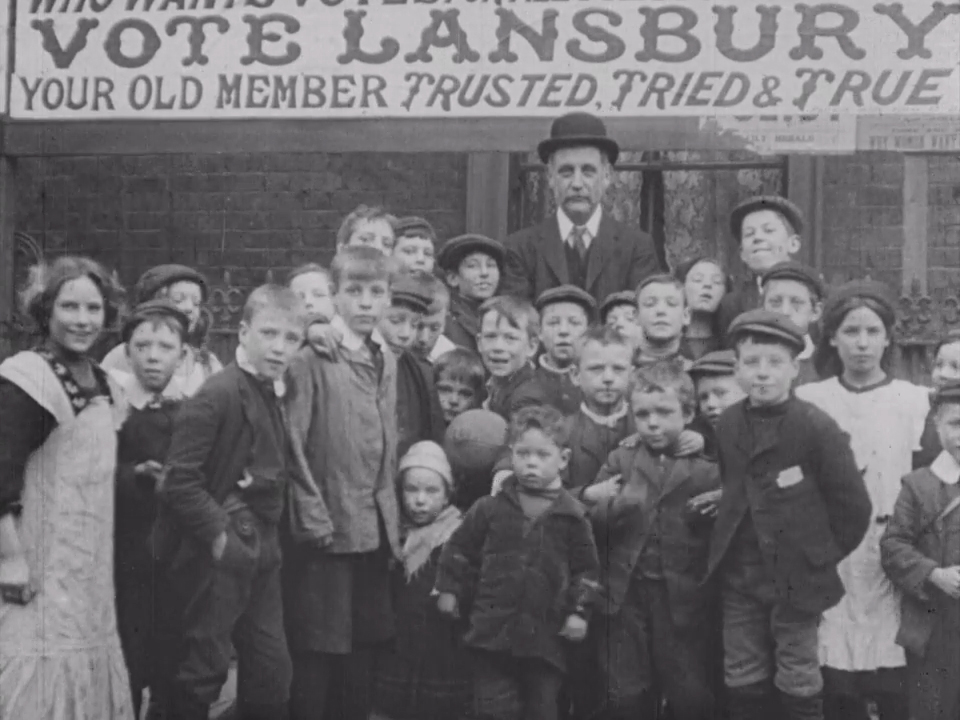
Trusted, tried and true? A Labour MP takes a principled stand on women's right to vote
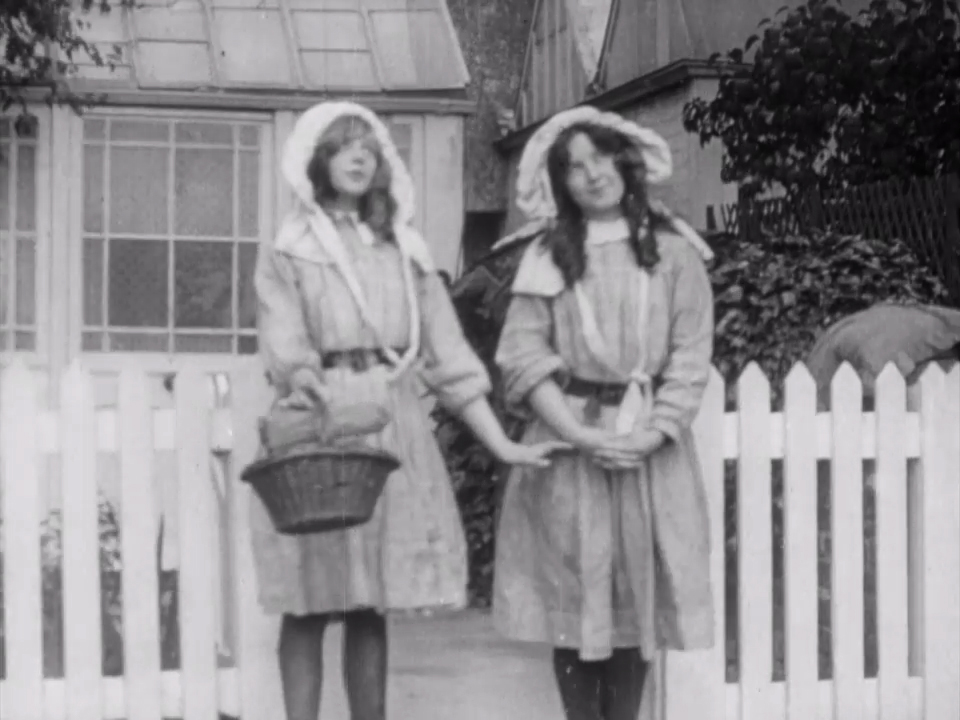
Was the battle for women's votes fought only by women? No, some men actively supported women's suffrage too. Labour MP George Lansbury, seen here surrounded by youngsters with his campaign slogan, 'Trusted, tried & true', resigned his seat in Bromley and Bow so that he could use the 1912 by-election as a platform to promote his belief in equality. His party declined to support him, and he stood instead as a Women's Suffrage and Socialist candidate, losing to Unionist Reginald Blair by 751 votes.
The following year, Lansbury was imprisoned for vocalising support for arson attacks at a Women's Social and Political Union rally. He won his old seat back from Blair in 1922 and served under Ramsay Macdonald in Labour's second government of 1929-31. After Macdonald's decision to form and lead a national government with the Conservatives in 1931 split his party, Lansbury sided with the rebels and ultimately rose to the leadership in 1932 (he was replaced by Clement Attlee in 1935).
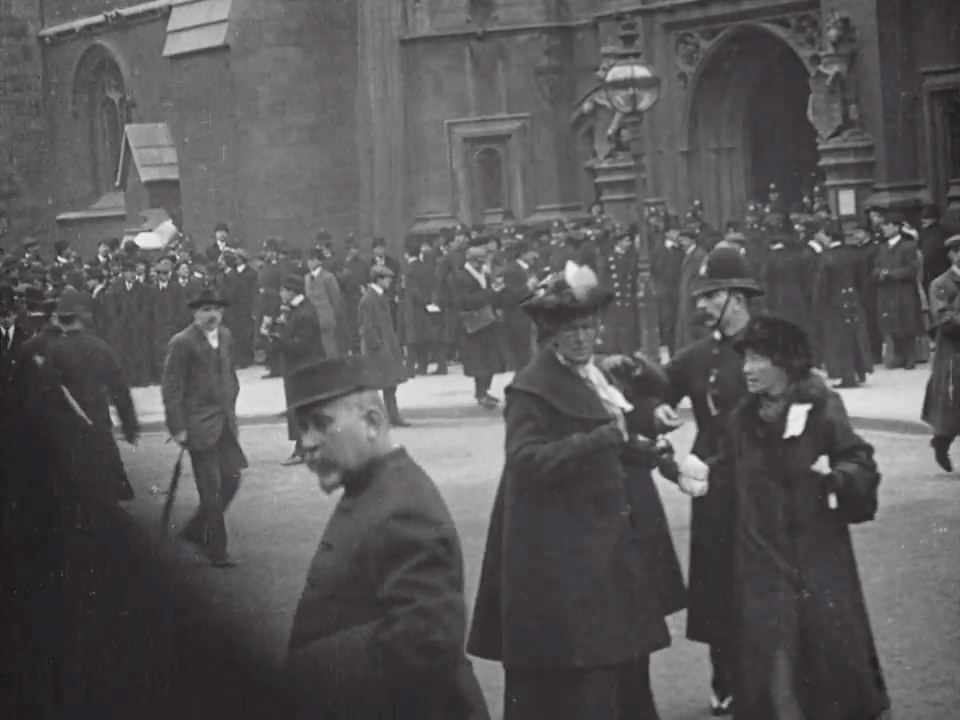
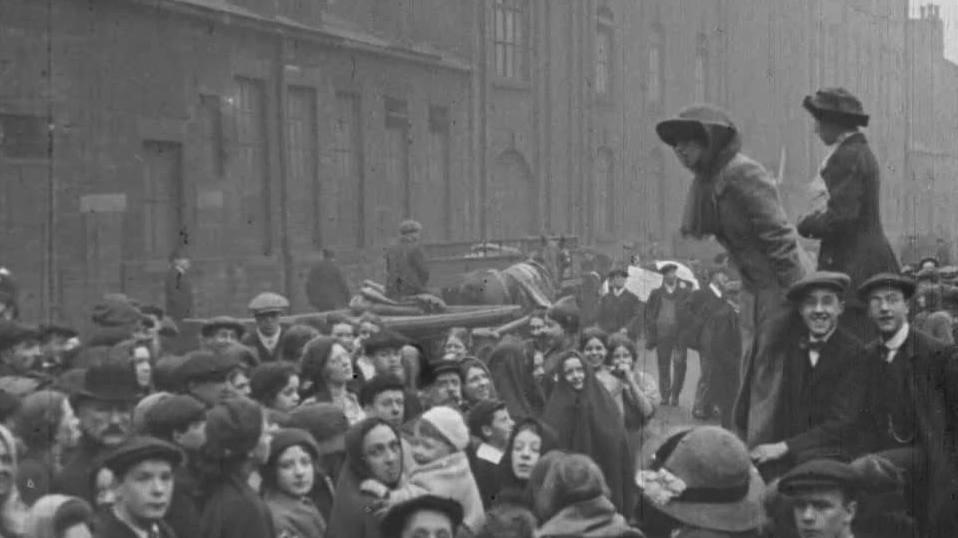
"You have to make more noise than anybody else!," cried Suffragette pioneer Emmeline Pankhurst. But how to make more noise in silent film?
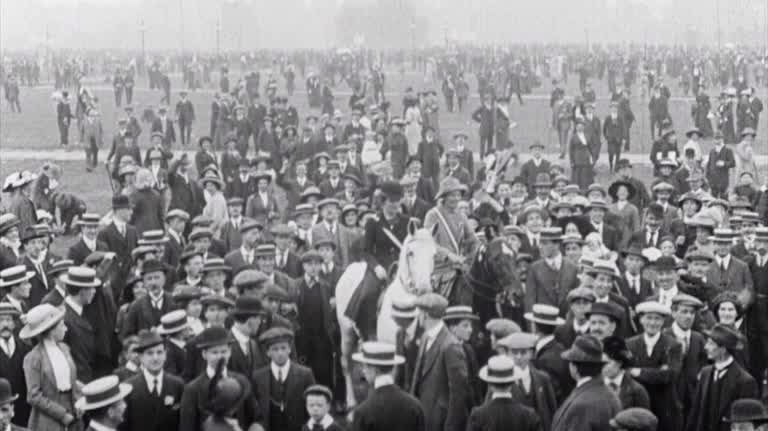
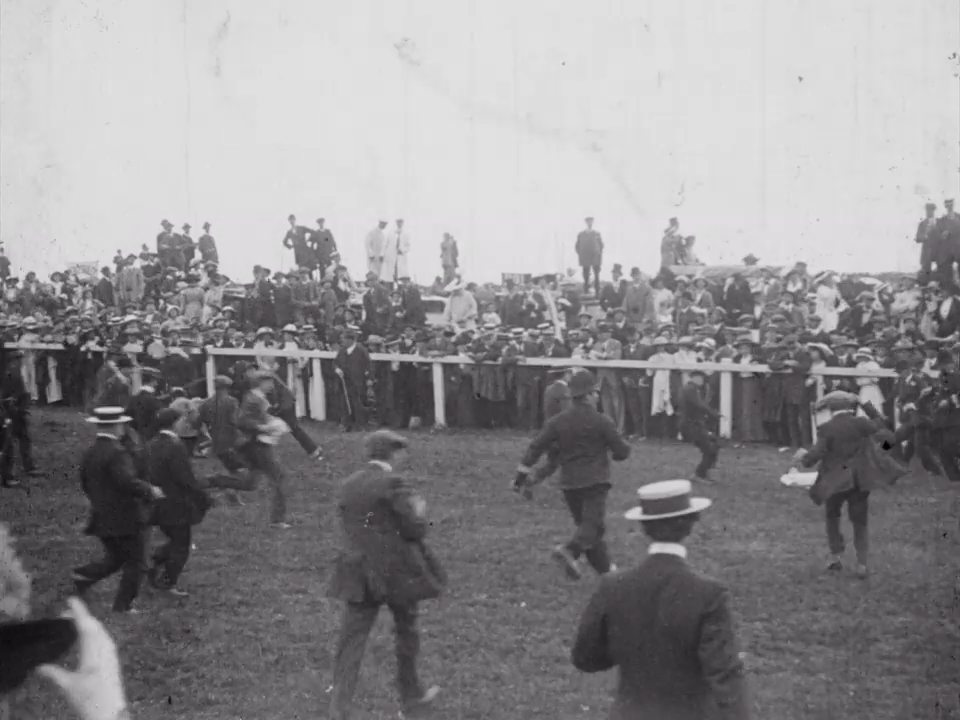
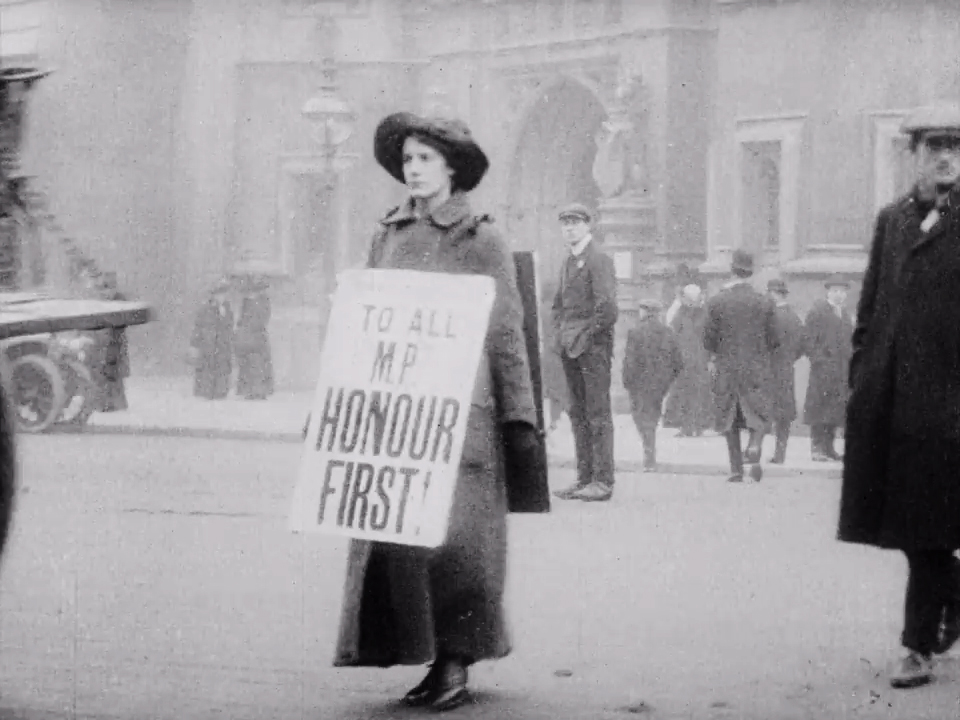
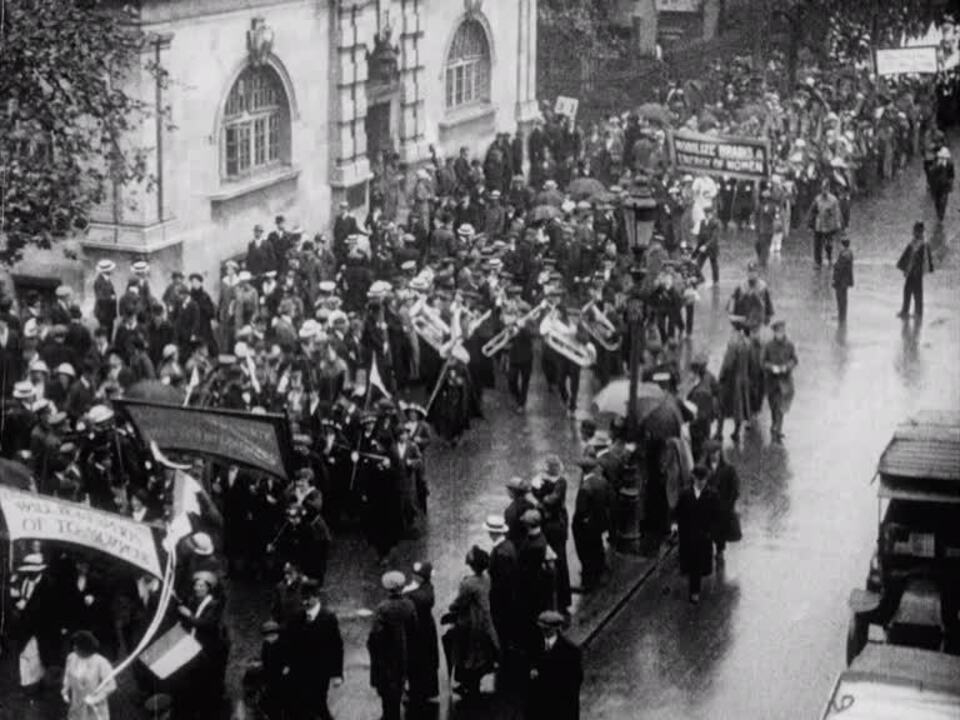
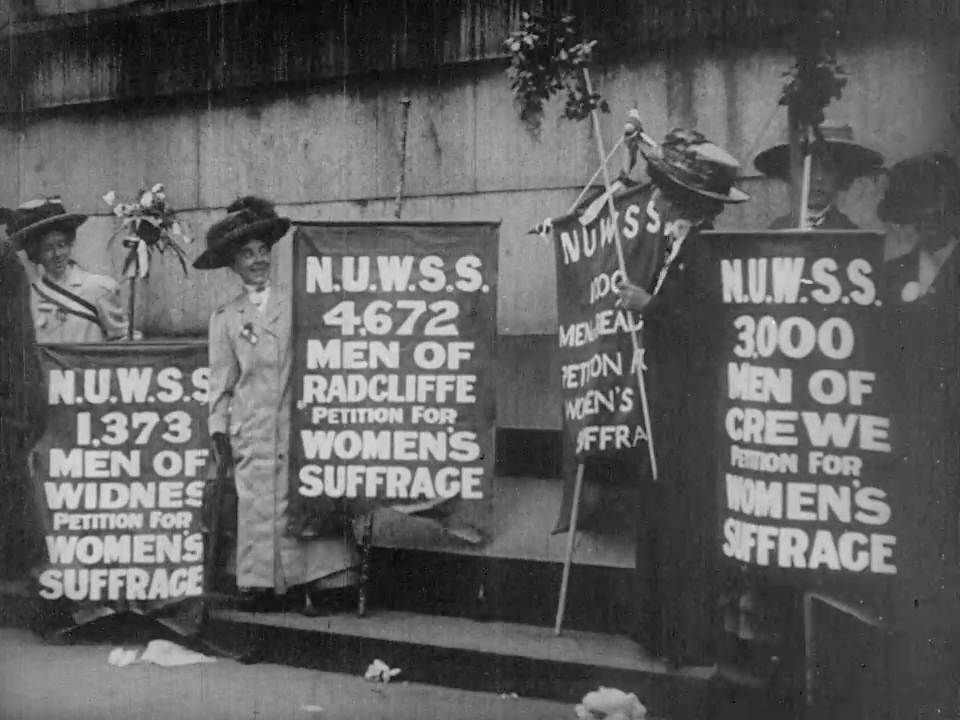
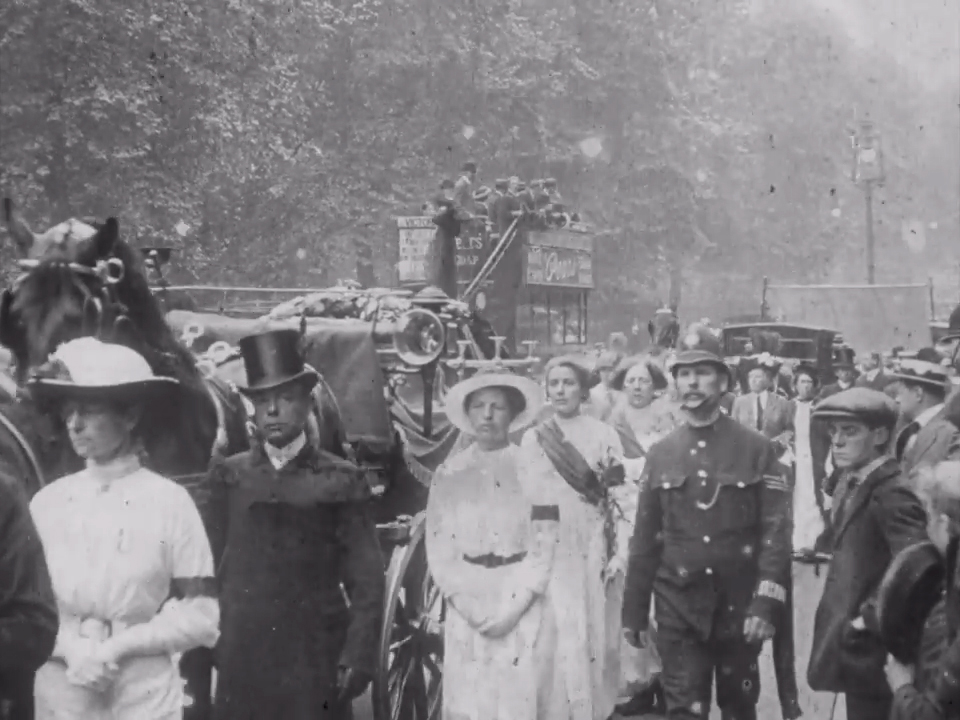
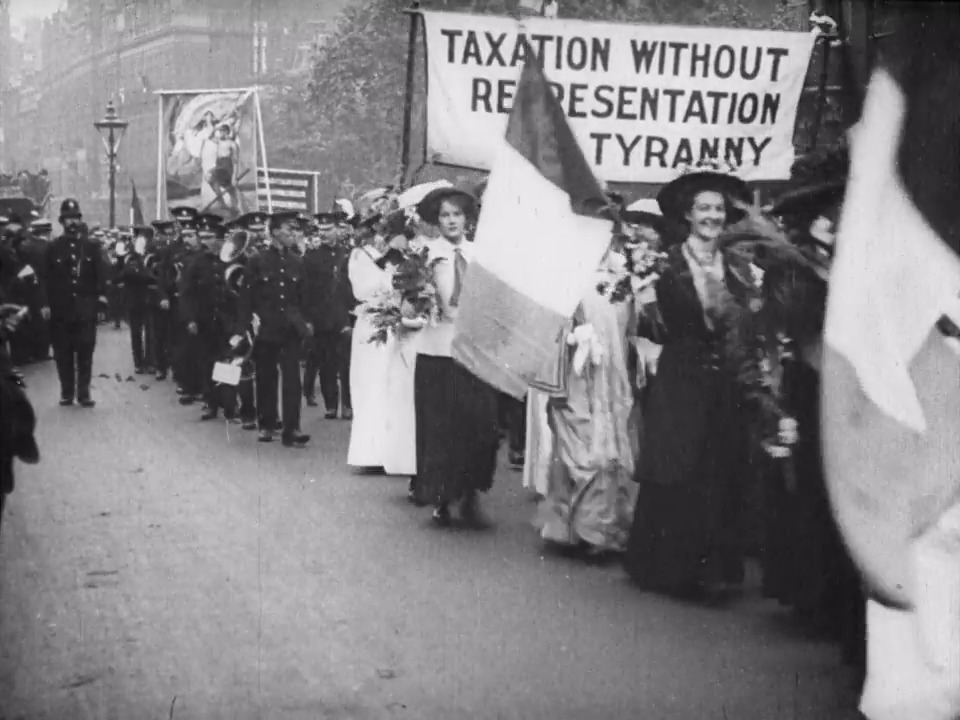
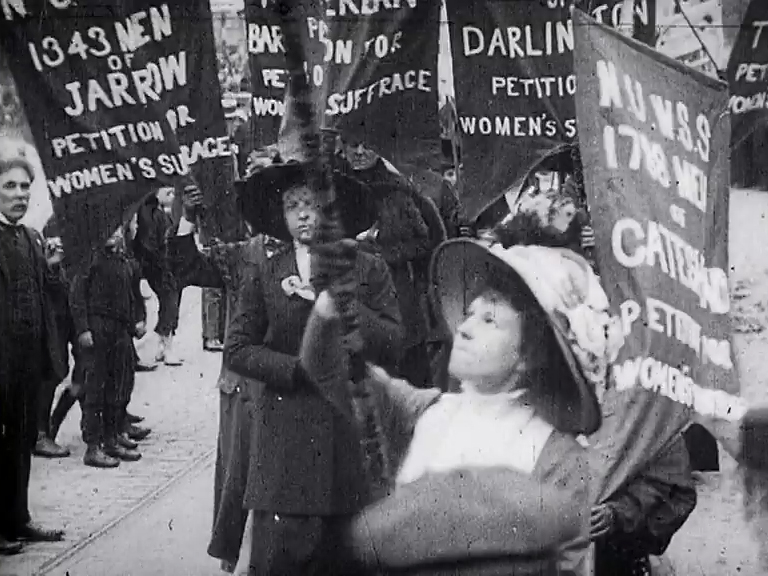
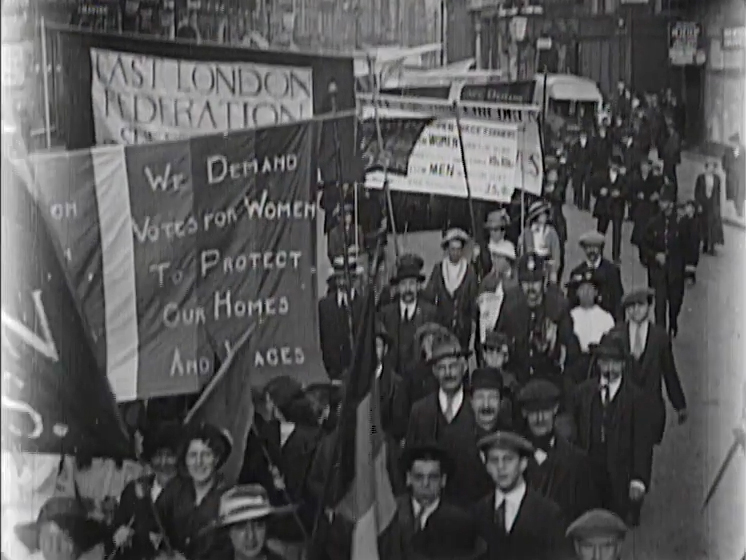
Pankhurst's strategy was simple but clever: at every public meeting or gathering, Suffragettes should stand up and shout "votes for women!". But how to make more noise in silent film? With moving images becoming increasingly important, the suffragettes needed to be not just heard, but seen. Newsreels were noticeably more neutral in their reporting than newspapers, so their cameramen were invited to big demonstrations, where banners and placards were carefully placed for the cameras.
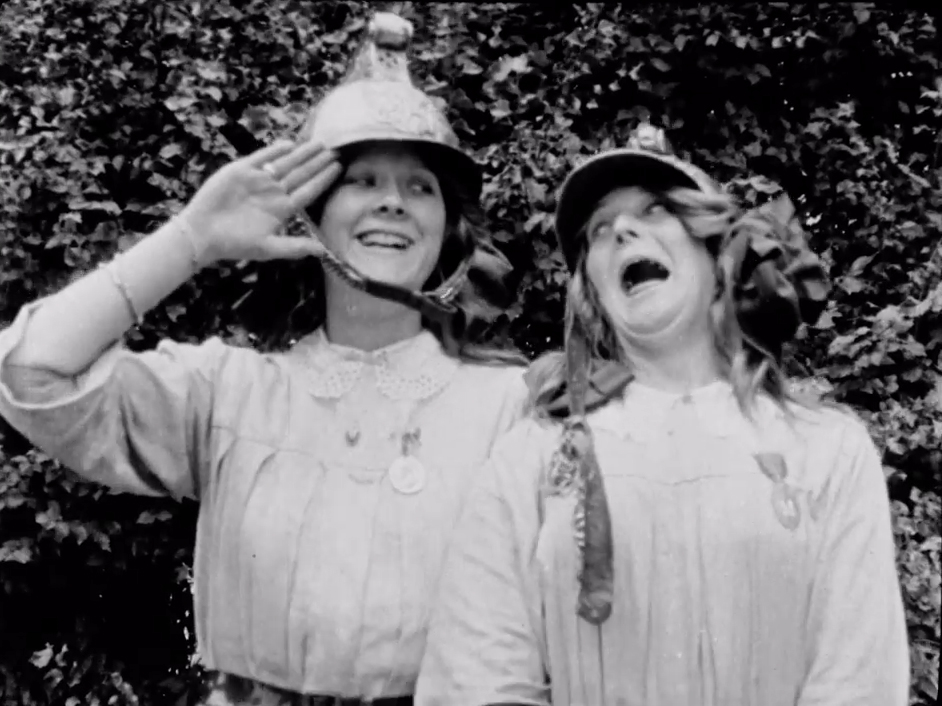
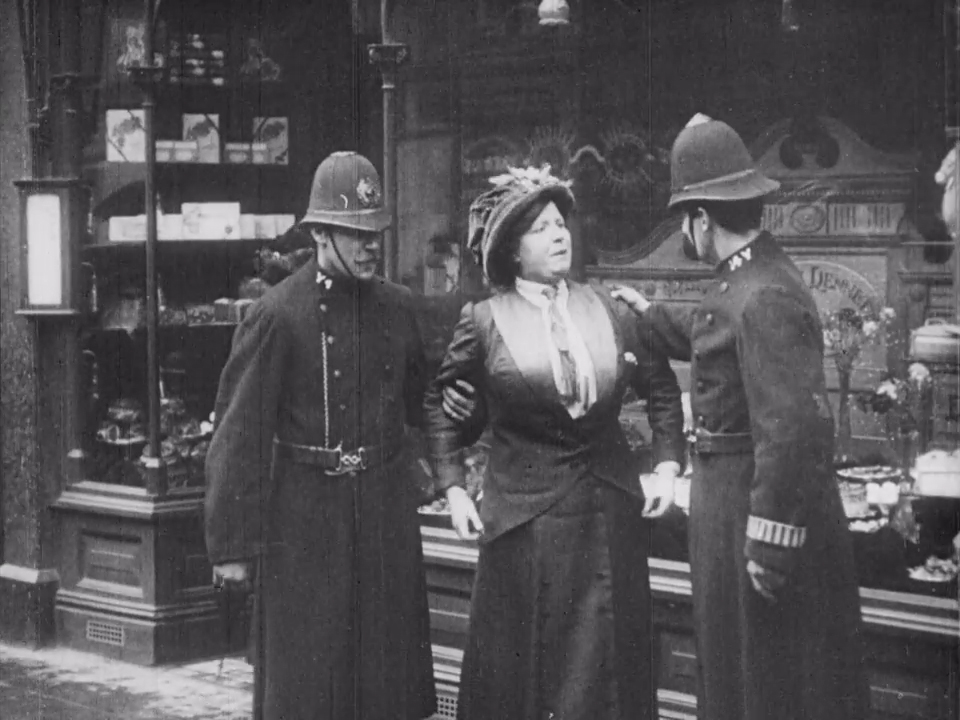
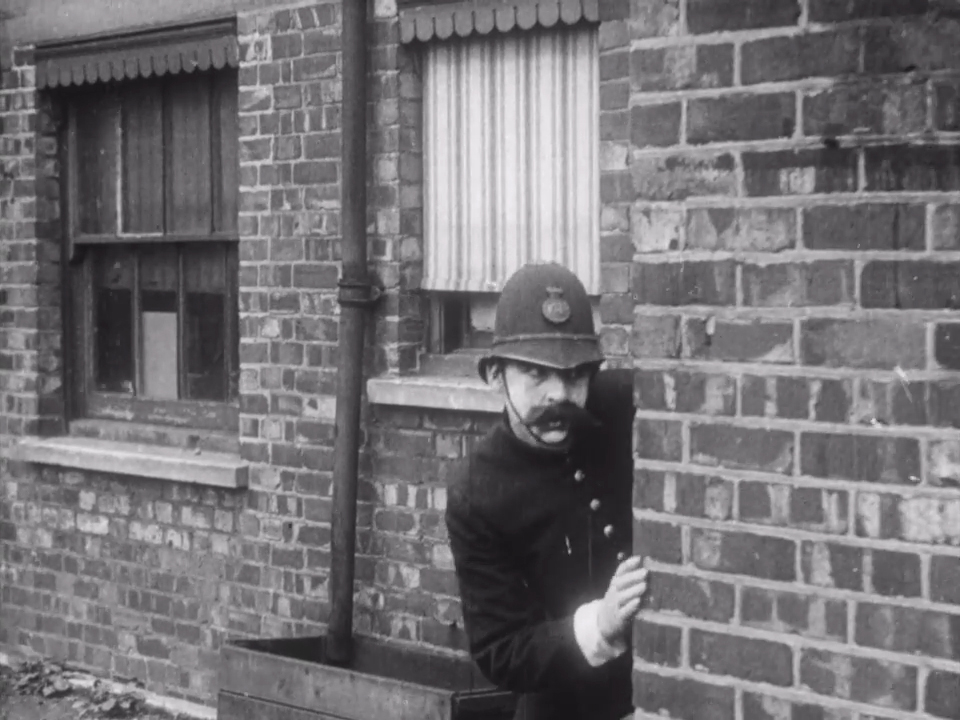
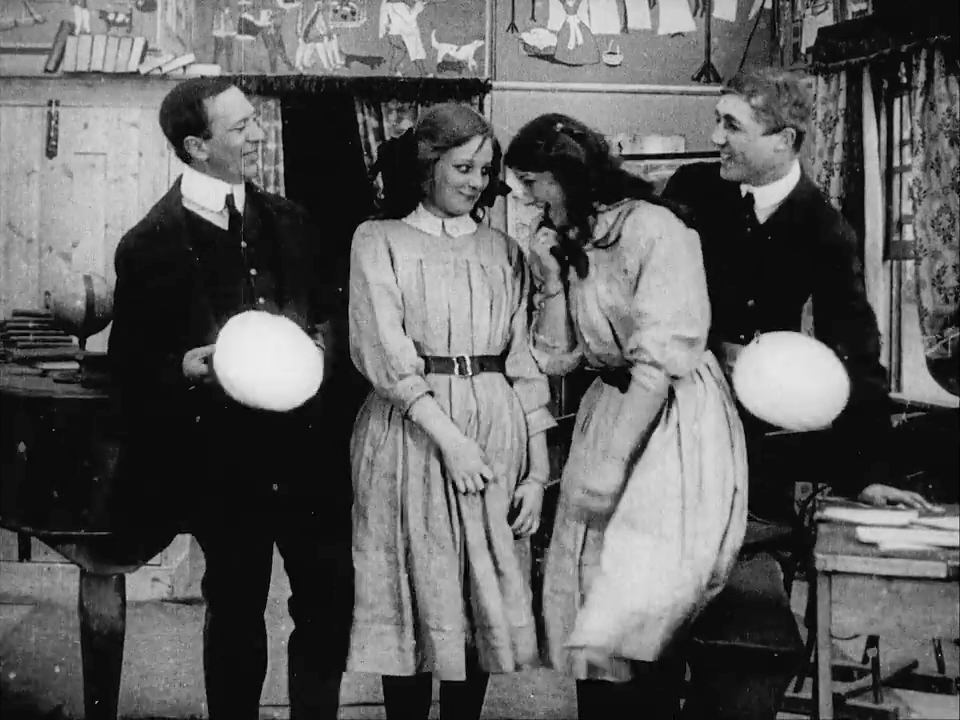
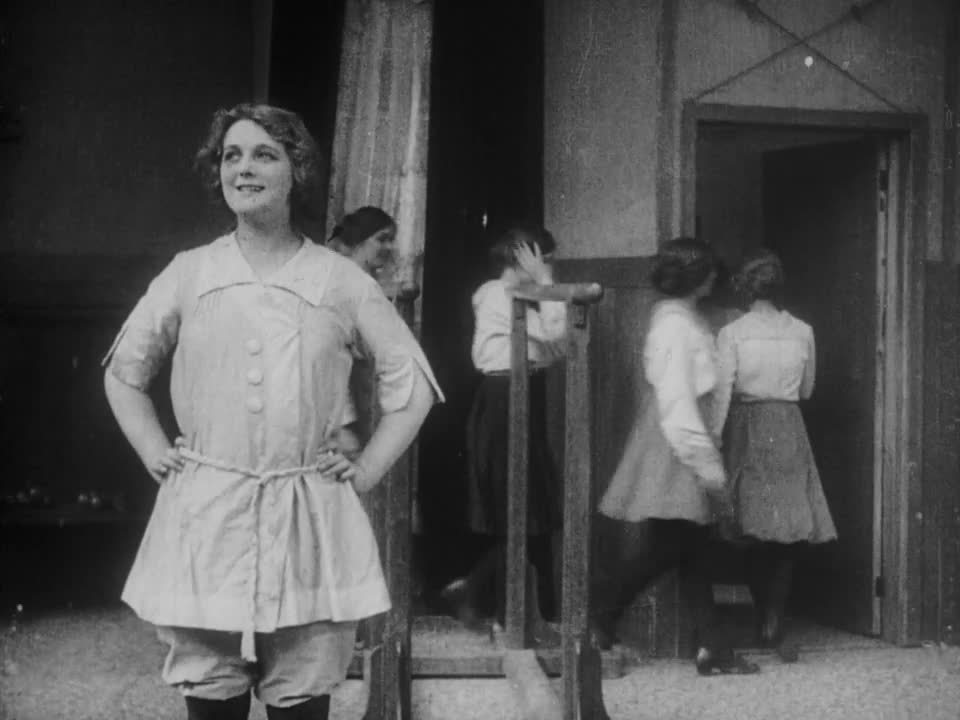
Suffragettes (often played by men in drag) were common objects of ridicule in film comedies. But some characterisations were more ambiguous, and comedy could even - sometimes - give its female protagonists the freedom to make one hell of a noise.