Palace Pandemonium
- Buckingham Palace
- 1914
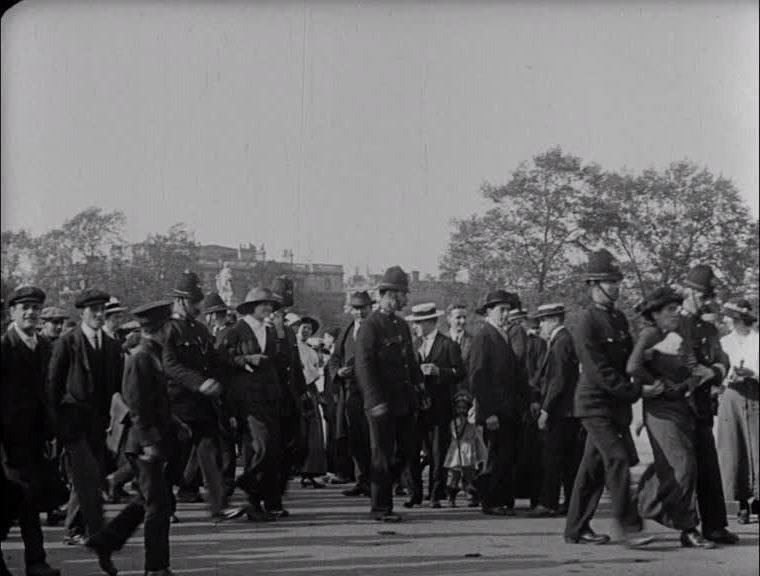
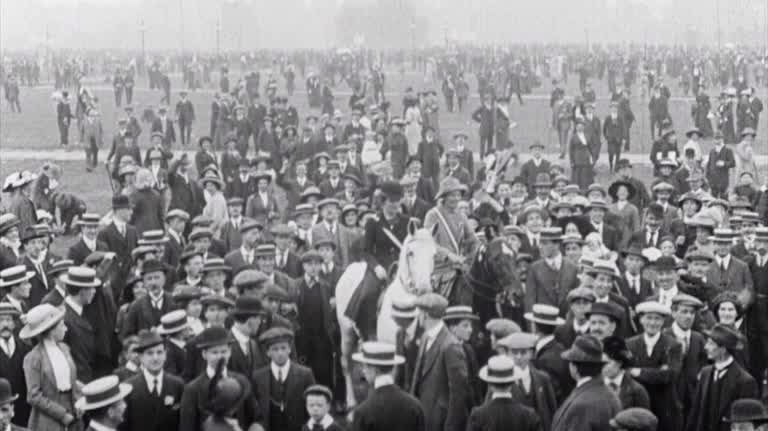
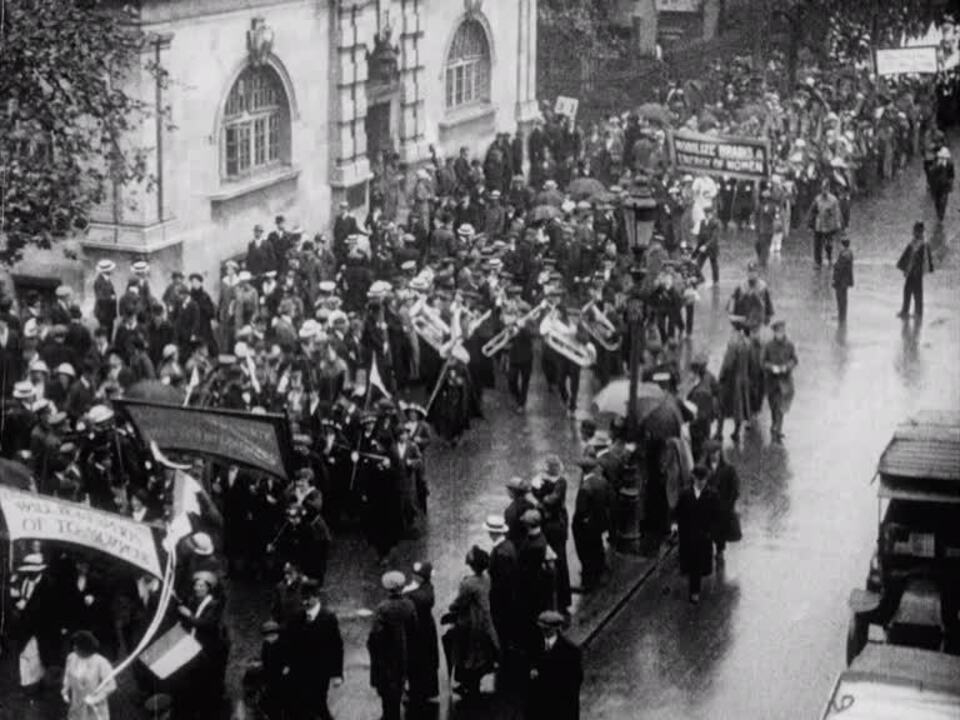
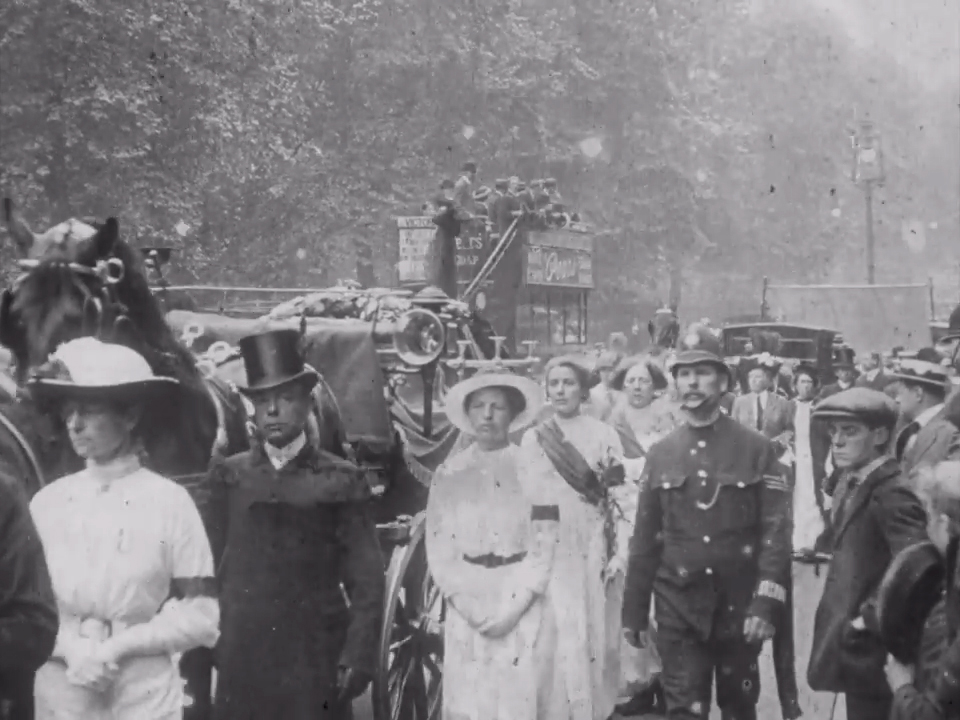
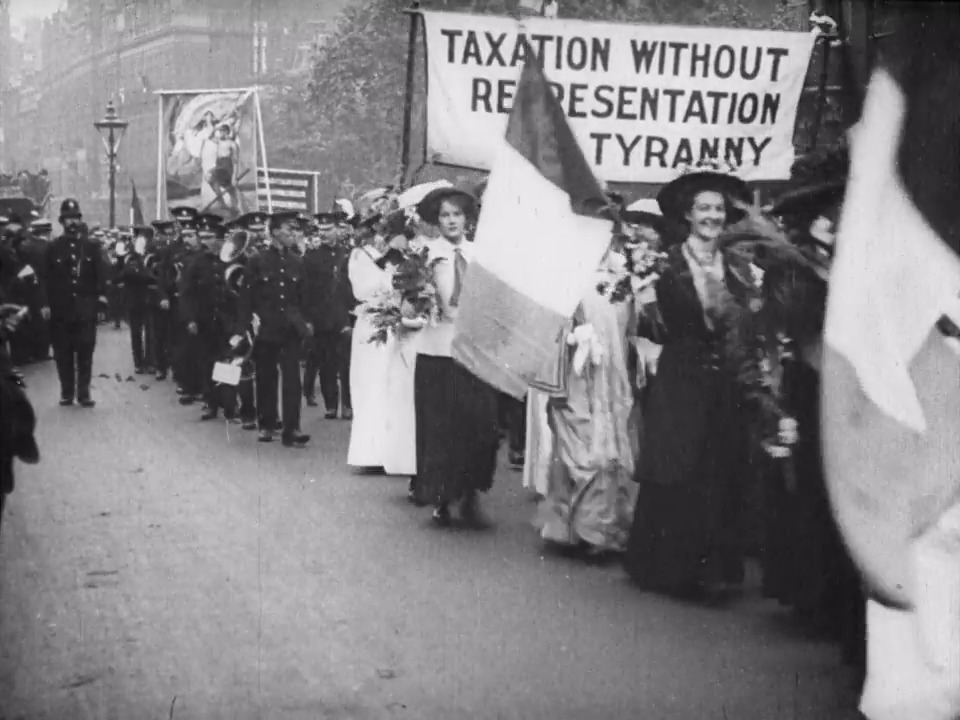
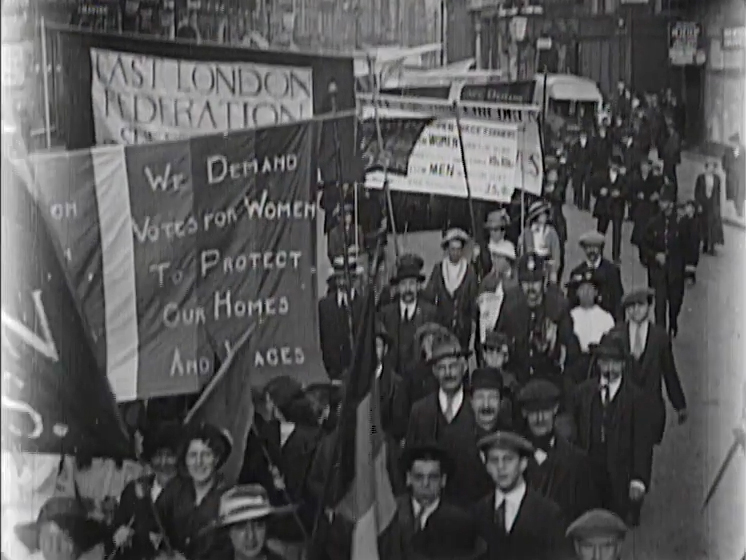
Three cheers to our gallant soldiers, proclaim suffragette marchers as they rally to show their willingness to help the war effort.
At the outset of World War I, Britain's suffragettes called off their campaigning for the vote and instead offered their help in mobilising women to work in munitions factories. This impressive rally was intended as a show of patriotic solidarity. Though not universally welcomed, it turned out to be a shrewd move, which helped the campaigners secure their prize in the last months of the war.
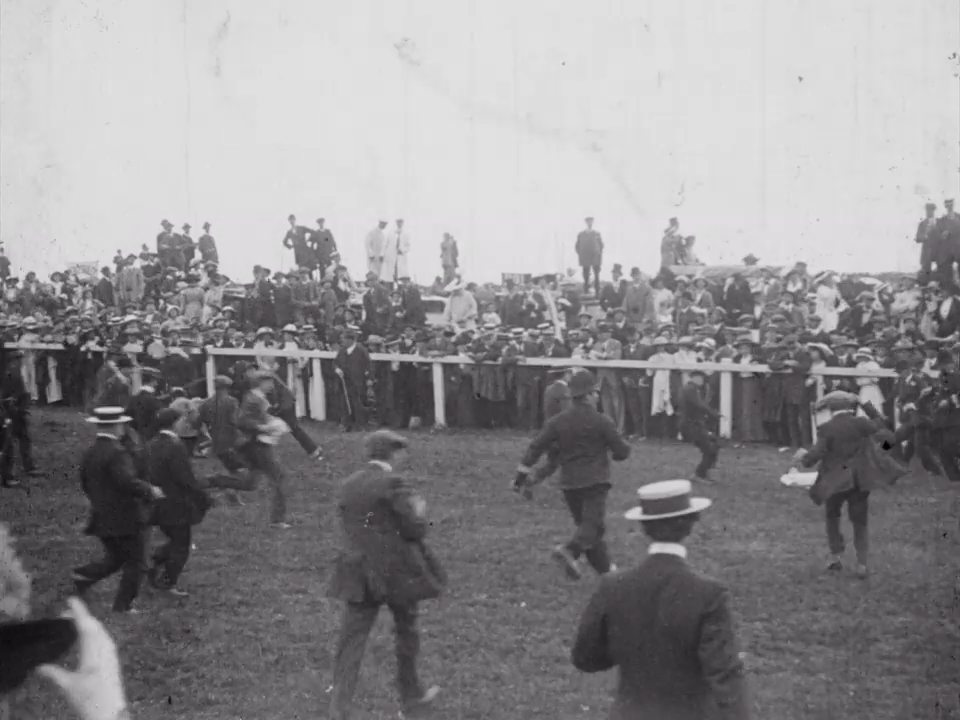
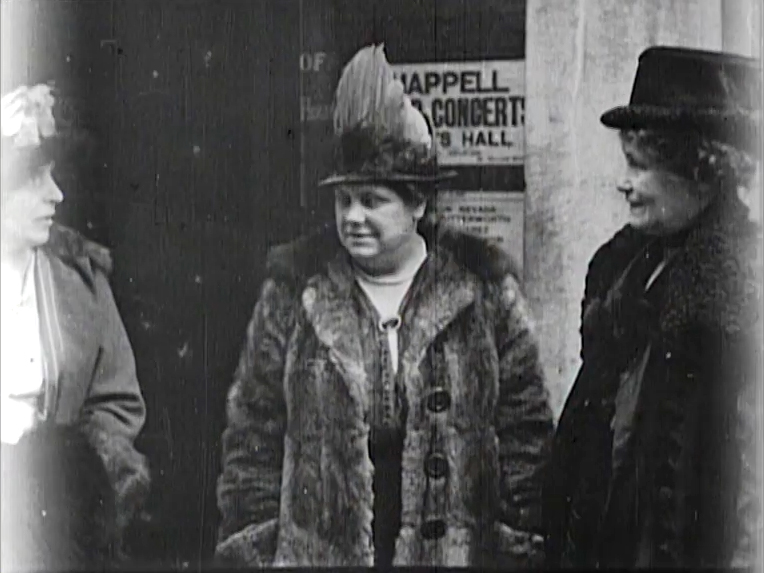
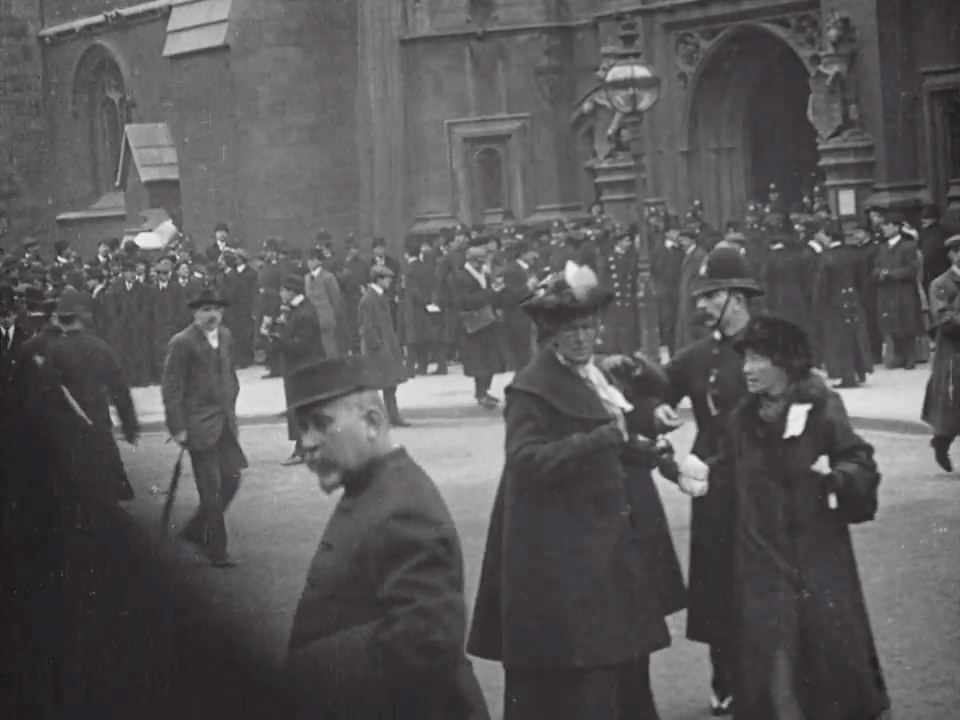
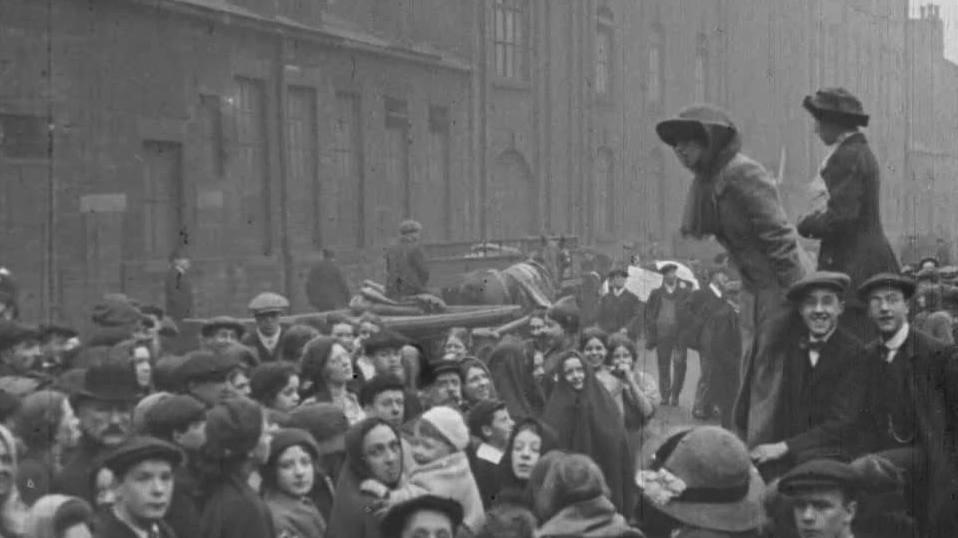
"You have to make more noise than anybody else!," cried Suffragette pioneer Emmeline Pankhurst. But how to make more noise in silent film?
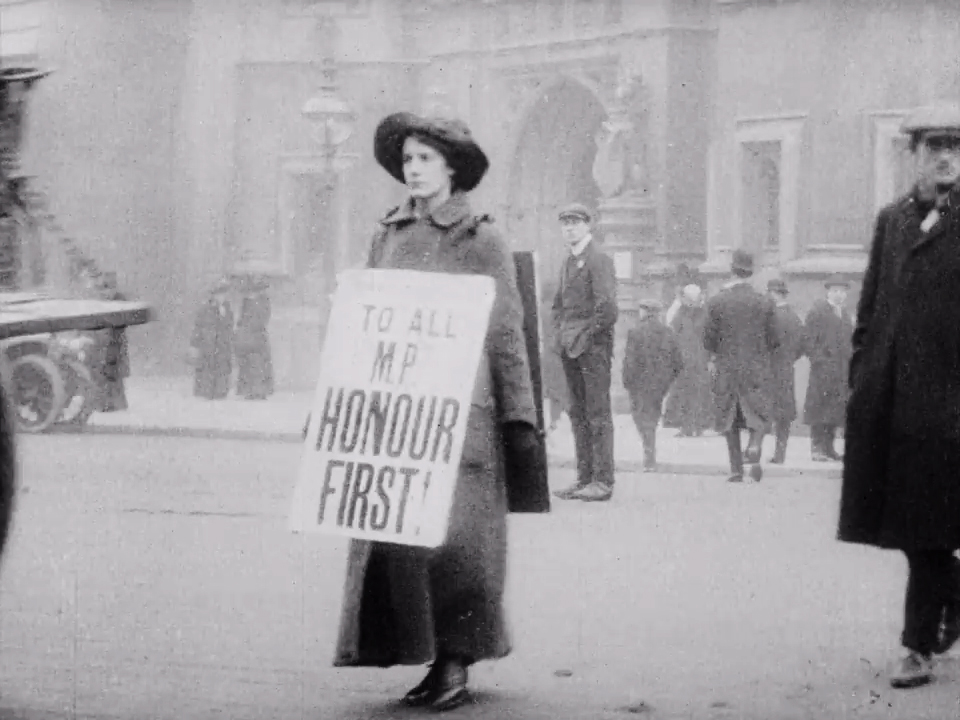
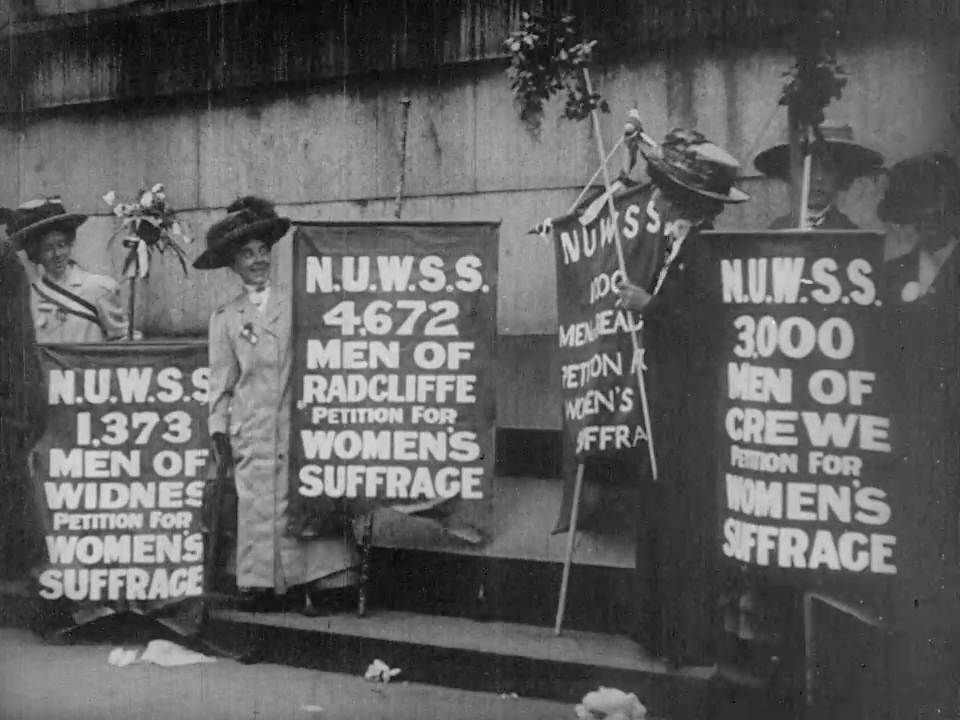
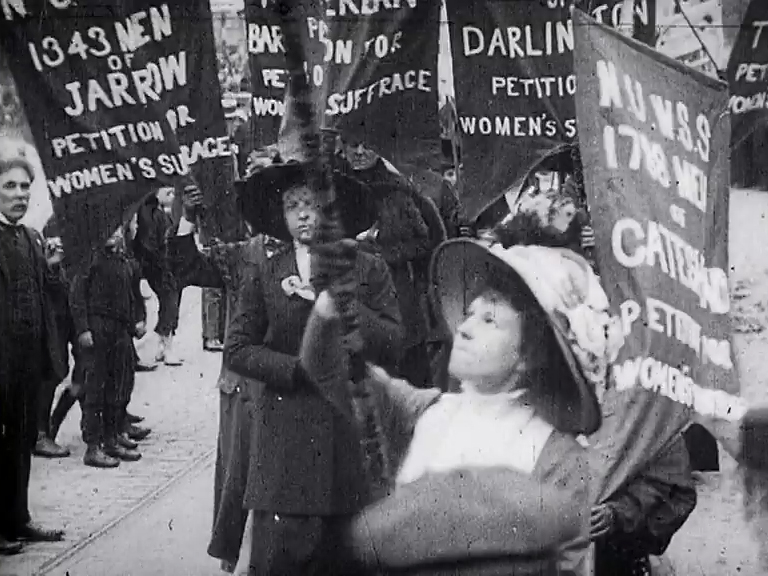
Pankhurst's strategy was simple but clever: at every public meeting or gathering, Suffragettes should stand up and shout "votes for women!". But how to make more noise in silent film? With moving images becoming increasingly important, the suffragettes needed to be not just heard, but seen. Newsreels were noticeably more neutral in their reporting than newspapers, so their cameramen were invited to big demonstrations, where banners and placards were carefully placed for the cameras.
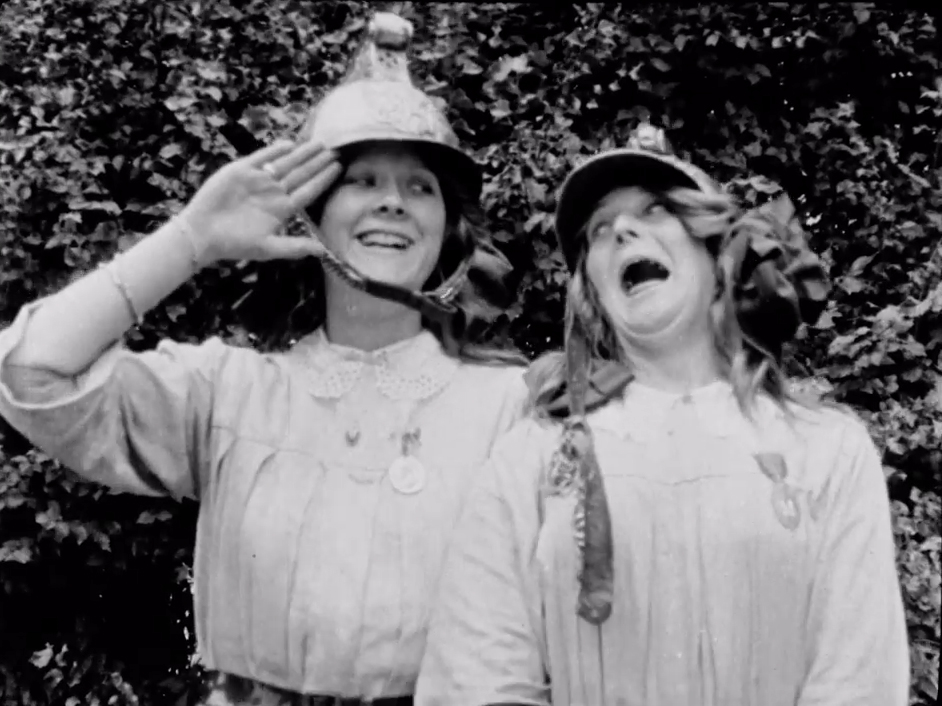
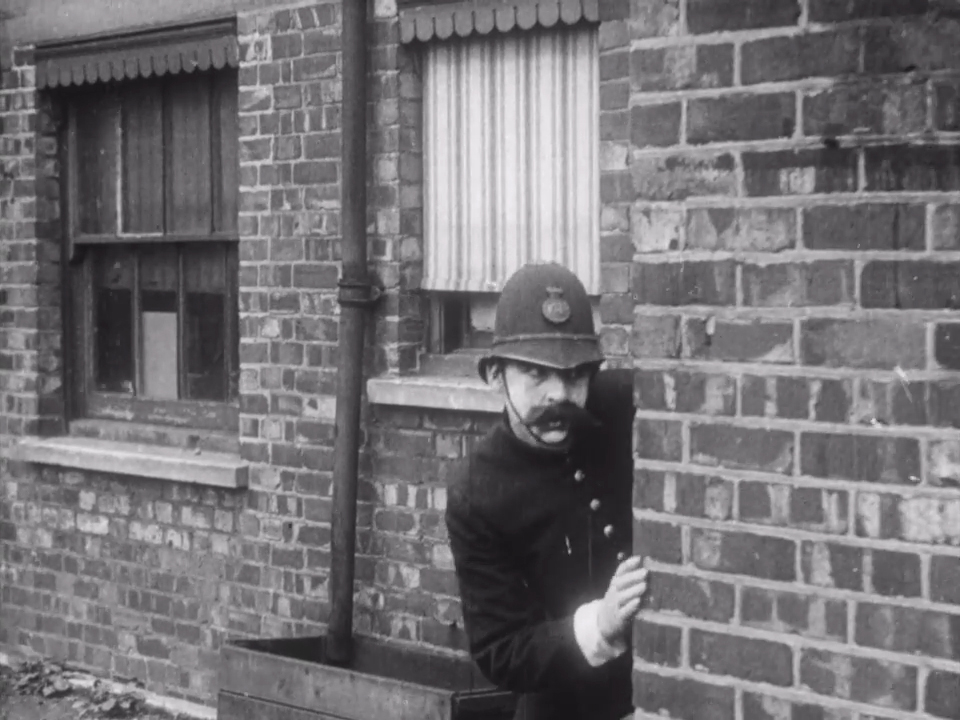
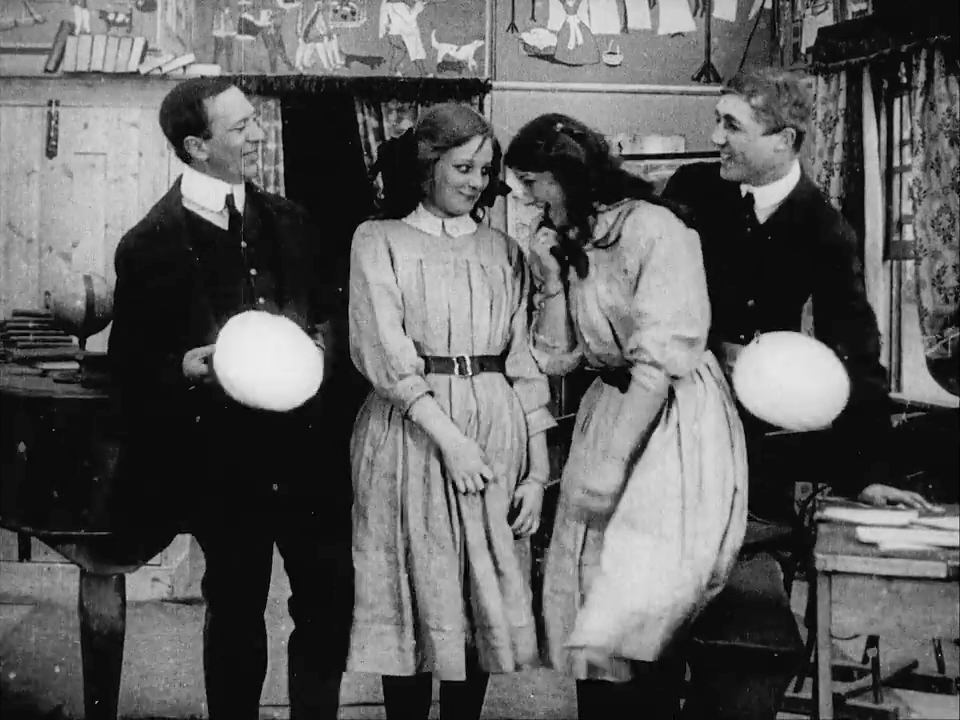
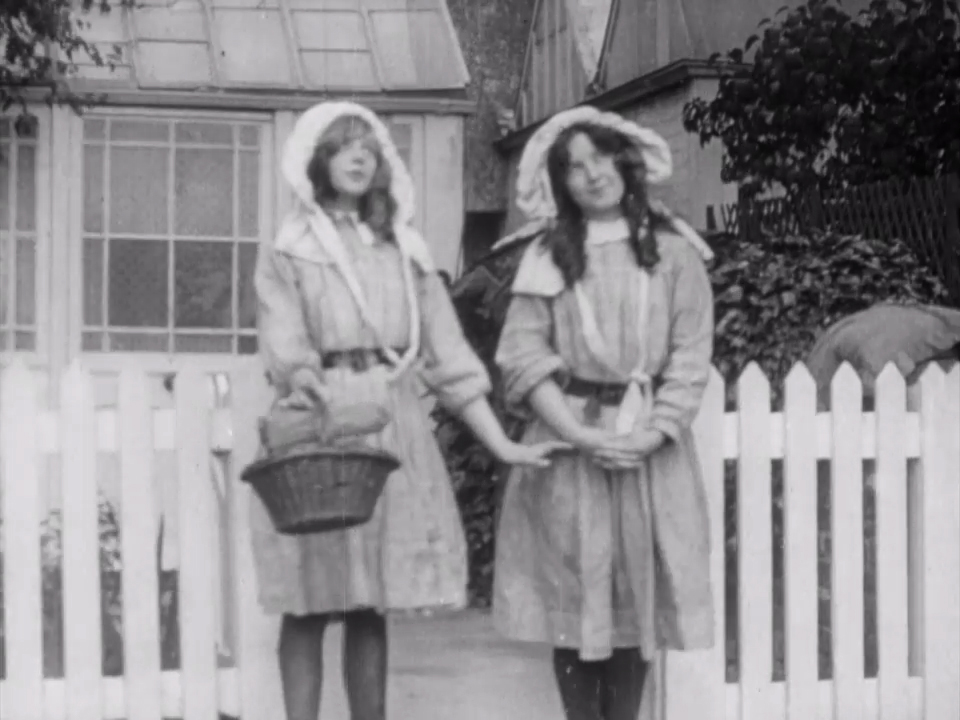
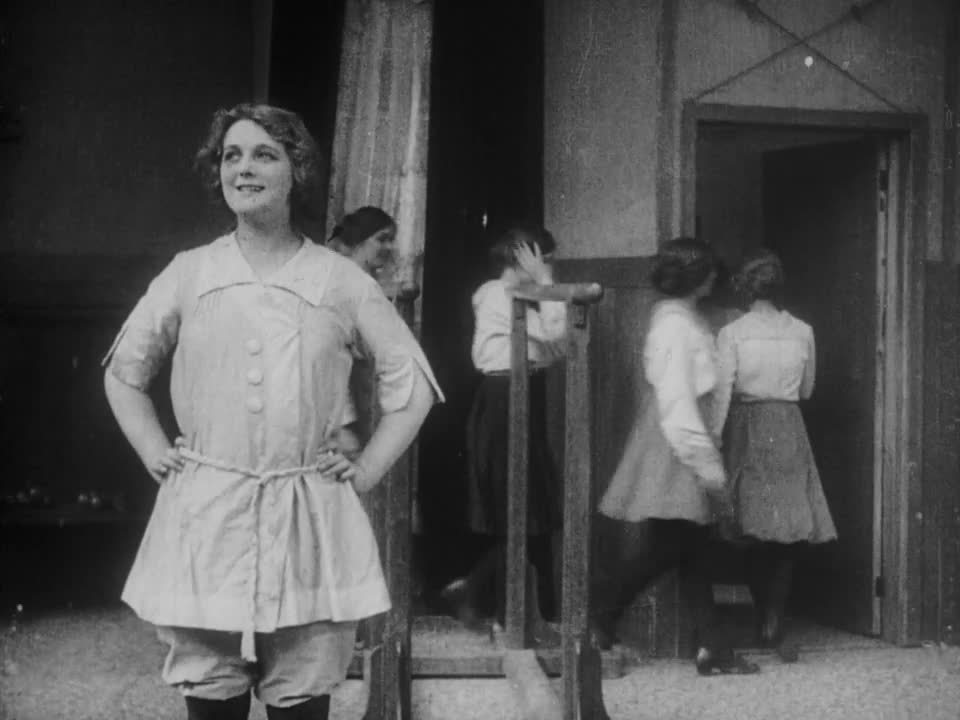
Suffragettes (often played by men in drag) were common objects of ridicule in film comedies. But some characterisations were more ambiguous, and comedy could even - sometimes - give its female protagonists the freedom to make one hell of a noise.