Palace Pandemonium
- Buckingham Palace
- 1914
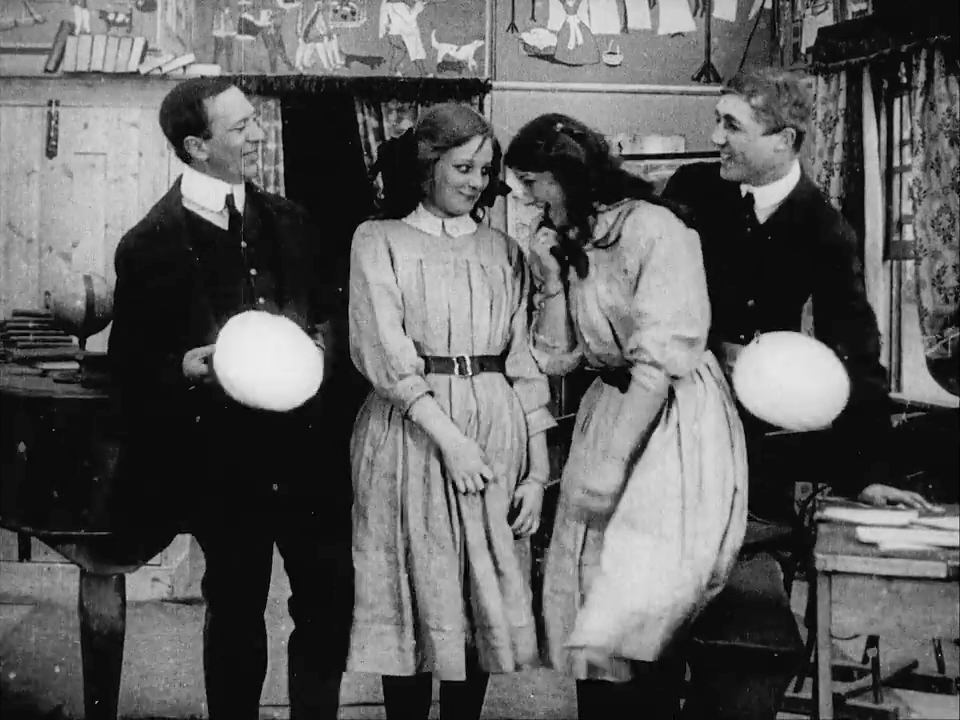
Left with the kids while his wife campaigns for women's votes, an aggrieved husband dreams of punishing all suffragettes.
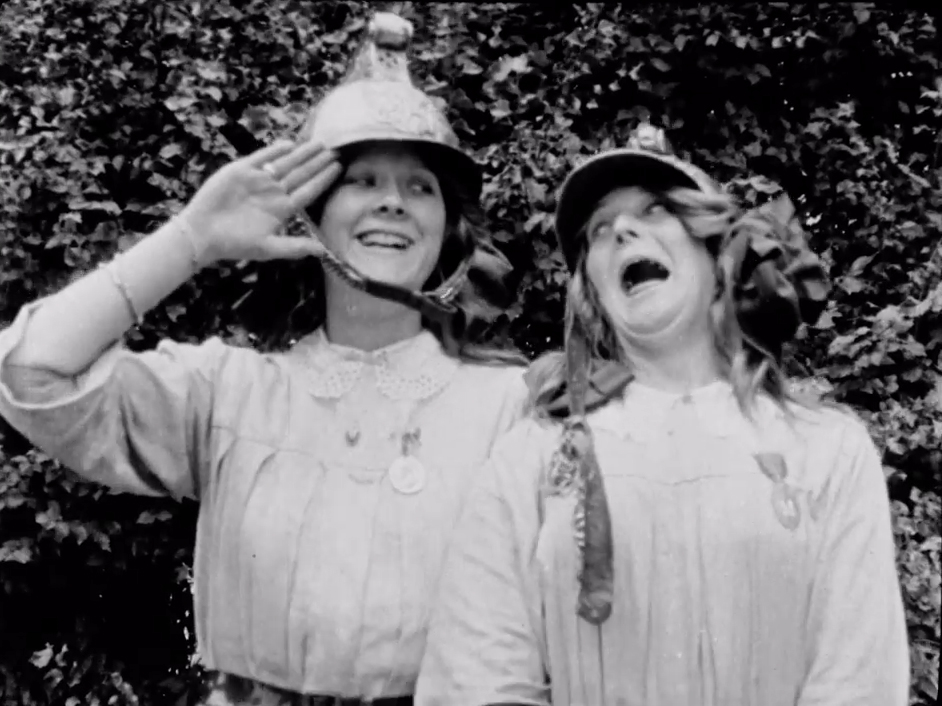
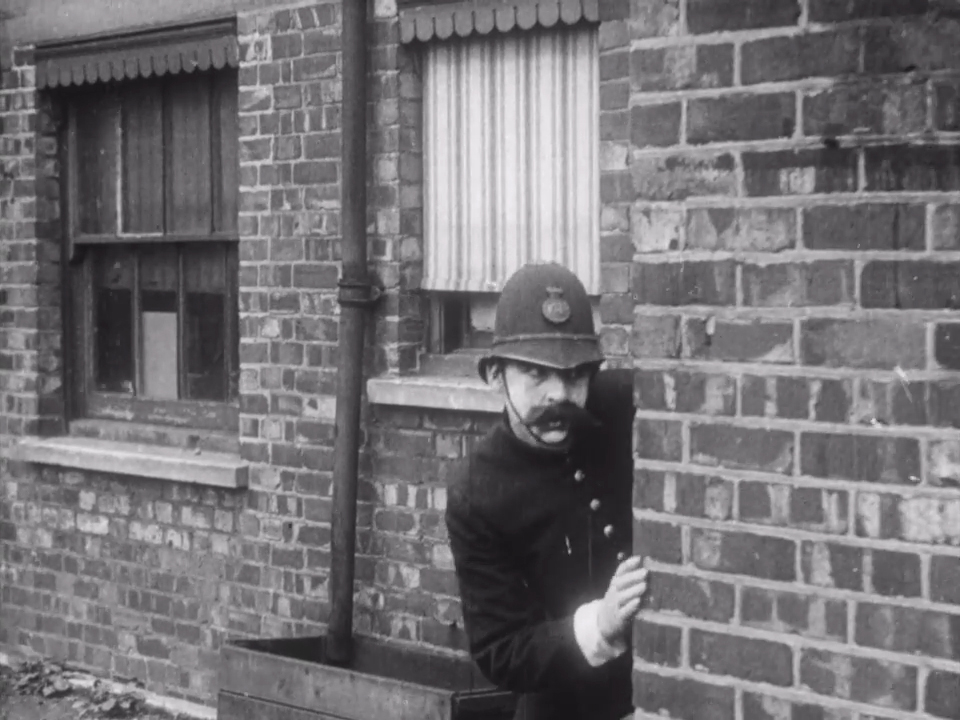
This fascinating silent comedy - released at the height of suffragettism - reflects both the increasing militancy of the movement and the public response to it. When his suffragette wife goes off to campaign, leaving him to babysit, Mr Brown dreams of becoming prime minister and concocting new laws to punish her and her kind. From this synopsis, you might assume that Milling the Militants is an anti-suffragette film. But a close look throws up some doubts.
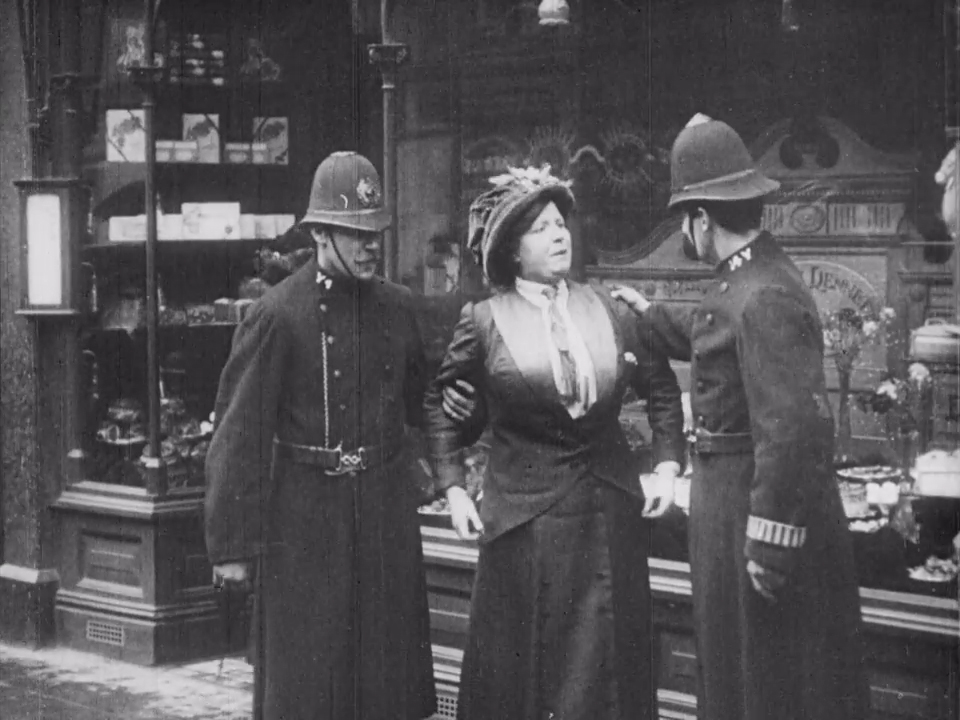
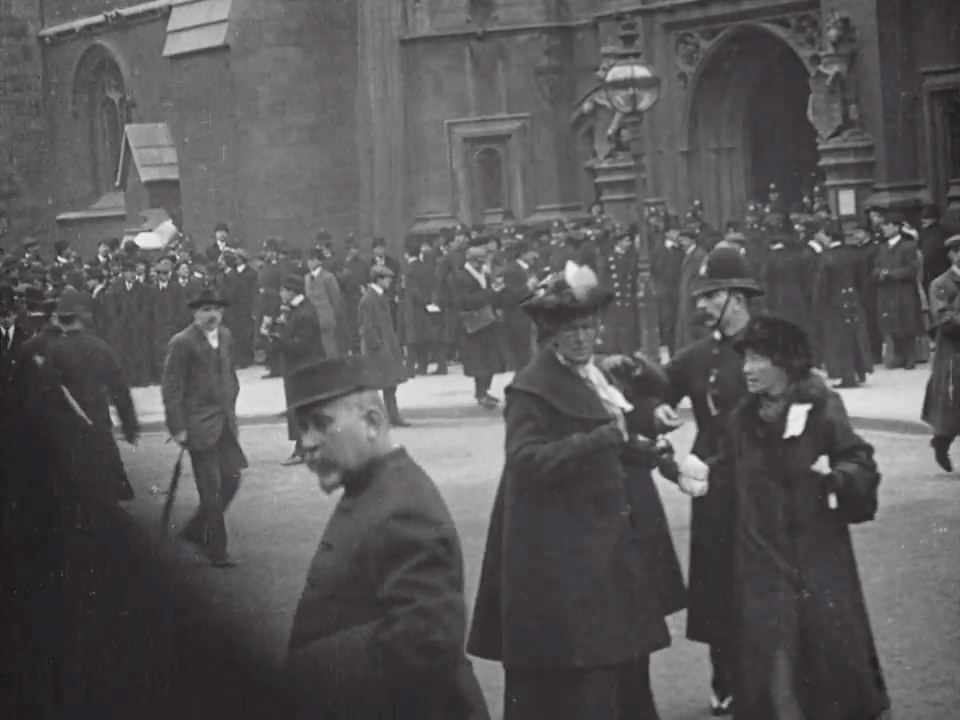
Mrs Brown might cut something of a comic figure, but her arrest for 'assaulting a policeman' is - even in Brown's dream - seen to be false. Her husband's imagined punishments, meanwhile, are either absurd, disproportionate or brutally medieval (the stocks for 'annoying cabinet ministers'; a ducking stool for hunger strikers), which surely elicits sympathy for the suffragette victims. By contrast, the dreamer's own real-life fate - a bucket of water from his wife for falling asleep instead of looking after his children - is clearly richly deserved.
"You have to make more noise than anybody else!," cried Suffragette pioneer Emmeline Pankhurst. But how to make more noise in silent film?
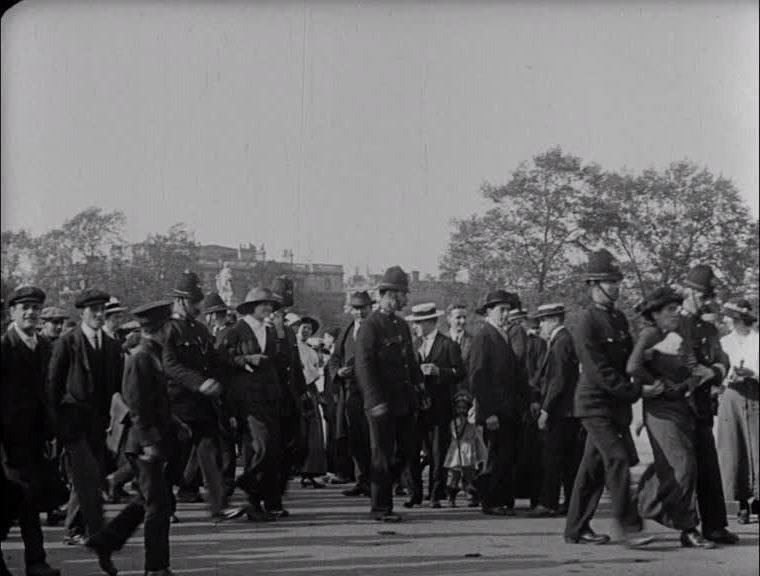
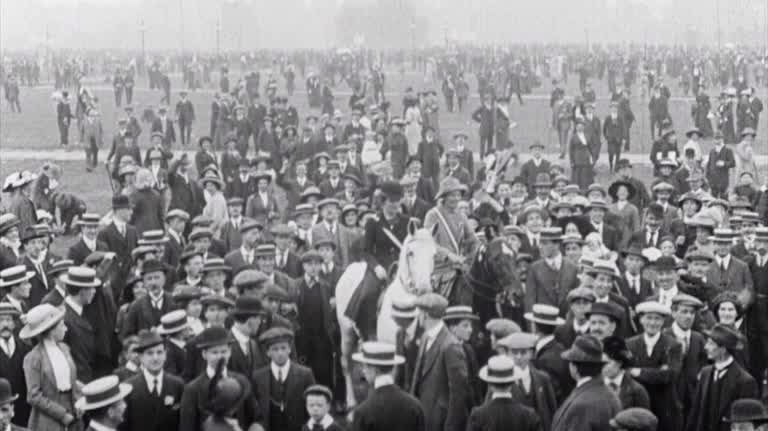
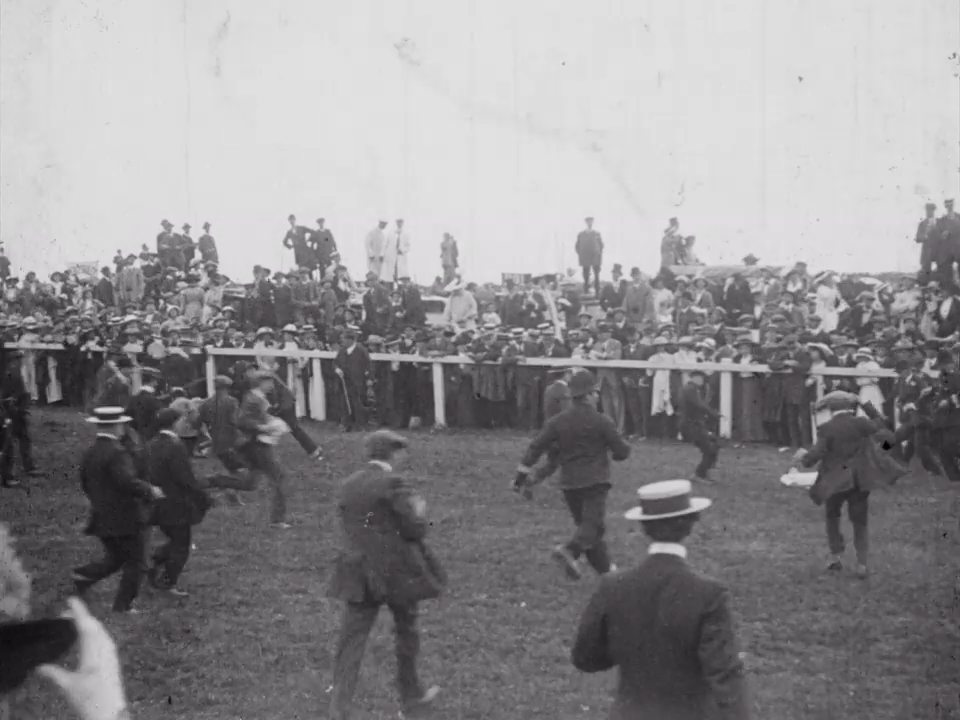
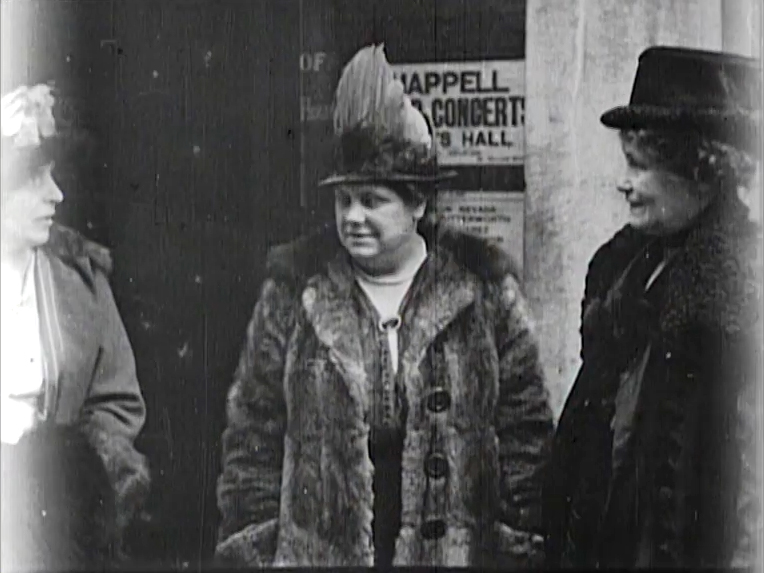
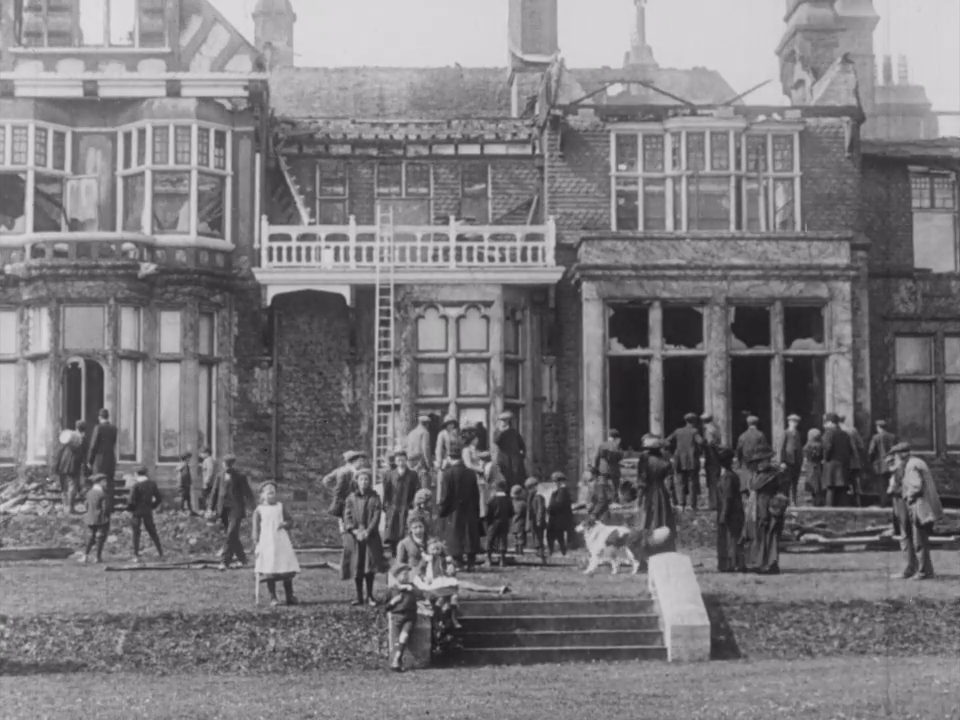
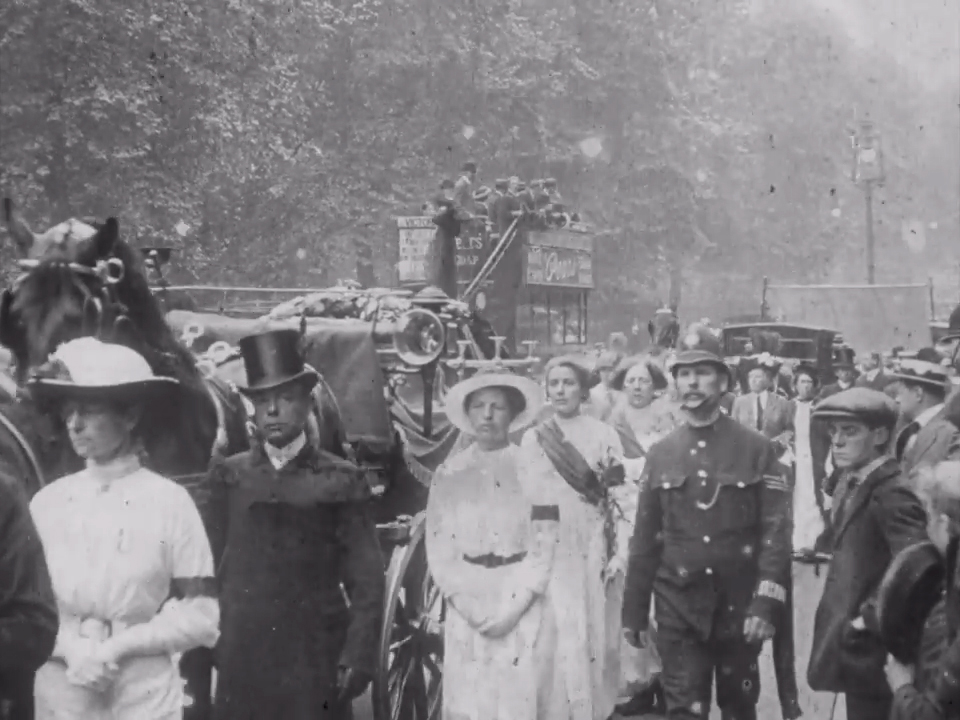
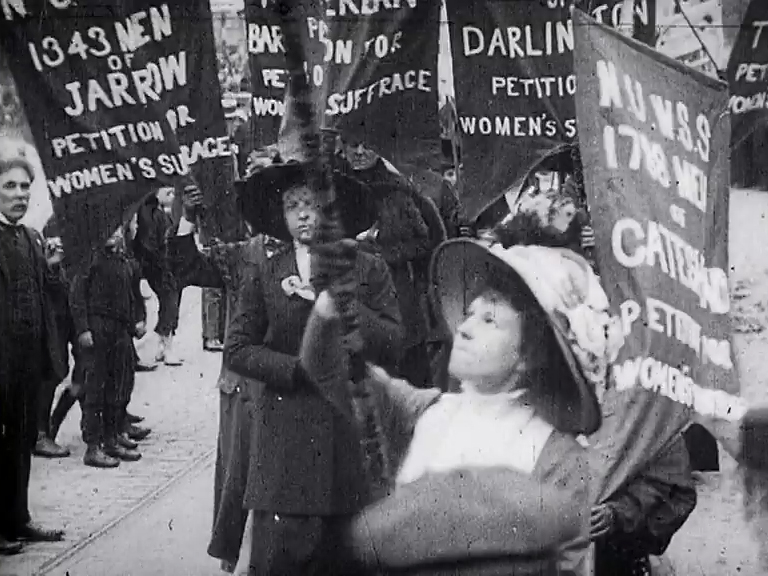
Pankhurst's strategy was simple but clever: at every public meeting or gathering, Suffragettes should stand up and shout "votes for women!". But how to make more noise in silent film? With moving images becoming increasingly important, the suffragettes needed to be not just heard, but seen. Newsreels were noticeably more neutral in their reporting than newspapers, so their cameramen were invited to big demonstrations, where banners and placards were carefully placed for the cameras.
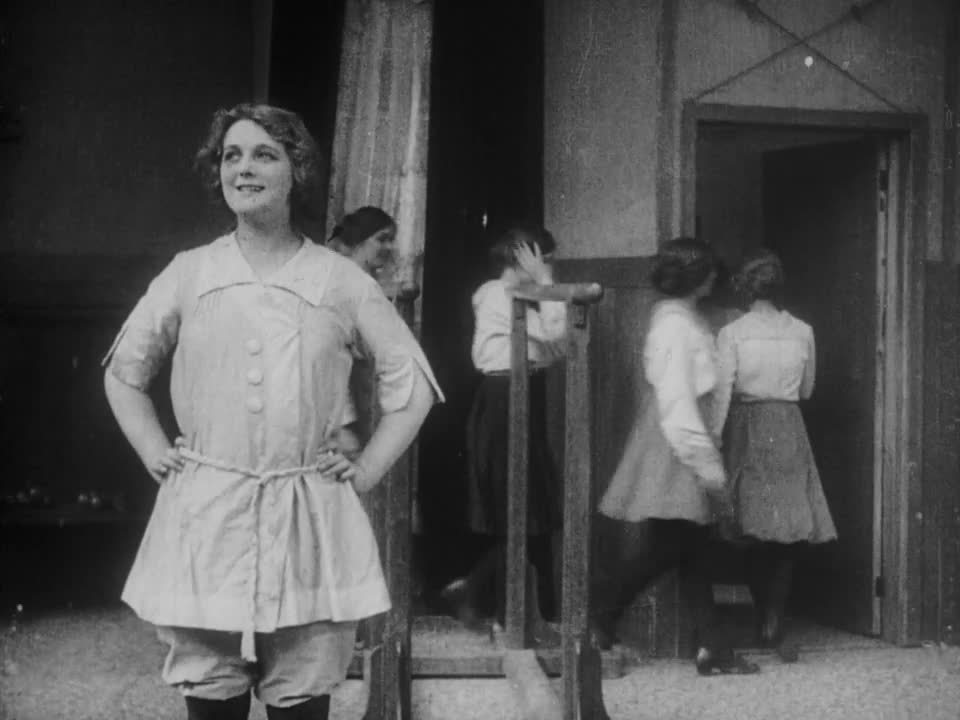
Suffragettes (often played by men in drag) were common objects of ridicule in film comedies. But some characterisations were more ambiguous, and comedy could even - sometimes - give its female protagonists the freedom to make one hell of a noise.