Palace Pandemonium
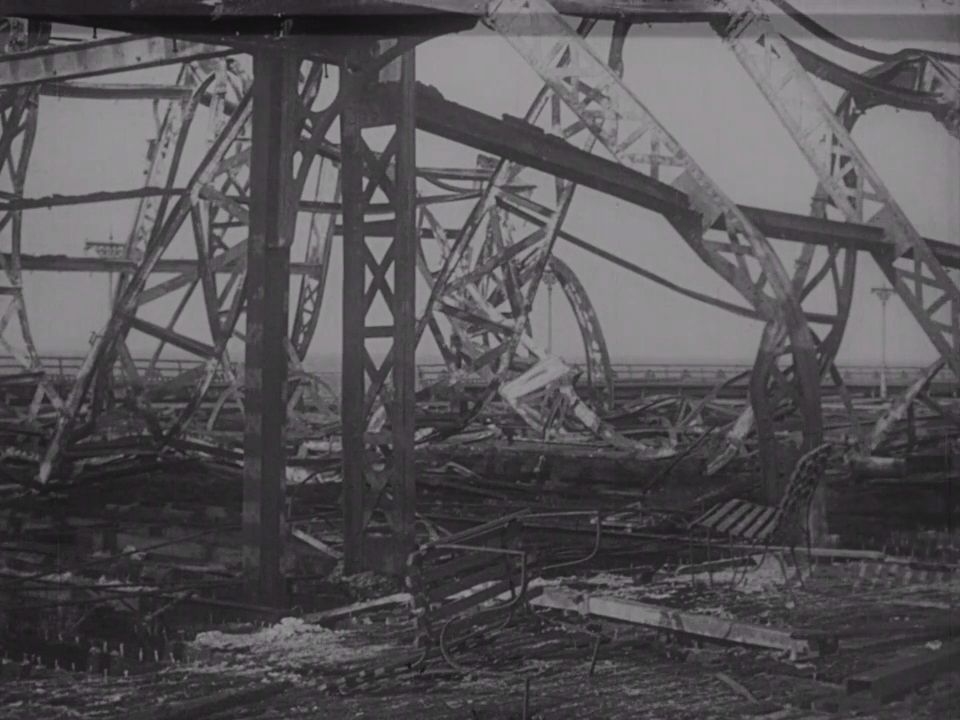
- Buckingham Palace
- 1914
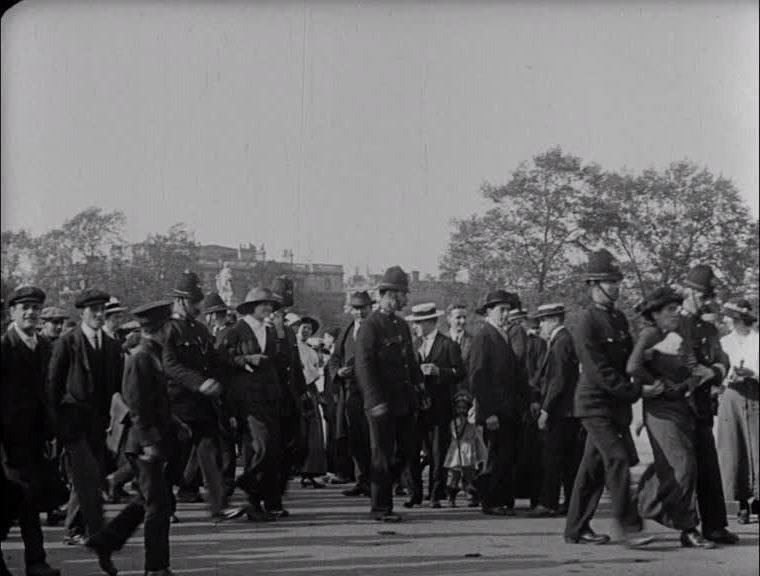
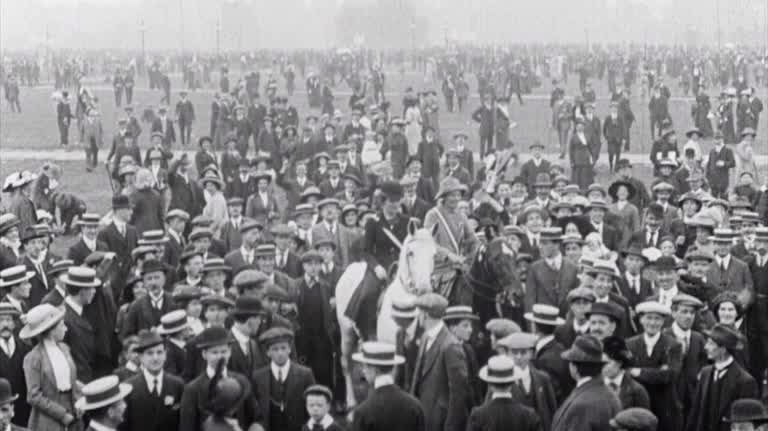
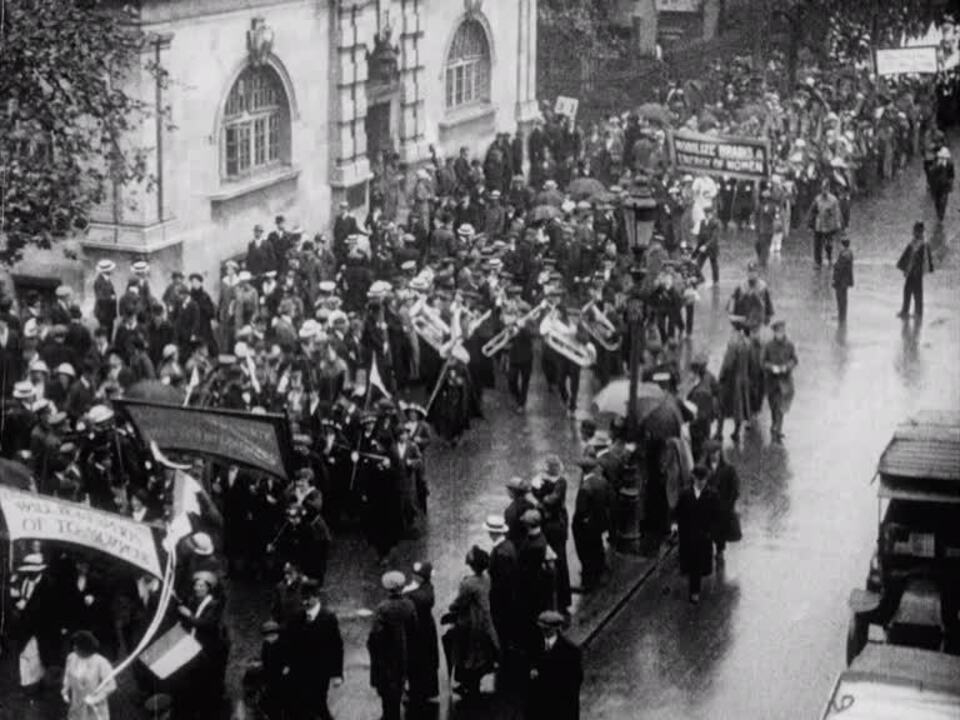
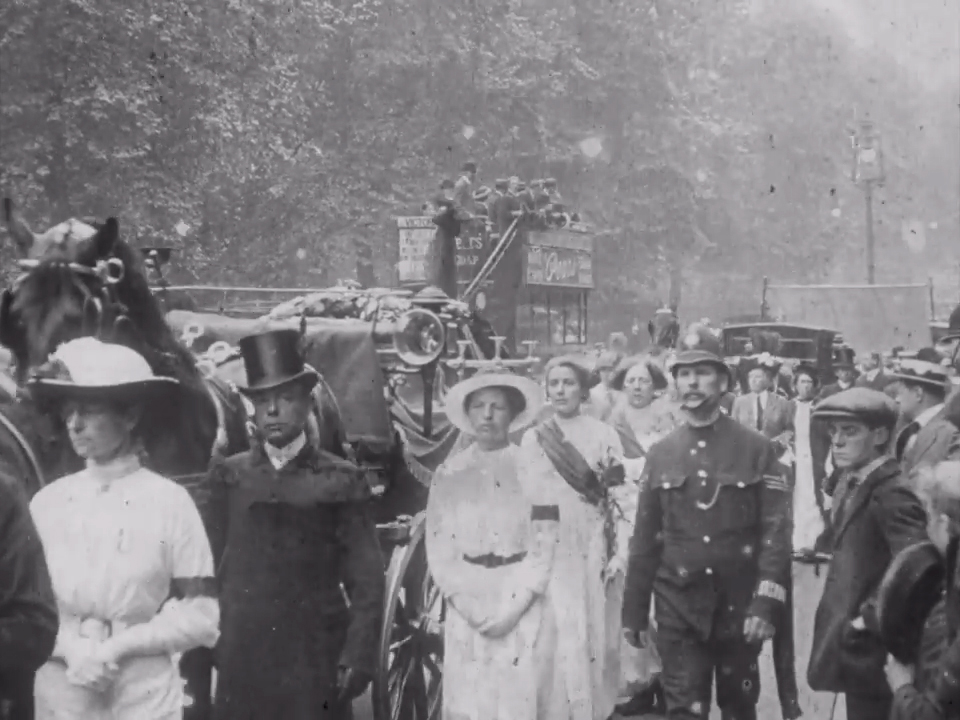
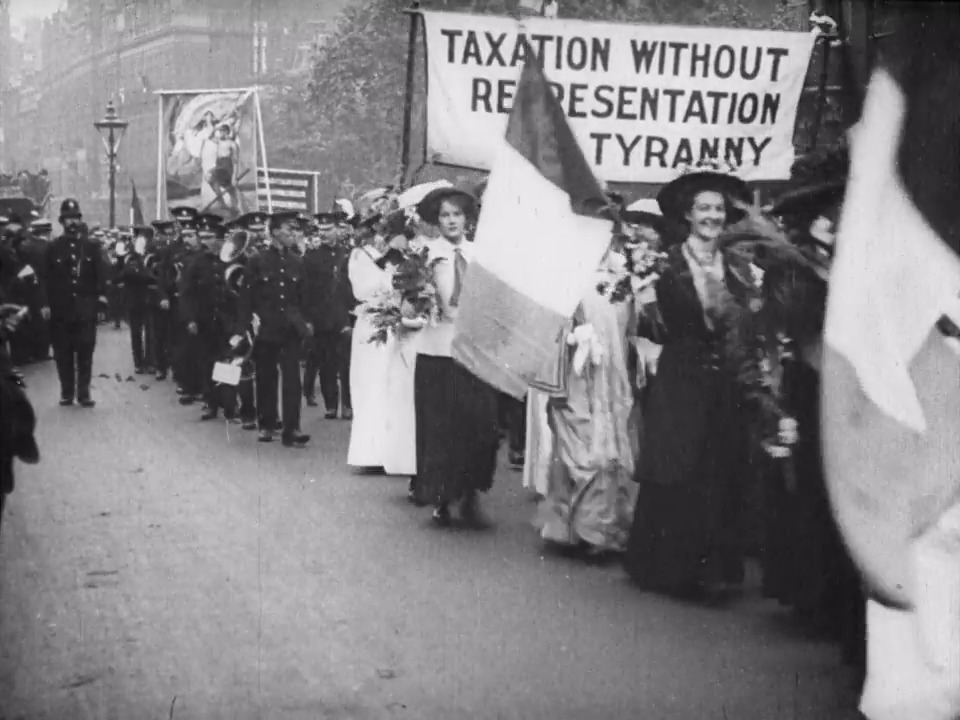
The funeral procession of suffragette Emily Davison - fatally injured at the Epsom Derby - passes through London to her final resting place in Morpeth.
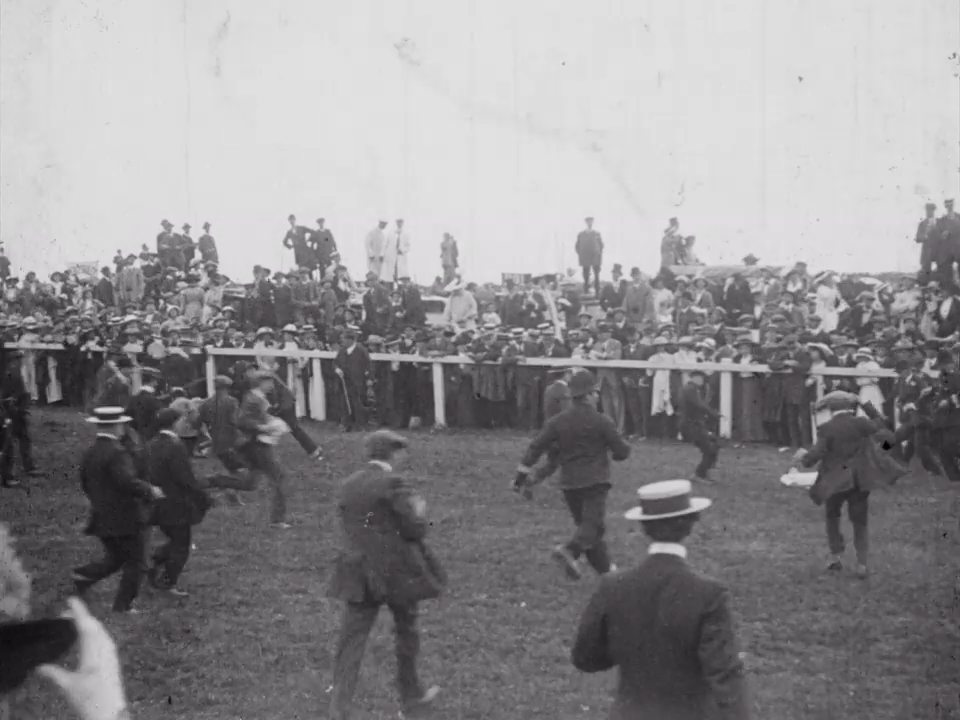
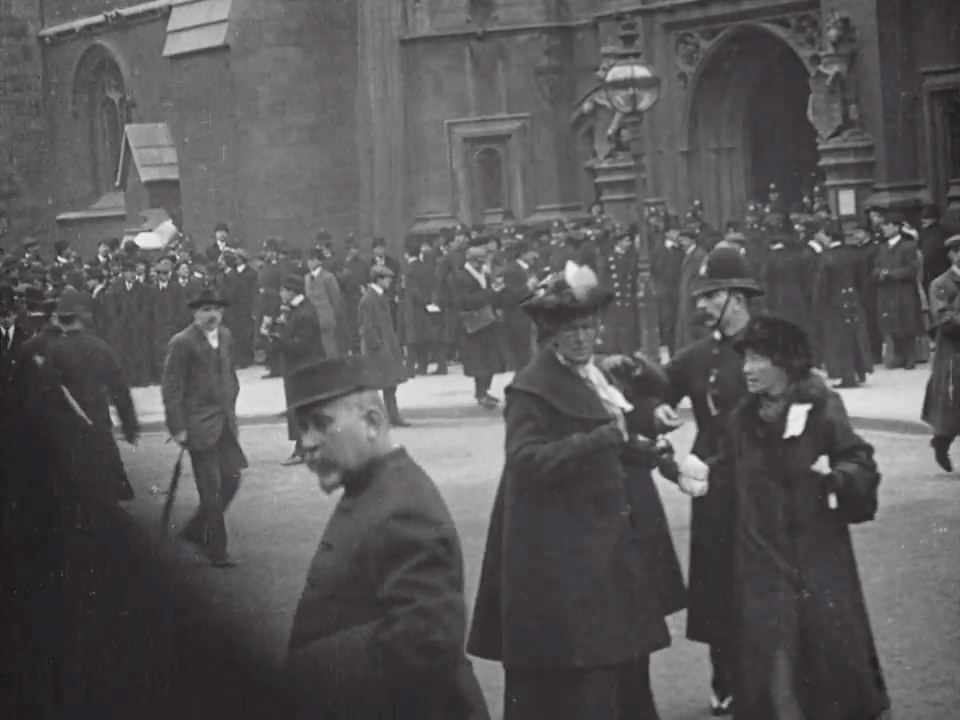
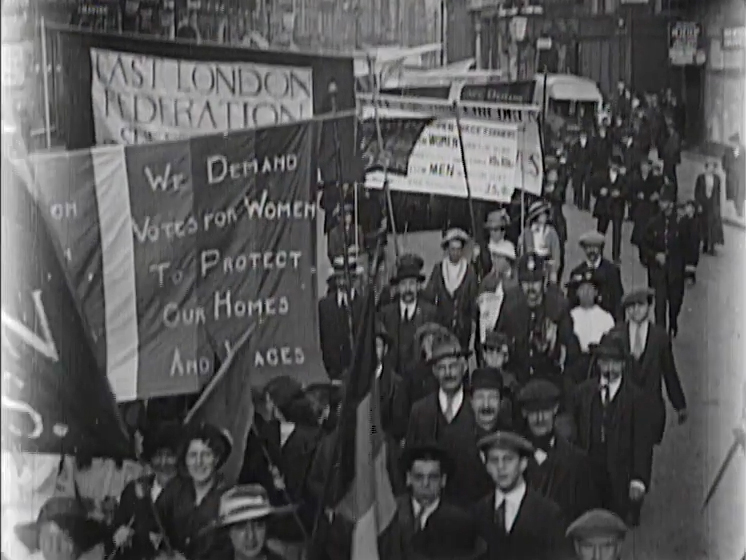
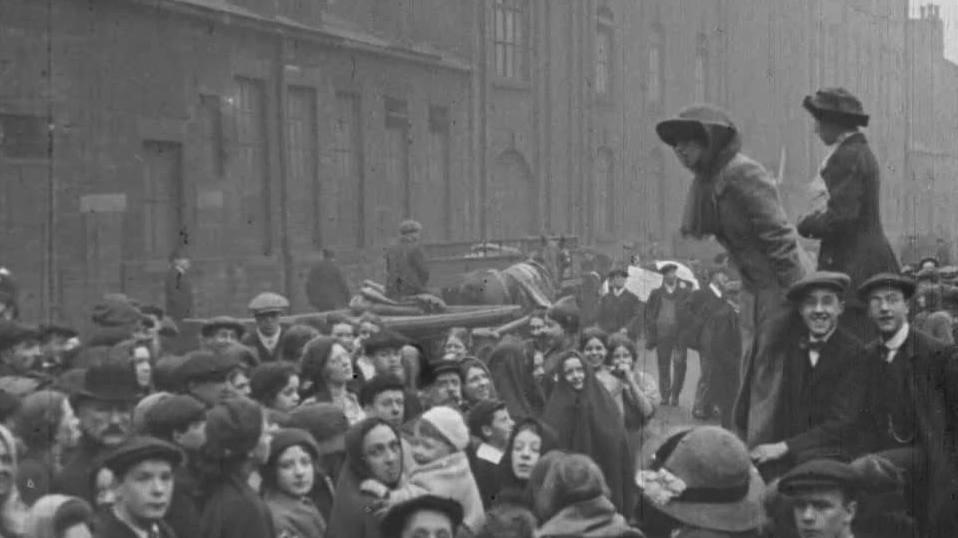
Emily Davison stepped out in front of the King's horse at the Derby of 1913 and died of her injuries four days later. Her funeral in London at St George's, Bloomsbury, attracts a huge crowd of mourners including suffragettes and suffragists in full regalia. The crowds are such that the police have difficulty holding them back. At her home town of Morpeth, where Miss Davison is buried, the procession is smaller and more intimate and our last view of her is being carried to the parish church on a flower-laden horse-drawn cart.
Digitisation supported by the London Topographical Society.
"You have to make more noise than anybody else!," cried Suffragette pioneer Emmeline Pankhurst. But how to make more noise in silent film?
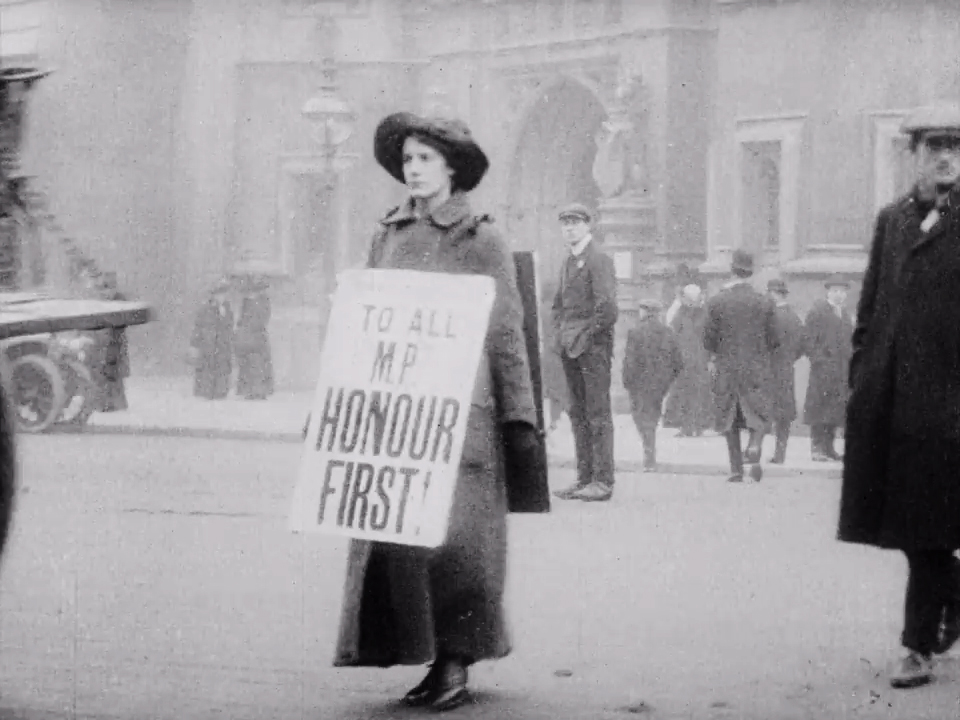
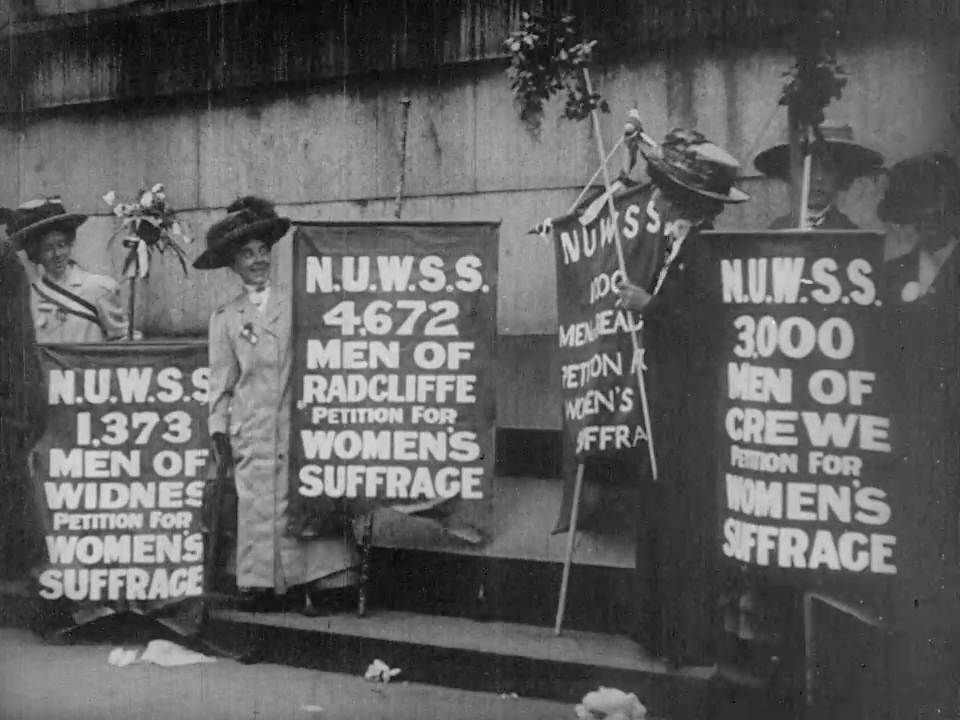
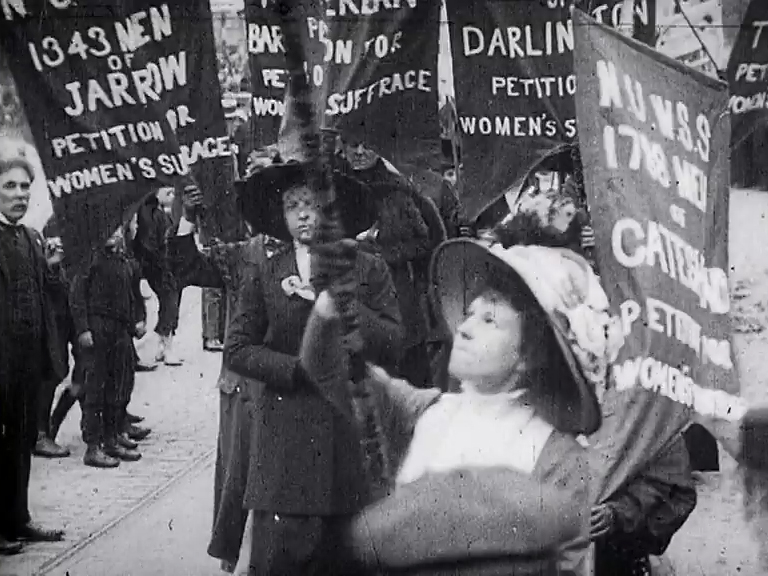
Pankhurst's strategy was simple but clever: at every public meeting or gathering, Suffragettes should stand up and shout "votes for women!". But how to make more noise in silent film? With moving images becoming increasingly important, the suffragettes needed to be not just heard, but seen. Newsreels were noticeably more neutral in their reporting than newspapers, so their cameramen were invited to big demonstrations, where banners and placards were carefully placed for the cameras.
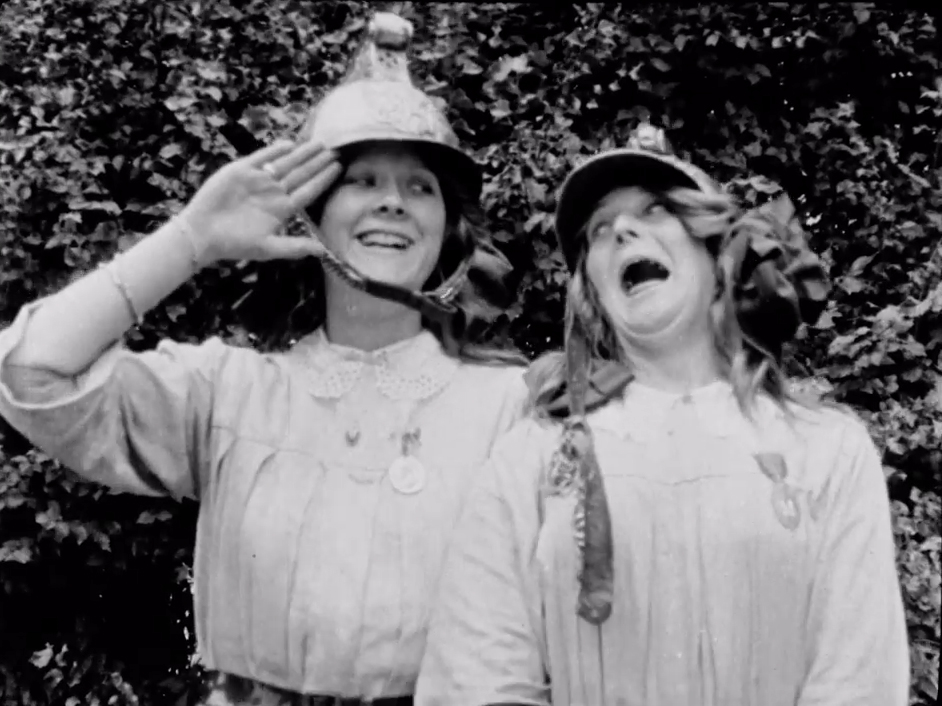
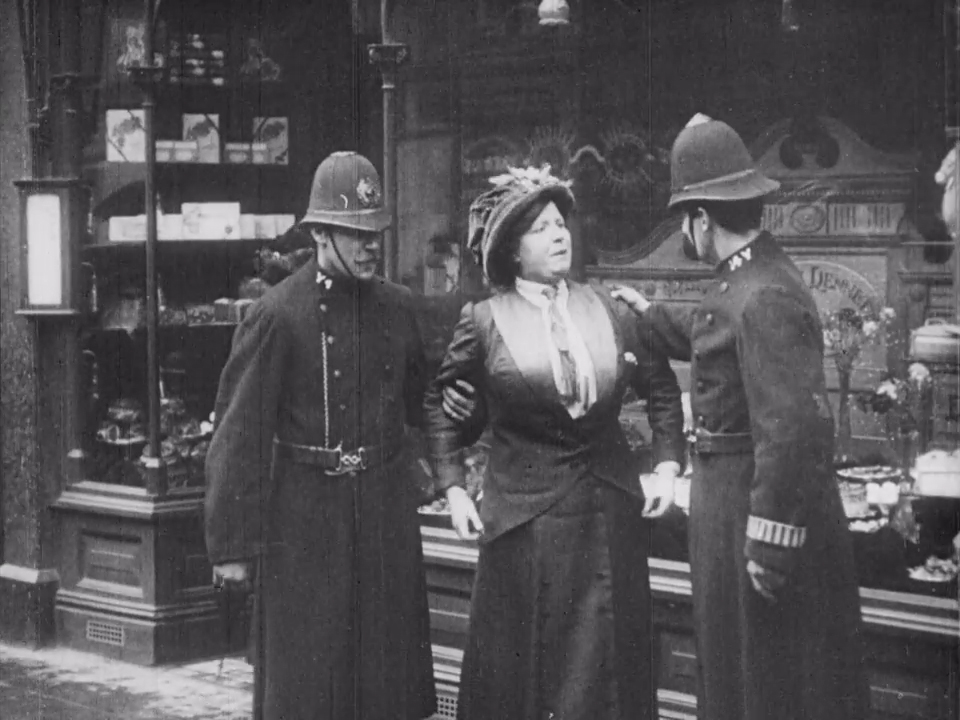
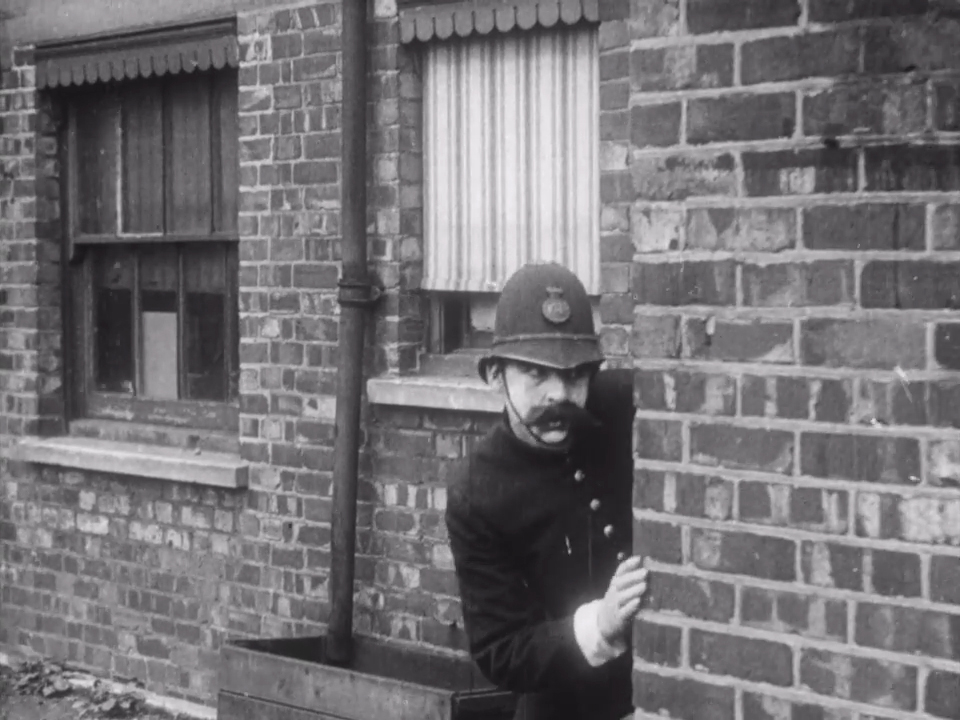
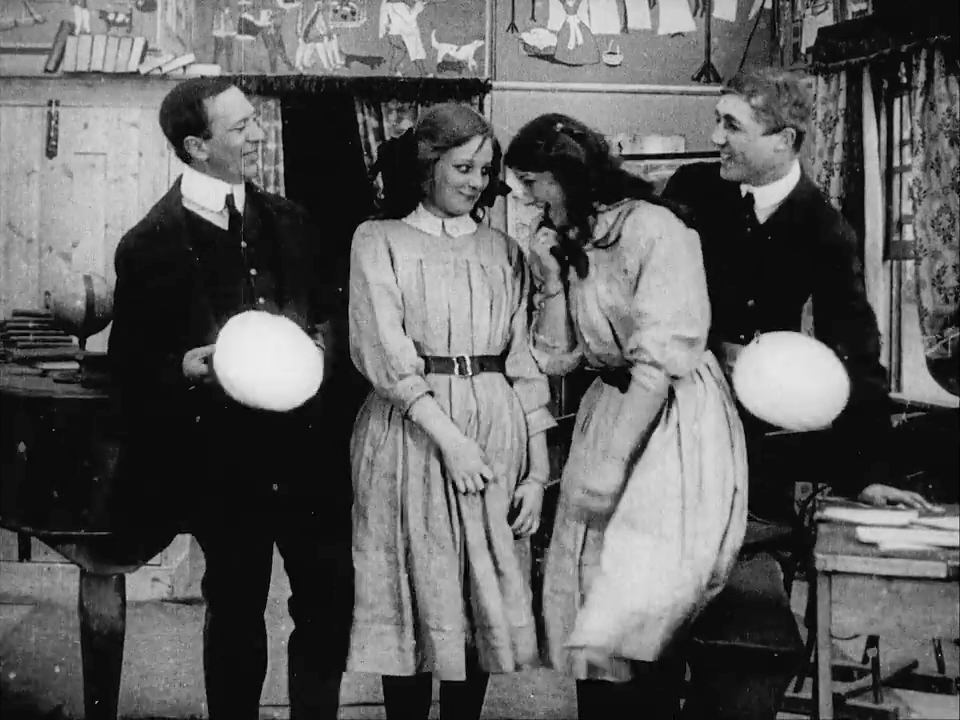
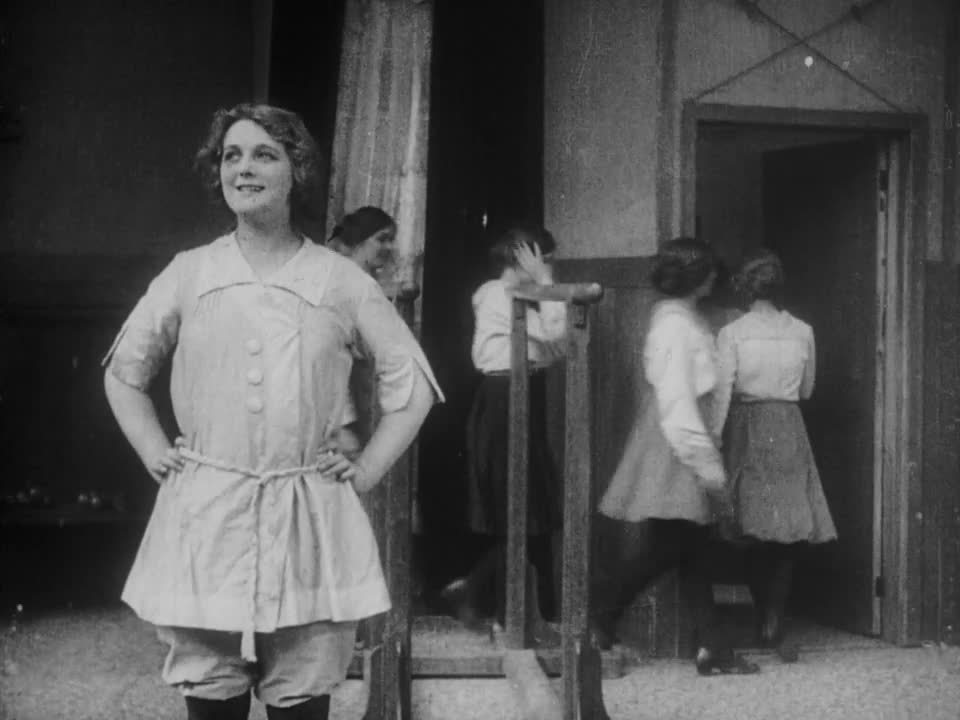
Suffragettes (often played by men in drag) were common objects of ridicule in film comedies. But some characterisations were more ambiguous, and comedy could even - sometimes - give its female protagonists the freedom to make one hell of a noise.