Palace Pandemonium
- Buckingham Palace
- 1914
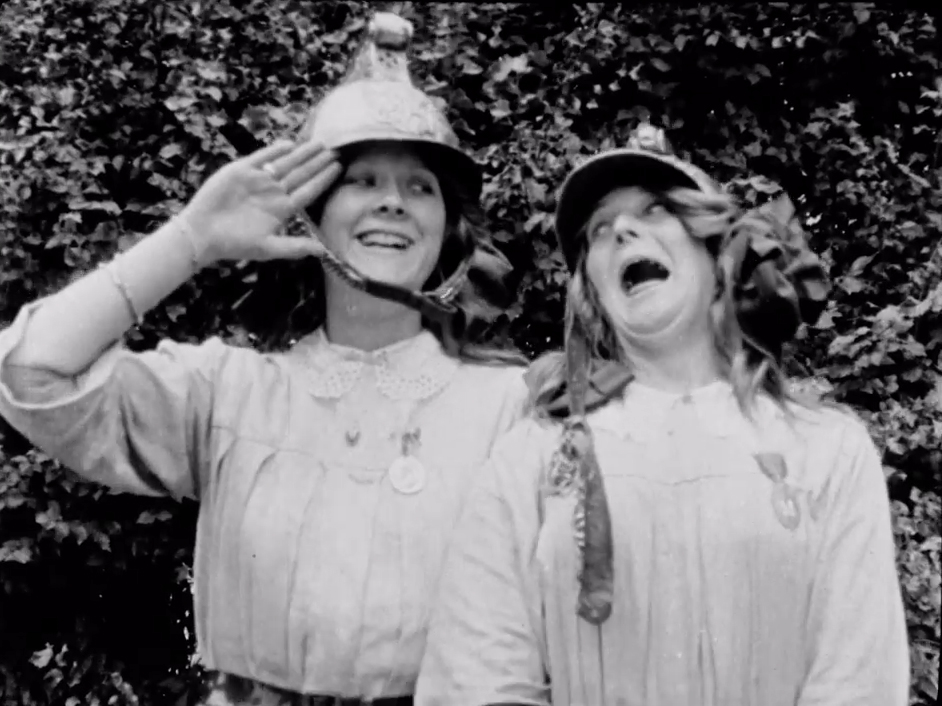
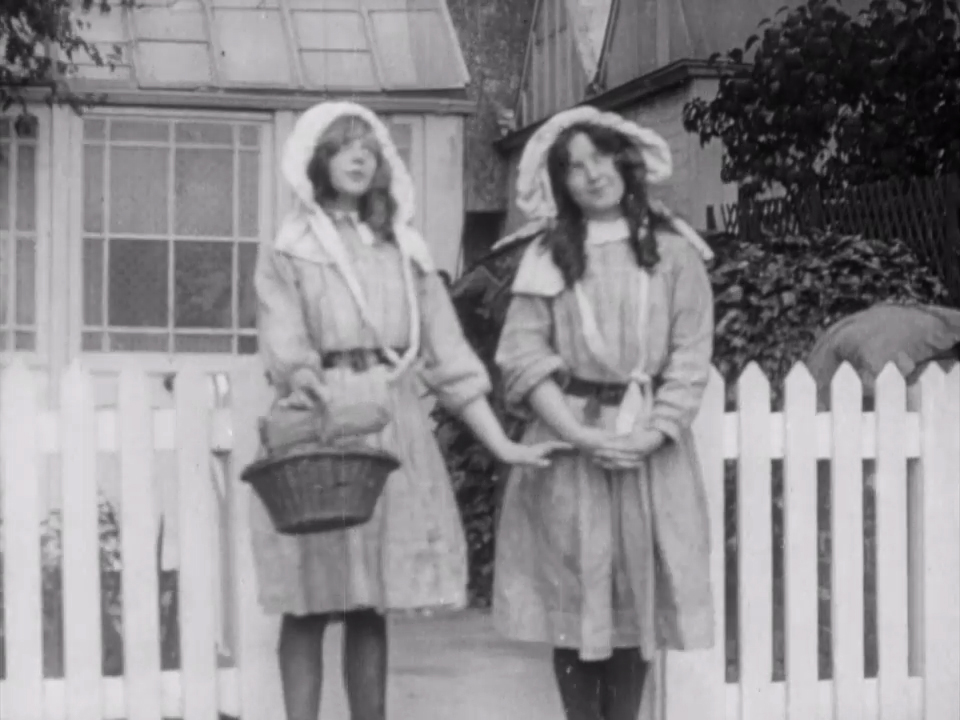
Tilly and her sister Sally cause chaos when they visit an elderly, bedridden neighbour.
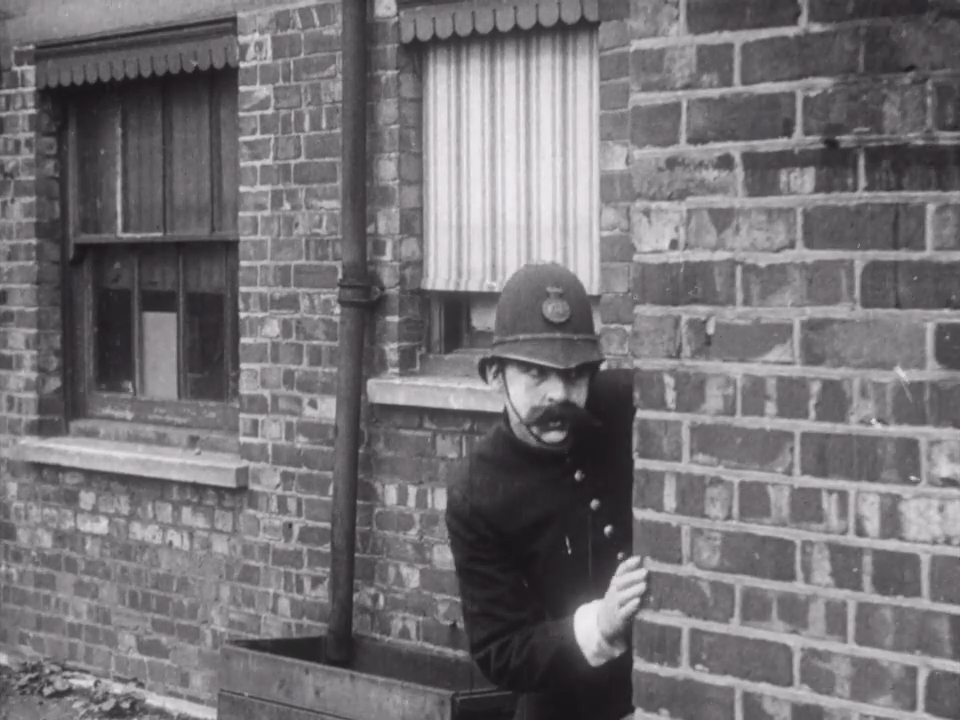
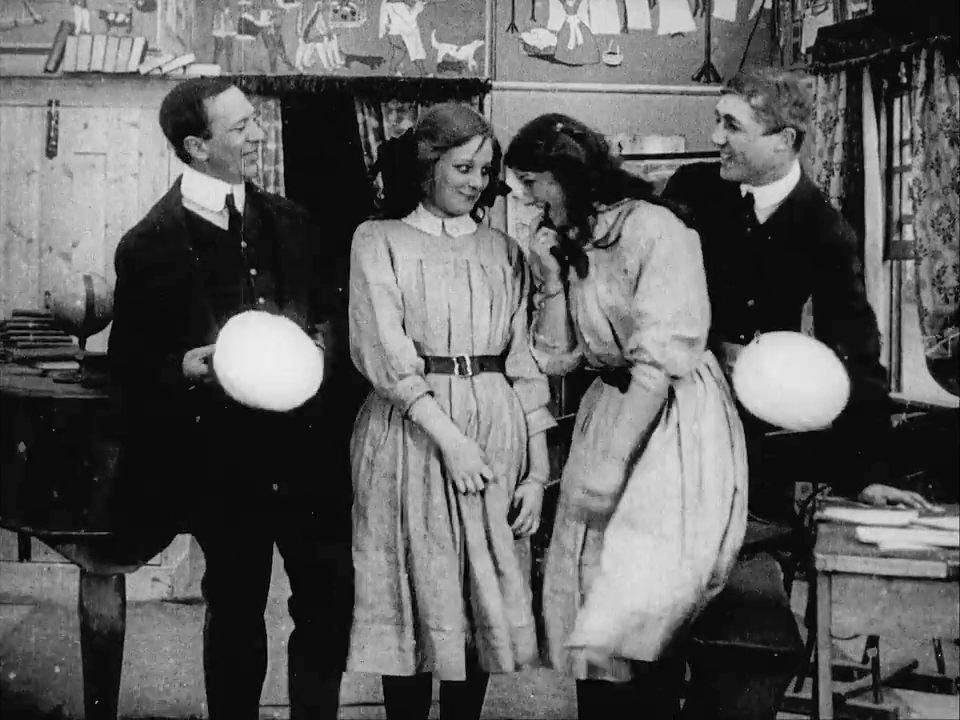
Tilly and Sally were the St Trinian's girls of their day. These anarchic anti-heroines lit up a popular series of film comedies in the early 1910s. The girls' wild antics reflect the way women's suffrage activists were overturning conventions of feminine behaviour - they make the schoolboy pranks of the later Just William seem tame! In this early episode, Tilly and Sally upset an elderly neighbour, steal a laundry van and kick off a flour fight in a bakery.
The Hepworth Manufacturing Company released nearly 20 Tilly comedies between 1910 and 1915. Tilly and Sally were usually played by Chrissie White and Alma Taylor, who would become the leading Hepworth stars. Here, however, Chrissie White plays Tilly alongside an unidentified actress. Alas, this print has somehow been edited out of sequence, but it barely spoils the fun.
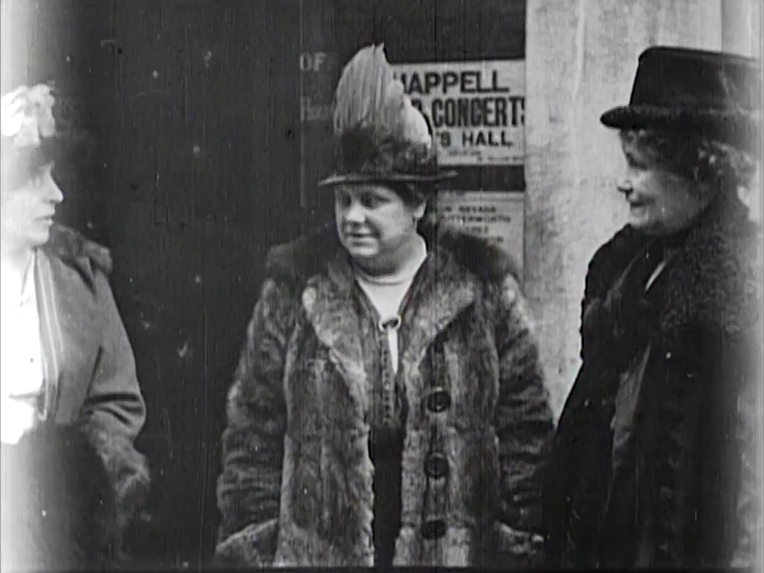
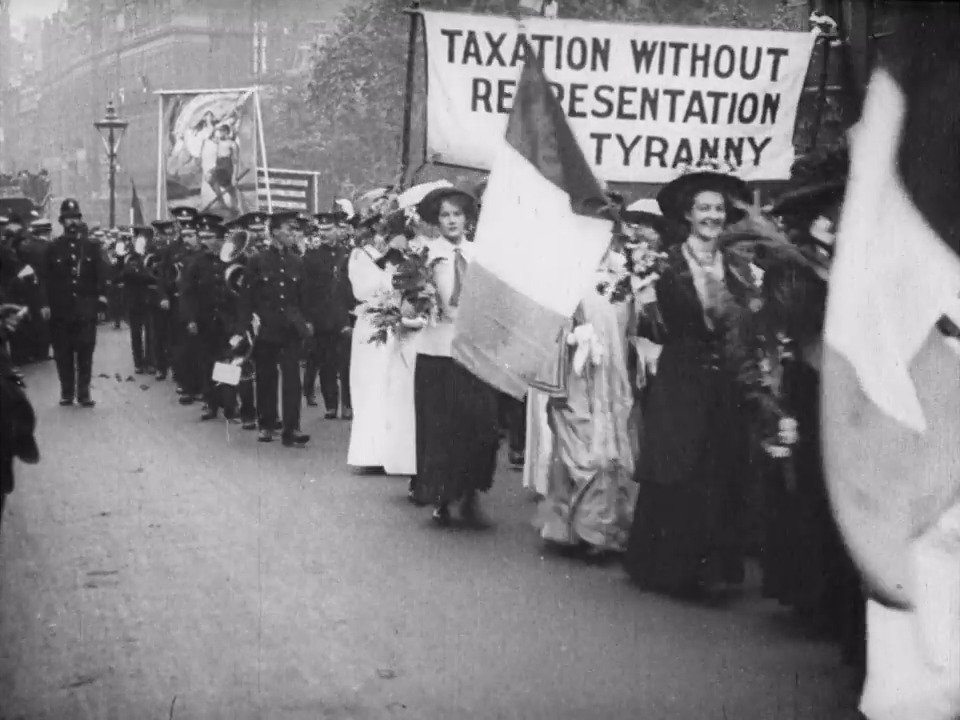
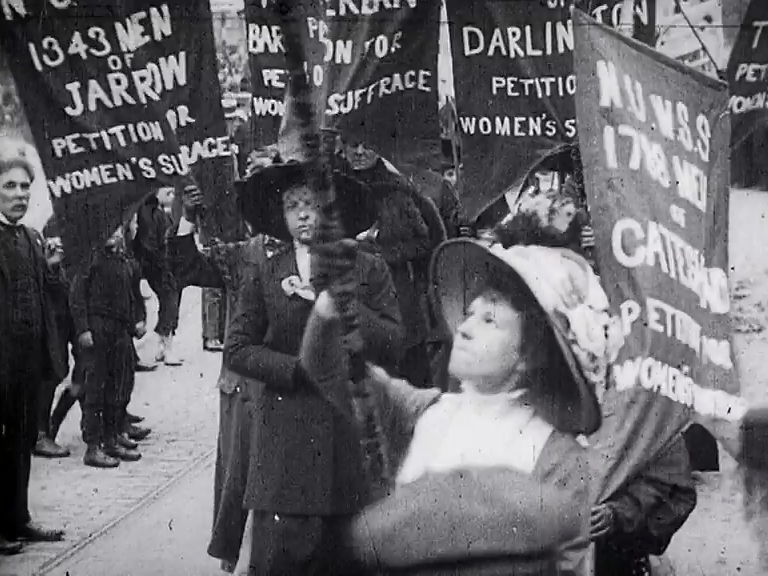
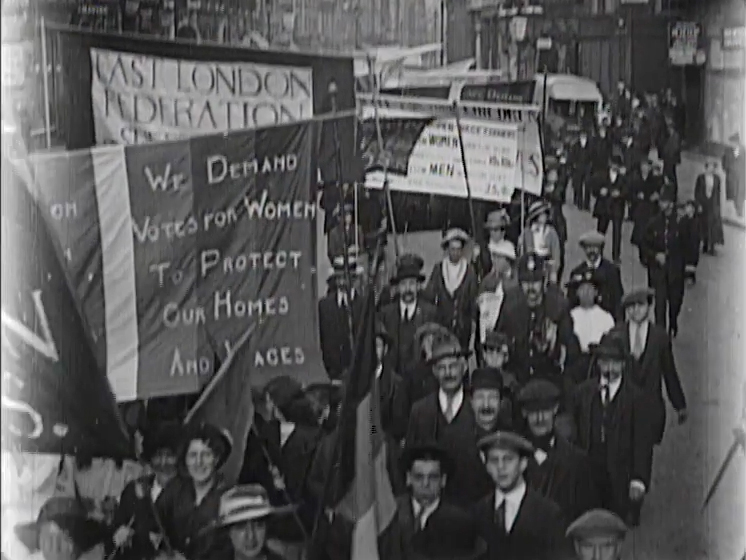
"You have to make more noise than anybody else!," cried Suffragette pioneer Emmeline Pankhurst. But how to make more noise in silent film?
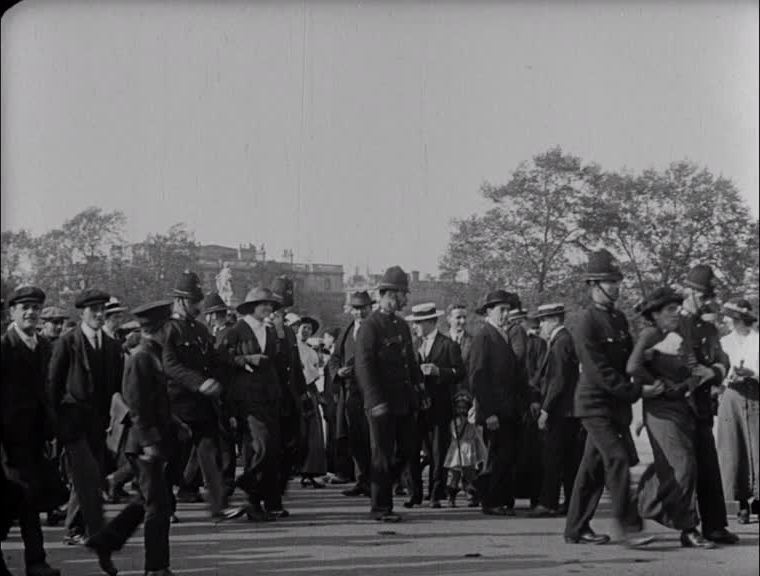
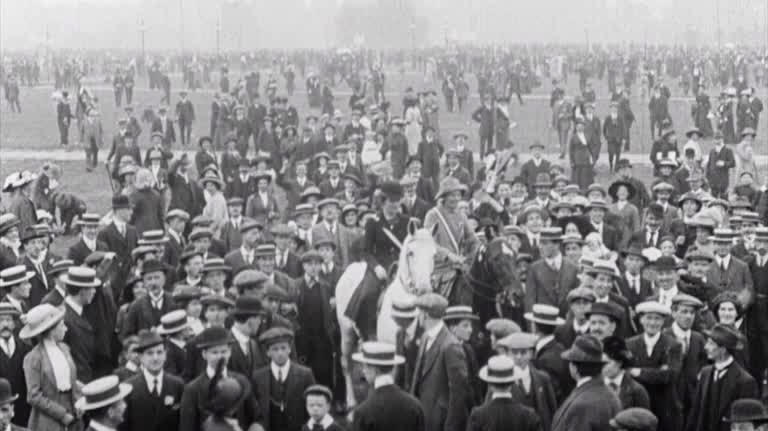
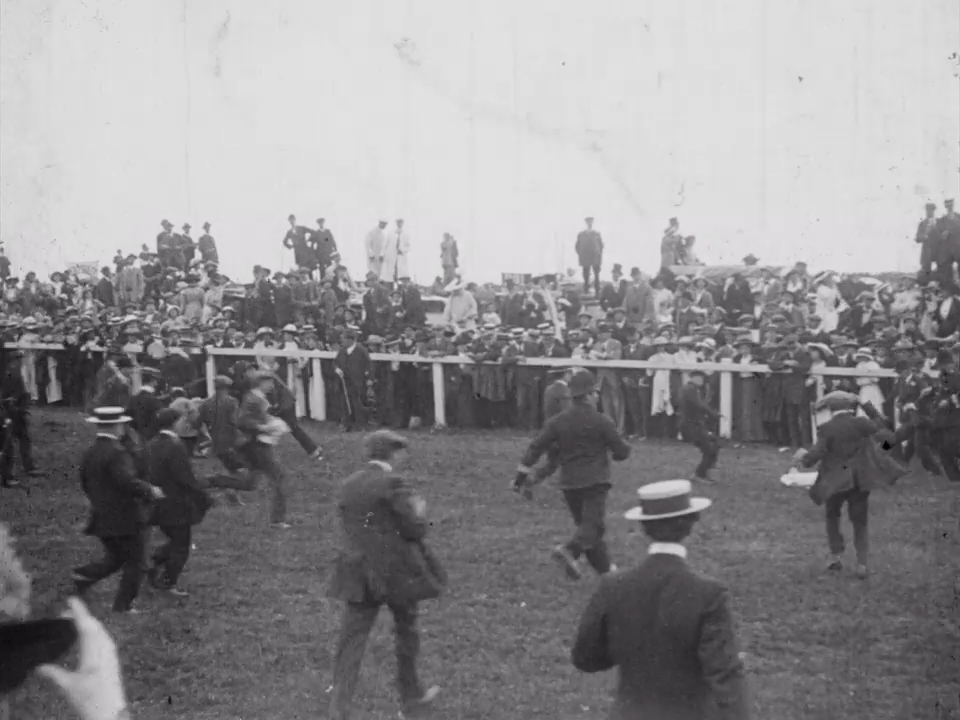
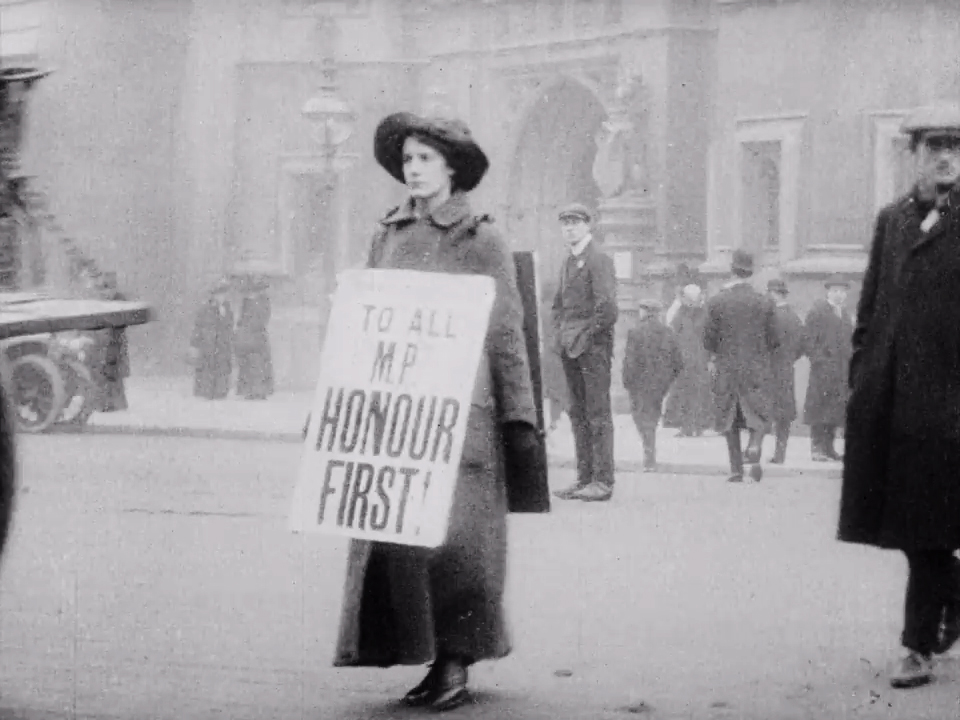
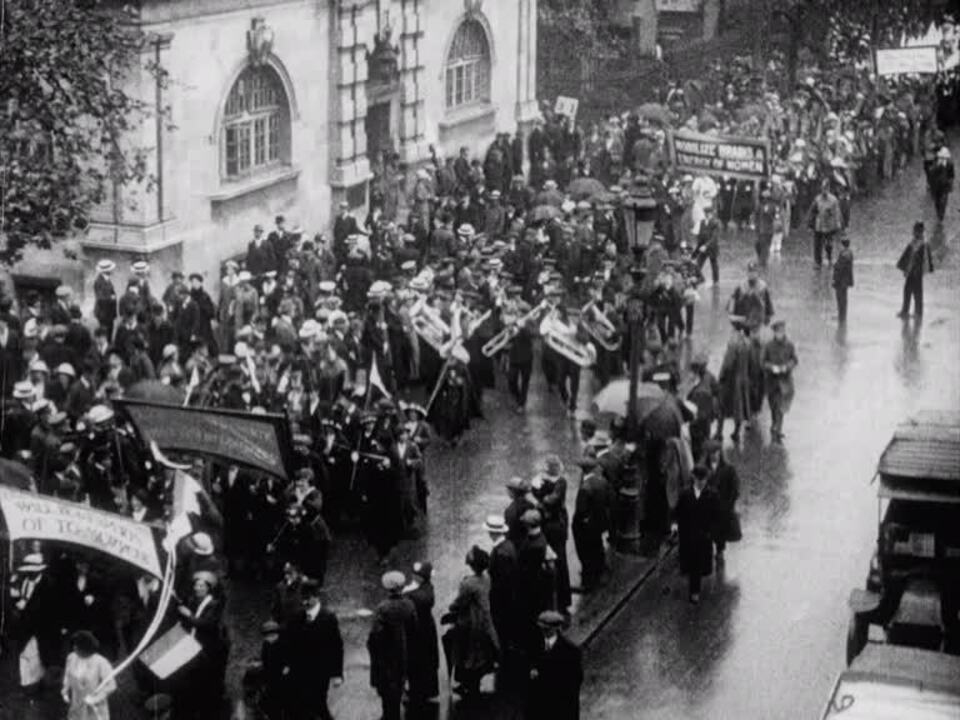
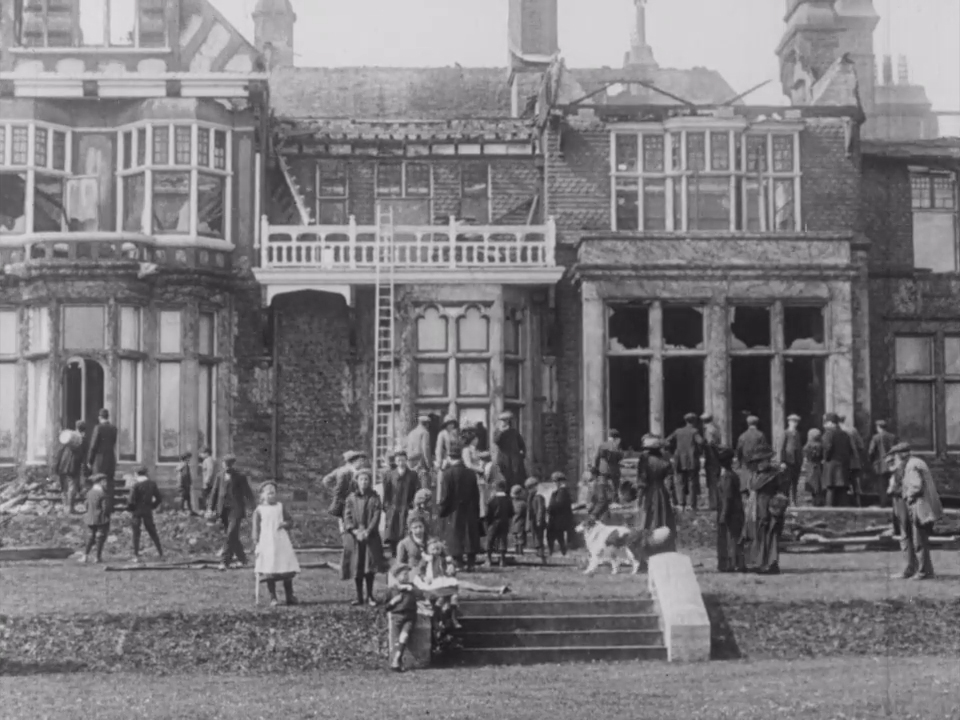
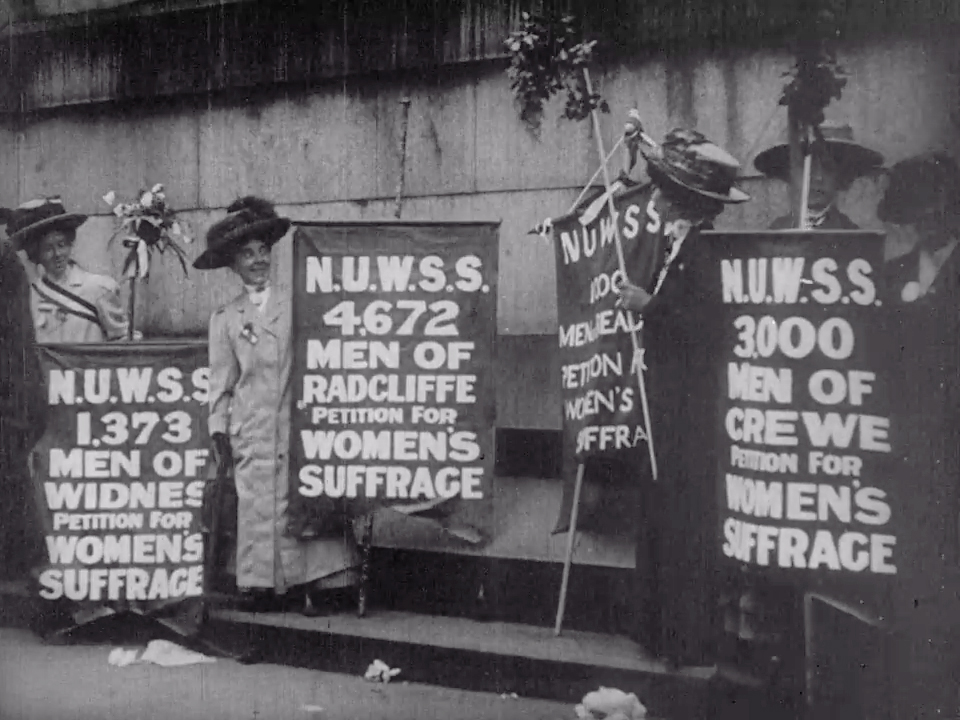
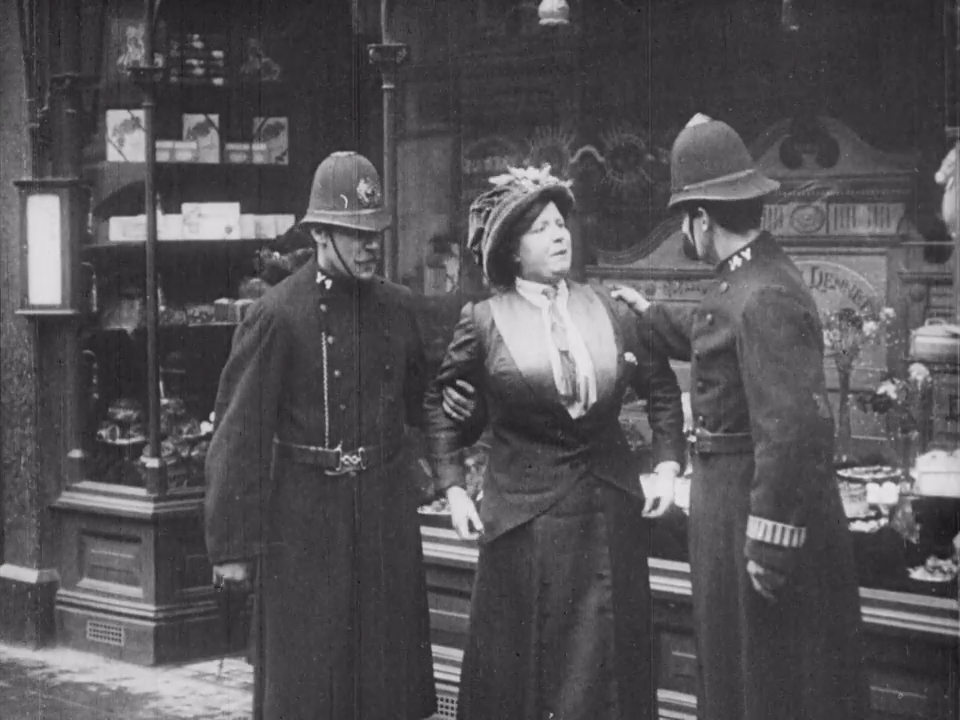
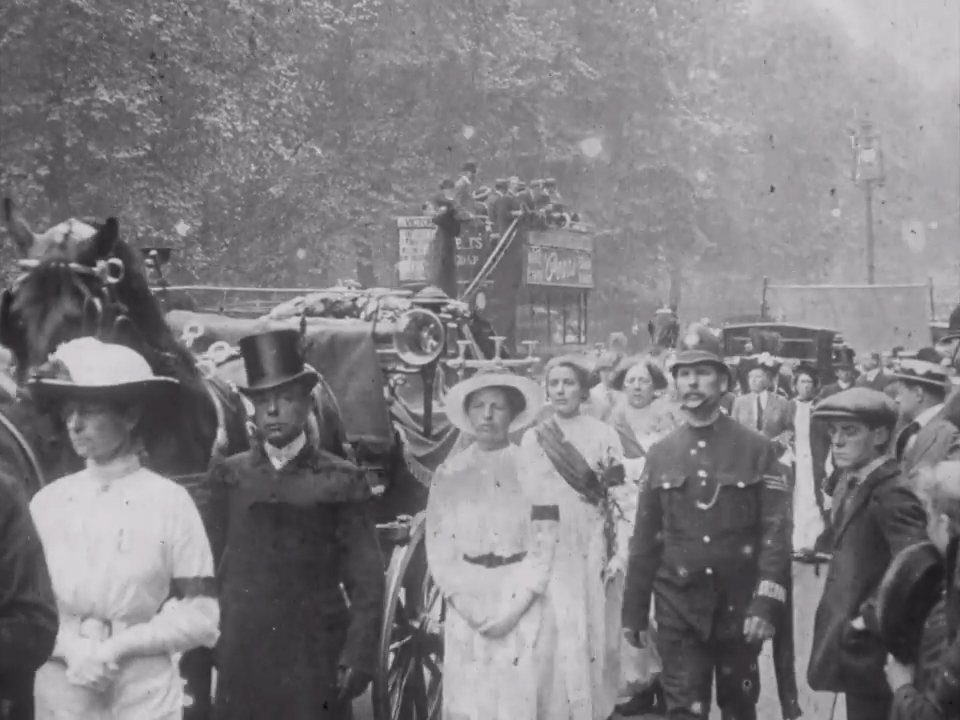
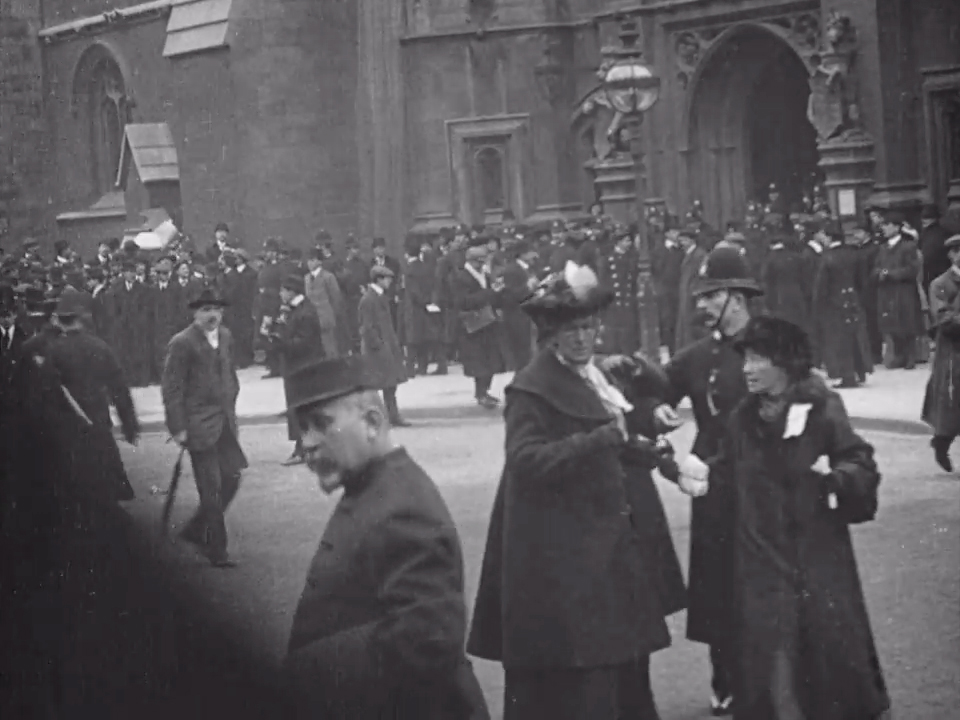
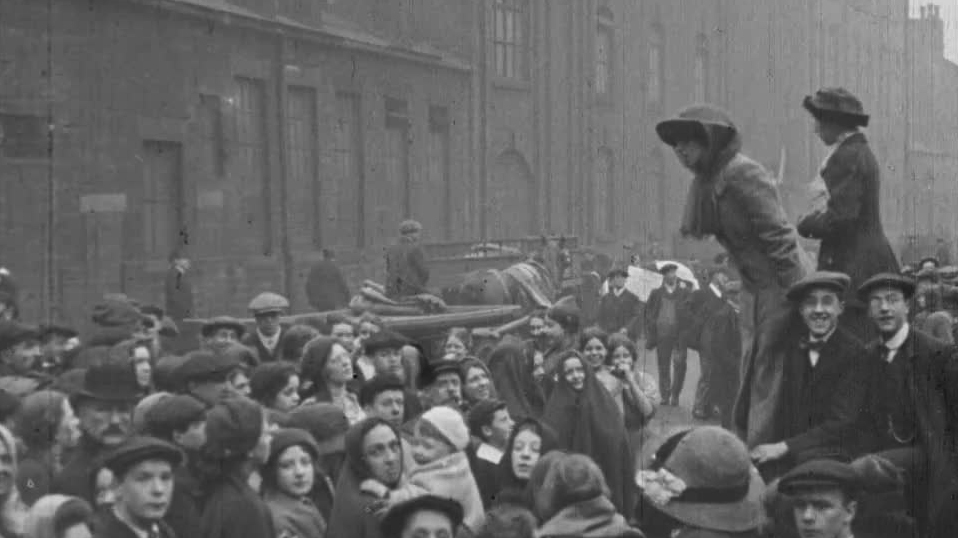
Pankhurst's strategy was simple but clever: at every public meeting or gathering, Suffragettes should stand up and shout "votes for women!". But how to make more noise in silent film? With moving images becoming increasingly important, the suffragettes needed to be not just heard, but seen. Newsreels were noticeably more neutral in their reporting than newspapers, so their cameramen were invited to big demonstrations, where banners and placards were carefully placed for the cameras.
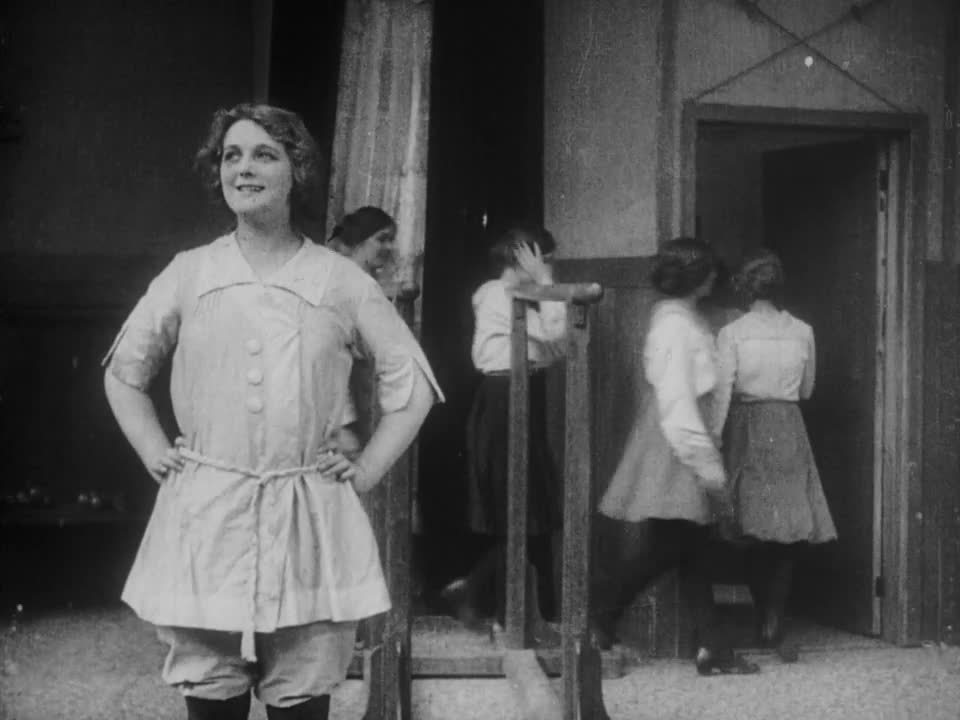
Suffragettes (often played by men in drag) were common objects of ridicule in film comedies. But some characterisations were more ambiguous, and comedy could even - sometimes - give its female protagonists the freedom to make one hell of a noise.