Palace Pandemonium
- Buckingham Palace
- 1914
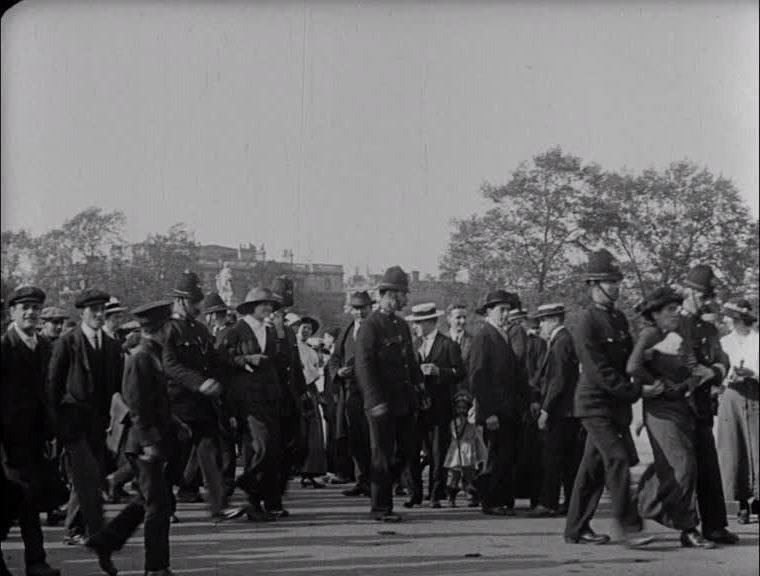
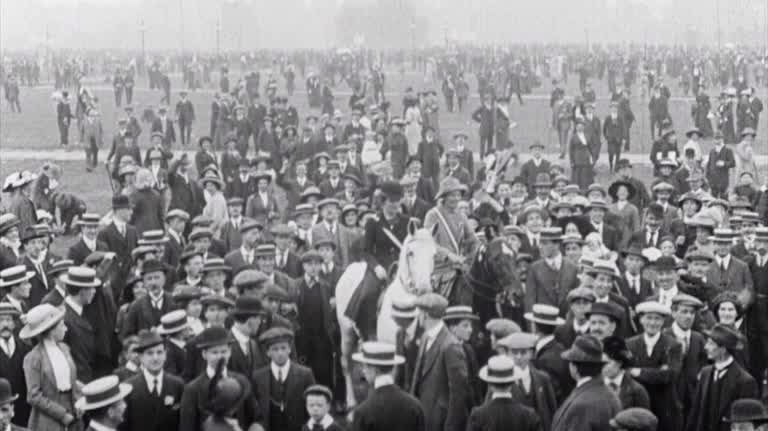
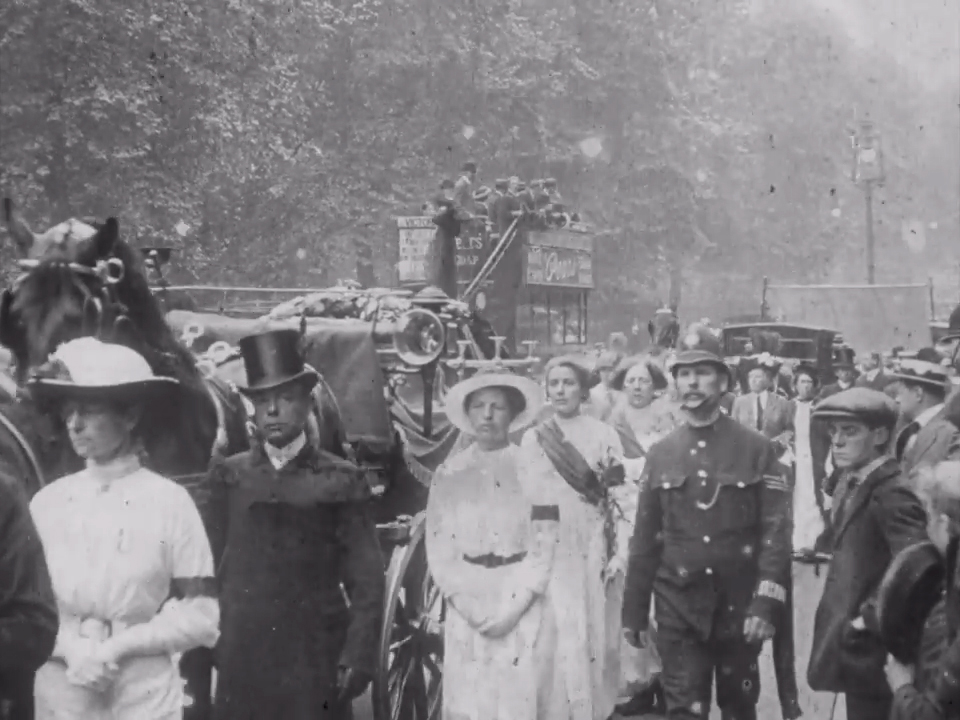
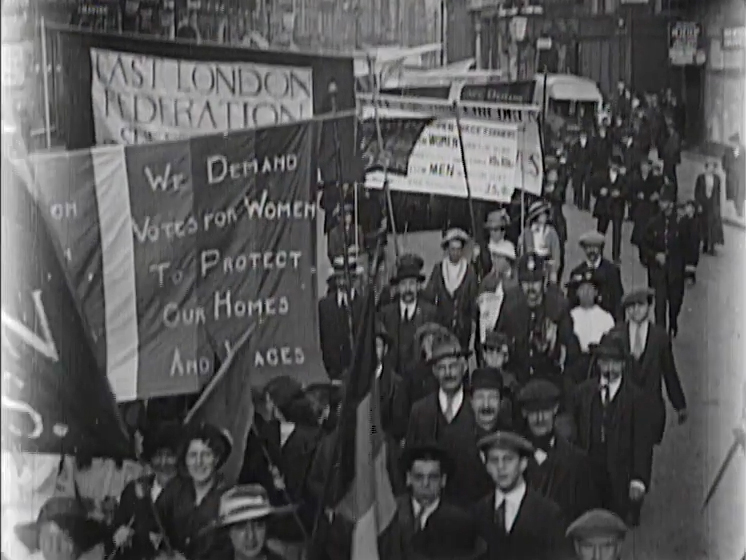
Three cheers for women's right to vote! Thousands of 'peaceful, law-abiding Suffragists' - and their hat-waving supporters - converge on Hyde Park.
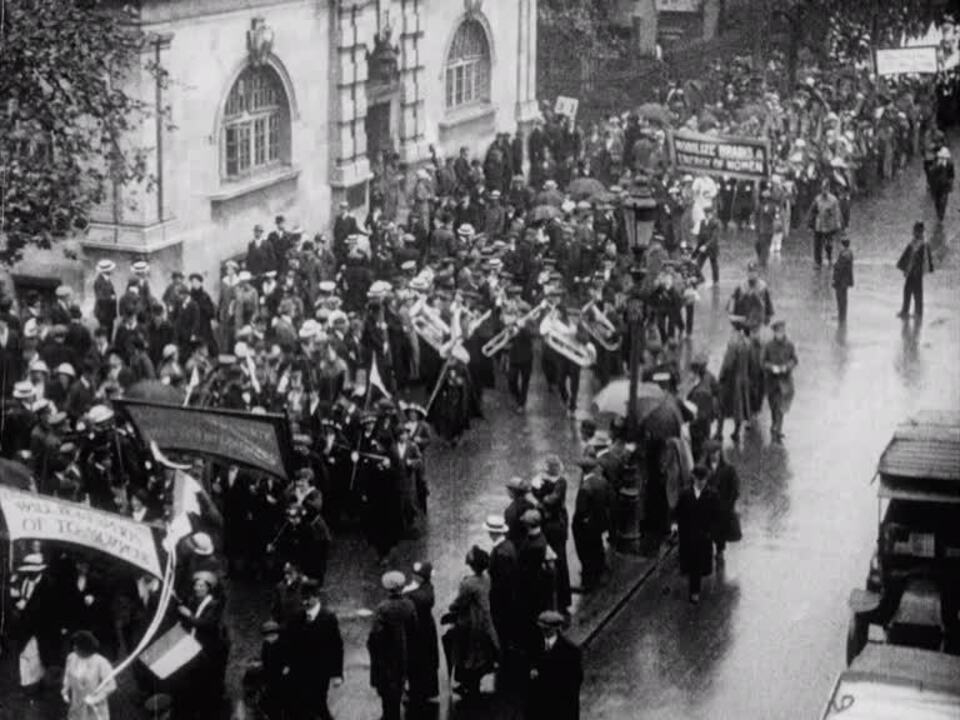
It's hats off to women's right to vote! Thousands of law-abiding activists from around the country come together in a cheerful demonstration of popular support for women's suffrage. The celebratory mood of the gathering - and the unexpectedly large number of menfolk within it - may have as much to do with the presence of a newsreel cameraman as with women's constitutional rights.
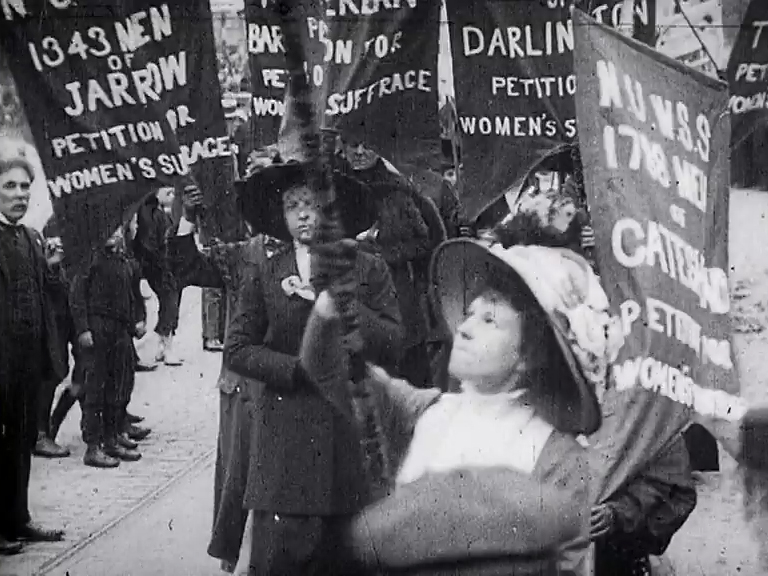
This peaceful gathering in Hyde Park in July 1913 was the culmination of a mass march to London from numerous cities across the country organised by the National Union of Women's Suffrage Societies (NUWSS) - a large and non-militant 'wing' of the women's suffrage movement led by Millicent Fawcett. The aim of the march was to counter the adverse publicity generated by the more militant and sensationalist activities of the Women's Social and Political Union (WSPU) and its leading members the Pankhursts, and to promote the 'constitutional' approach favoured by the NUWSS.
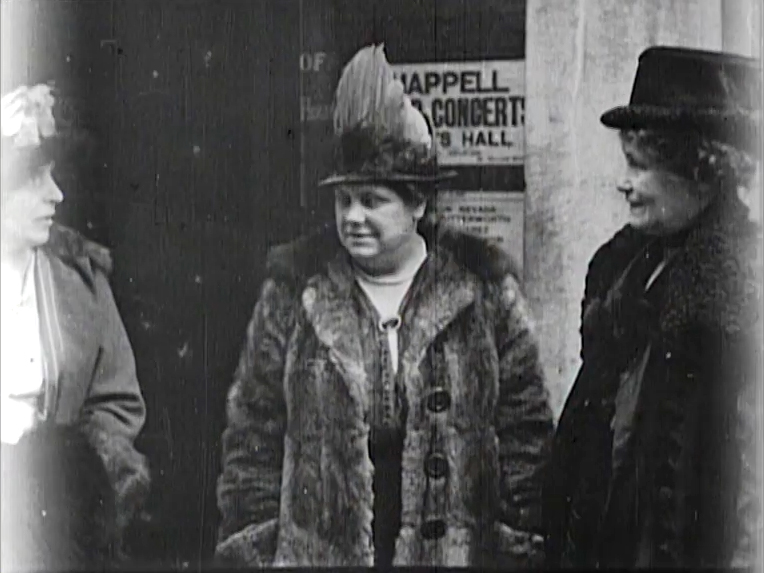
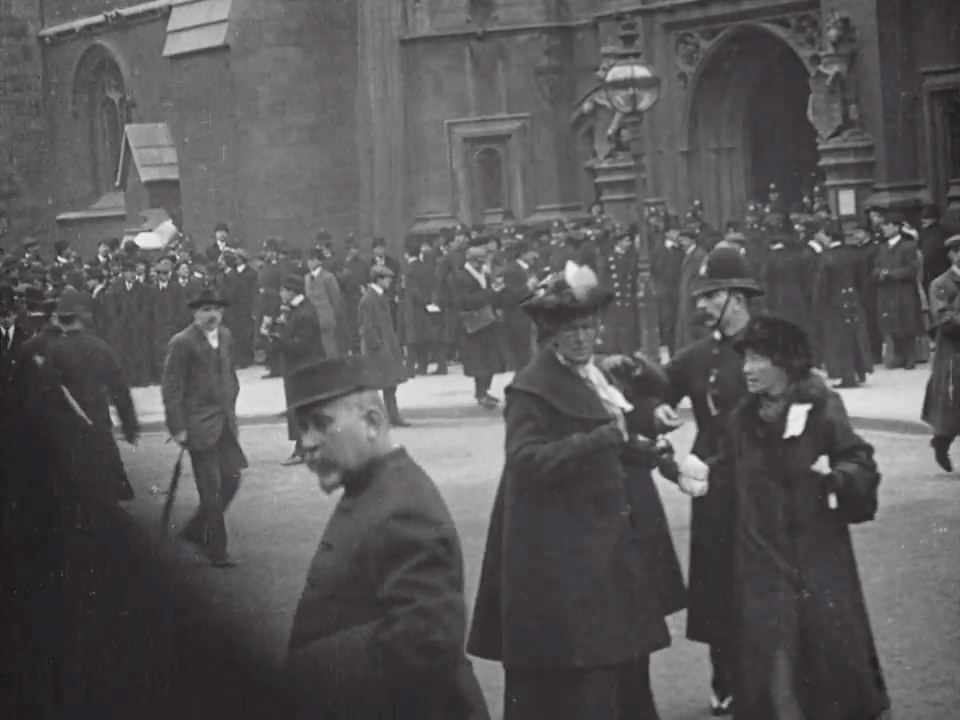
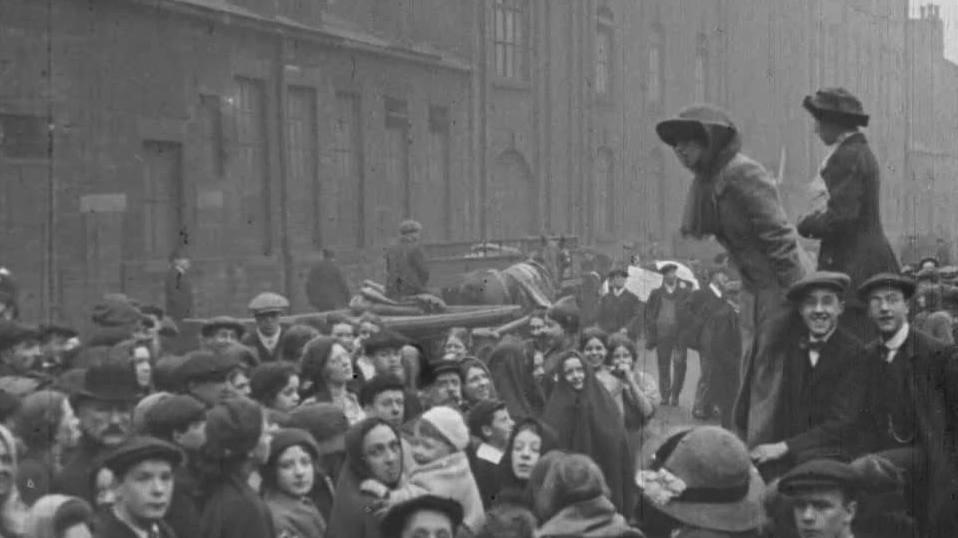
"You have to make more noise than anybody else!," cried Suffragette pioneer Emmeline Pankhurst. But how to make more noise in silent film?
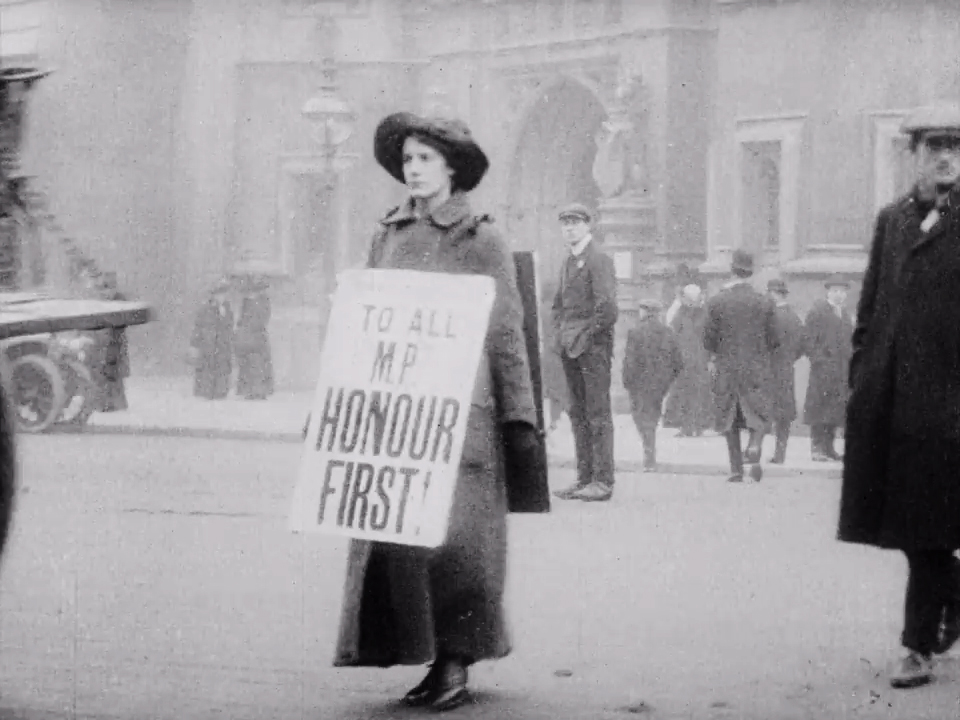
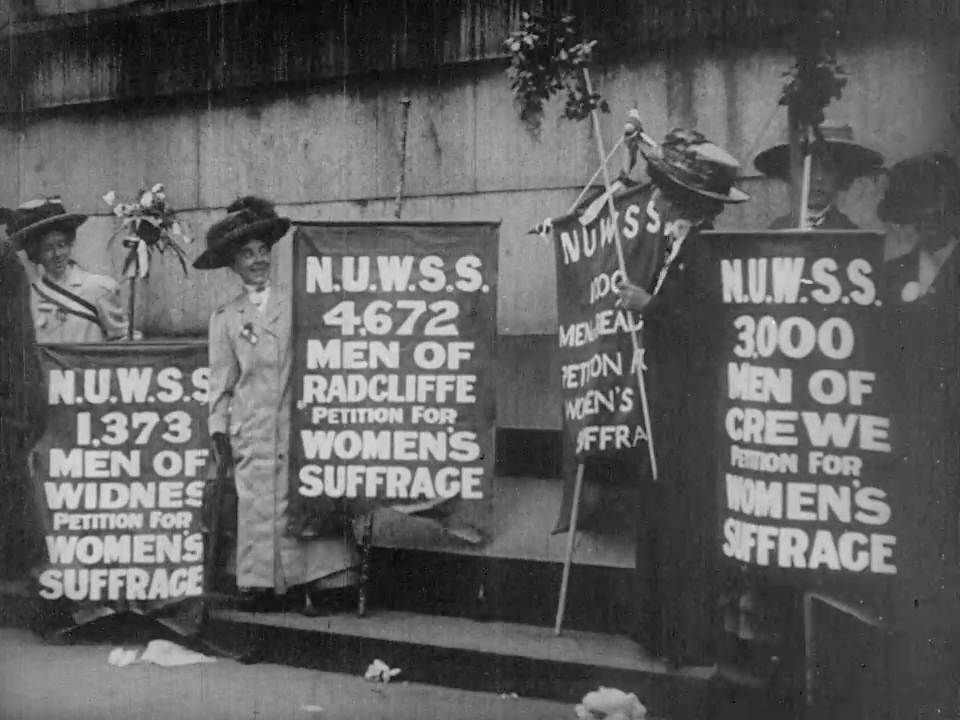
Pankhurst's strategy was simple but clever: at every public meeting or gathering, Suffragettes should stand up and shout "votes for women!". But how to make more noise in silent film? With moving images becoming increasingly important, the suffragettes needed to be not just heard, but seen. Newsreels were noticeably more neutral in their reporting than newspapers, so their cameramen were invited to big demonstrations, where banners and placards were carefully placed for the cameras.
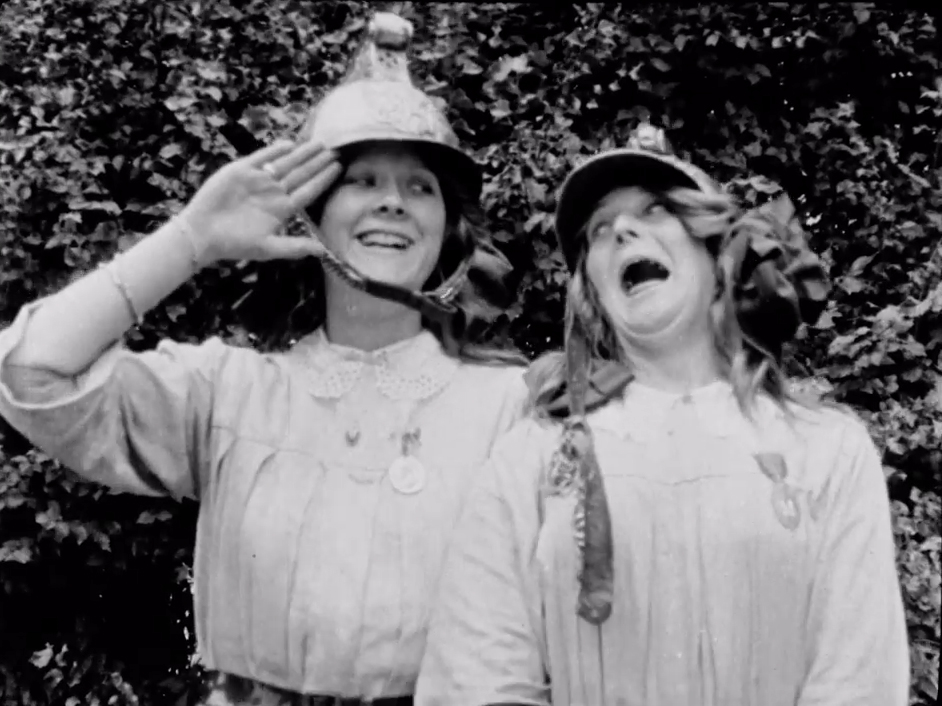
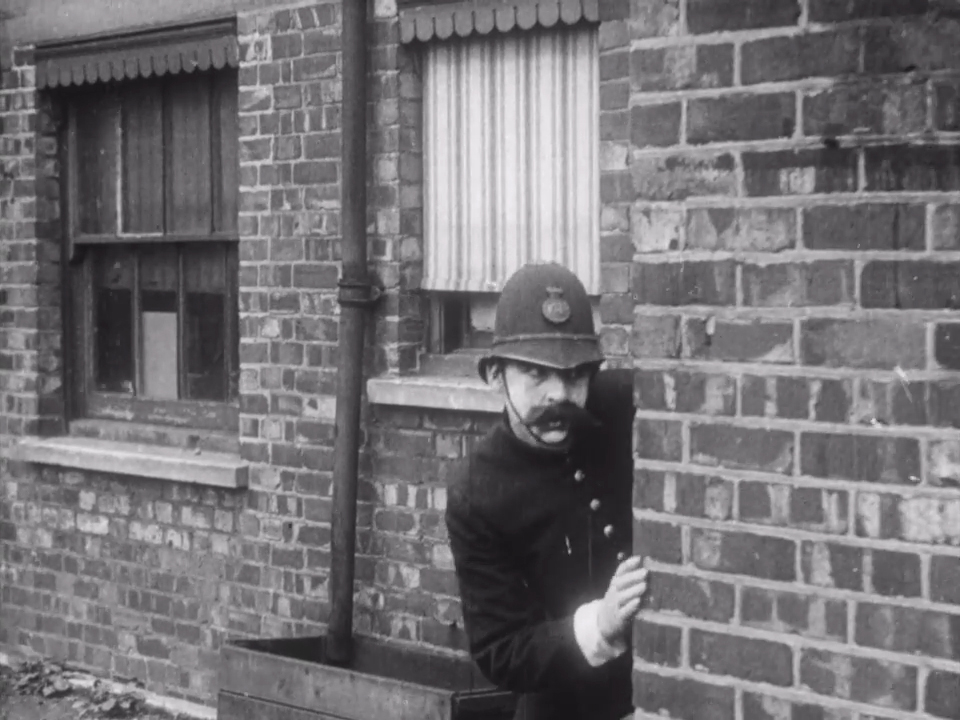
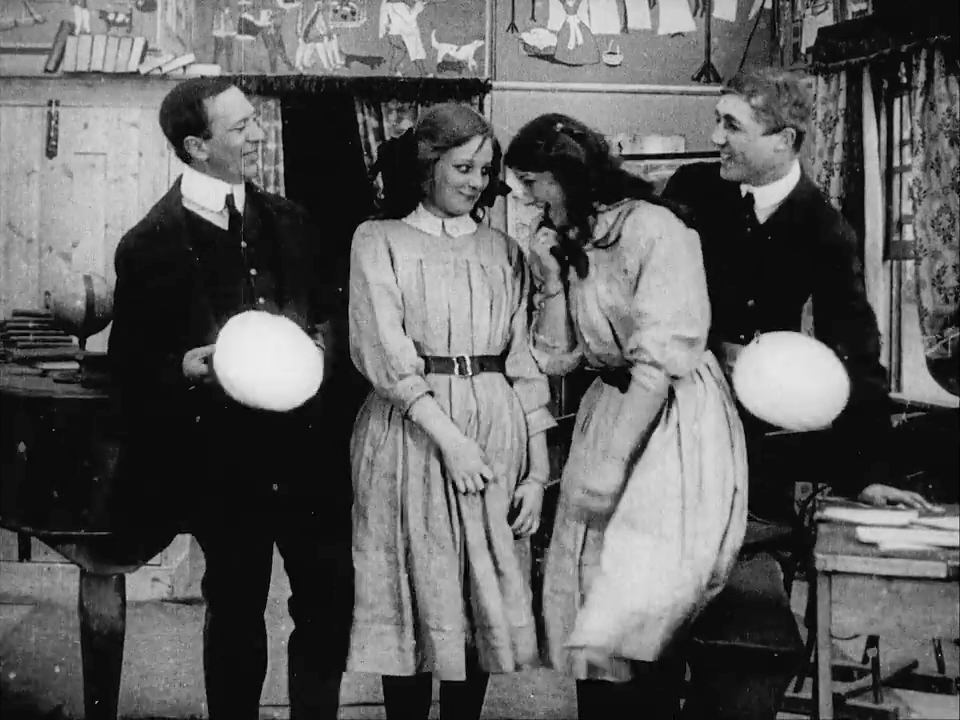
Suffragettes (often played by men in drag) were common objects of ridicule in film comedies. But some characterisations were more ambiguous, and comedy could even - sometimes - give its female protagonists the freedom to make one hell of a noise.