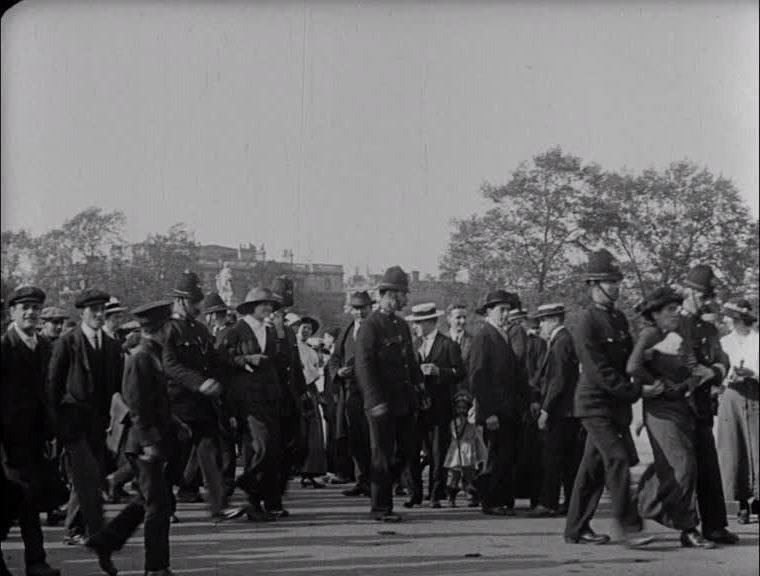
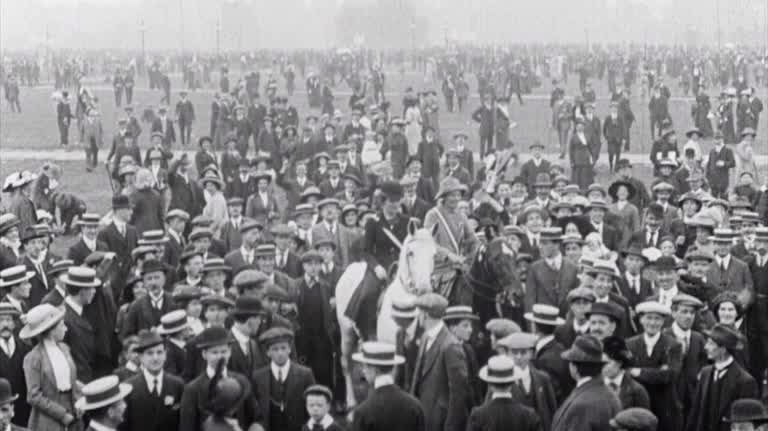
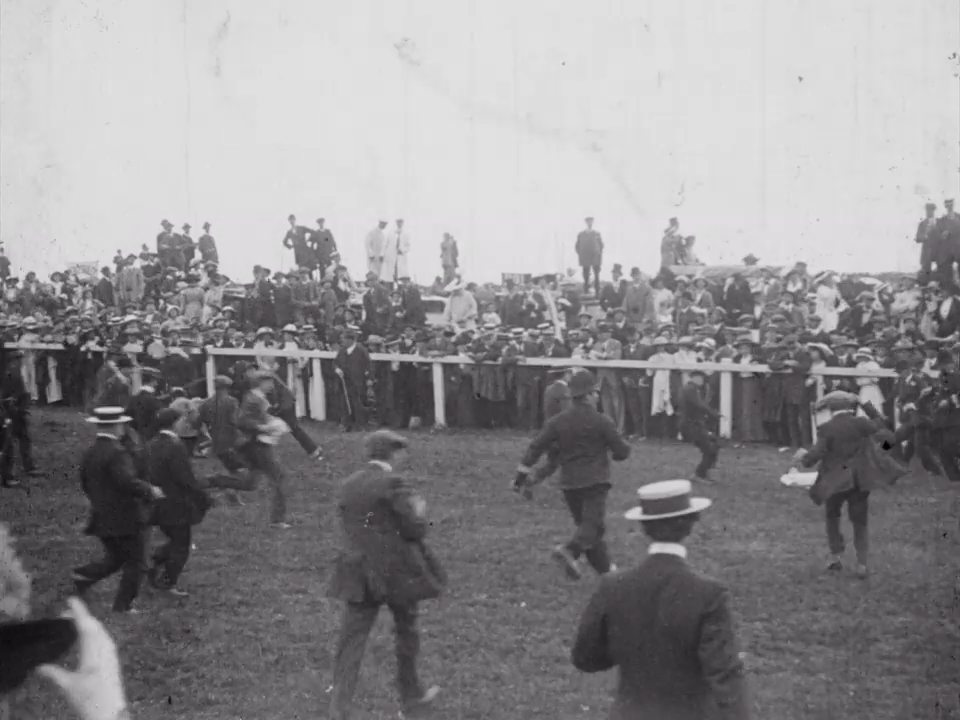
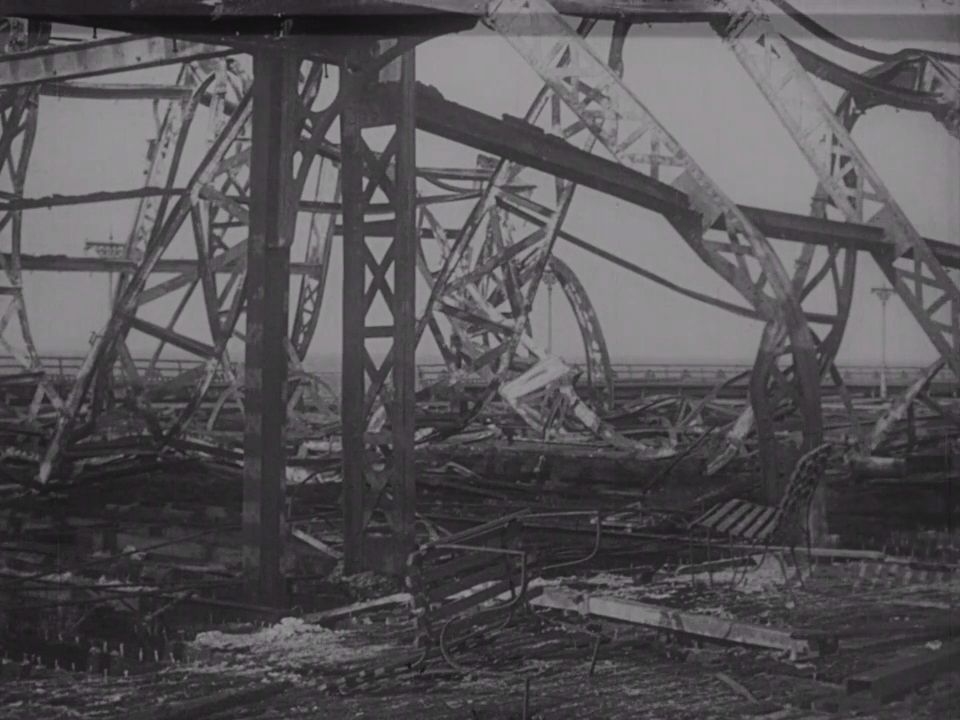
Palace Pandemonium
- Buckingham Palace
- 1914
Women's Suffrage campaigners make their mark in a key by-election
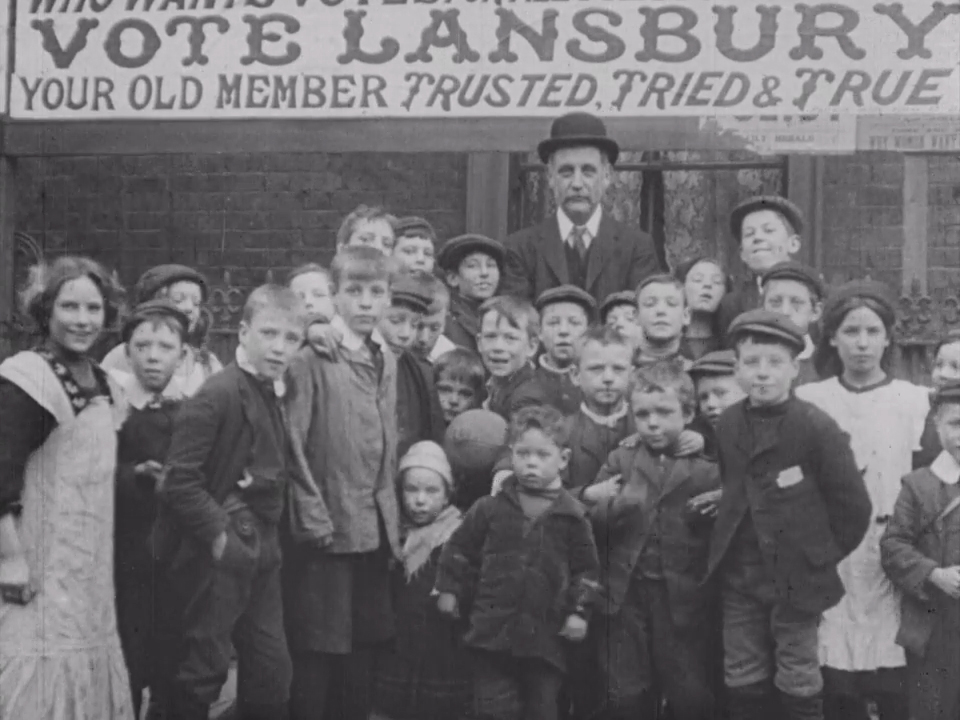
Was the Pathé newsreel unusually sympathetic to the women's suffrage campaign? It's certainly intriguing that it chose to highlight suffragettes' contribution to the Liberal Party's success in this 1912 by-election - something most newspapers overlooked. Polling day was on 23rd of November, and Liberal candidate Thomas Taylor took the seat on a 90 percent turnout, much to the annoyance of the Conservatives.
Contemporary reports attributed Taylor's victory to a progressive alliance of liberals and workers (and suffragettes). It was certainly a welcome boost to Herbert Asquith's Liberal government. Taylor would be the second of Bolton's two MPs at this time, the other being Labour's Alfred Henry Gill.
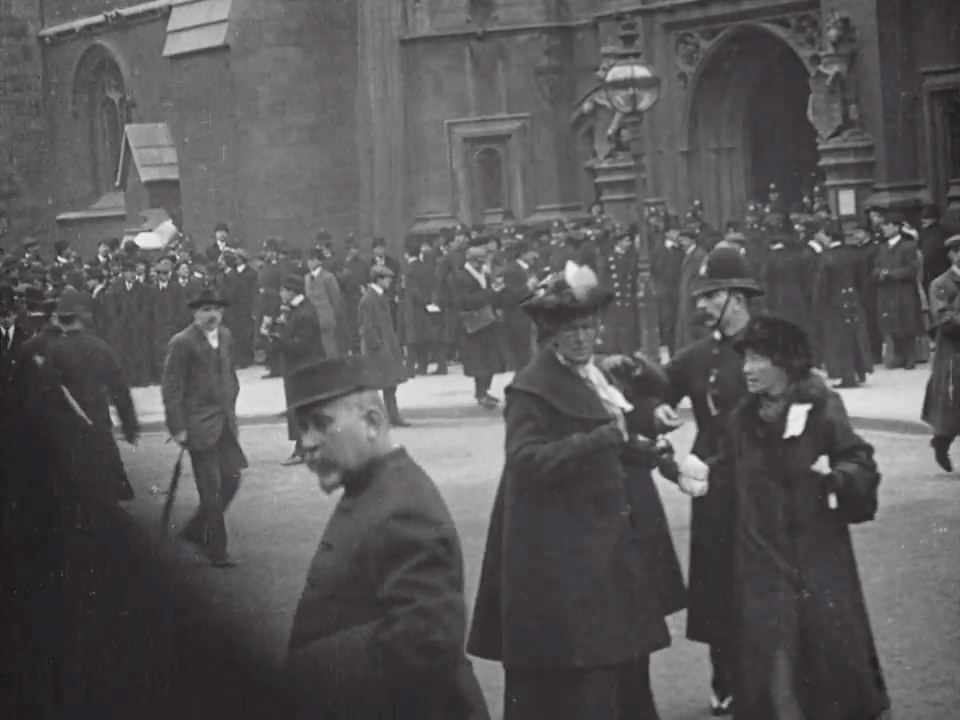
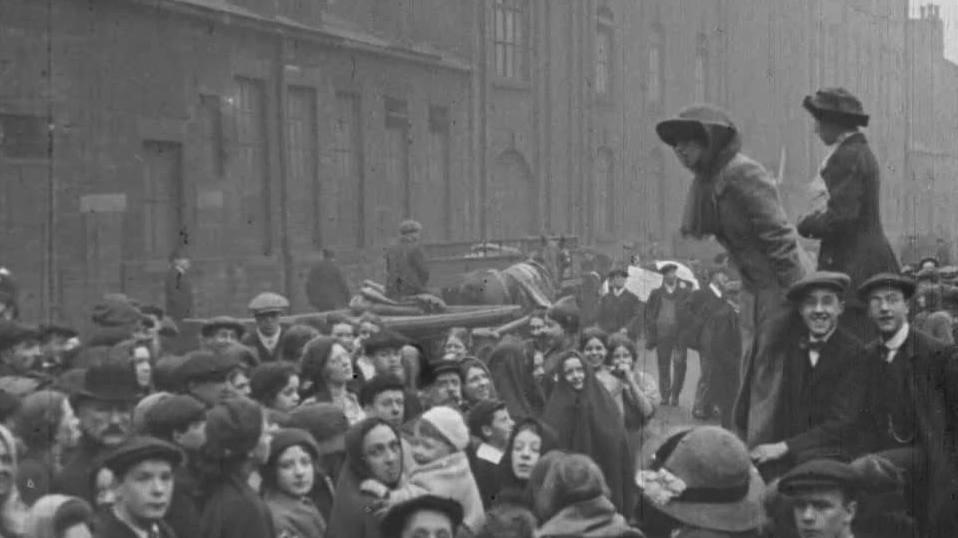
"You have to make more noise than anybody else!," cried Suffragette pioneer Emmeline Pankhurst. But how to make more noise in silent film?
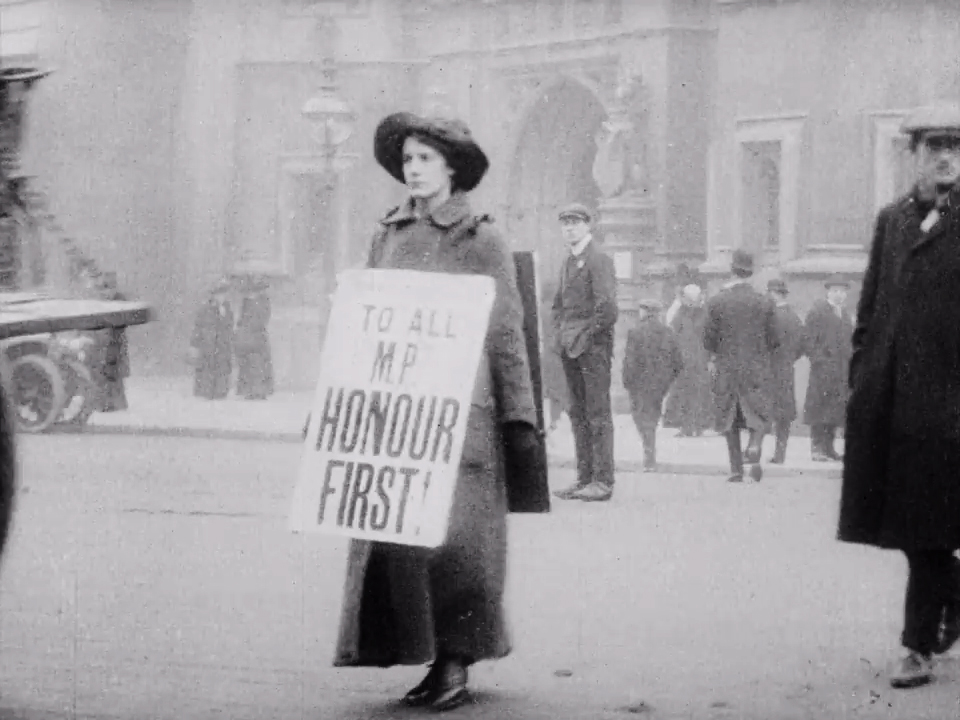
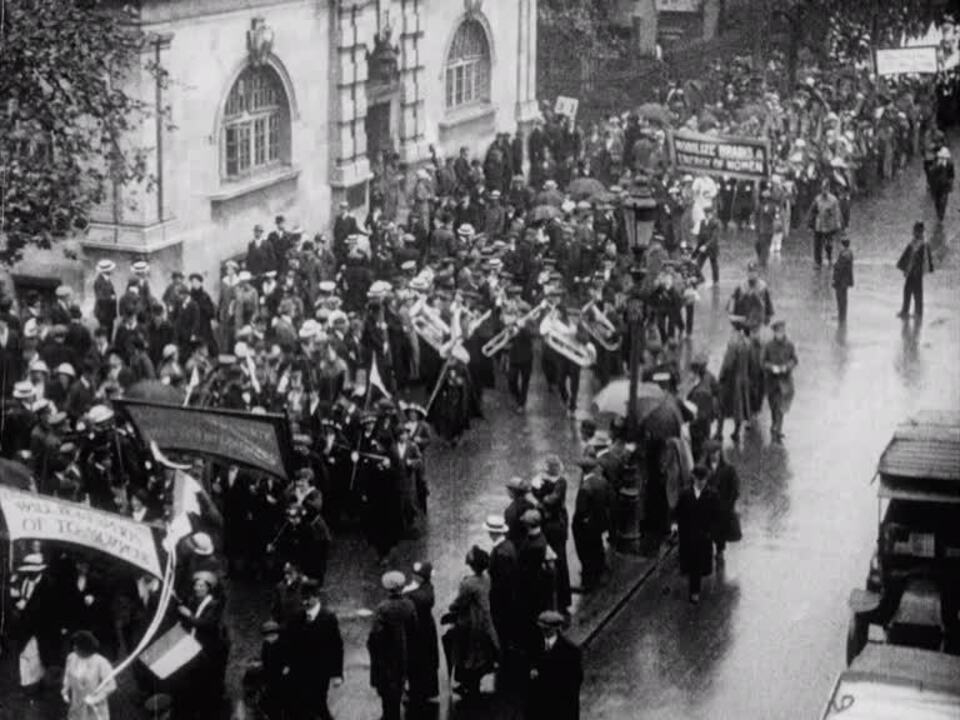
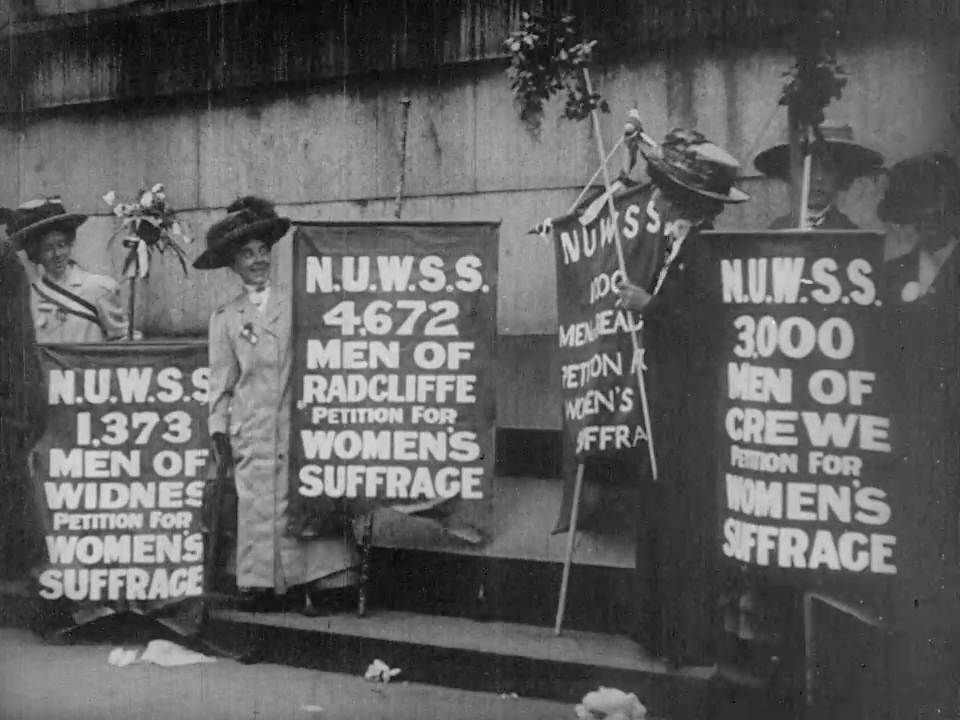
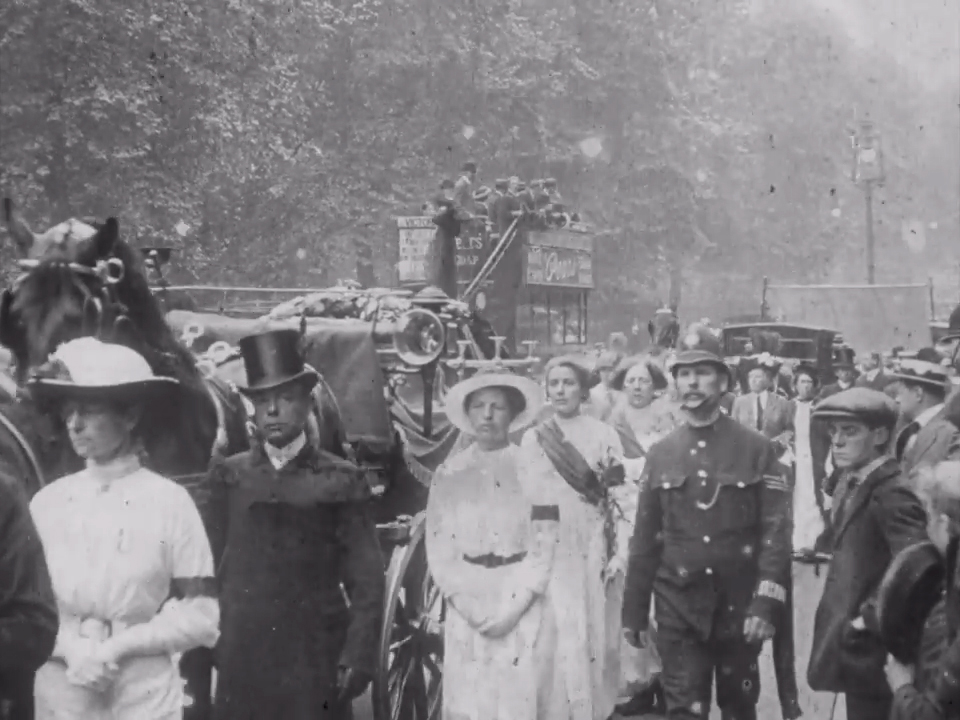
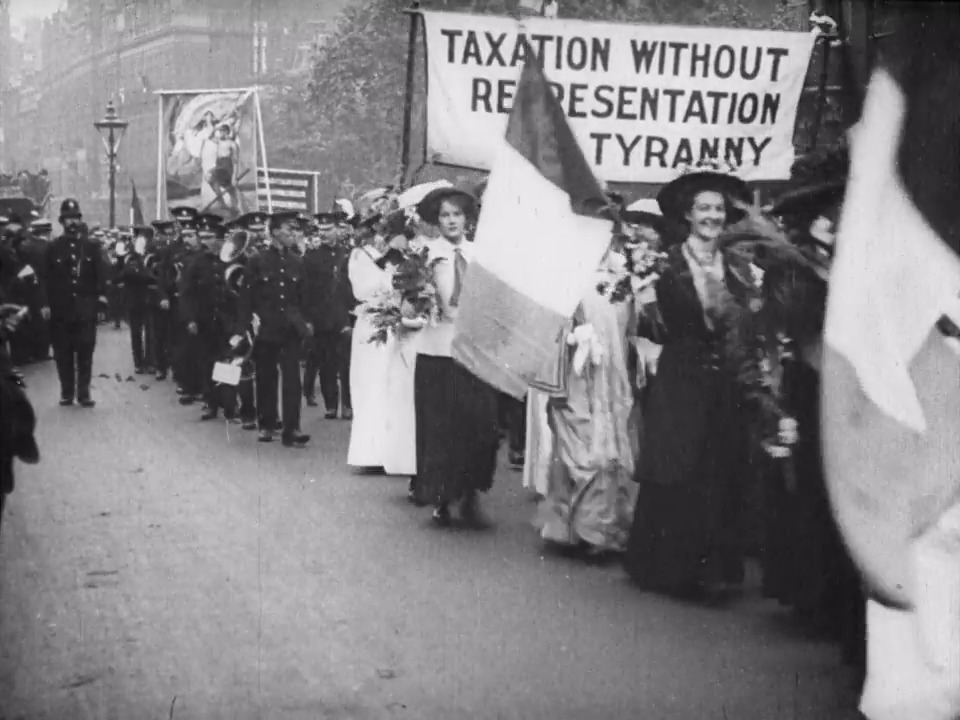
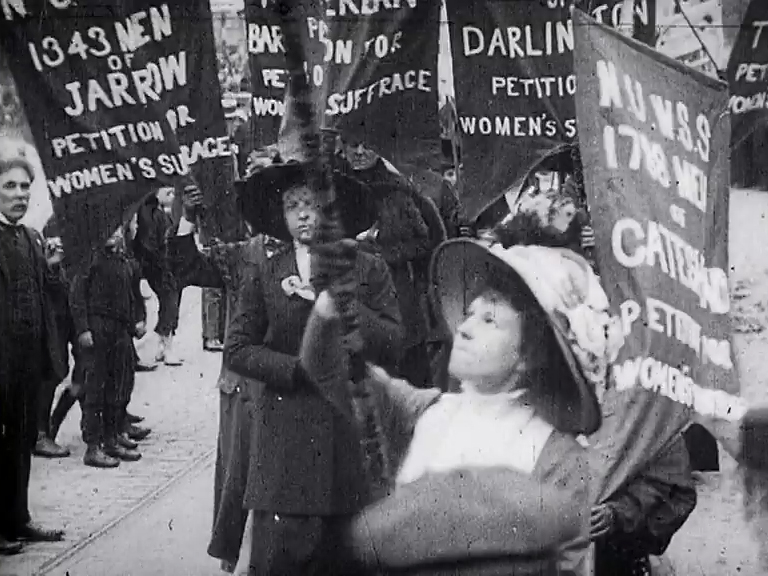
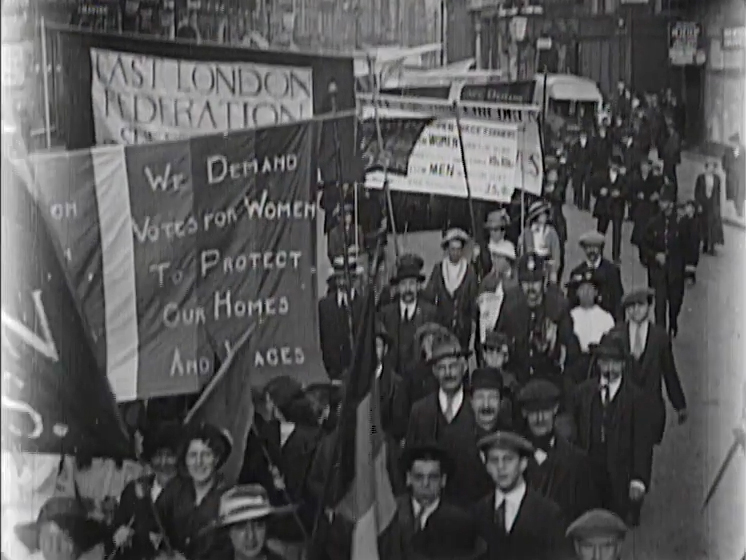
Pankhurst's strategy was simple but clever: at every public meeting or gathering, Suffragettes should stand up and shout "votes for women!". But how to make more noise in silent film? With moving images becoming increasingly important, the suffragettes needed to be not just heard, but seen. Newsreels were noticeably more neutral in their reporting than newspapers, so their cameramen were invited to big demonstrations, where banners and placards were carefully placed for the cameras.
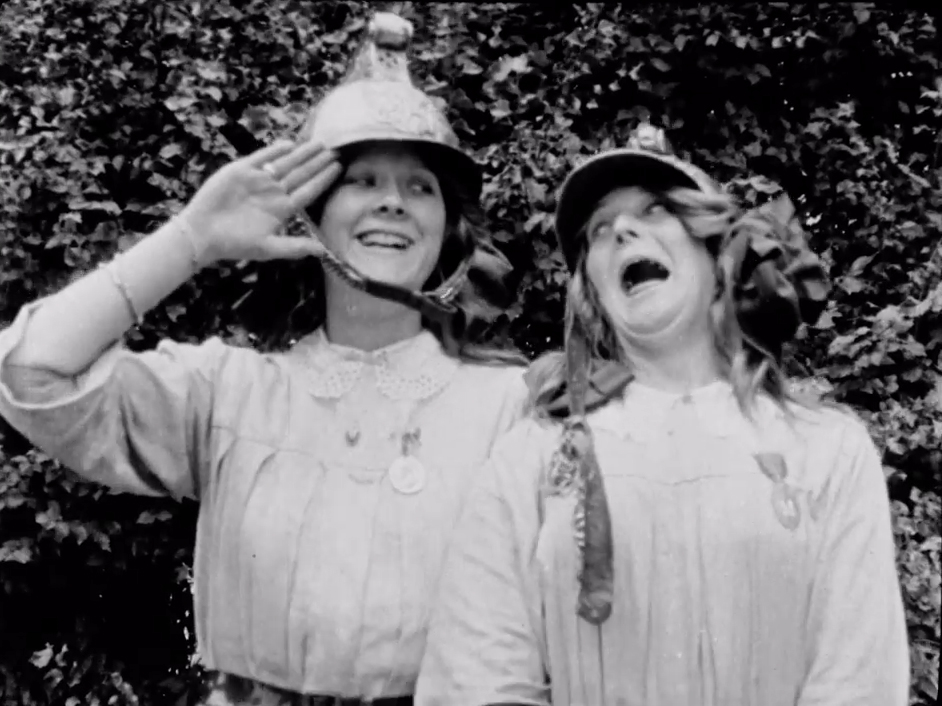
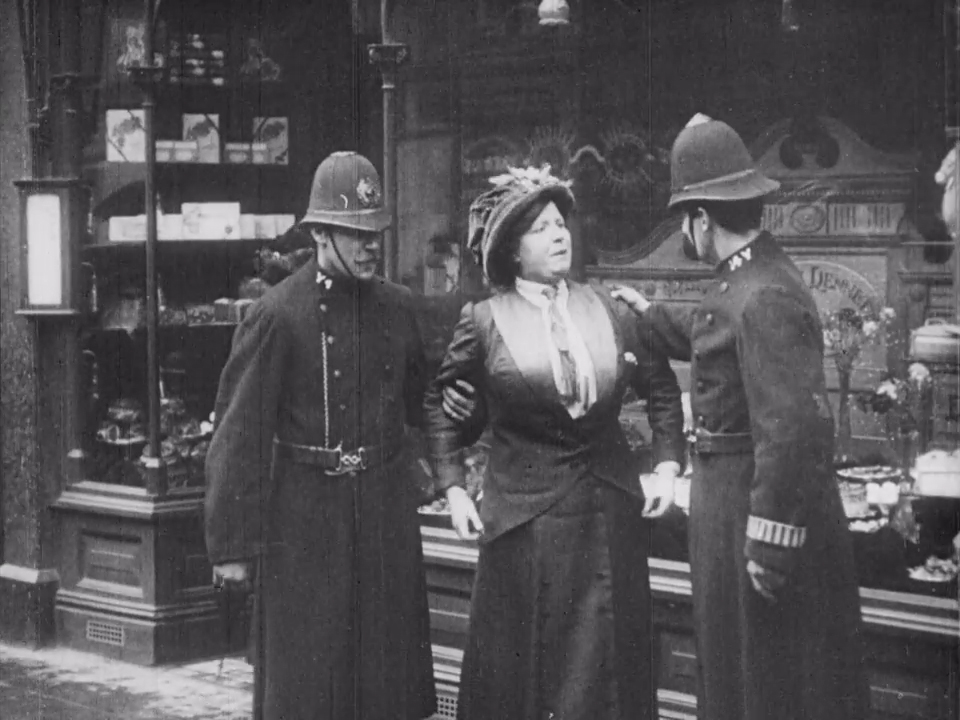
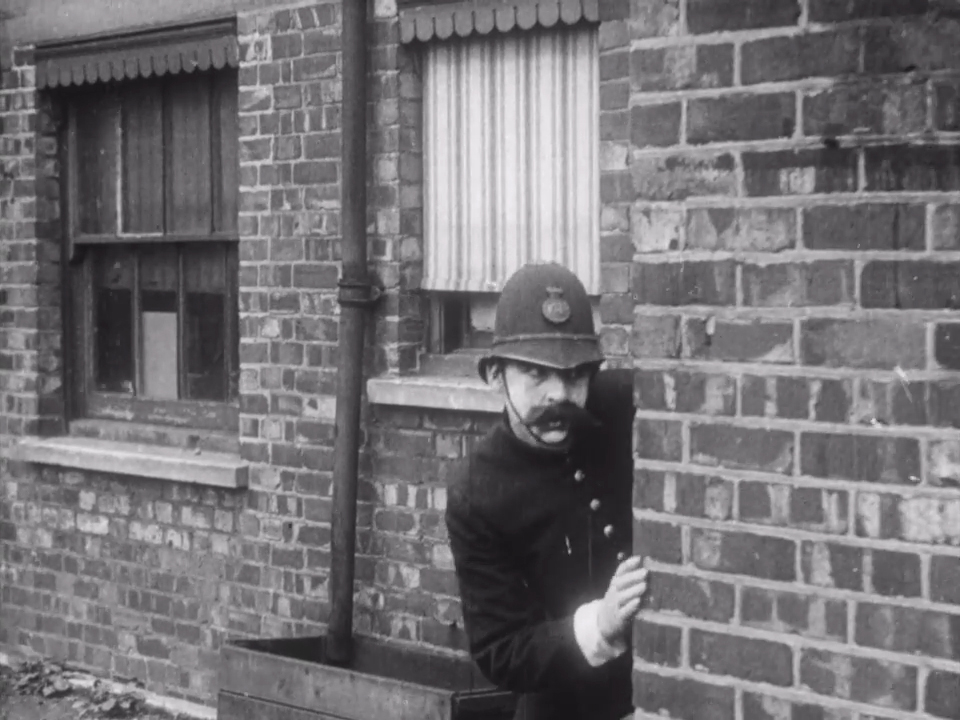
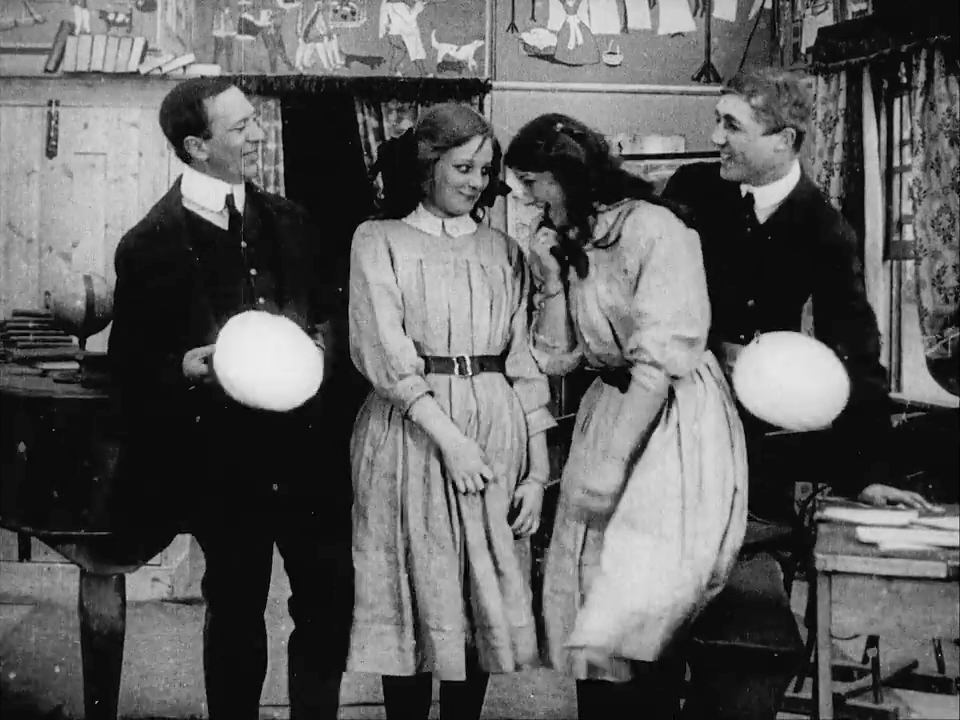
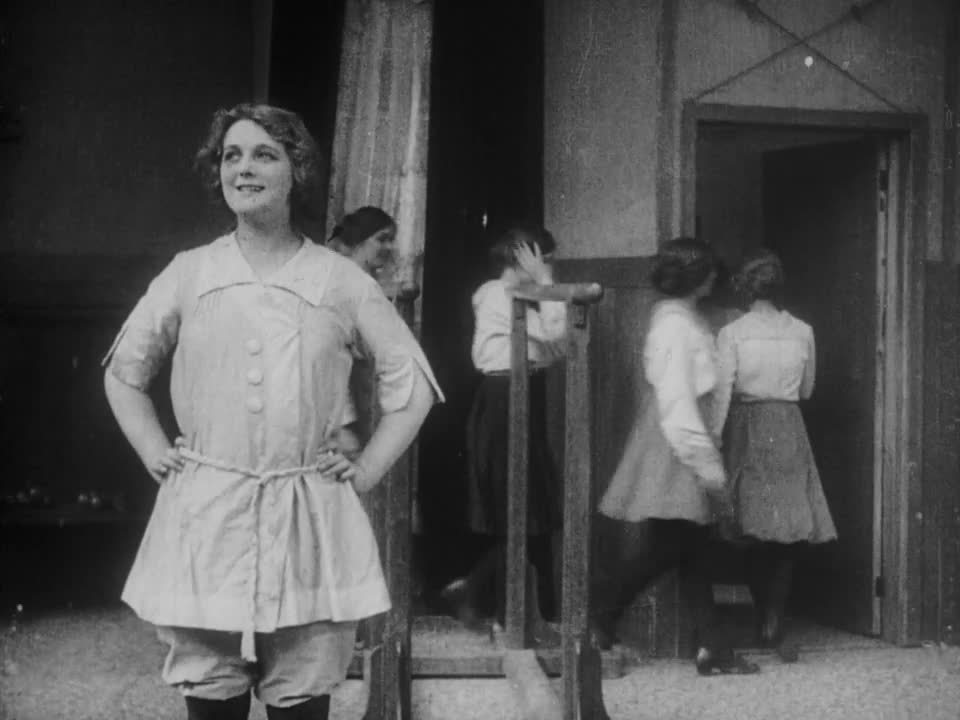
Suffragettes (often played by men in drag) were common objects of ridicule in film comedies. But some characterisations were more ambiguous, and comedy could even - sometimes - give its female protagonists the freedom to make one hell of a noise.