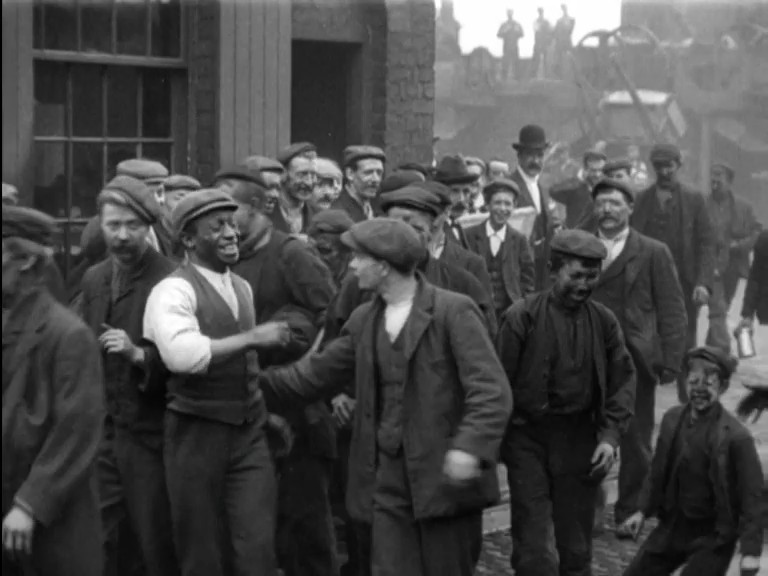
Miners Leaving Pendlebury Colliery (1901)
- Pendlebury
- 1901
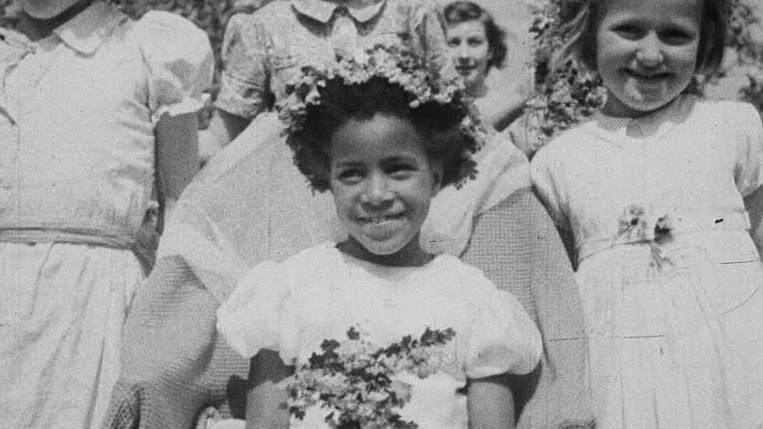
An extraordinary and unexpected snapshot of rural life in wartime in which a young black girl is crowned Queen of the May.
This extraordinary and unexpected snapshot of rural life in wartime - unseen for years due to the fragility of the materials - documents most ancient of English traditions: the selection and crowning of the Queen of the May. But what is so surprising is that 60 years ago the village of Stanion in Northamptonshire chose to honour a young black girl - apparently the daughter of an African merchant seaman who had been evacuated there during the War.
It's hard to know quite how literally to take the proceedings. The film was made by the Colonial Film Unit for the purpose of screening throughout Britain's African and Caribbean colonies - to demonstrate 'typical' life in the UK - at a time when the government needed to recruit the support of men and women from across the Empire. Later, in the immediate post-War period, such films not only acted to reinforce imperial solidarity, but formed part of a propaganda campaign to attract cheap labour to the UK.
Precious glimpses and surprising rediscoveries: snapshots of black Britain in the decades before the great postwar migrations.
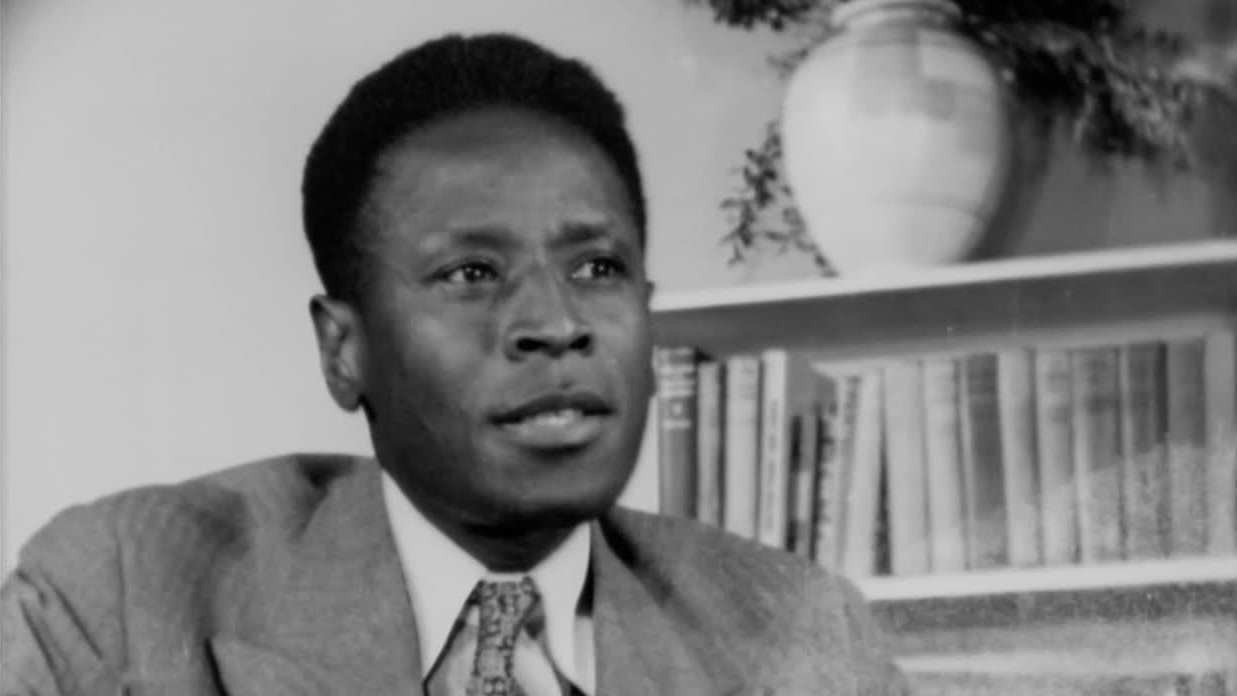
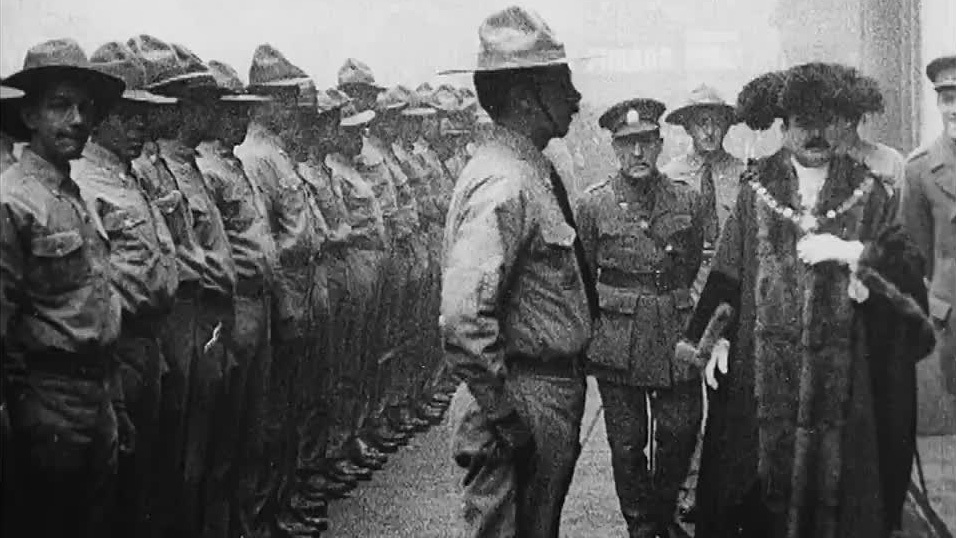
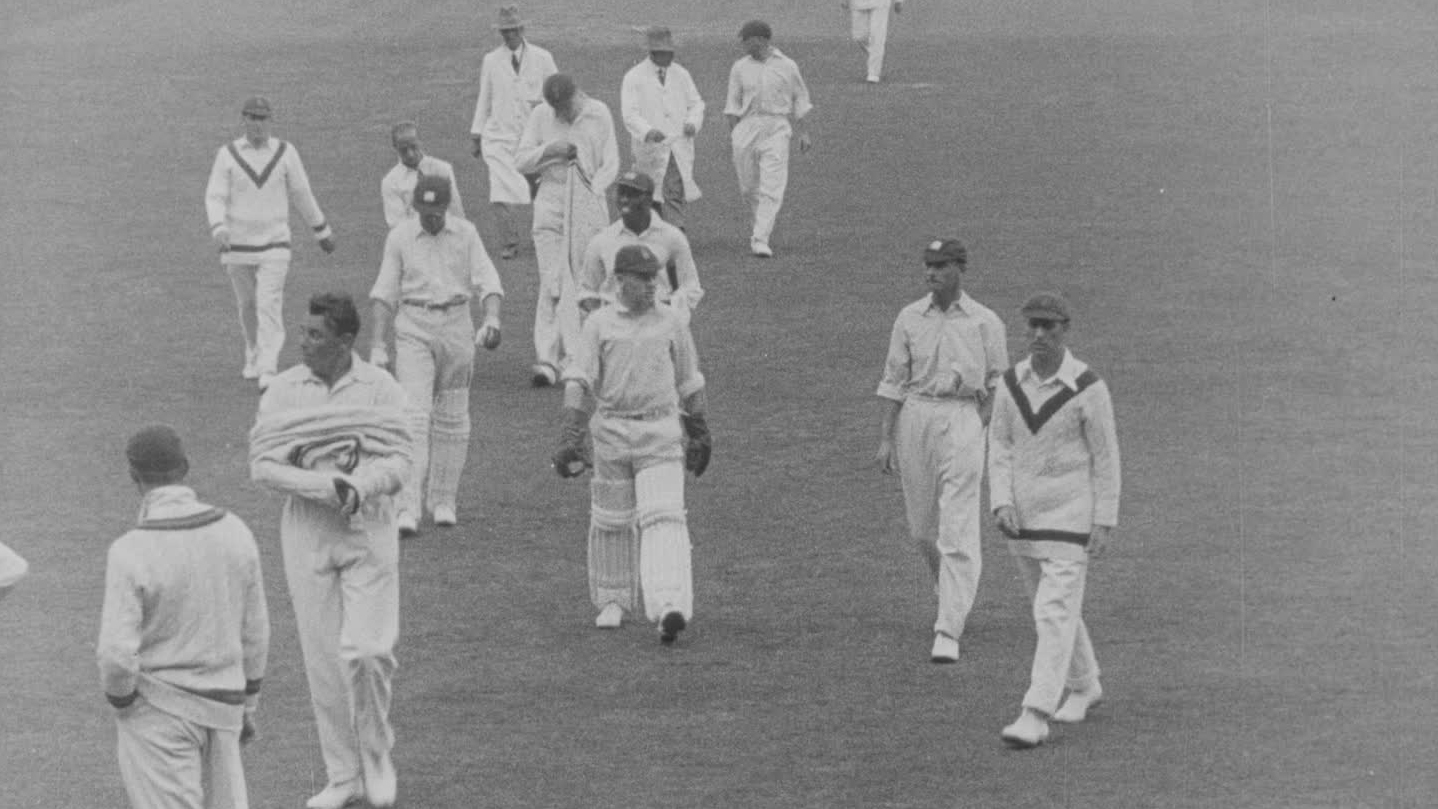
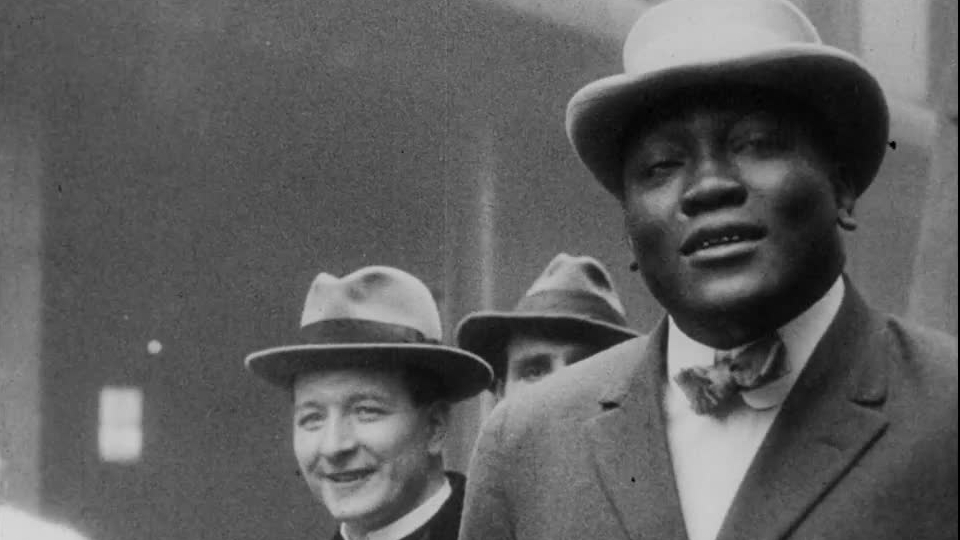
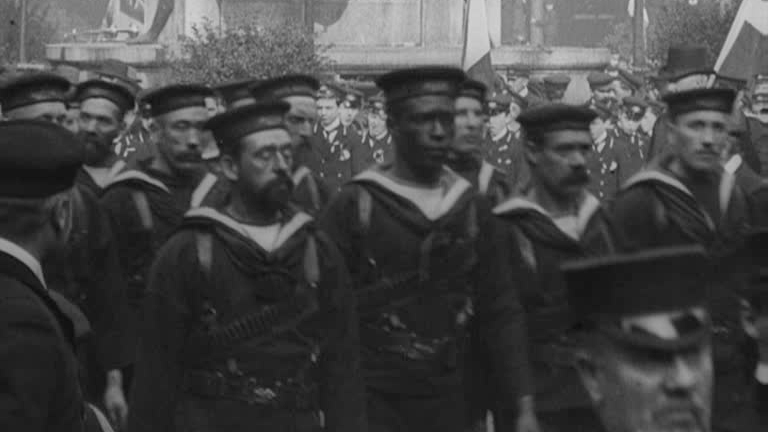
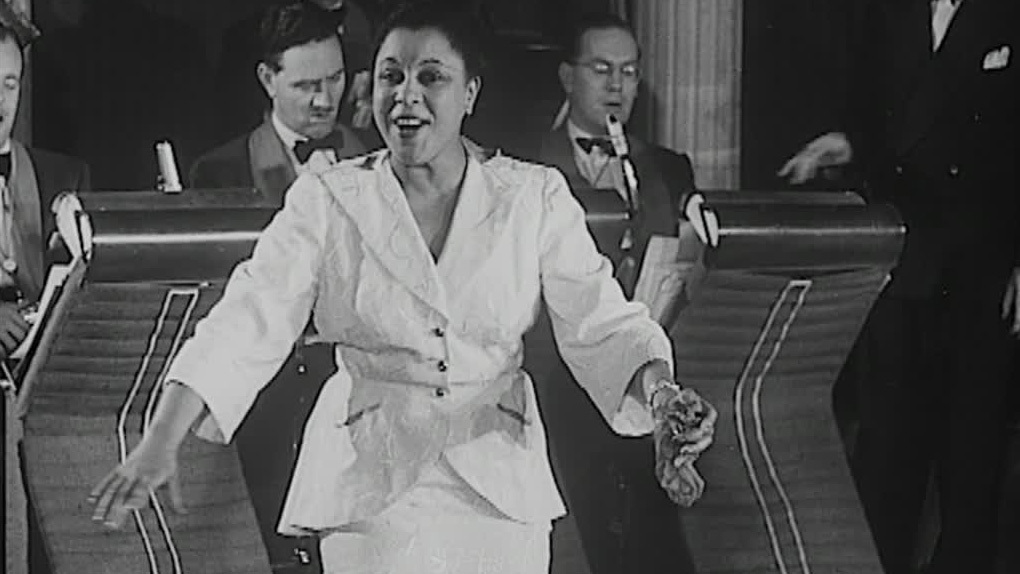
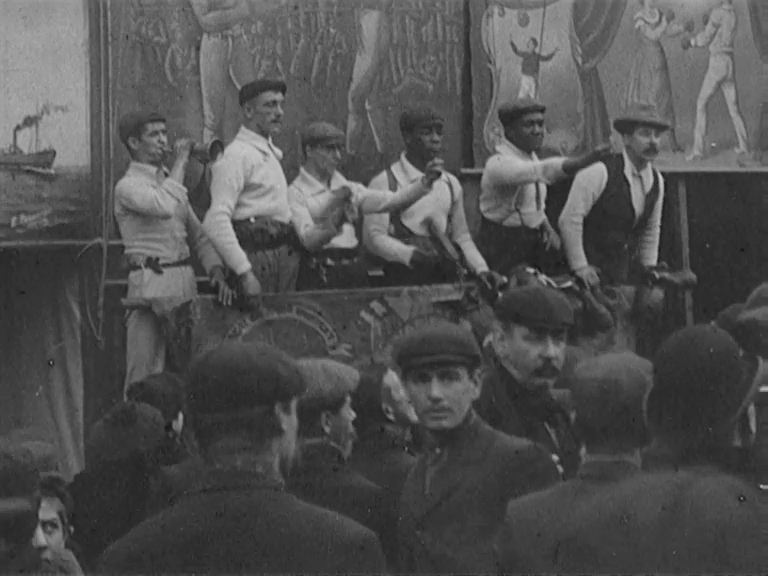
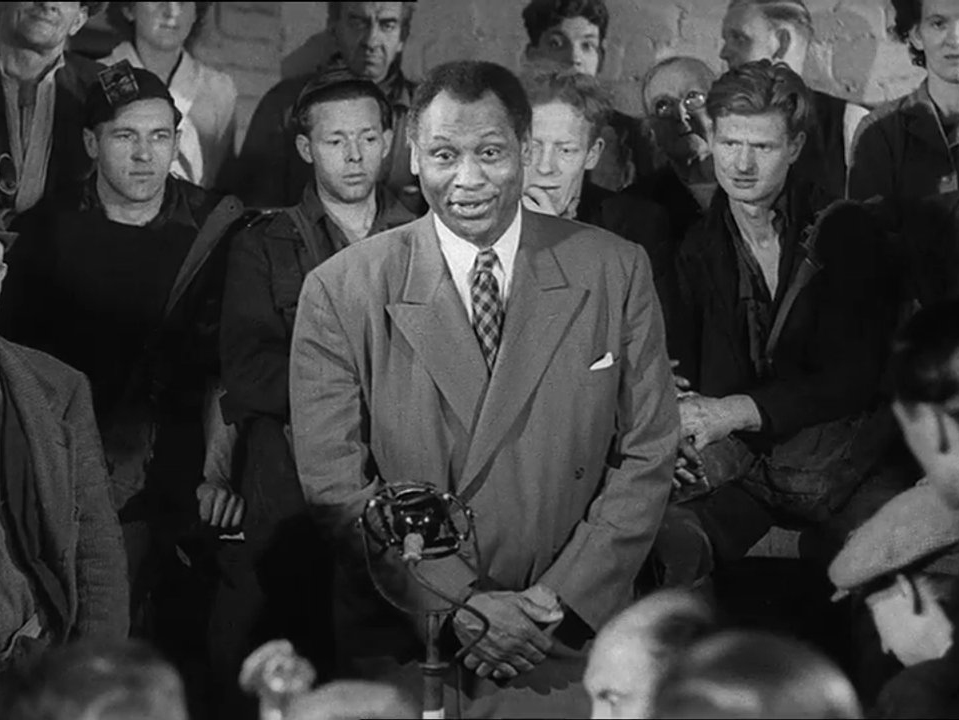
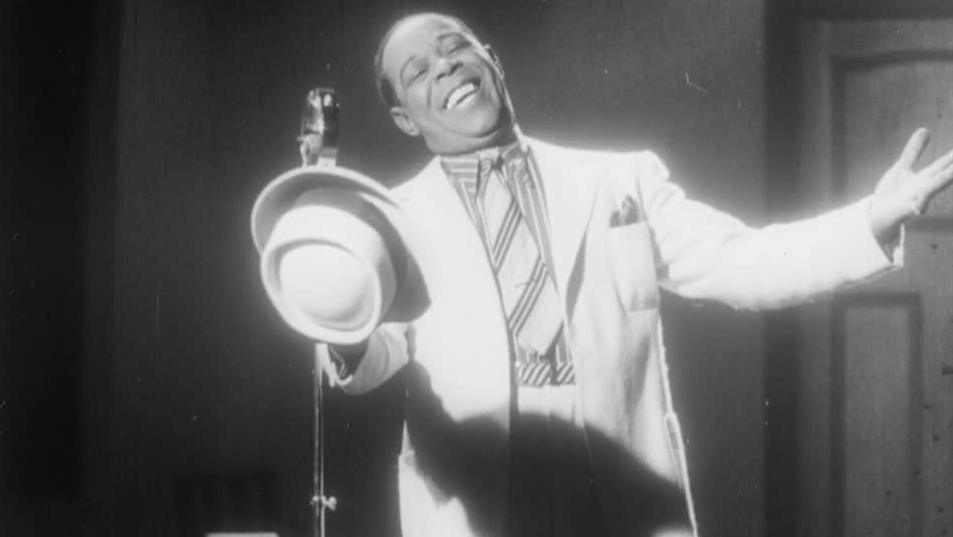
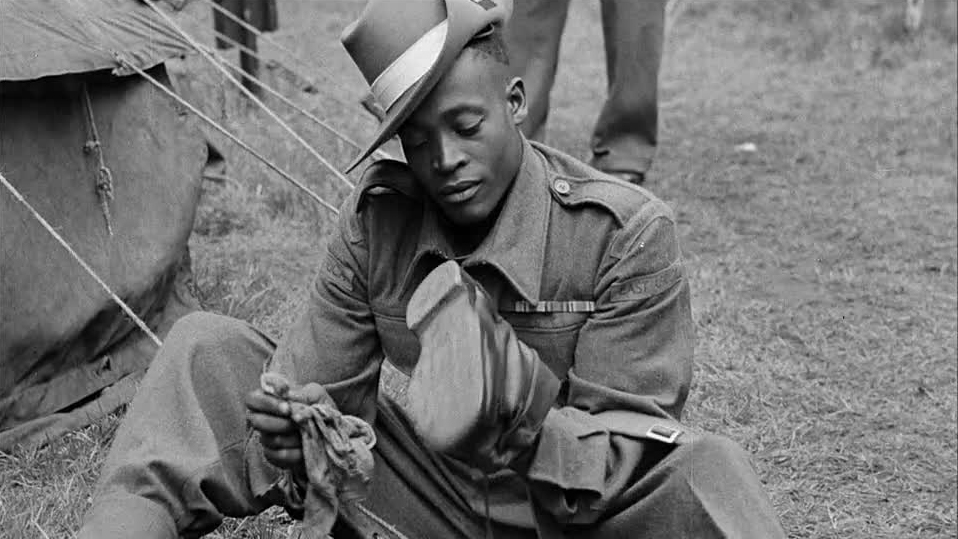
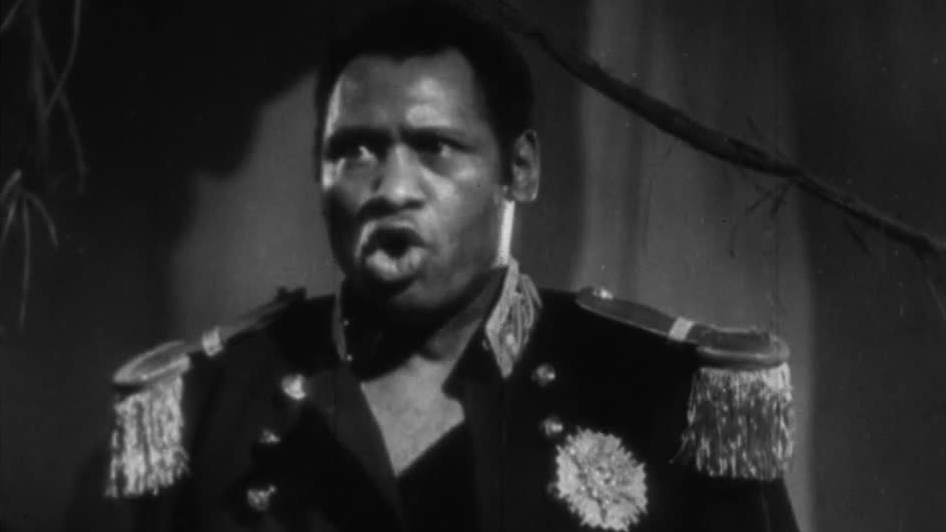
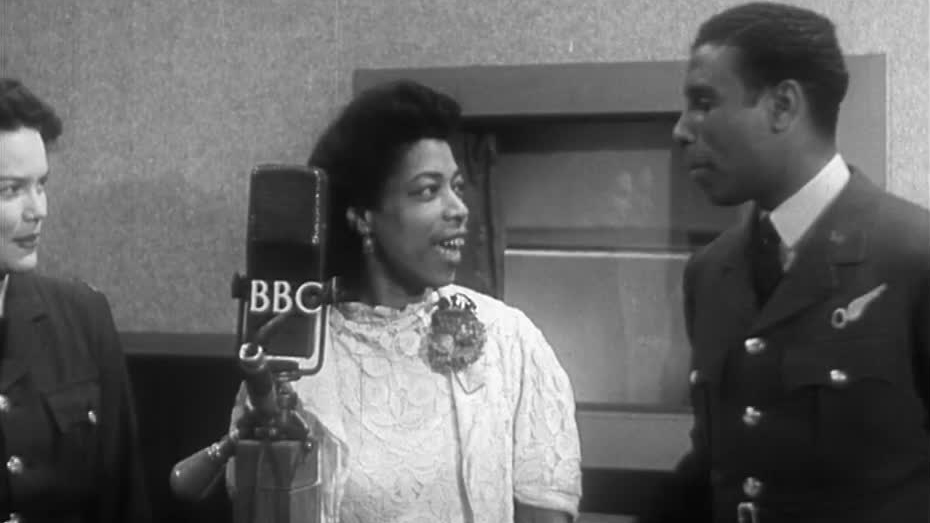
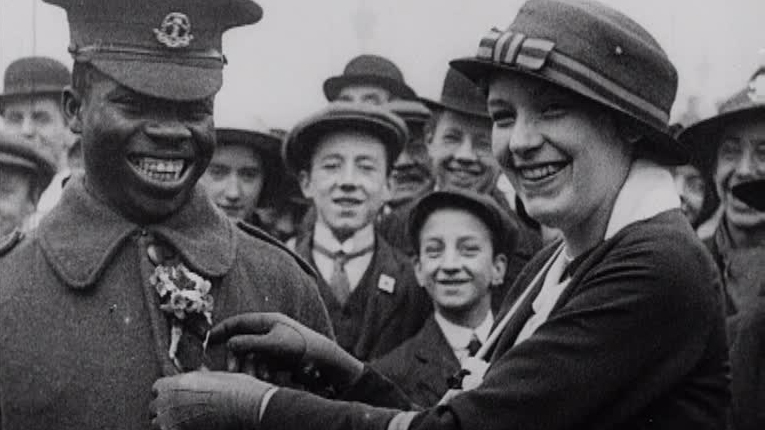
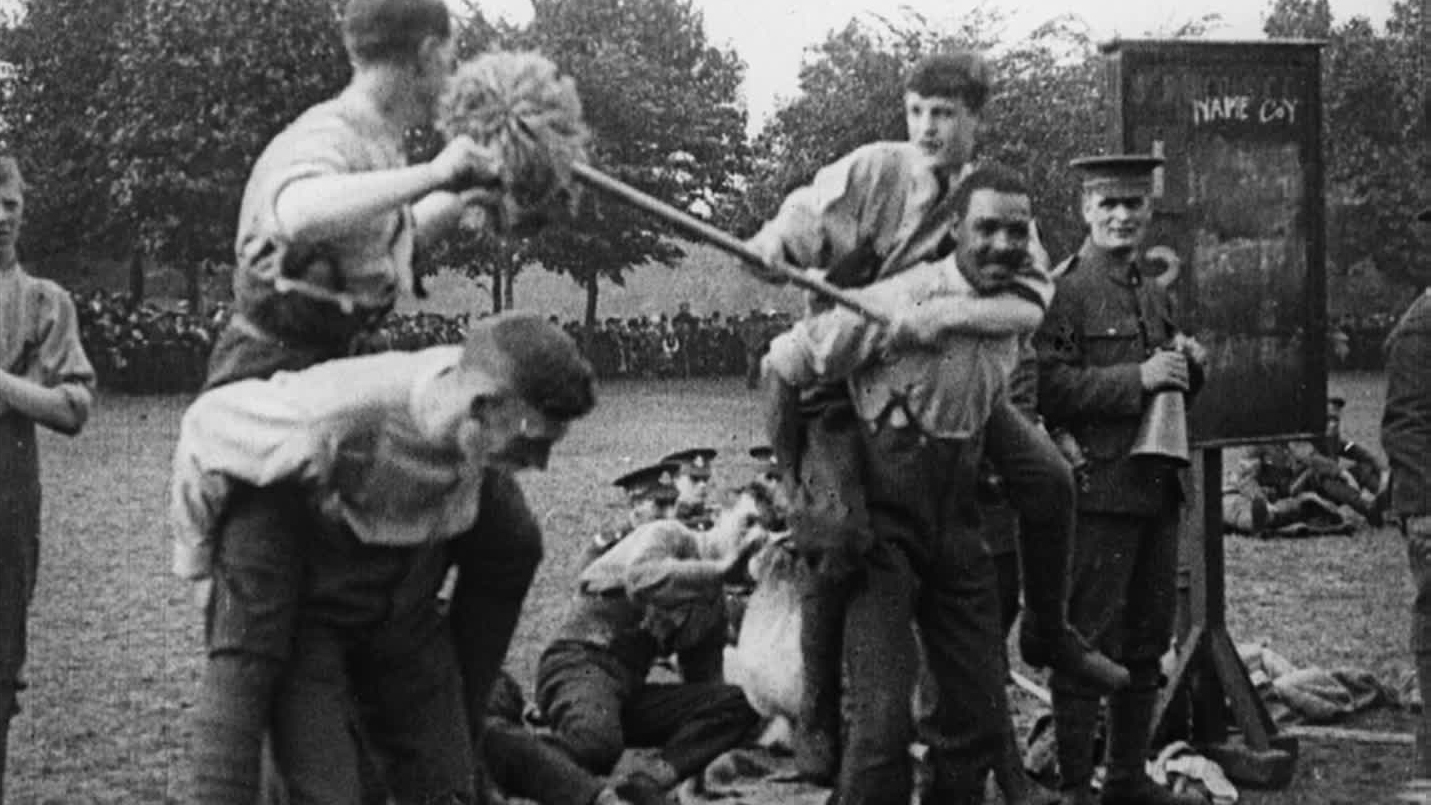
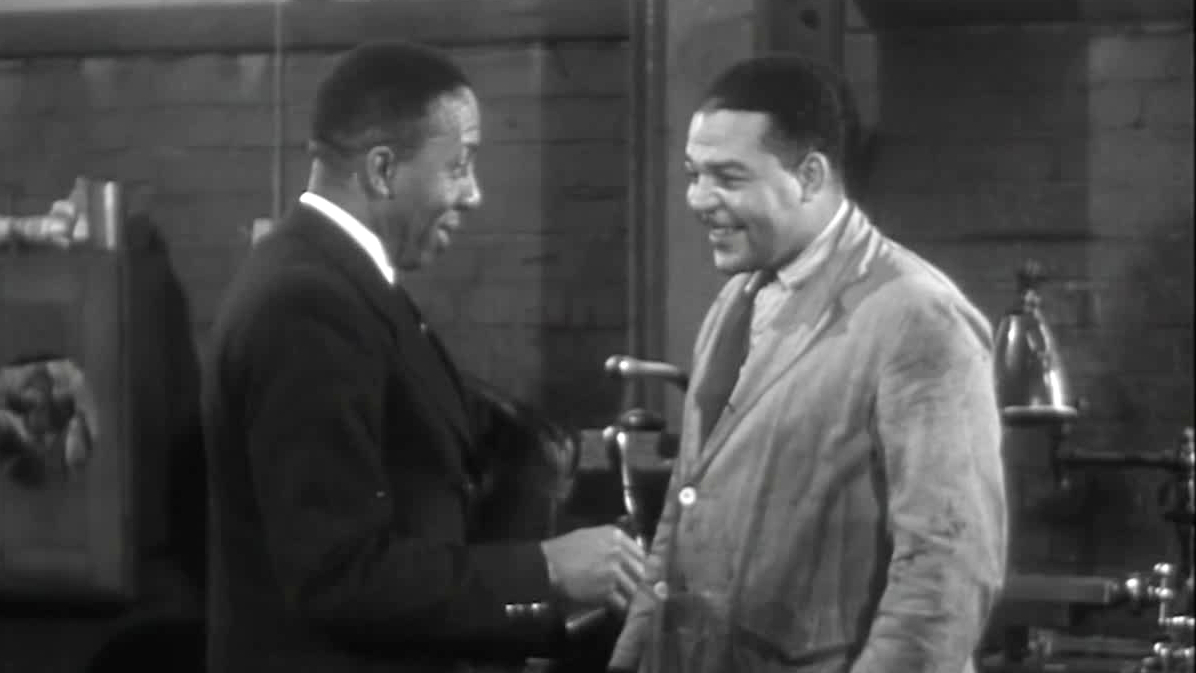
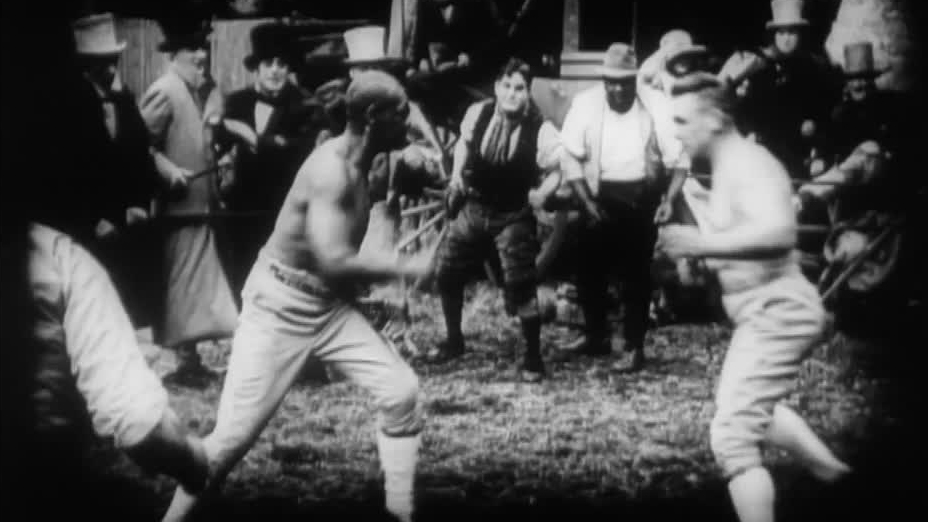
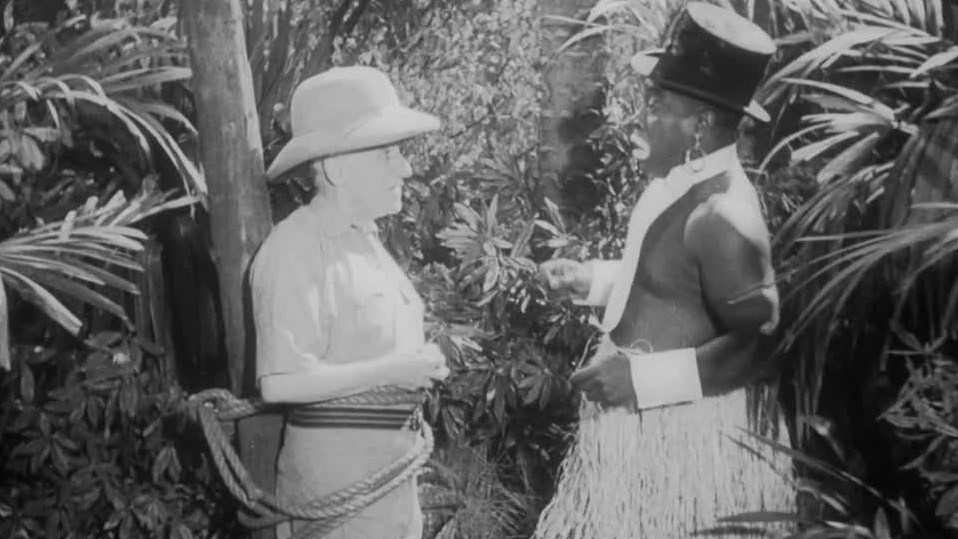
There was a substantial black presence in Britain long before the Empire Windrush arrived from Jamaica in June 1948. Some of the earliest moving images of black Britons survive in the extraordinary Mitchell and Kenyon collection from the dawn of the 20th century. WWI newsreels offered occasional glimpses of black soldiers from Britain - or more likely the Empire. In WWII the contribution of black servicemen and women was more prominently acknowledged in newsreels and documentaries. Between the wars, black performers began to make a splash, from music hall entertainers Scott & Whaley to Britain's first black screen star, US-born actor, singer and activist Paul Robeson. Stars like these had an easier time than many, but still faced unthinking stereotypes and prejudice. But they forged a path for others to follow. The films in this selection span some five decades, serving as a vital record of a much longer history of black people and culture in Britain than is often remembered.