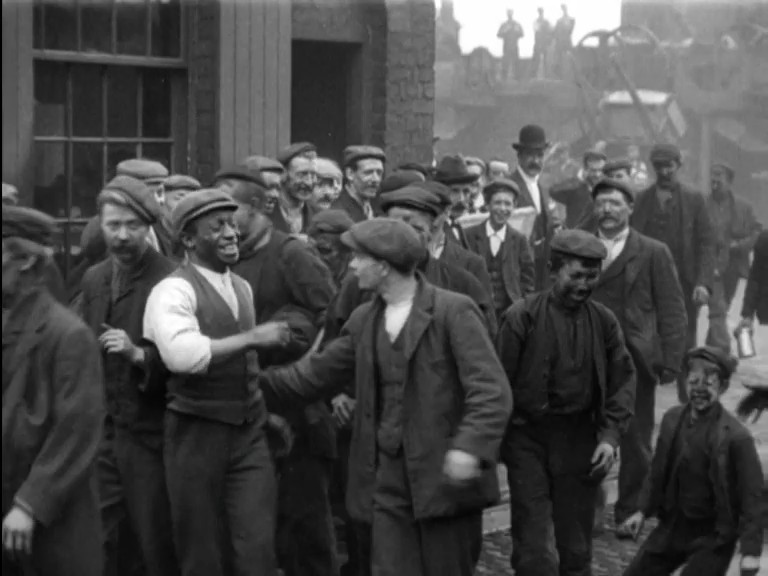
Miners Leaving Pendlebury Colliery (1901)
- Pendlebury
- 1901
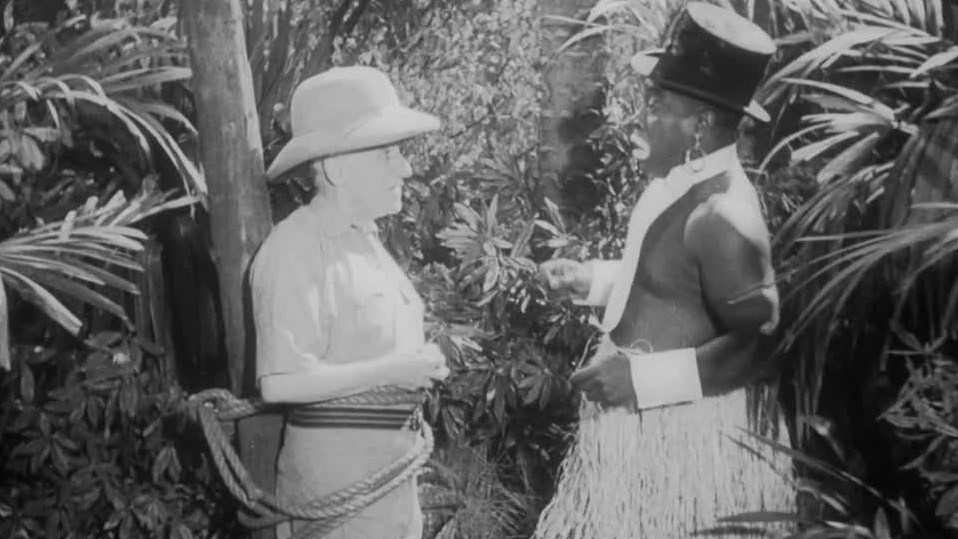
Explorers, 'cannibals' and minstrels sell soap powder.
An argument between a 'cannibal' and his wife over the use of a cooking pot provides a narrative to promote the virtues of Rinso soap powder. The demeaning use of black actors and the African setting were intended to underline the 'civilising' benefits of a transition from boil-washing to pre-soaking in Rinso.
Racist notions of the undesirability and 'impurity' of black skin had been used to market cleaning products to white buyers since the early 19th century. Brands including Pears, Sunlight, Vinolia and Fairy commonly featured black children and adults being 'washed white'. An early silent short from 1896 titled A Hard Wash shows a black mother engaged in the same exercise with her child. As part of its mass-marketing strategy, The Man who stayed to Dinner conflates the language and behaviours of blackface minstrelsy with British colonial stereotypes of African people. A closer listen reveals the British accent of the 'cannibal's wife'.
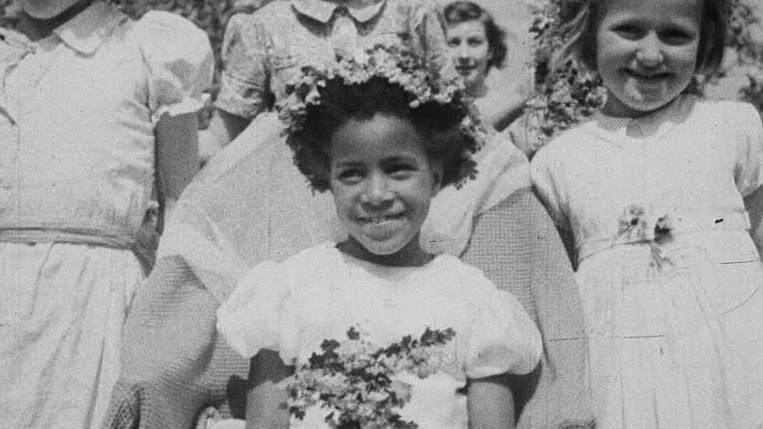
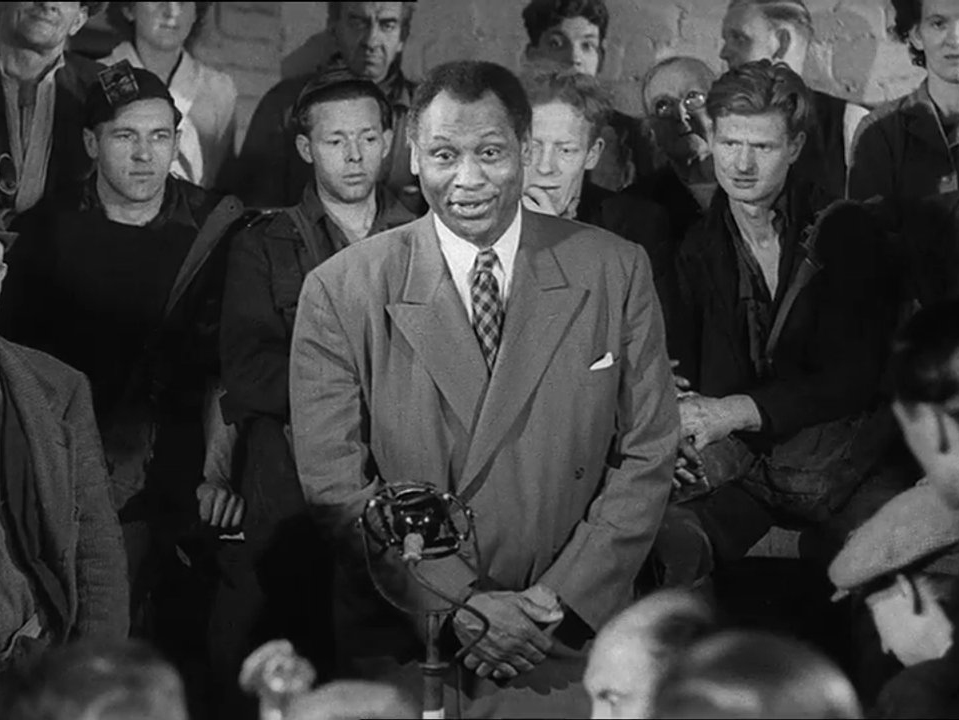
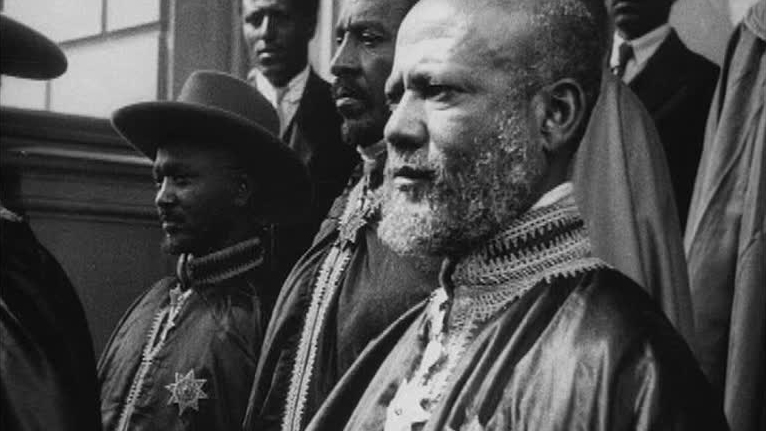
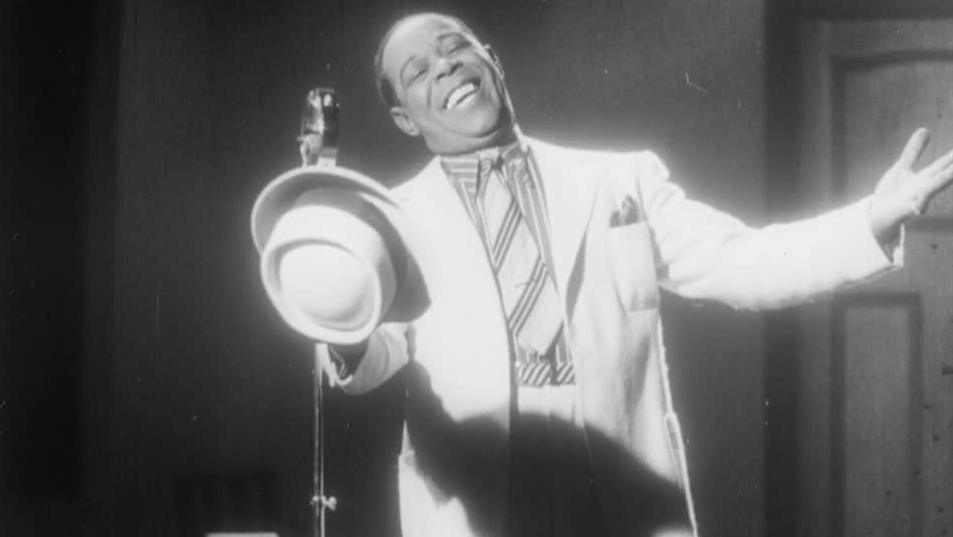
Precious glimpses and surprising rediscoveries: snapshots of black Britain in the decades before the great postwar migrations.
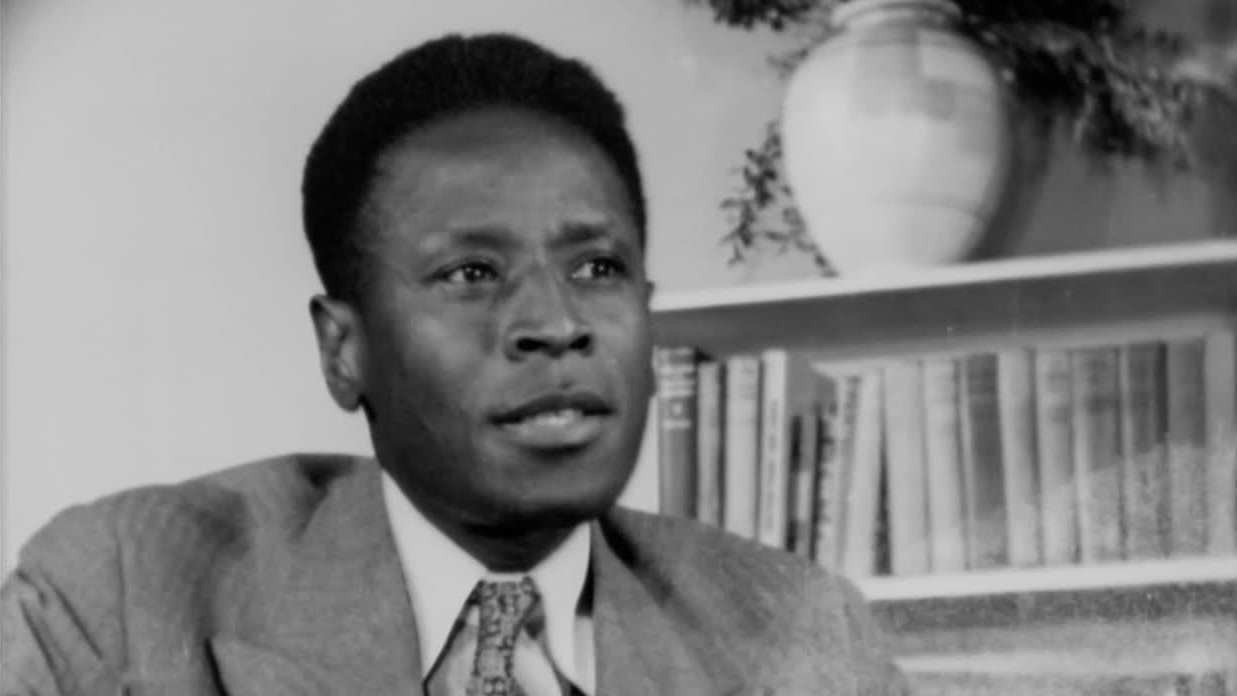
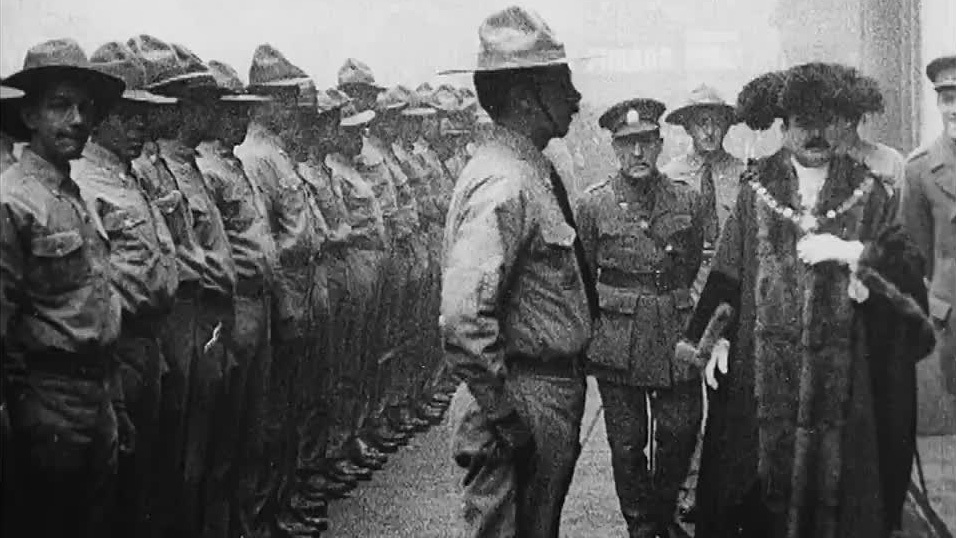
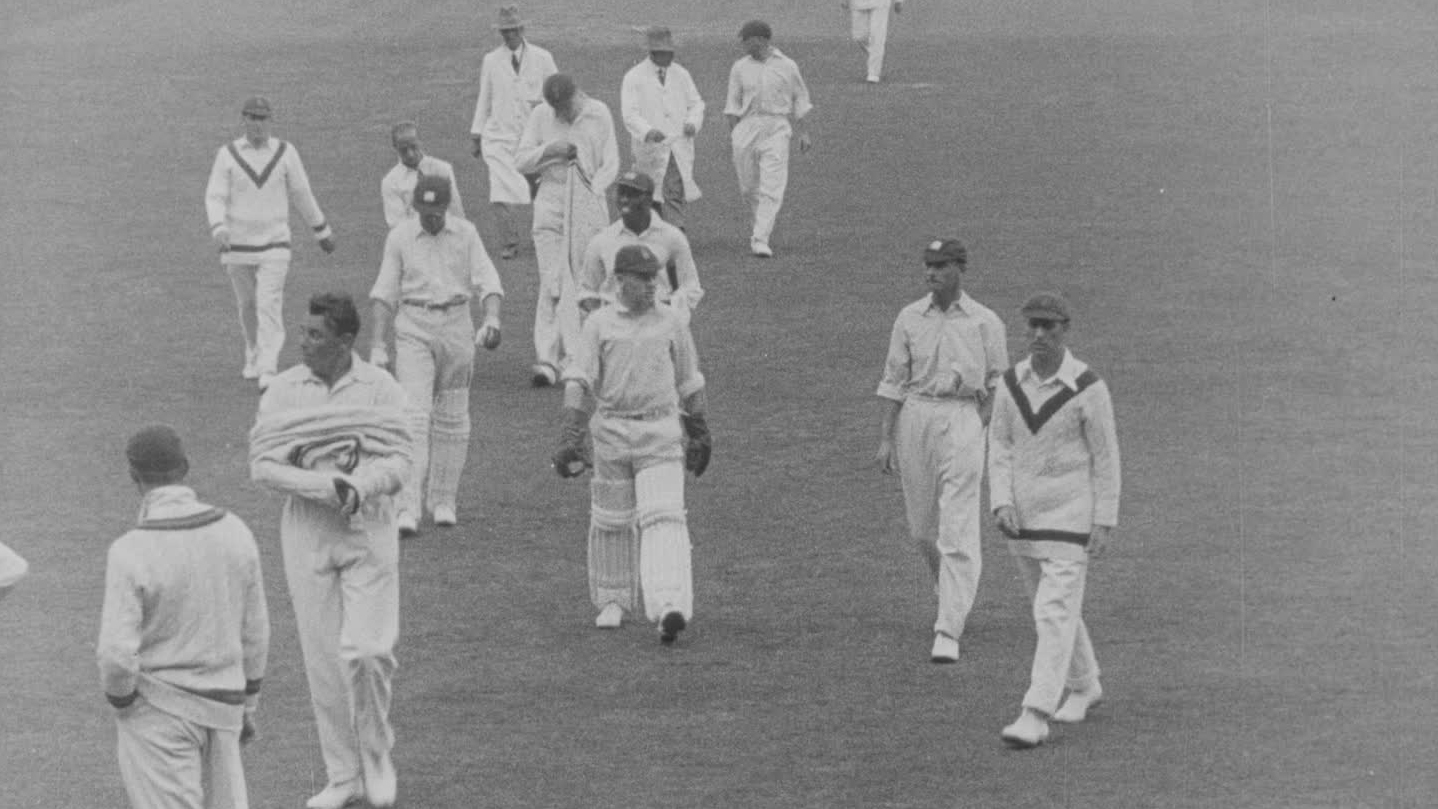
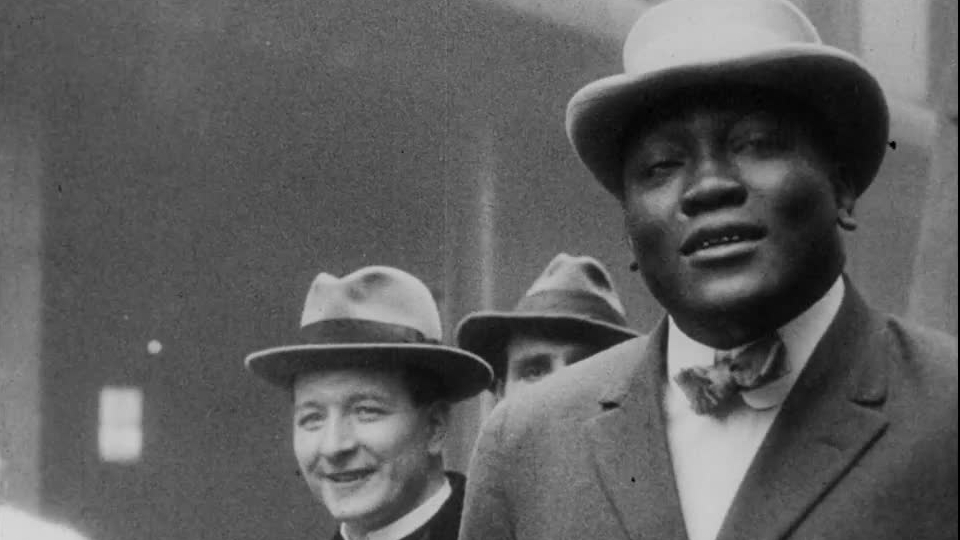
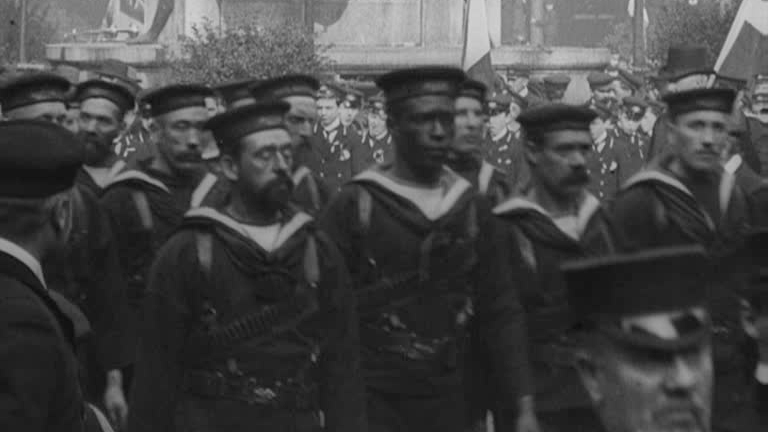
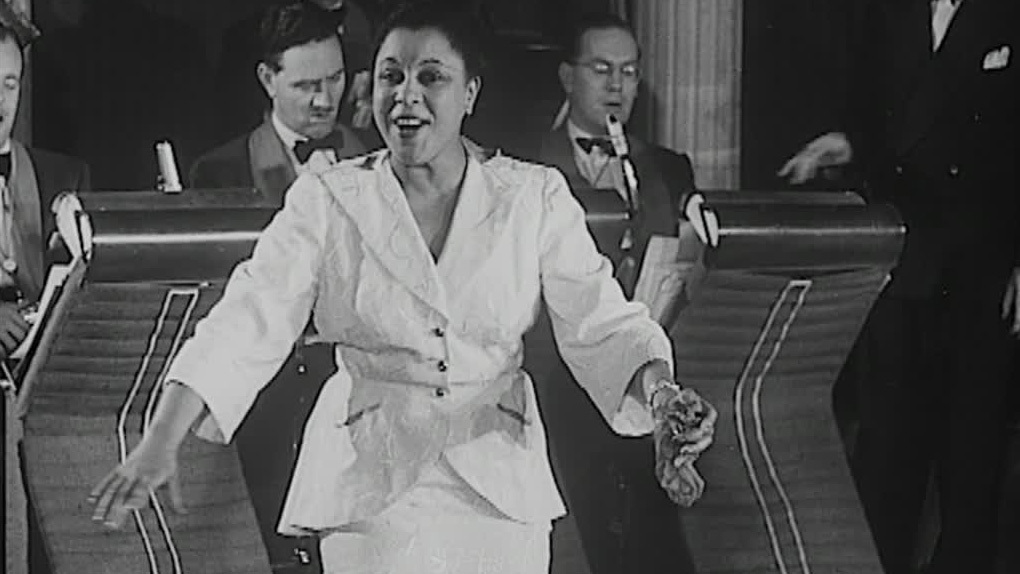
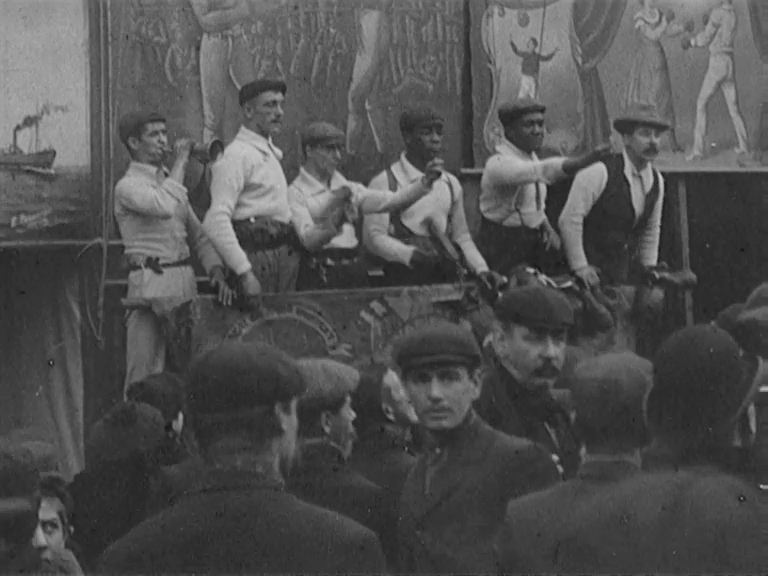
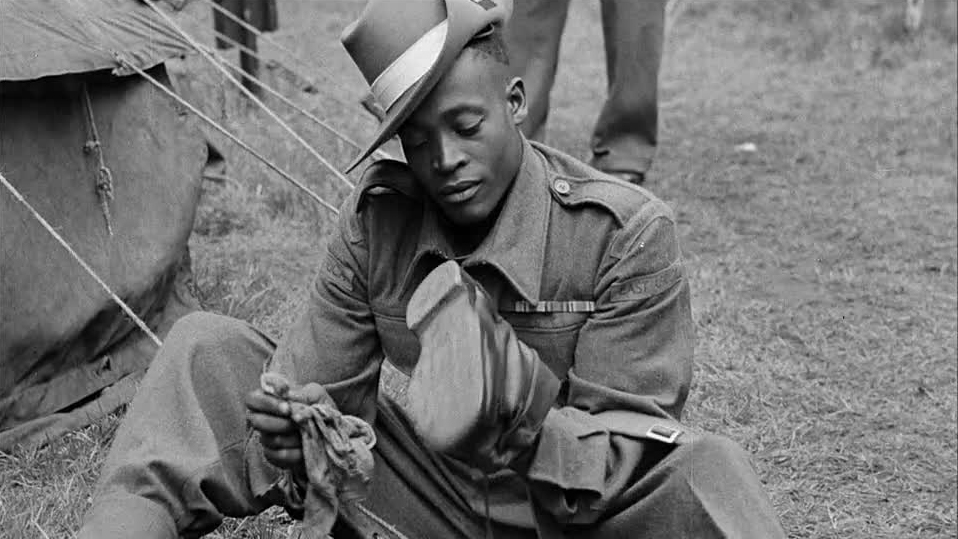
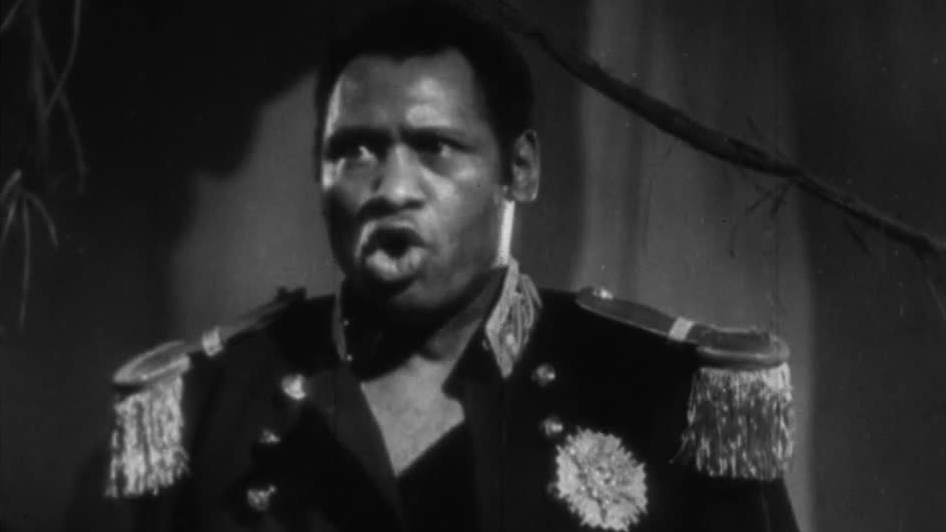
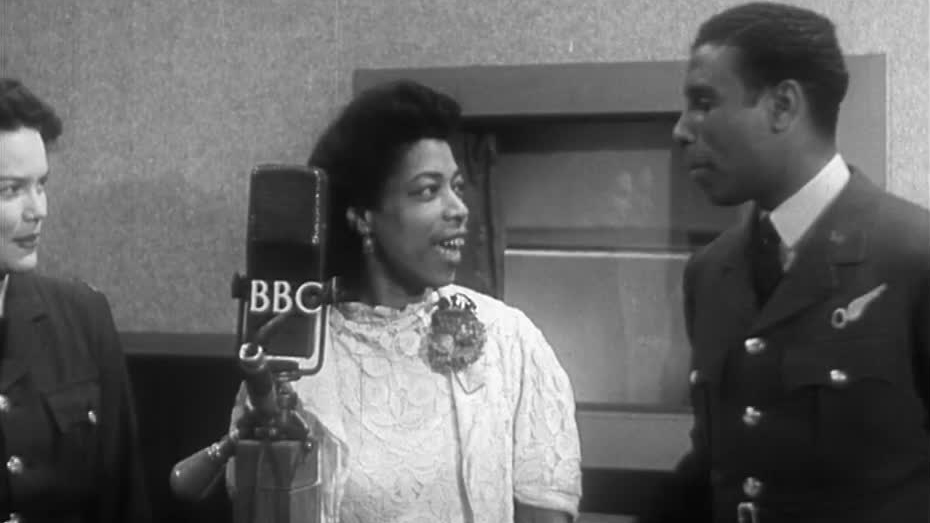
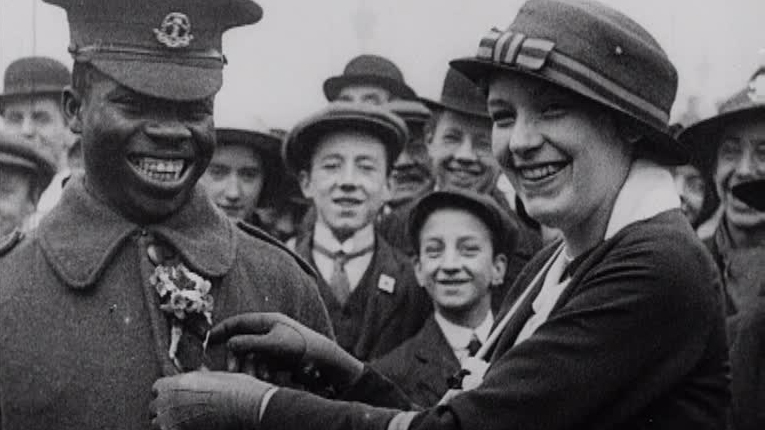
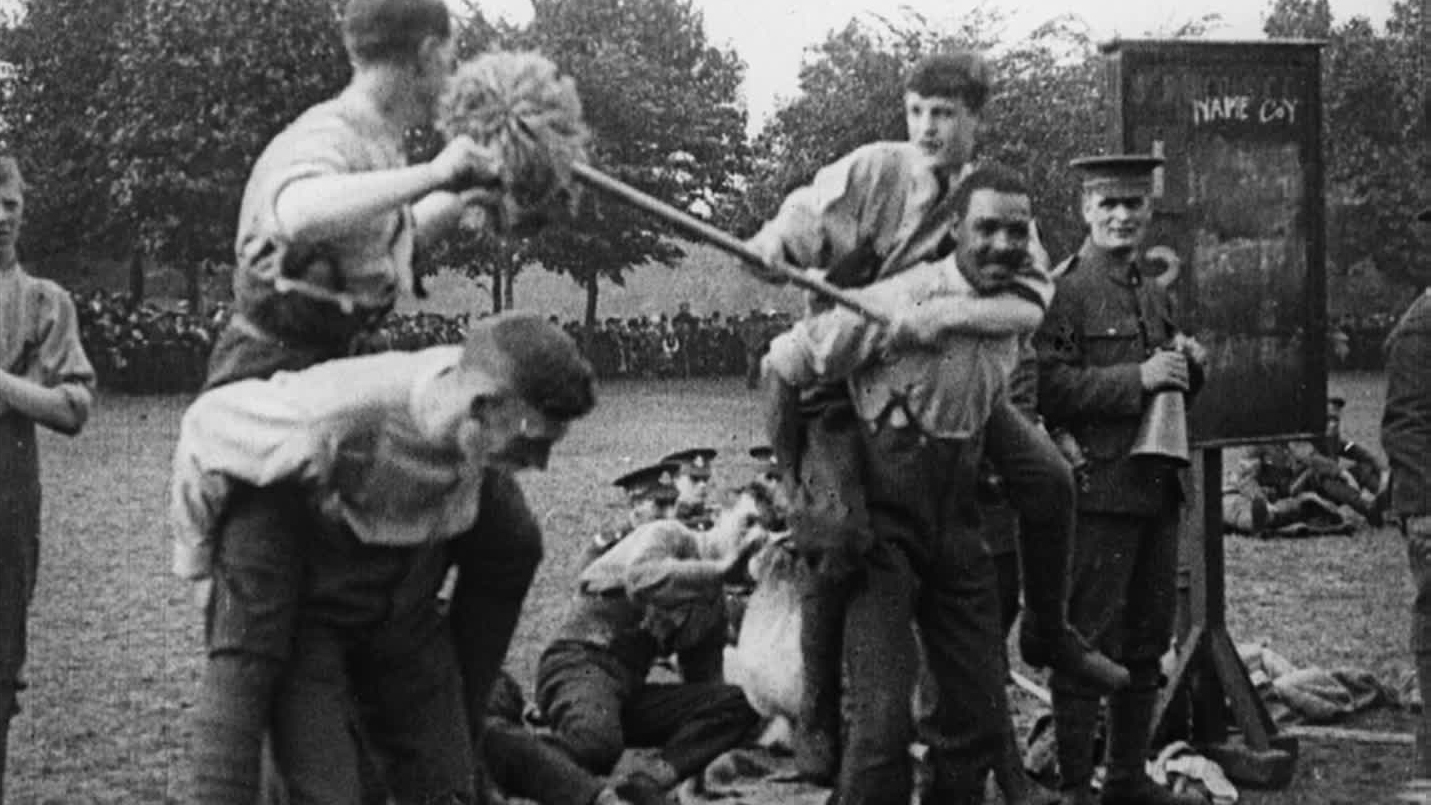
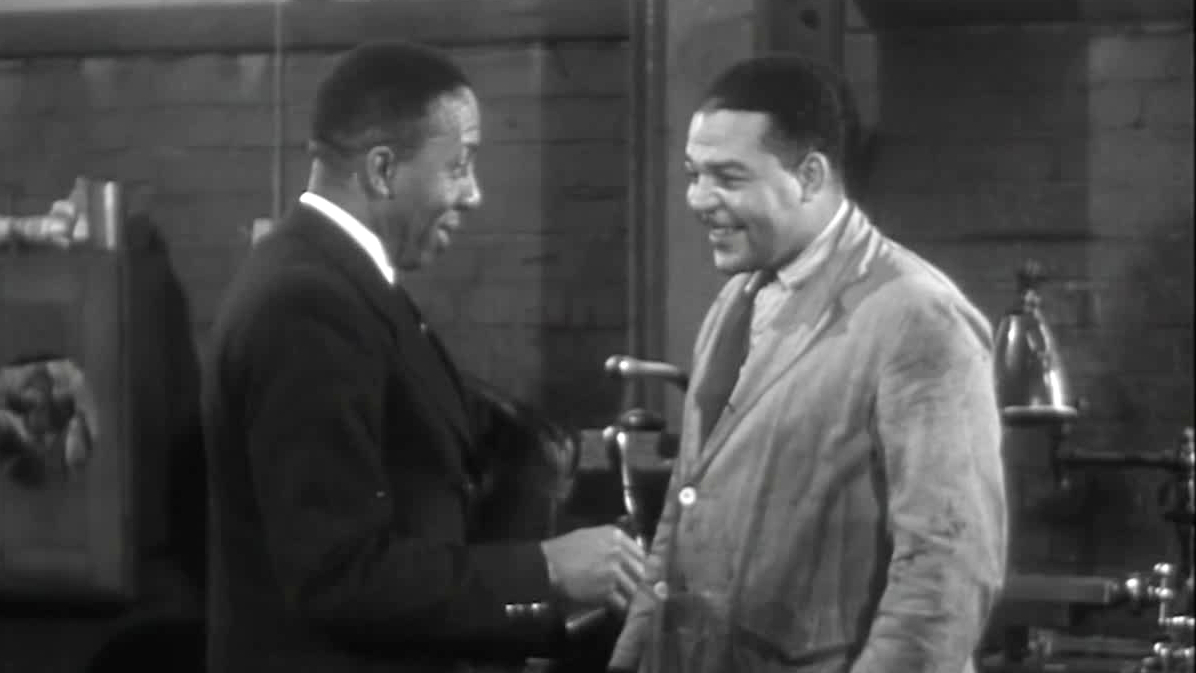
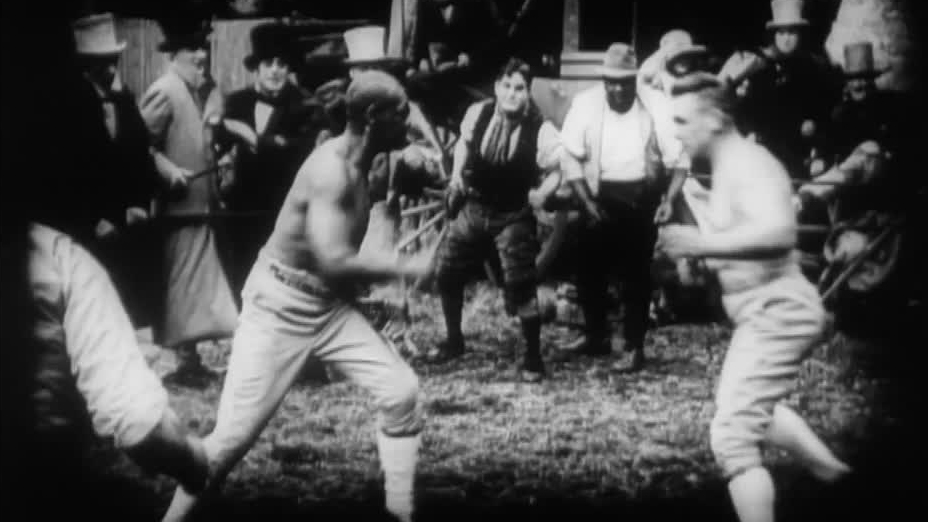
There was a substantial black presence in Britain long before the Empire Windrush arrived from Jamaica in June 1948. Some of the earliest moving images of black Britons survive in the extraordinary Mitchell and Kenyon collection from the dawn of the 20th century. WWI newsreels offered occasional glimpses of black soldiers from Britain - or more likely the Empire. In WWII the contribution of black servicemen and women was more prominently acknowledged in newsreels and documentaries. Between the wars, black performers began to make a splash, from music hall entertainers Scott & Whaley to Britain's first black screen star, US-born actor, singer and activist Paul Robeson. Stars like these had an easier time than many, but still faced unthinking stereotypes and prejudice. But they forged a path for others to follow. The films in this selection span some five decades, serving as a vital record of a much longer history of black people and culture in Britain than is often remembered.