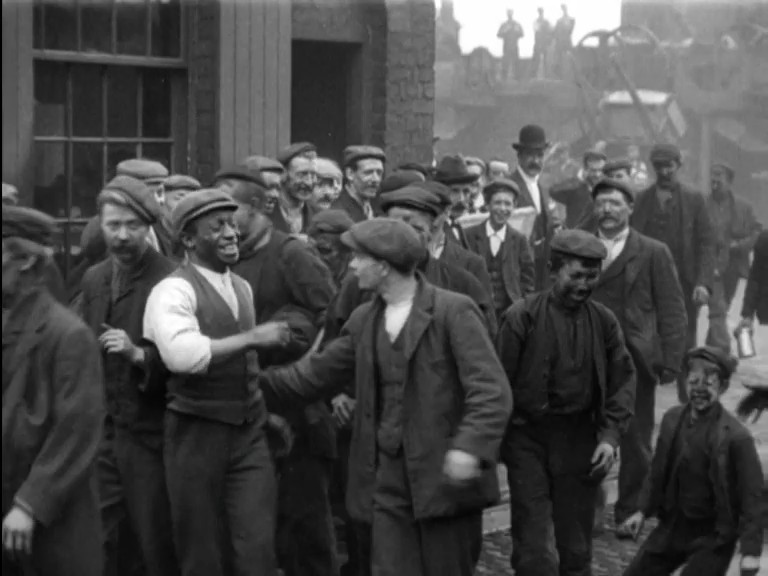
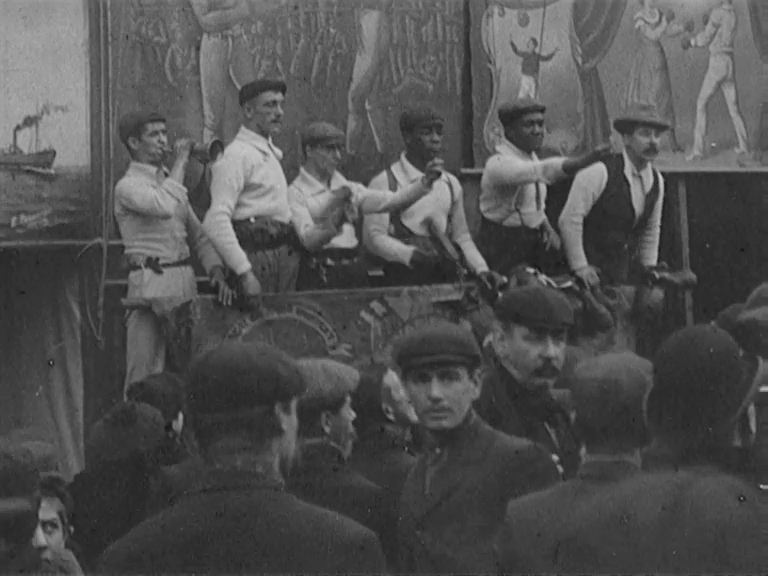
Miners Leaving Pendlebury Colliery (1901)
- Pendlebury
- 1901
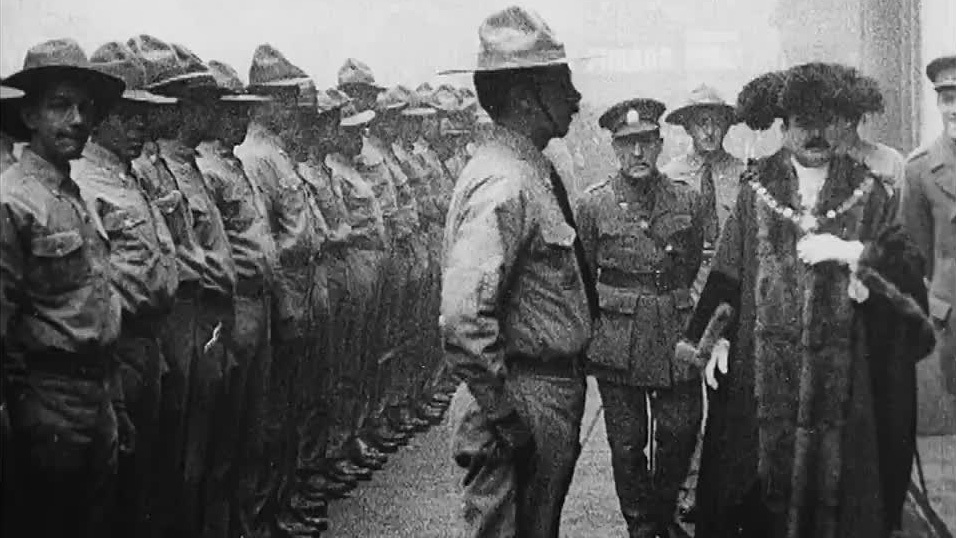
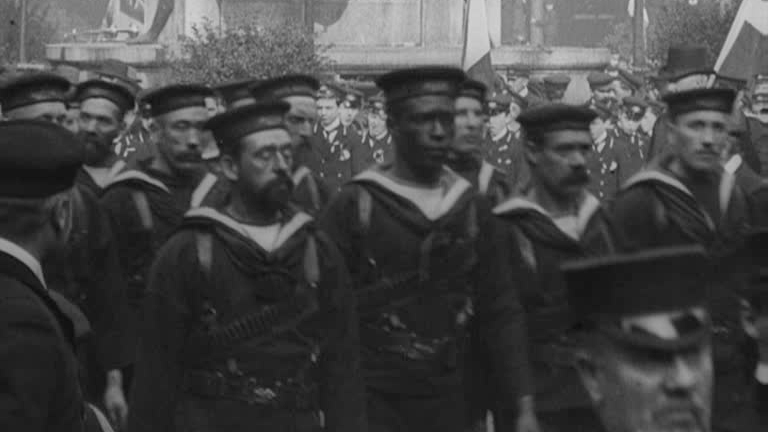
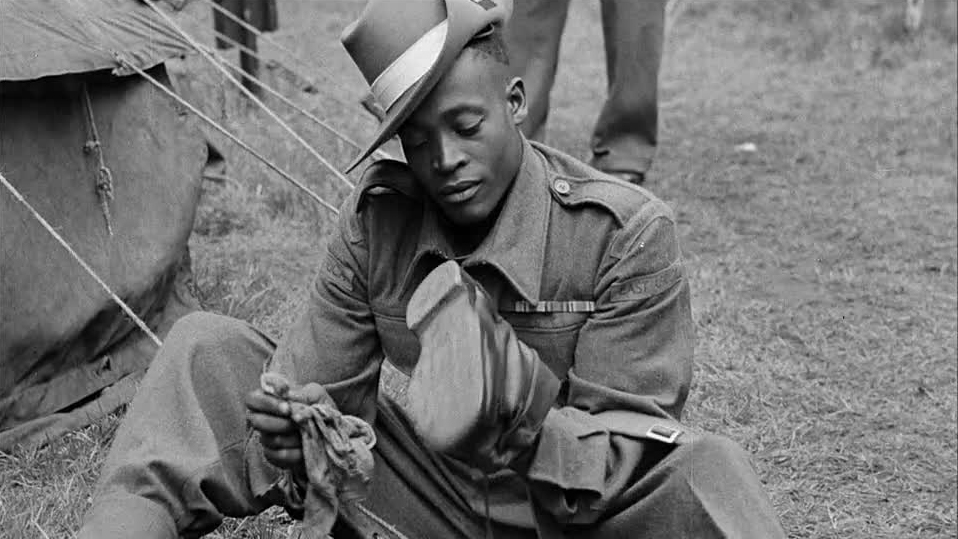
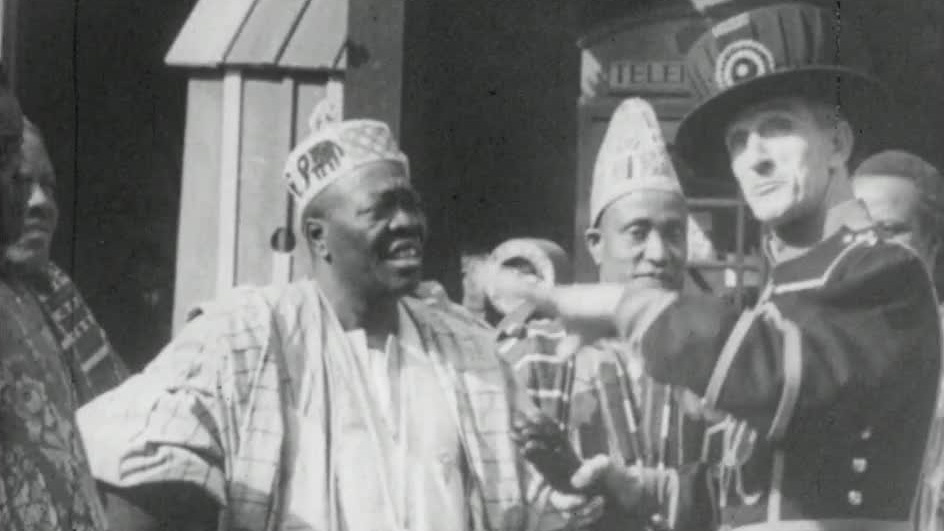
Soldiers from the far reaches of the British Empire arrive in London to take part in the official commemoration of the end of war in Europe.
Soldiers from the far reaches of the British Empire arrive in London to take part in the official commemoration of the end of war in Europe, a lavish state ceremony that took place over a year after actual V.E Day, on 8th July 1946.
Filmed by the Colonial Film Unit (an offshoot of the Ministry of Information), the film follows the arrival of various international brigades as they gather at London's Colonial Office for an audience with Prime Minister Celement Atlee. Extended footage of the ceremony itself shows marching columns from numerous nations parading down the Mall before assembled royalty and politicians, including King George VI, Winston Churchill and a young Queen Elizabeth II.Despite the celebratory atmosphere, the event was mired in controversy after Polish forces were excluded, symptomatic of the cooling of relations between East and West following Churchill's famous ‘Iron Curtain' speech earlier that year. The parade would also mark one of the last great jamborees of the greater British Empire, which was already enduring a slow process of disintegration following the end of the war.
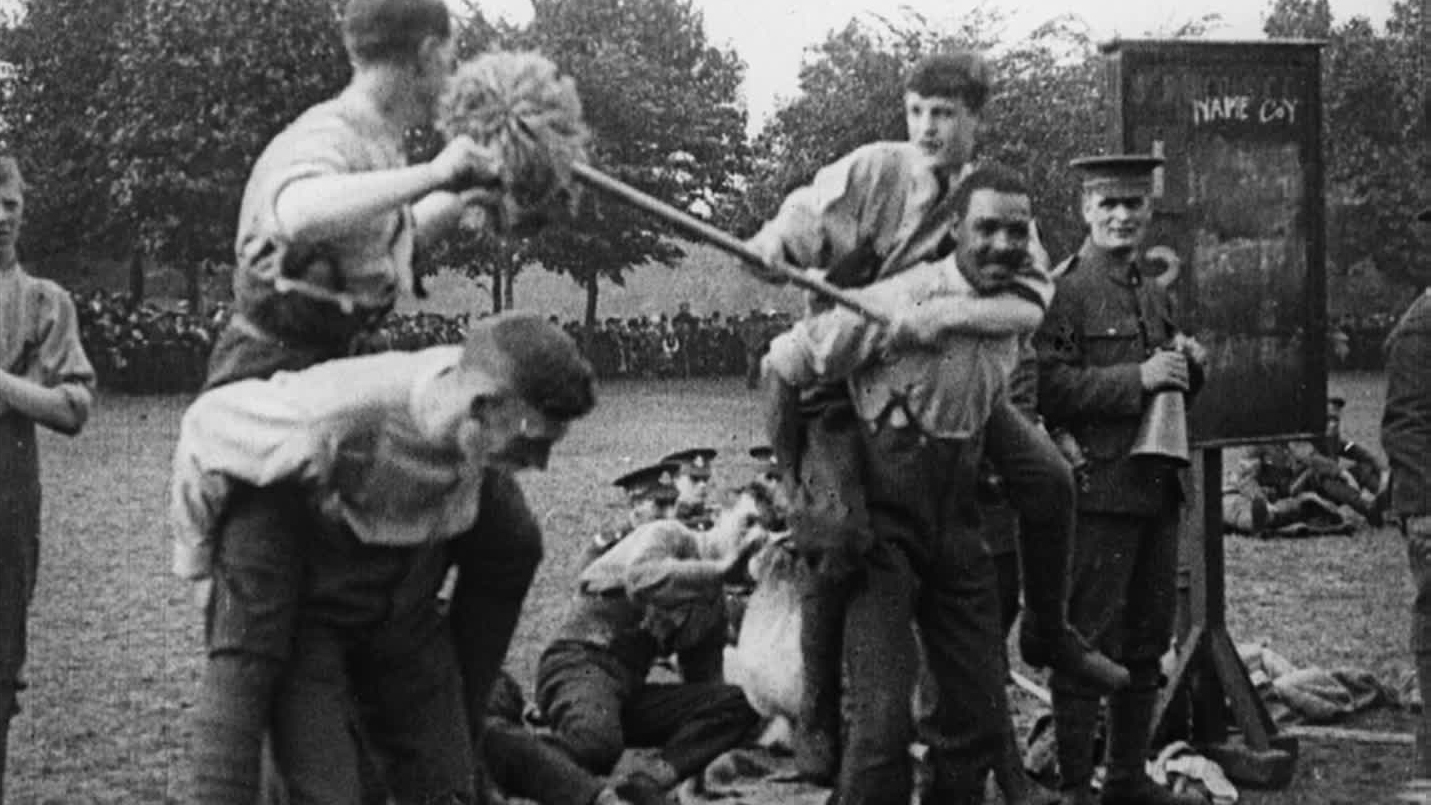
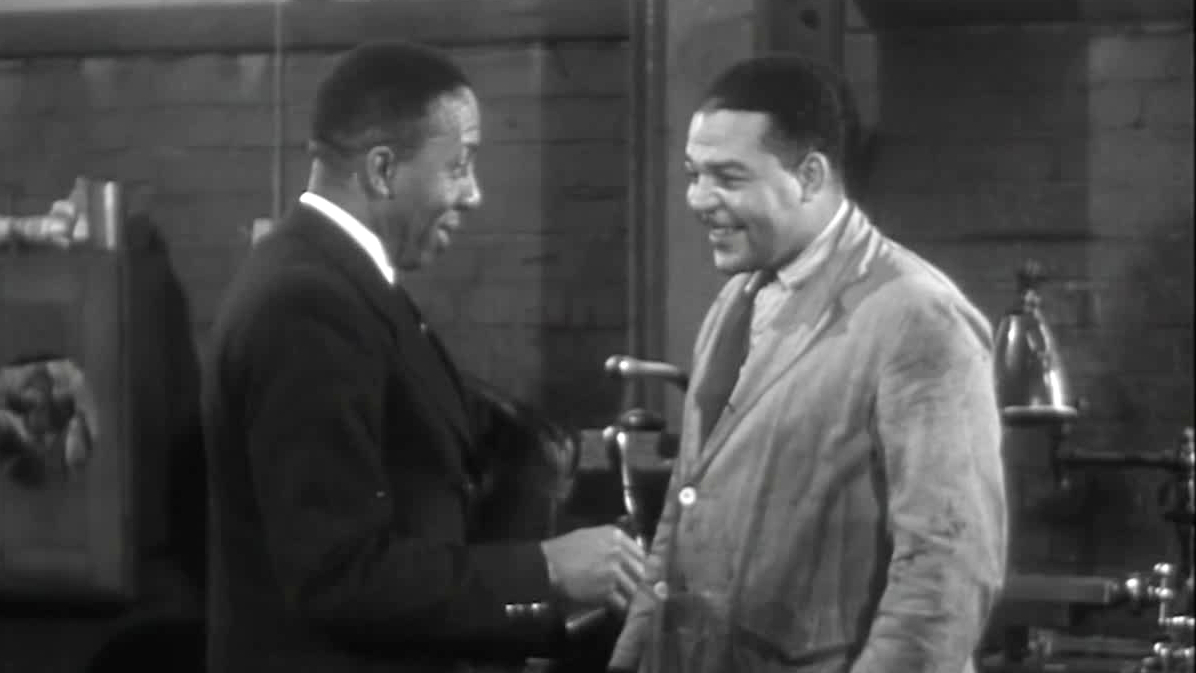
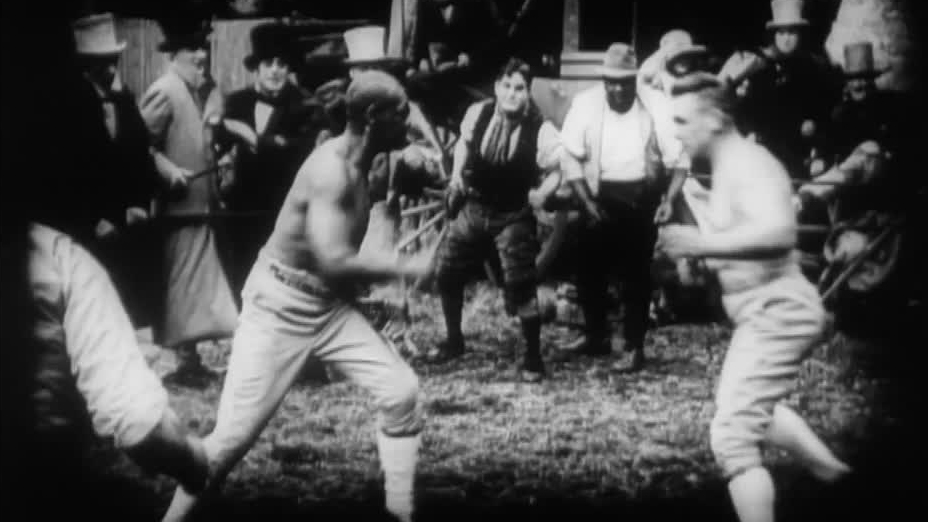
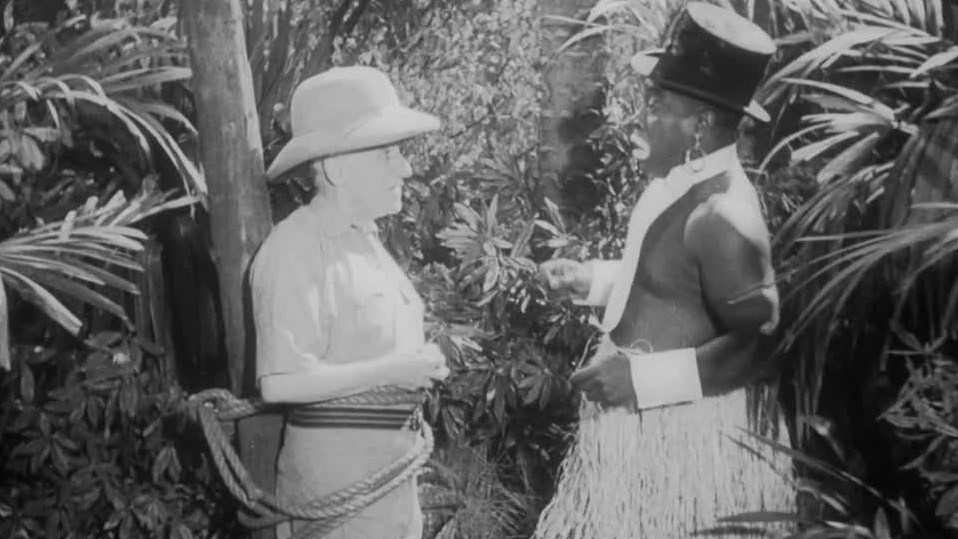
Precious glimpses and surprising rediscoveries: snapshots of black Britain in the decades before the great postwar migrations.
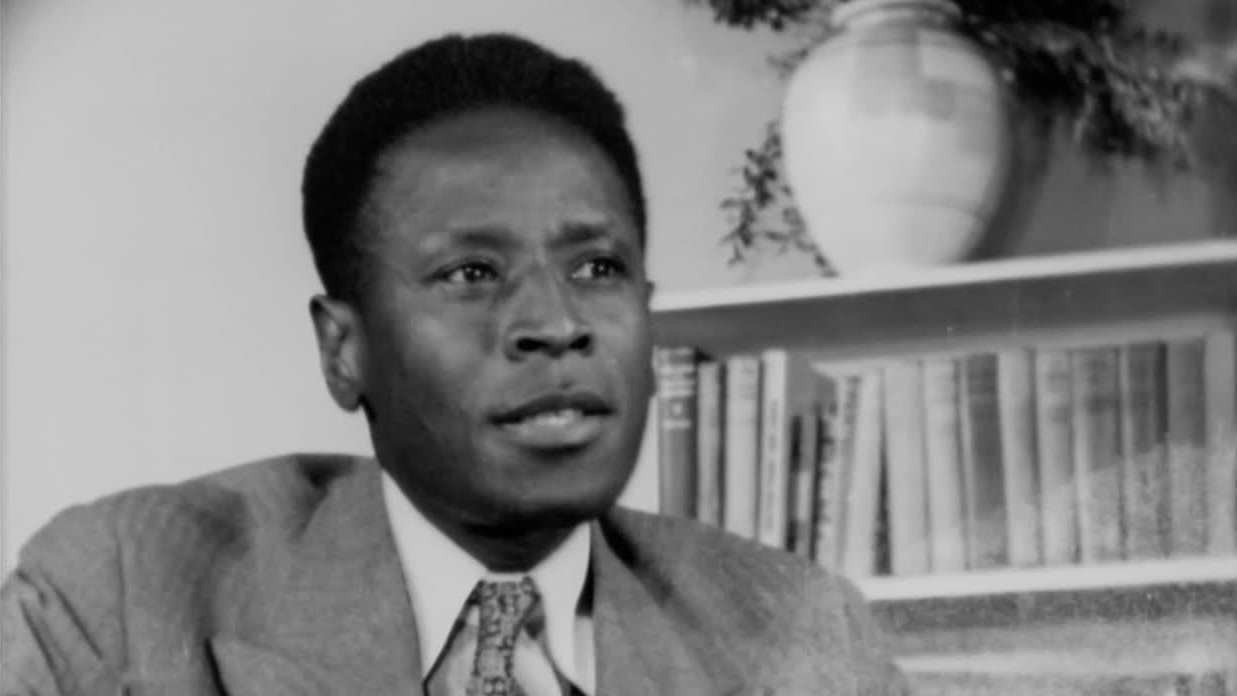
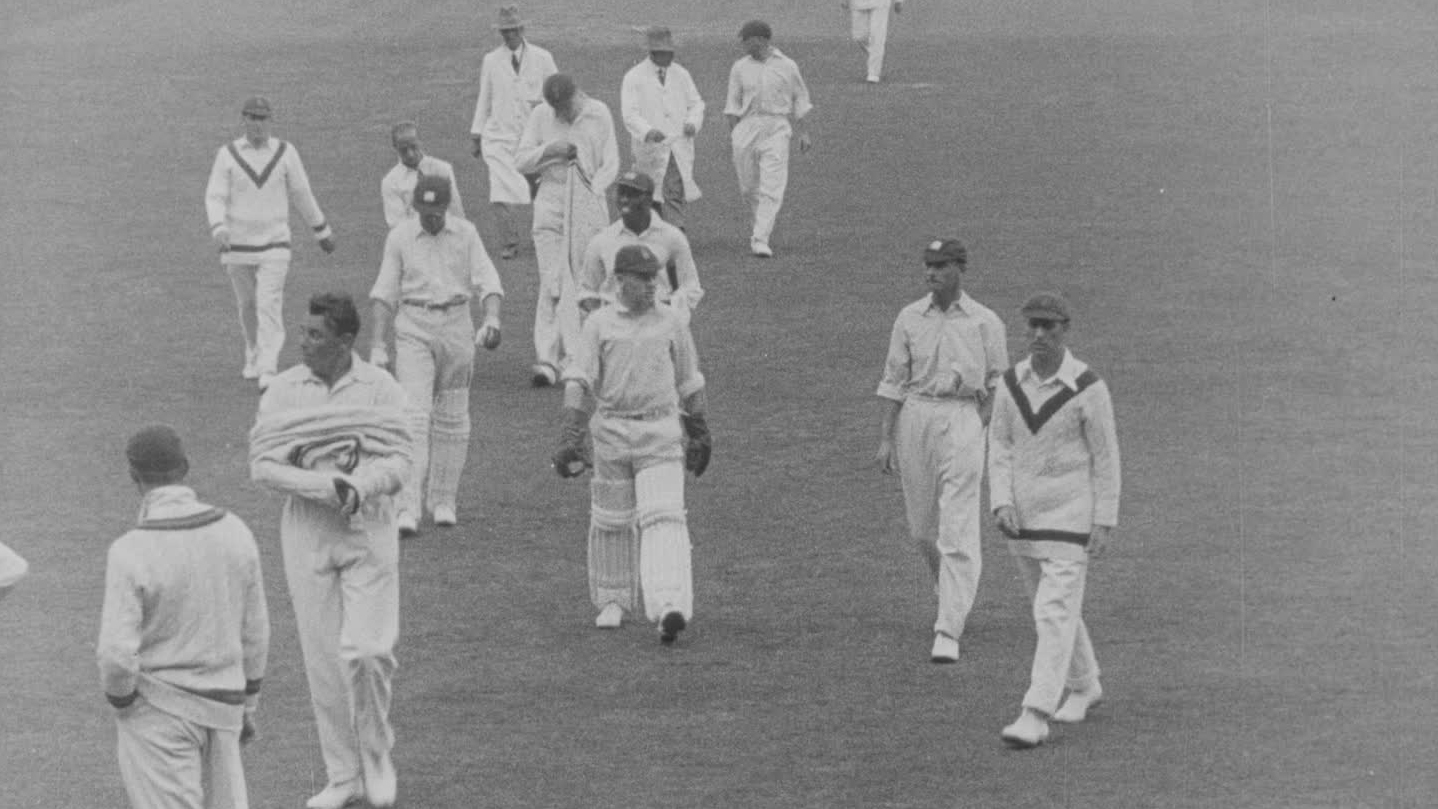
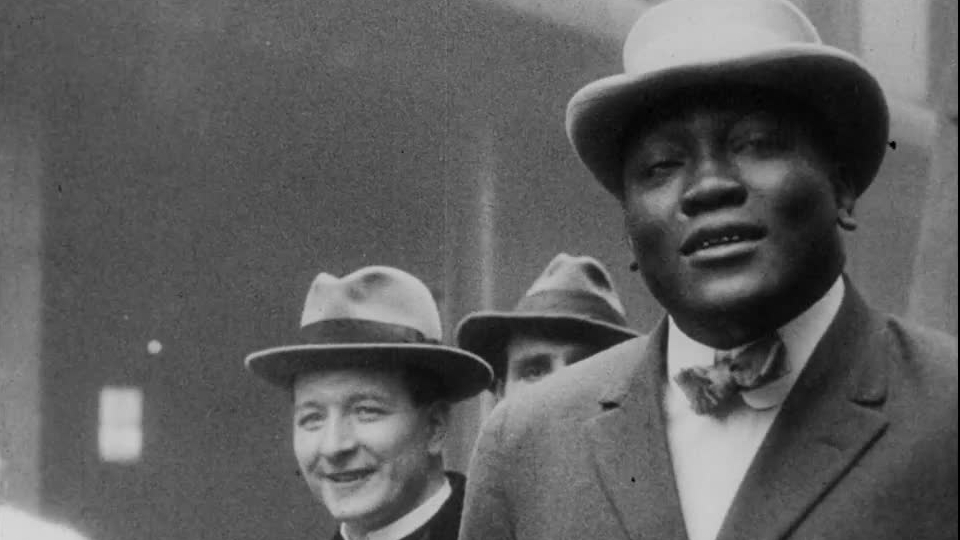
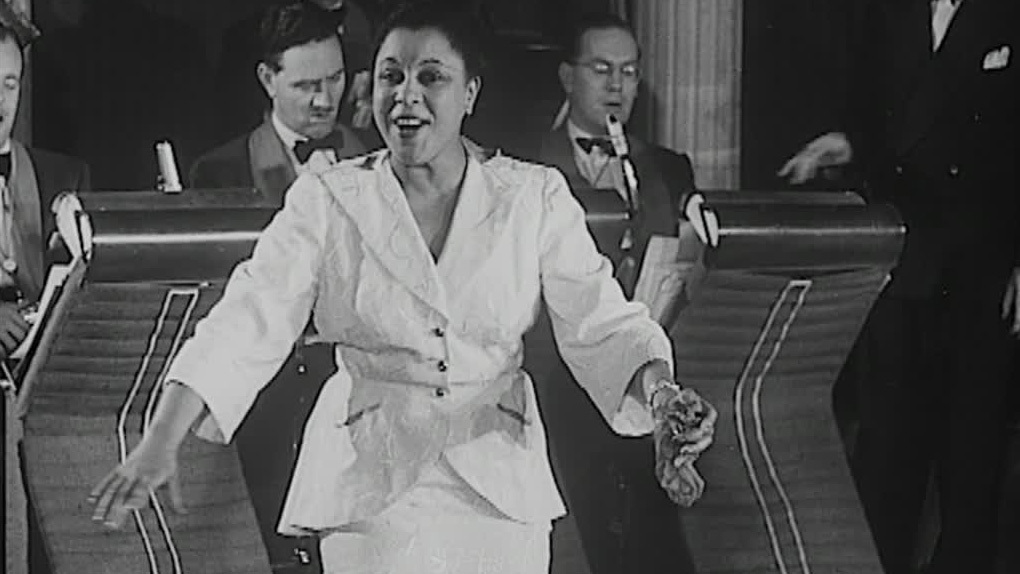
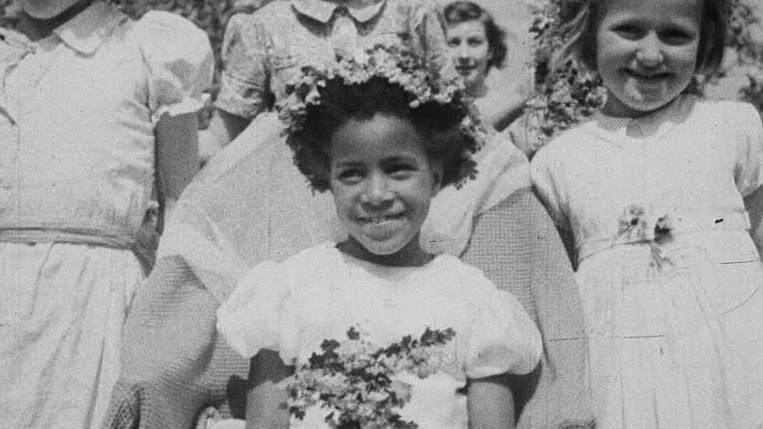
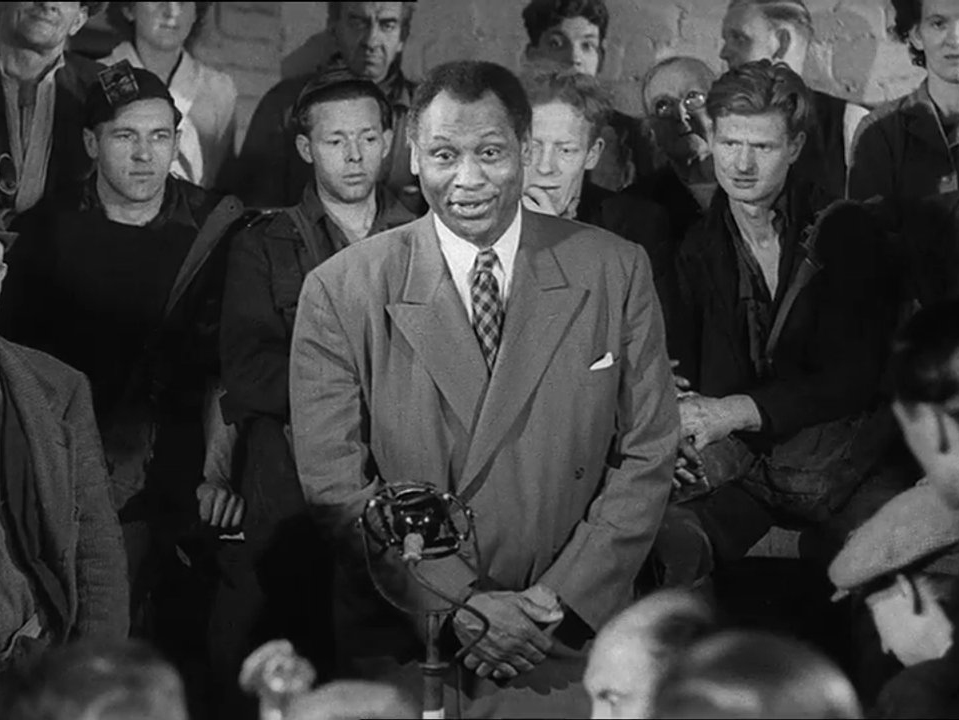
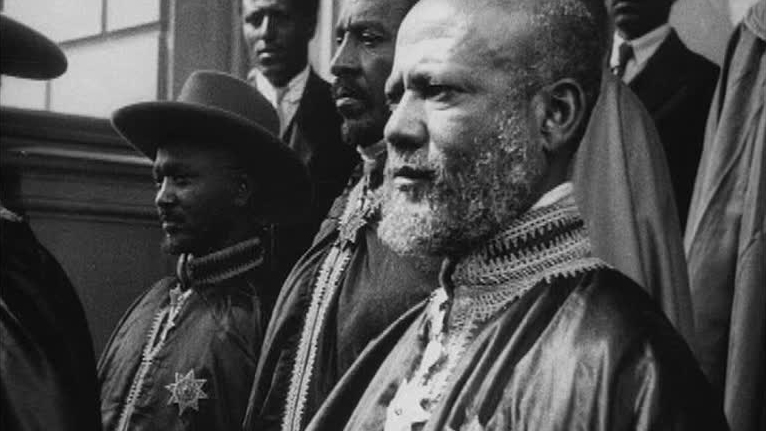
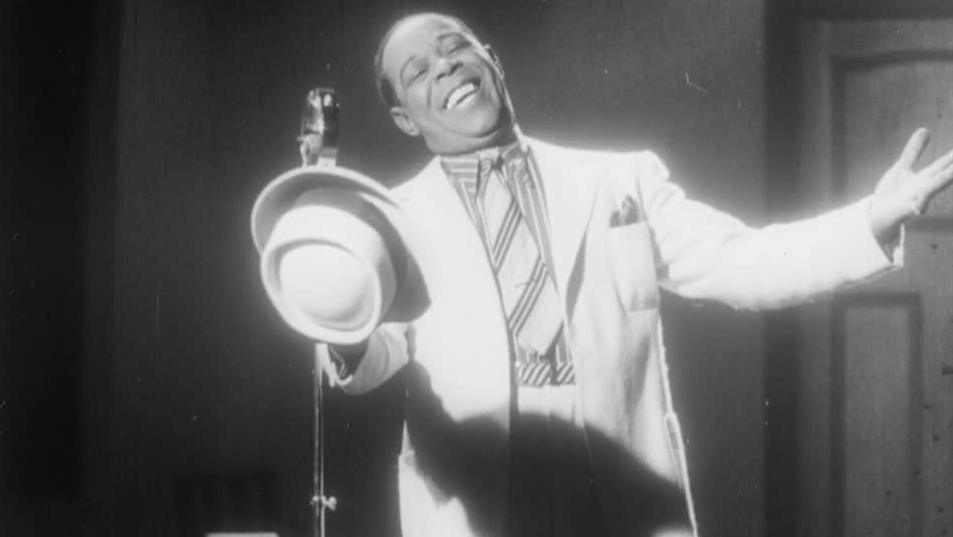
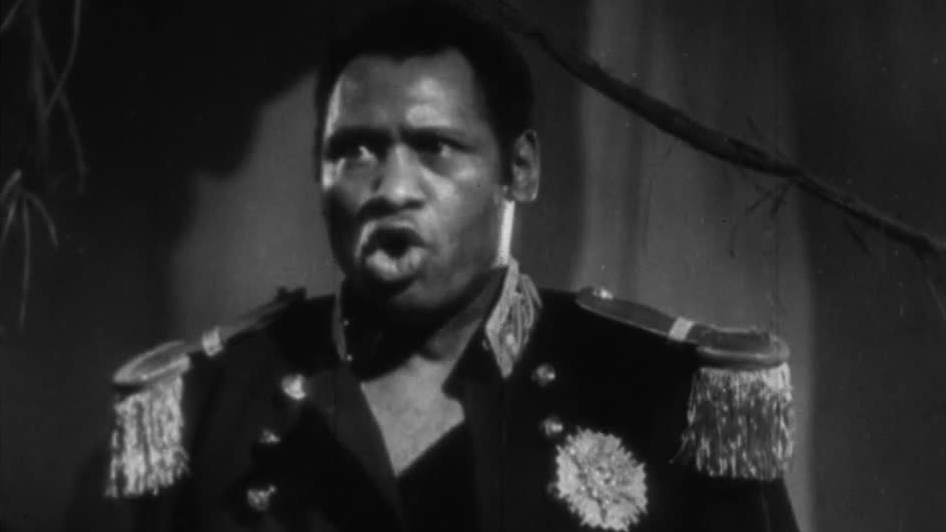
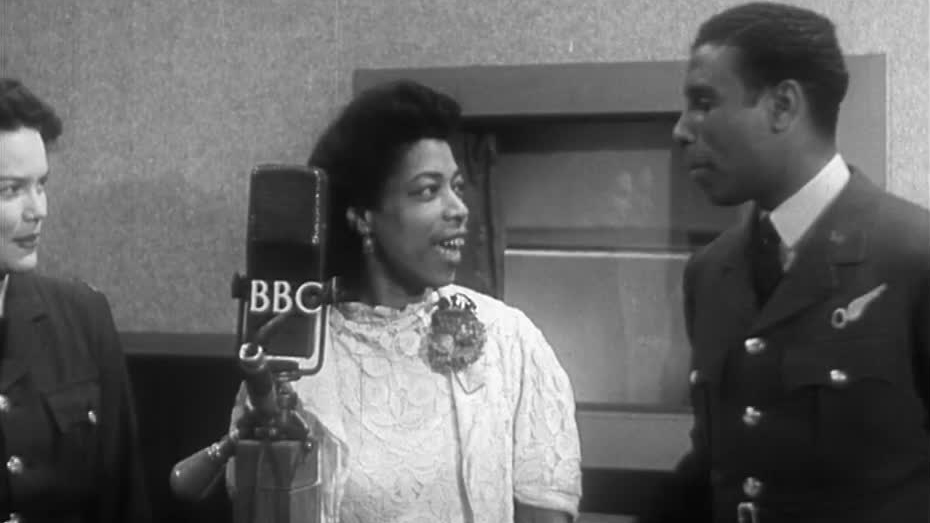
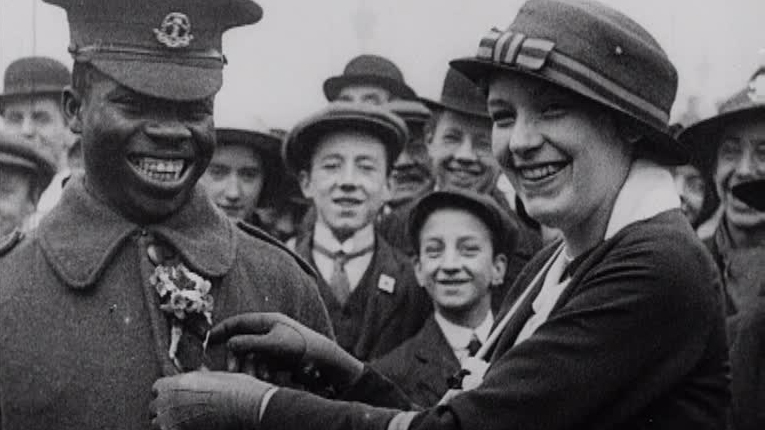
There was a substantial black presence in Britain long before the Empire Windrush arrived from Jamaica in June 1948. Some of the earliest moving images of black Britons survive in the extraordinary Mitchell and Kenyon collection from the dawn of the 20th century. WWI newsreels offered occasional glimpses of black soldiers from Britain - or more likely the Empire. In WWII the contribution of black servicemen and women was more prominently acknowledged in newsreels and documentaries. Between the wars, black performers began to make a splash, from music hall entertainers Scott & Whaley to Britain's first black screen star, US-born actor, singer and activist Paul Robeson. Stars like these had an easier time than many, but still faced unthinking stereotypes and prejudice. But they forged a path for others to follow. The films in this selection span some five decades, serving as a vital record of a much longer history of black people and culture in Britain than is often remembered.