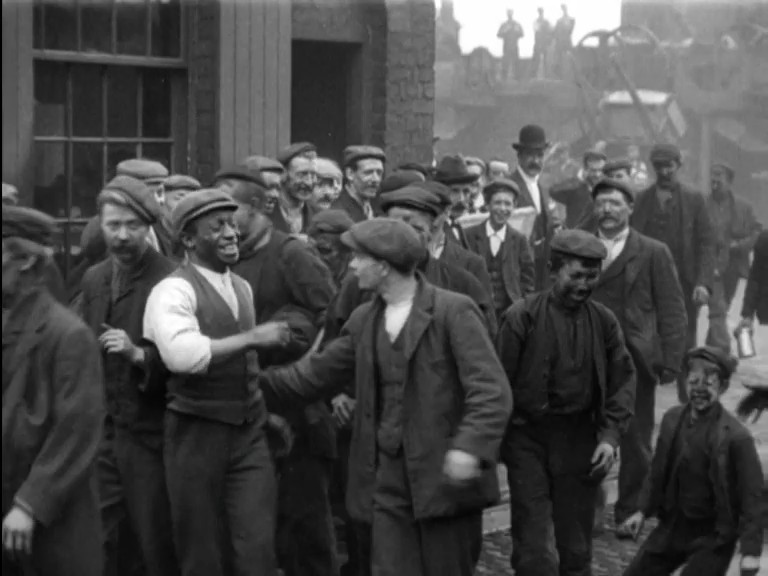
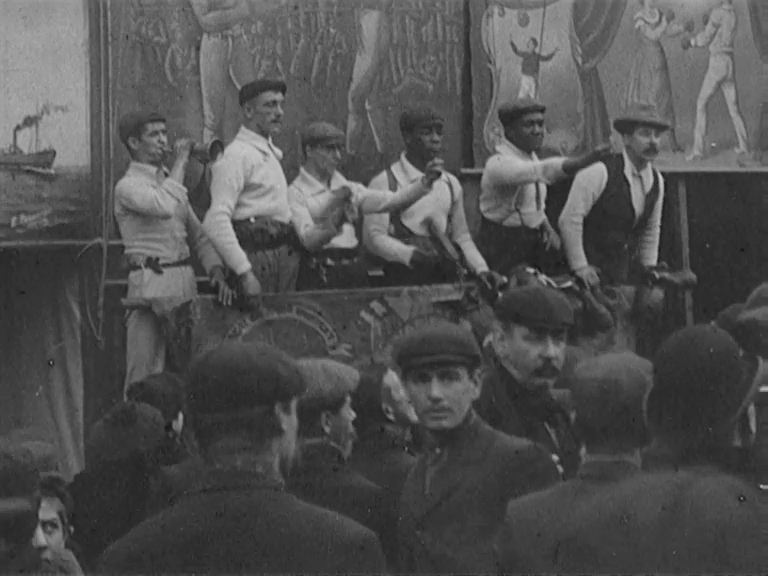
Miners Leaving Pendlebury Colliery (1901)
- Pendlebury
- 1901
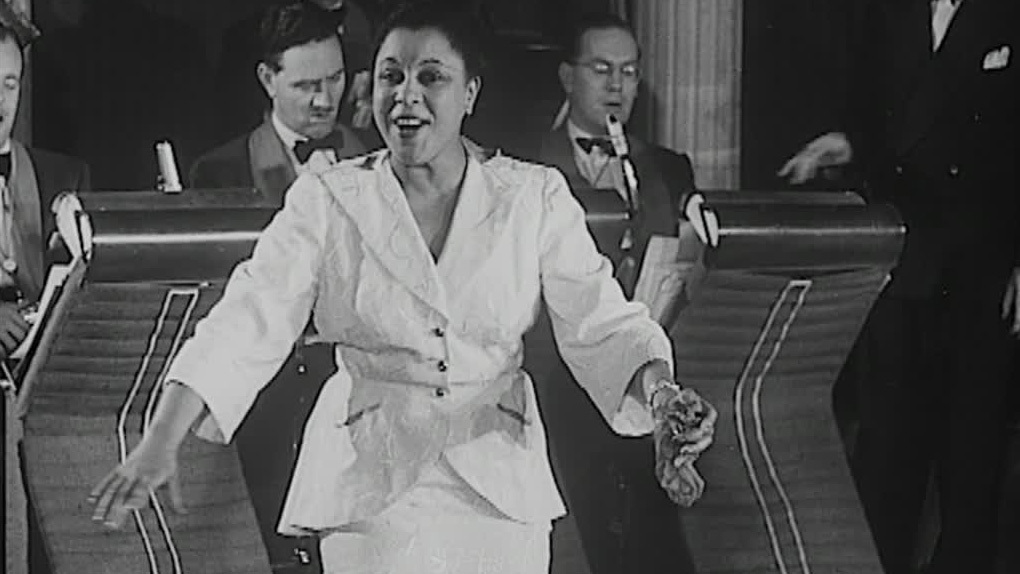
WWII propaganda messages back home
These stage-managed messages to the West Indies are testament to Britain's reliance on its colonies in WWII
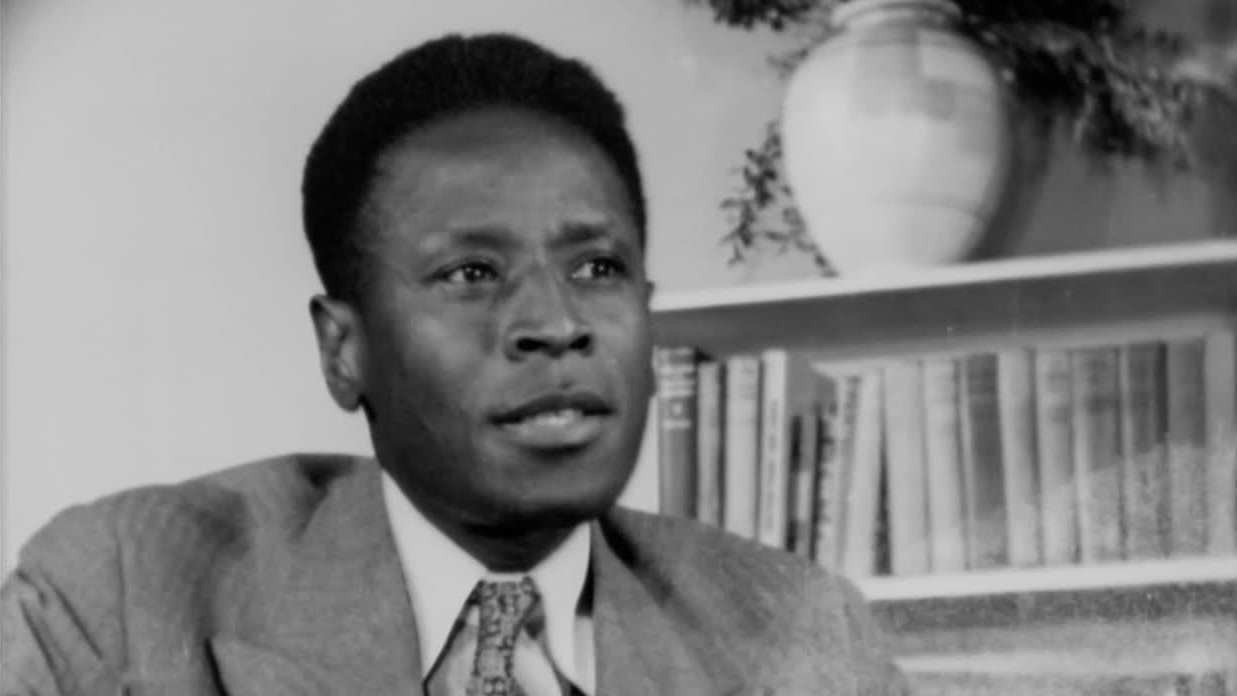
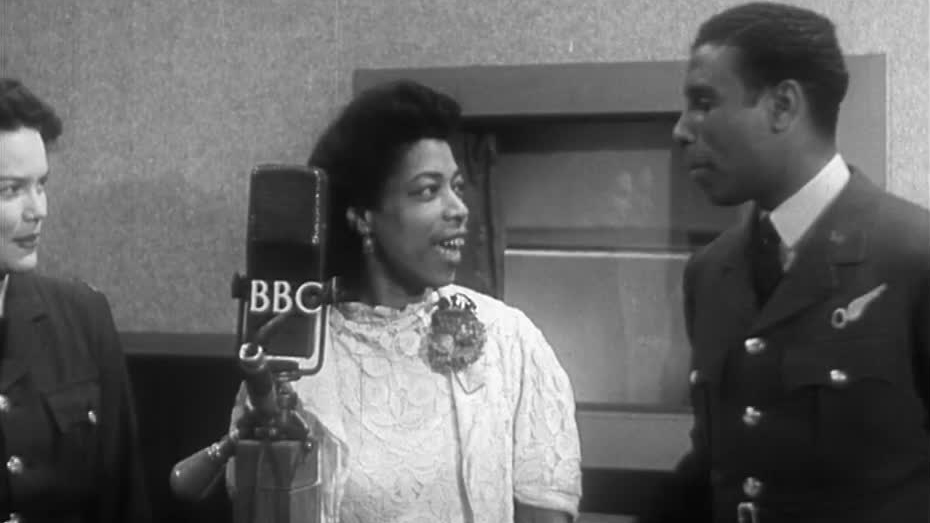
For servicemen and women 4000 miles from home, the BBC radio programme Calling the West Indies helped bridge the distance, a little. West Indian war workers and troops were given the opportunity to broadcast messages to friends and family, in a show produced by Jamaican poet, activist and feminist Una Marson. This Ministry of Information short, which takes over the format of the radio show, makes clear that the real message was to the whole region.
Precious glimpses and surprising rediscoveries: snapshots of black Britain in the decades before the great postwar migrations.
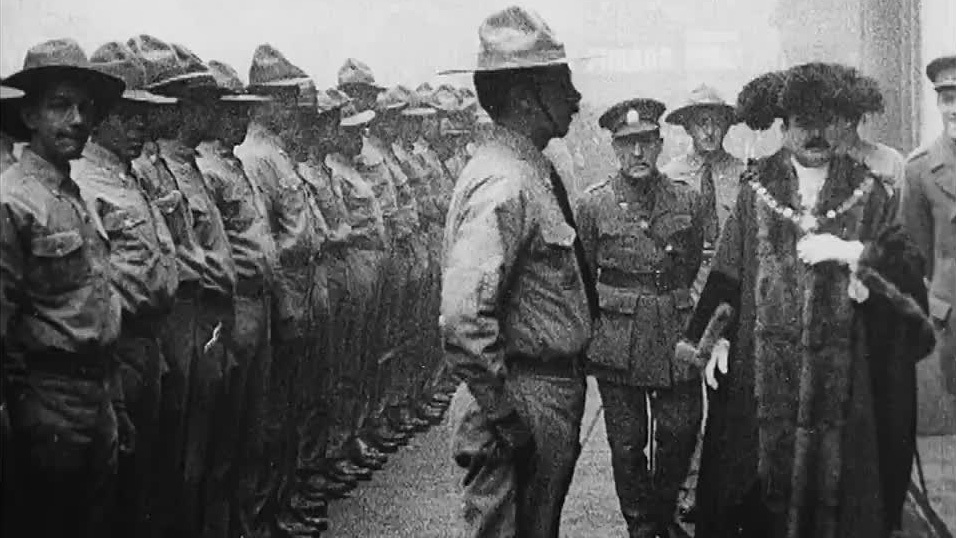
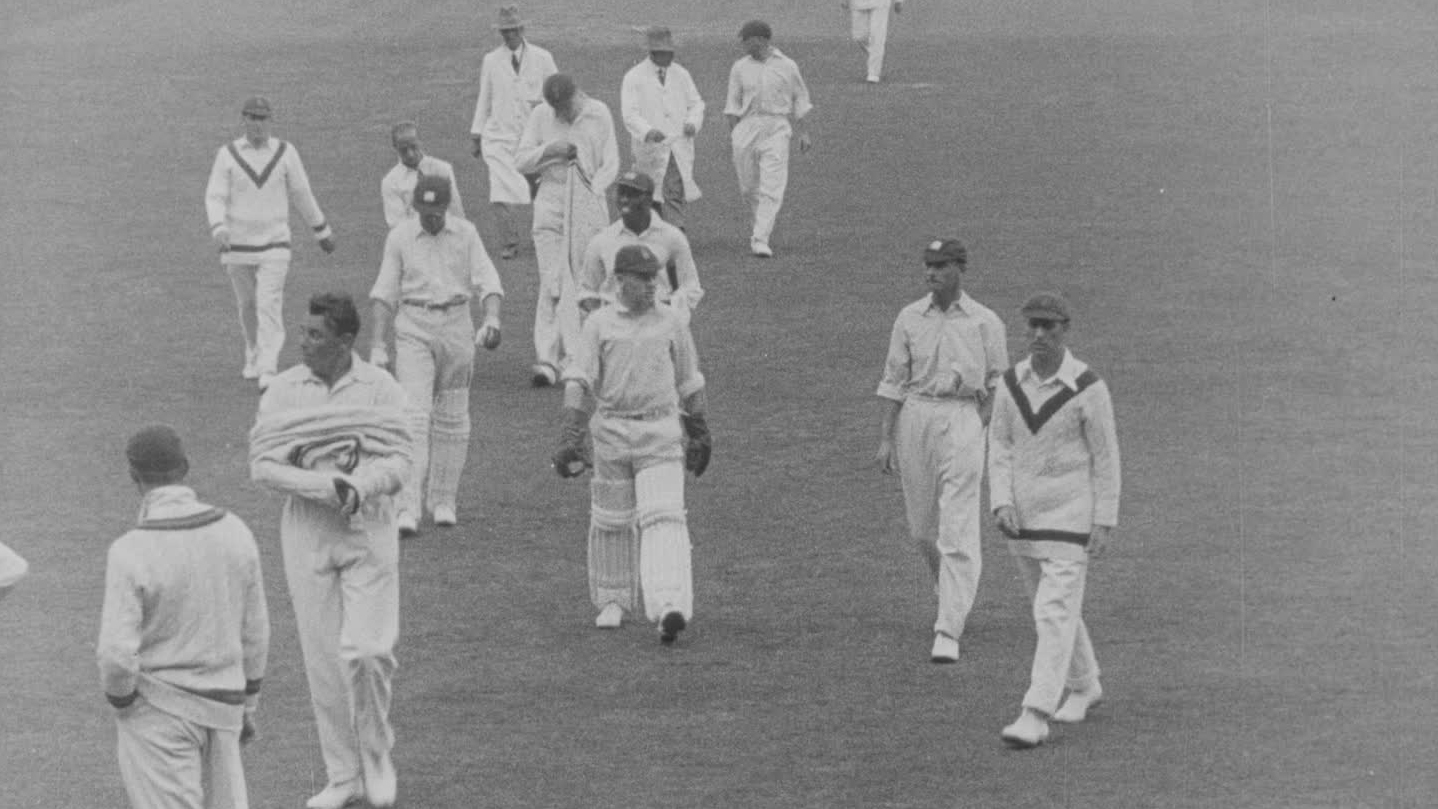
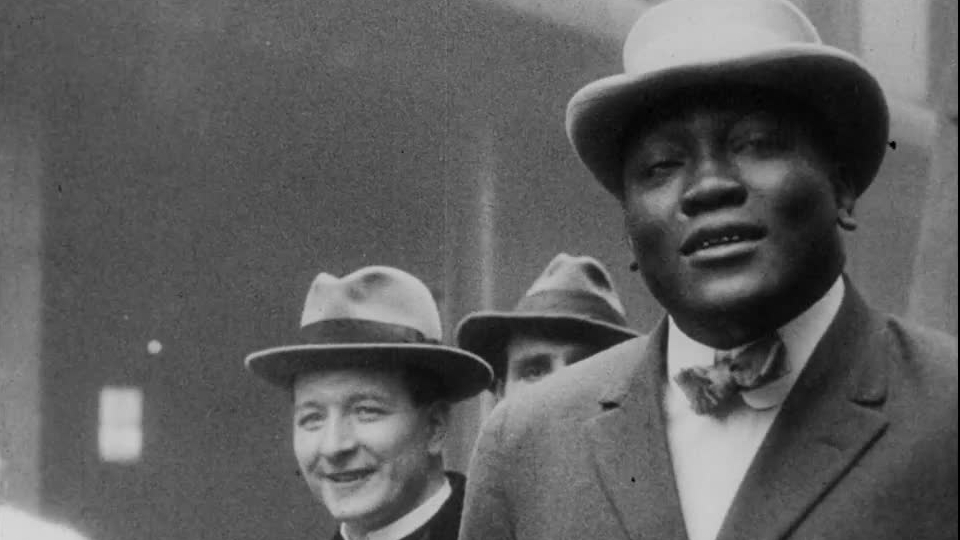
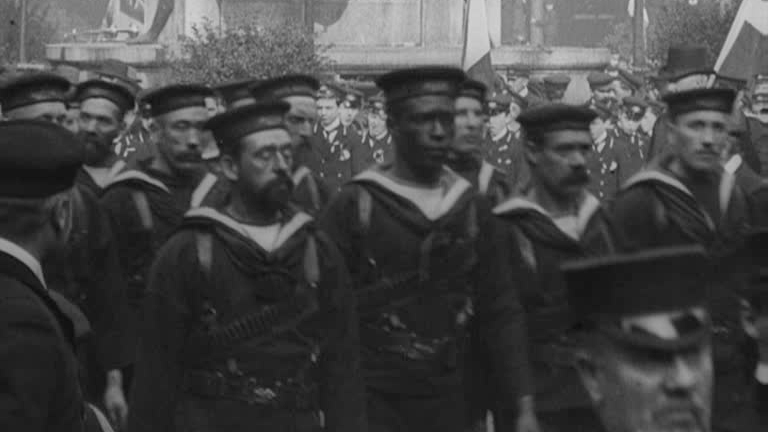
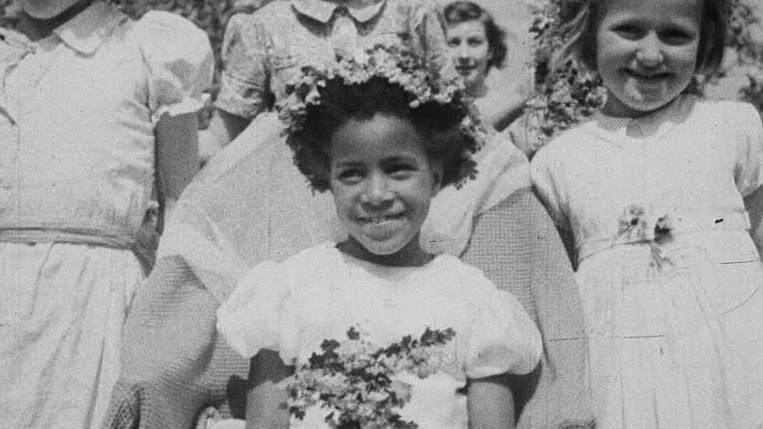
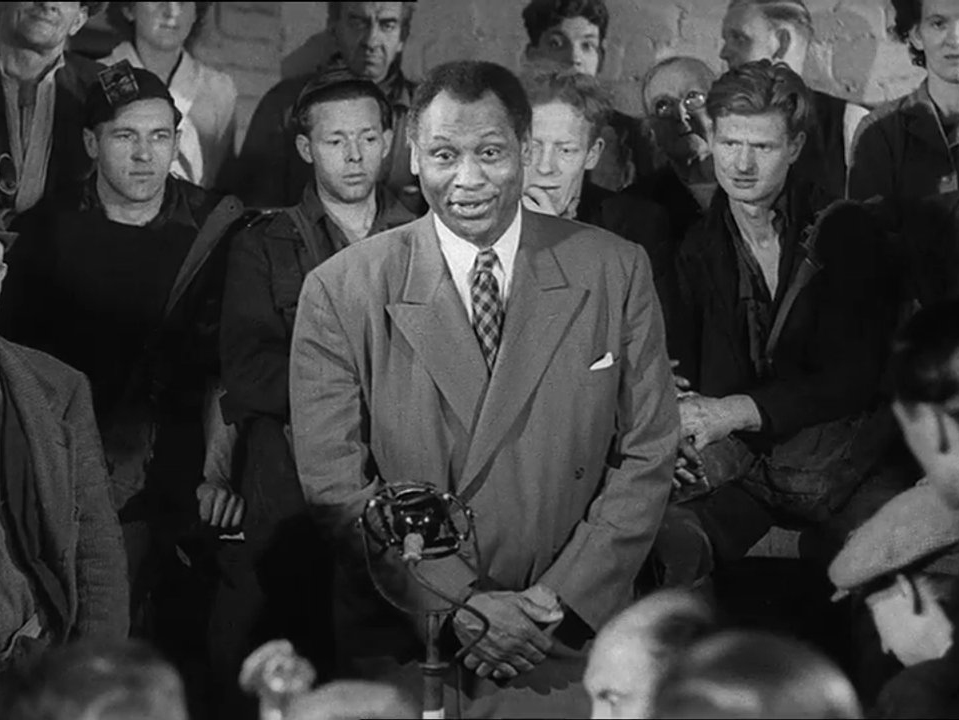
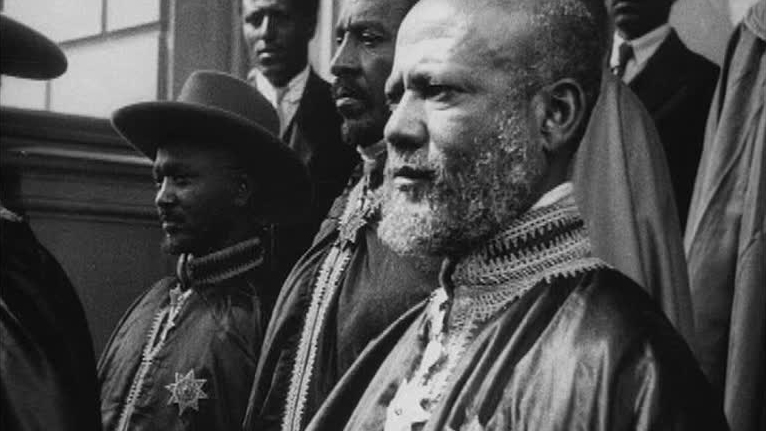
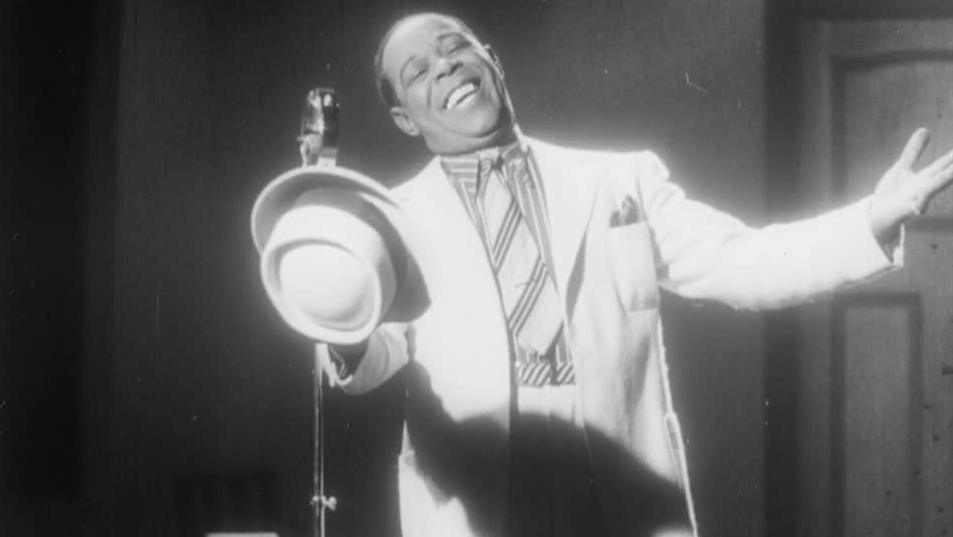
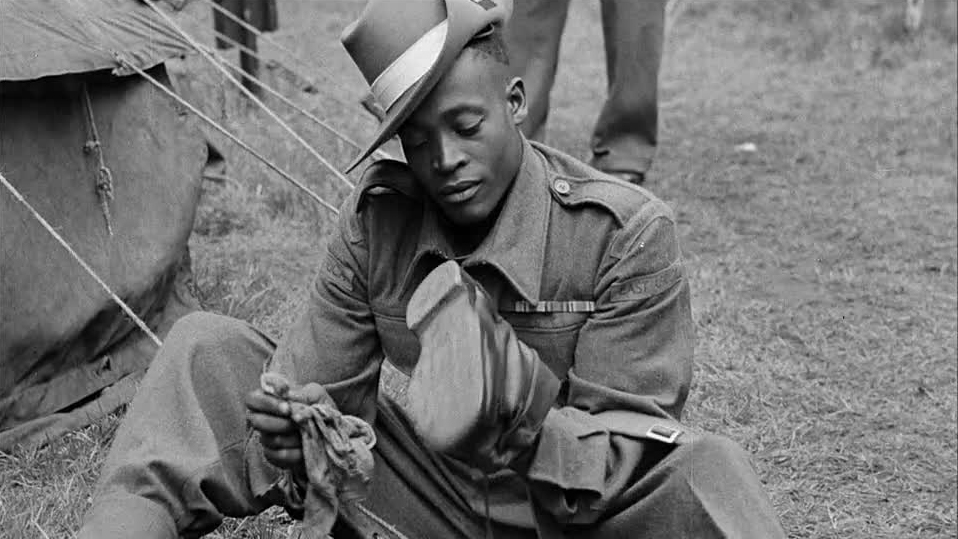
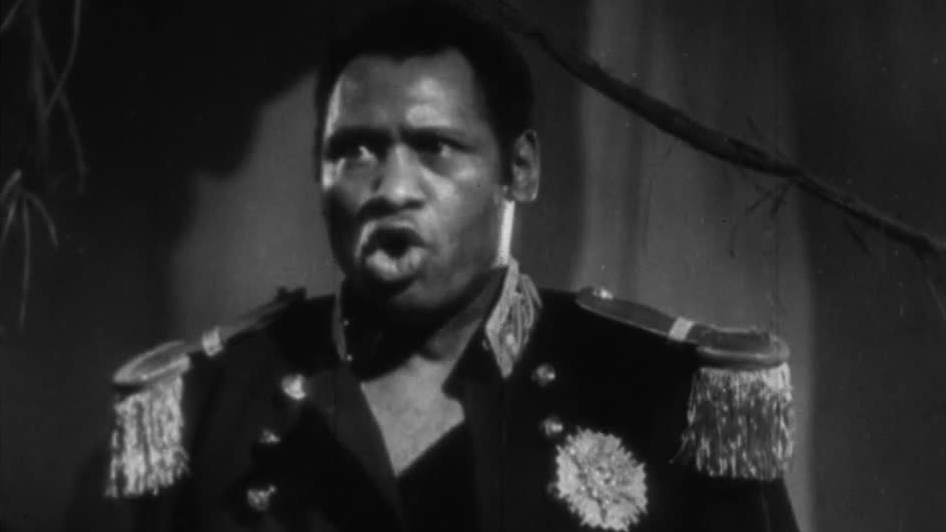
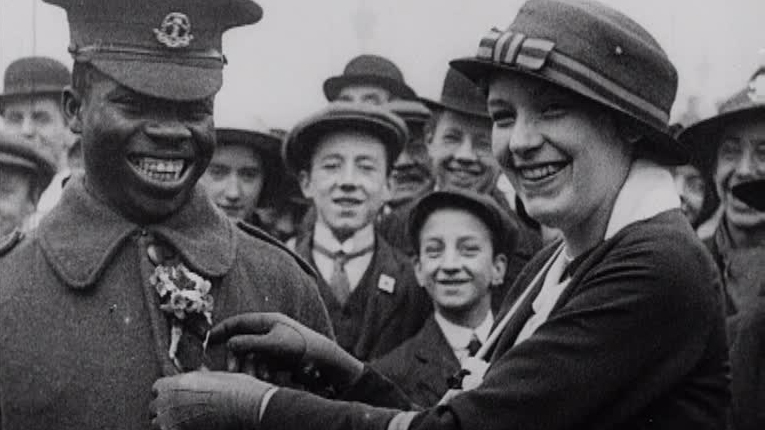
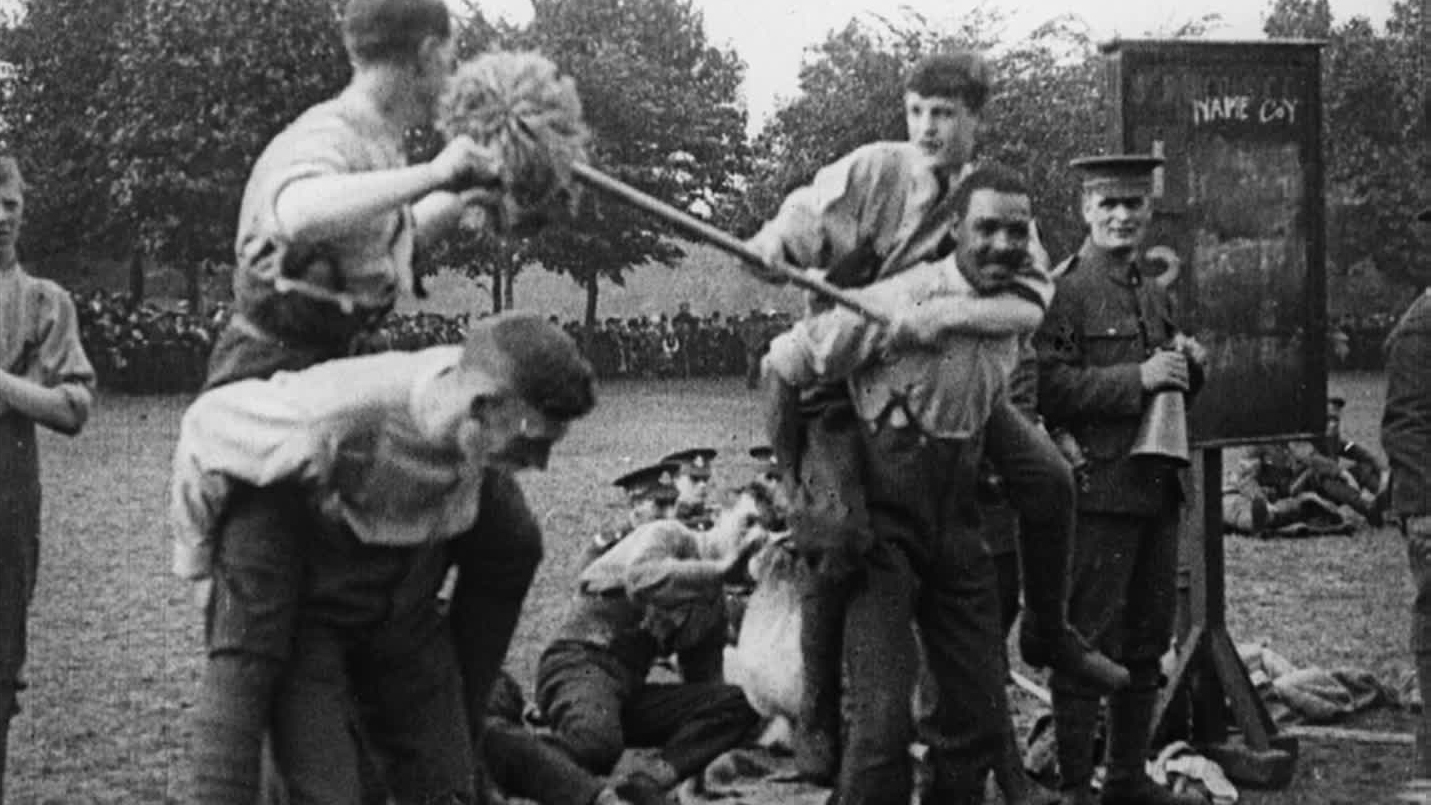
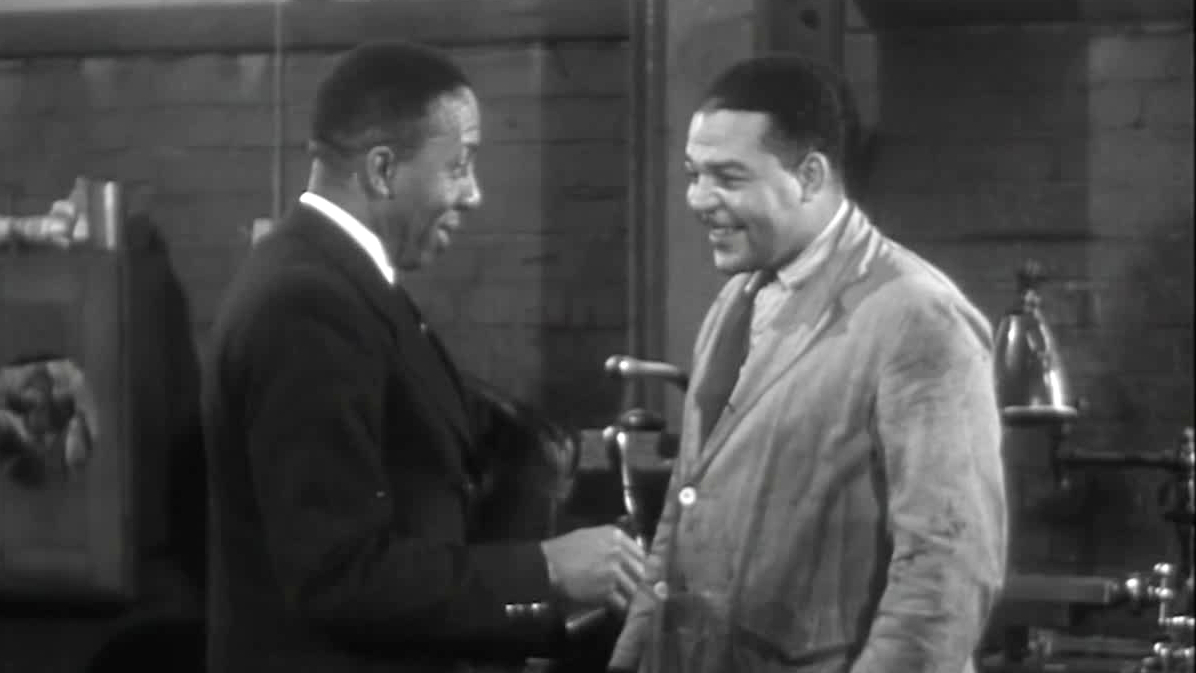
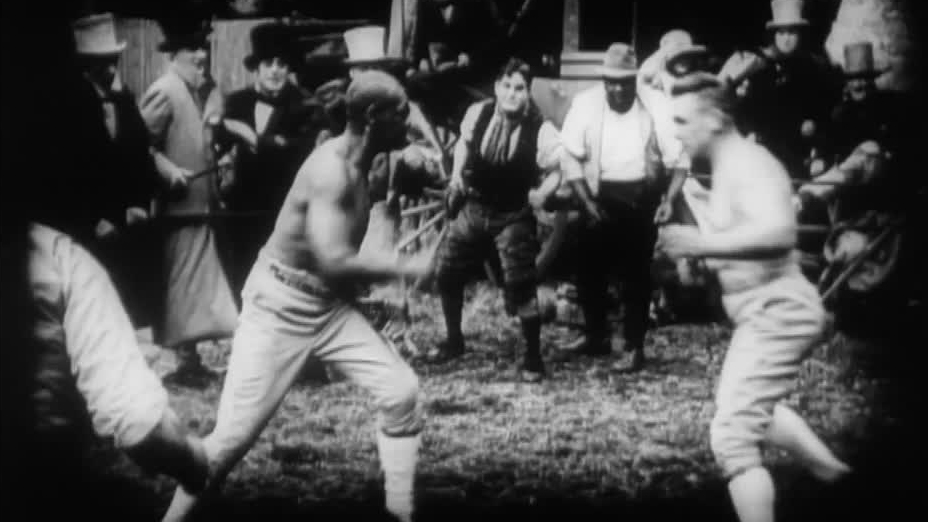
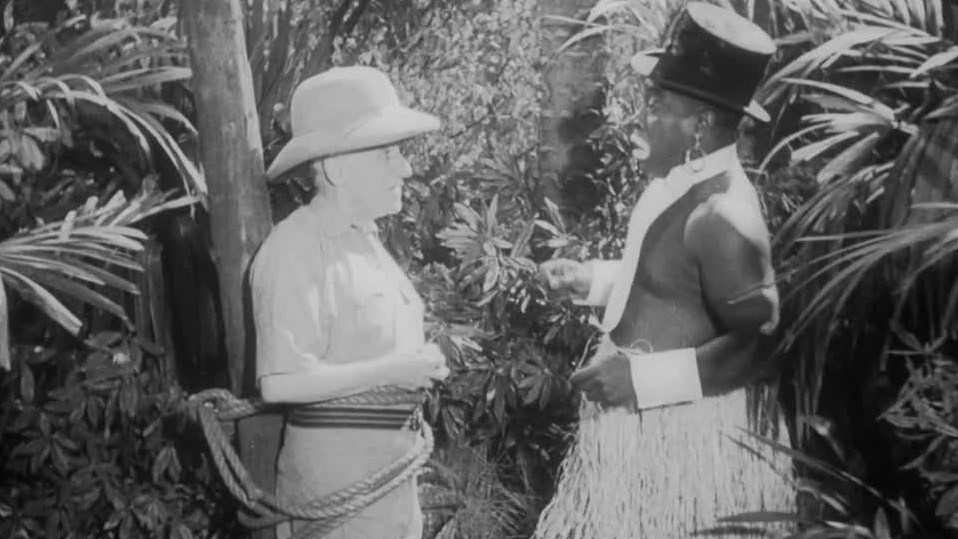
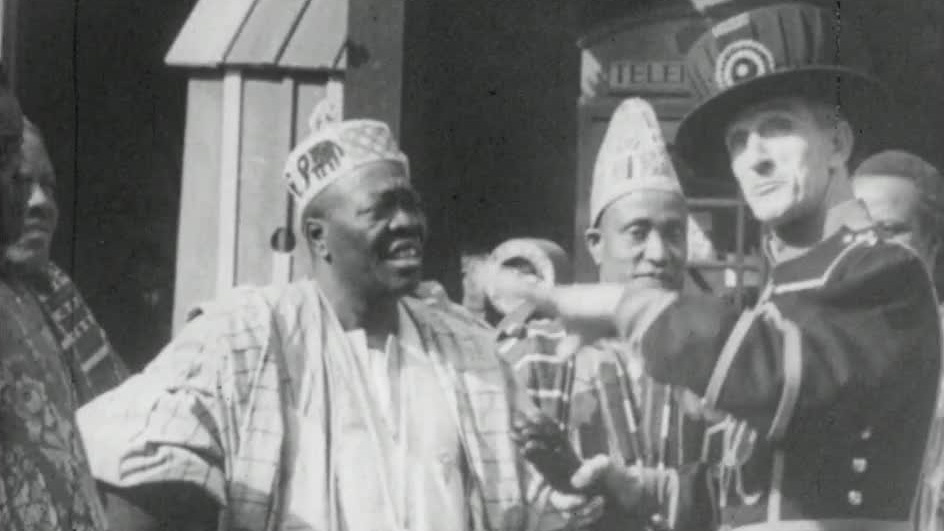
There was a substantial black presence in Britain long before the Empire Windrush arrived from Jamaica in June 1948. Some of the earliest moving images of black Britons survive in the extraordinary Mitchell and Kenyon collection from the dawn of the 20th century. WWI newsreels offered occasional glimpses of black soldiers from Britain - or more likely the Empire. In WWII the contribution of black servicemen and women was more prominently acknowledged in newsreels and documentaries. Between the wars, black performers began to make a splash, from music hall entertainers Scott & Whaley to Britain's first black screen star, US-born actor, singer and activist Paul Robeson. Stars like these had an easier time than many, but still faced unthinking stereotypes and prejudice. But they forged a path for others to follow. The films in this selection span some five decades, serving as a vital record of a much longer history of black people and culture in Britain than is often remembered.