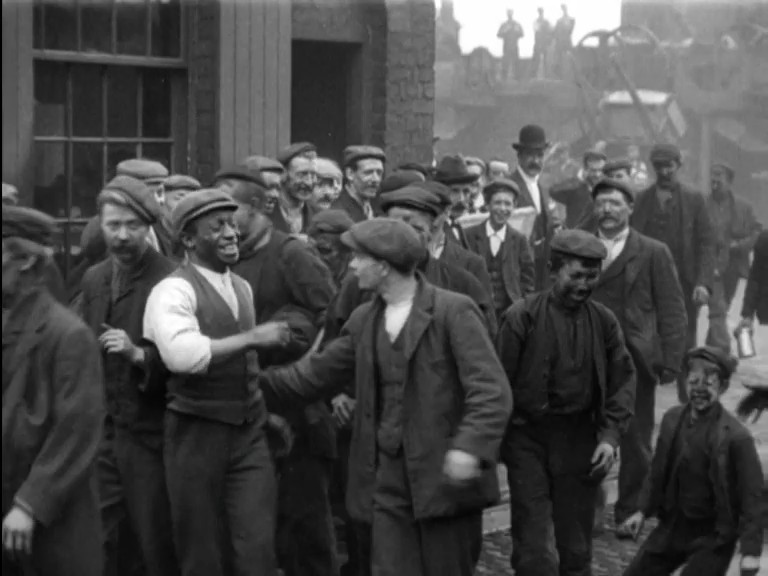
Miners Leaving Pendlebury Colliery (1901)
- Pendlebury
- 1901
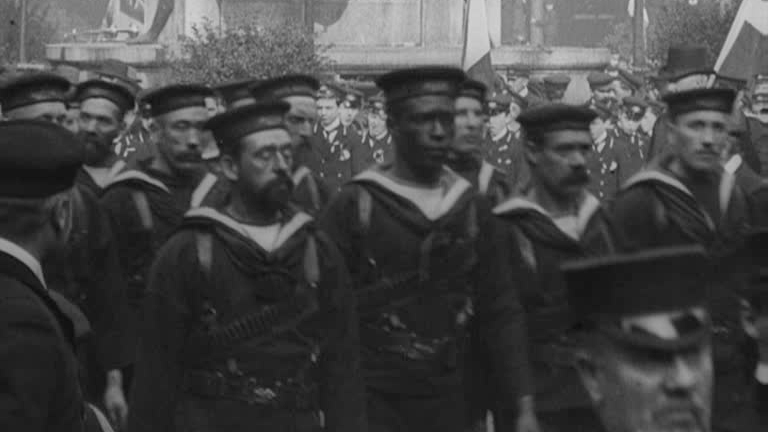
Huge crowds turn out in Edwardian Liverpool for the annual celebrations marking the victory at the Battle of Trafalgar.
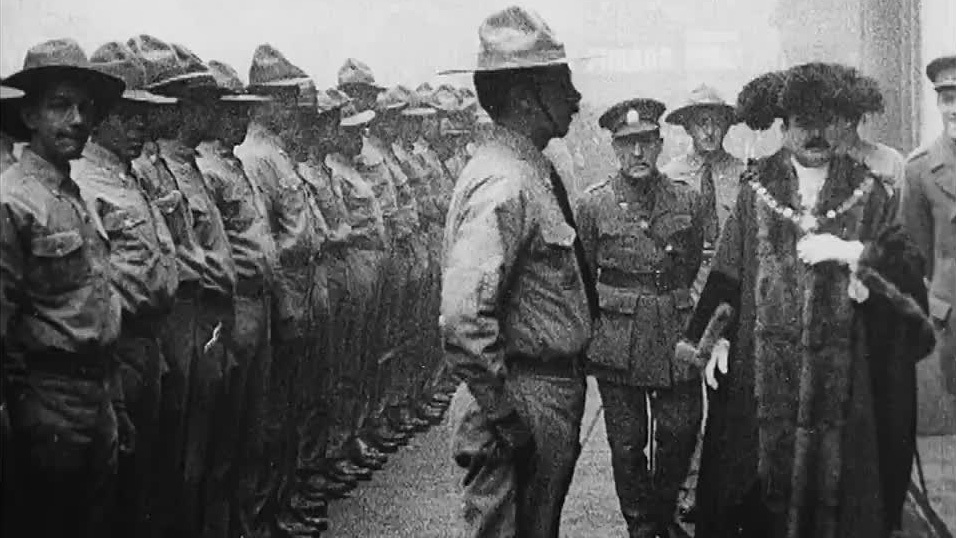
Nearly a century after Nelson's famous victory, the British were still celebrating his achievements and by extension the British Navy, which had secured the Empire ever since. Here, a dizzying array of naval officers, cadets, Lascars and crews from the Liverpool-based merchant marine (the Allan Line, Cunard and the Elder Dempster Co.) march past after a stirring speech from the Lord Mayor.
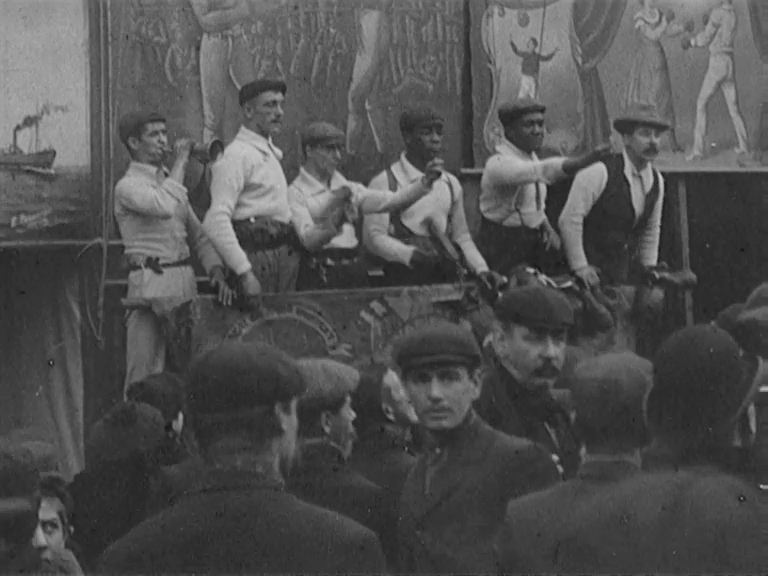
The grand procession, organised by the Liverpool branch of the Navy League, is testimony to an era when Britain's navy was the undisputed ruler of the seas. Some black sailors are visible among the marchers; they are among a handful of black faces appearing across the Mitchell & Kenyon collection of films, at a time long before mass immigration. As everyone gathers in Castle Street for Trafalgar Day at the base of Nelson's Column, with its endless bunting and union jacks, these images capture the sense of pride Liverpool - and Britain - felt for those who had fought for their nation.
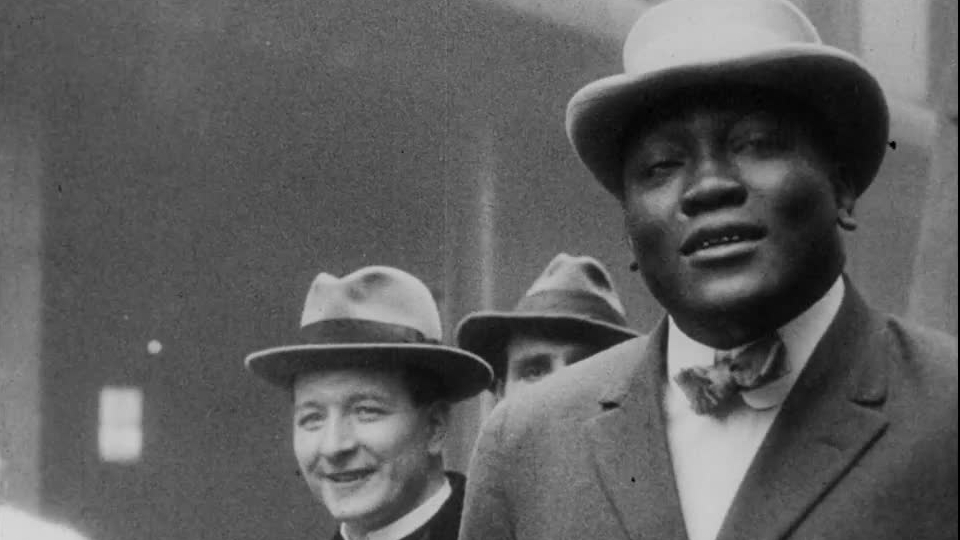
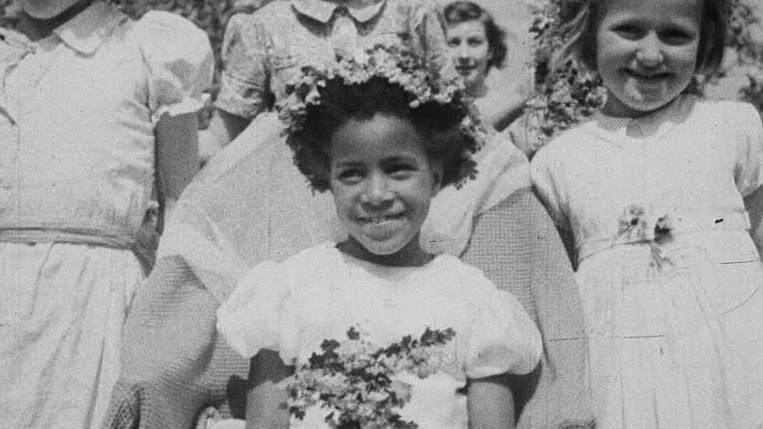
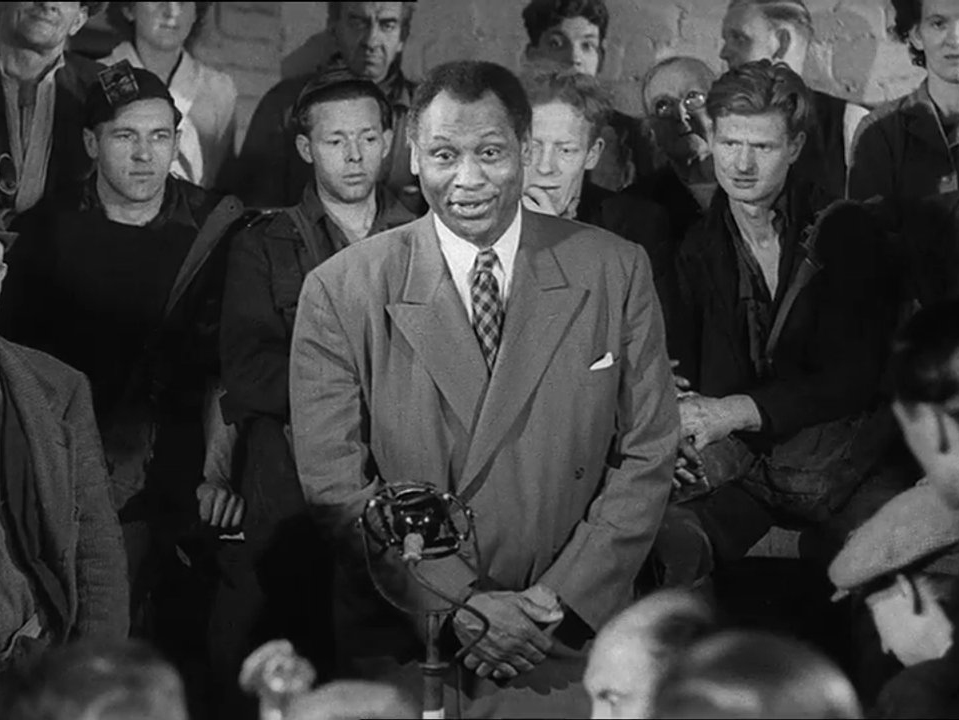
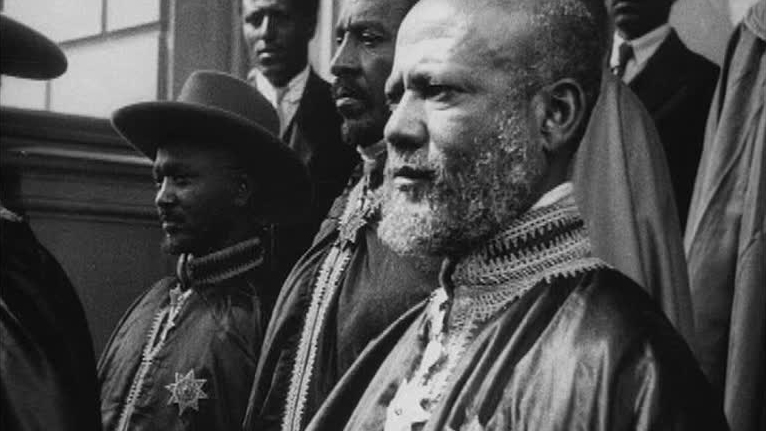
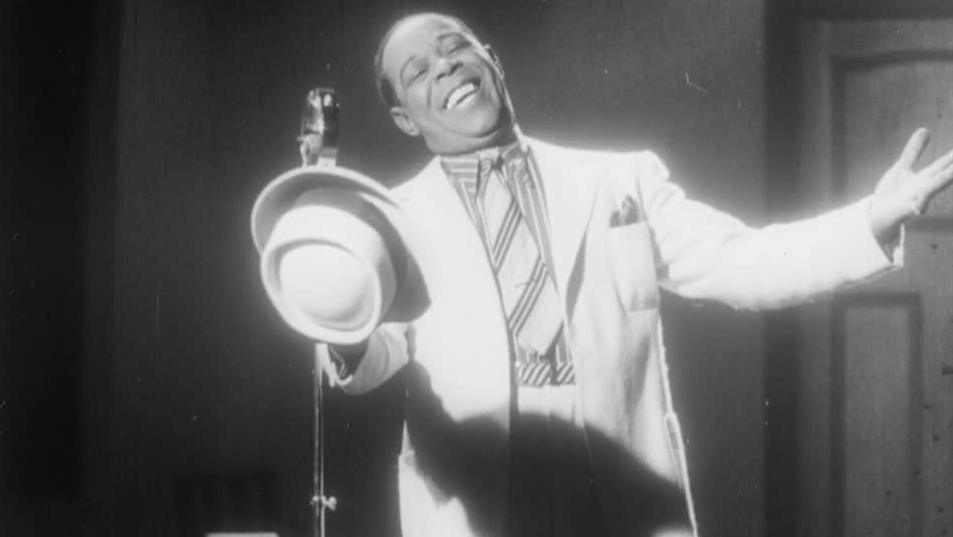
Precious glimpses and surprising rediscoveries: snapshots of black Britain in the decades before the great postwar migrations.
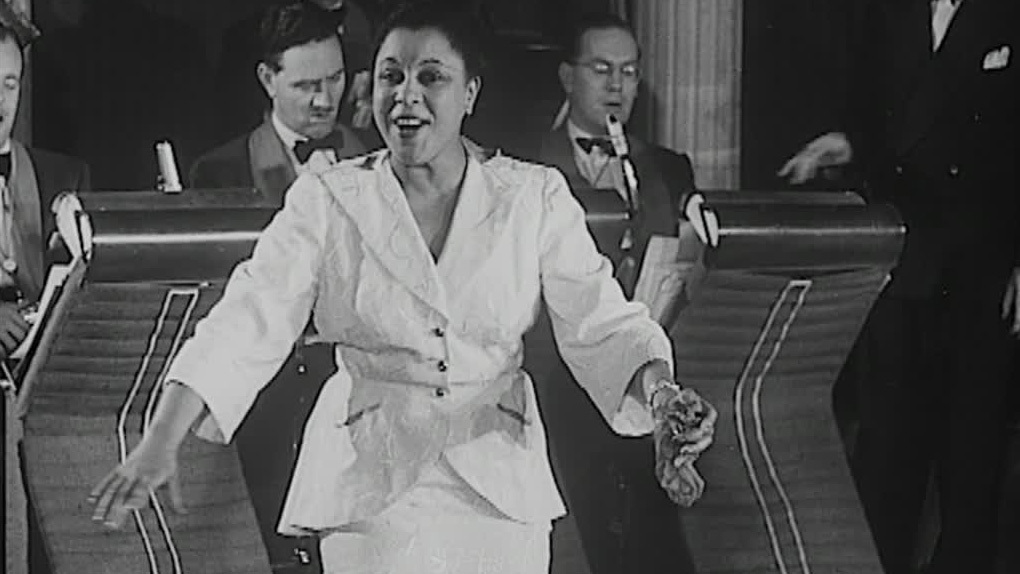
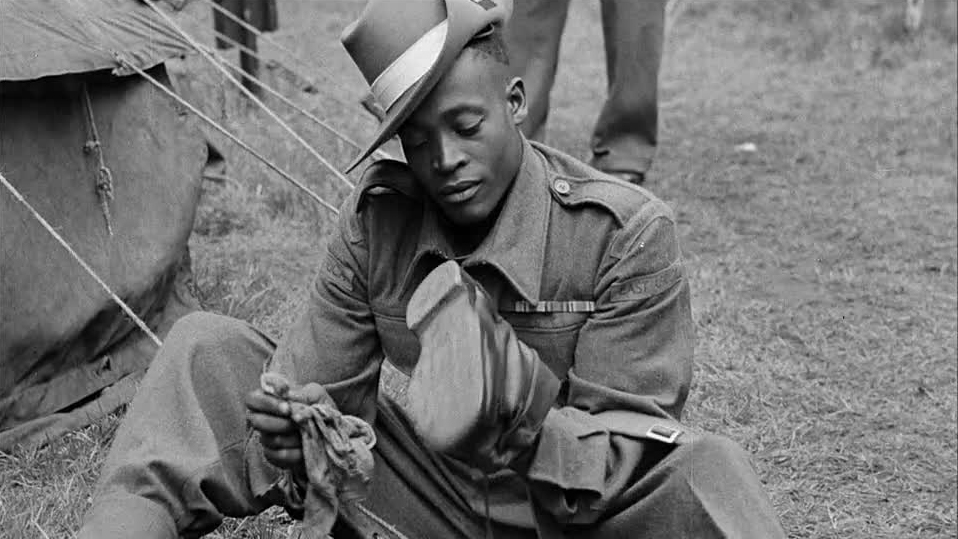
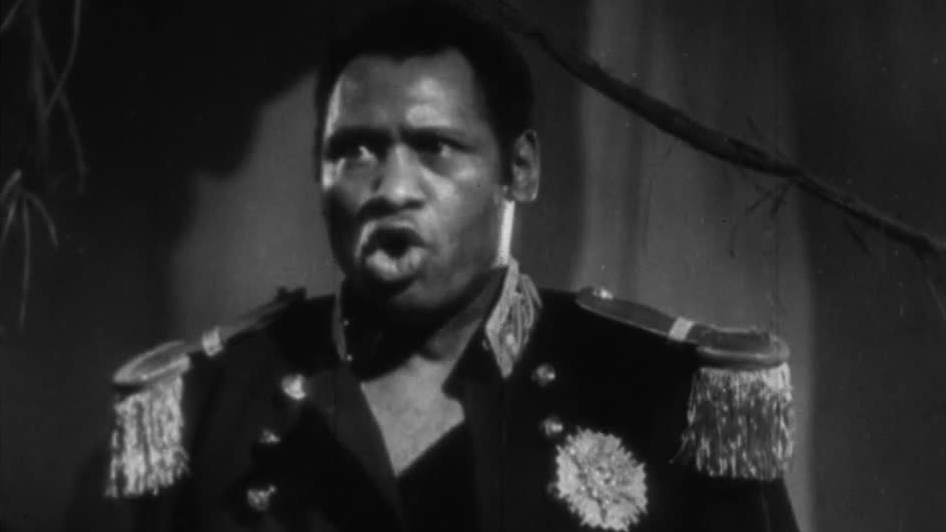
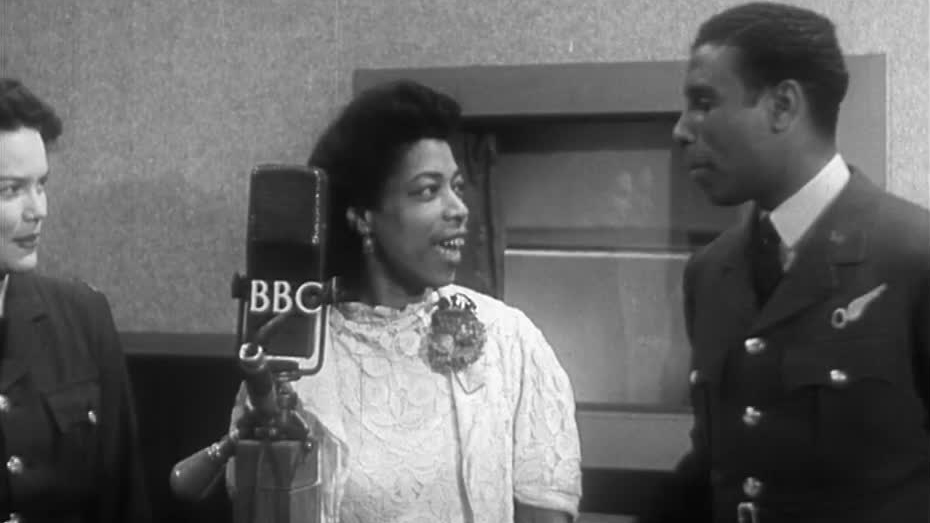
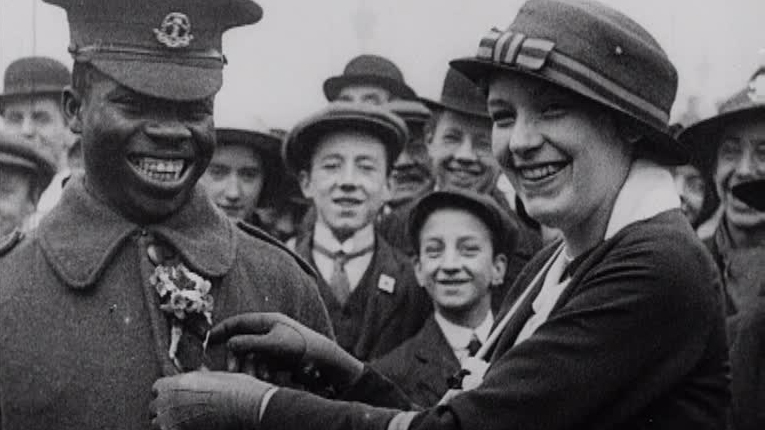
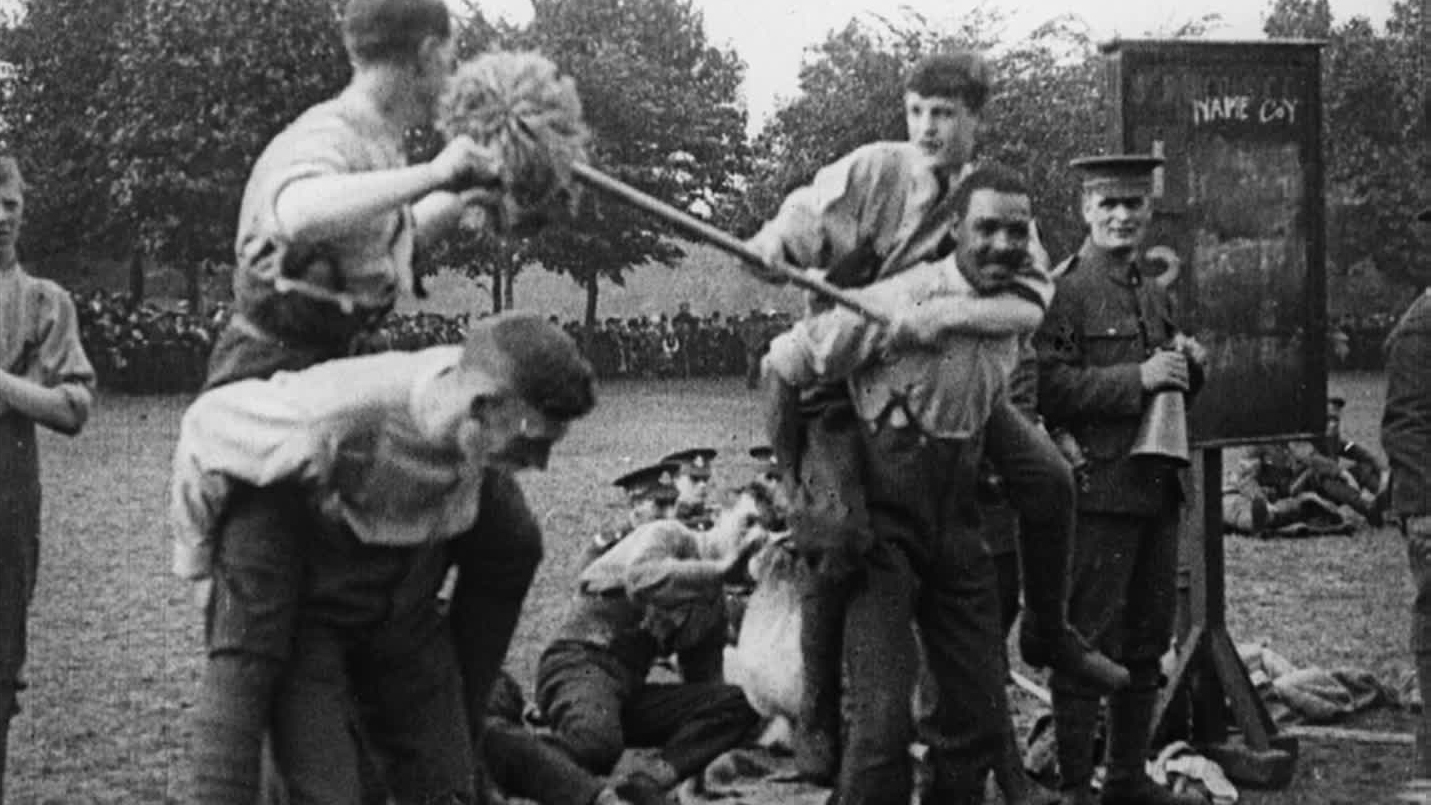
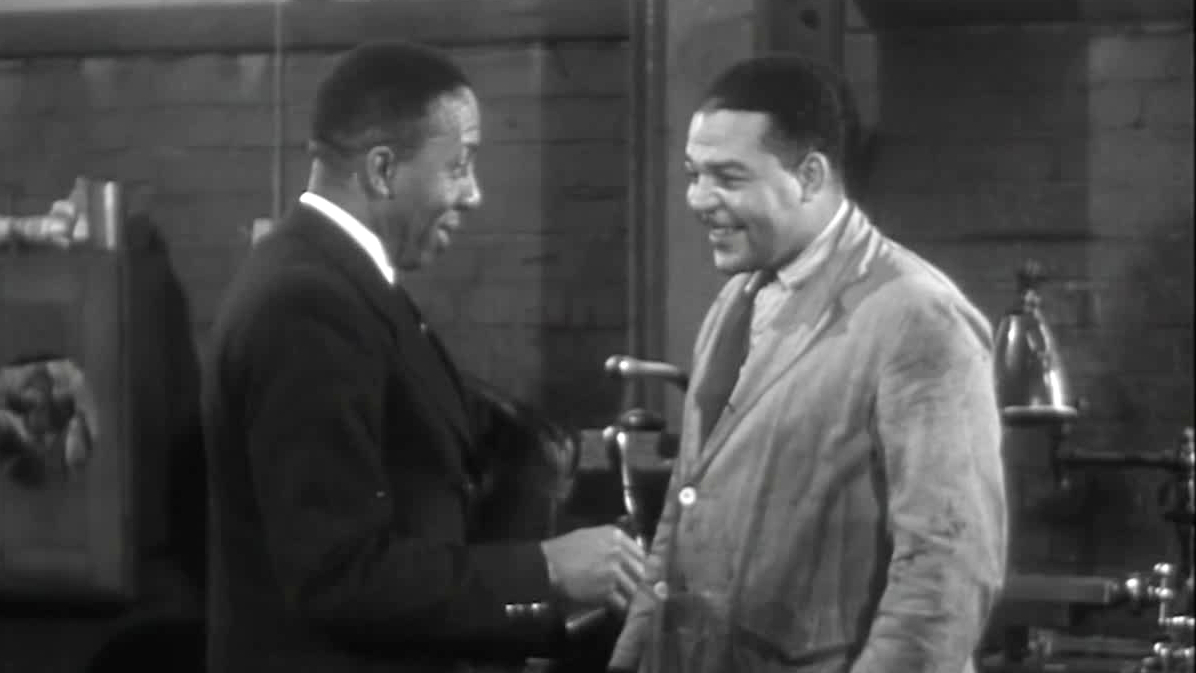
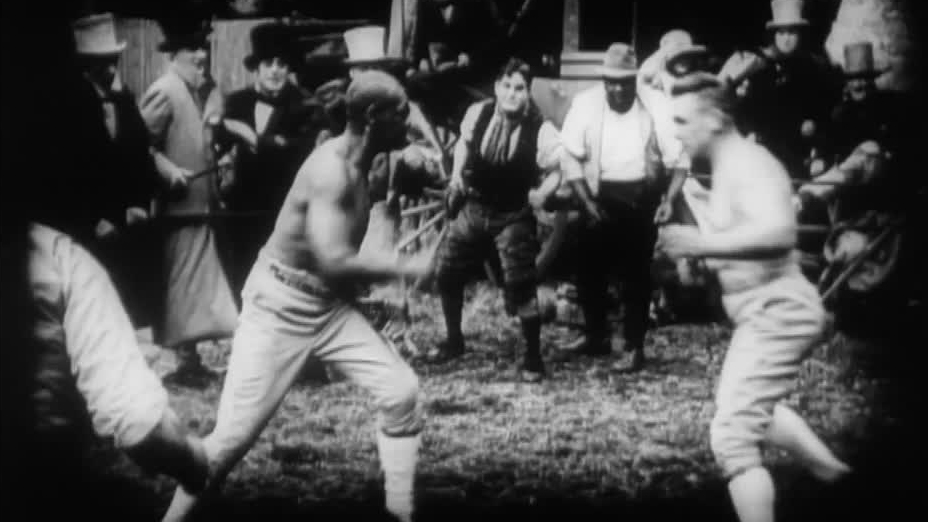
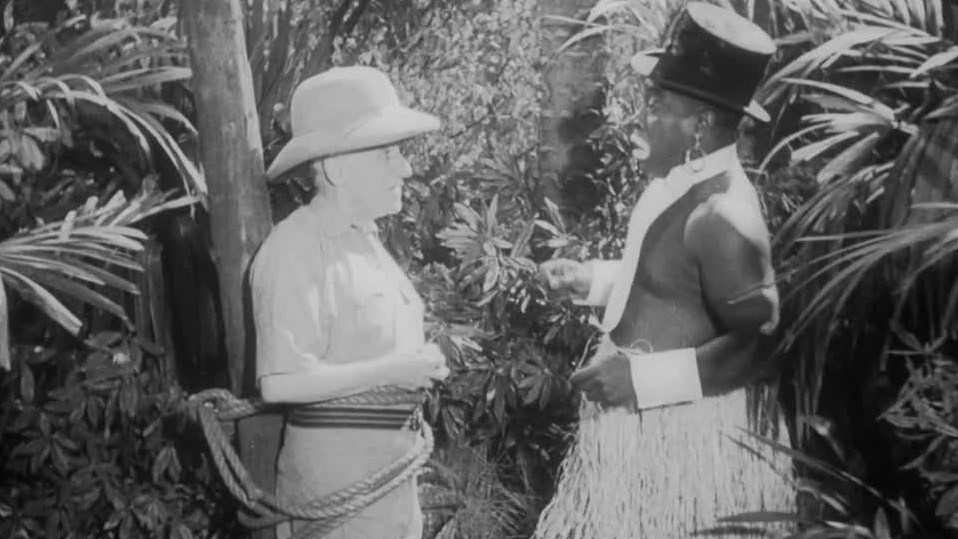
There was a substantial black presence in Britain long before the Empire Windrush arrived from Jamaica in June 1948. Some of the earliest moving images of black Britons survive in the extraordinary Mitchell and Kenyon collection from the dawn of the 20th century. WWI newsreels offered occasional glimpses of black soldiers from Britain - or more likely the Empire. In WWII the contribution of black servicemen and women was more prominently acknowledged in newsreels and documentaries. Between the wars, black performers began to make a splash, from music hall entertainers Scott & Whaley to Britain's first black screen star, US-born actor, singer and activist Paul Robeson. Stars like these had an easier time than many, but still faced unthinking stereotypes and prejudice. But they forged a path for others to follow. The films in this selection span some five decades, serving as a vital record of a much longer history of black people and culture in Britain than is often remembered.