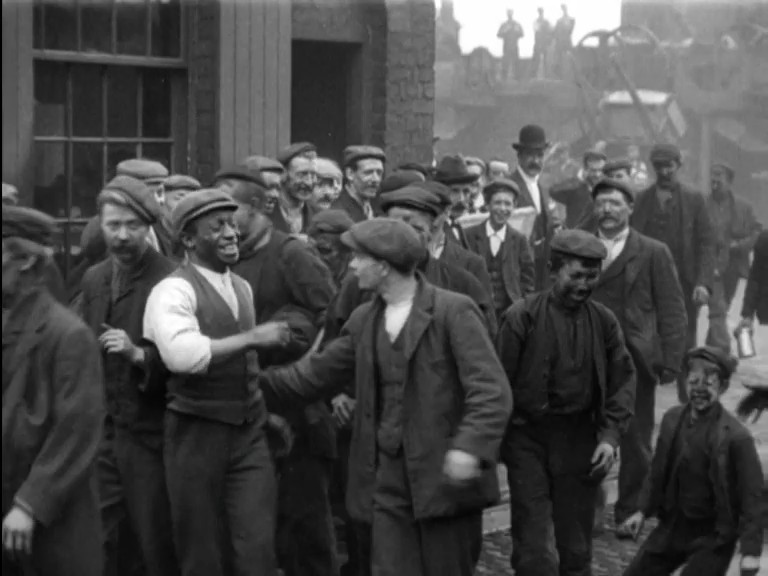
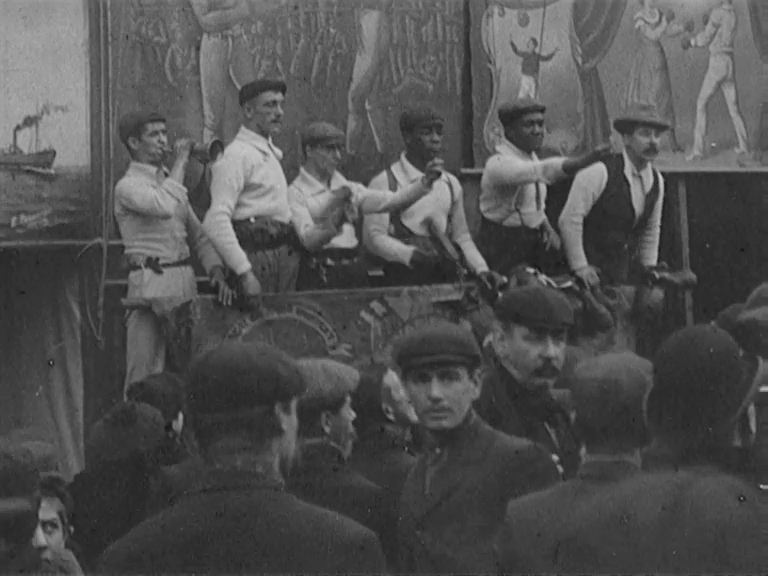
Miners Leaving Pendlebury Colliery (1901)
- Pendlebury
- 1901
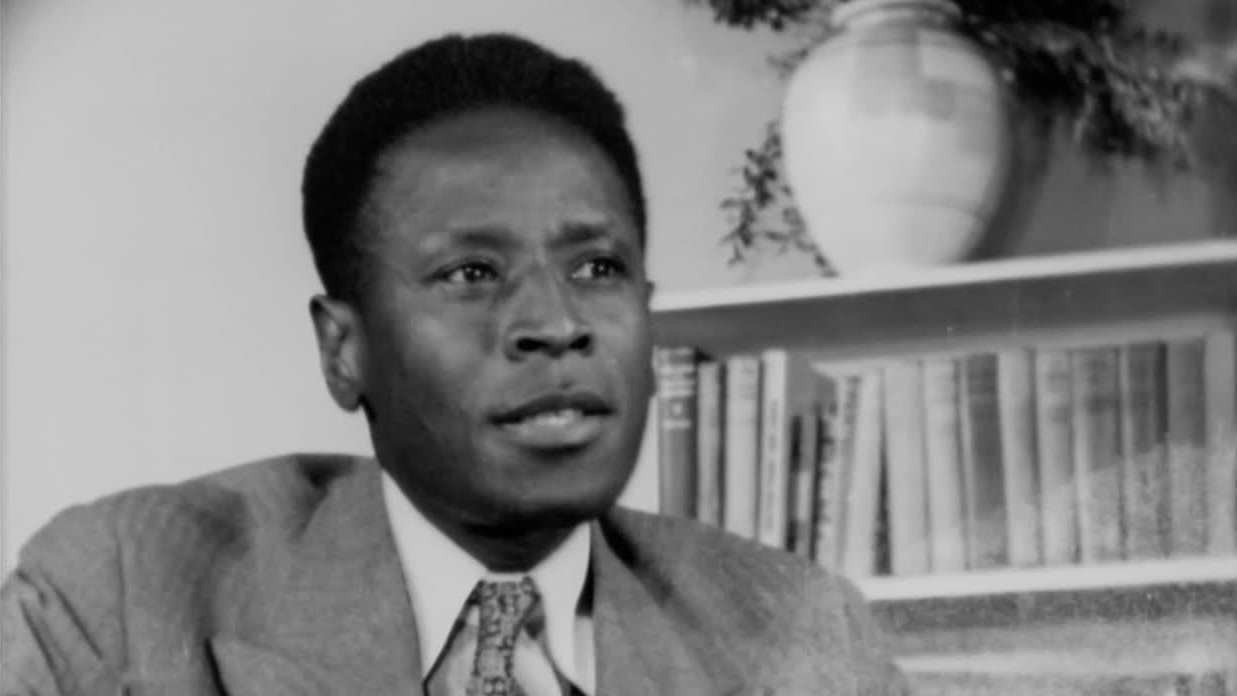
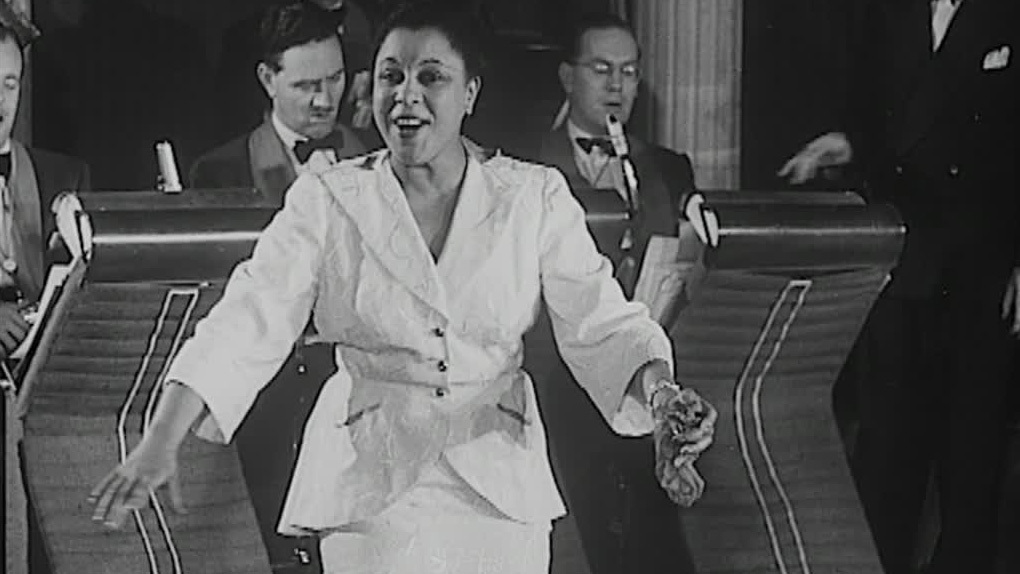
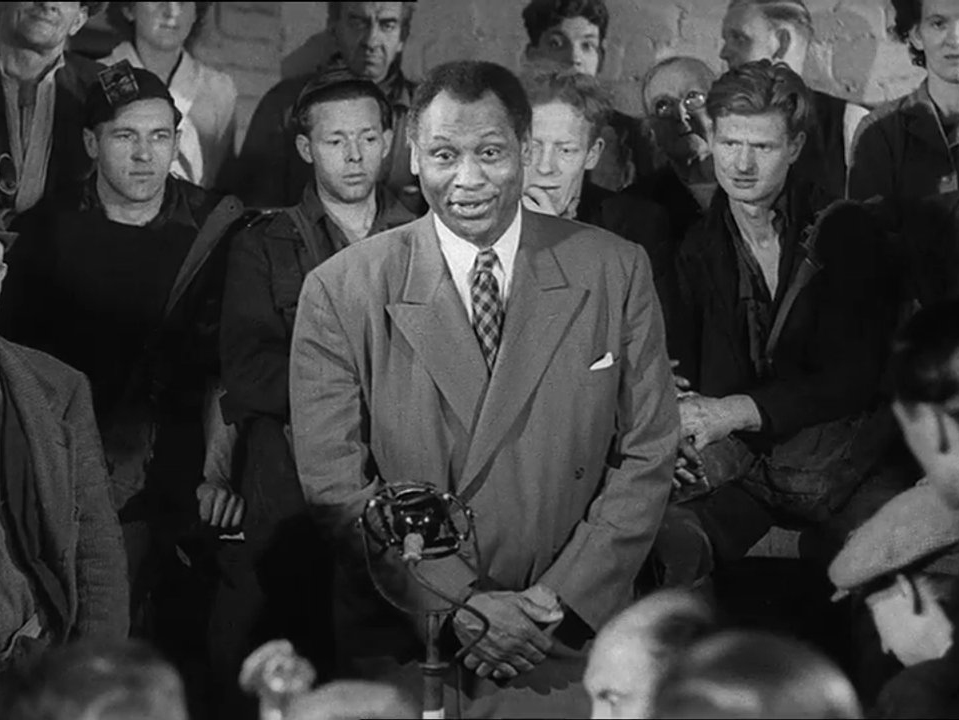
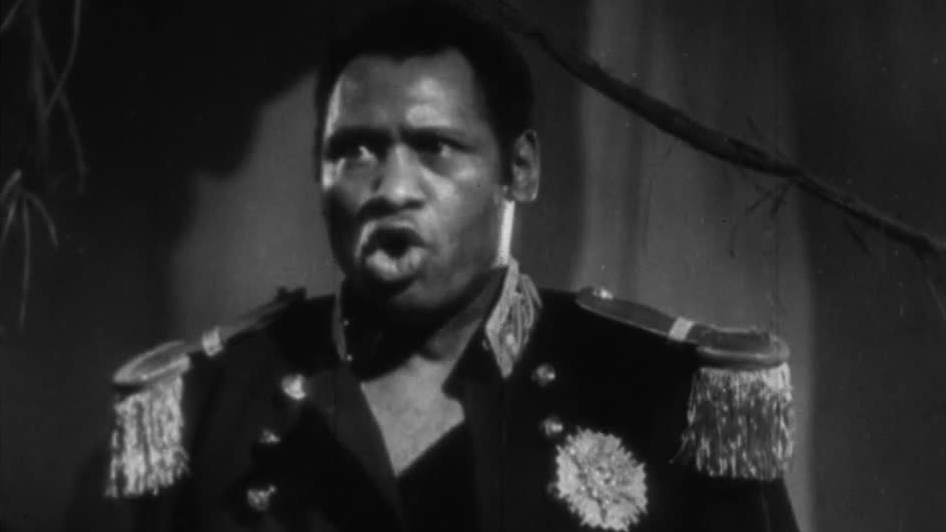
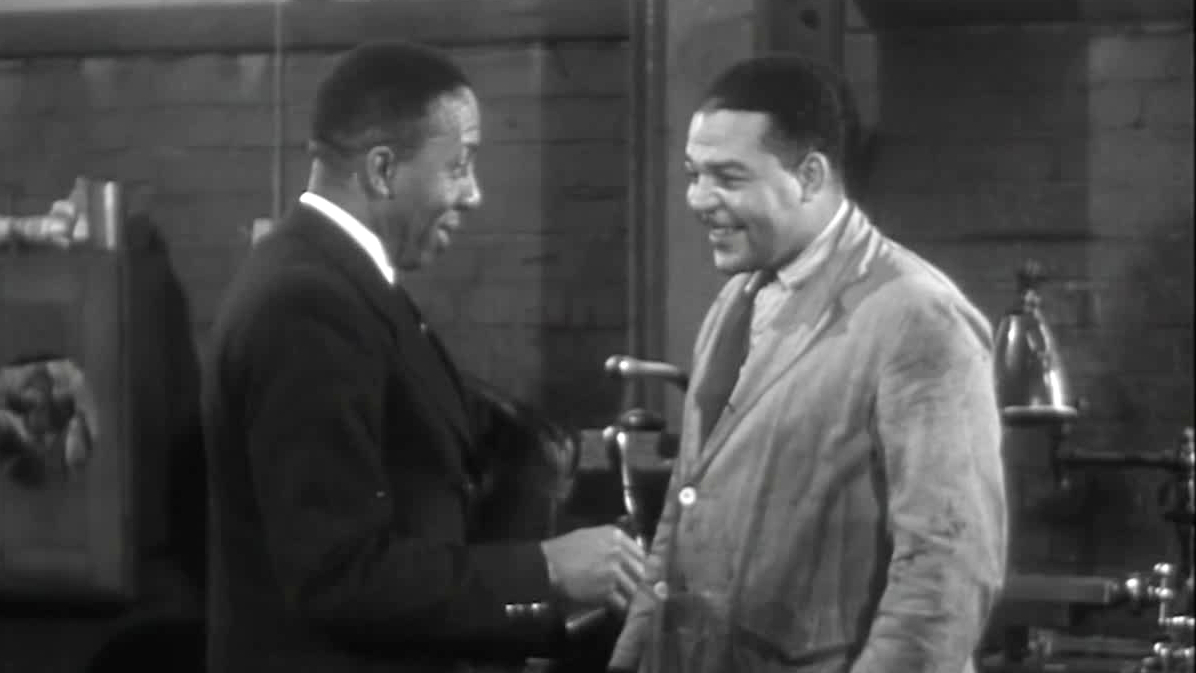
Paul Robeson demonstrates his vocal talents in this short extract from Song of Freedom
Paul Robeson was one of British cinema's most bankable stars of the 1930s and his 1937 feature Song of Freedom was repurposed after the war for home viewing. This short extract charts the rise of his character John Zinga to stardom as an international opera singer. It features two songs from the film, Stepping Stone and the song from the onscreen opera, Black Emperor.
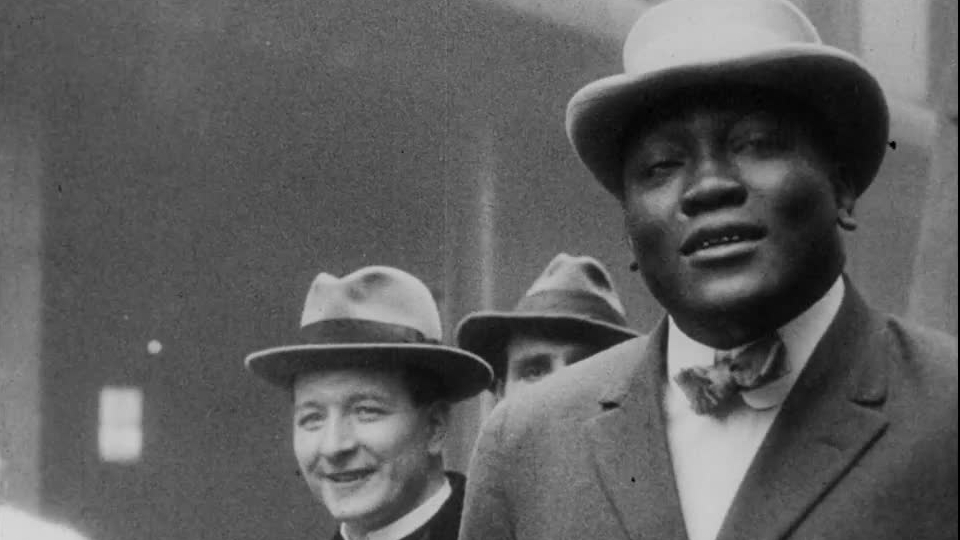
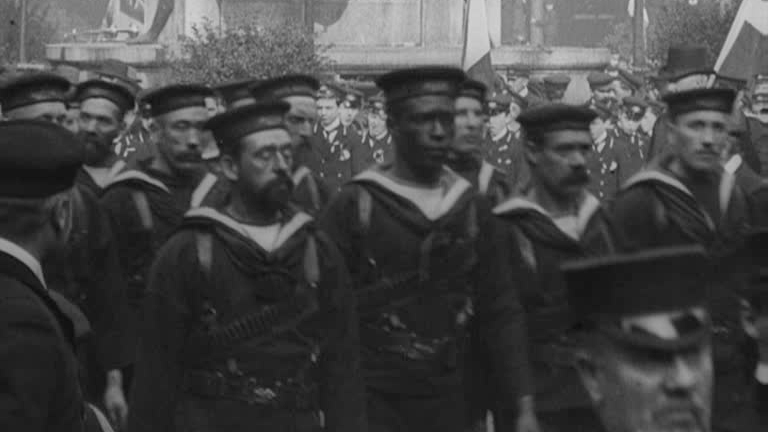
Precious glimpses and surprising rediscoveries: snapshots of black Britain in the decades before the great postwar migrations.
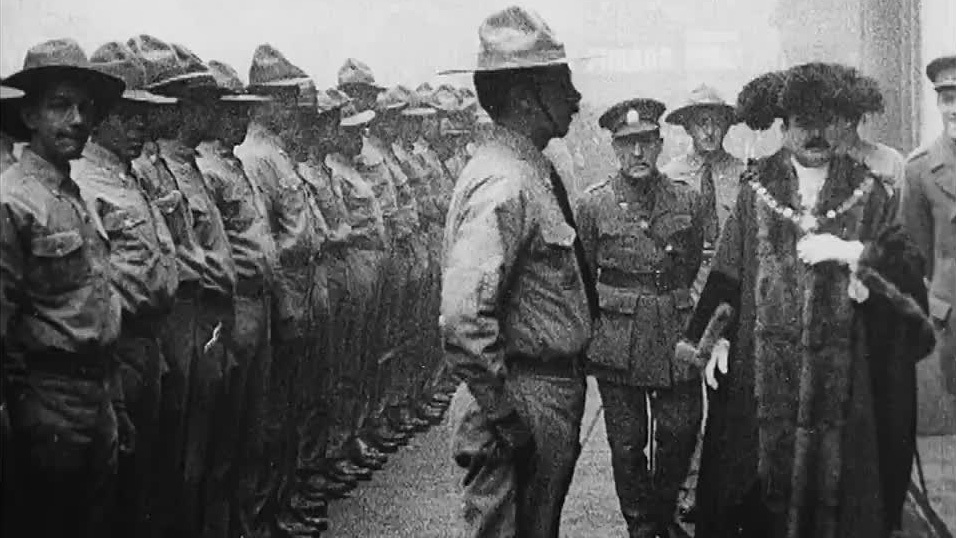
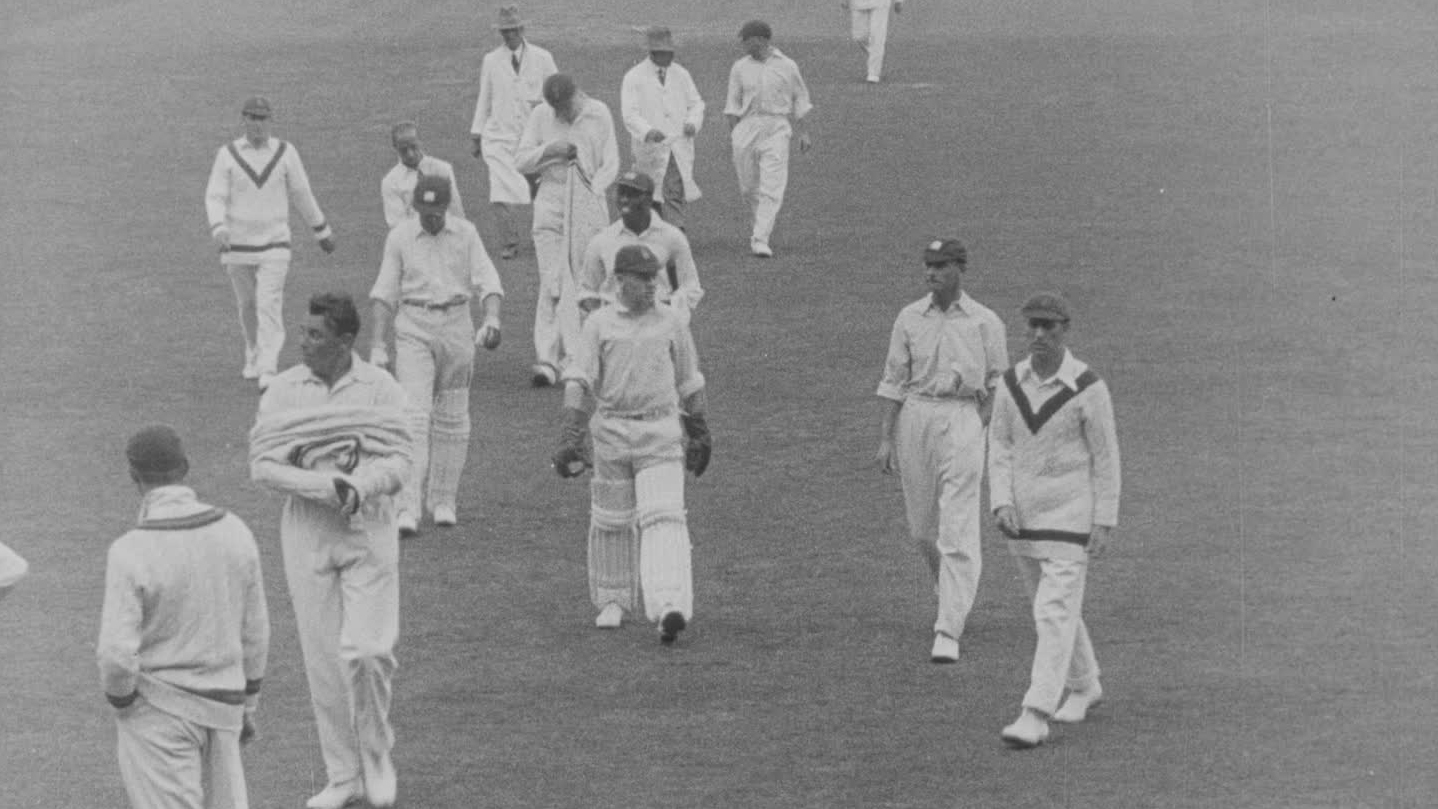
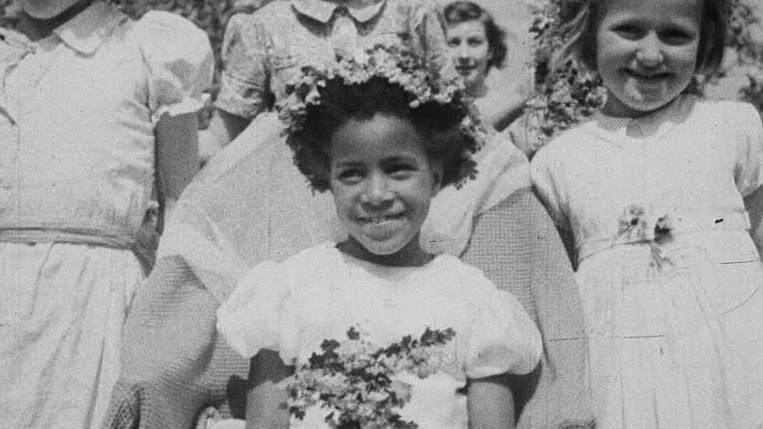
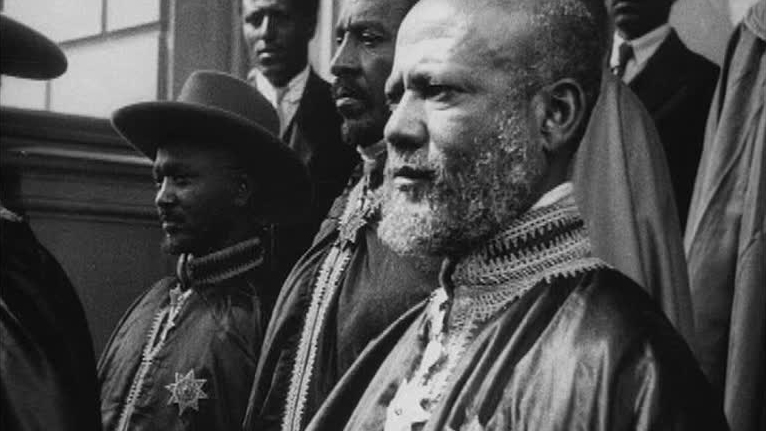
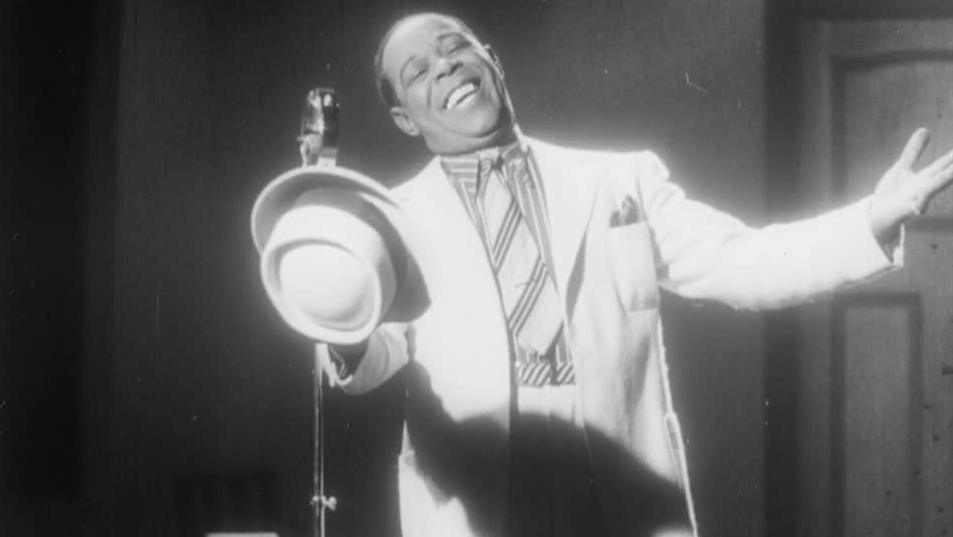
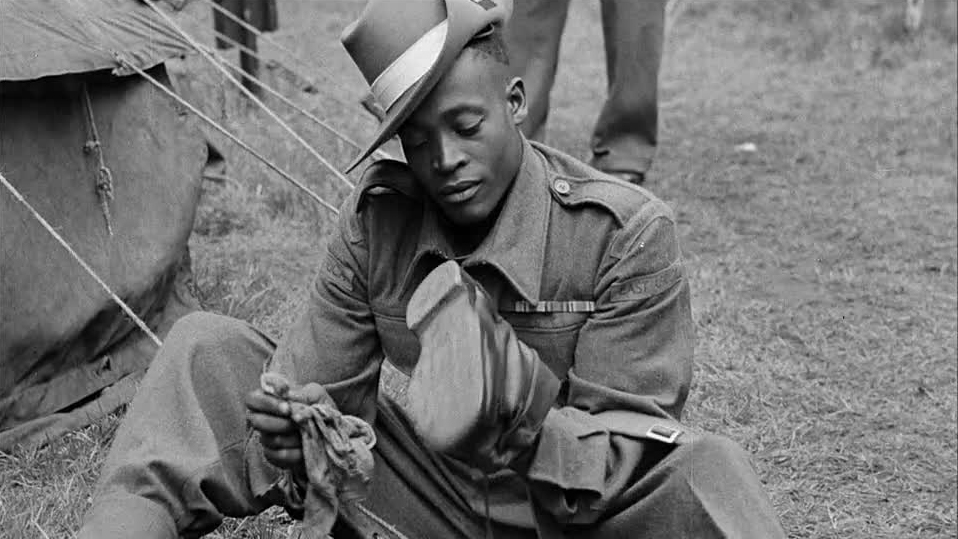
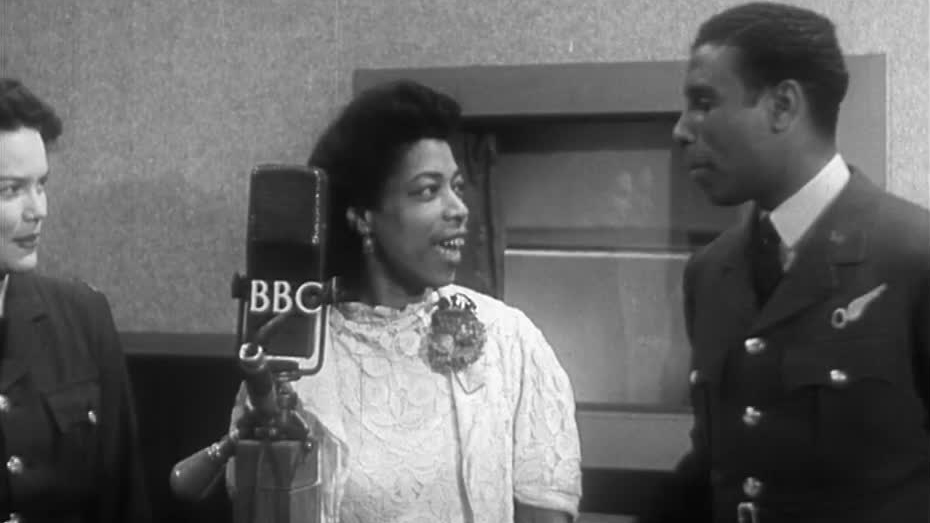
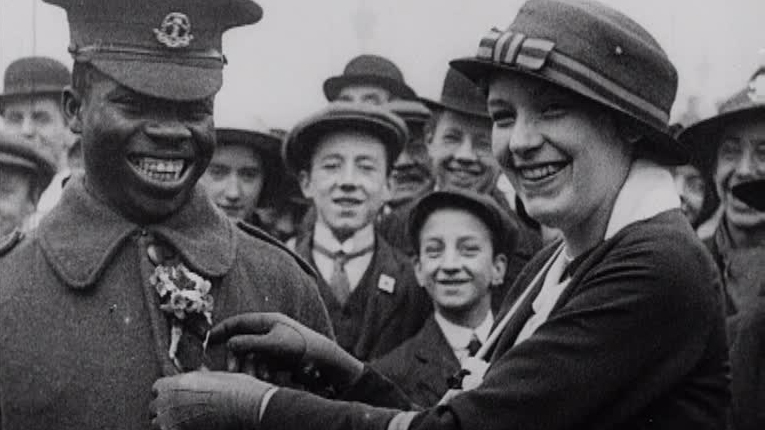
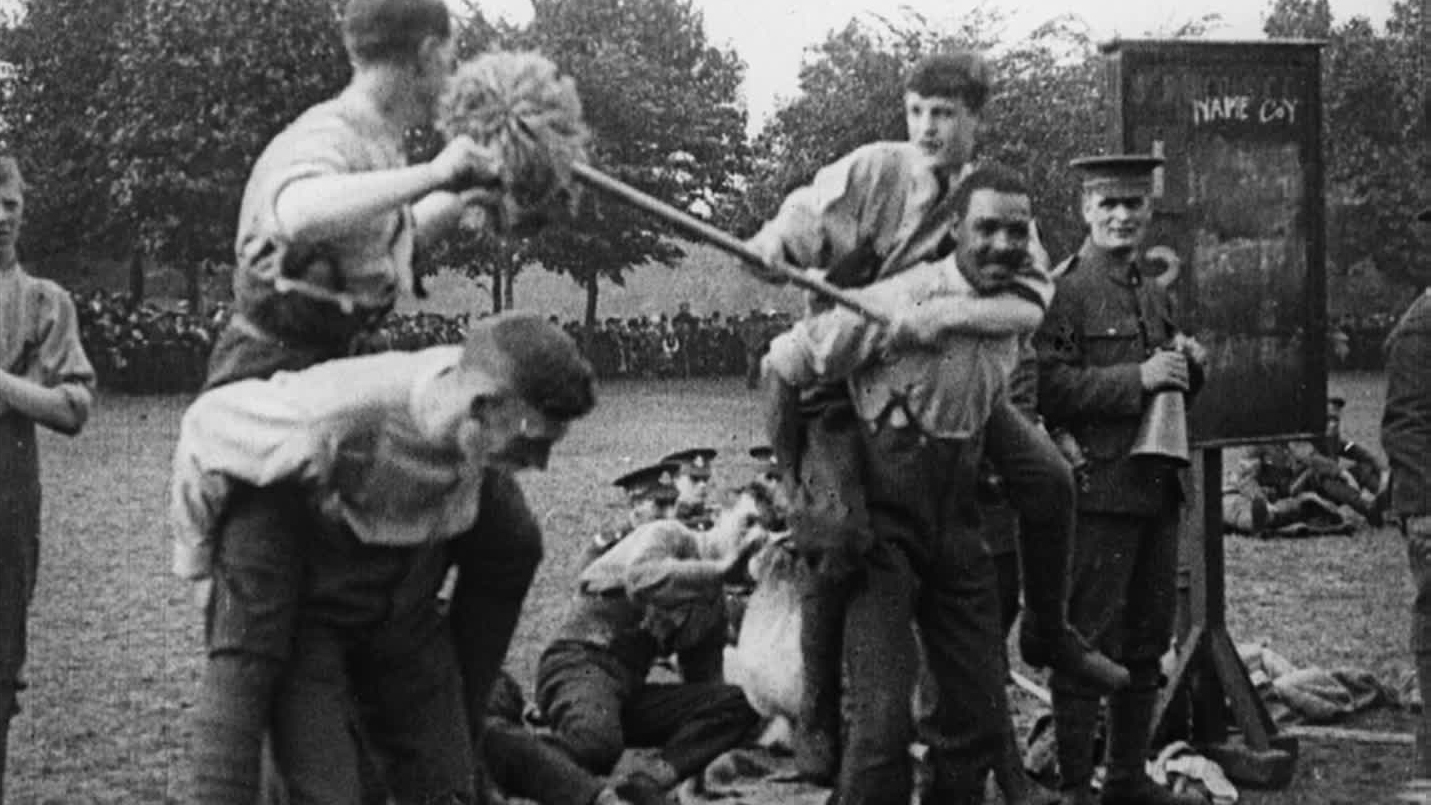
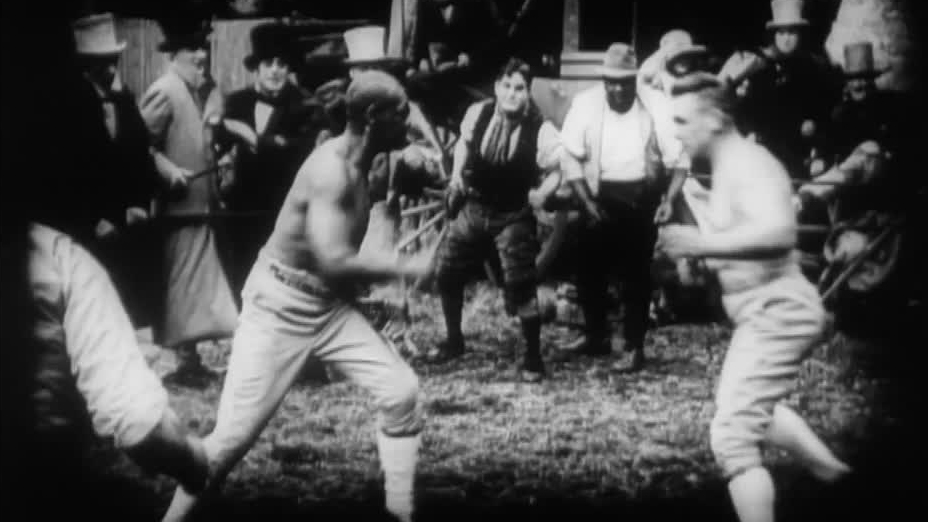
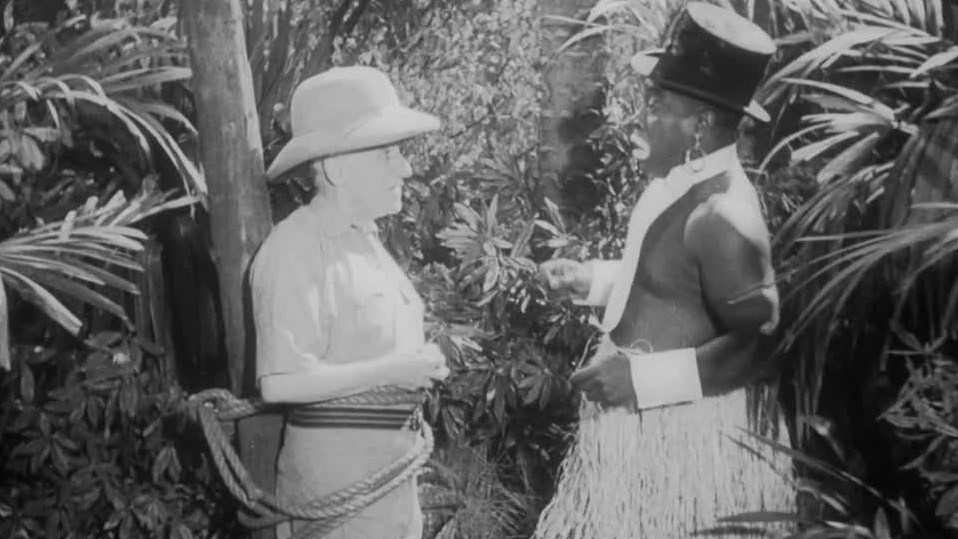
There was a substantial black presence in Britain long before the Empire Windrush arrived from Jamaica in June 1948. Some of the earliest moving images of black Britons survive in the extraordinary Mitchell and Kenyon collection from the dawn of the 20th century. WWI newsreels offered occasional glimpses of black soldiers from Britain - or more likely the Empire. In WWII the contribution of black servicemen and women was more prominently acknowledged in newsreels and documentaries. Between the wars, black performers began to make a splash, from music hall entertainers Scott & Whaley to Britain's first black screen star, US-born actor, singer and activist Paul Robeson. Stars like these had an easier time than many, but still faced unthinking stereotypes and prejudice. But they forged a path for others to follow. The films in this selection span some five decades, serving as a vital record of a much longer history of black people and culture in Britain than is often remembered.