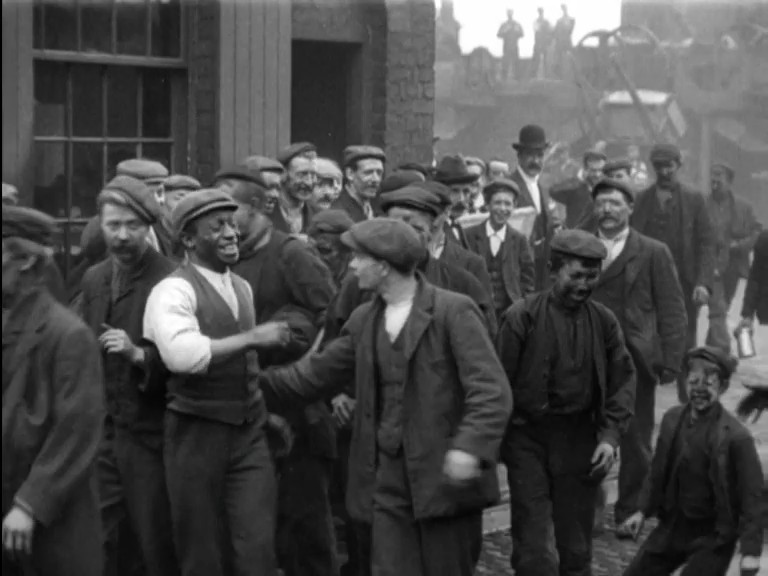
Miners Leaving Pendlebury Colliery (1901)
- Pendlebury
- 1901
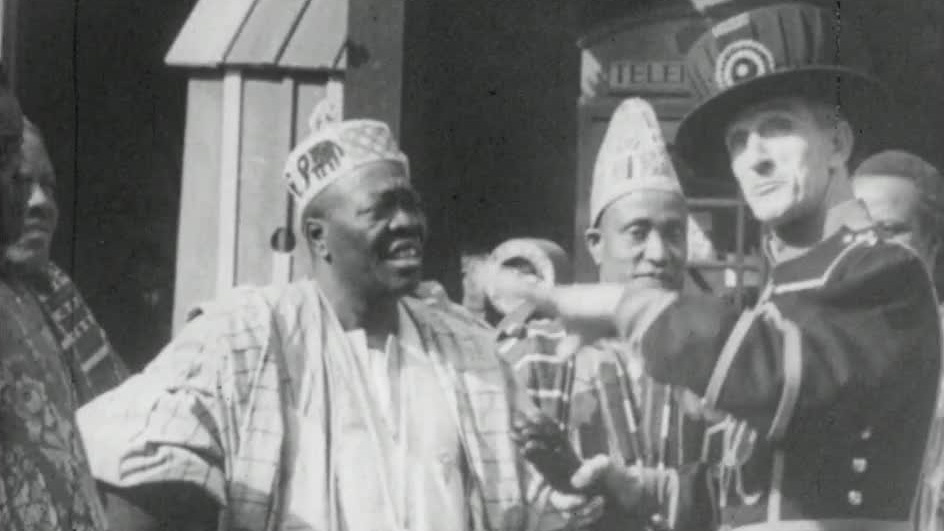
An African entourage makes a spectacular appearance in postwar London.
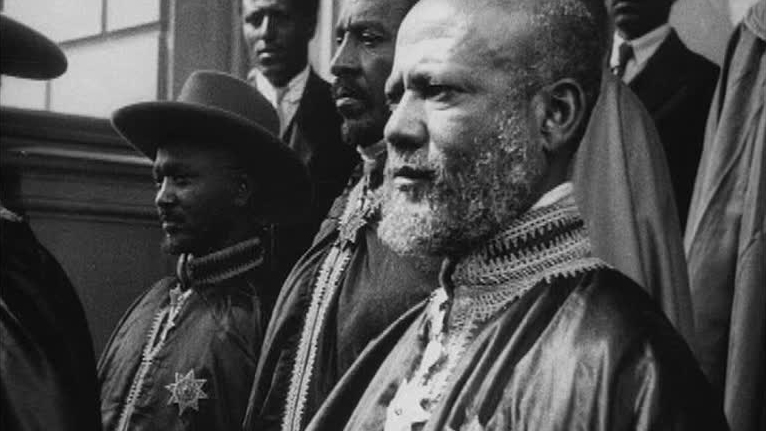
A party of Northern Nigerian dignitaries in traditional dress visit the Tower of London, where they find themselves as much the focus of attention as their historic surroundings. Guided by a Yeoman of the Guard, they inspect the fortifications, cannons and ravens before being escorted to their waiting Rolls-Royce.
This short film was one of more than 200 produced by the Colonial Film Unit between 1939 and 1955. With the intention of "putting the production of films for backward races on a permanent footing”, these instructional films were significant propaganda tools for colonial administration. Harmonious and mutually profitable relationships between Africans and Britons were usually portrayed. This film sees the Emir of Bedde's entourage visit the Tower as part of an extended tour in 1949, which also took in an audience with King George VI during London's Colonial Month and visits to trade and agricultural fairs throughout Britain.
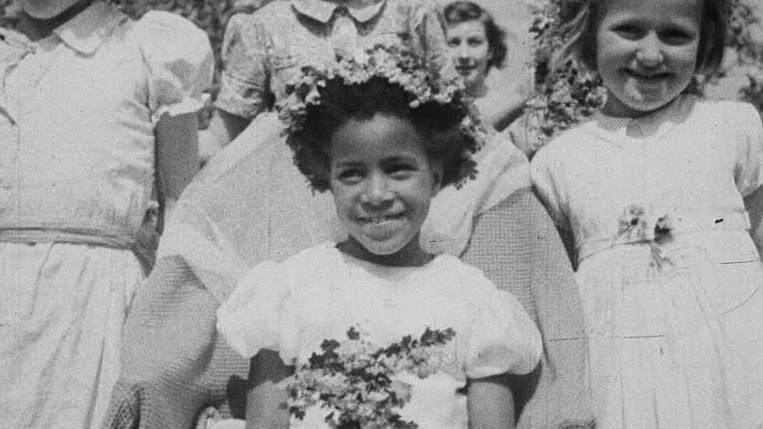
Precious glimpses and surprising rediscoveries: snapshots of black Britain in the decades before the great postwar migrations.
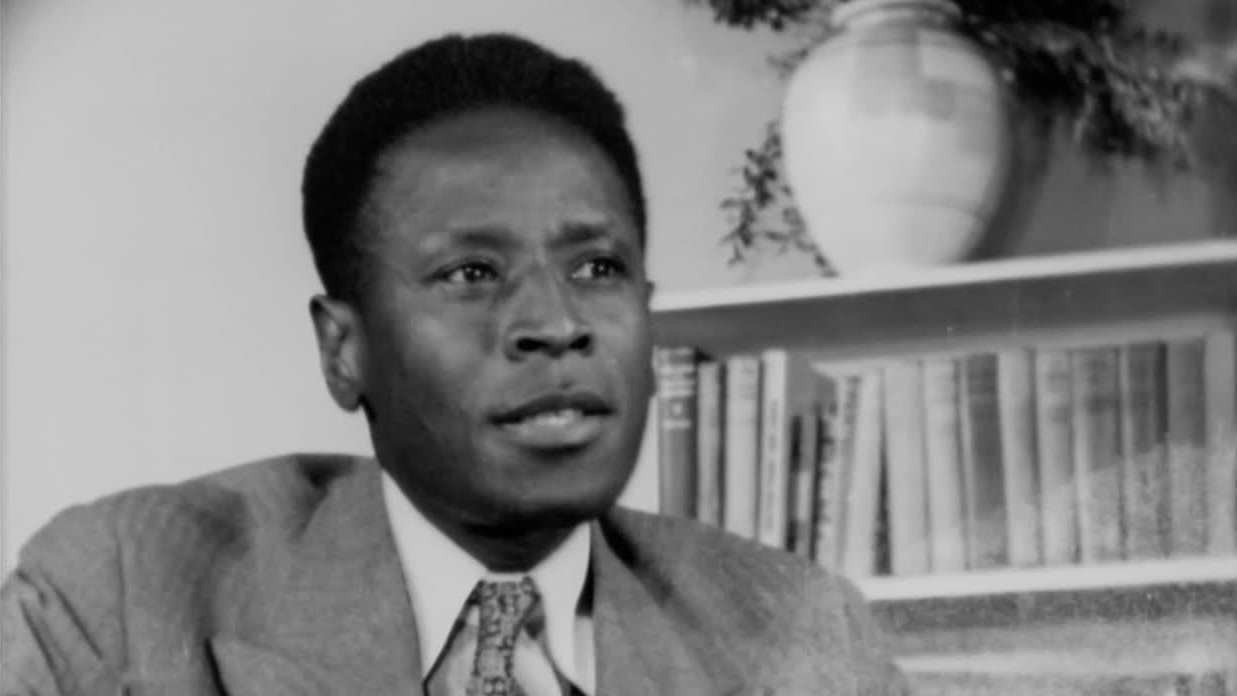
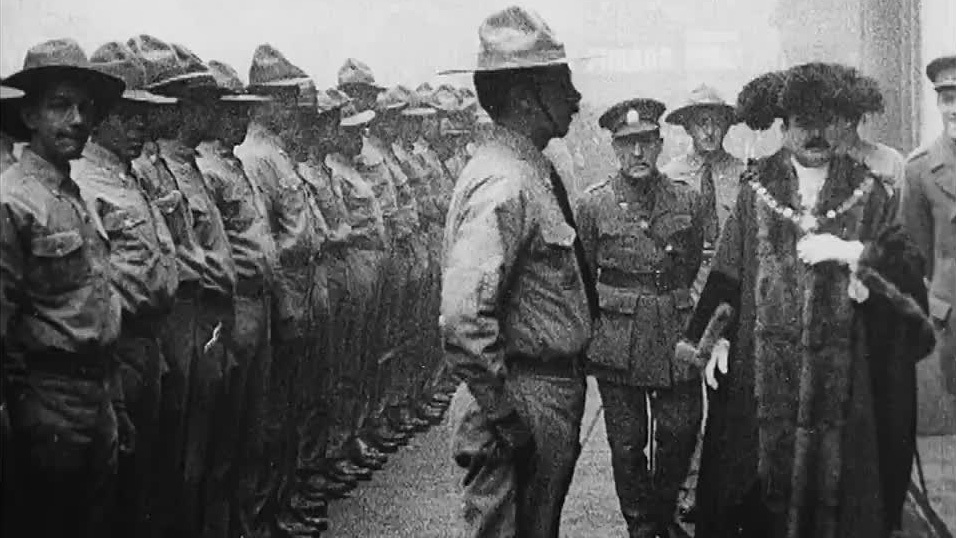
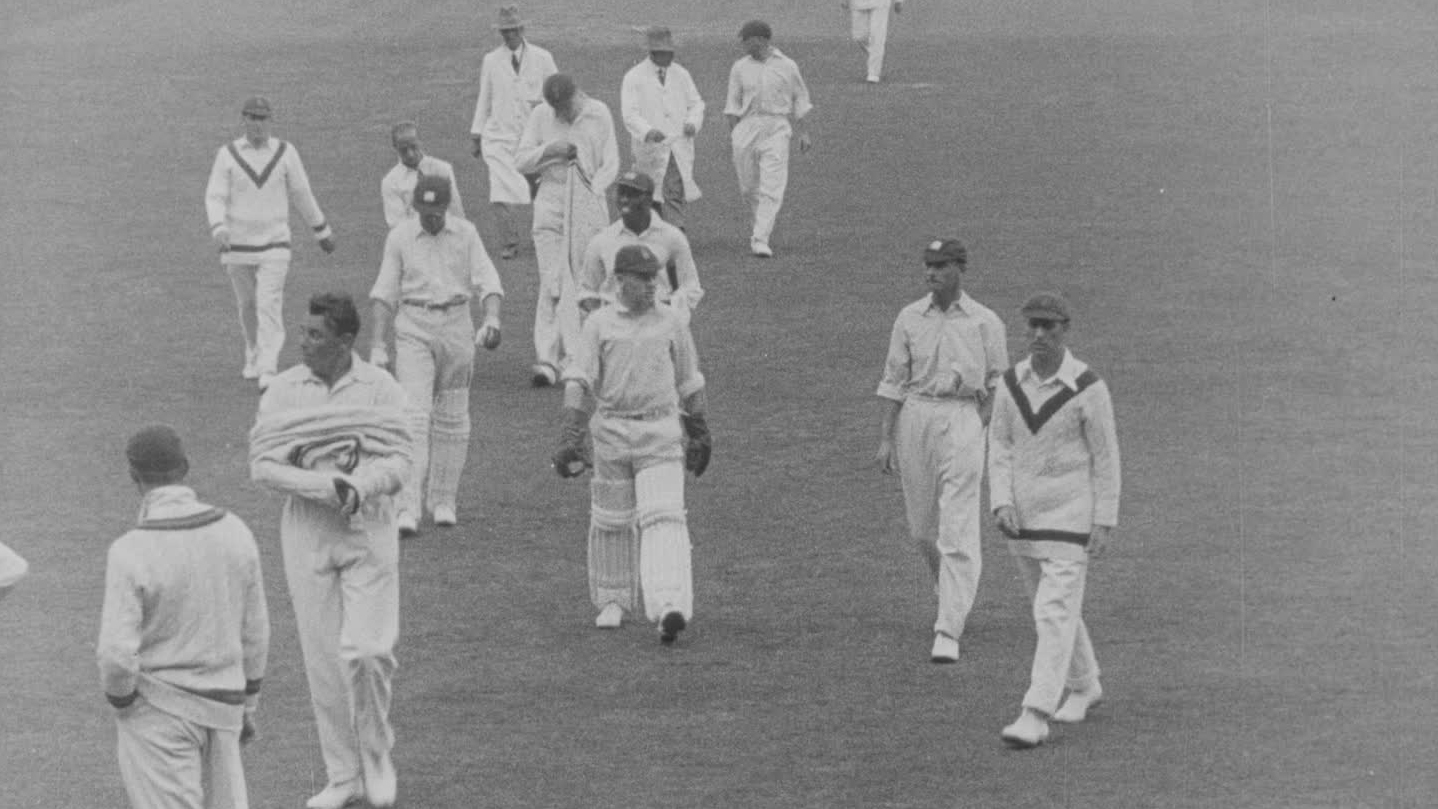
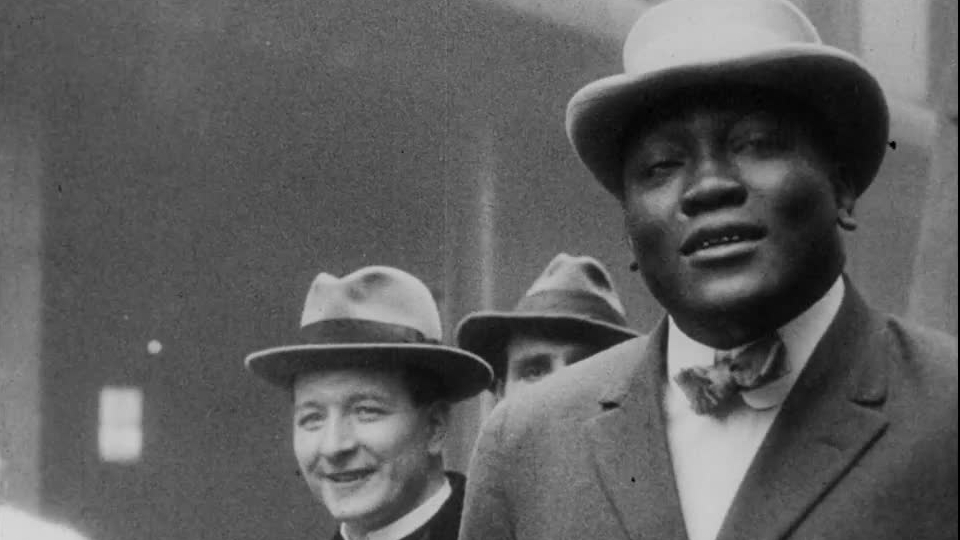
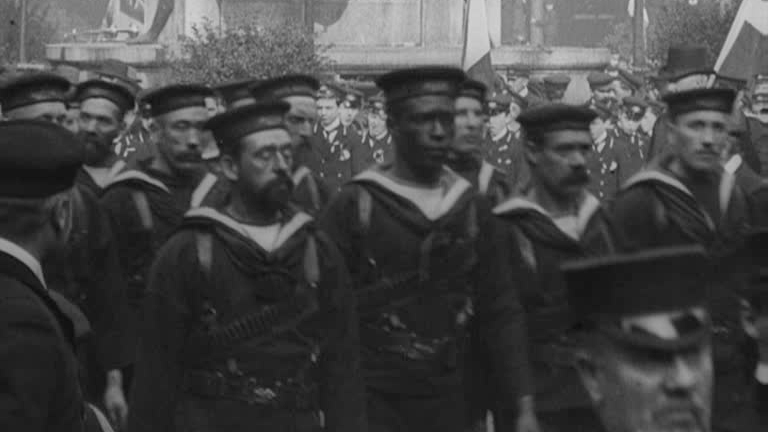
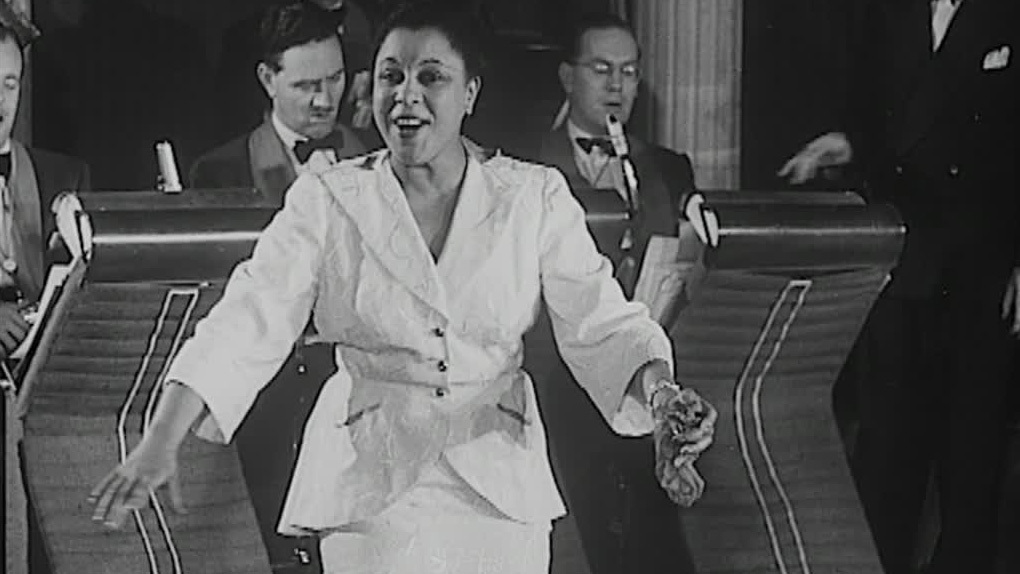
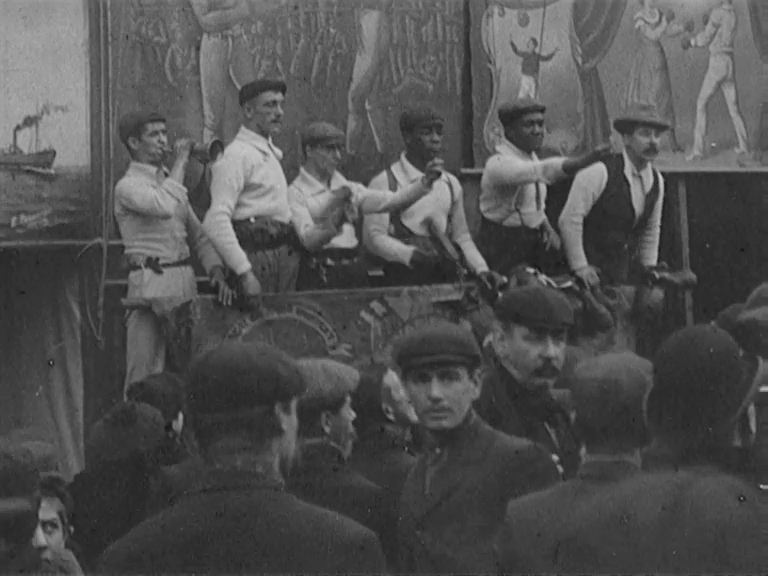
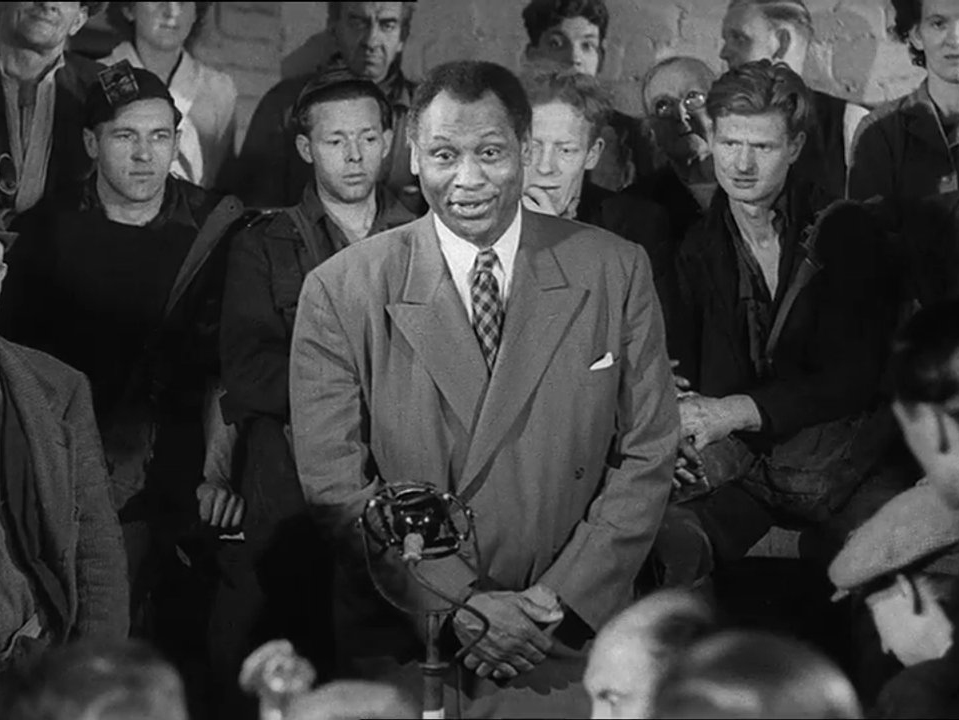
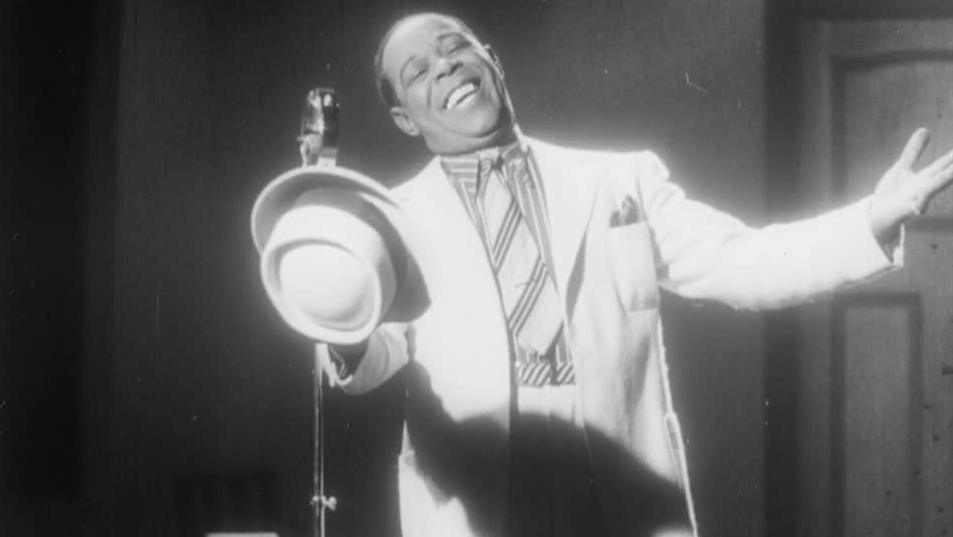
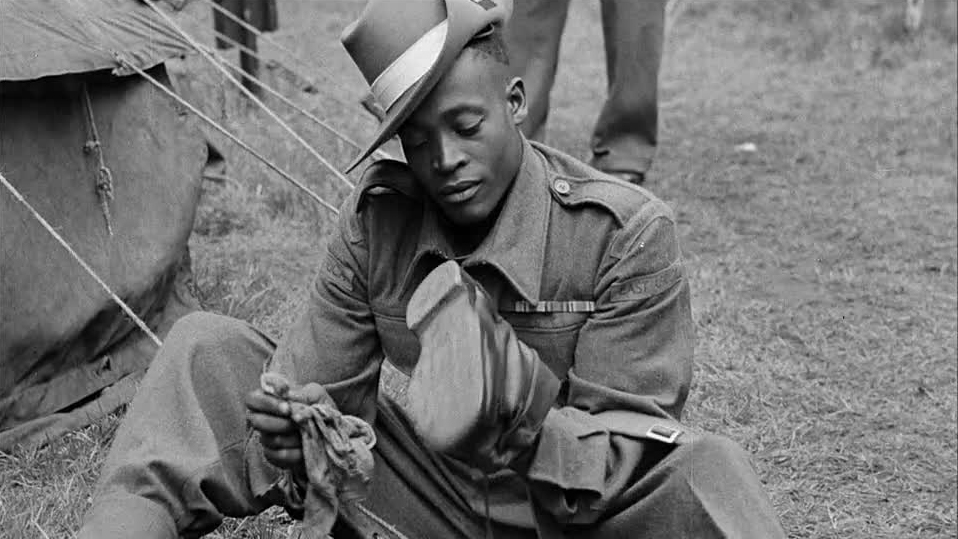
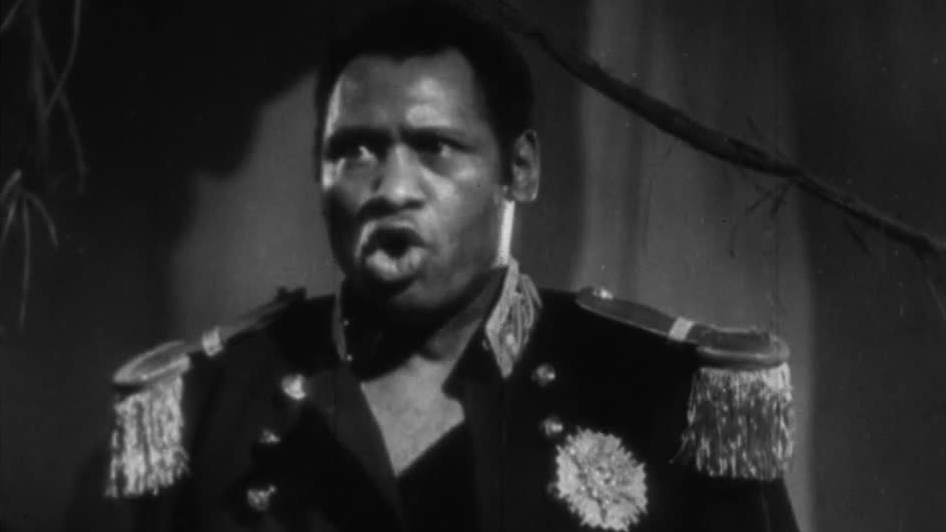
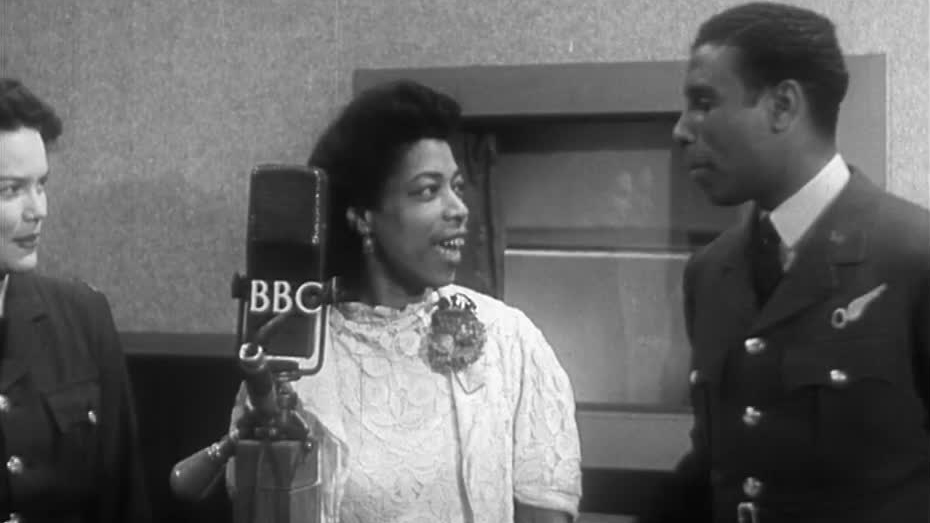
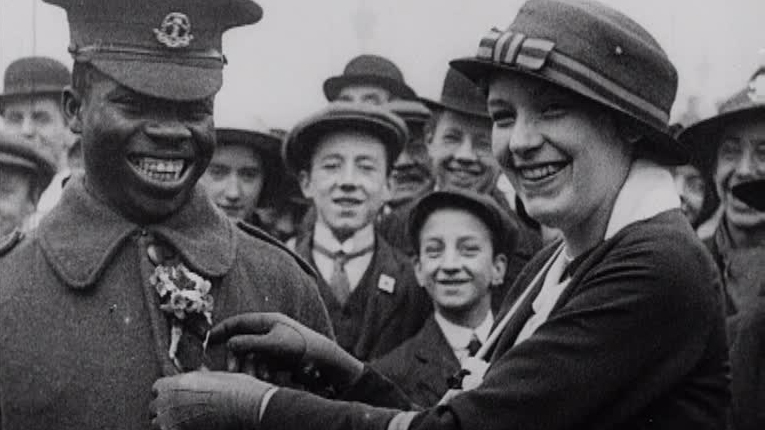
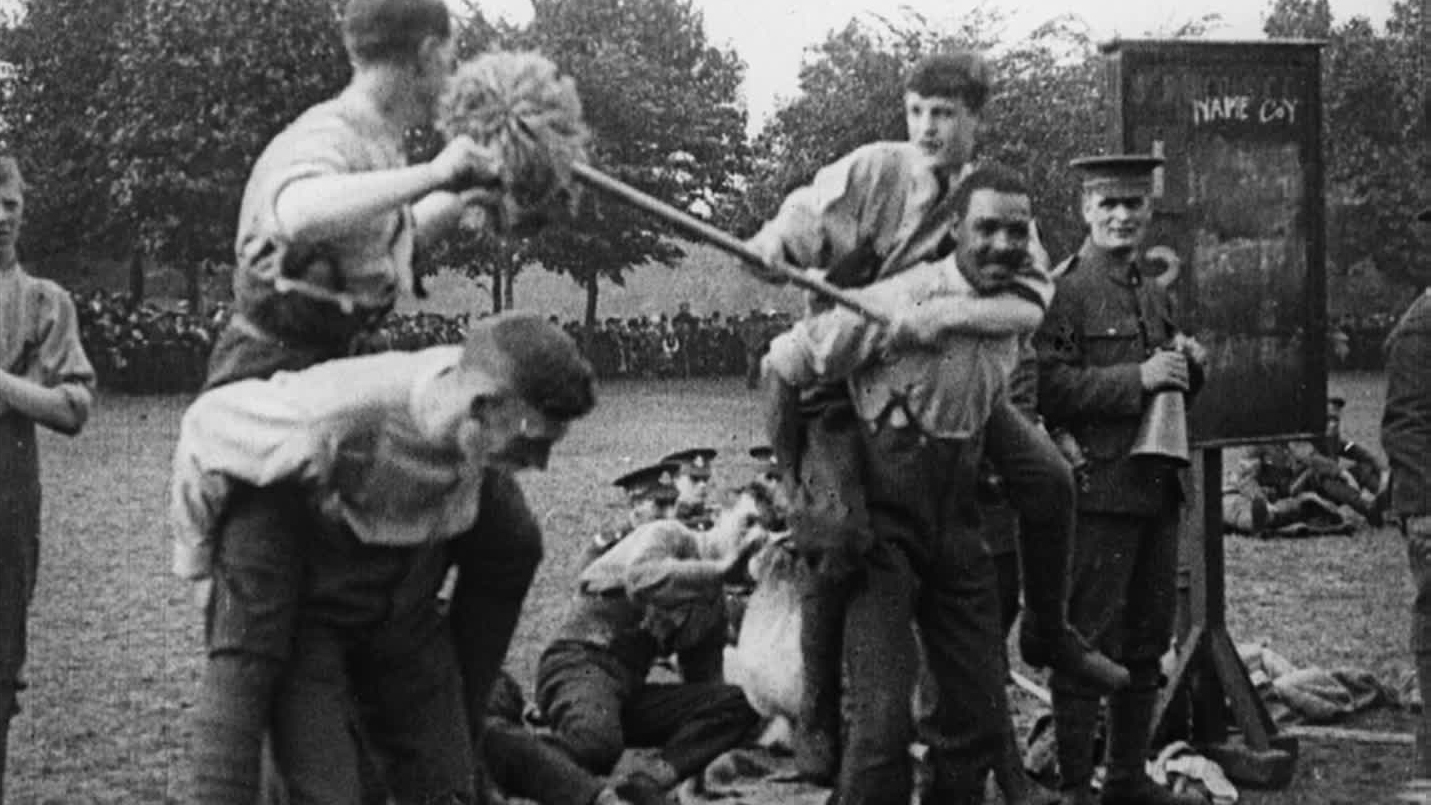
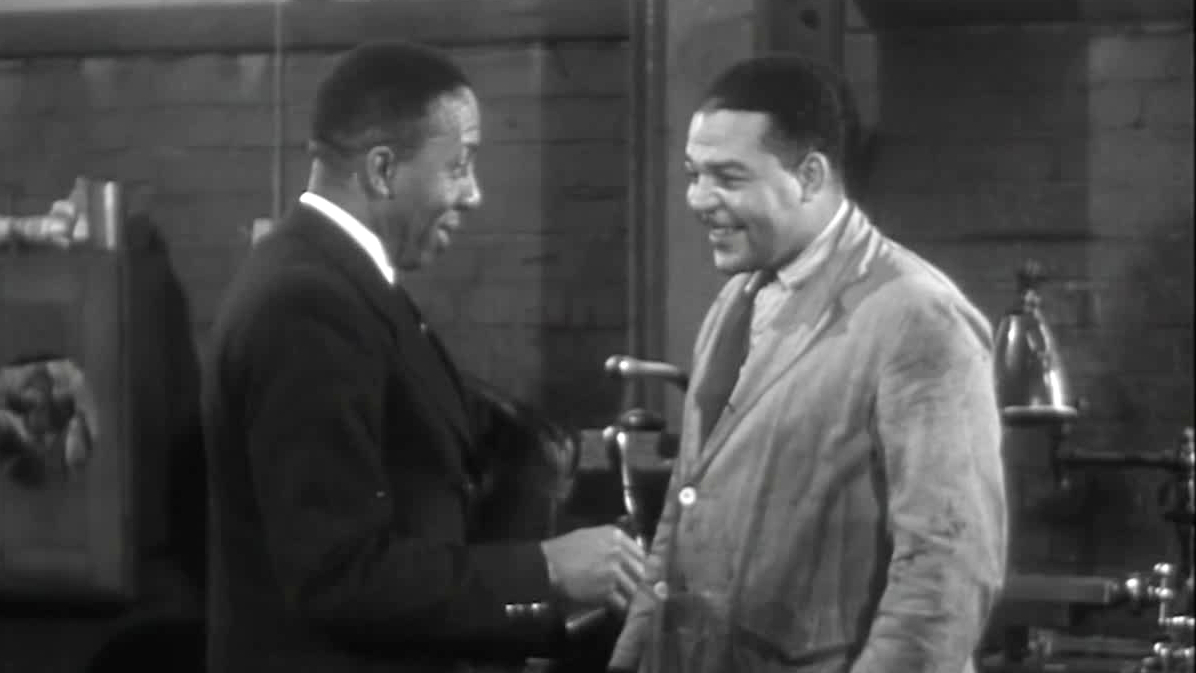
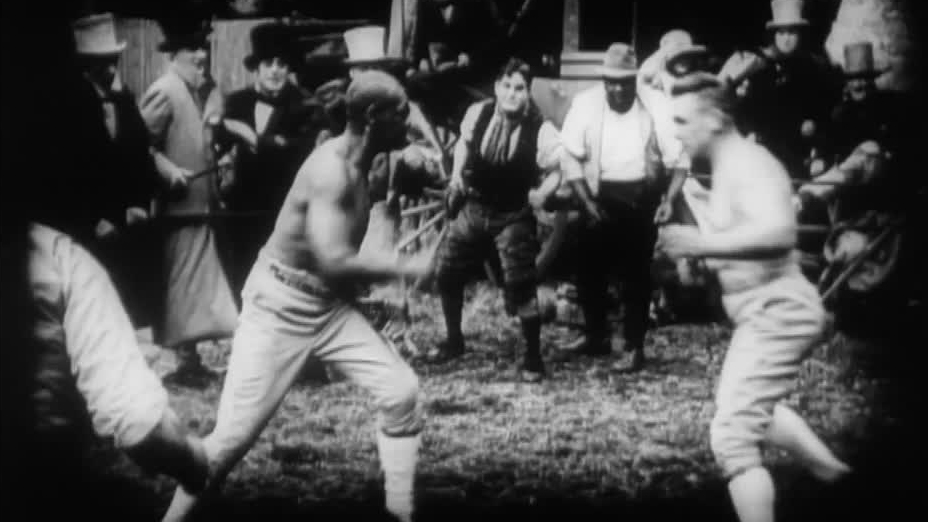
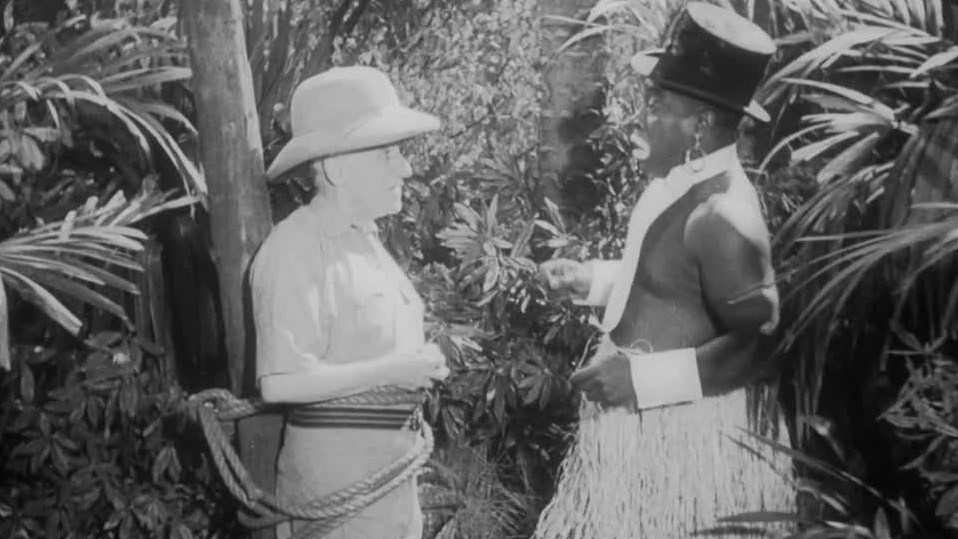
There was a substantial black presence in Britain long before the Empire Windrush arrived from Jamaica in June 1948. Some of the earliest moving images of black Britons survive in the extraordinary Mitchell and Kenyon collection from the dawn of the 20th century. WWI newsreels offered occasional glimpses of black soldiers from Britain - or more likely the Empire. In WWII the contribution of black servicemen and women was more prominently acknowledged in newsreels and documentaries. Between the wars, black performers began to make a splash, from music hall entertainers Scott & Whaley to Britain's first black screen star, US-born actor, singer and activist Paul Robeson. Stars like these had an easier time than many, but still faced unthinking stereotypes and prejudice. But they forged a path for others to follow. The films in this selection span some five decades, serving as a vital record of a much longer history of black people and culture in Britain than is often remembered.