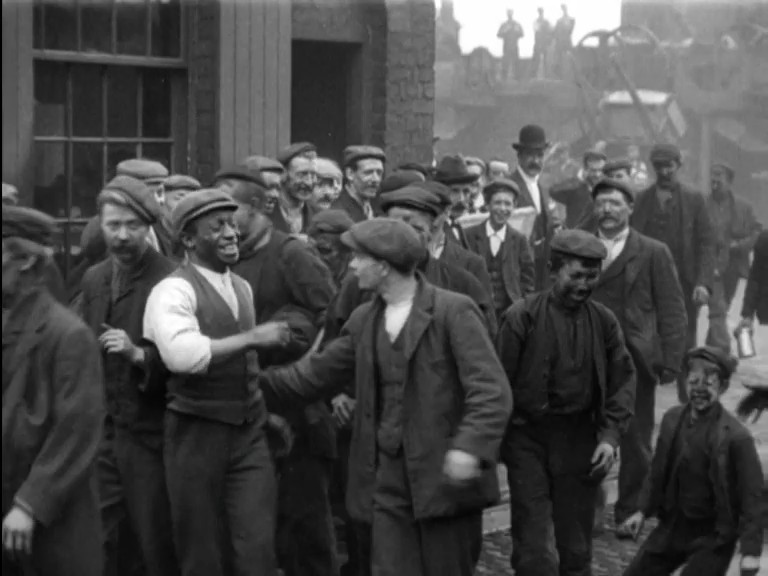
Miners Leaving Pendlebury Colliery (1901)
- Pendlebury
- 1901
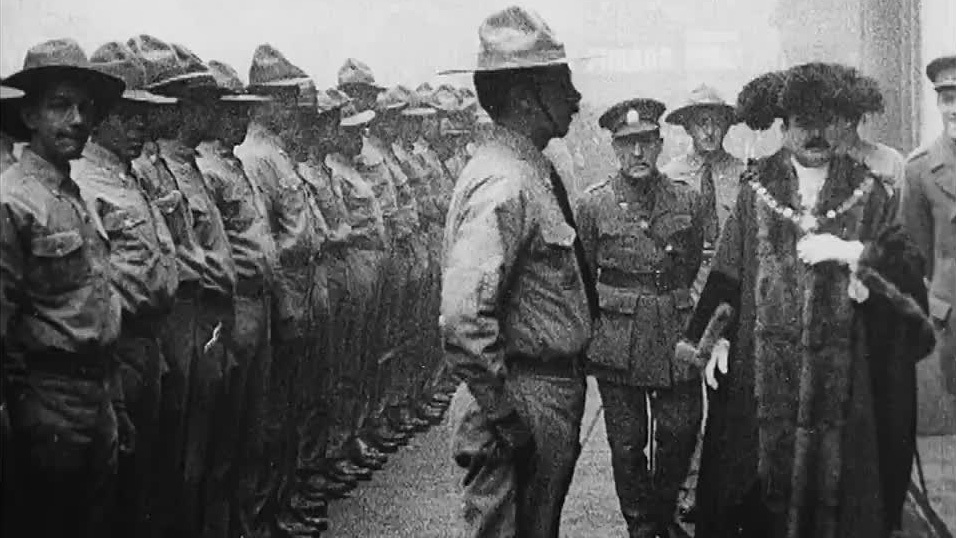
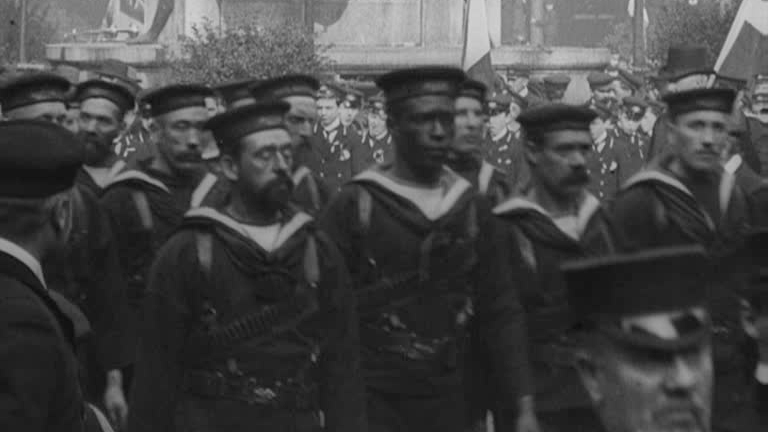
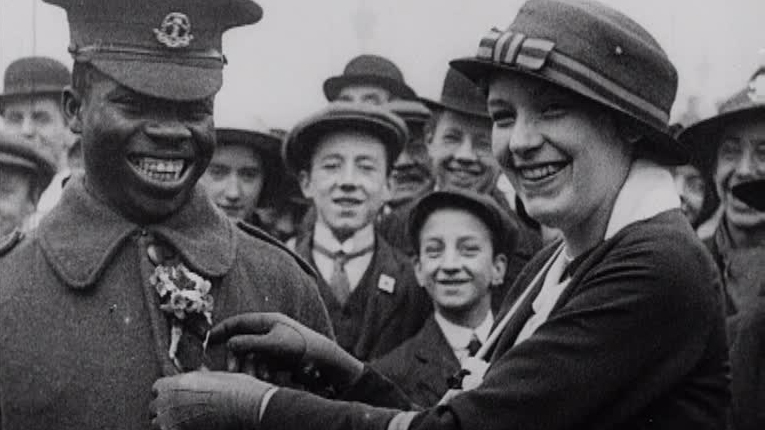
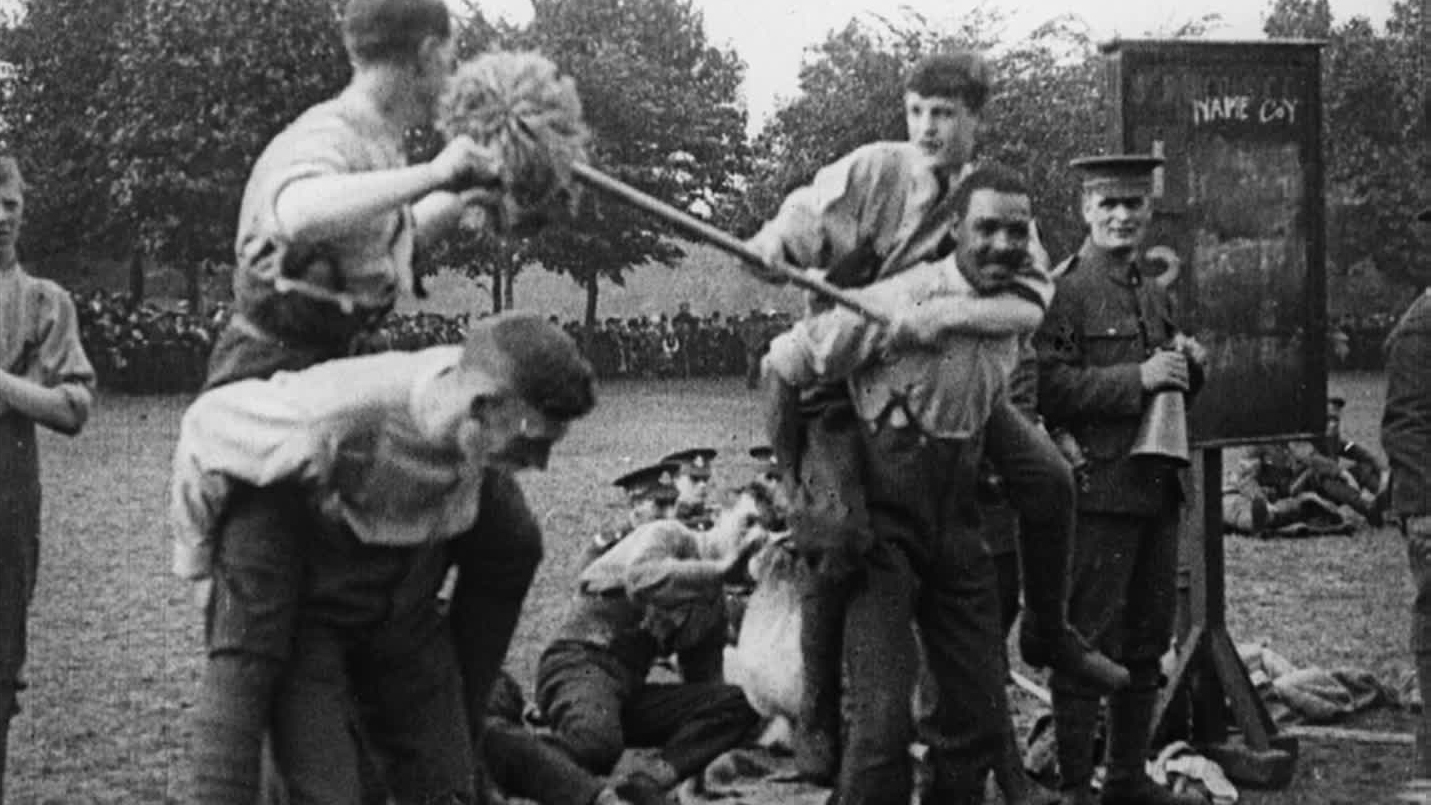
Colonial recruits from Trinidad meet the Lord Mayor of London during WWI
These Trinidadian soldiers are only a handful of the 15,600 men of the British West Indies Regiment who served in WWI. Having volunteered or been conscripted, many such soldiers saw active combat. Devastating casualty numbers meant Britain needed all the help from the Empire it could get, and yet despite their willingness to serve 'the mother country', many recruits suffered discrimination while on service. The ranks here are scrutinised by the Lord Mayor of London, Sir William Dunn, outside Mansion House.
Before WWI, British colonial troops had been used for imperial defence, but during this truly global conflict the BWIR joined Allied forces on the front line in Palestine and Jordan, as well as performing auxiliary duties in France, Italy and Egypt. The men who formed the 11 battalions of the Regiment came from Caribbean nations including Trinidad and Tobago, Jamaica, St Lucia, Grenada, Barbados and the Bahamas. Officers also came from the pre-existing West India Regiment, originally formed in 1795.
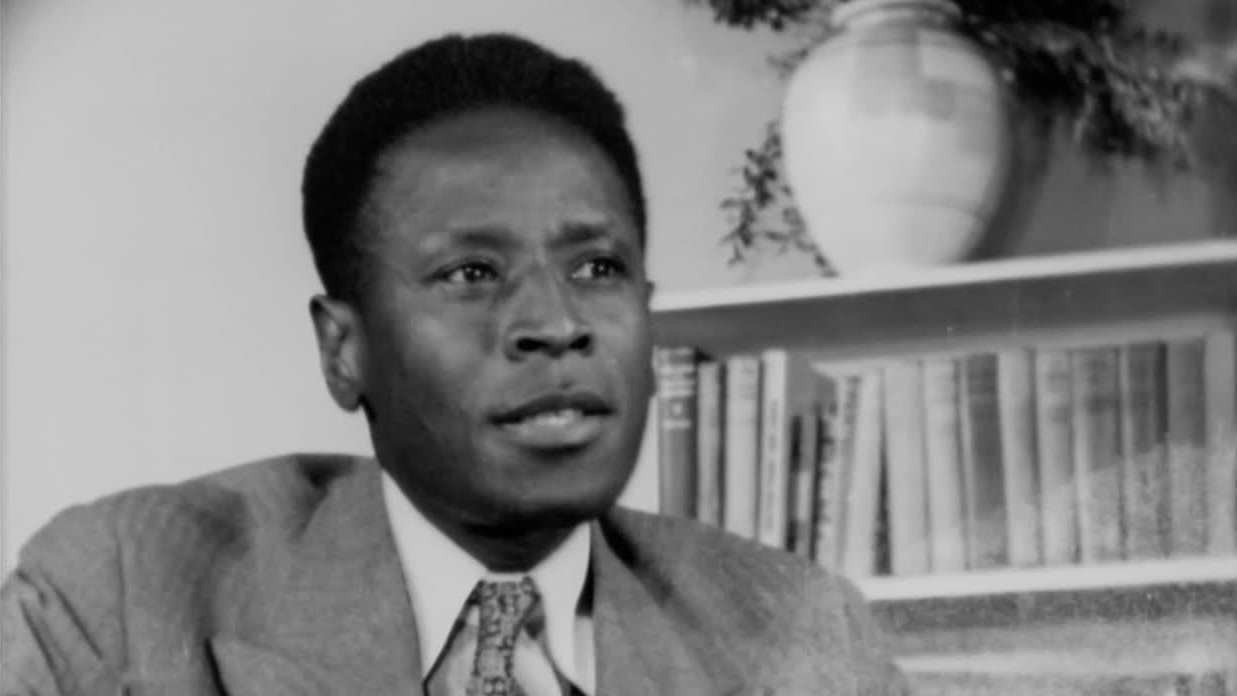
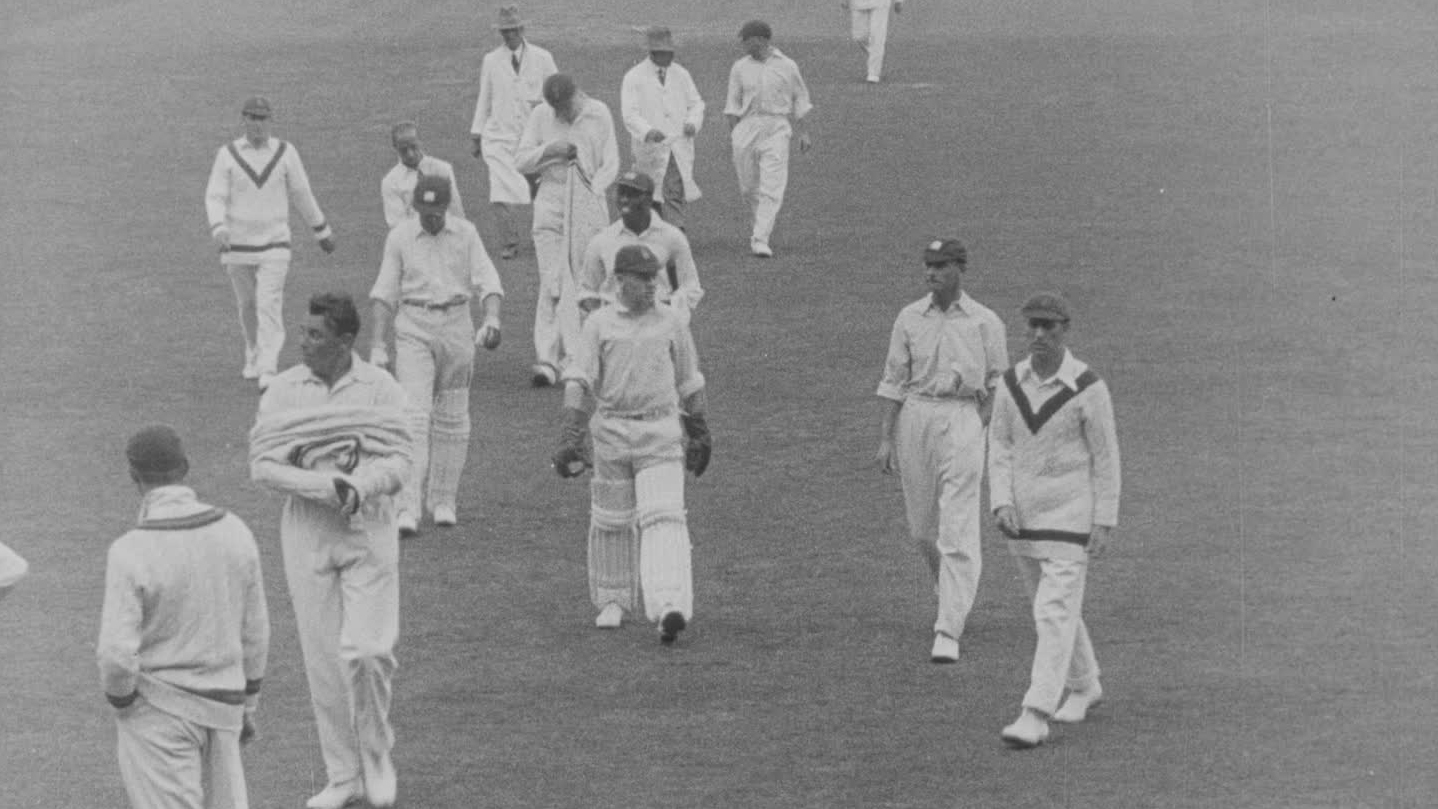
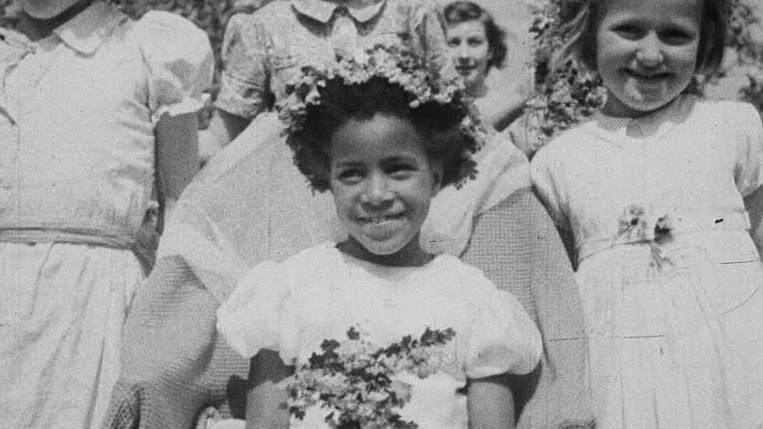
Precious glimpses and surprising rediscoveries: snapshots of black Britain in the decades before the great postwar migrations.
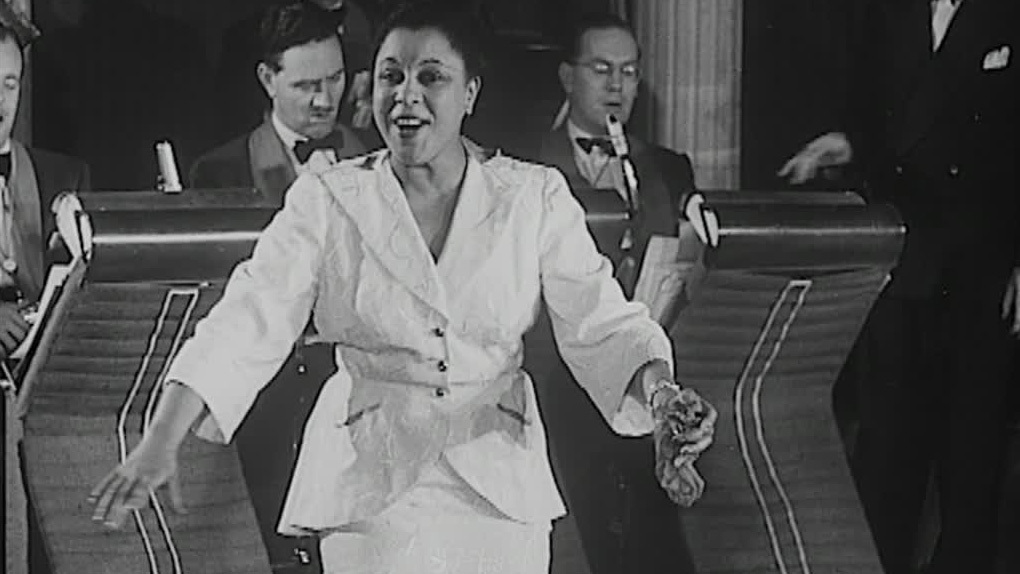
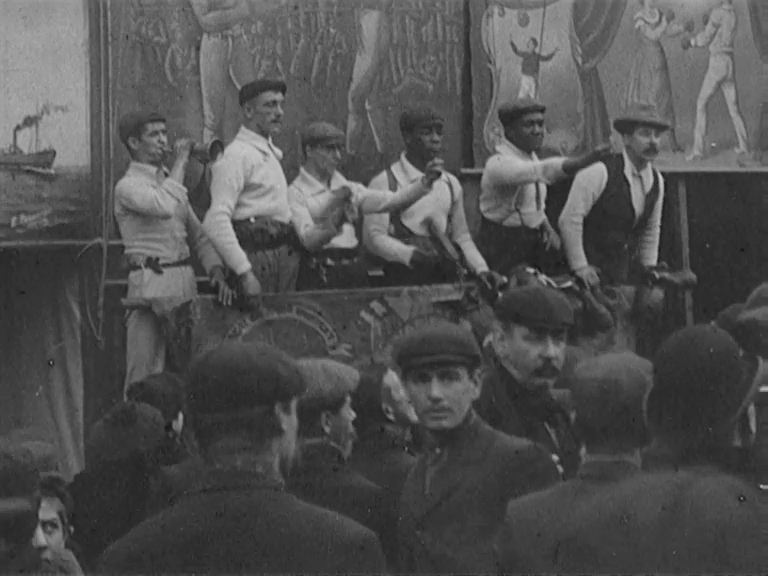
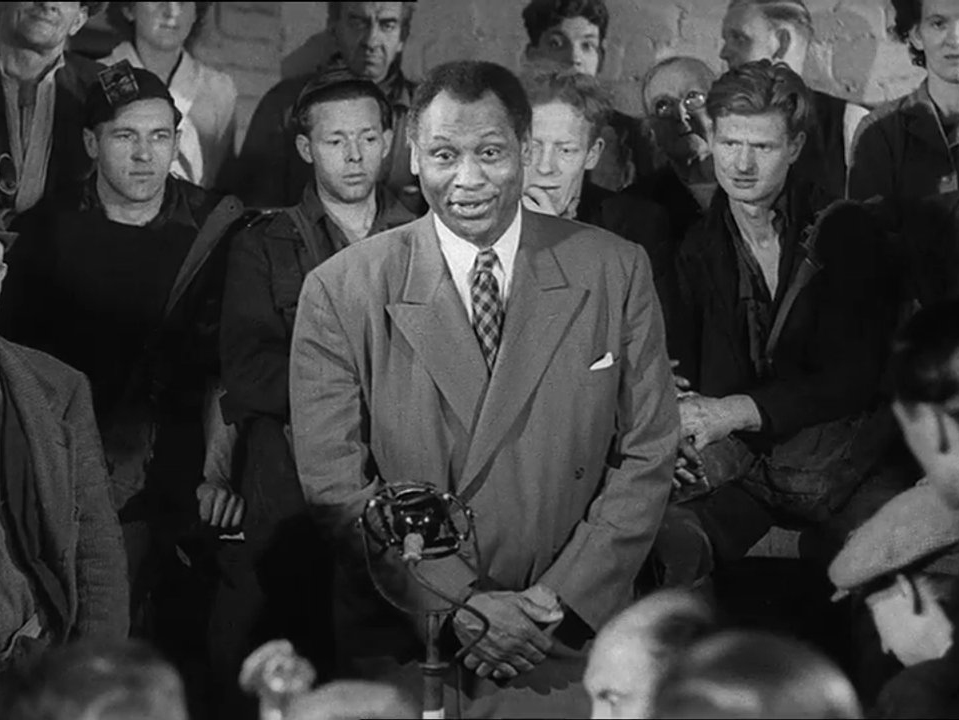
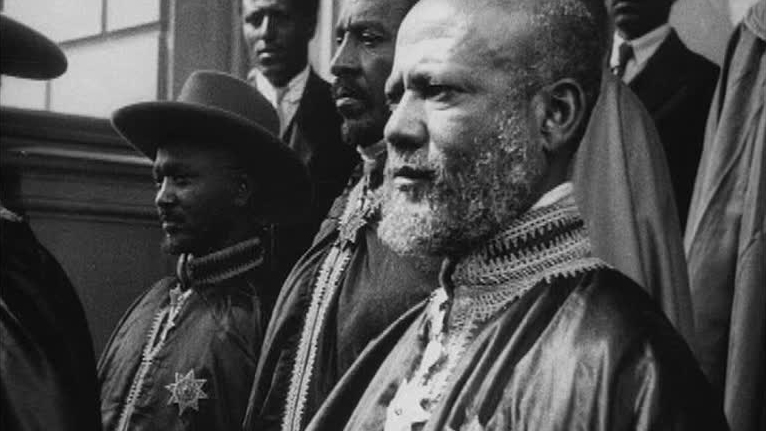
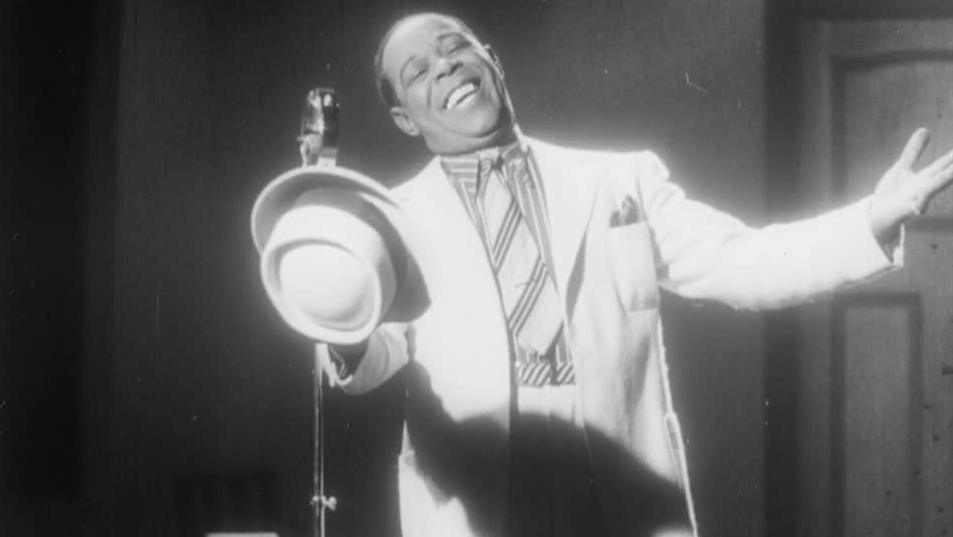
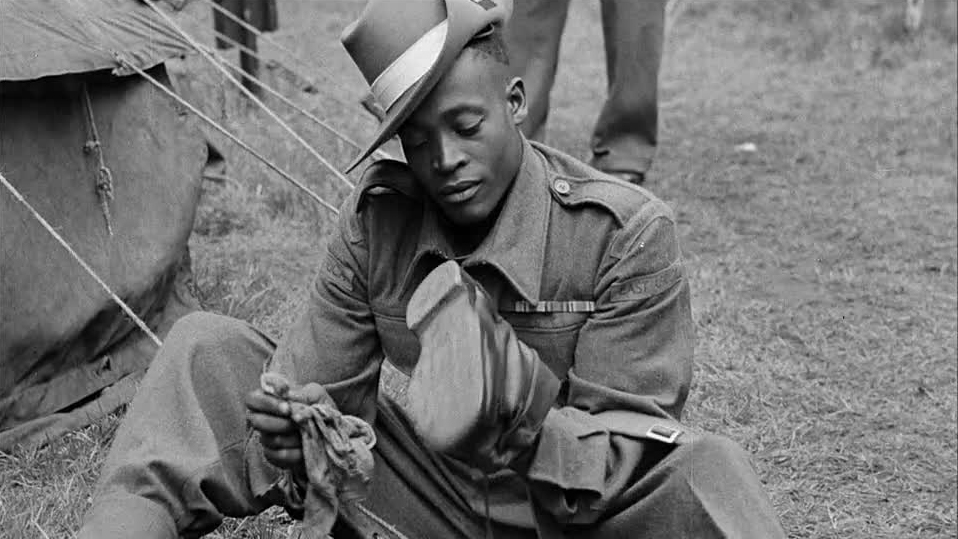
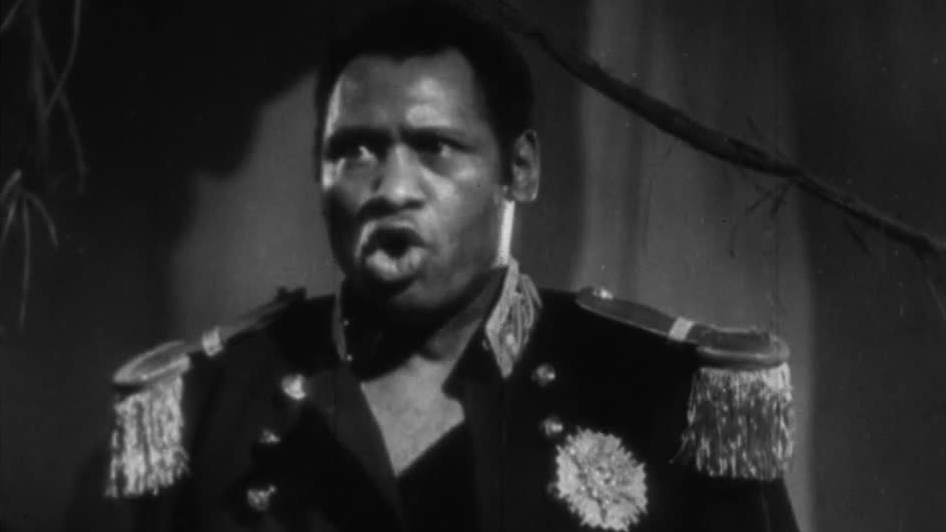
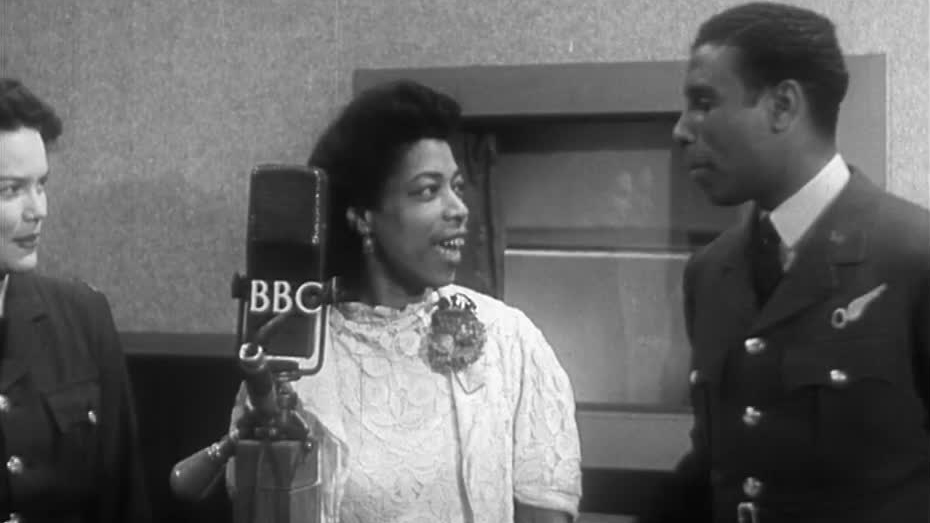
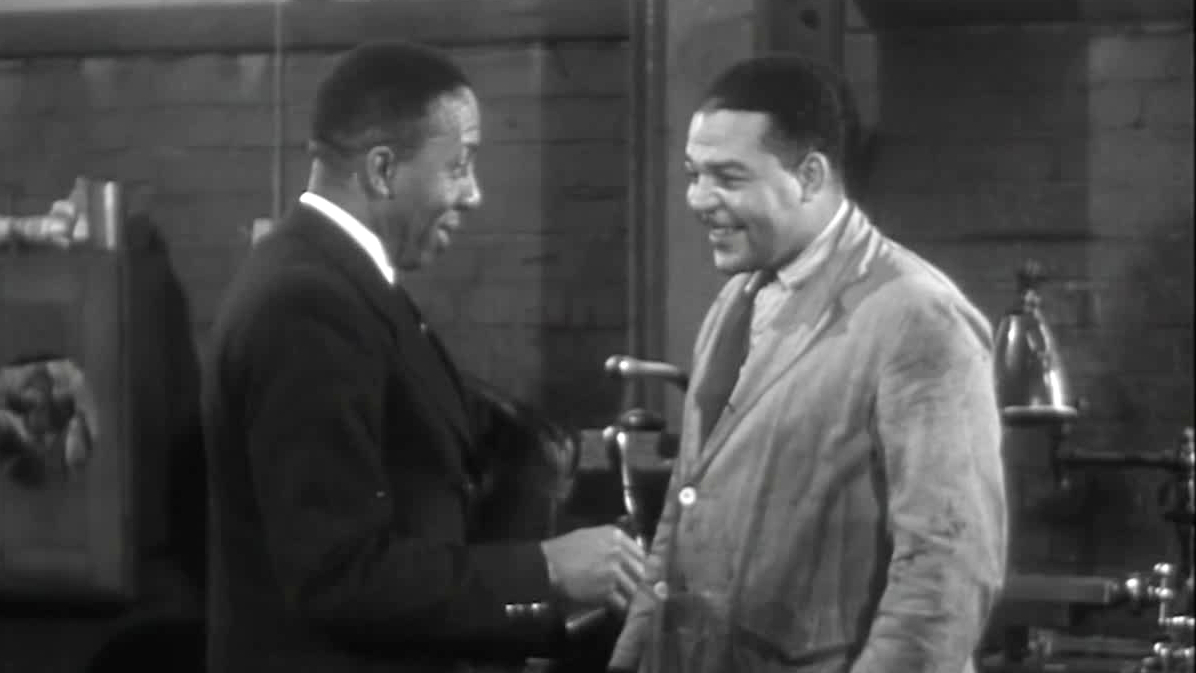
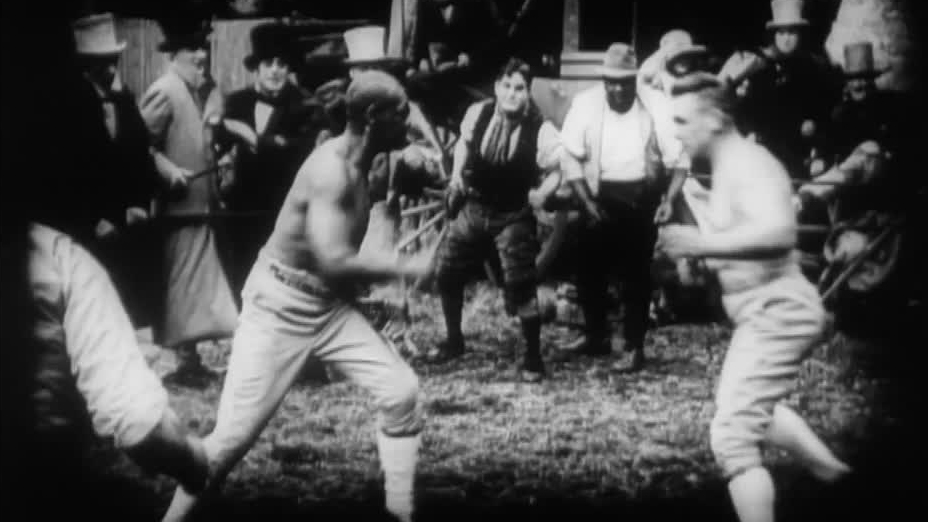
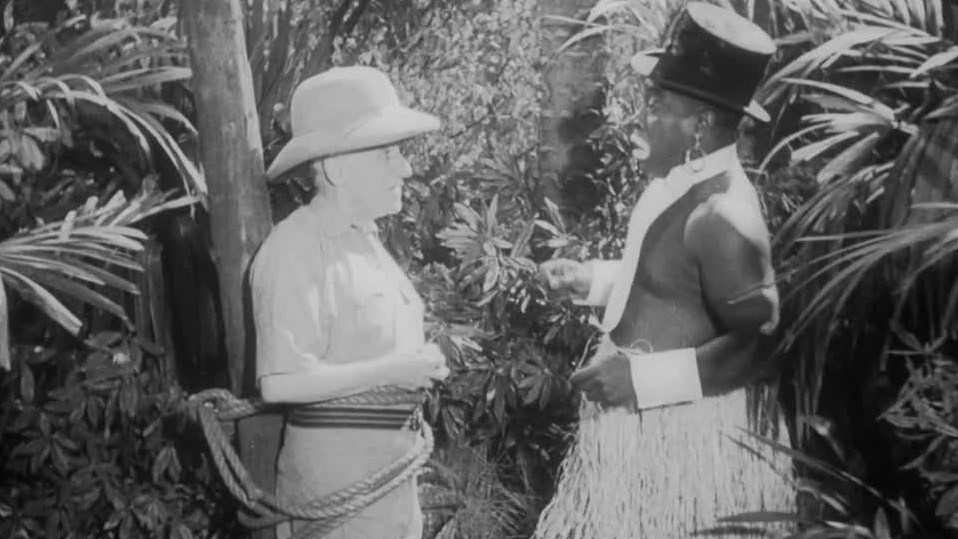
There was a substantial black presence in Britain long before the Empire Windrush arrived from Jamaica in June 1948. Some of the earliest moving images of black Britons survive in the extraordinary Mitchell and Kenyon collection from the dawn of the 20th century. WWI newsreels offered occasional glimpses of black soldiers from Britain - or more likely the Empire. In WWII the contribution of black servicemen and women was more prominently acknowledged in newsreels and documentaries. Between the wars, black performers began to make a splash, from music hall entertainers Scott & Whaley to Britain's first black screen star, US-born actor, singer and activist Paul Robeson. Stars like these had an easier time than many, but still faced unthinking stereotypes and prejudice. But they forged a path for others to follow. The films in this selection span some five decades, serving as a vital record of a much longer history of black people and culture in Britain than is often remembered.