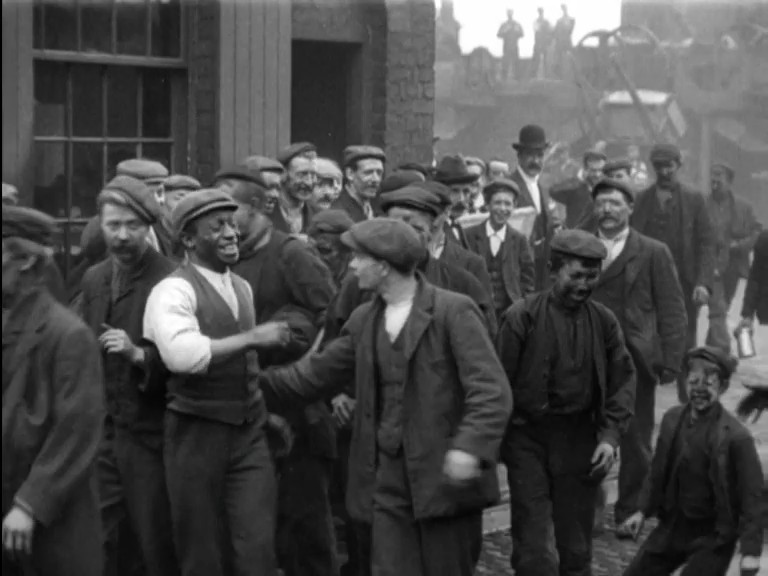
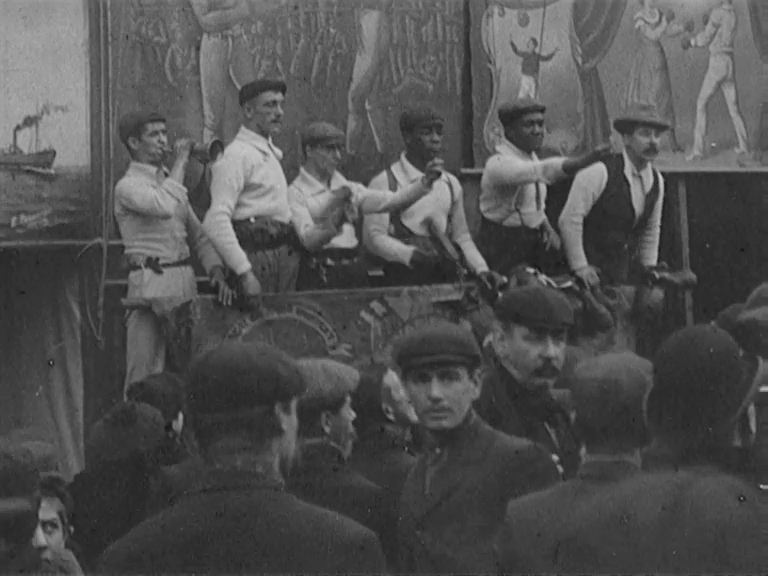
Miners Leaving Pendlebury Colliery (1901)
- Pendlebury
- 1901
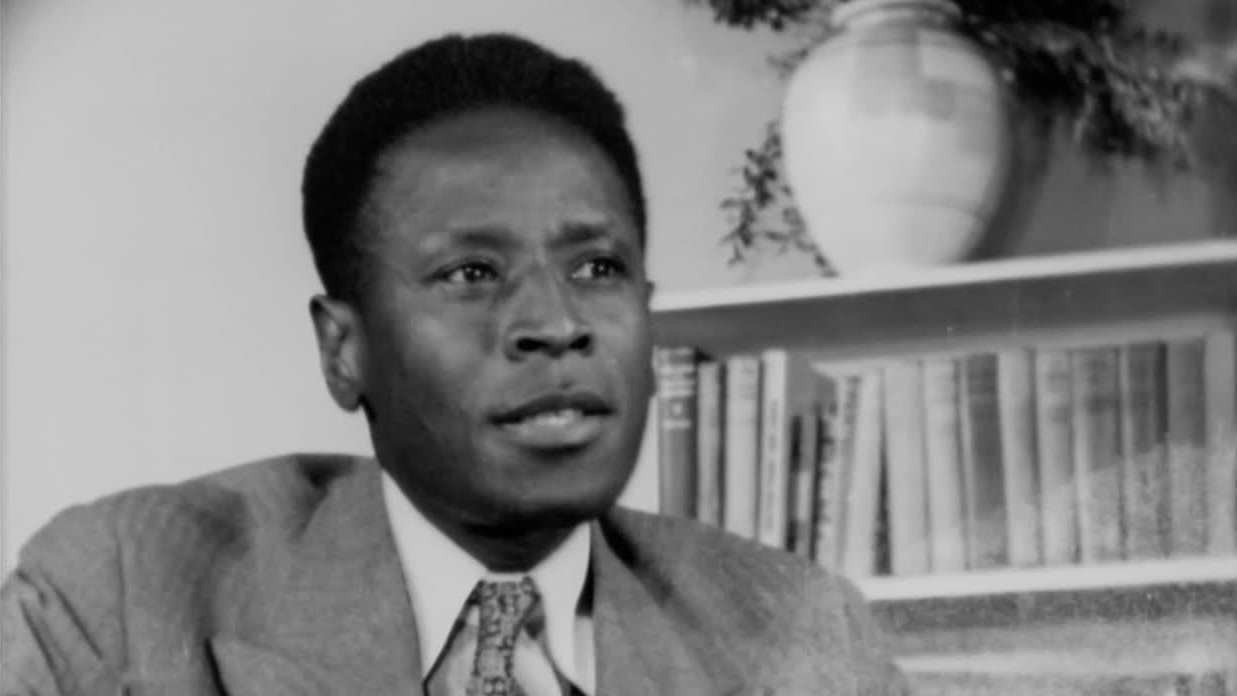
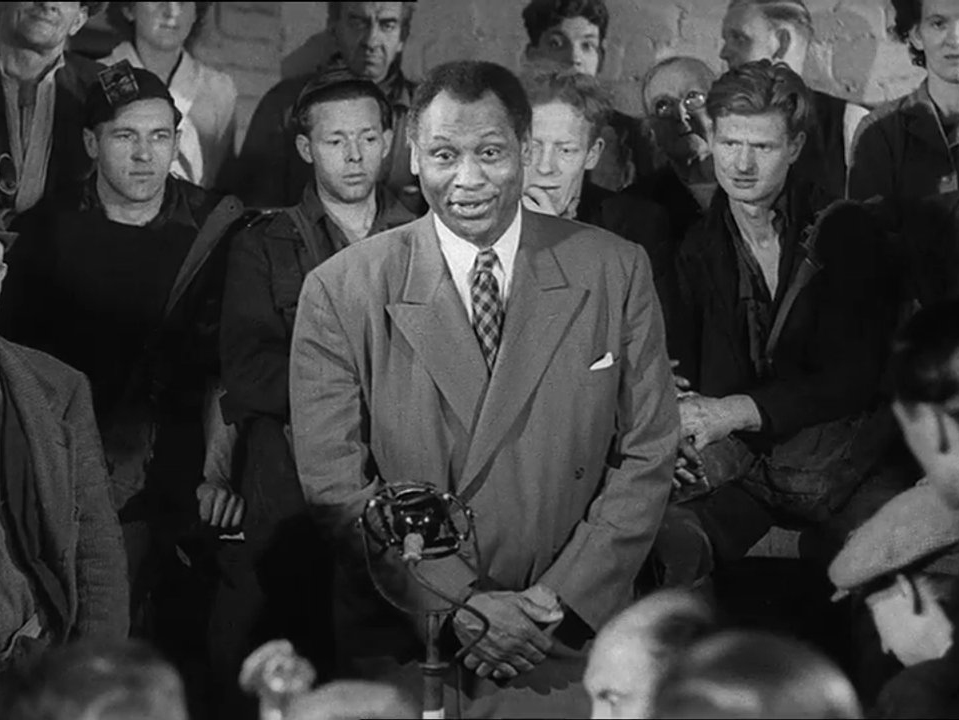
American actor and singer Paul Robeson visits an Edinburgh colliery, where he regales miners with a rendition of 'I Dreamed I Saw Joe Hall Last Night'.
The highlight of this 1949 issue is the visit of American actor and singer Paul Robeson to Woolmet Colliery near Edinburgh. Robeson was also a renowned (and often persecuted) left-wing political activist and he made several visits to British mining communities. On this occasion he sings 'I Dreamed I Saw Joe Hall Last Night' for miners in the canteen, a song about an American trade unionist who was allegedly framed on a murder charge and executed in 1915.
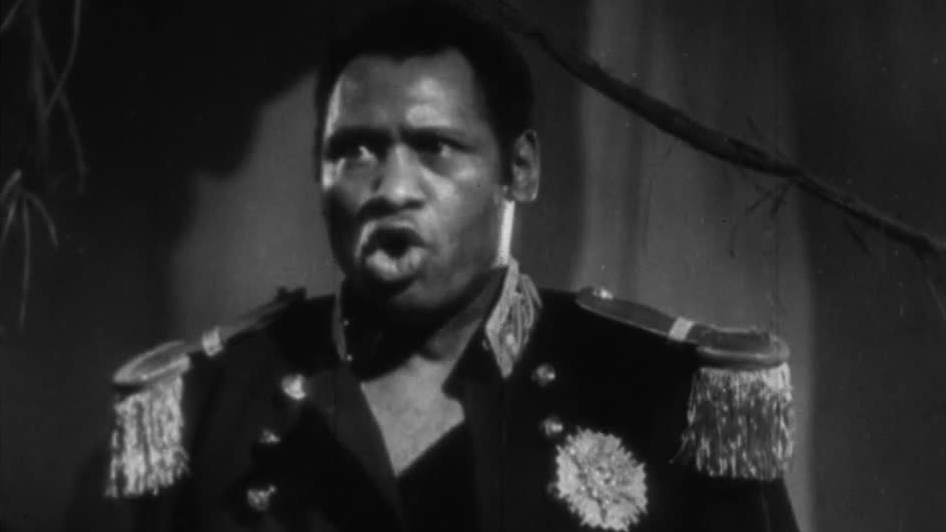
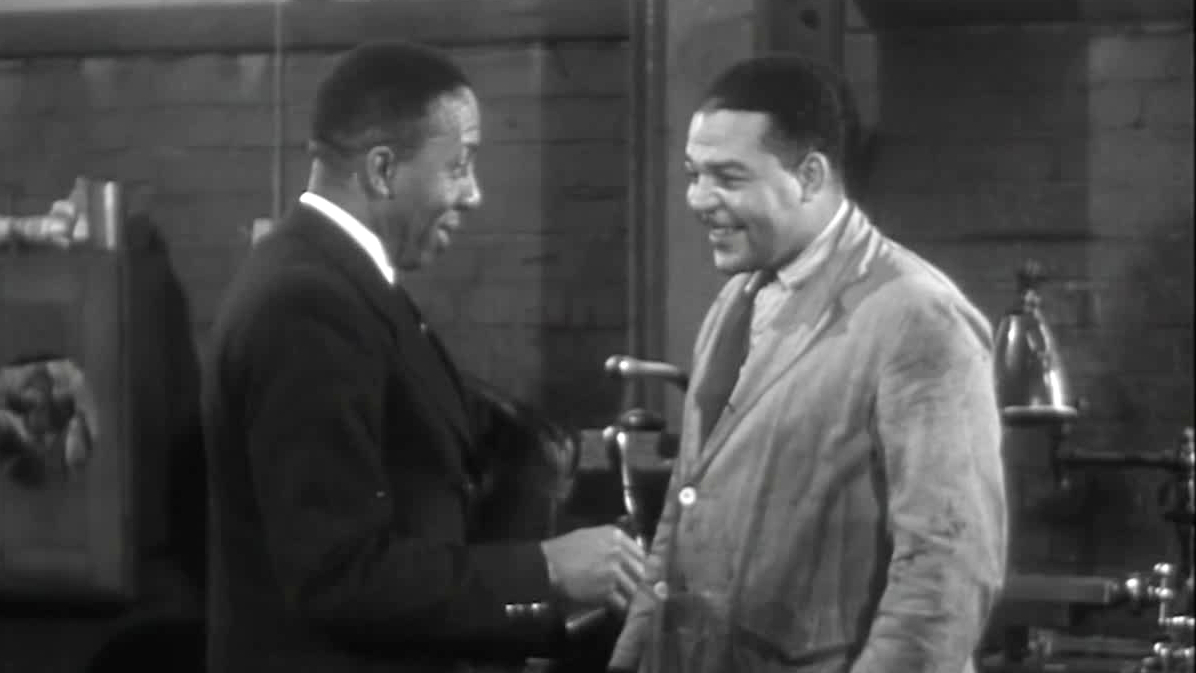
Robeson had long been something of a hero to the British mining community, ever since he starred in the film Proud Valley (d. Pen Tennyson, 1940) as an American sailor stranded in Cardiff who finds work in a Welsh colliery (the newsreel opens with a short clip from the film).The other segments of the newsreel are Safety First, a report on reducing accidents in mines, and Paying For It; an item on the increasing cost of coal.
Precious glimpses and surprising rediscoveries: snapshots of black Britain in the decades before the great postwar migrations.
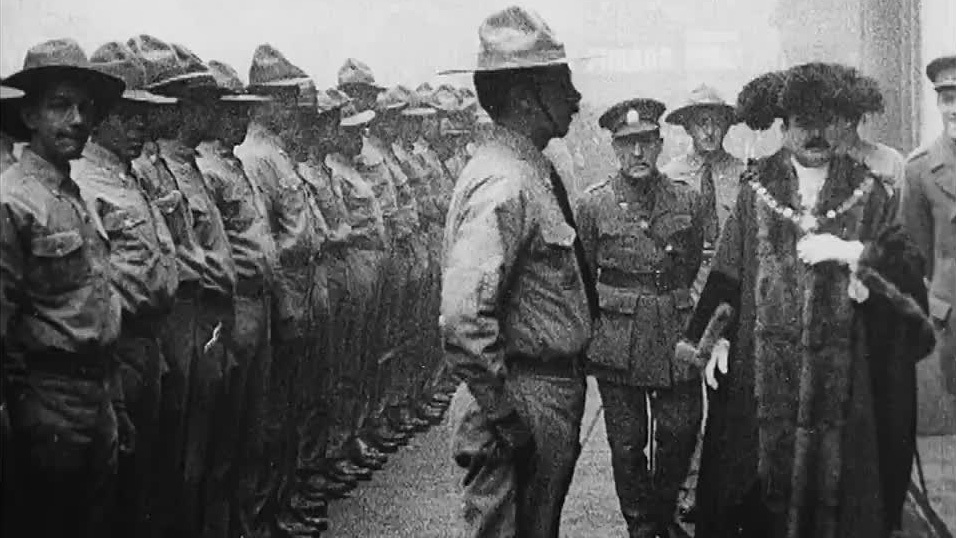
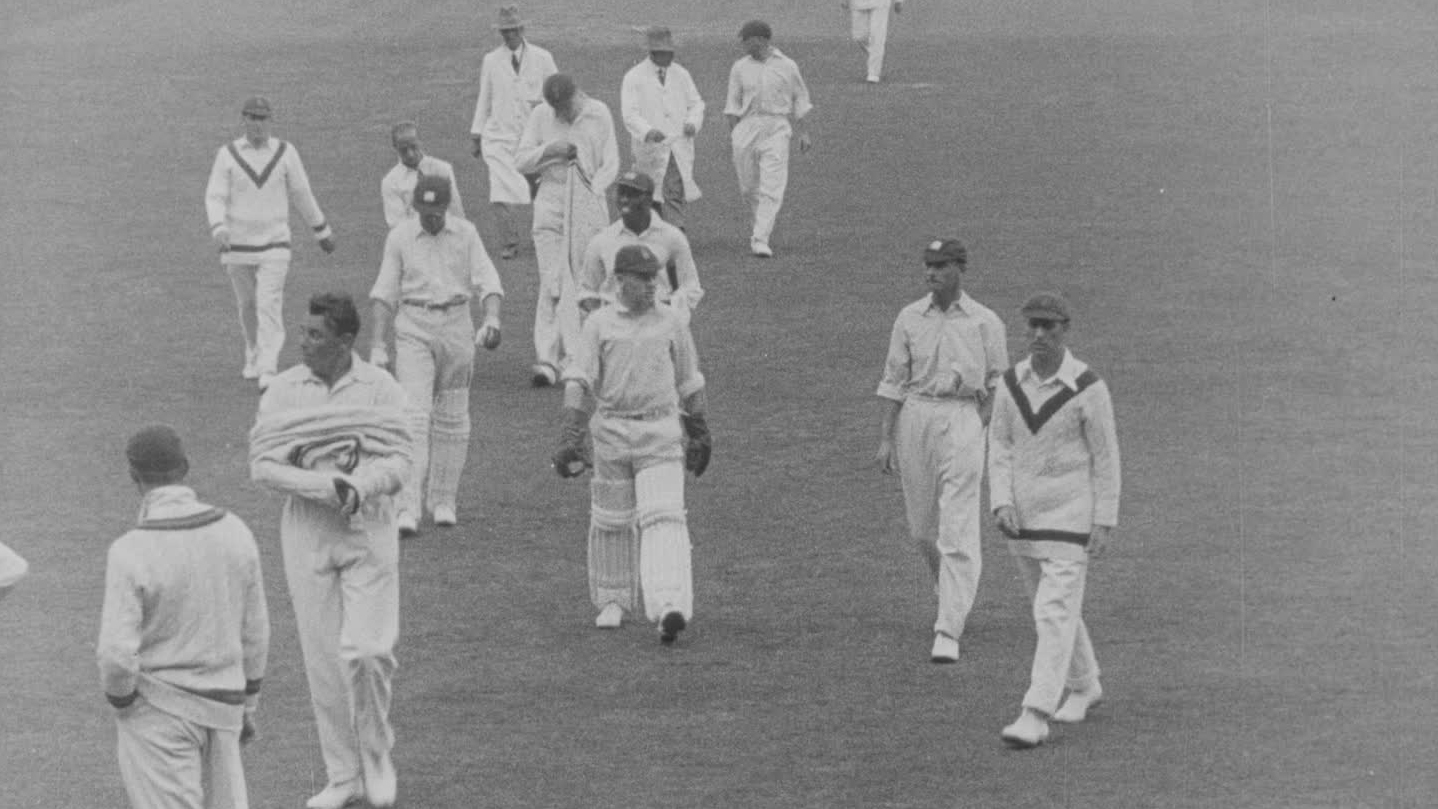
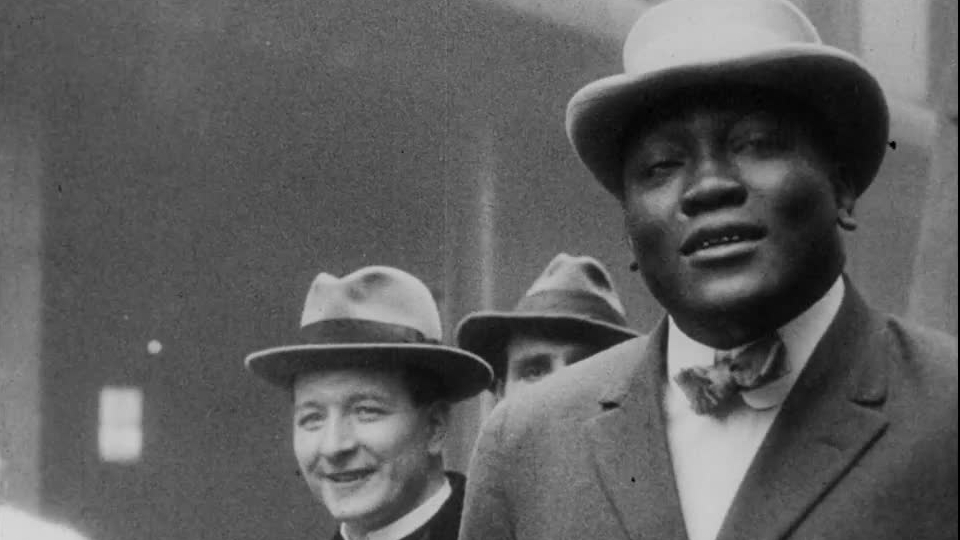
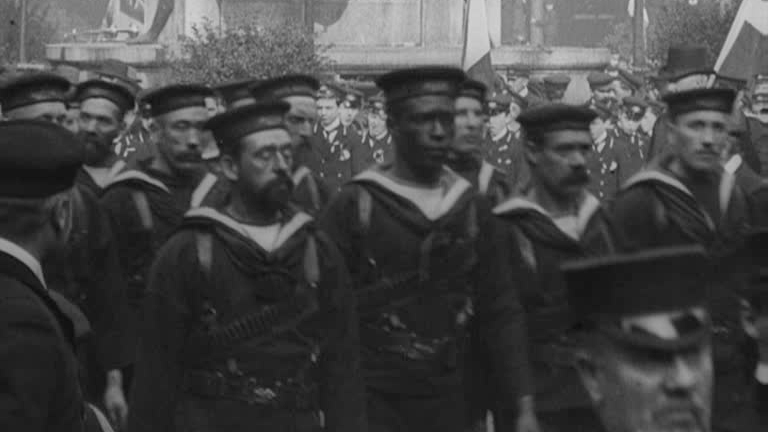
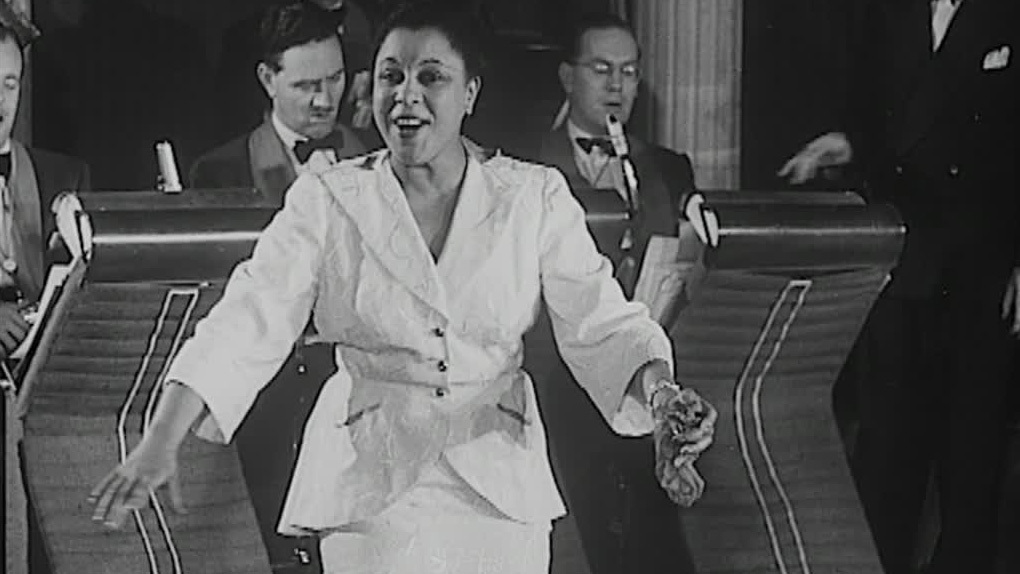
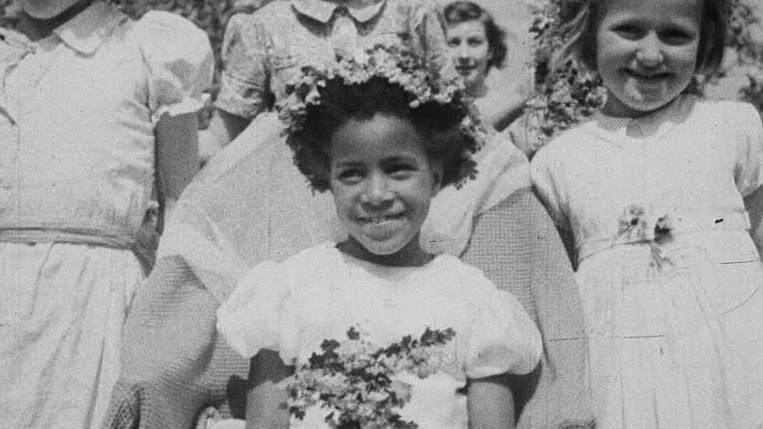
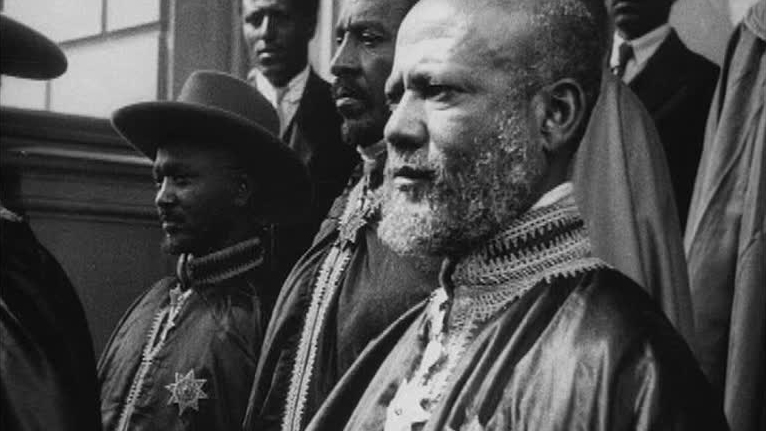
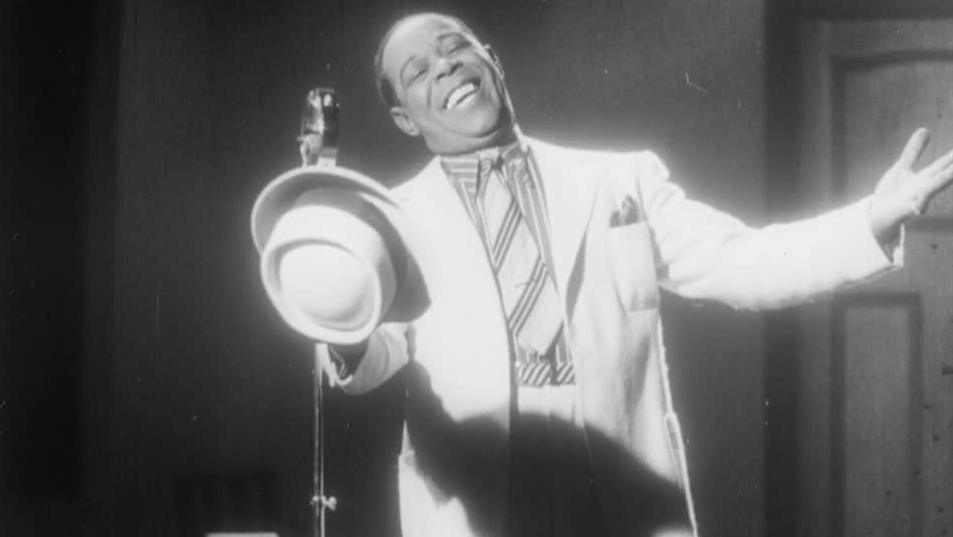
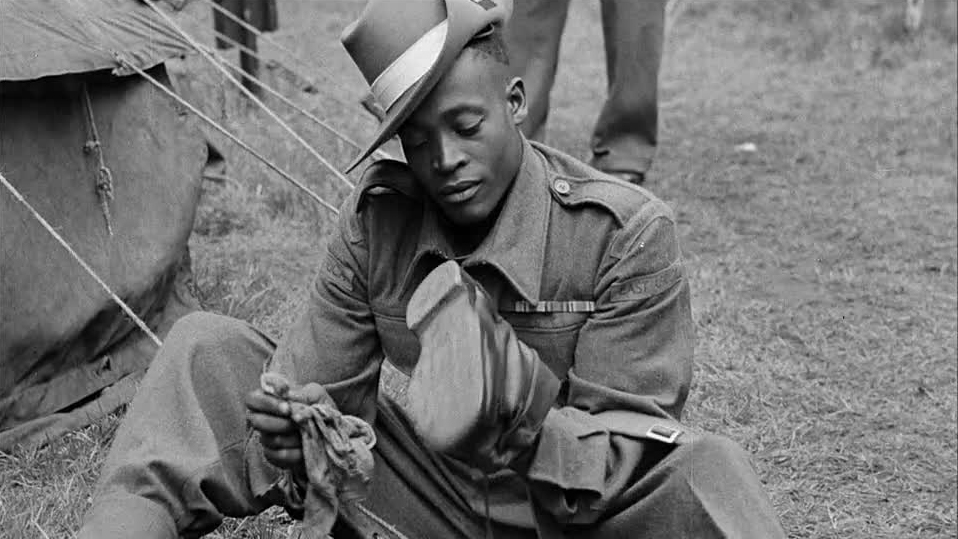
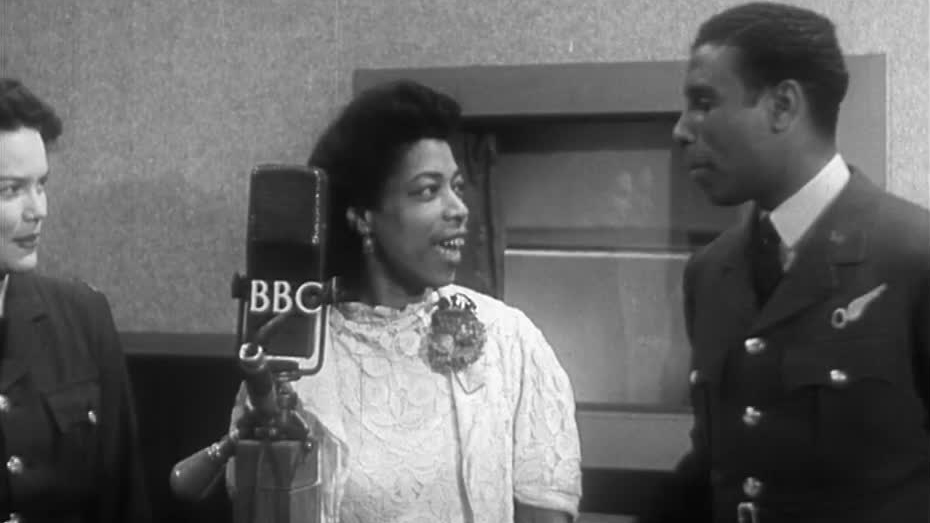
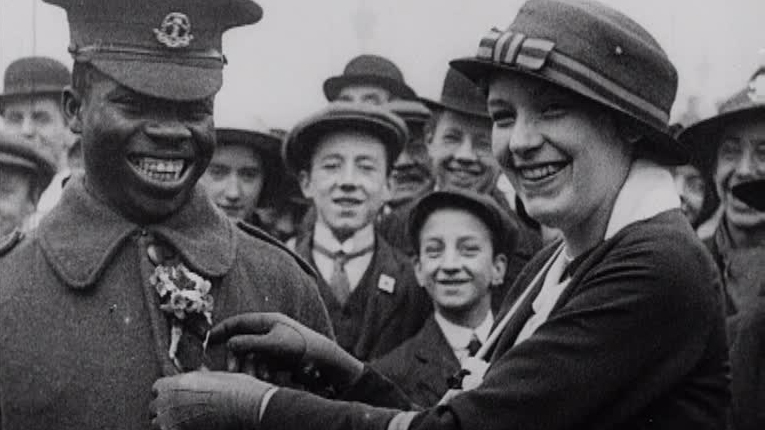
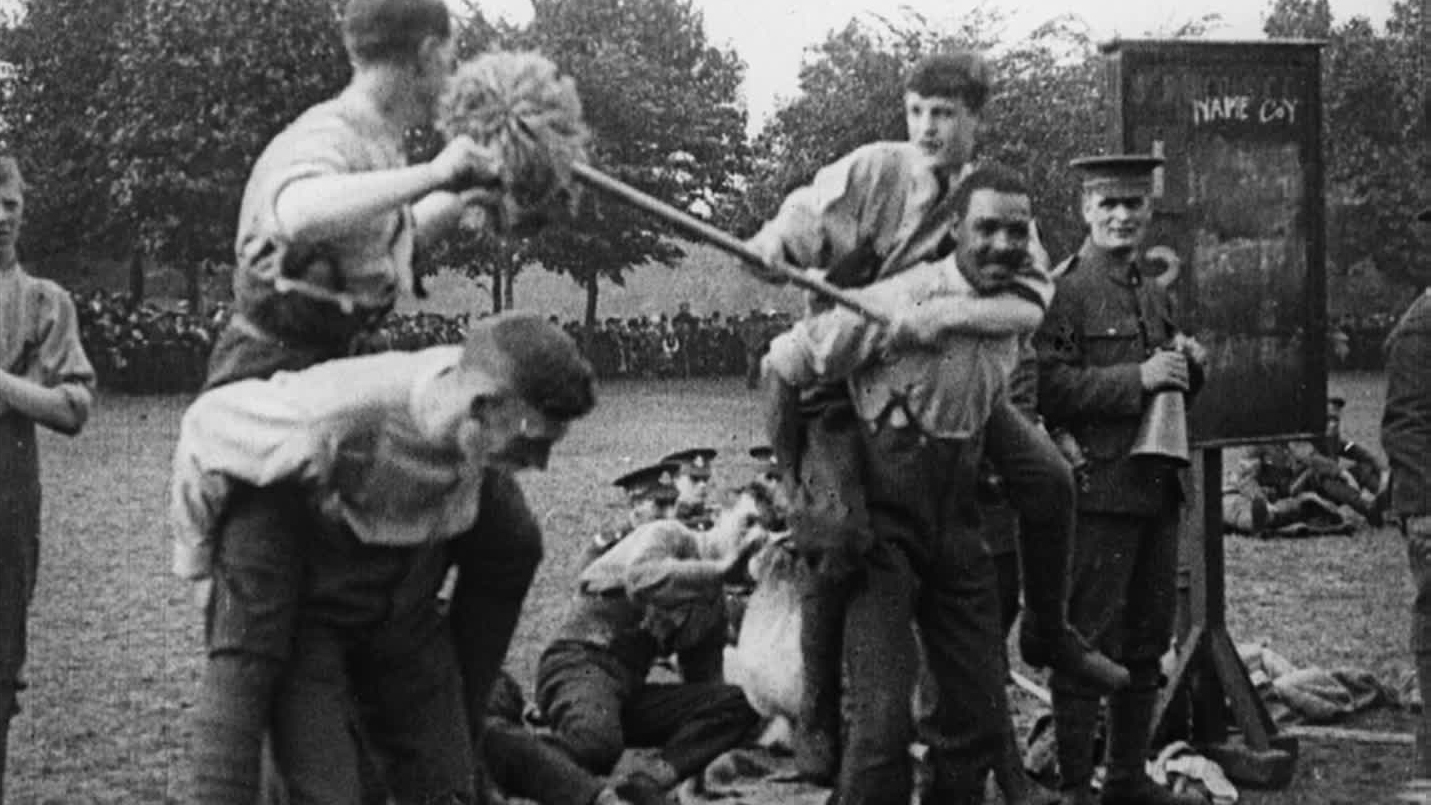
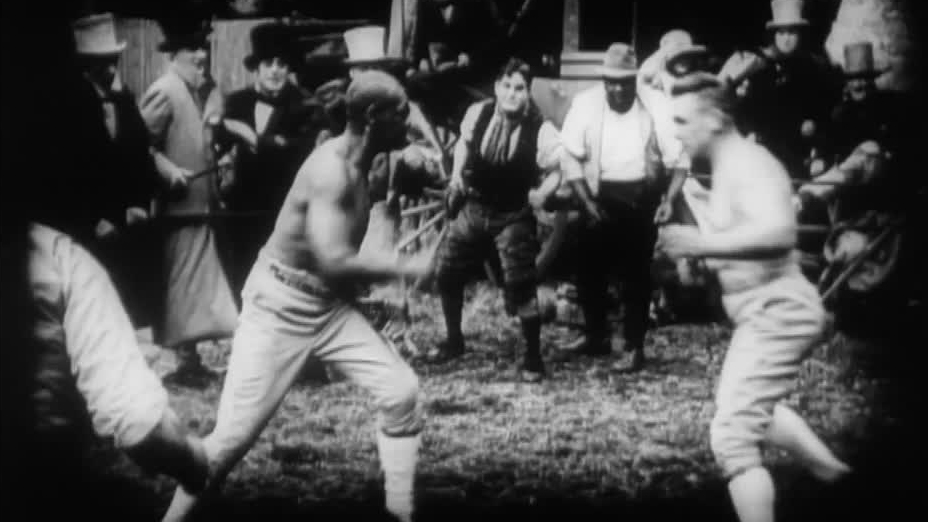
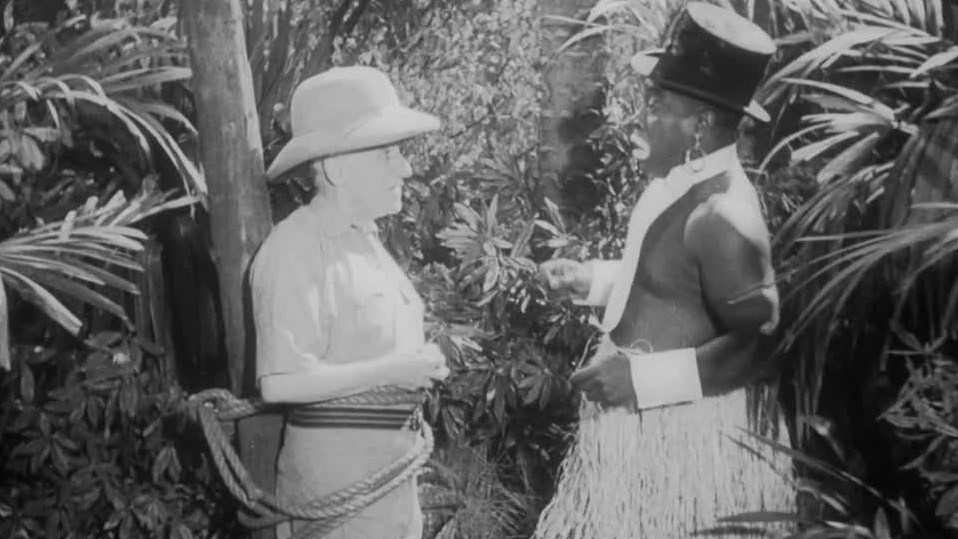
There was a substantial black presence in Britain long before the Empire Windrush arrived from Jamaica in June 1948. Some of the earliest moving images of black Britons survive in the extraordinary Mitchell and Kenyon collection from the dawn of the 20th century. WWI newsreels offered occasional glimpses of black soldiers from Britain - or more likely the Empire. In WWII the contribution of black servicemen and women was more prominently acknowledged in newsreels and documentaries. Between the wars, black performers began to make a splash, from music hall entertainers Scott & Whaley to Britain's first black screen star, US-born actor, singer and activist Paul Robeson. Stars like these had an easier time than many, but still faced unthinking stereotypes and prejudice. But they forged a path for others to follow. The films in this selection span some five decades, serving as a vital record of a much longer history of black people and culture in Britain than is often remembered.