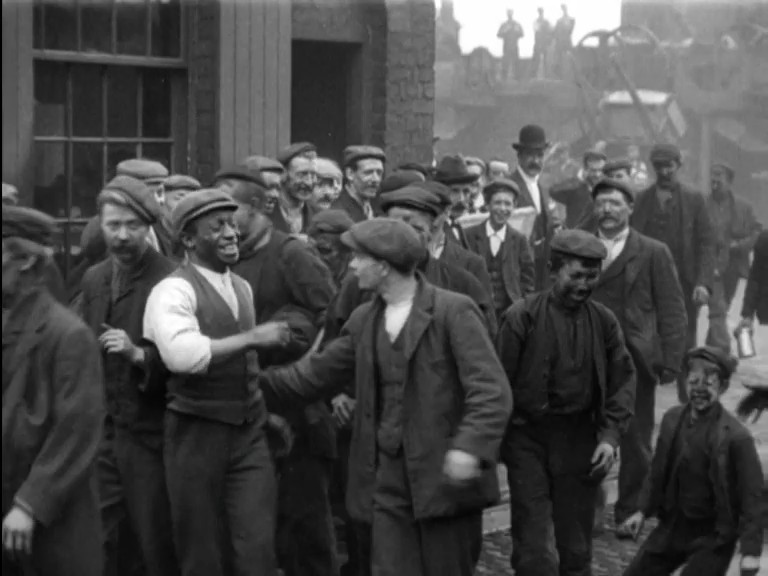
Miners Leaving Pendlebury Colliery (1901)
- Pendlebury
- 1901
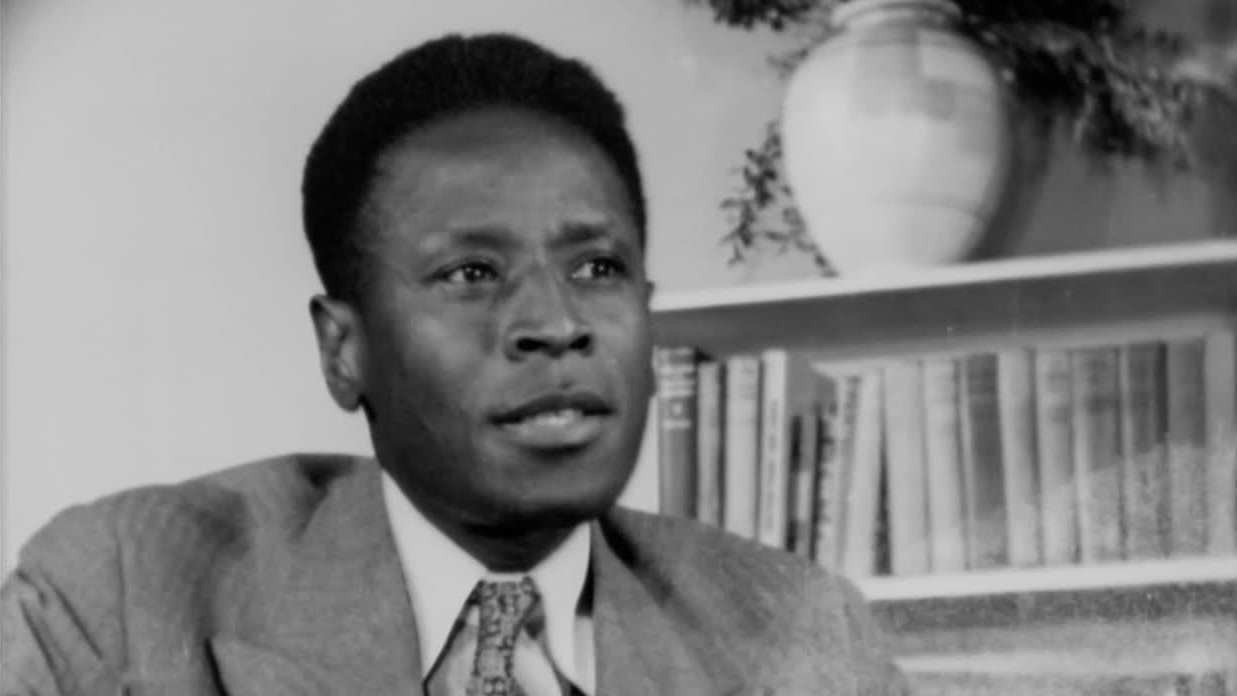
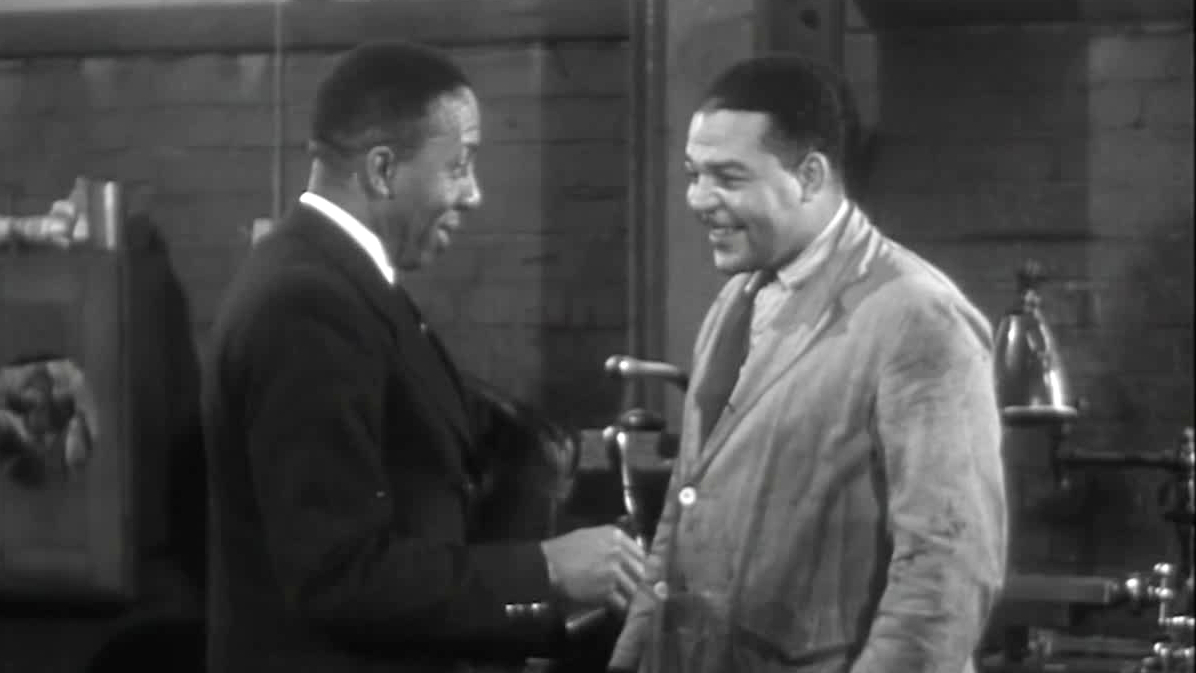
A patient African dinner guest learns much about the state of 1930s Britain in this revealing film.
An African visitor's 'false naïve' yet penetrating questions reveal the devastating impact of wealth inequality and class in 1930s Britain, exposing the fragile foundations of Britain's imperial and domestic policies. Complacent and negligent attitudes towards unemployment, housing and healthcare are exposed in this film which, despite a heavy-handed approach to race and gender roles, offers a host of ever-relevant observations on the relationship between market forces and social responsibility.
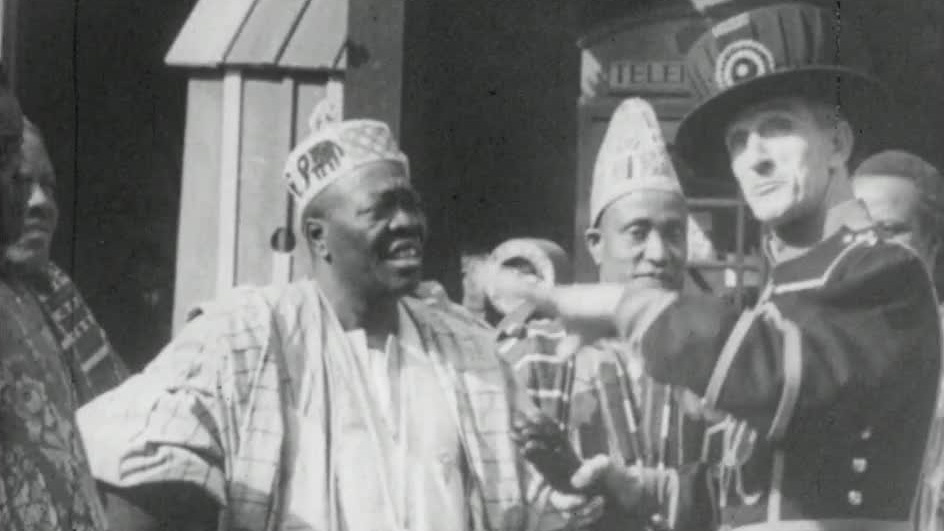
Although heavily staged and awkward to the modern viewer, this fascinating film, sponsored by the Co-op, offers a neat dissection of the state of 1930s Britain. Militarism, unemployment, slum conditions, colonialism, class and many other issues are brought into focus under Mr Smith's gentle interrogation. His modest demeanour allows him to prick the pomposity of his host while holding up African societies as better models of community cohesion and resource allocation. This surviving version of the film is unfortunately incomplete and has no picture for the first nine minutes.
Precious glimpses and surprising rediscoveries: snapshots of black Britain in the decades before the great postwar migrations.
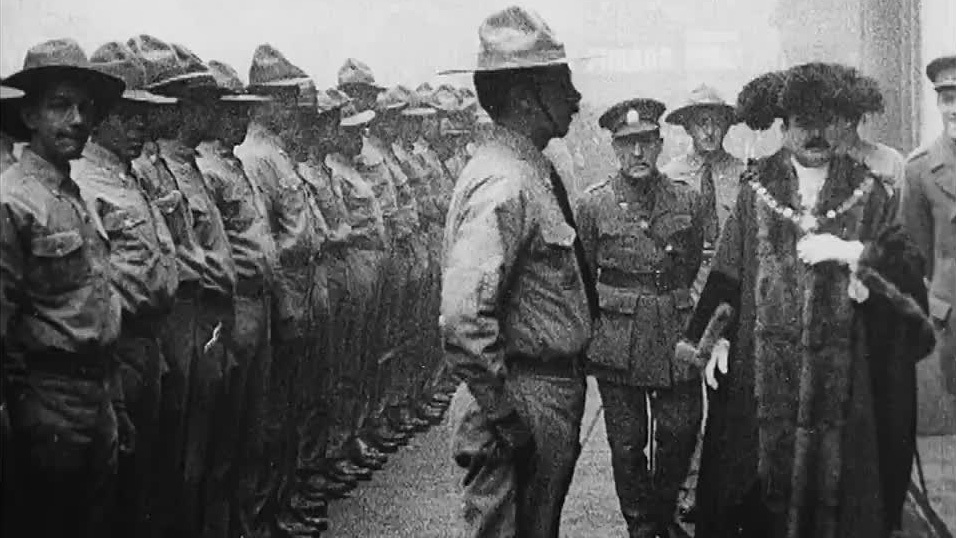
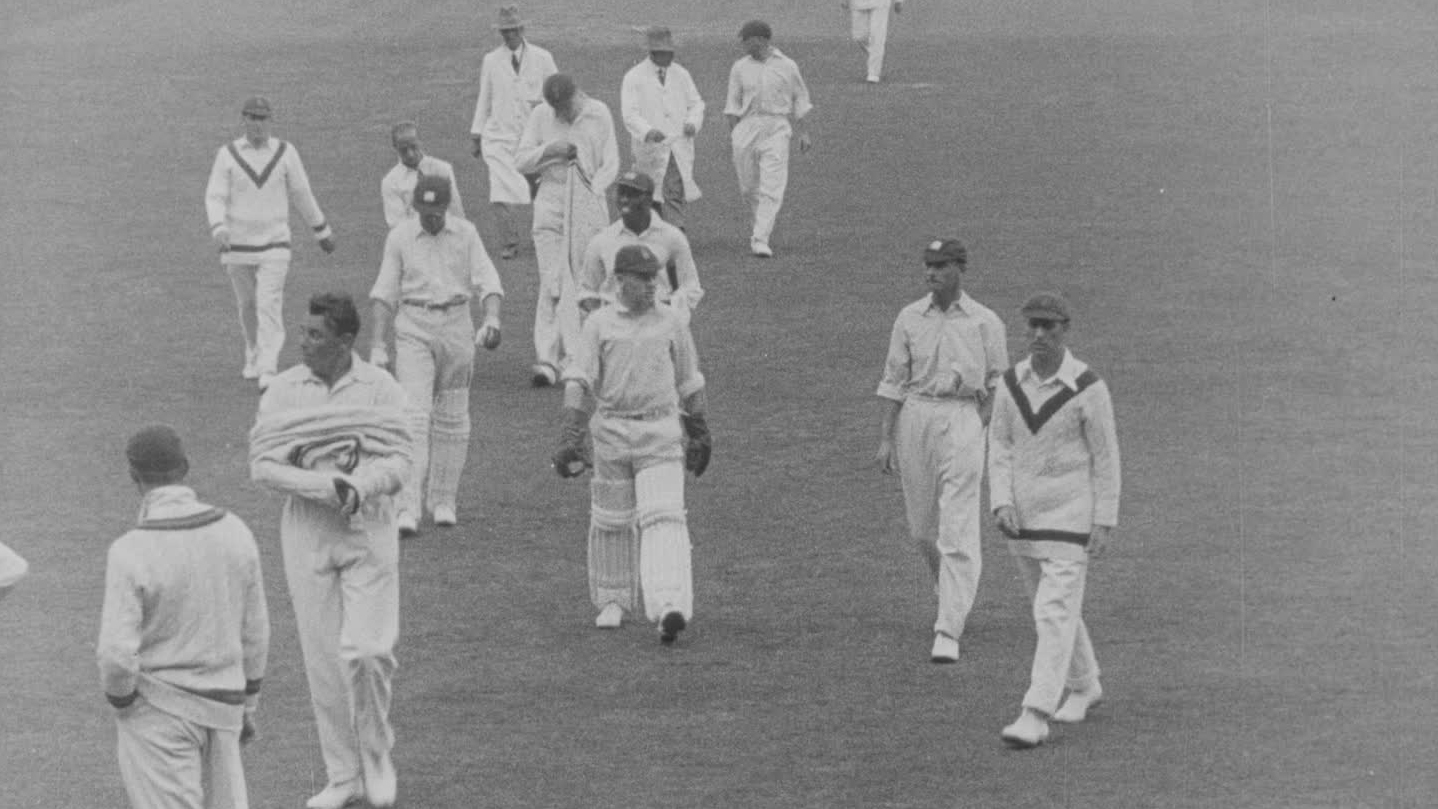
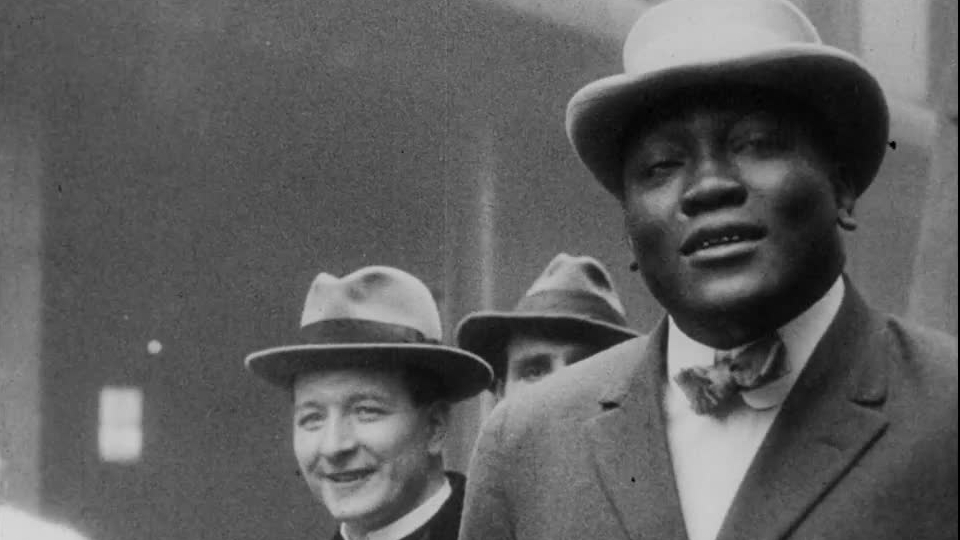
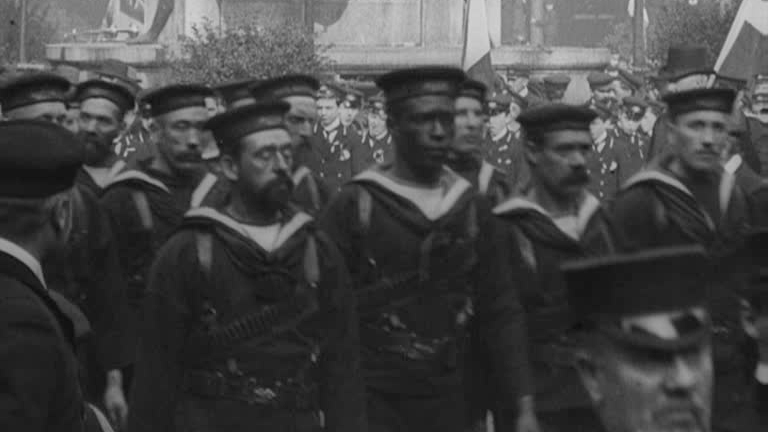
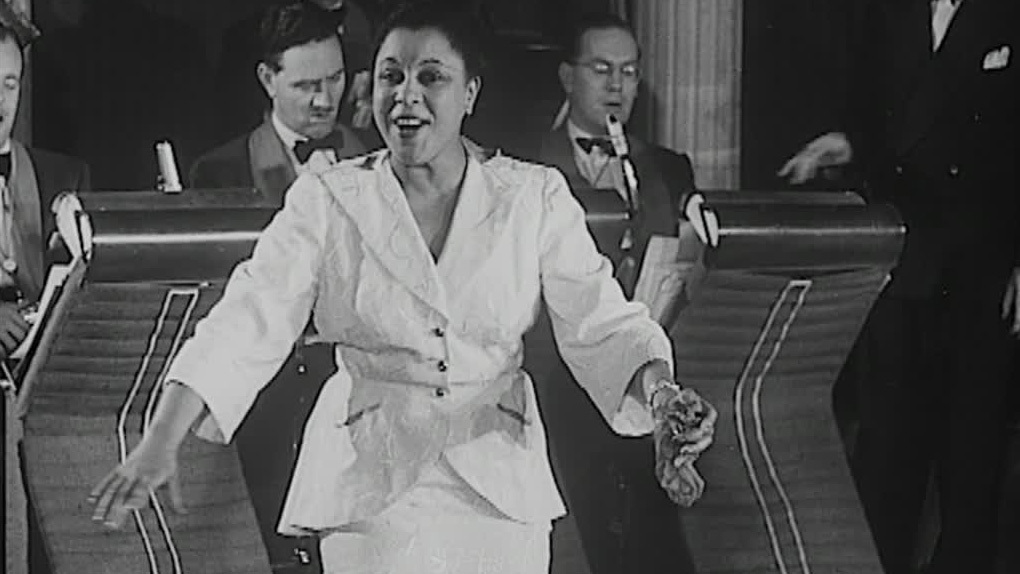
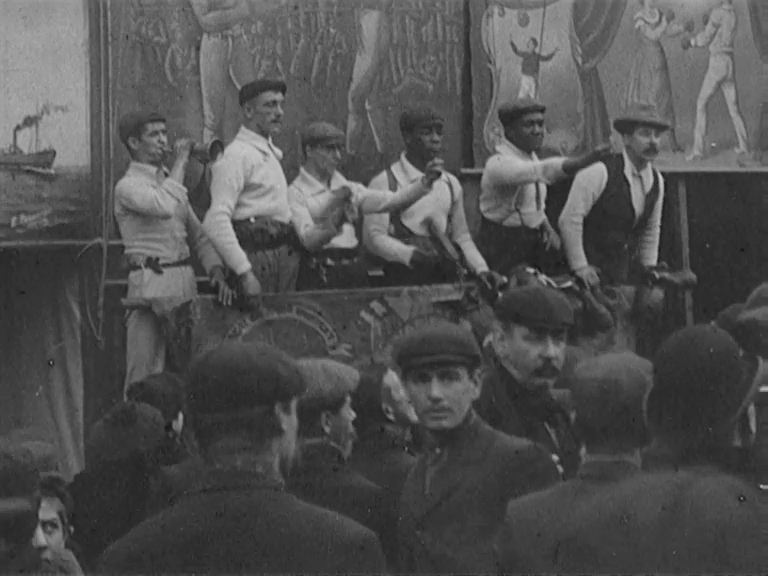
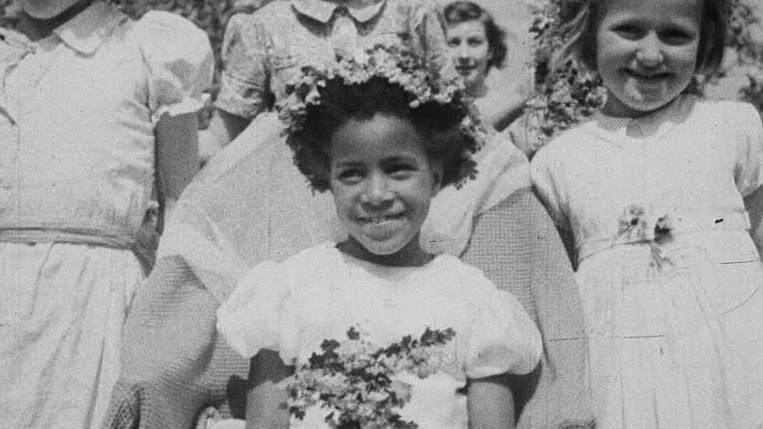
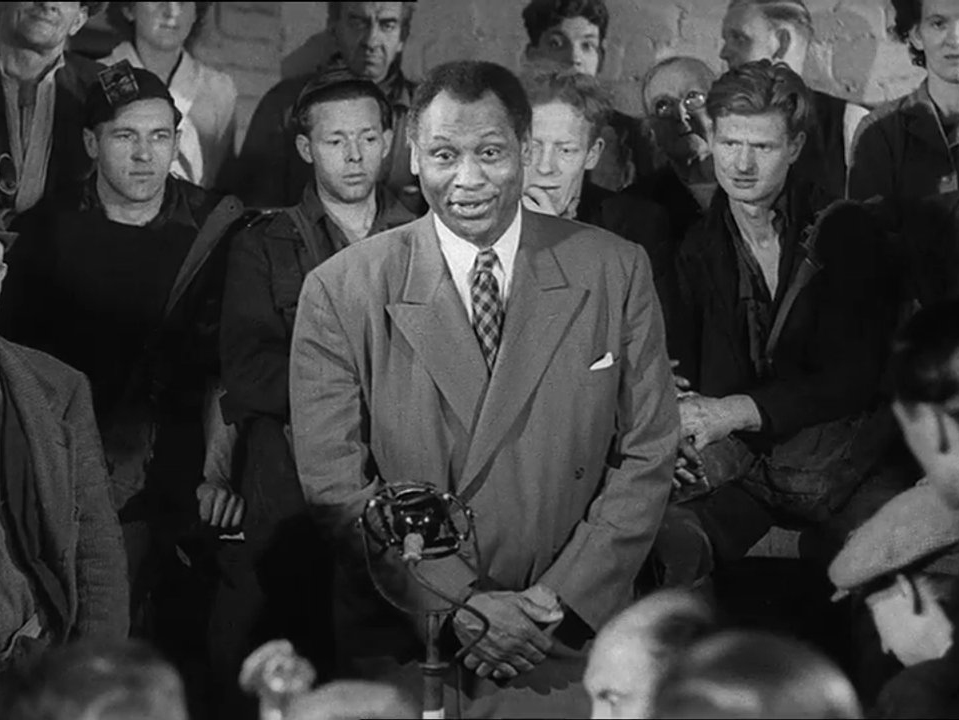
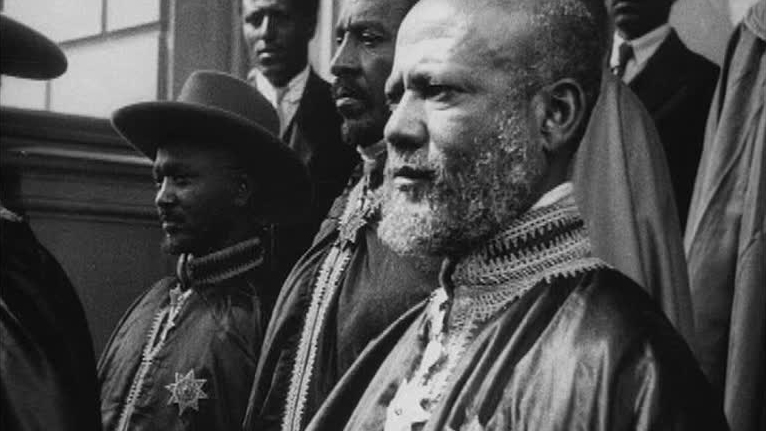
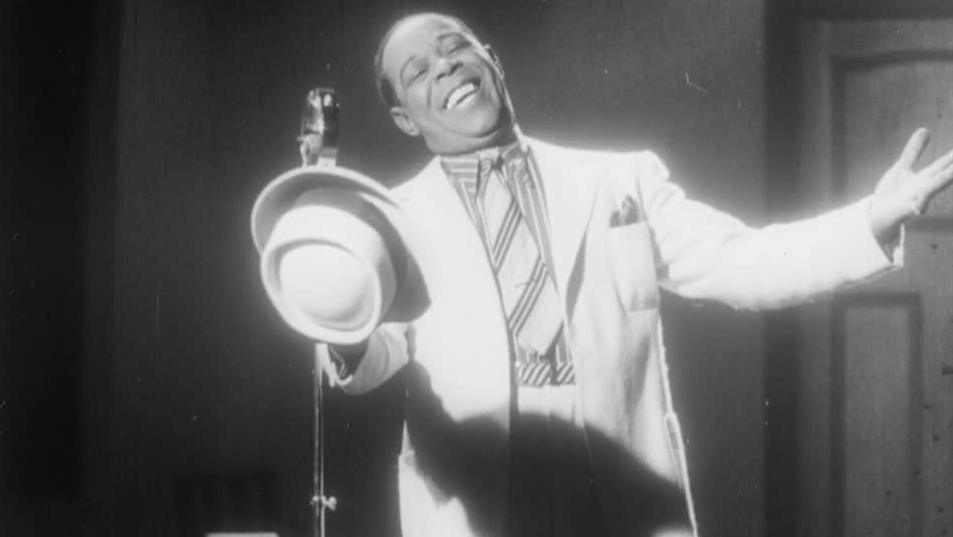
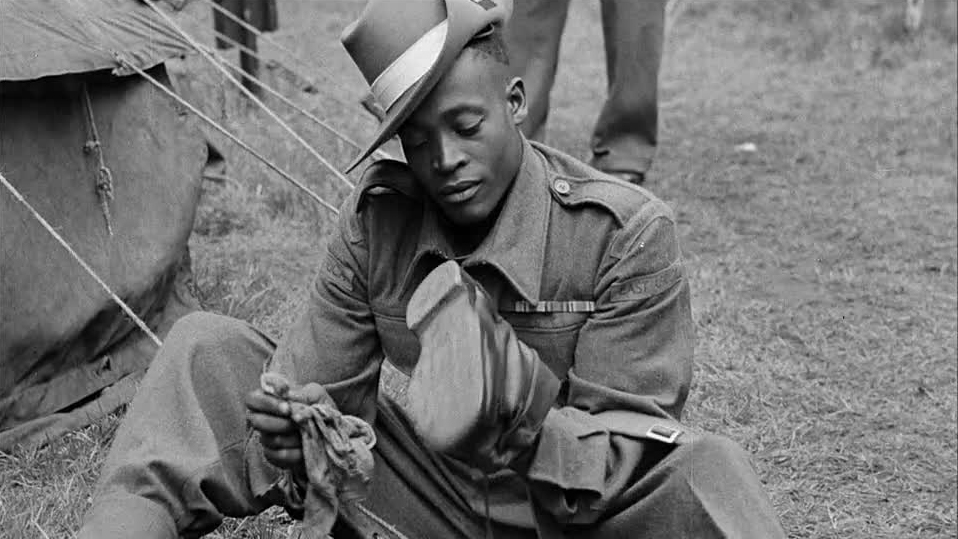
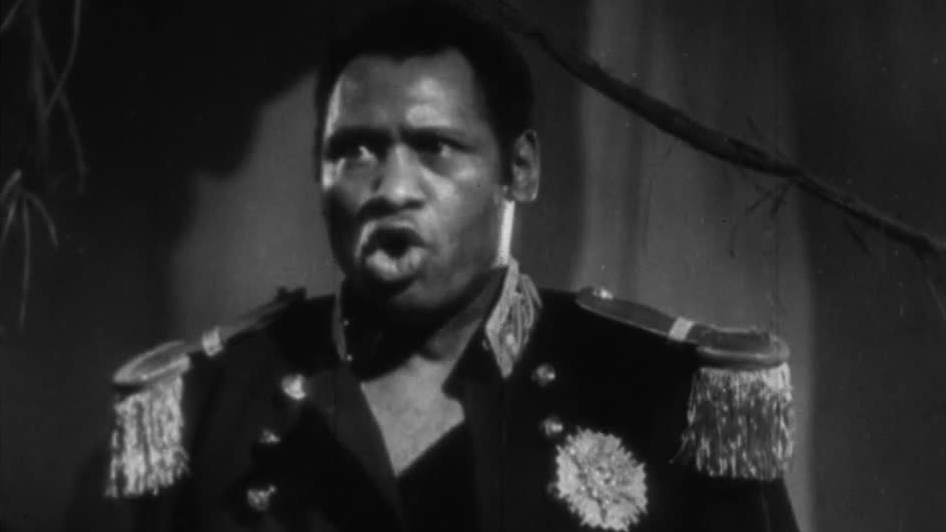
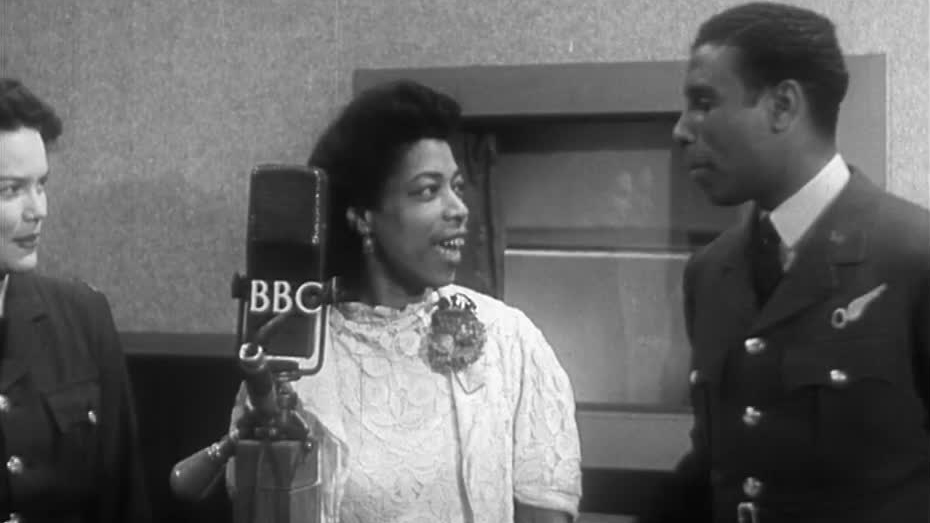
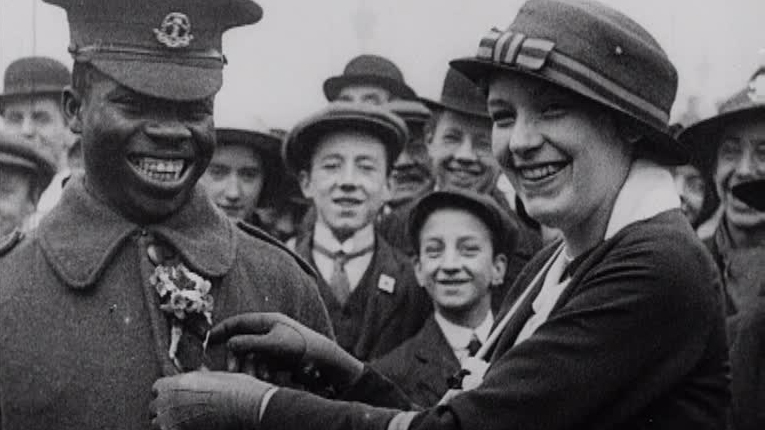
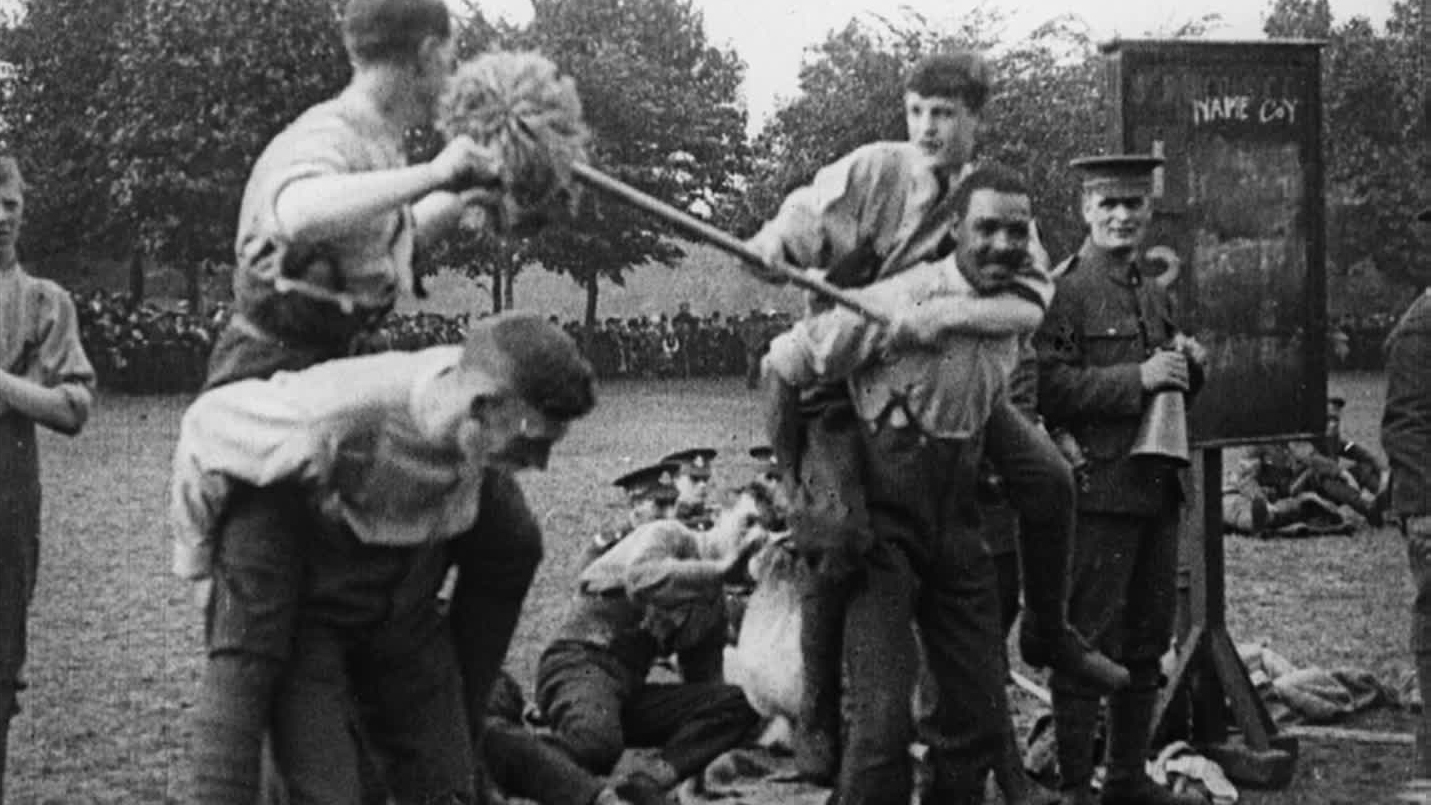
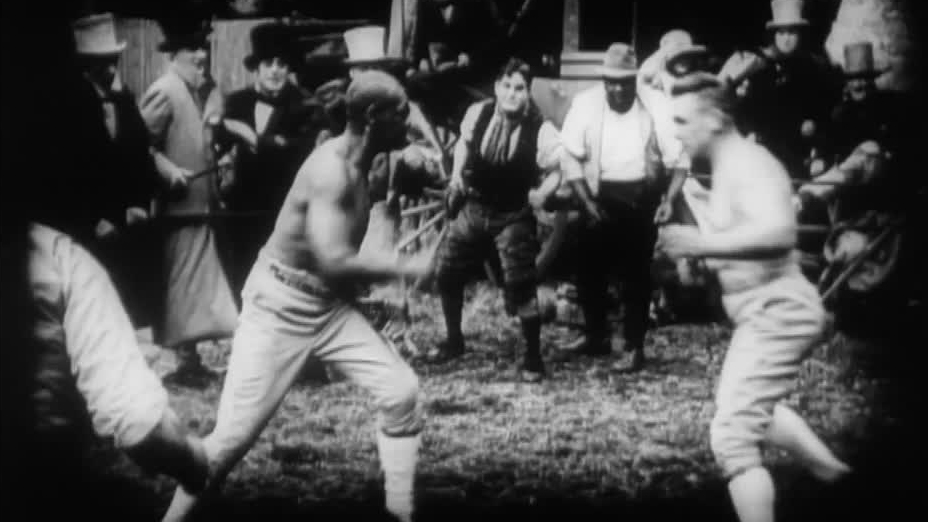
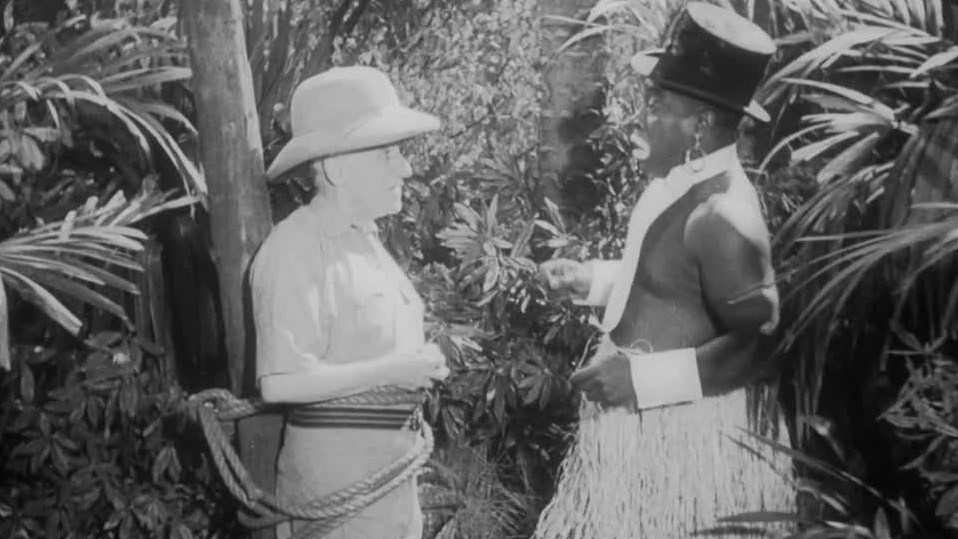
There was a substantial black presence in Britain long before the Empire Windrush arrived from Jamaica in June 1948. Some of the earliest moving images of black Britons survive in the extraordinary Mitchell and Kenyon collection from the dawn of the 20th century. WWI newsreels offered occasional glimpses of black soldiers from Britain - or more likely the Empire. In WWII the contribution of black servicemen and women was more prominently acknowledged in newsreels and documentaries. Between the wars, black performers began to make a splash, from music hall entertainers Scott & Whaley to Britain's first black screen star, US-born actor, singer and activist Paul Robeson. Stars like these had an easier time than many, but still faced unthinking stereotypes and prejudice. But they forged a path for others to follow. The films in this selection span some five decades, serving as a vital record of a much longer history of black people and culture in Britain than is often remembered.