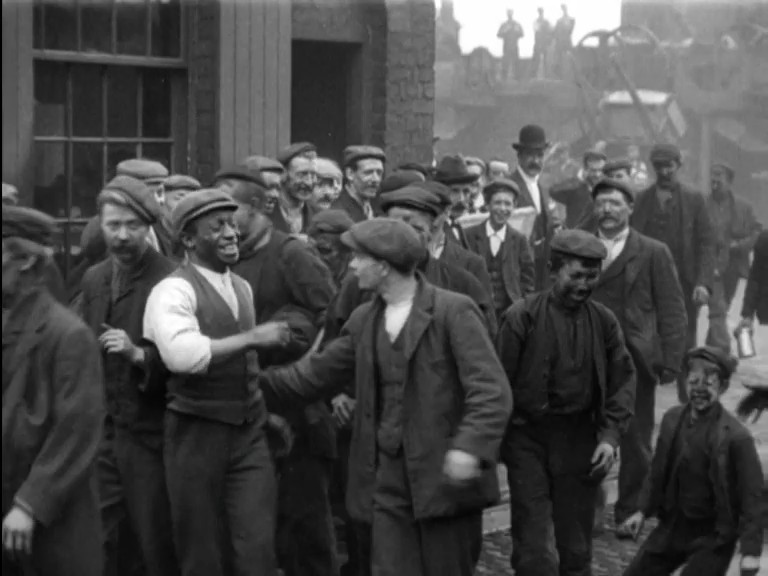
Miners Leaving Pendlebury Colliery (1901)
- Pendlebury
- 1901
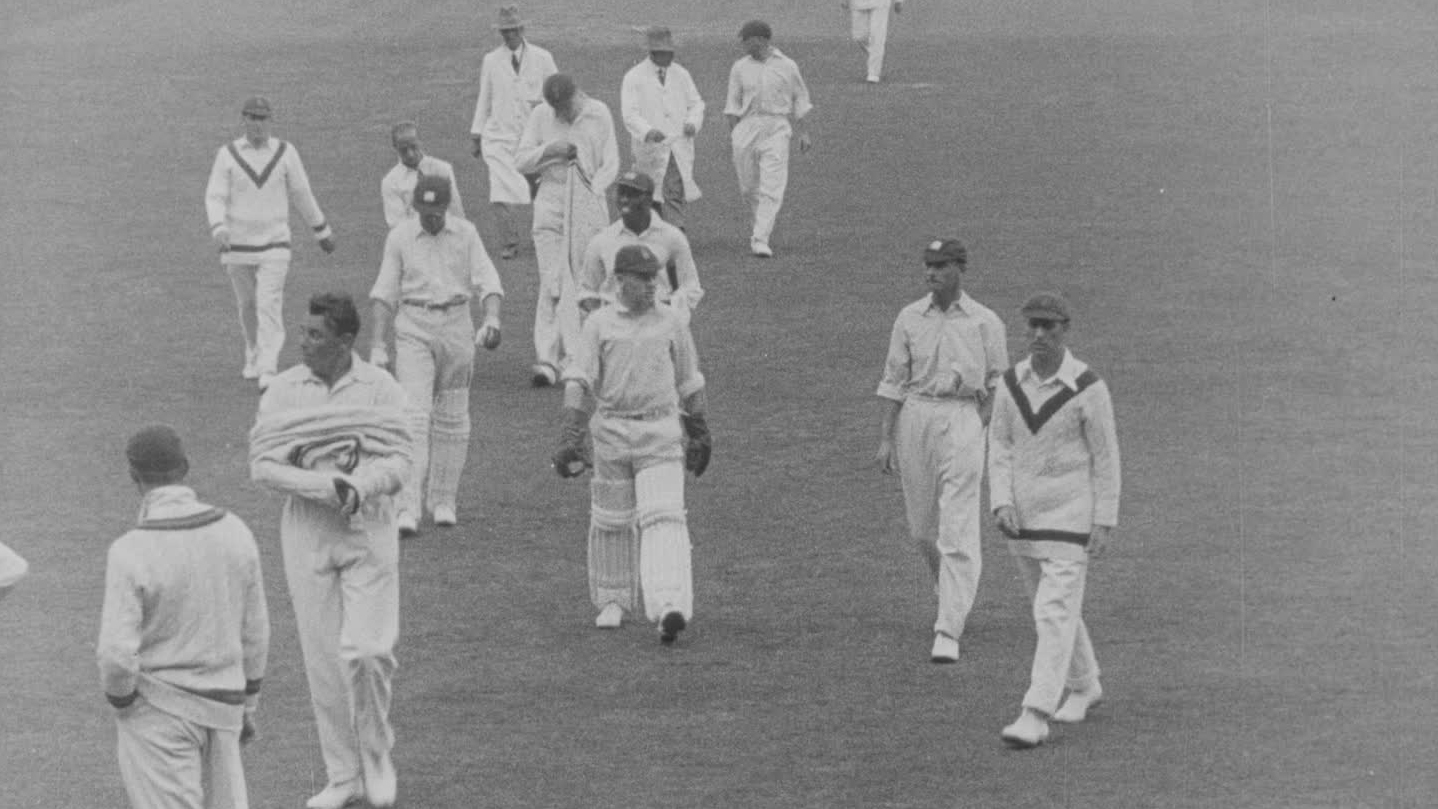
The first West Indies Test cricket team visits England and loses all three matches.
The first West Indies Test team visits England in this Topical Budget newsreel item. Cricketers from the West Indies had toured England before and expectations of the tourists were high in the light of their impressive showing in 1923. Unfortunately, weak fielding led to the West Indies losing the third and final Test match at The Oval by an innings and seventy-eight runs.
In 1927 the West Indies were admitted to full membership of the Imperial Cricket Conference, joining England, Australia and South Africa. The 1928 Test tour was their first visit to England, and although the tourists lost each match by an innings, it marked the arrival of African Caribbean cricketers into the global game. Six black players appeared in the side including the celebrated all-rounder Learie Constantine and the emerging star George Headley. Learie Constantine went on to practice as a lawyer in Britain and was High Commissioner for Trinidad and Tobago in the United Kingdom, becoming Britain's first black peer in 1969 as Lord Constantine of Maraval and Nelson.
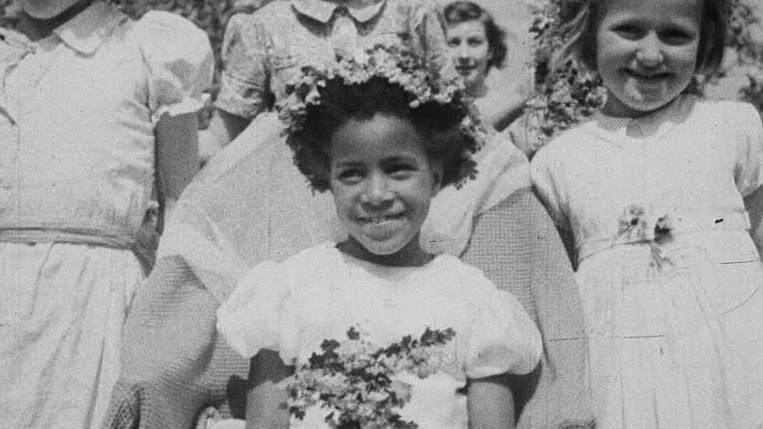
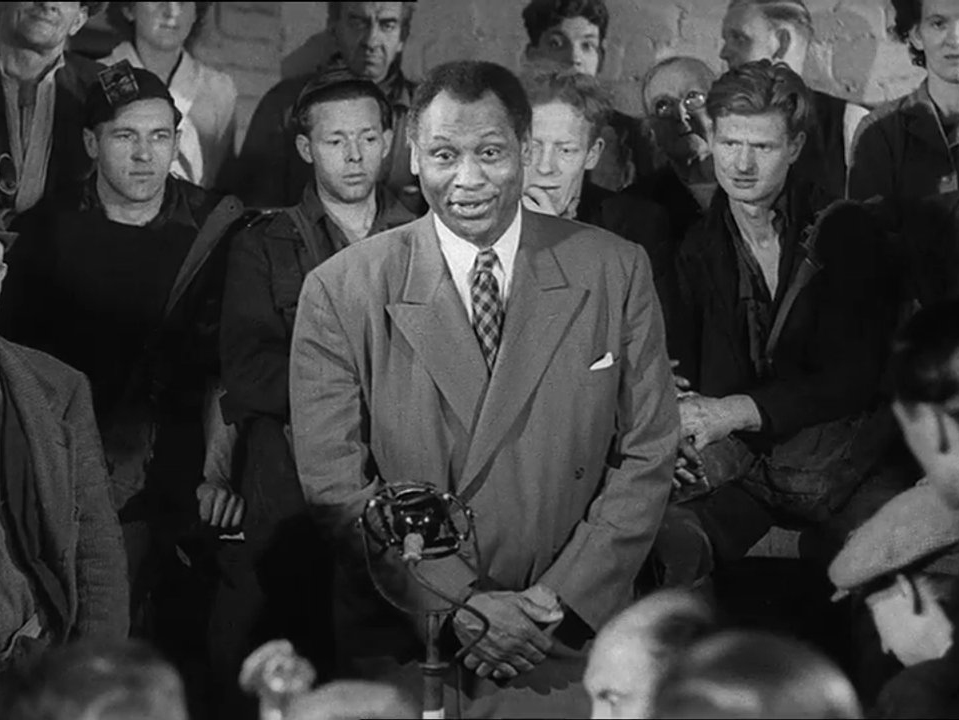
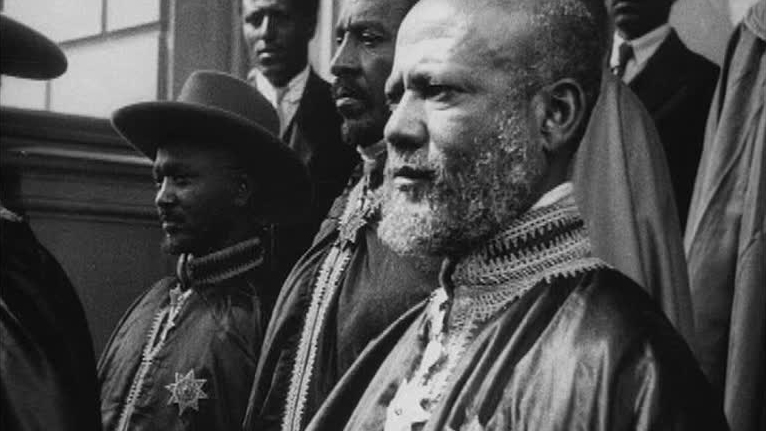
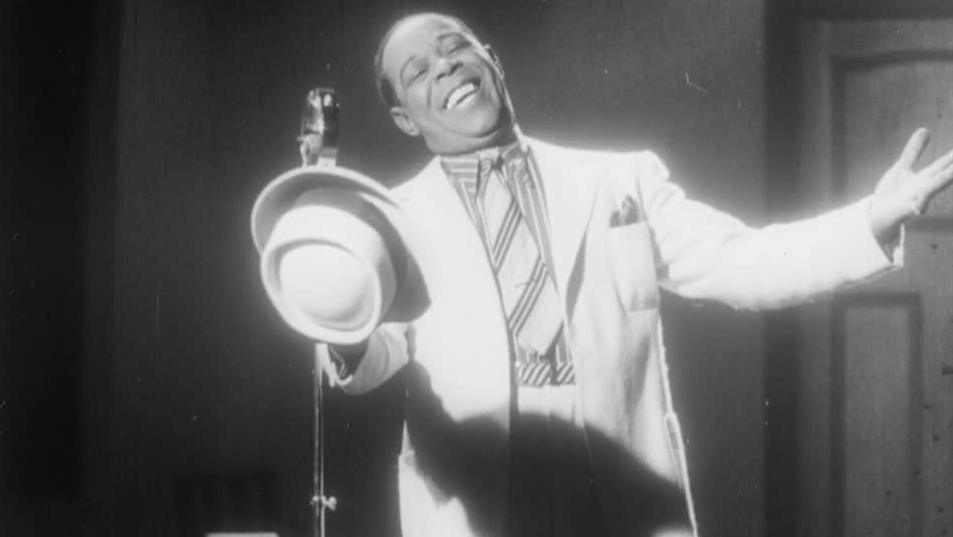
Precious glimpses and surprising rediscoveries: snapshots of black Britain in the decades before the great postwar migrations.
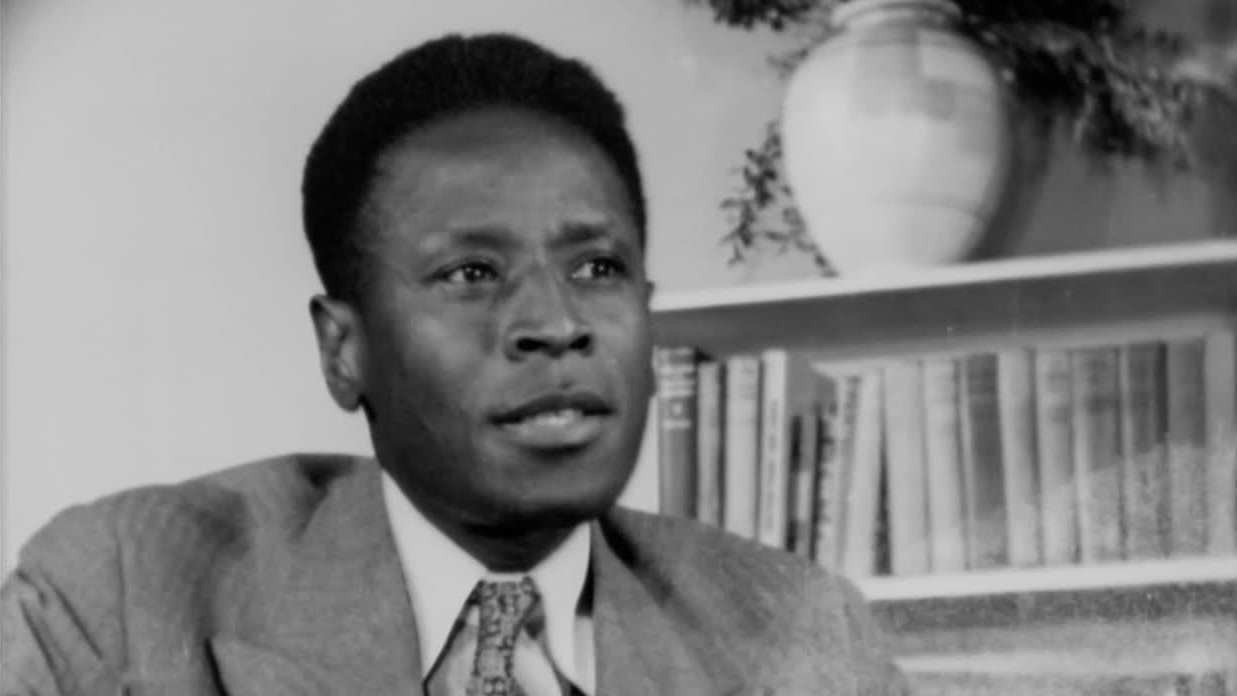
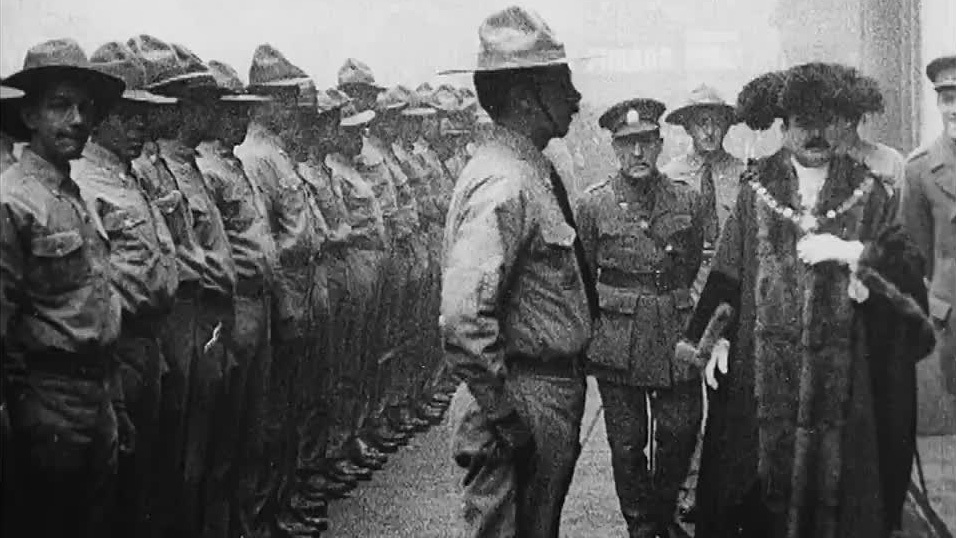
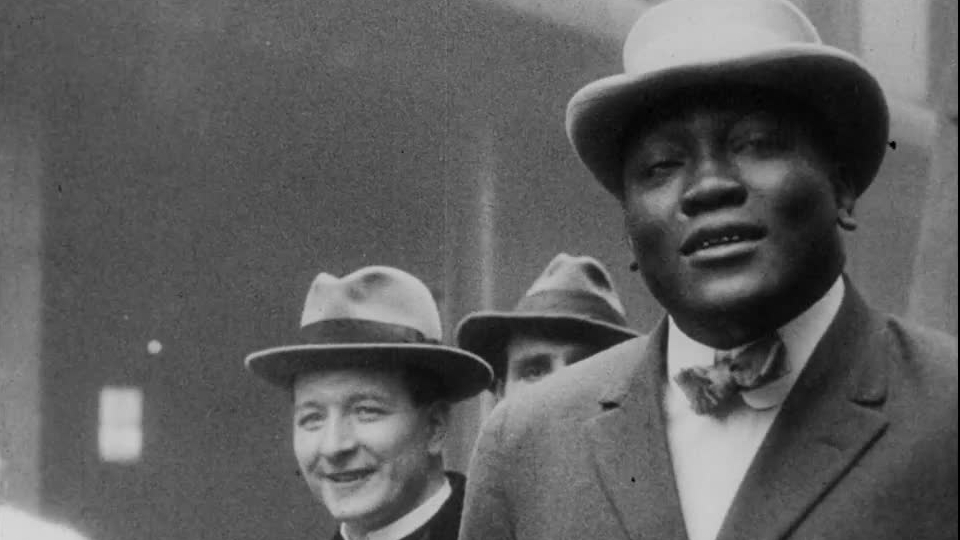
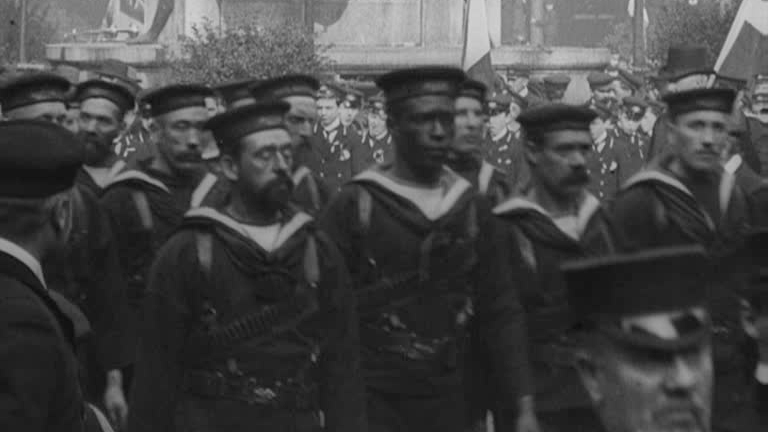
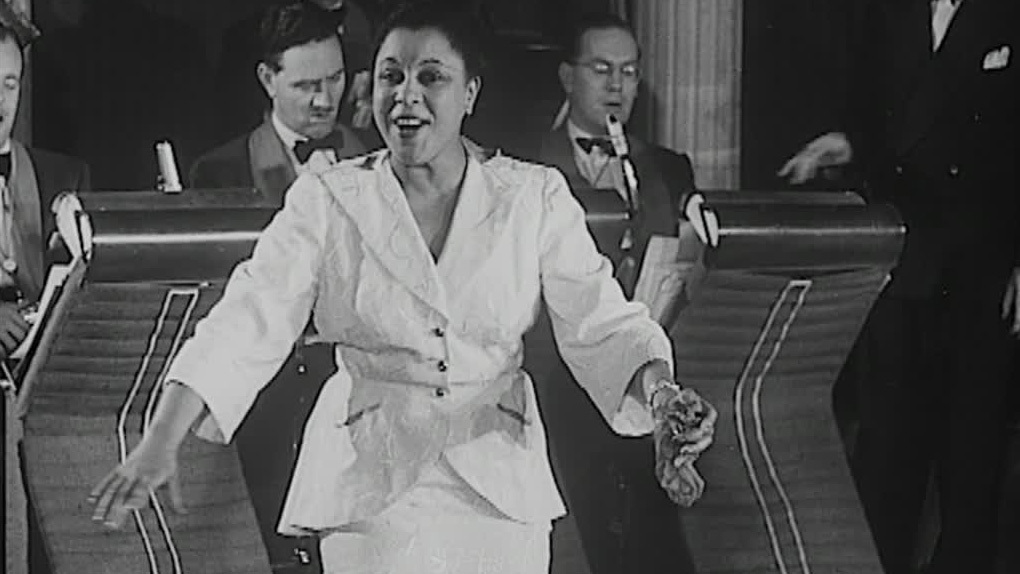
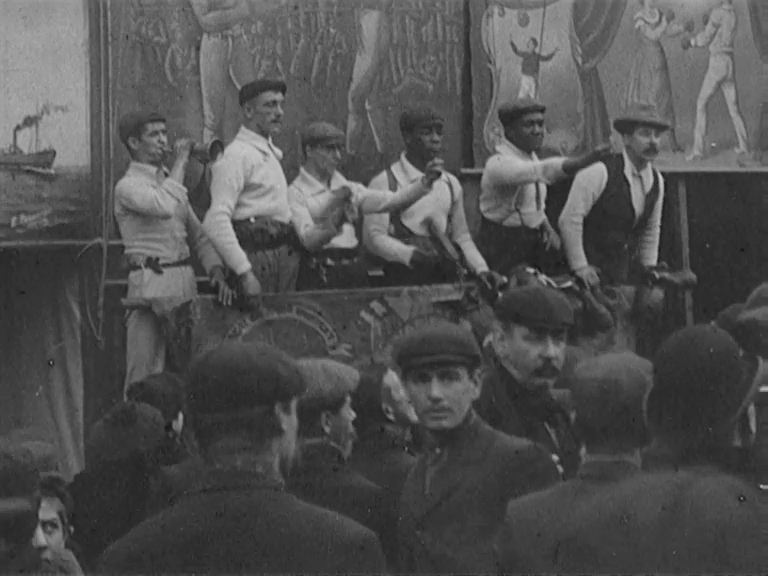
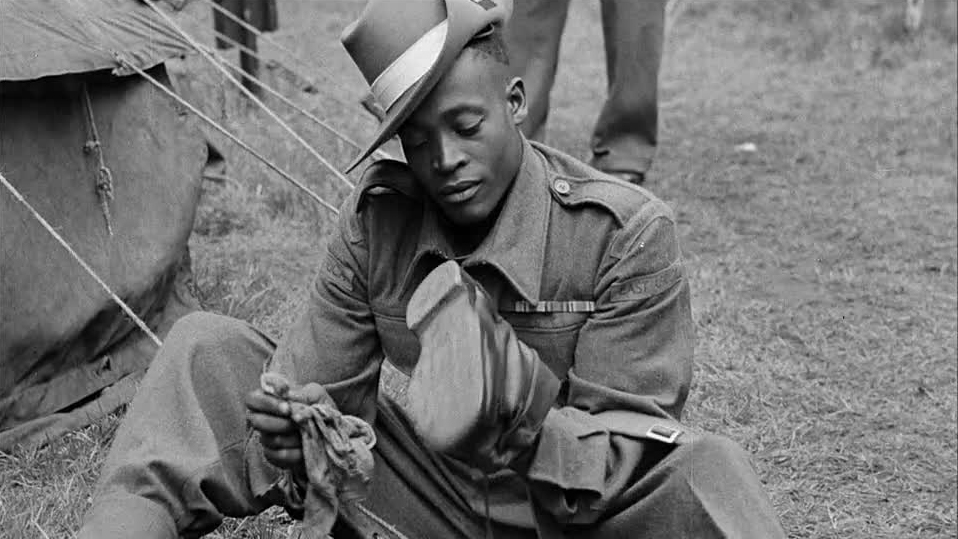
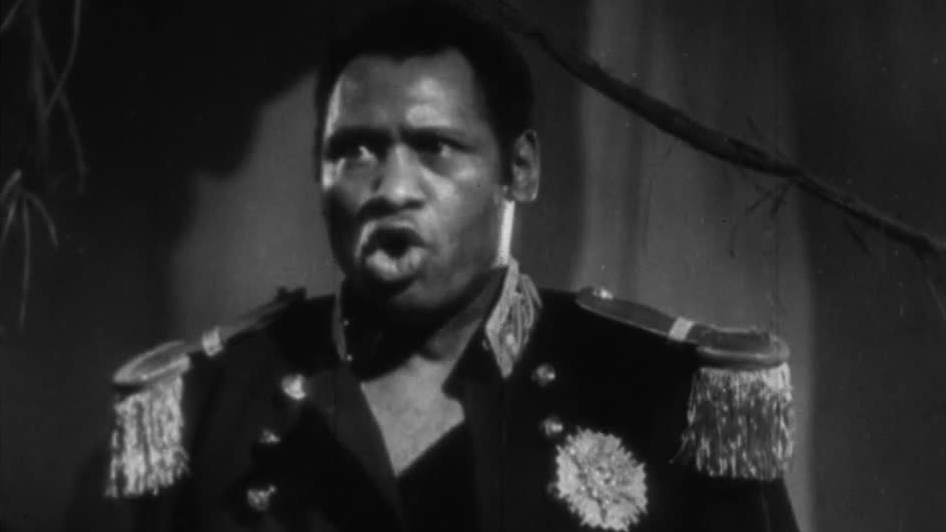
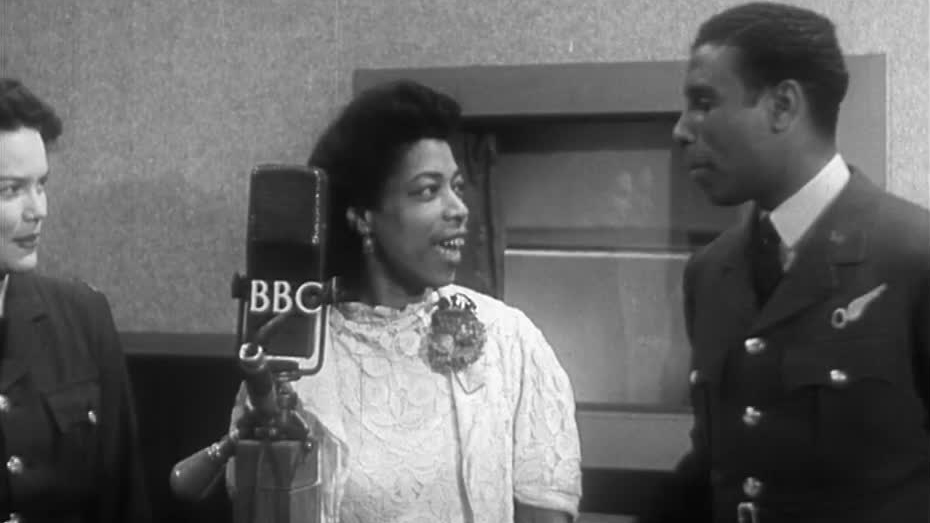
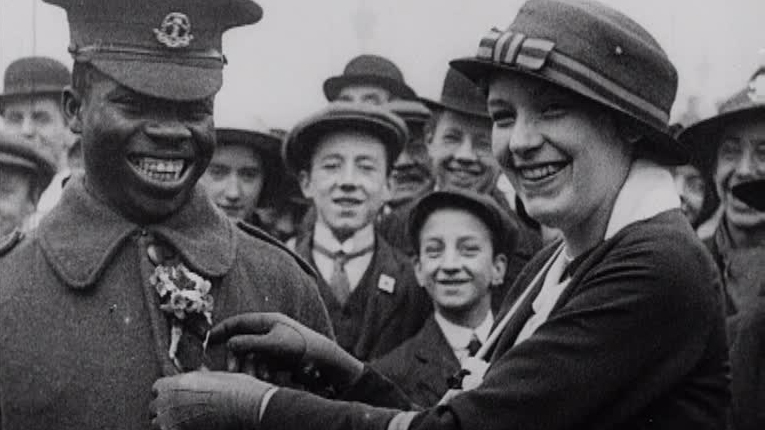
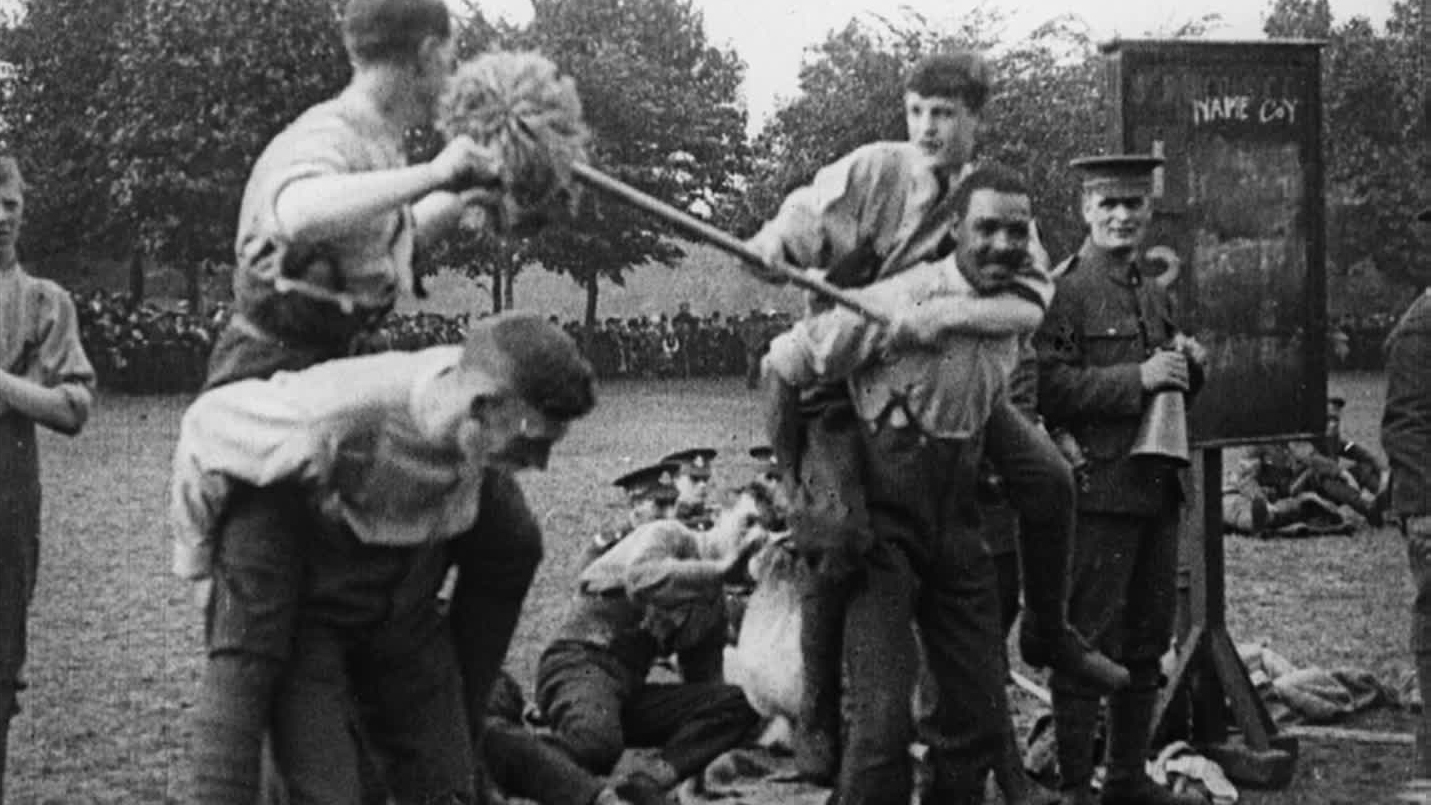
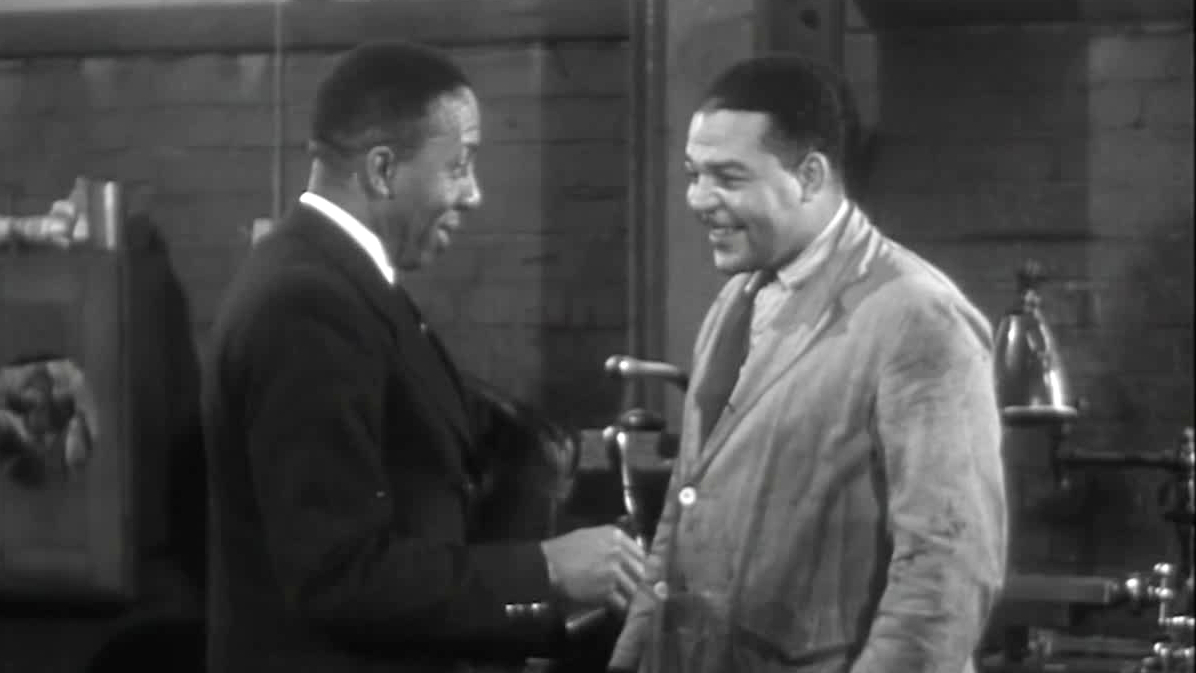
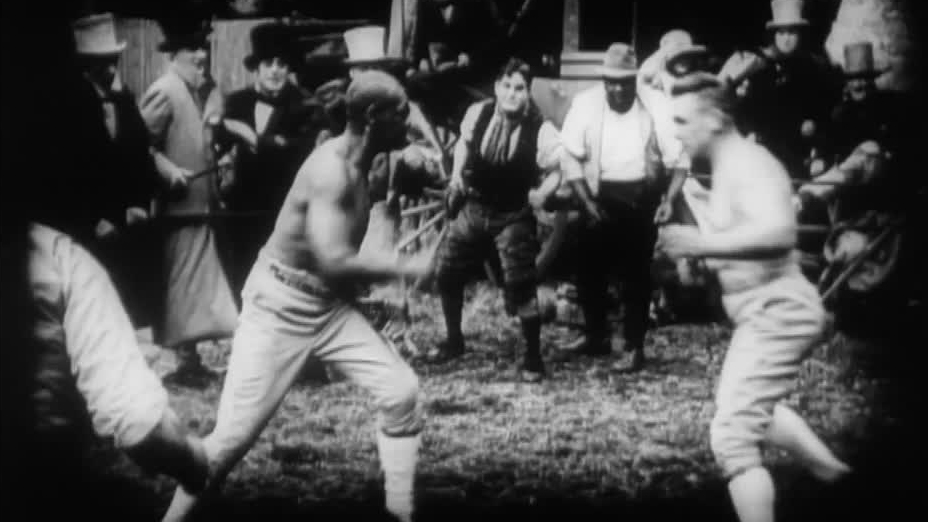
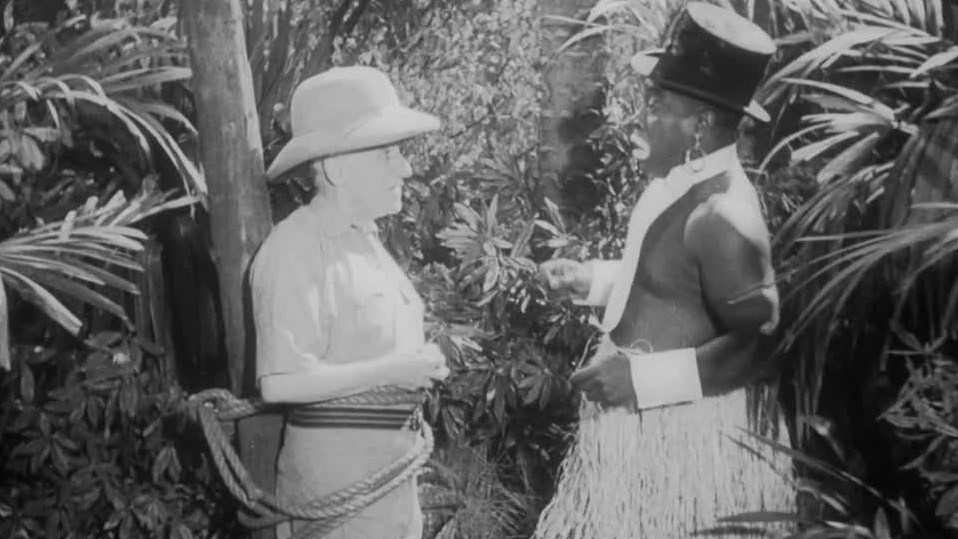
There was a substantial black presence in Britain long before the Empire Windrush arrived from Jamaica in June 1948. Some of the earliest moving images of black Britons survive in the extraordinary Mitchell and Kenyon collection from the dawn of the 20th century. WWI newsreels offered occasional glimpses of black soldiers from Britain - or more likely the Empire. In WWII the contribution of black servicemen and women was more prominently acknowledged in newsreels and documentaries. Between the wars, black performers began to make a splash, from music hall entertainers Scott & Whaley to Britain's first black screen star, US-born actor, singer and activist Paul Robeson. Stars like these had an easier time than many, but still faced unthinking stereotypes and prejudice. But they forged a path for others to follow. The films in this selection span some five decades, serving as a vital record of a much longer history of black people and culture in Britain than is often remembered.