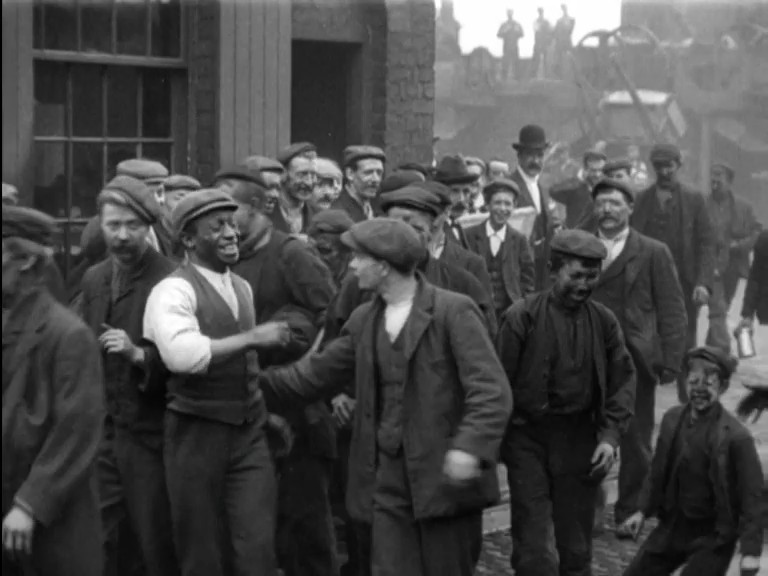
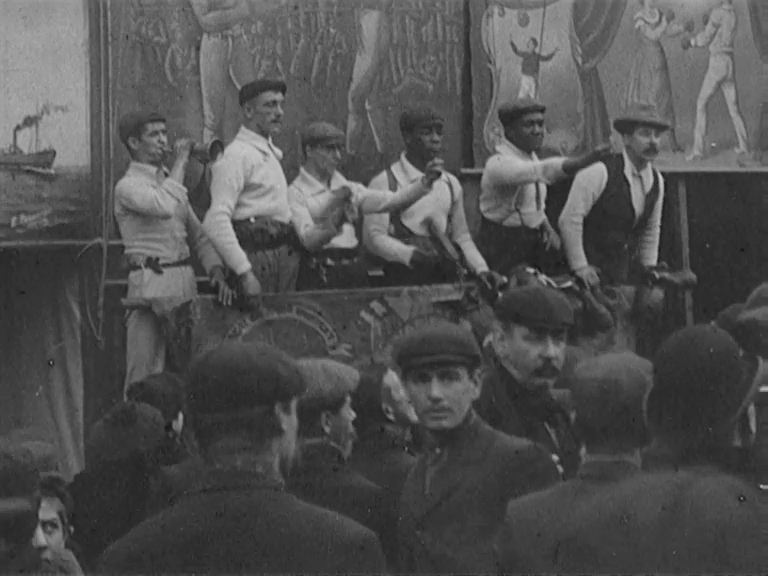
Miners Leaving Pendlebury Colliery (1901)
- Pendlebury
- 1901
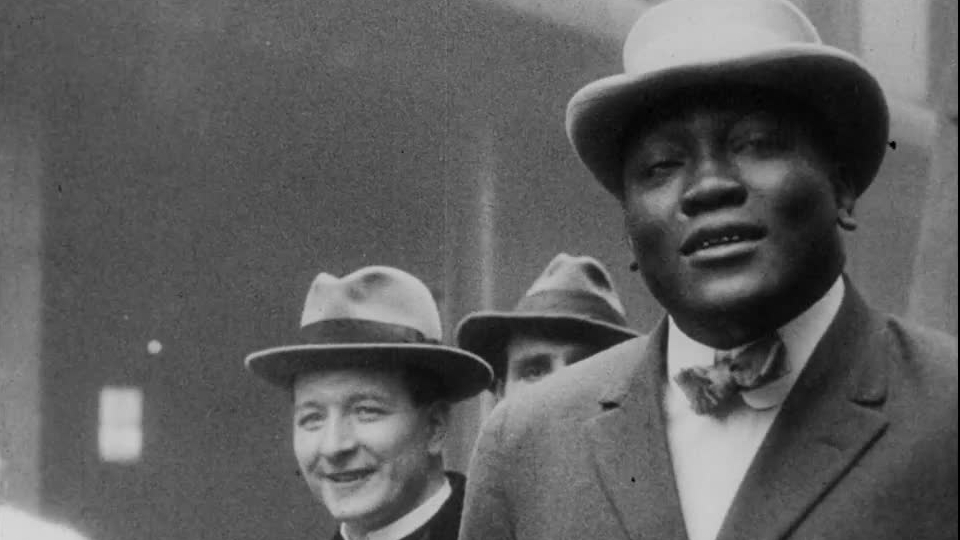
The legendary world heavyweight boxing champion, John Arthur 'Jack' Johnson, visits Manchester.
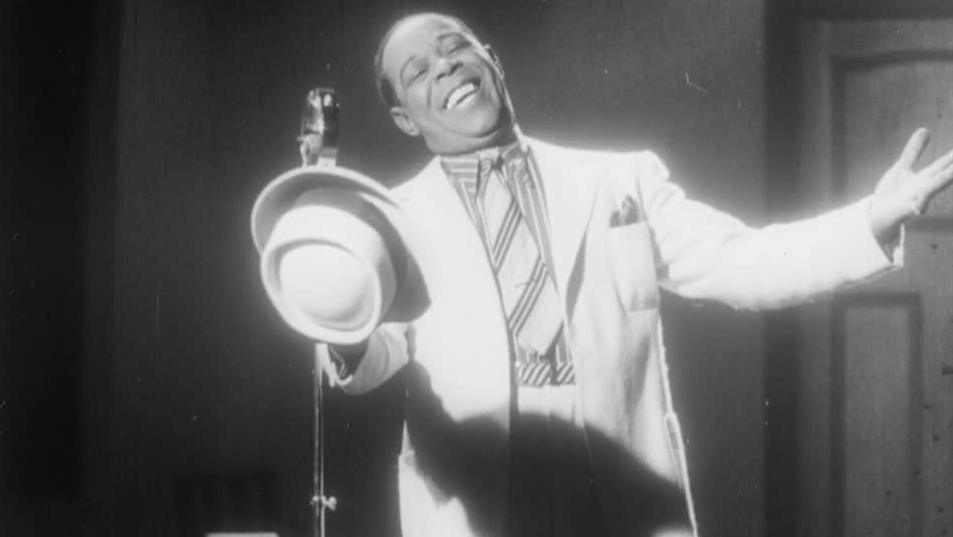
The charisma of world heavyweight boxing champion Jack Johnson is palpable in these shots of his visit to Manchester. In the build-up to his fight with British and Empire champion, Bombardier Wells, due to be held at Earl's Court on 2 October 1911, Johnson toured Britain's music halls where his sparring demonstrations proved hugely popular.
It's likely that his tour of Manchester Docks would have coincided with appearances at Manchester's theatres, quite possibly the Regent Theatre, seen here. In the event, under the influence of Methodist minister, Rev. F.B. Meyer, and other clergymen, the Chairman of the London Council prohibited the scheduled fight with Wells on 'religious' grounds, threatening to withdraw Earls Court's licence should it go ahead. The venue's manager reluctantly cancelled the fight but Johnson's music hall tour continued. The conservative clergymen feared that images of a black sporting hero might have a negative impact on the morality of British people.
Precious glimpses and surprising rediscoveries: snapshots of black Britain in the decades before the great postwar migrations.
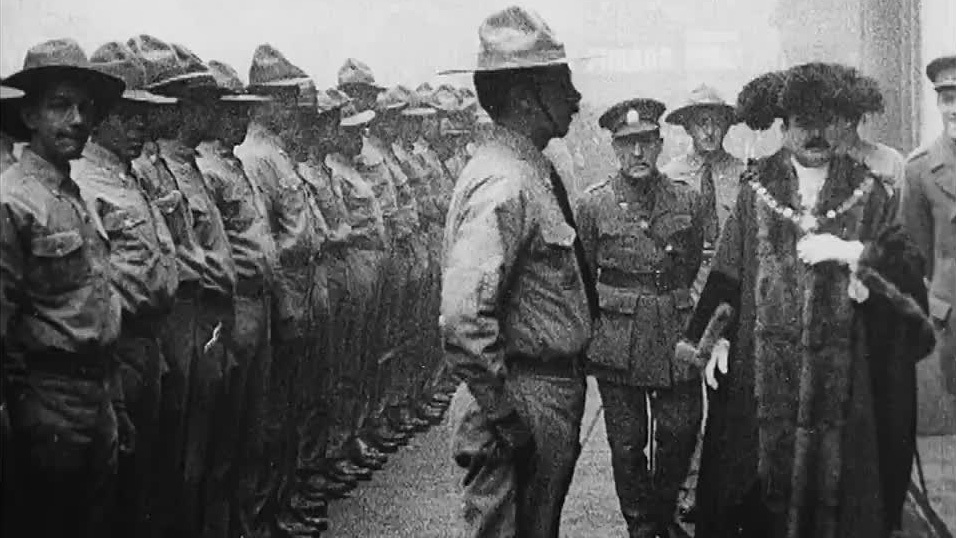
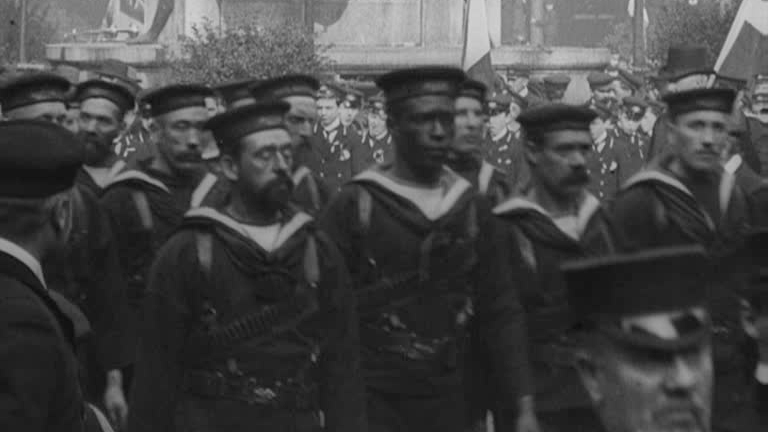
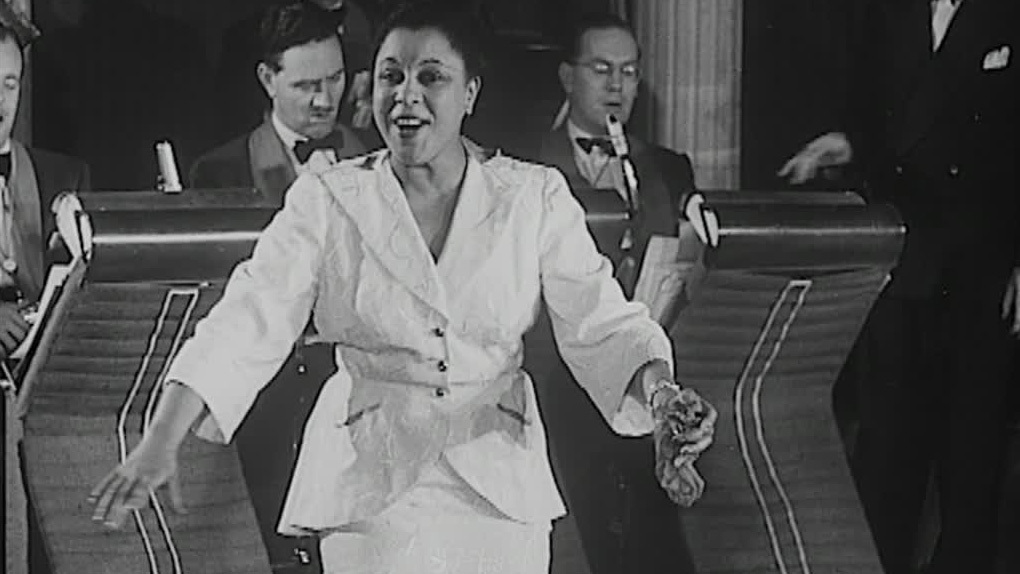
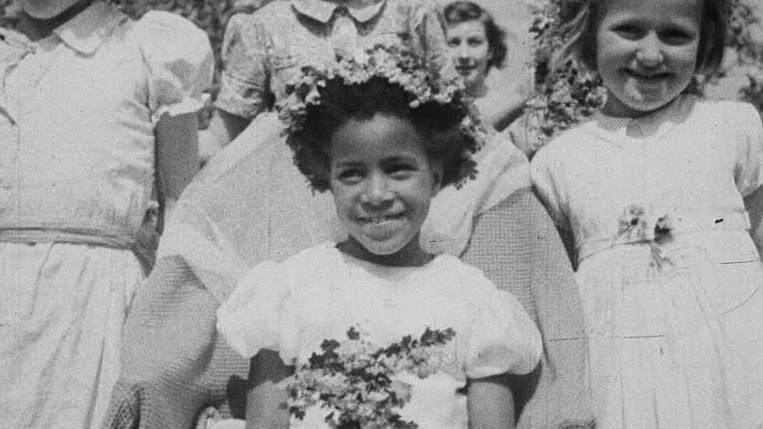
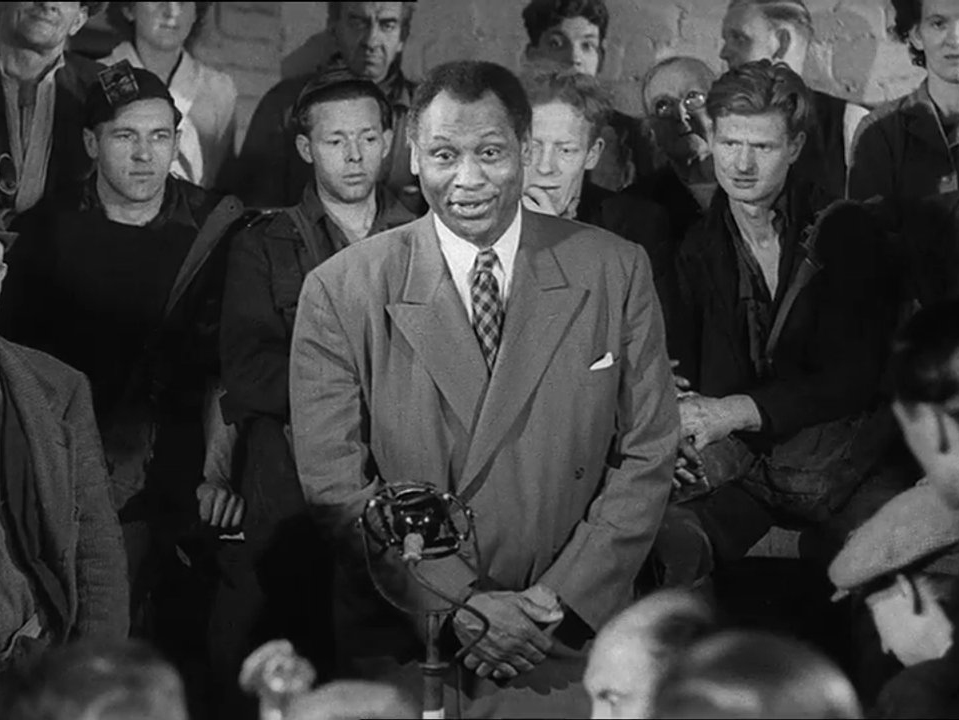
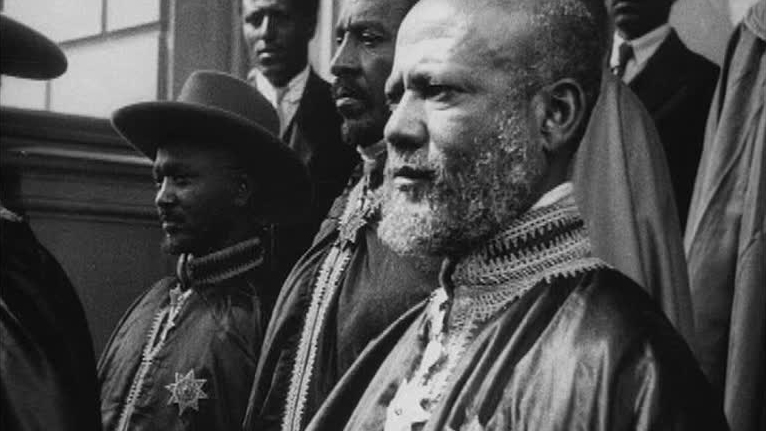
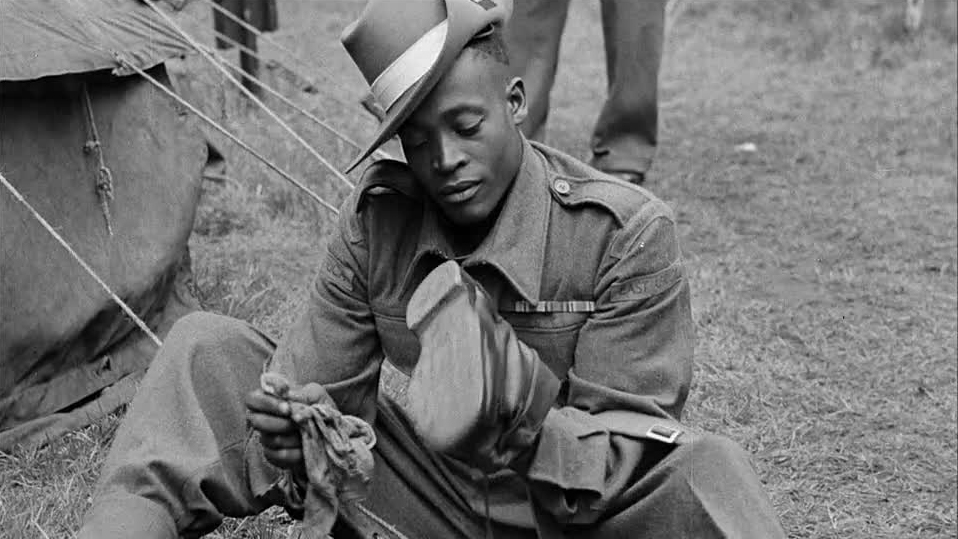
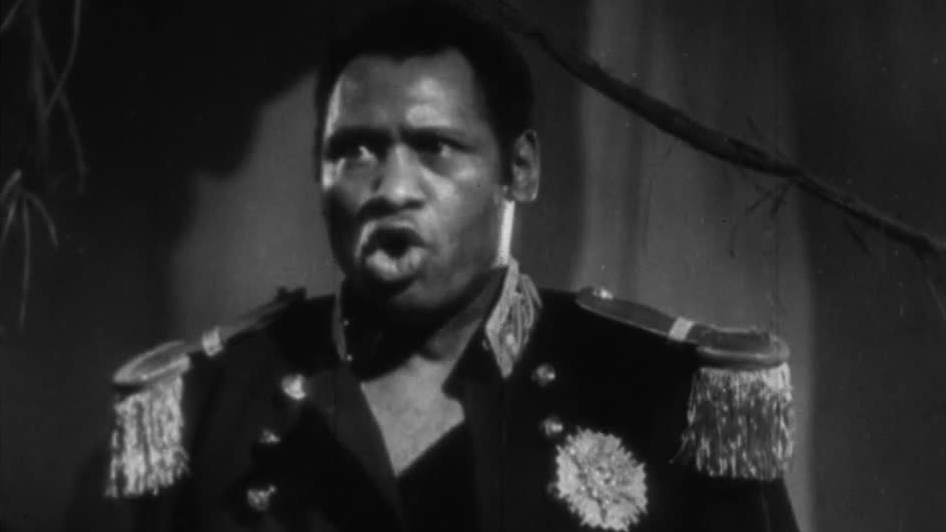
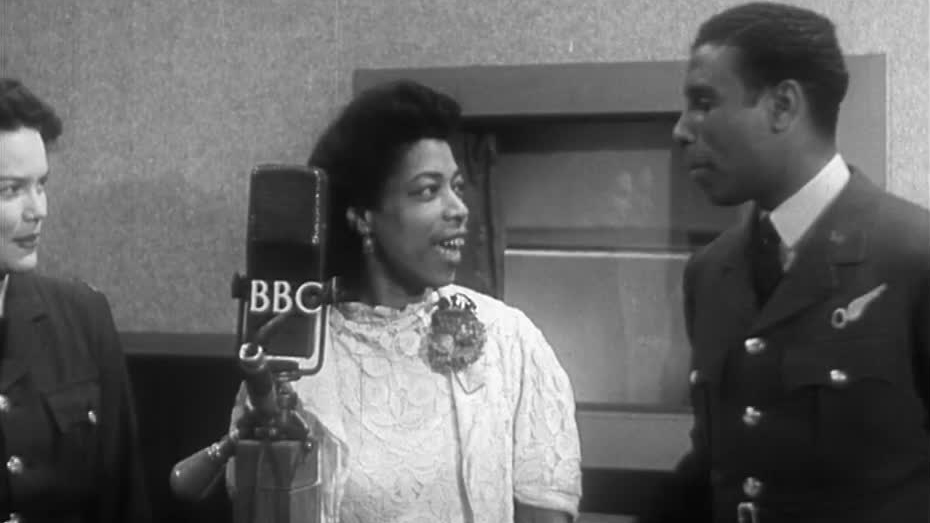
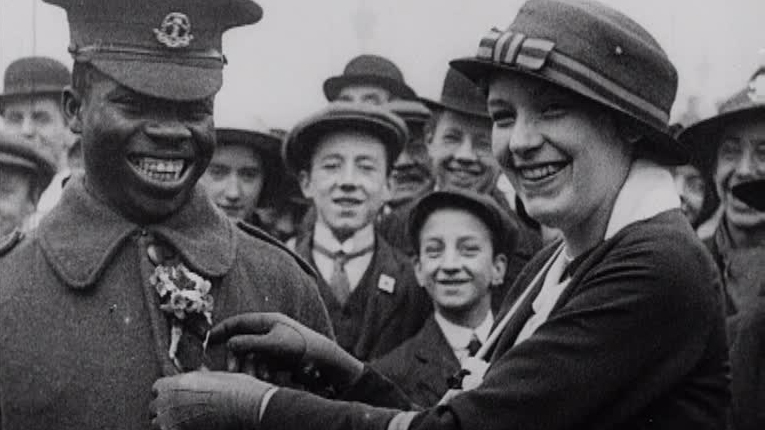
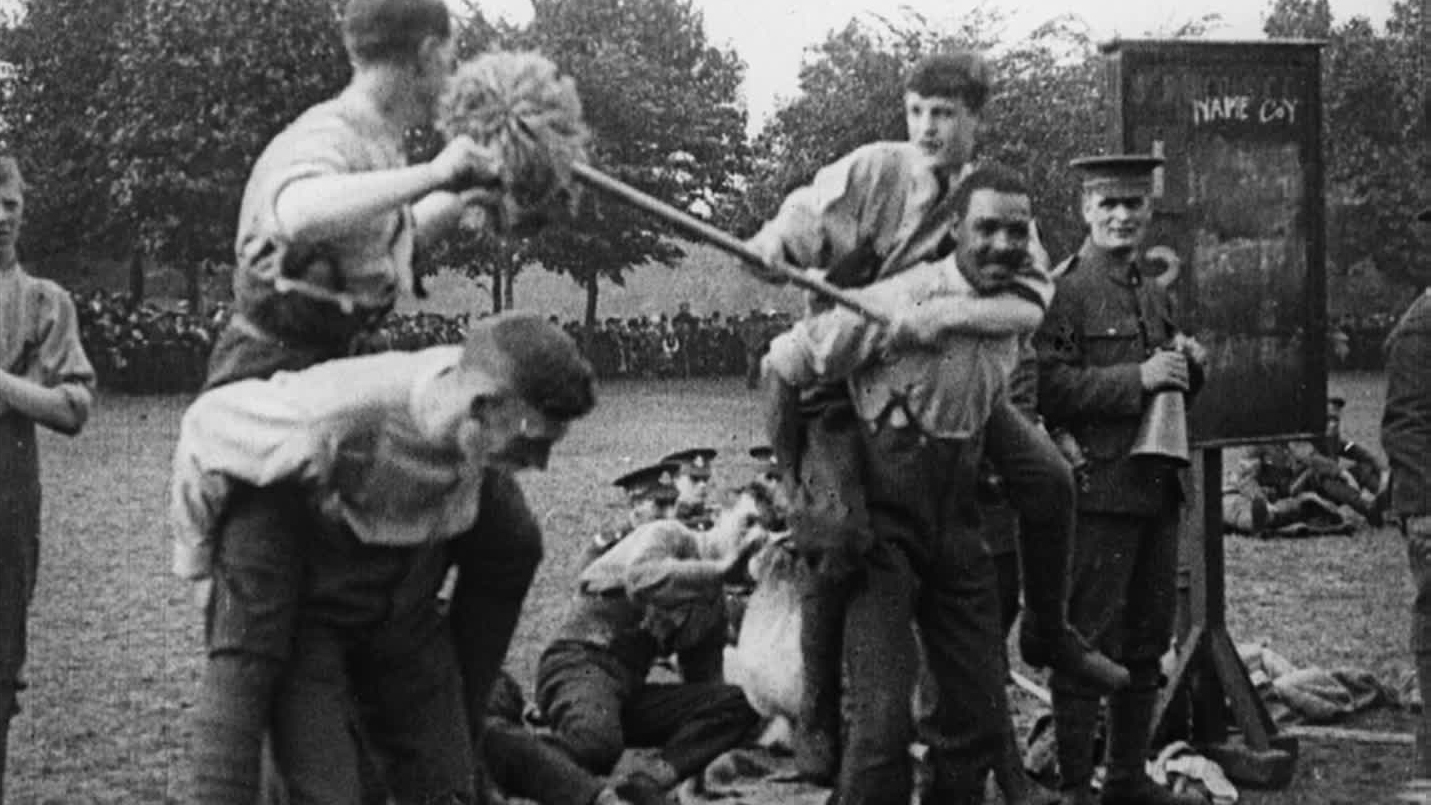
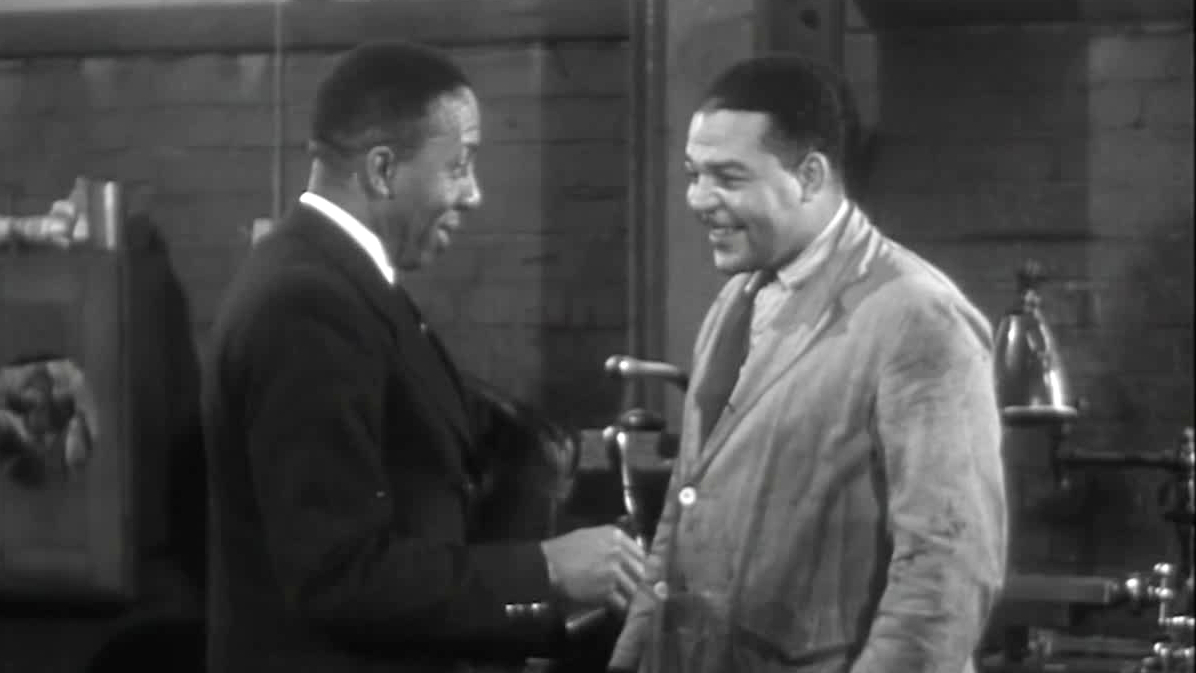
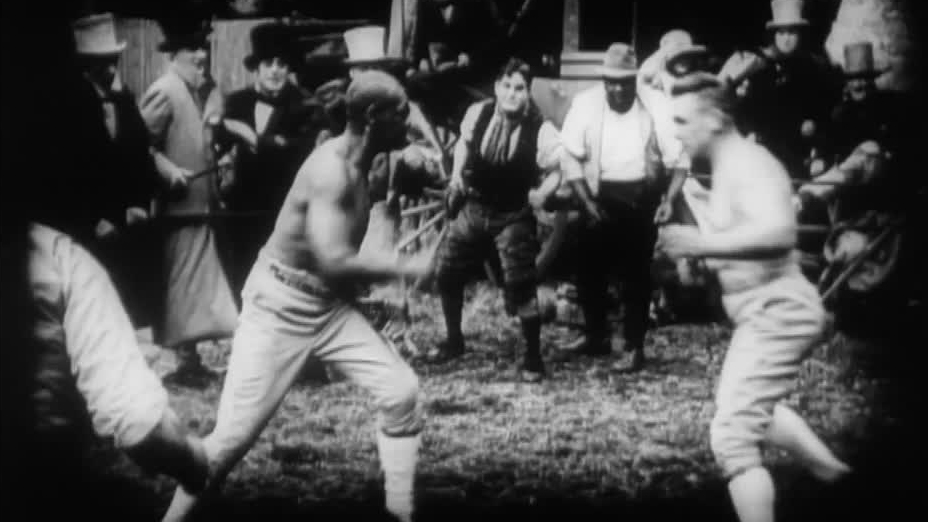
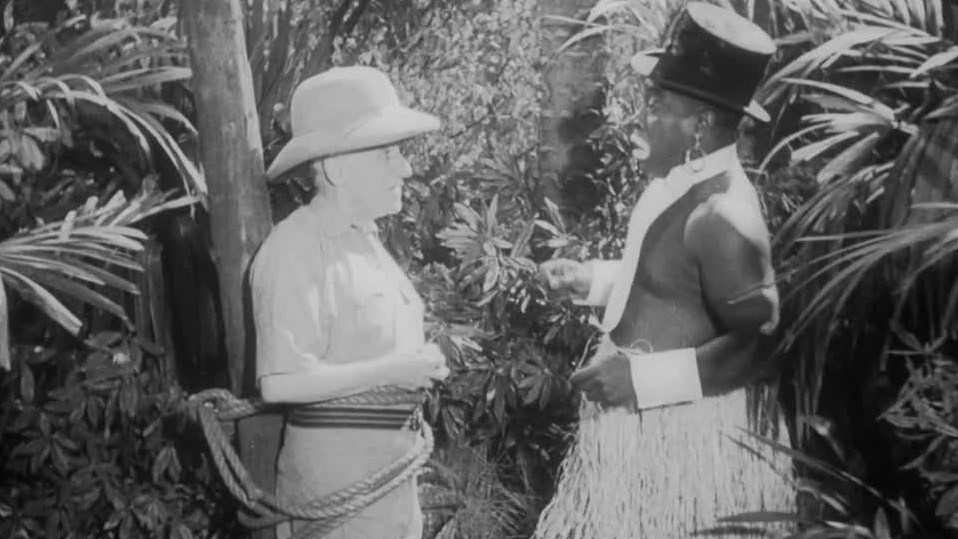
There was a substantial black presence in Britain long before the Empire Windrush arrived from Jamaica in June 1948. Some of the earliest moving images of black Britons survive in the extraordinary Mitchell and Kenyon collection from the dawn of the 20th century. WWI newsreels offered occasional glimpses of black soldiers from Britain - or more likely the Empire. In WWII the contribution of black servicemen and women was more prominently acknowledged in newsreels and documentaries. Between the wars, black performers began to make a splash, from music hall entertainers Scott & Whaley to Britain's first black screen star, US-born actor, singer and activist Paul Robeson. Stars like these had an easier time than many, but still faced unthinking stereotypes and prejudice. But they forged a path for others to follow. The films in this selection span some five decades, serving as a vital record of a much longer history of black people and culture in Britain than is often remembered.