What's a Girl Like You ...
- Vauxhall
- 1969
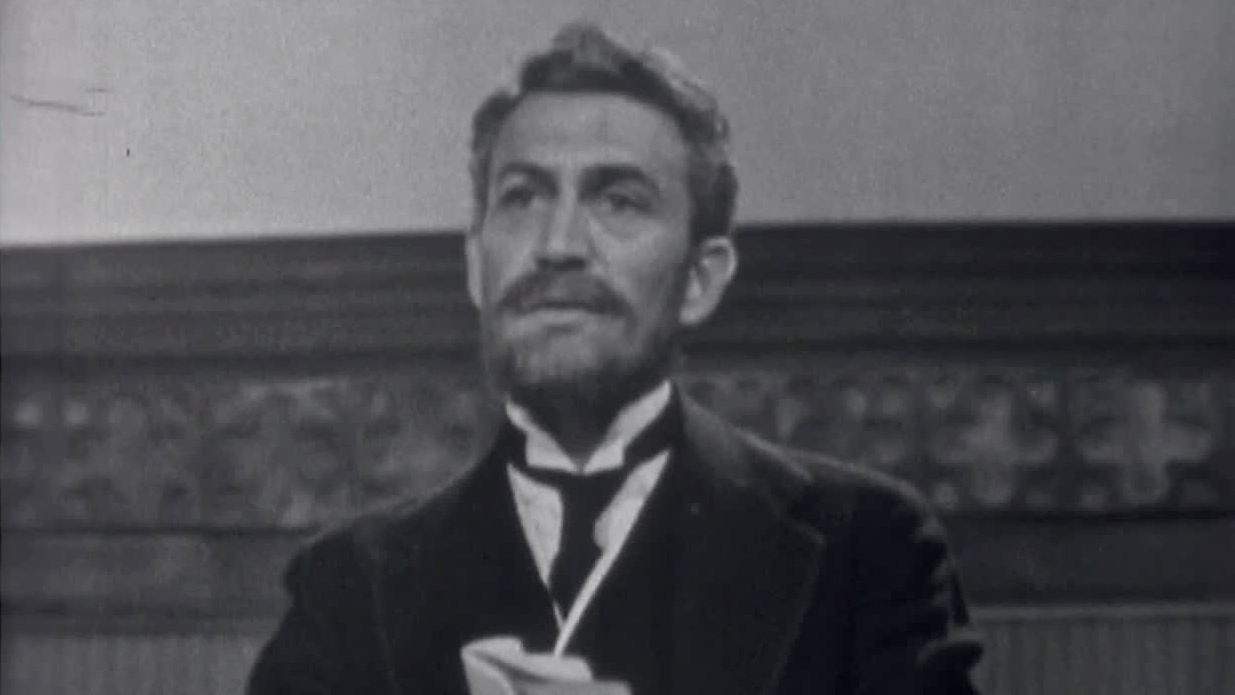
Peter Wyngarde stars in the earliest surviving gay-themed British television drama, set on a Deep South plantation.
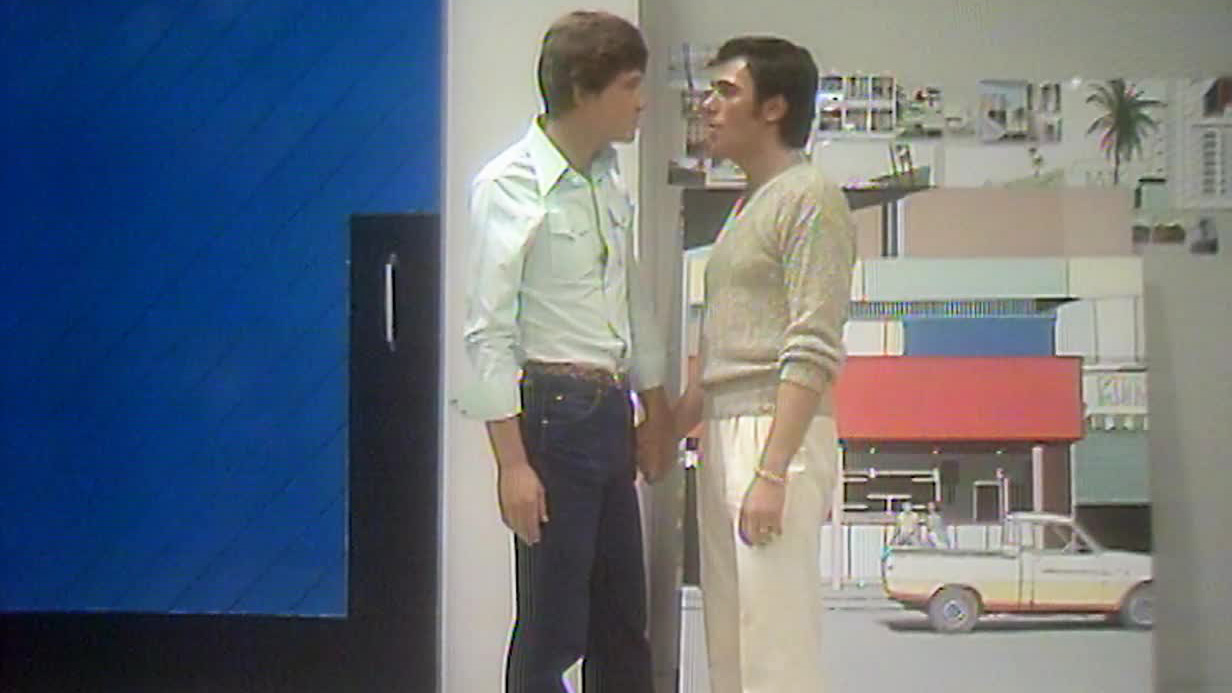
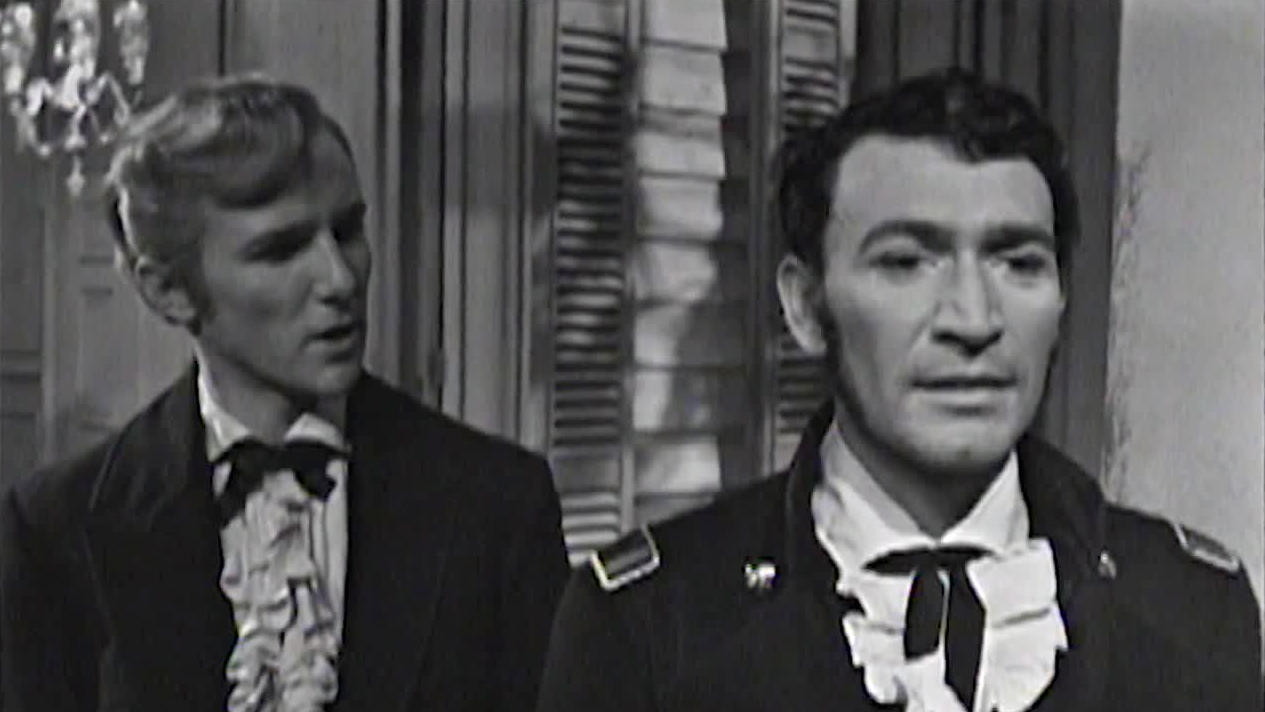
Now recognised as the earliest surviving gay-themed British television drama, this ITV Play of the Week centres on Lt. Jan Wicziewsky (Peter Wyngarde), a guest on a wealthy family's Deep South plantation as the American Civil War looms. Wicziewsky's initial arrogance gives way to emotional disintegration when the arrival of Eric MacClure (Graydon Gould) forces him to face up to his darkest secret: his love for another man. Just two years after the Wolfenden Report, homosexuality was still taboo. Though the word itself is not mentioned, Wyngarde's bravery in taking on the role cannot be overstated.
The wonderful supporting cast includes Hollywood veteran Bessie Love and pioneering black British actor Johnny Sekka (the play addresses race as well as sexuality). Like much of 1950s TV output, South was broadcast live. Despite the odd minor slip-up it's a dazzling technical achievement and one we are lucky exists at all: many live dramas of the period were not recorded for posterity, or were later wiped. After the broadcast, a Daily Sketch reporter wrote: "I do NOT see anything attractive in the agonies and ecstasies of a pervert, especially in close-up in my sitting room. This is not prudishness. There are some indecencies in life that are best left covered up."
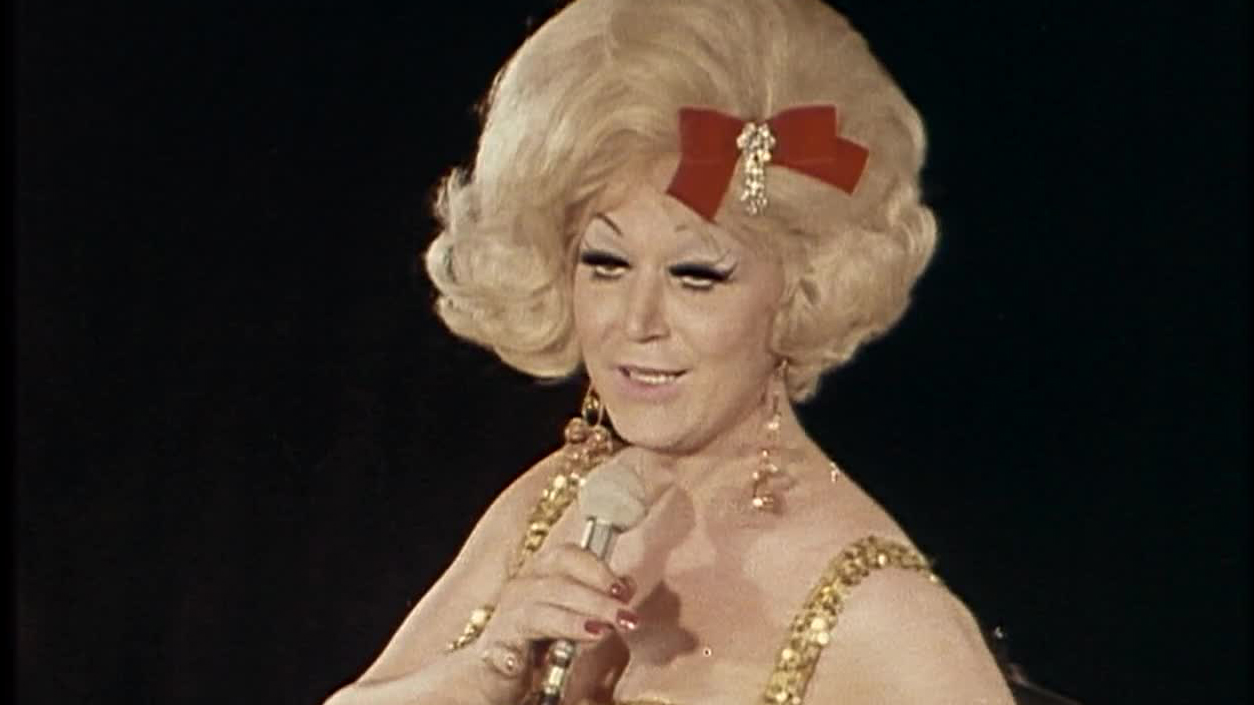
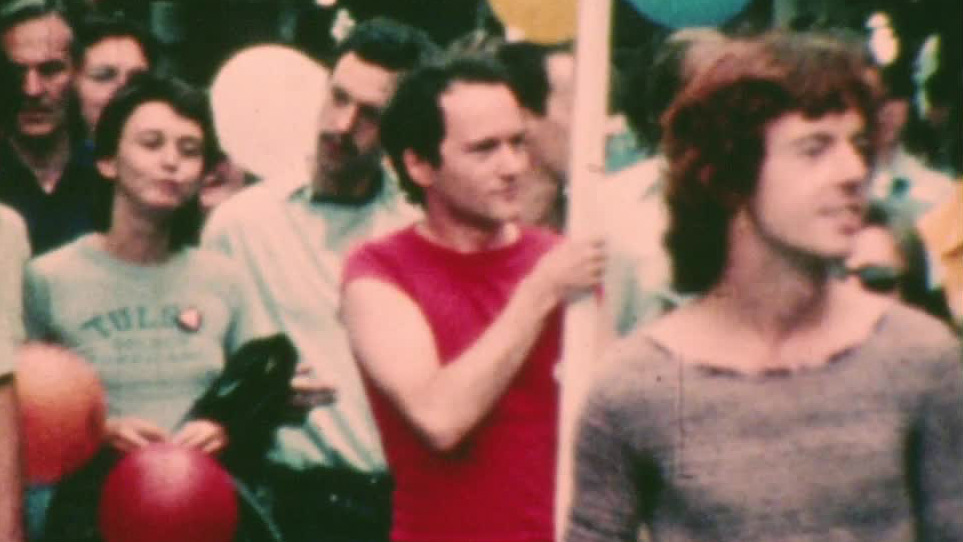
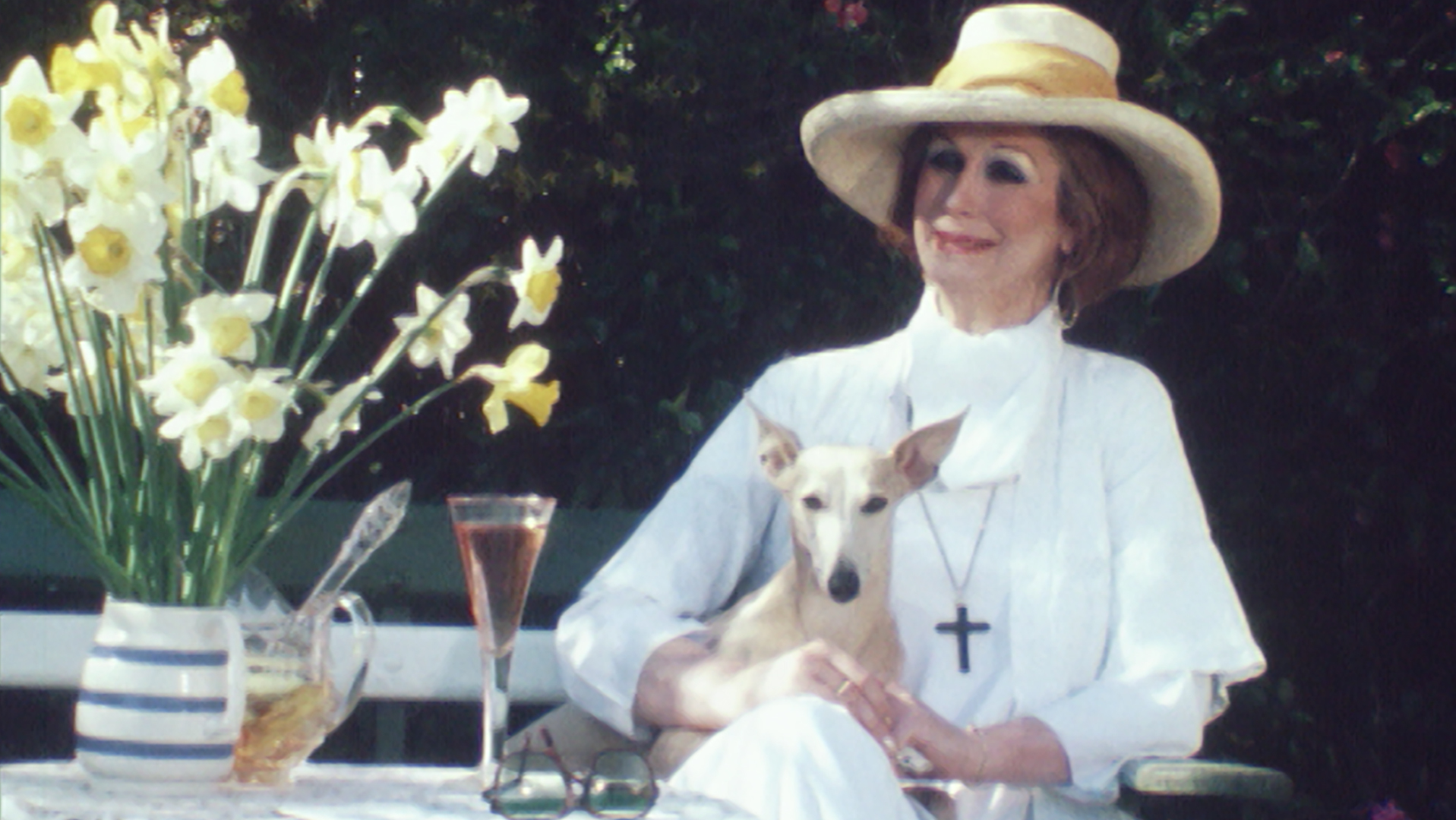
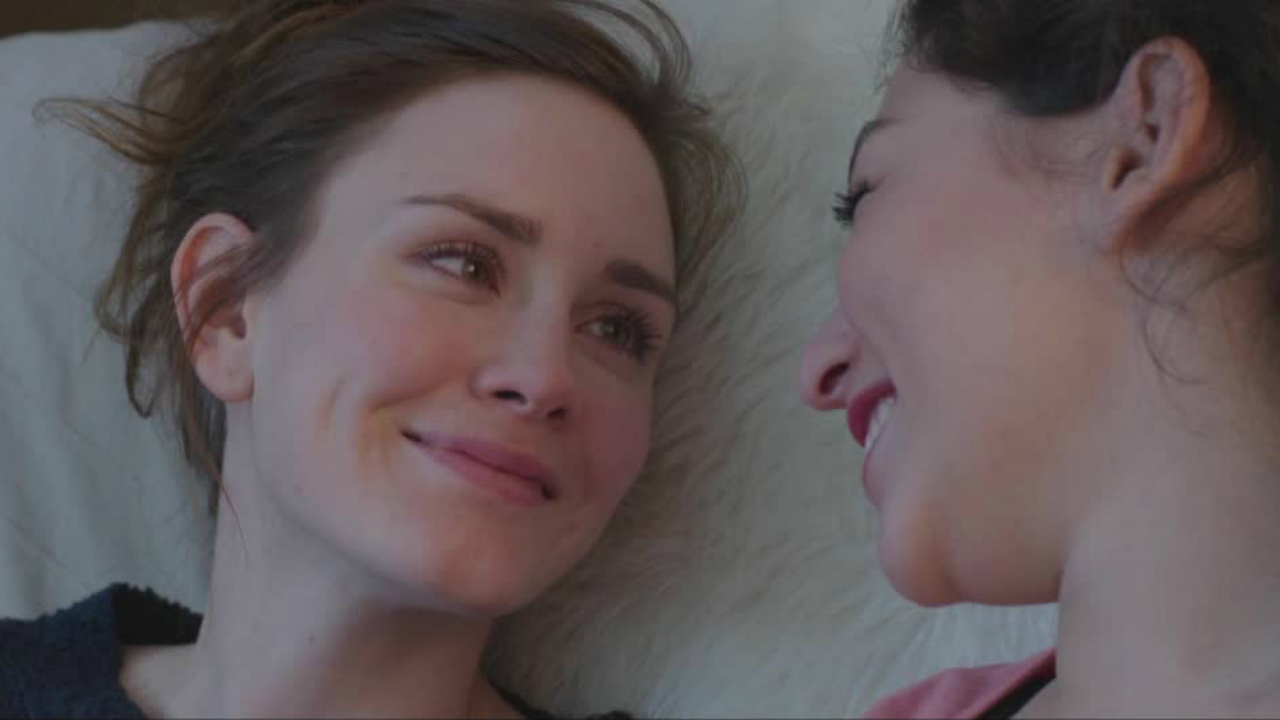
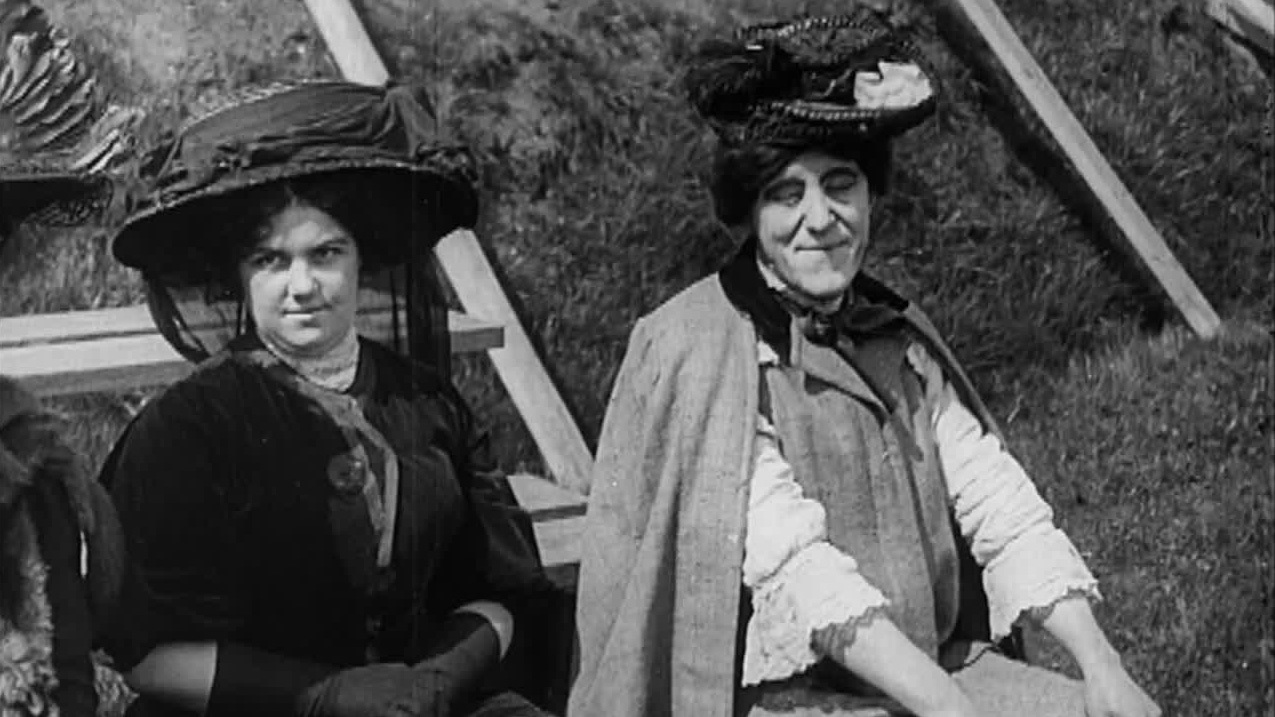
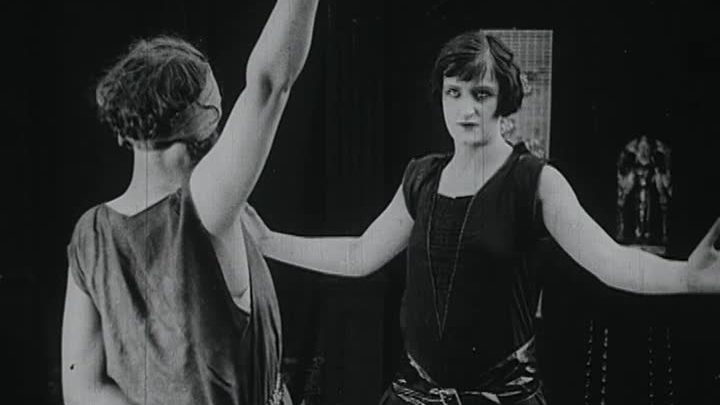
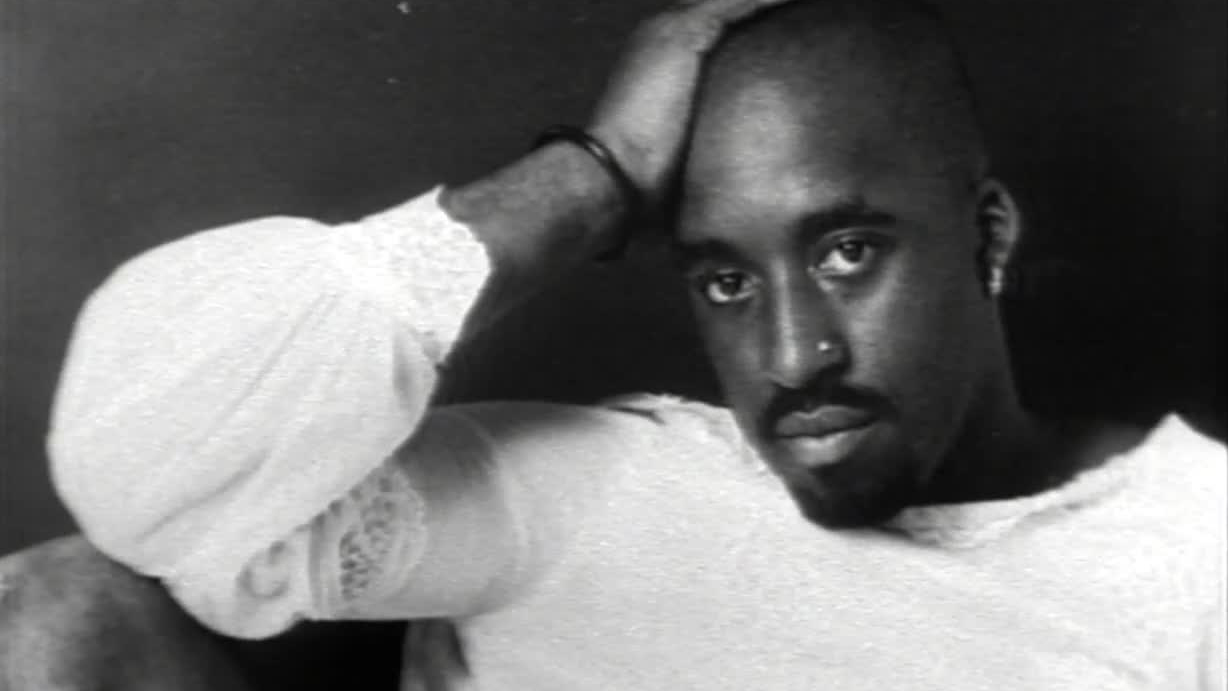
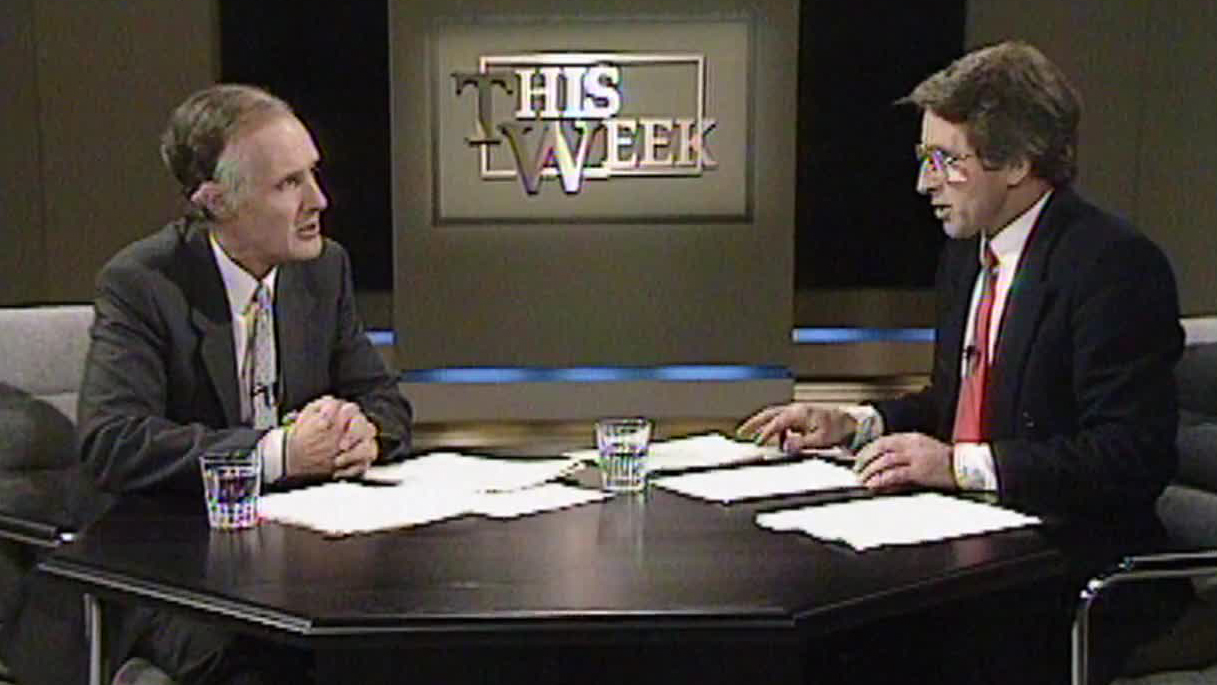
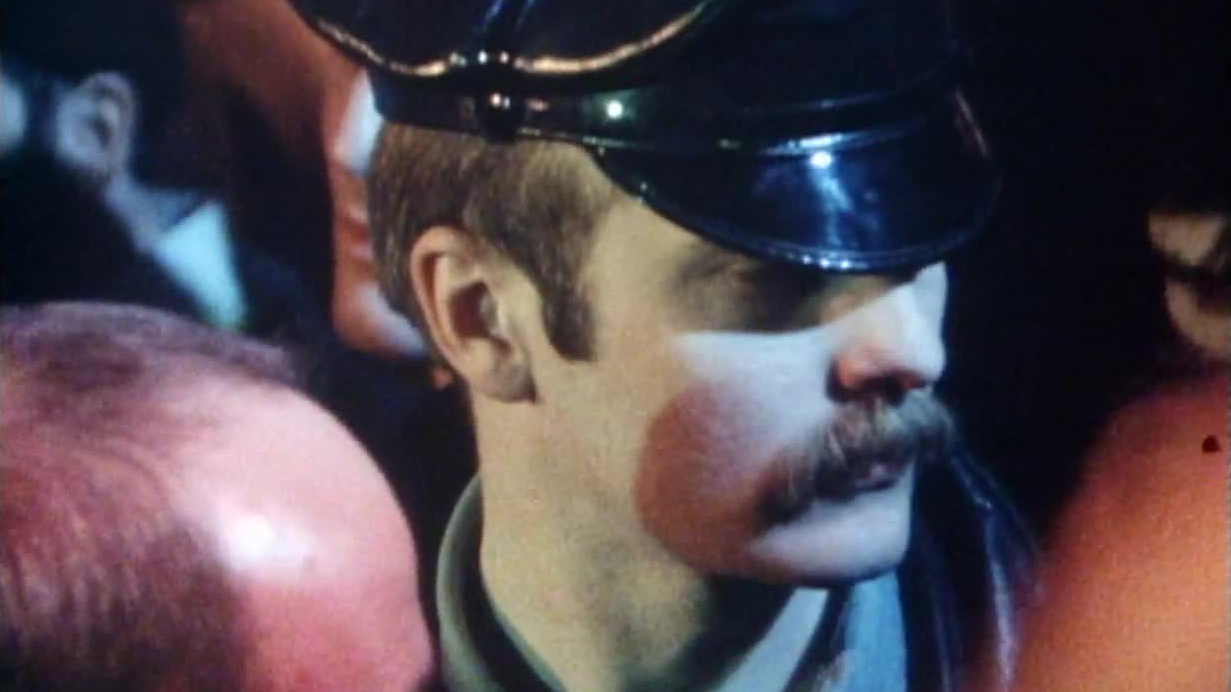
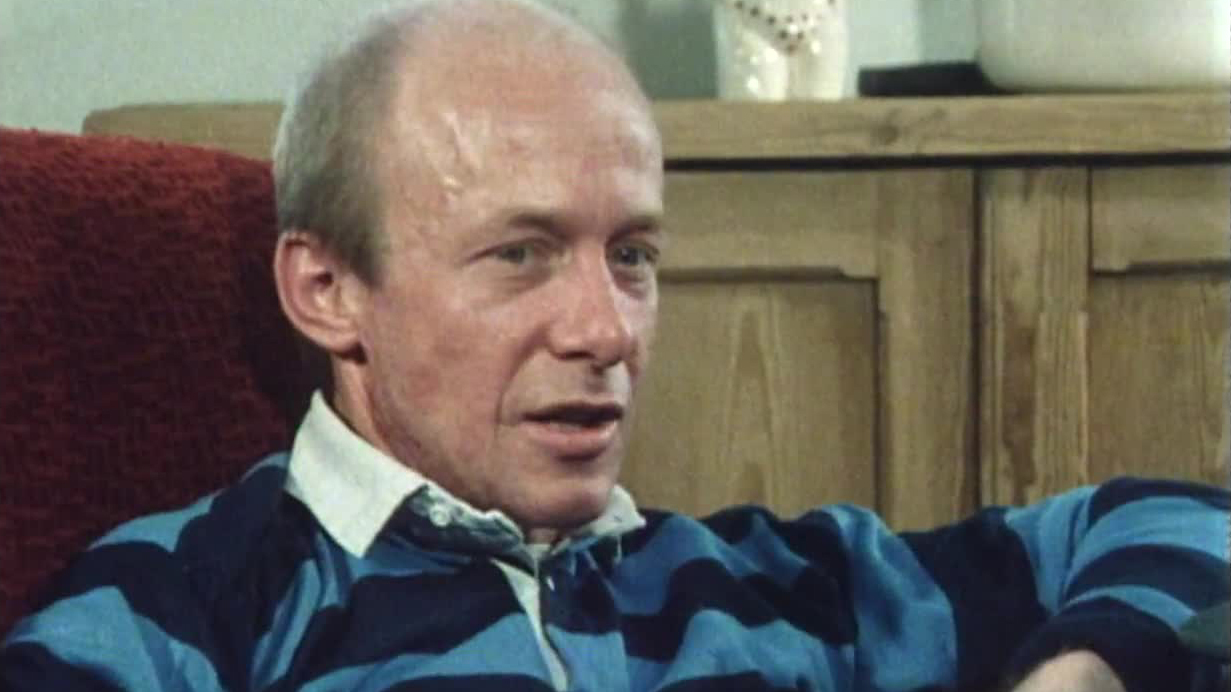
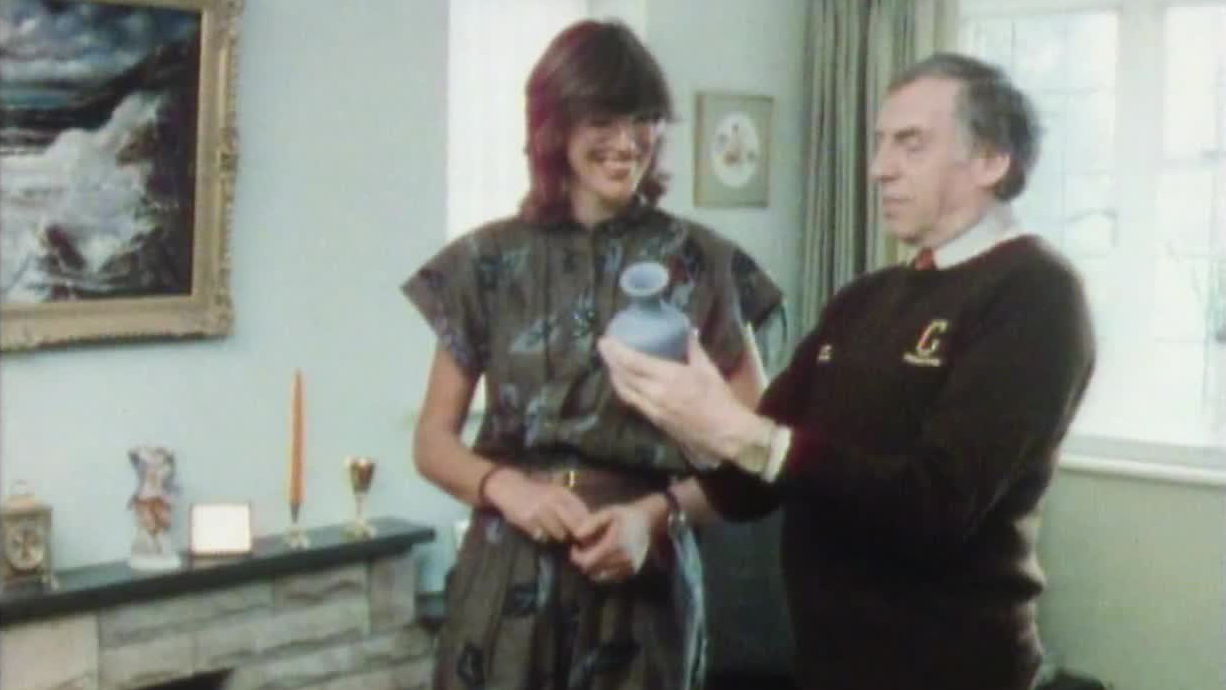
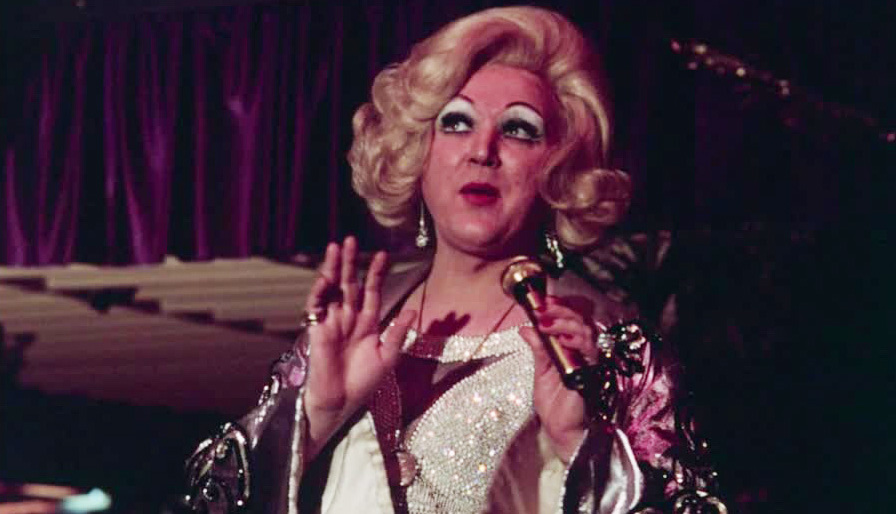
This colourful and challenging collection explores screen representations of lesbian, gay, bisexual and transgender lives over the past century.
British cinema boasts a long history of carefully coded queerness, but for much of the 20th century explicit depictions of gay life in drama or documentary were more or less taboo. Gay men were subject to vicious state-sanctioned persecution, while lesbians were socially ostracised and the transgender community ignored and misunderstood. Cinematic and small-screen breakthroughs in the 1950s and 60s played their part in the public debate. Finally acting on the recommendations of the Wolfenden Committee a decade earlier, the 1967 Sexual Offences Act partially decriminalised male homosexuality in England and Wales, between two men over 21, in private. As those caveats suggest, the legislation remained problematic. But it was a step forward, paving the way for further battles - some yet to be won. From early glimpses of 'queer' characters, this collection charts the path towards '67 and beyond, through responses to the AIDS crisis to diverse reflections on queer life today.