What's a Girl Like You ...
- Vauxhall
- 1969
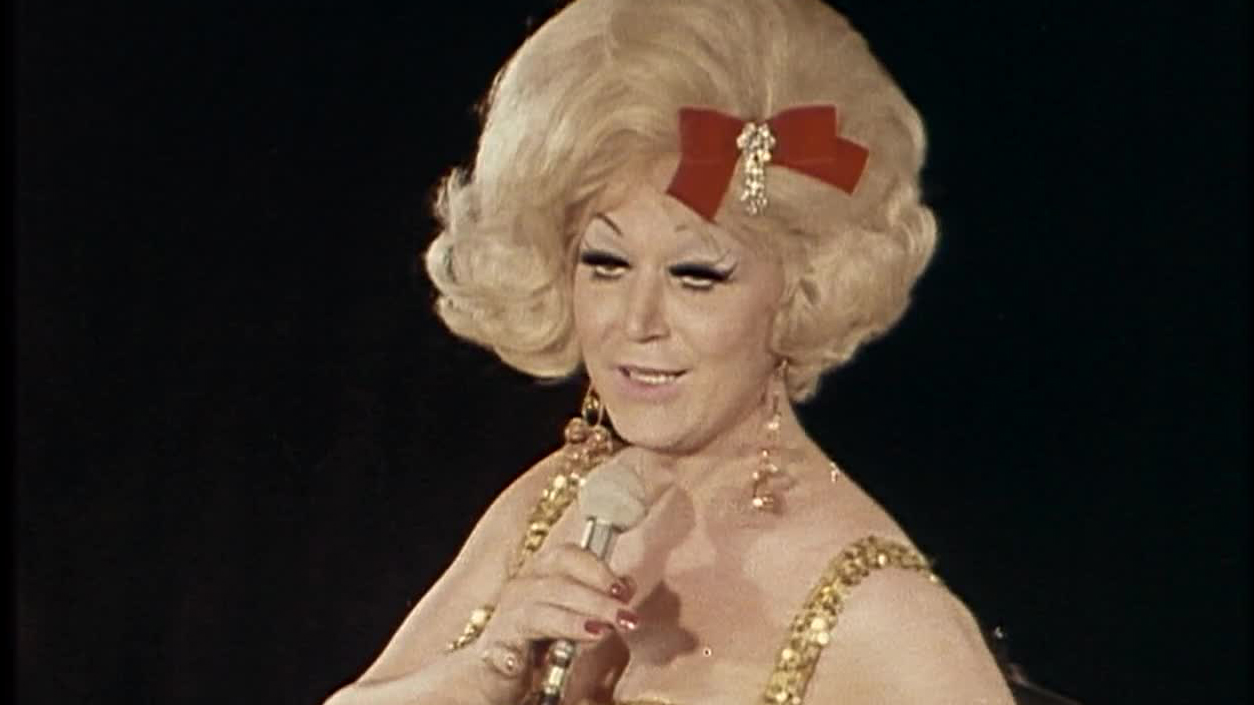
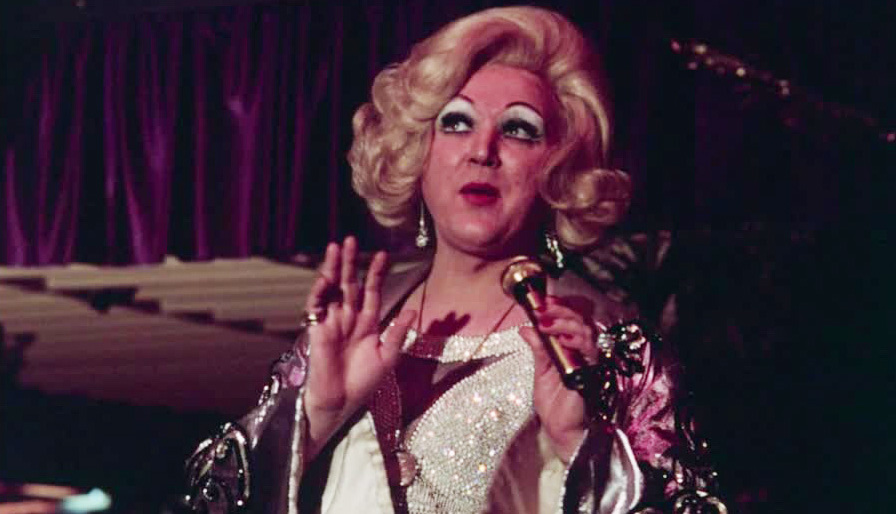
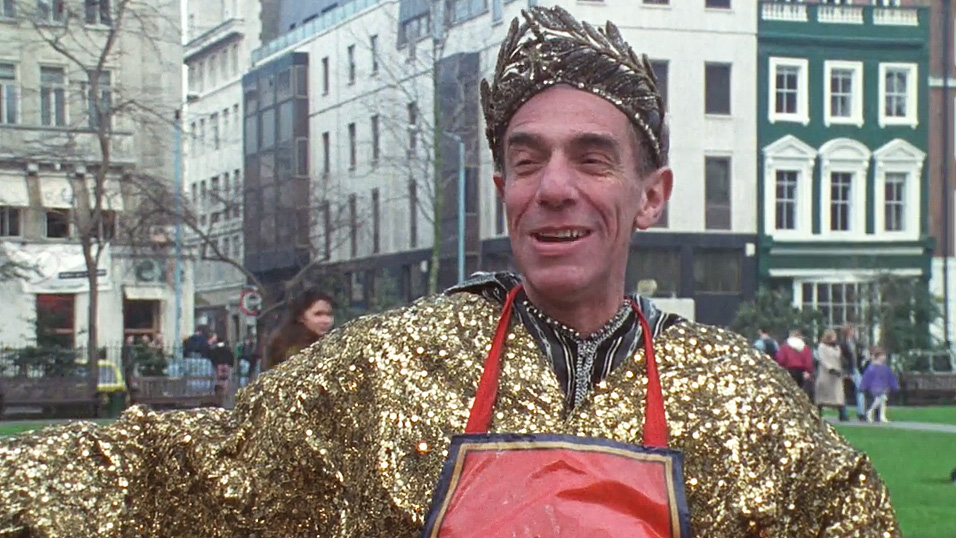
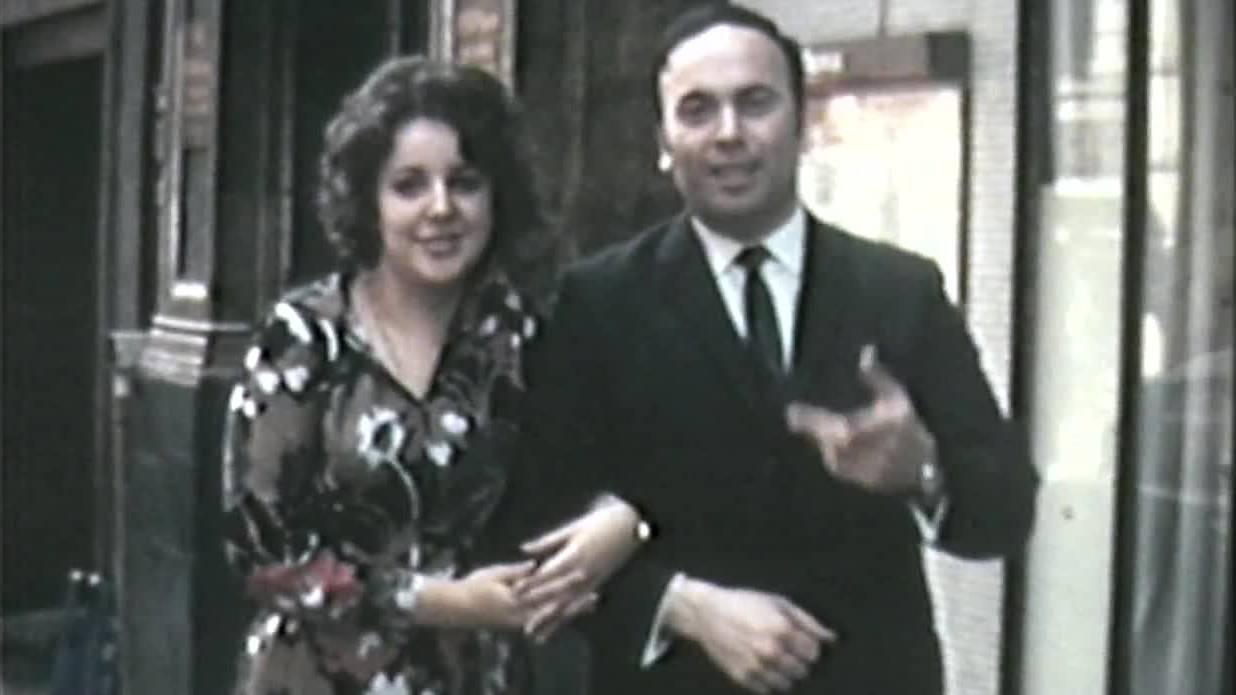
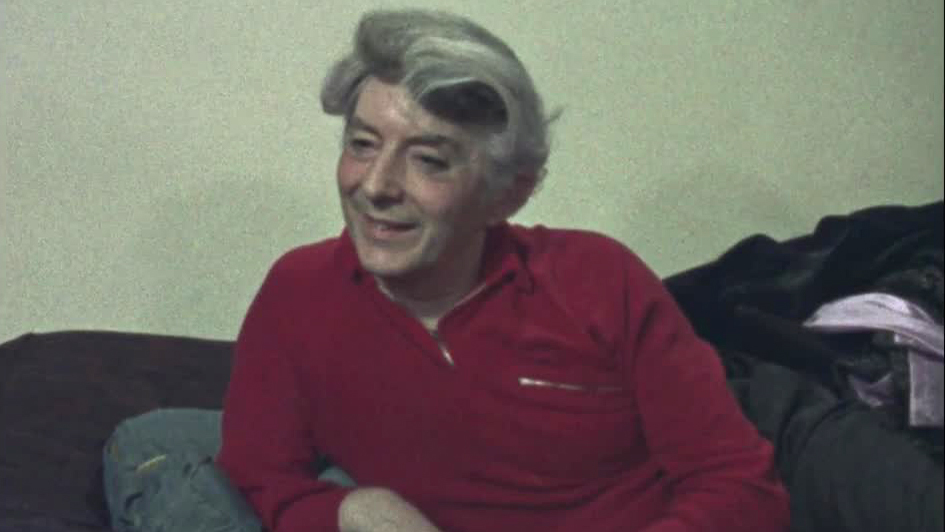
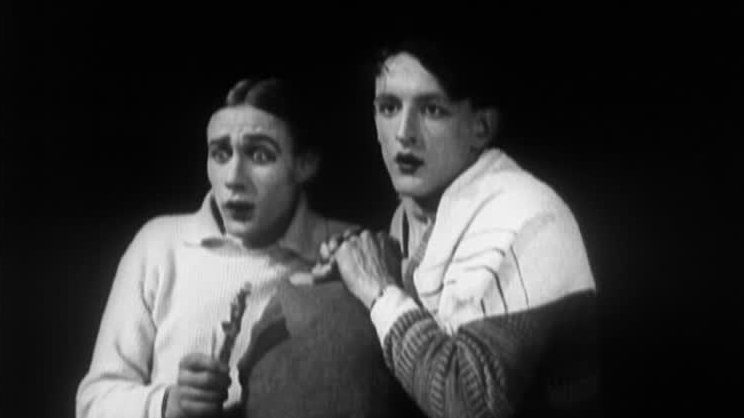
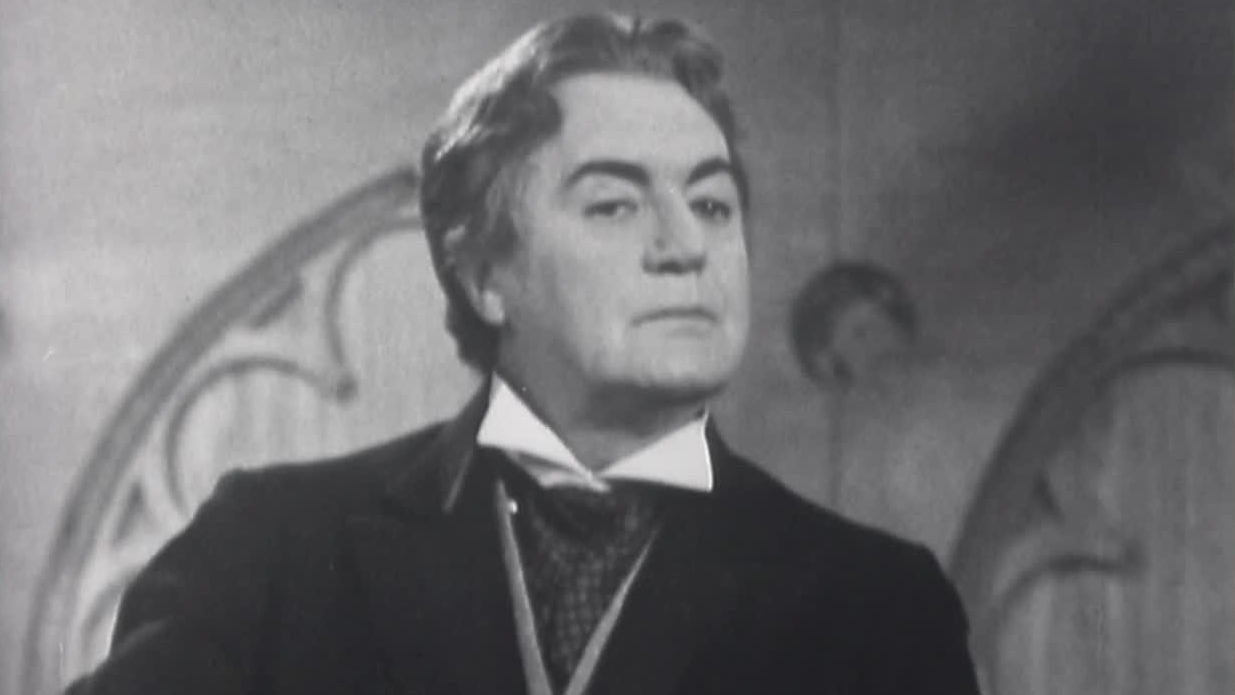
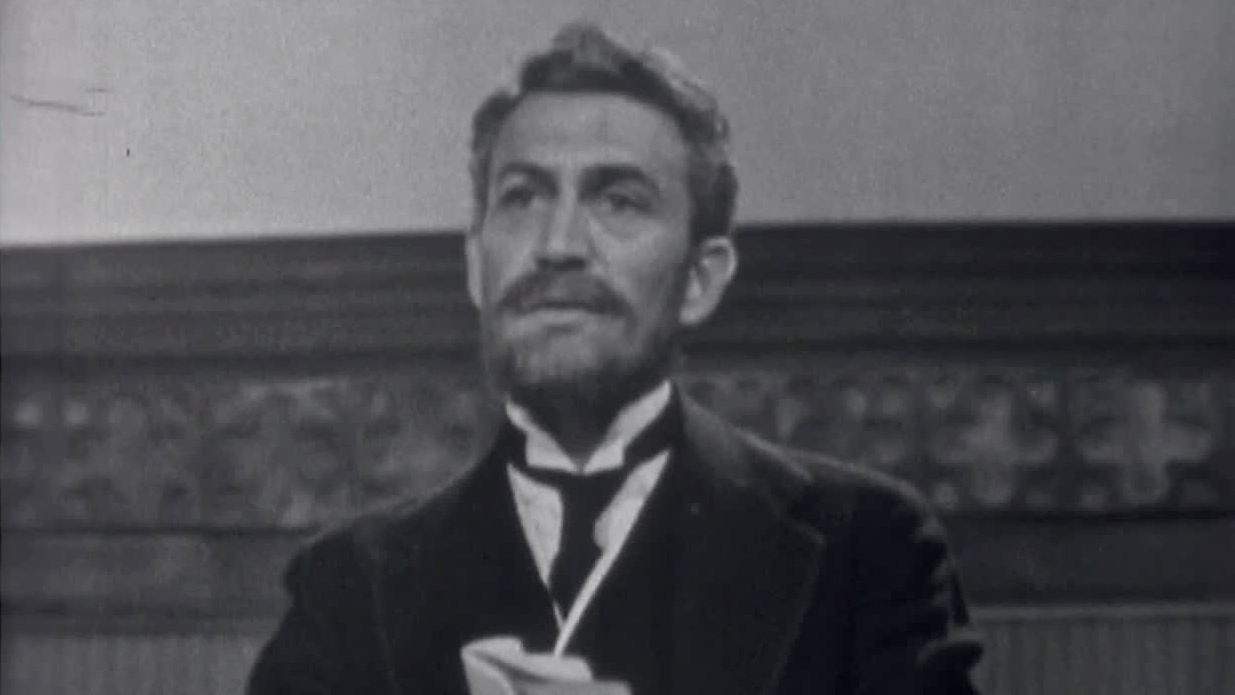
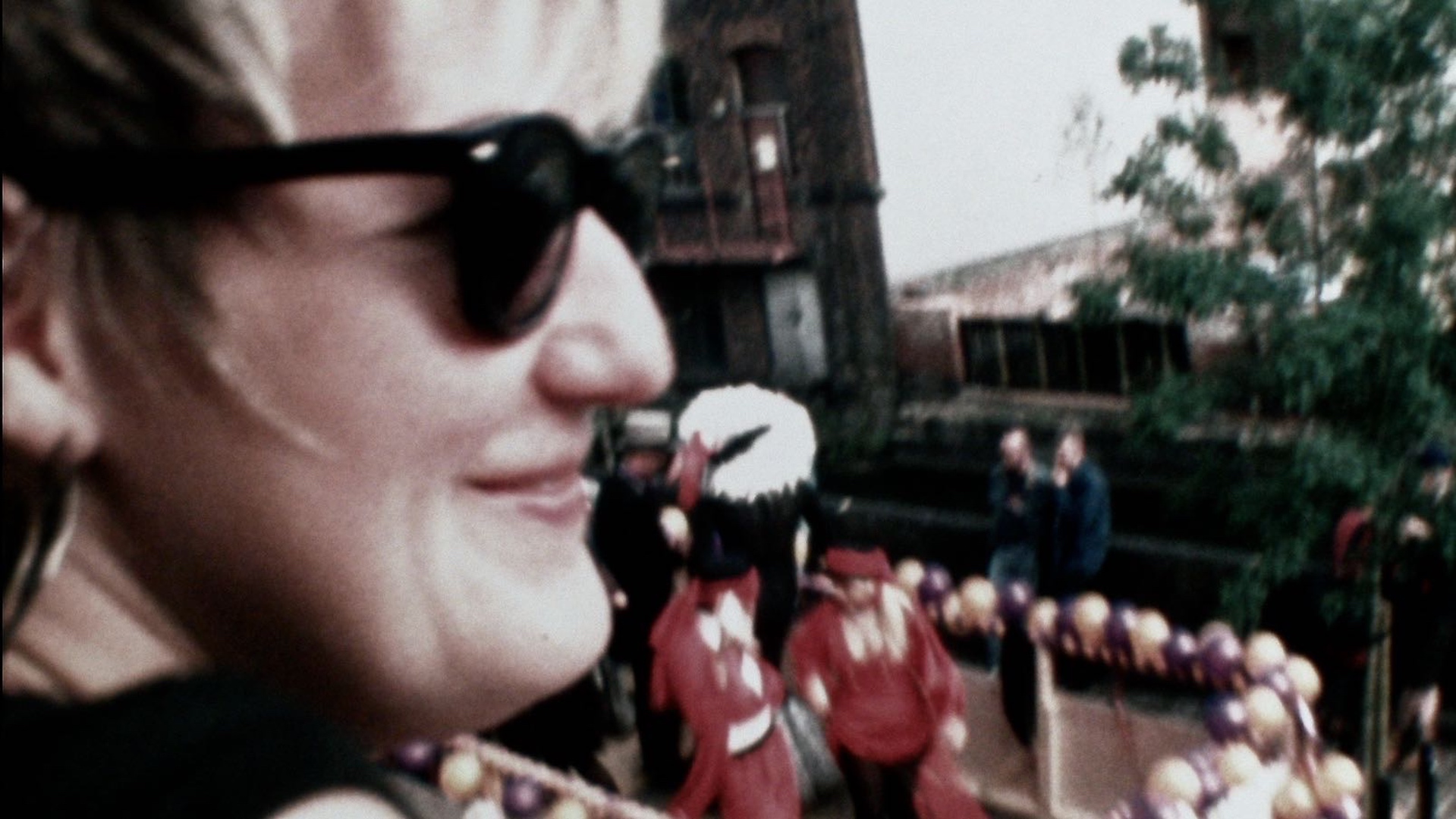
Affectionate tribute to the camp comedian Larry Grayson, with showbiz friends and highlights from his TV career.
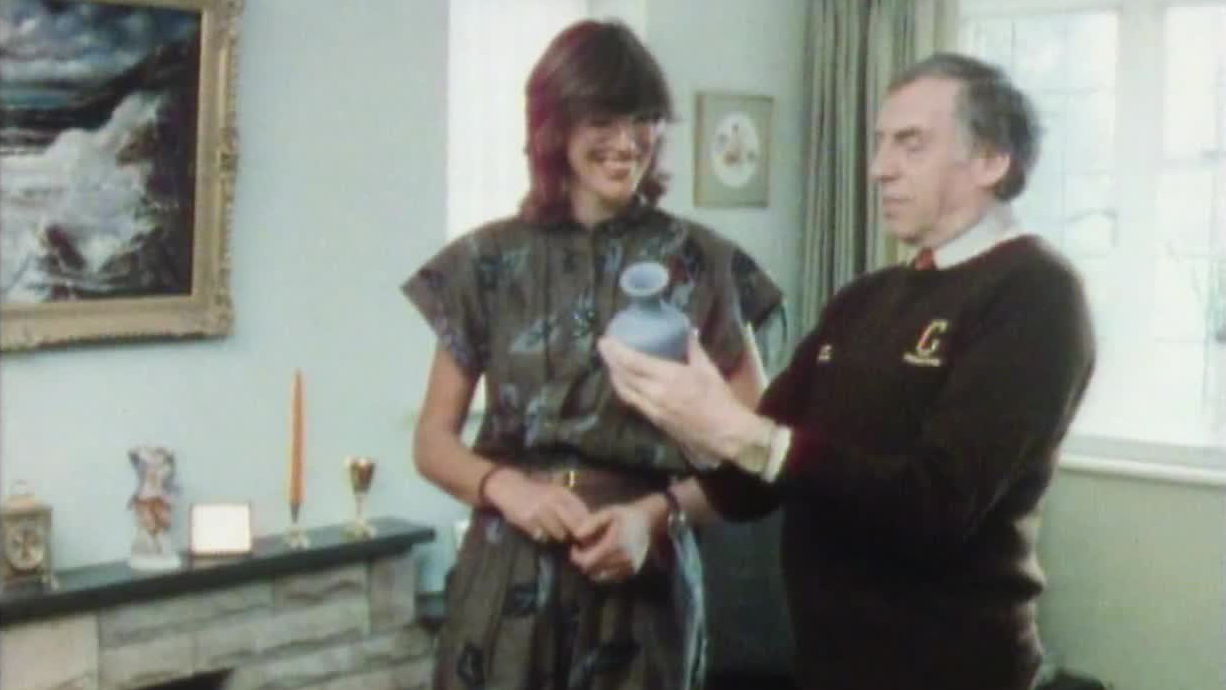
Janet Street-Porter hosts a tribute to Larry Grayson on the occasion of his 60th birthday. She takes him on a nostalgic trip to his hometown, Nuneaton, and they reminisce about his career in show business. Many guest stars appear, including Noele Gordon and Arthur Marshall, before the programme ends with a tune - Born in Trunk, sung by his idol Judy Garland over the closing credits.
In the 1940s the fey comedian Larry Grayson (1923-1995) began a long and difficult climb to fame. By the early 1970s he had become a national treasure, with catchphrases such as 'What a gay day', imaginary friends like Everard and Slack Alice, and his first television series Shut That Door! However, in 1978 Gay News described Larry's appointment to replace Bruce Forsyth on the BBC's popular Generation Game as 'the worst possible thing that could happen to gay rights on British television.' In spite of this, viewers loved him and his version of The Generation Game ran until 1982.
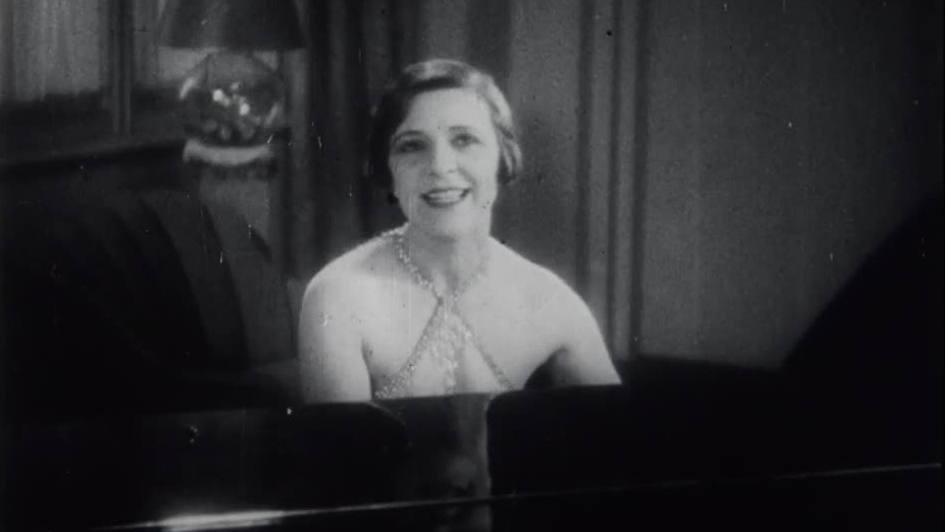
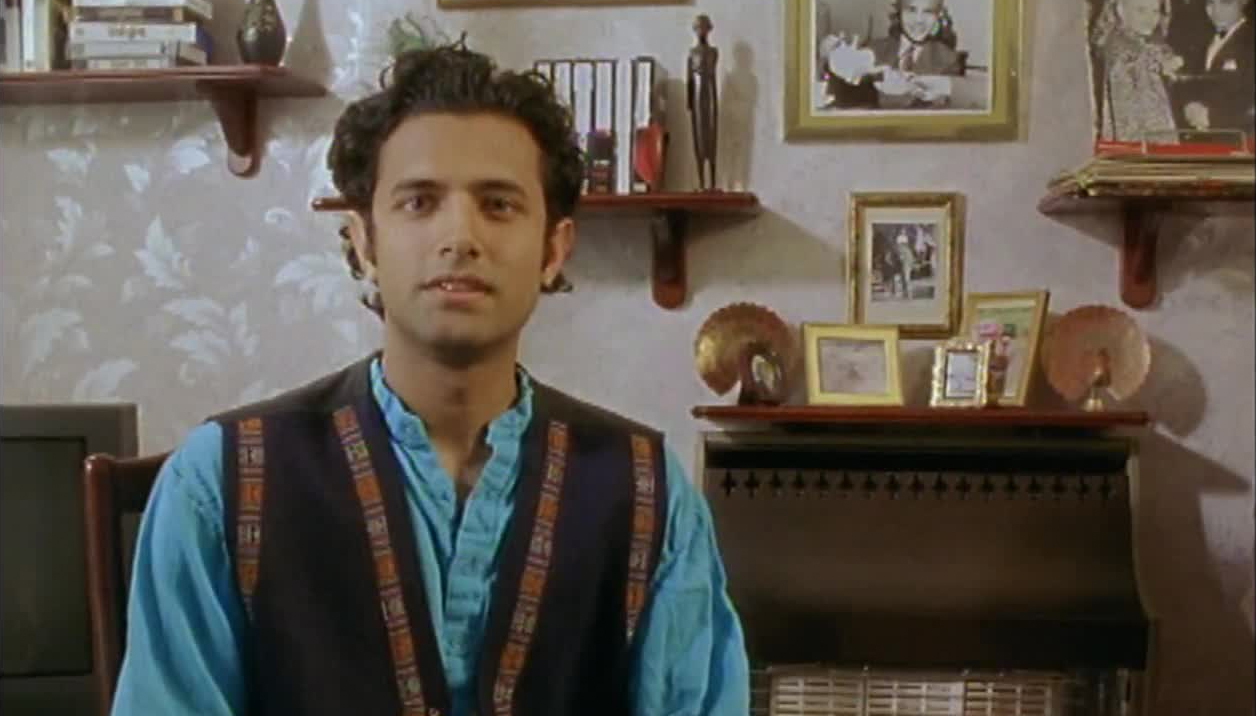
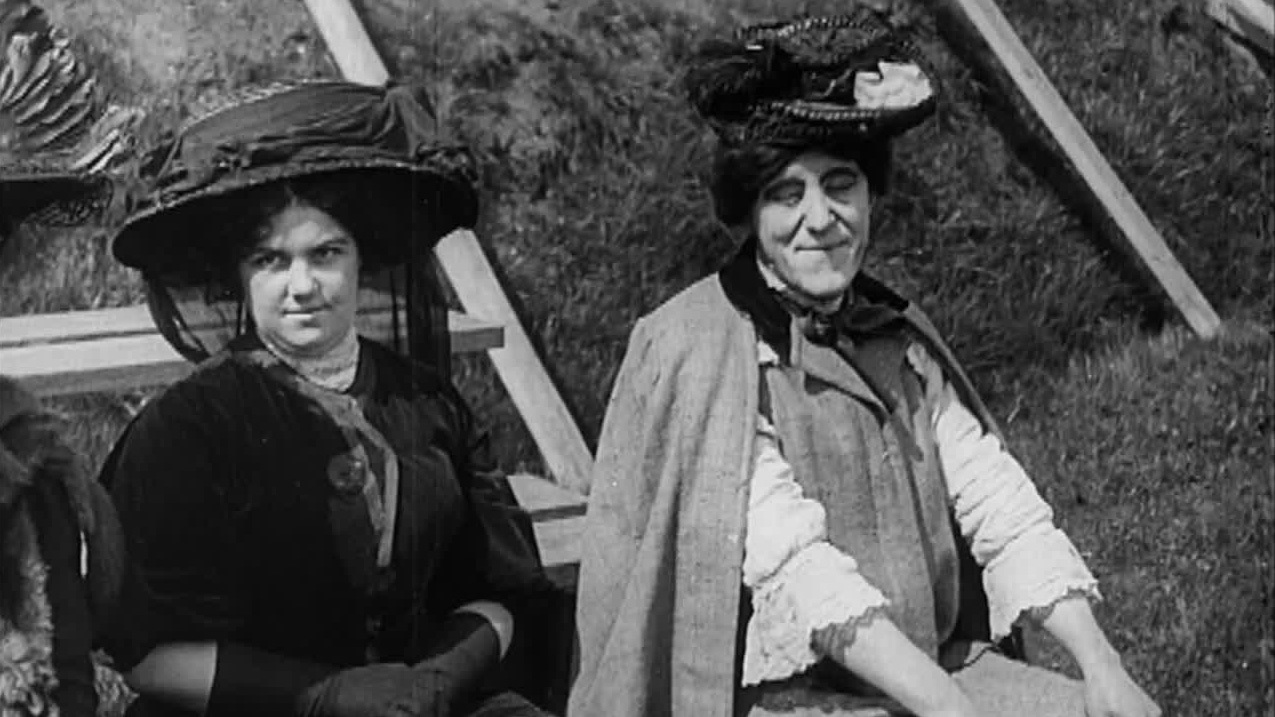
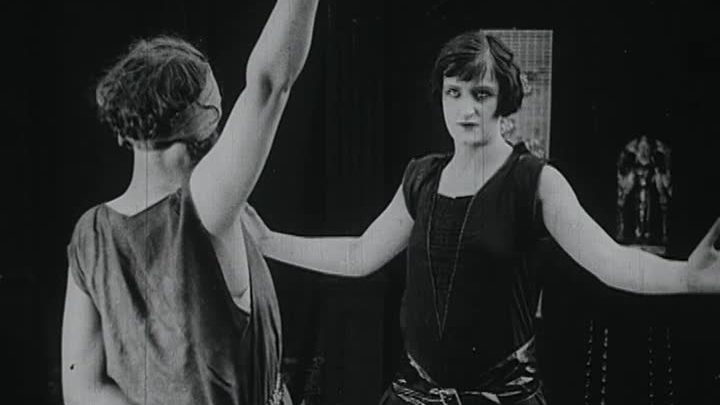
This colourful and challenging collection explores screen representations of lesbian, gay, bisexual and transgender lives over the past century.
British cinema boasts a long history of carefully coded queerness, but for much of the 20th century explicit depictions of gay life in drama or documentary were more or less taboo. Gay men were subject to vicious state-sanctioned persecution, while lesbians were socially ostracised and the transgender community ignored and misunderstood. Cinematic and small-screen breakthroughs in the 1950s and 60s played their part in the public debate. Finally acting on the recommendations of the Wolfenden Committee a decade earlier, the 1967 Sexual Offences Act partially decriminalised male homosexuality in England and Wales, between two men over 21, in private. As those caveats suggest, the legislation remained problematic. But it was a step forward, paving the way for further battles - some yet to be won. From early glimpses of 'queer' characters, this collection charts the path towards '67 and beyond, through responses to the AIDS crisis to diverse reflections on queer life today.