What's a Girl Like You ...
- Vauxhall
- 1969
Scintillating look at the 1960s drag renaissance, with a visit to London's Royal Vauxhall Tavern.
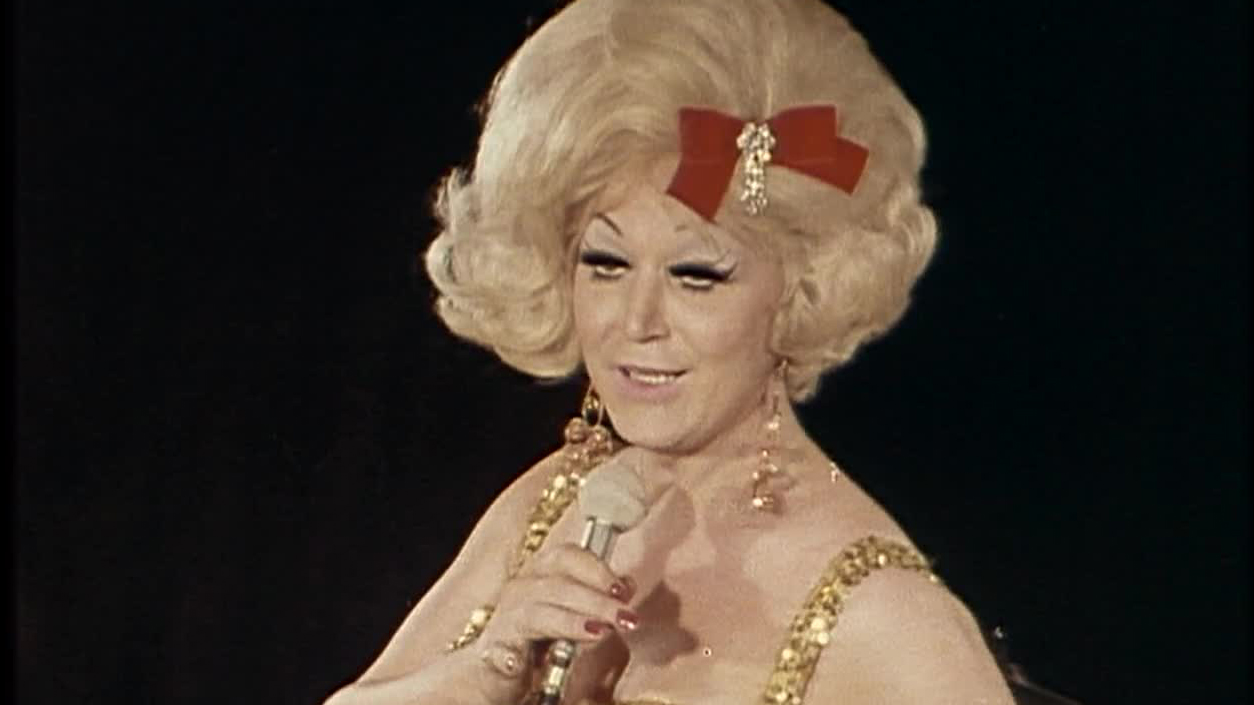
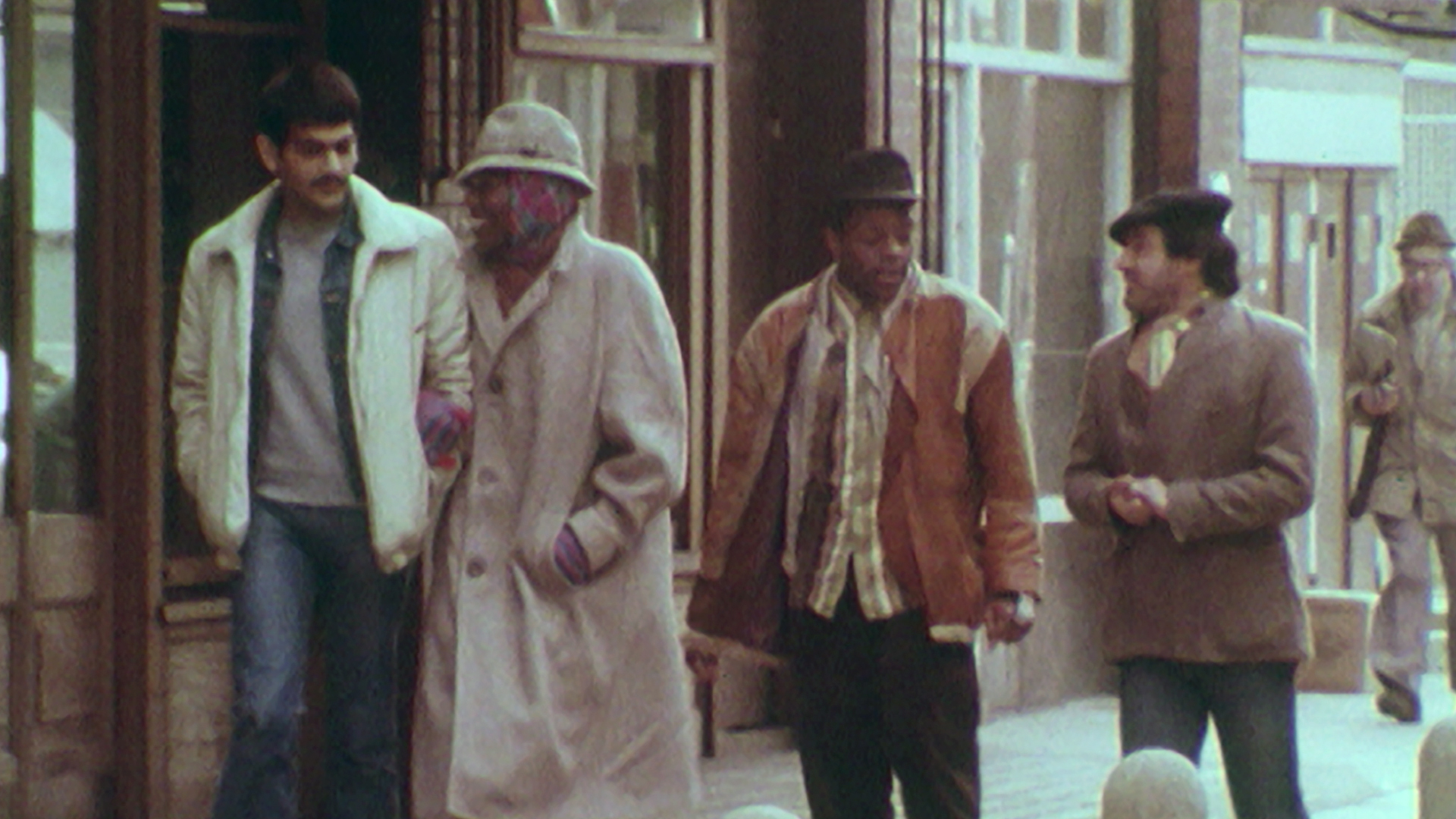
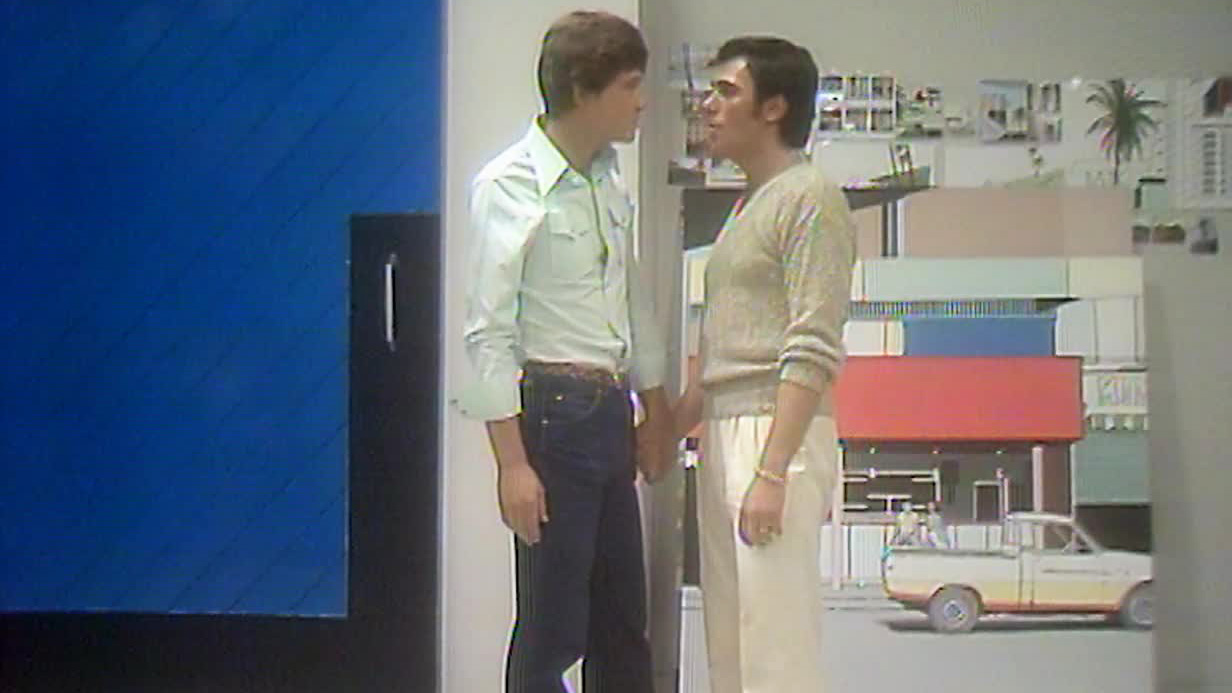
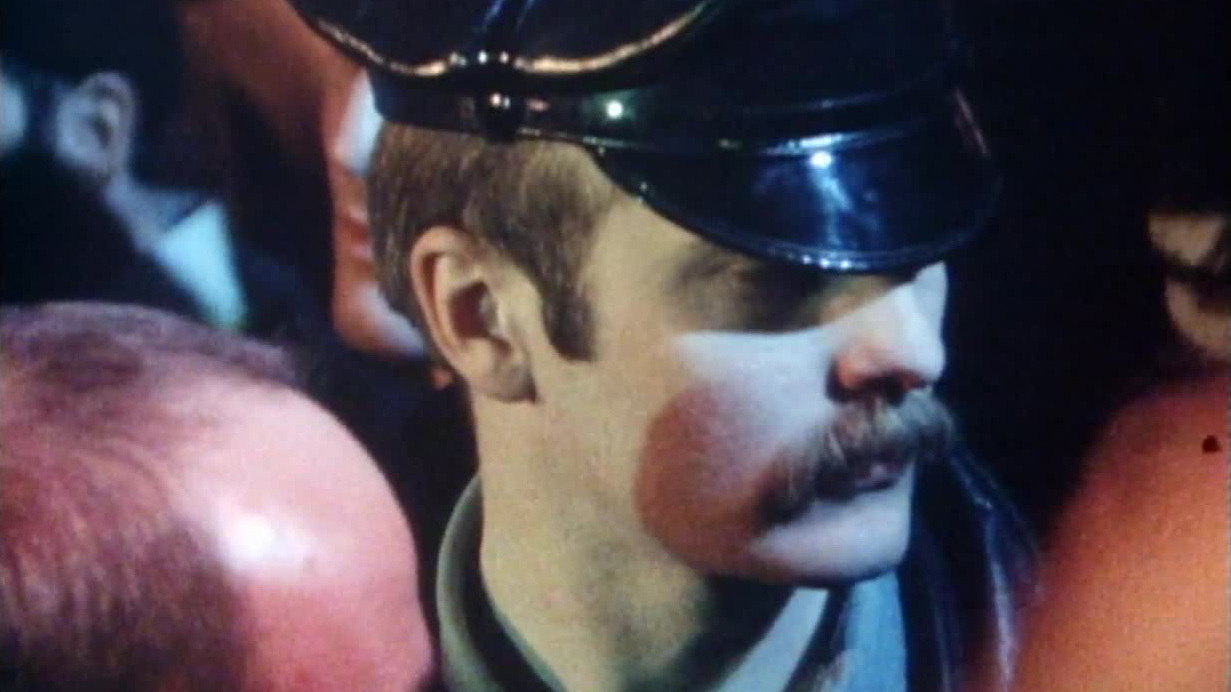
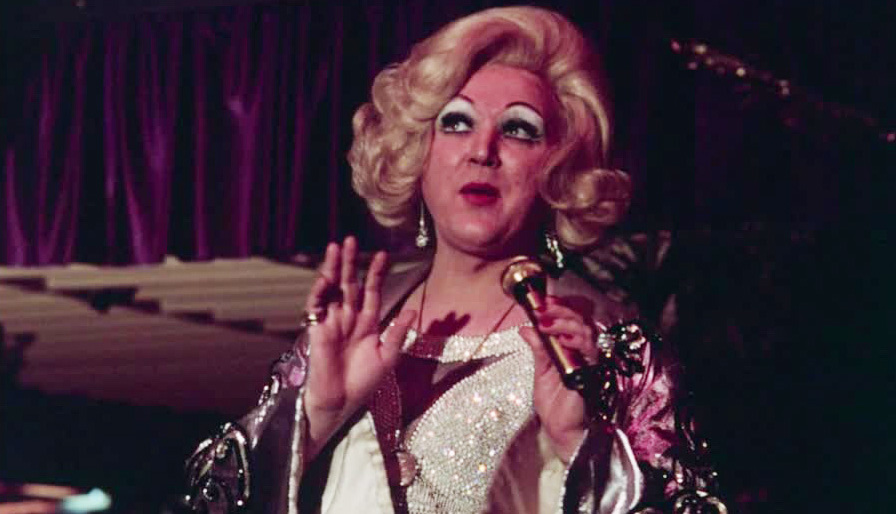
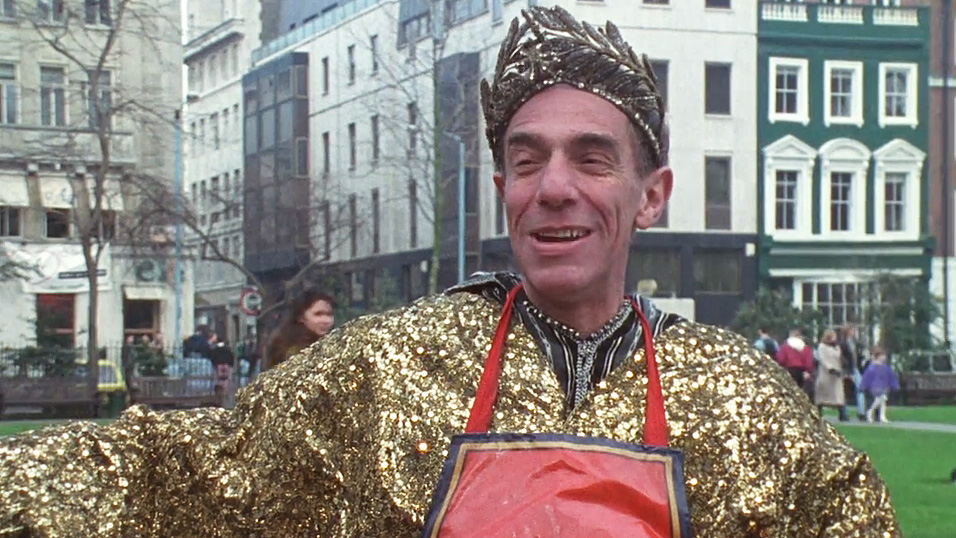
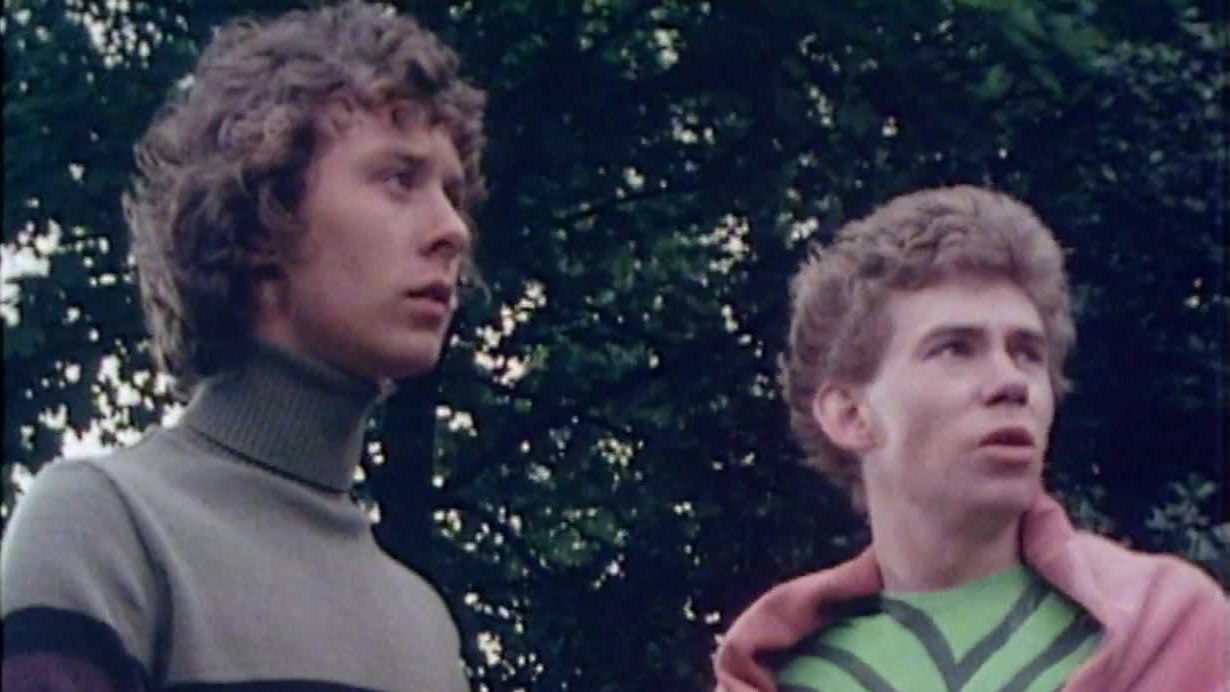
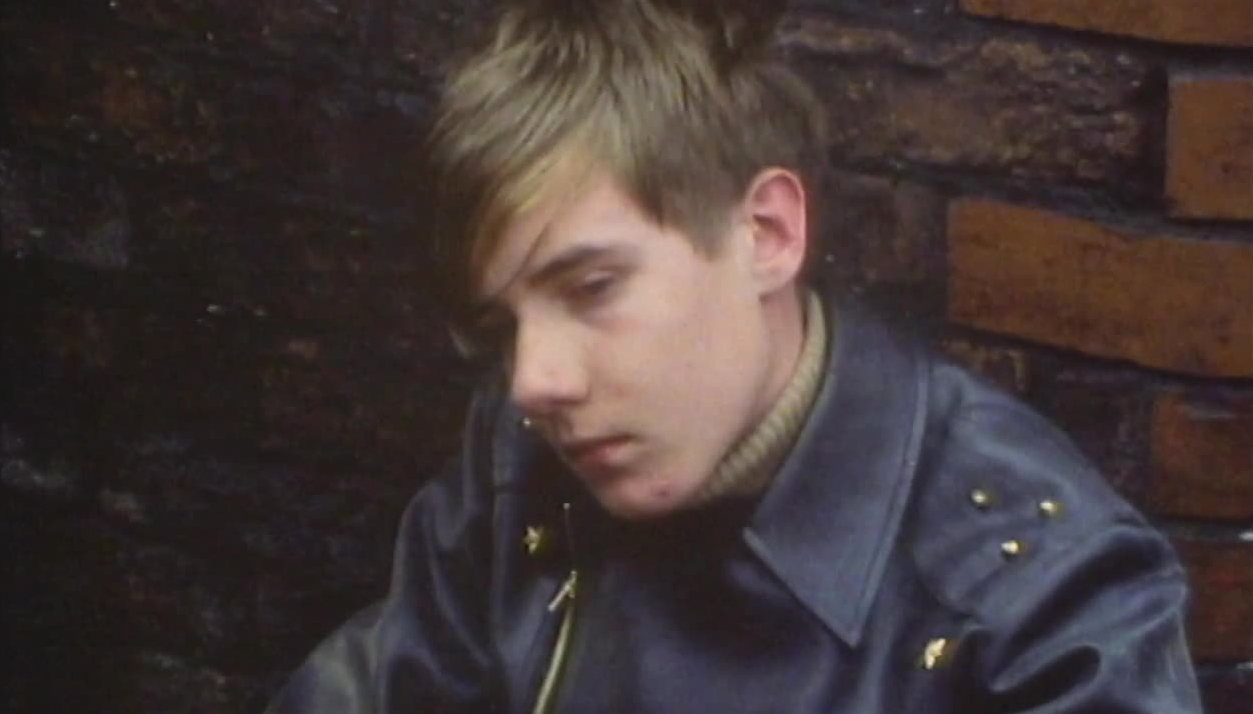
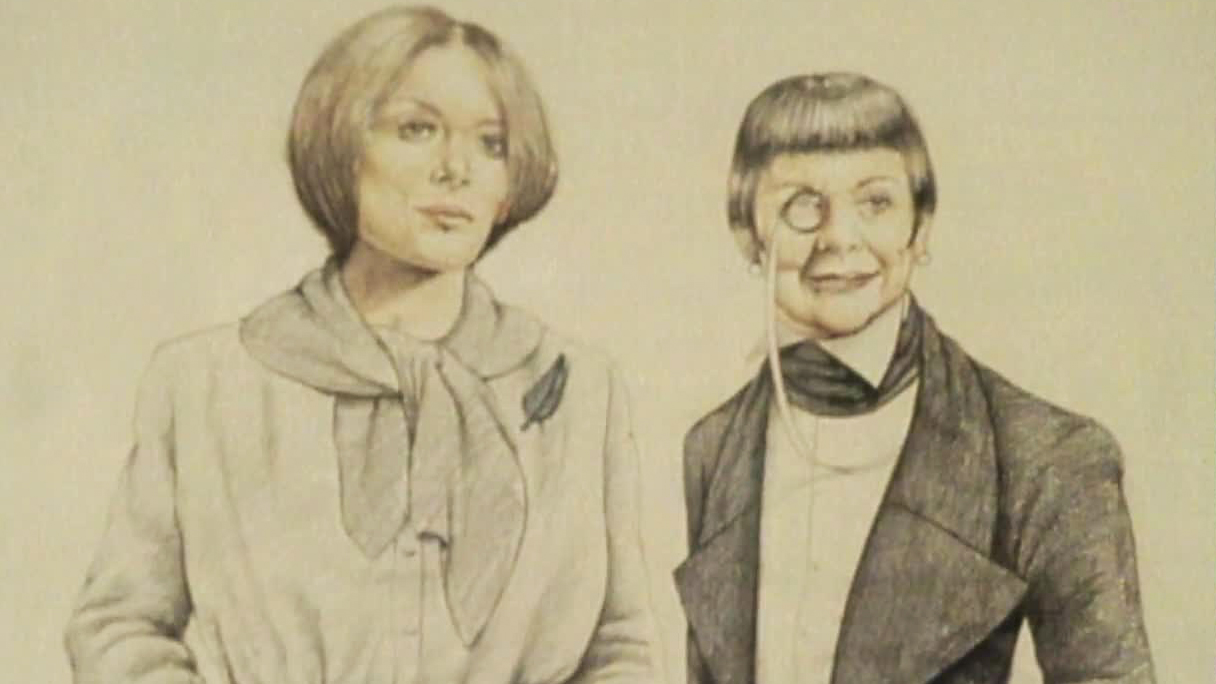
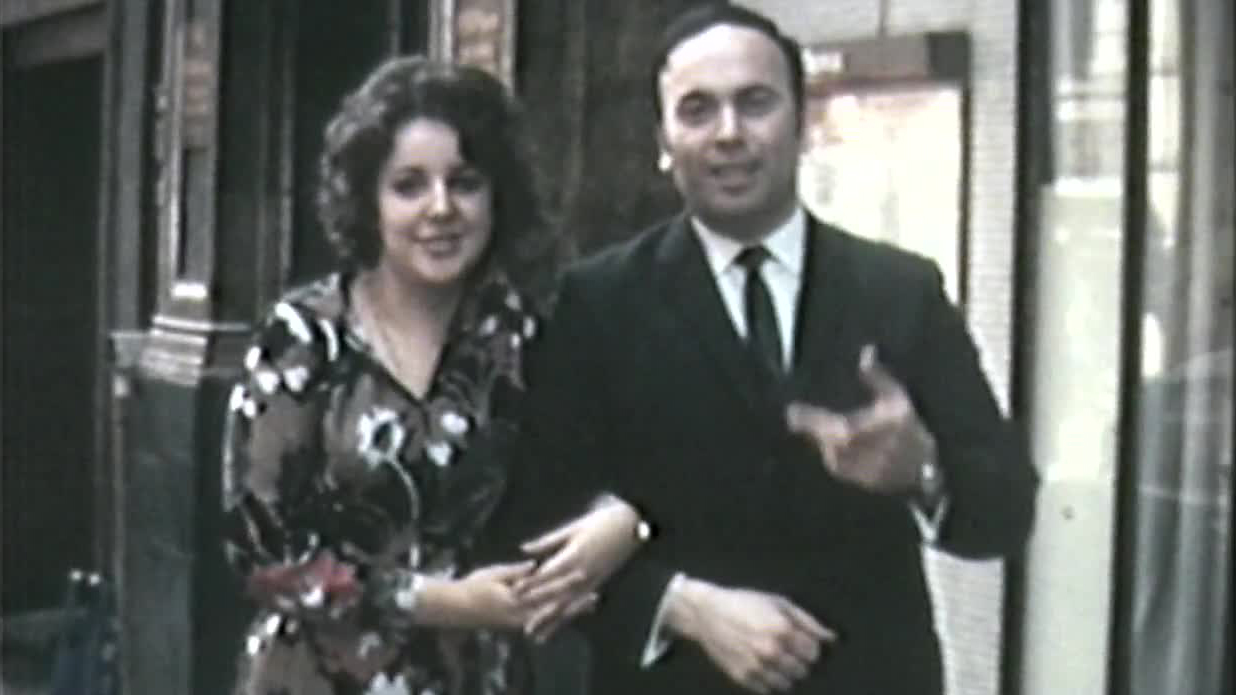
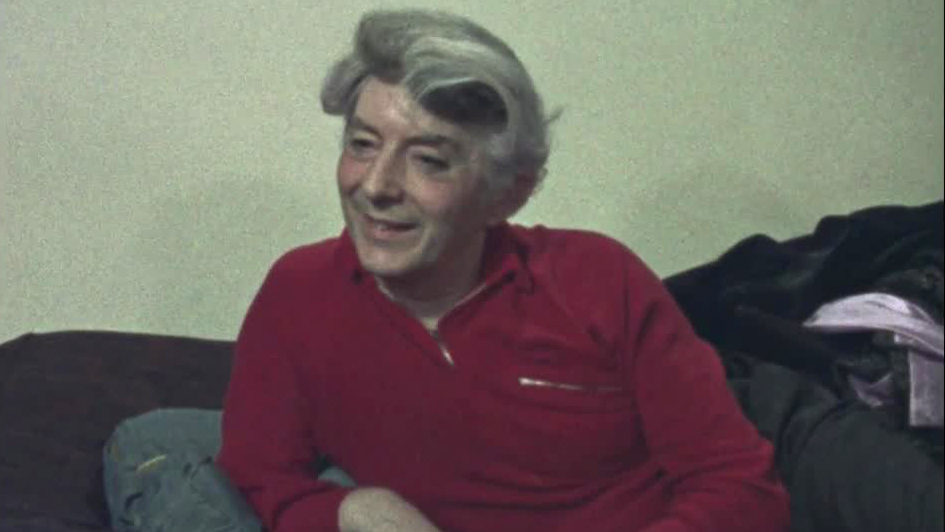
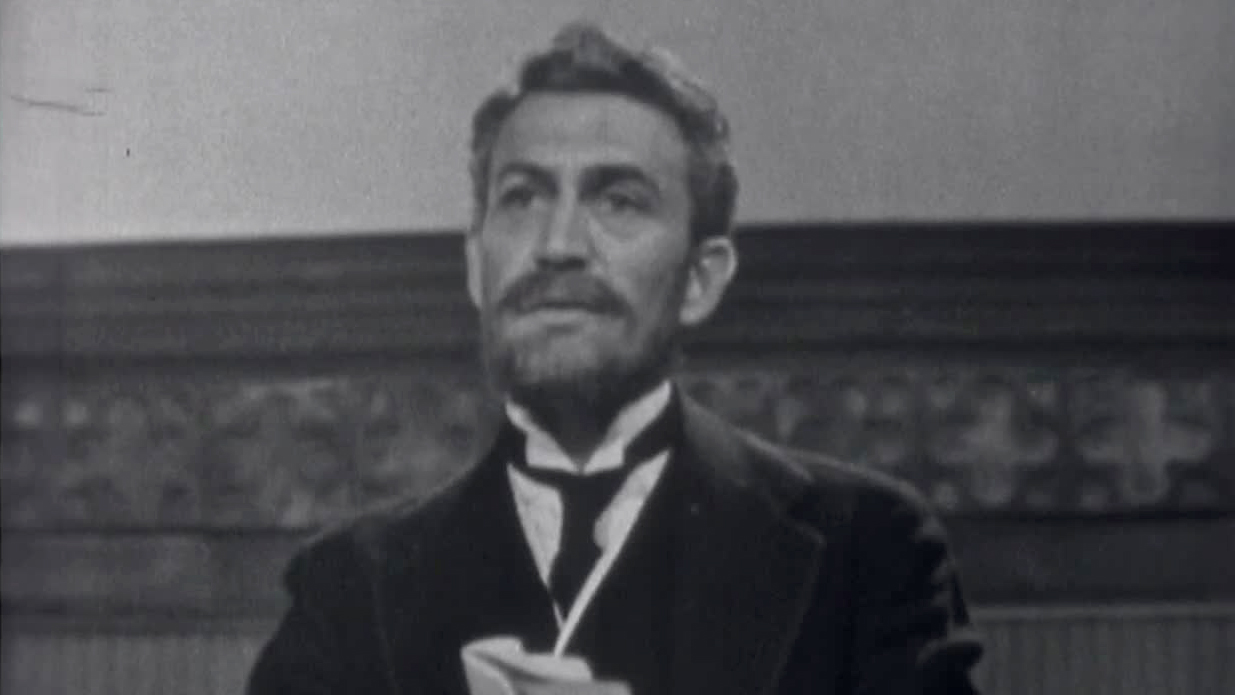
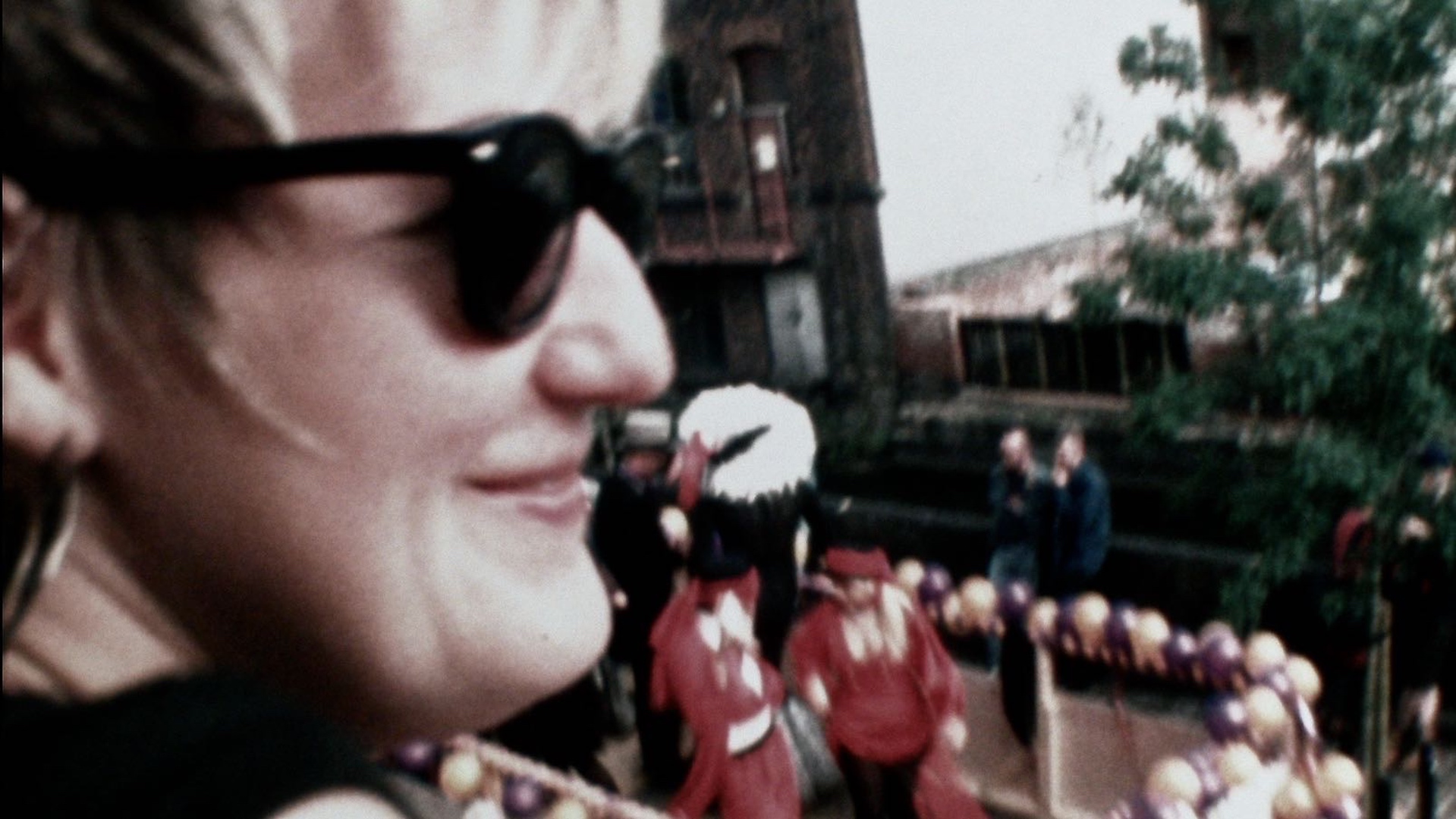
Welcome to the 'Palladium of Drag' - south London's Royal Vauxhall Tavern. The first half of this scintillating London Weekend Television documentary celebrates the late-60s drag renaissance at one of Britain's oldest surviving gay venues - then home to a happily diverse throng of working-class regulars. Dynamic camerawork swoops along the bar-cum-stage as pints are nonchalantly pulled under the thrashing heels of anarchic queens Bow, The Polka Dots and Mr Cleo Rose. Despite the clunking insistence that "the one thing you don't have to be for drag is homosexual" this is a refreshingly non-judgemental and joyous insight into queer nightlife half a century ago.
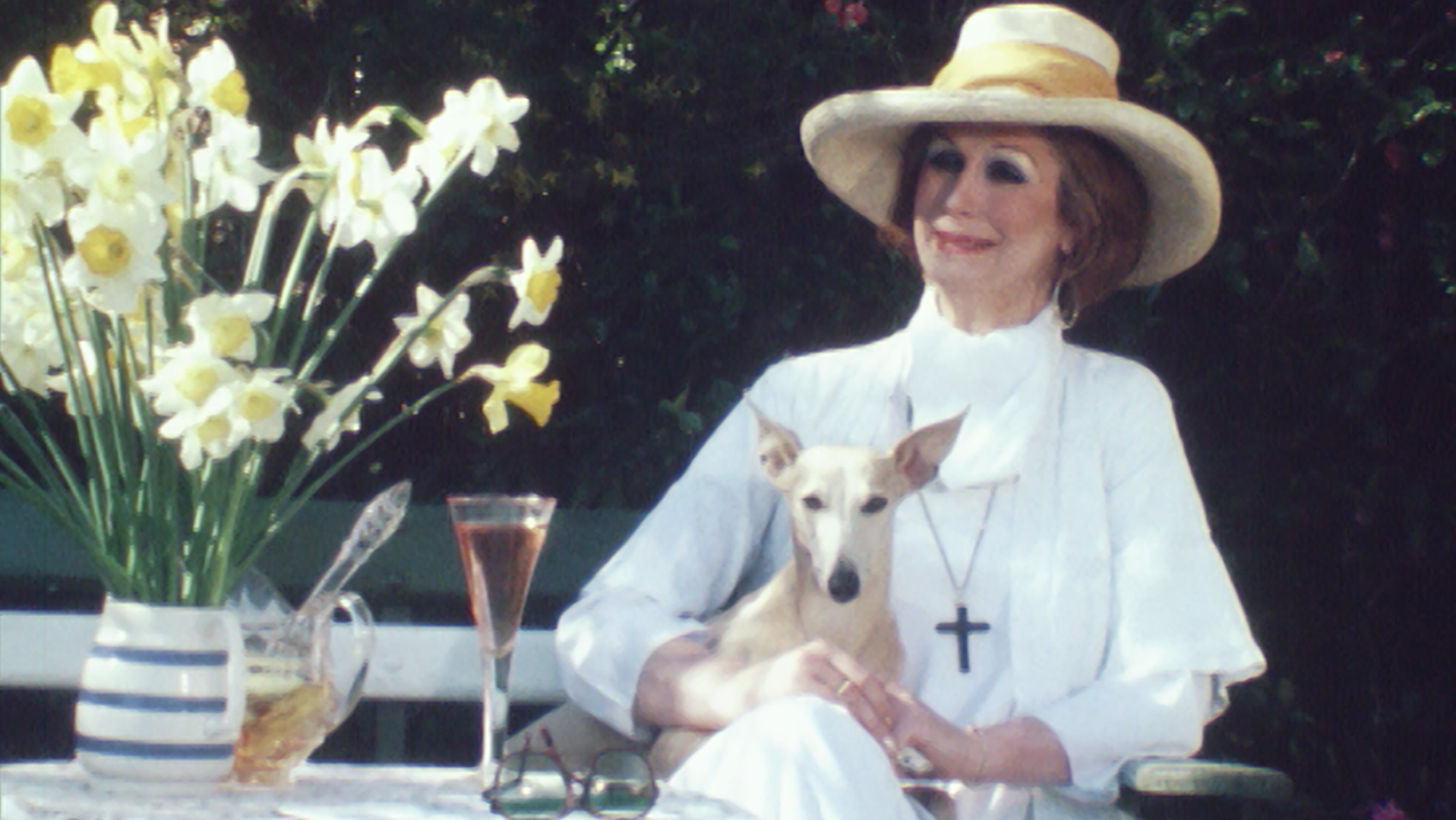
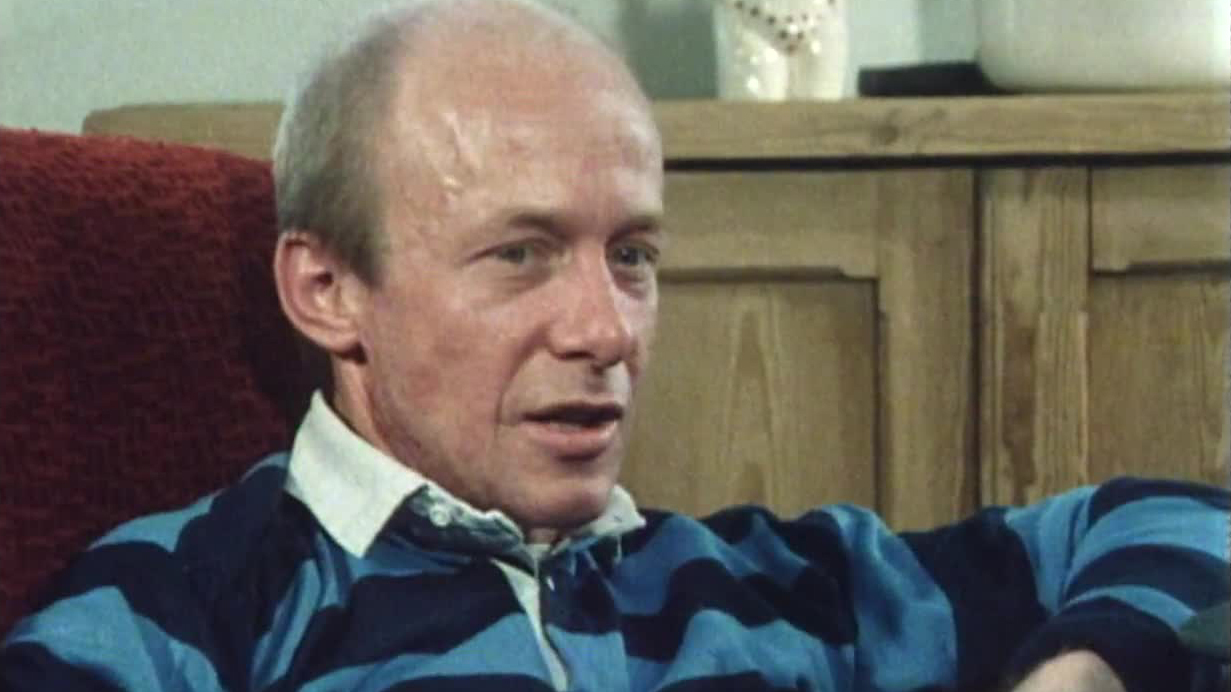
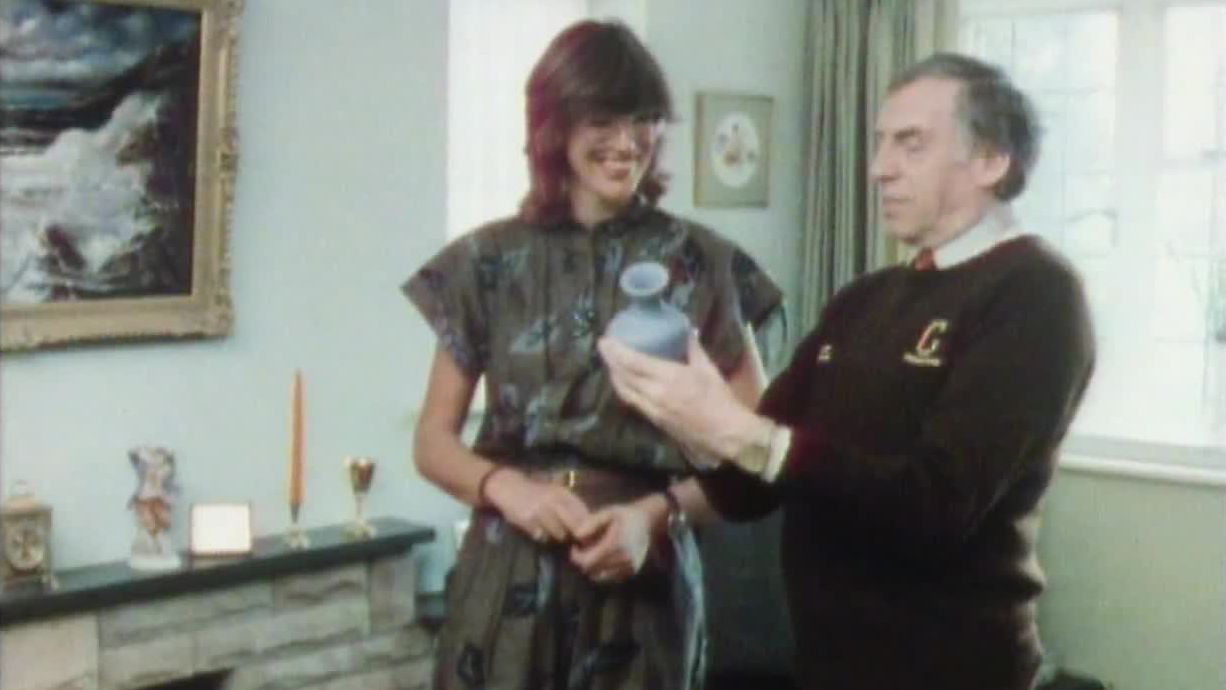
The spotlight shifting to the drag circuit in northern England offers a fascinating contrast in tone. The audiences are still largely working class, but a harder-edged, freak-show vibe creeps in. The girls range from highly polished female impersonators (Bunny Lewis) and glorious grotesques (Al Nicholls) to innovative drag striptease (Terry Durham). Transgender singer Ava strikes a more melancholic note with her number "Strictly a he-male female", a sharp reminder that the outlook for trans women was far from rosy in 1969. Featuring candid interviews with all the performers, this is a valuable rediscovery, and a timely one: in 2015 the RVT became the first venue in Britain to be awarded Grade II-listed status for its importance to the LGBT community.
This colourful and challenging collection explores screen representations of lesbian, gay, bisexual and transgender lives over the past century.
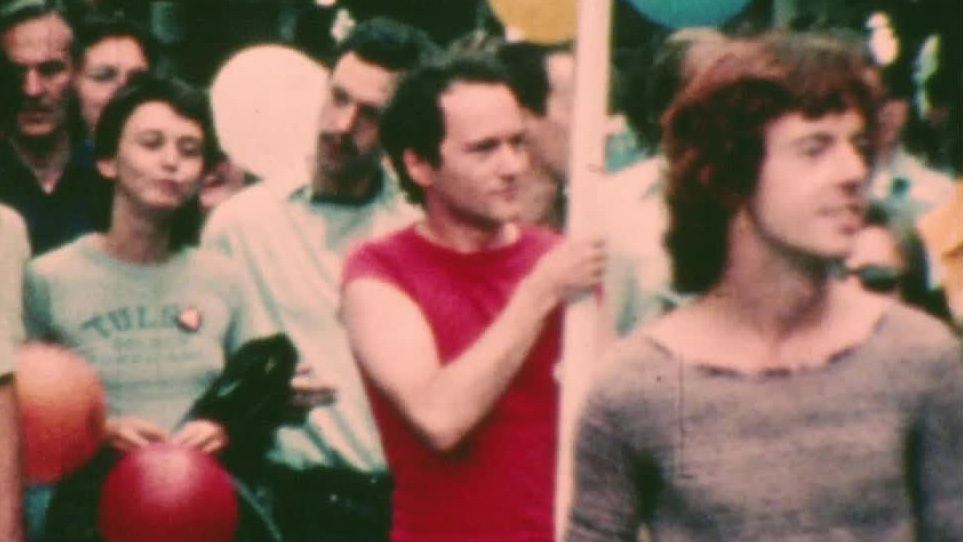
British cinema boasts a long history of carefully coded queerness, but for much of the 20th century explicit depictions of gay life in drama or documentary were more or less taboo. Gay men were subject to vicious state-sanctioned persecution, while lesbians were socially ostracised and the transgender community ignored and misunderstood. Cinematic and small-screen breakthroughs in the 1950s and 60s played their part in the public debate. Finally acting on the recommendations of the Wolfenden Committee a decade earlier, the 1967 Sexual Offences Act partially decriminalised male homosexuality in England and Wales, between two men over 21, in private. As those caveats suggest, the legislation remained problematic. But it was a step forward, paving the way for further battles - some yet to be won. From early glimpses of 'queer' characters, this collection charts the path towards '67 and beyond, through responses to the AIDS crisis to diverse reflections on queer life today.