What's a Girl Like You ...
- Vauxhall
- 1969
A straight woman and a gay man cruise their way across North East England in this Tennessee Williams-inspired short.
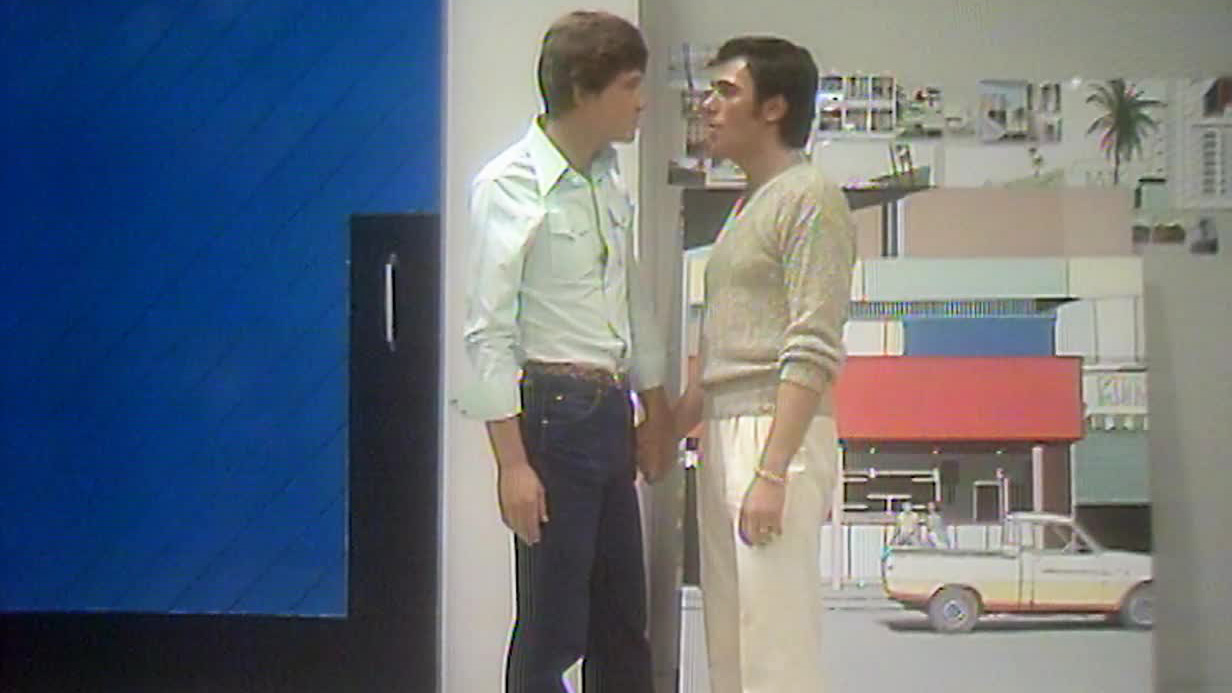
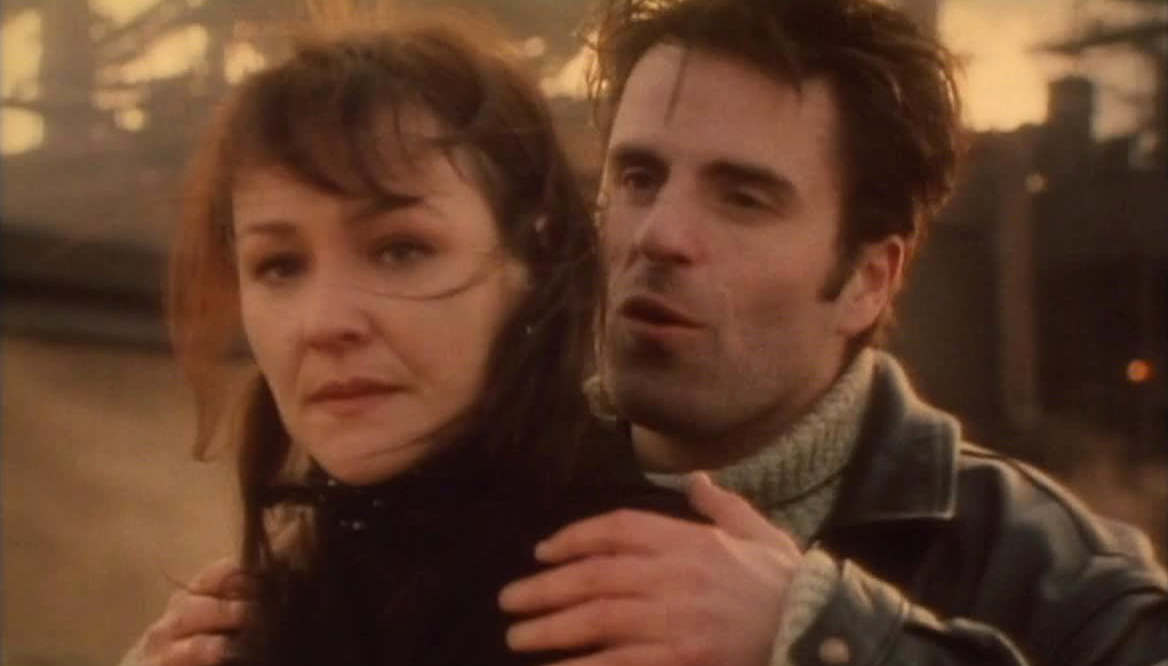
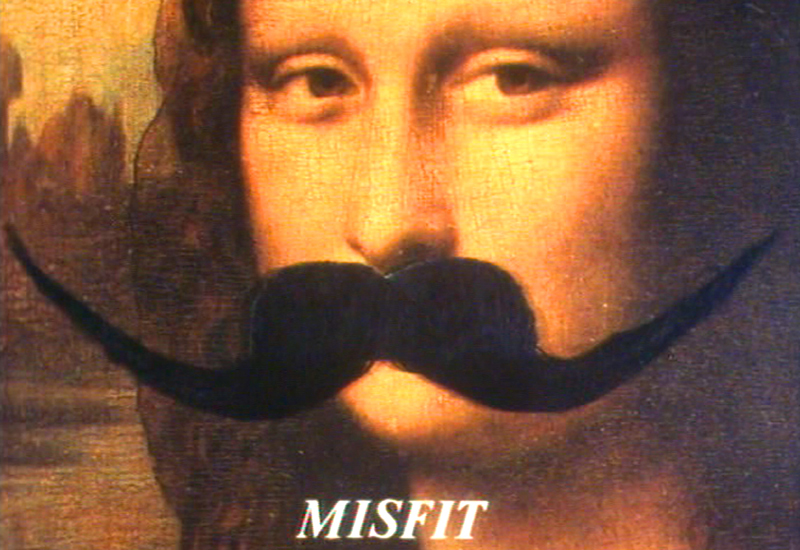
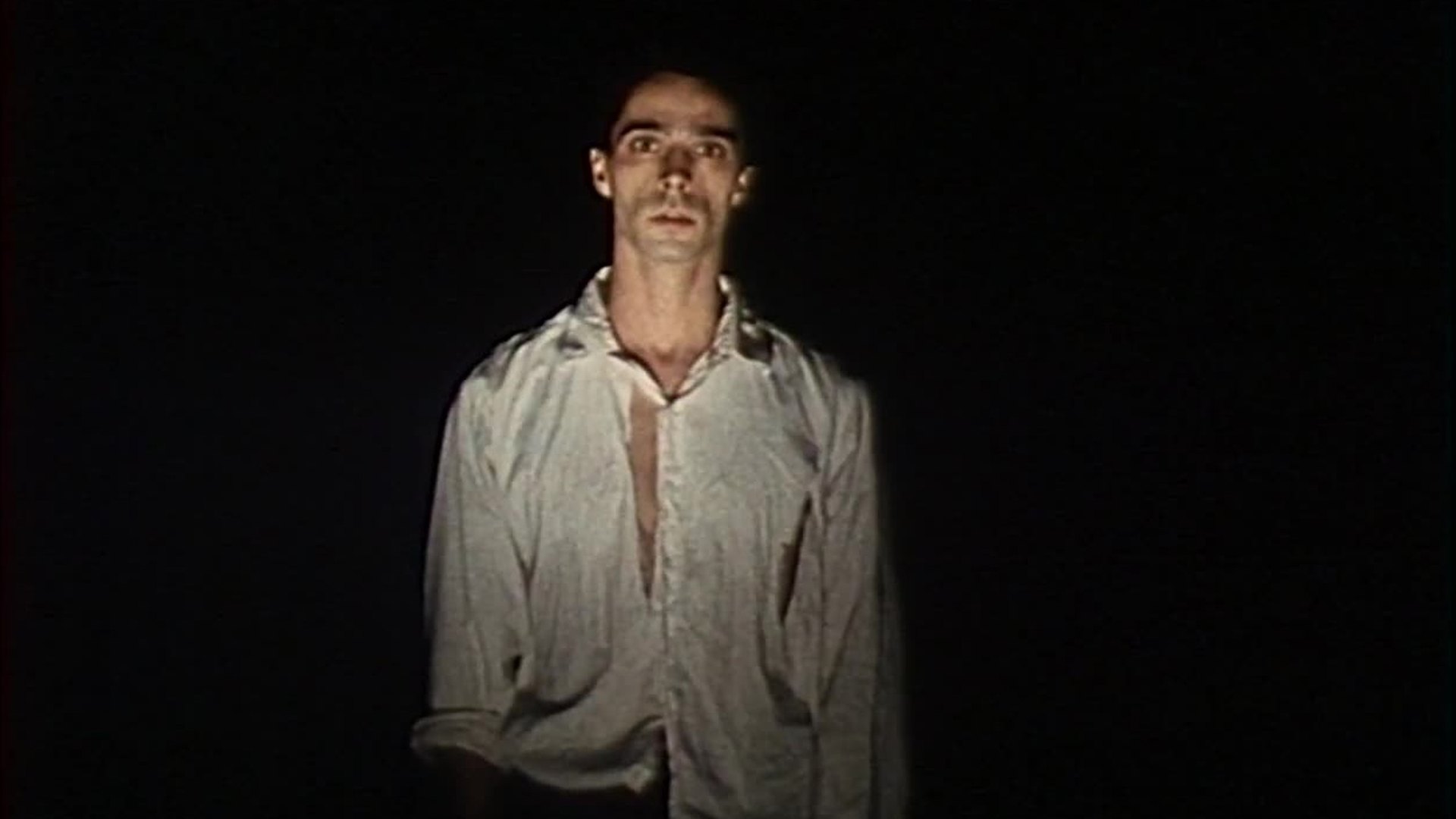
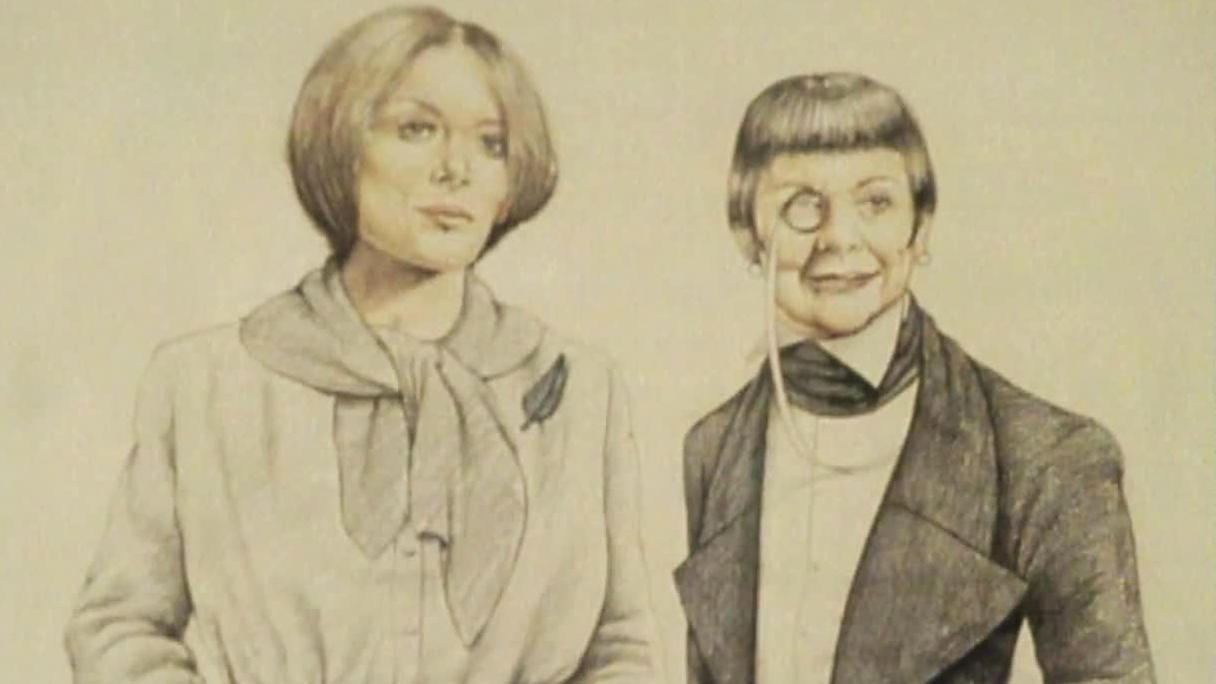
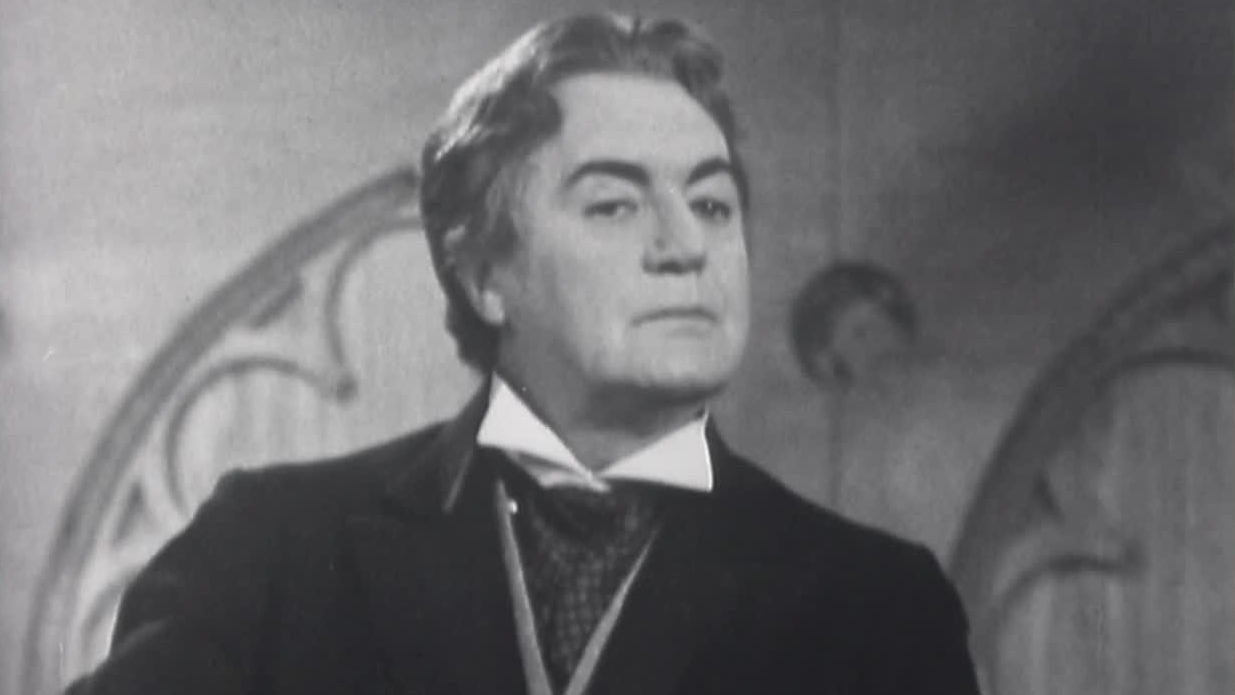
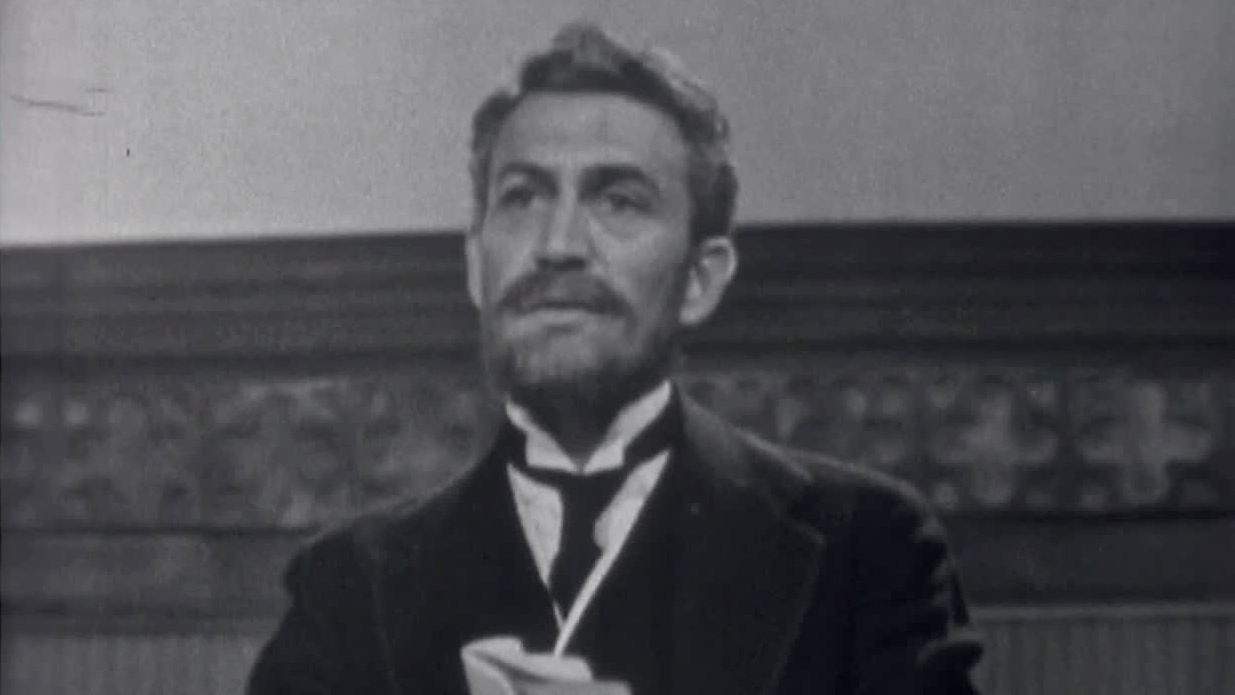
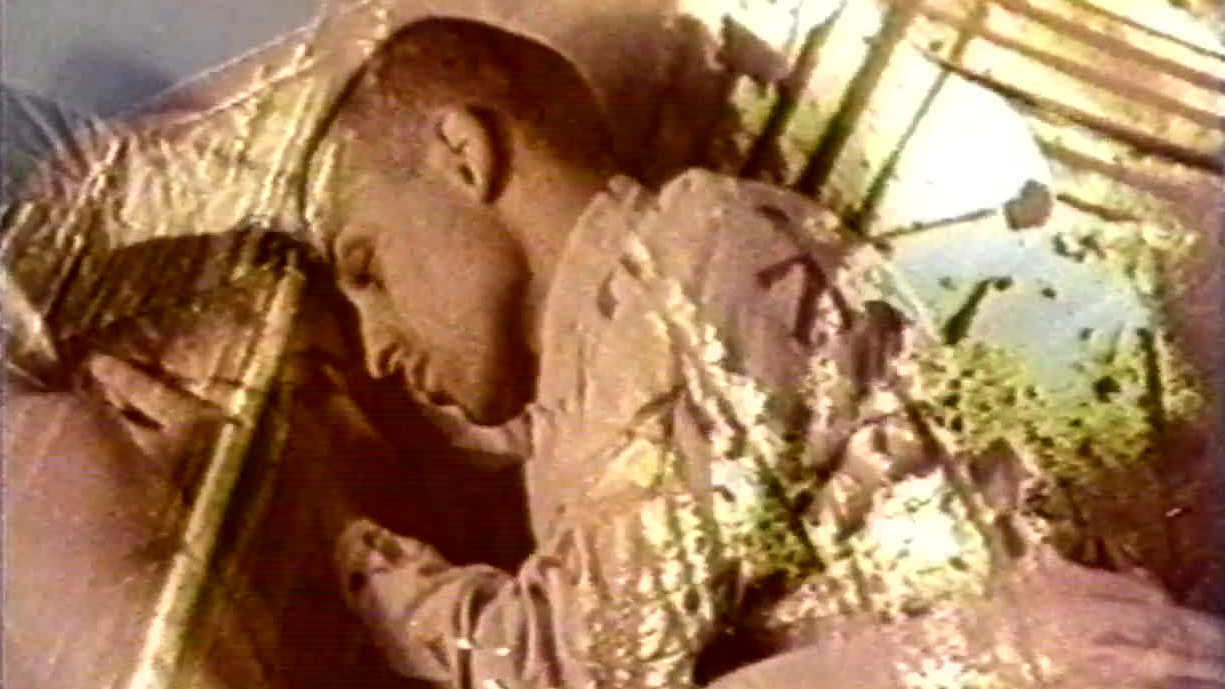
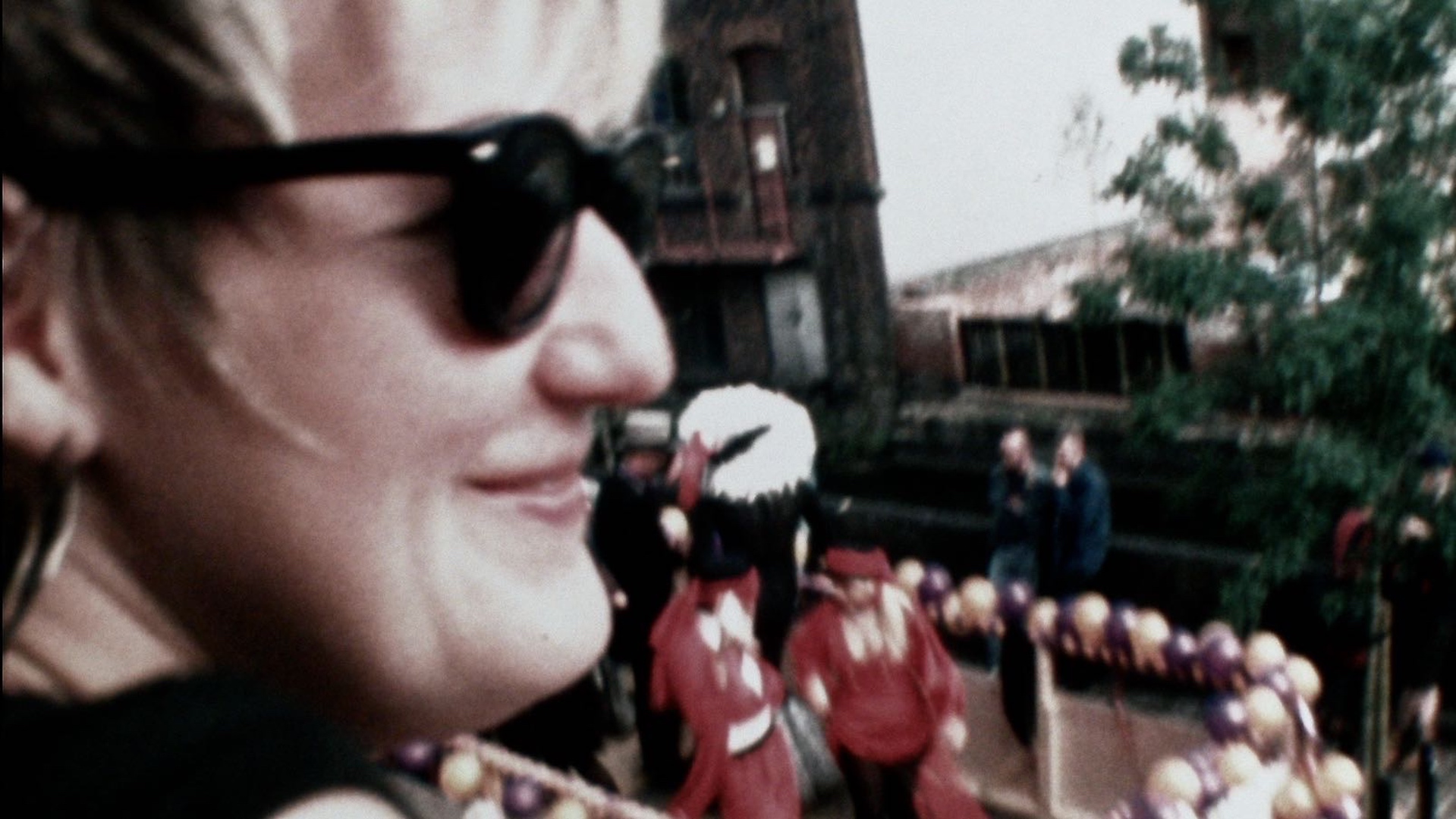
A boozy barmaid (Frances Barber) and her newly found gay friend (Con O'Neill) quit London and hightail it to north east England on the lookout for sex and excitement in this multi-award-winning film based on Tennessee Williams' short story Two on a Party. This sensitive and finally very moving film both celebrates and challenges the unusual relationship between the two characters.
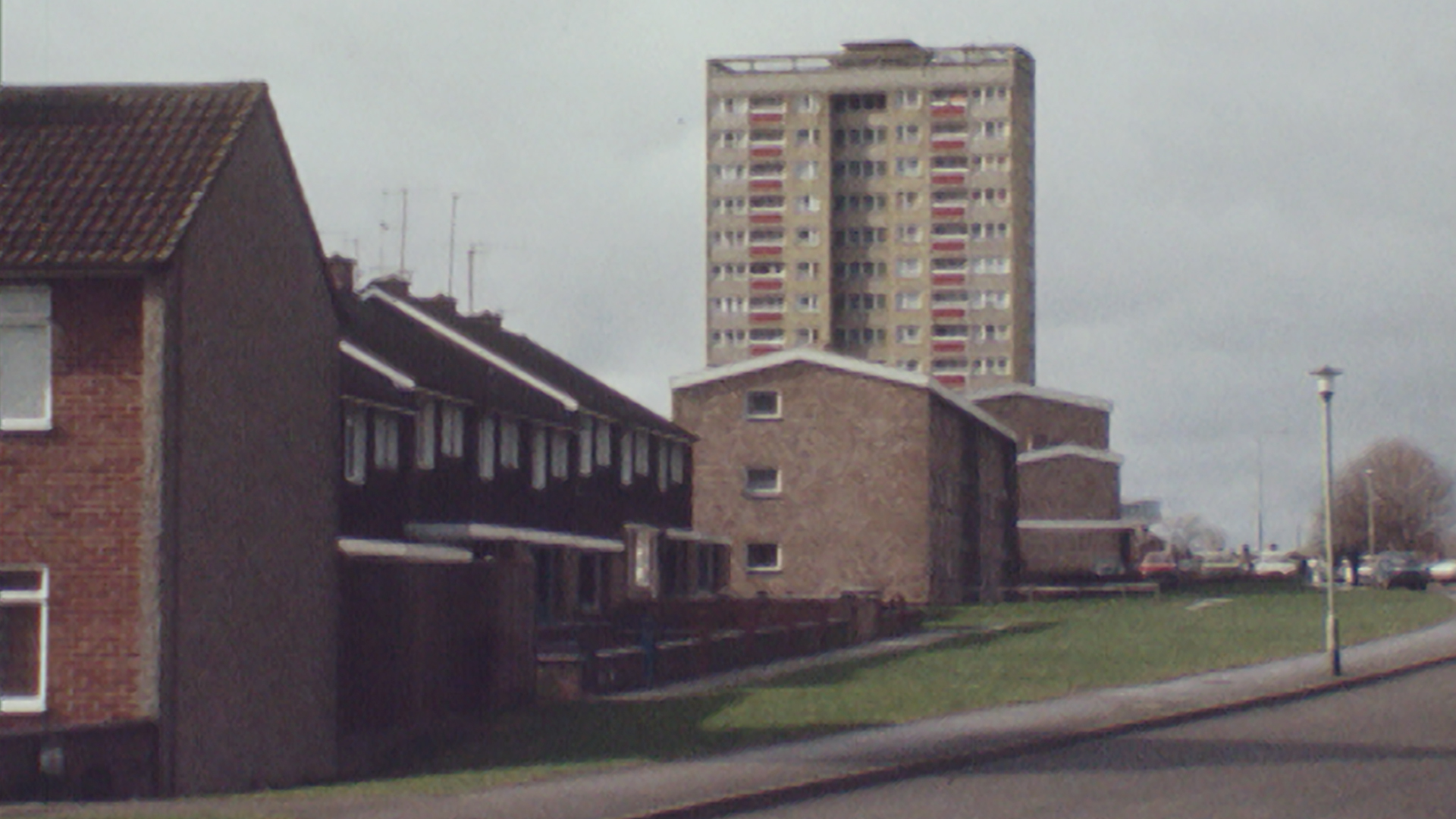
The film, made with the National Film and Television School, makes great use of its locations in Scarborough, Whitby and Redcar, where even a steelworks and an off-season caravan park are bathed in a romantic glow. Although there is little nudity, the film was erotic enough to be screened as part of The Red Light Zone, Channel 4's season of sex, the following year. The arresting soundtrack is provided by art rock band Cranes. Director Tania Diez, who gets terrific performances from Barber and O'Neill, went on to work in television and photography.
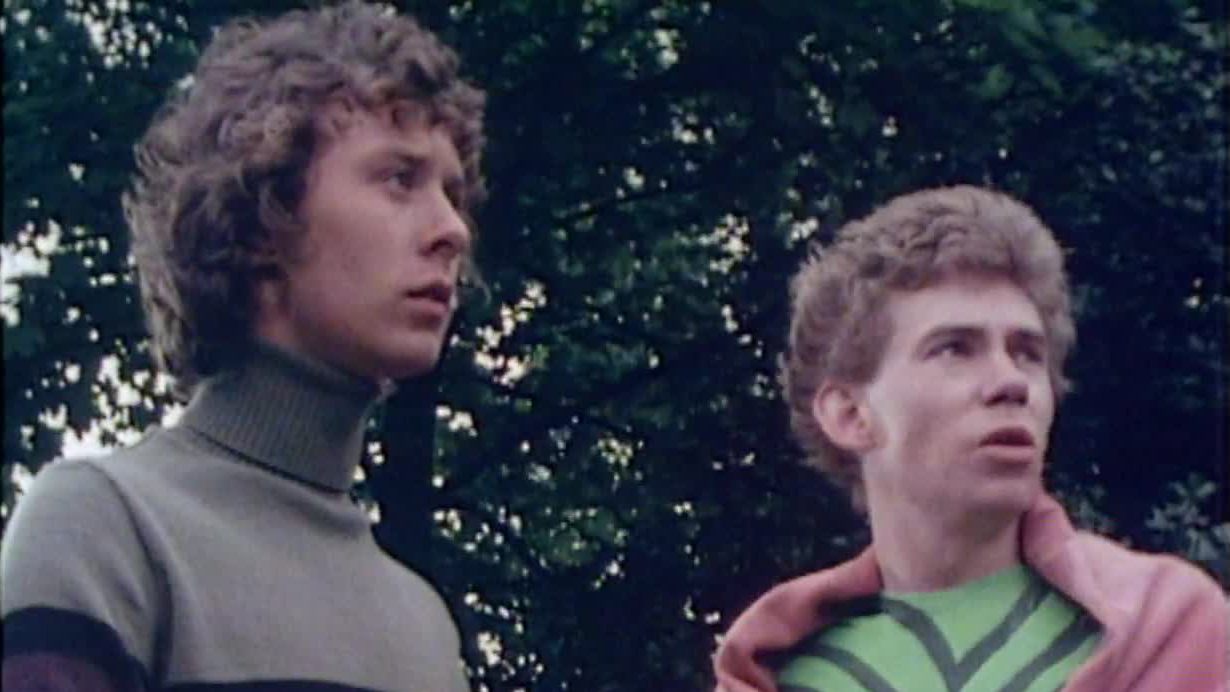
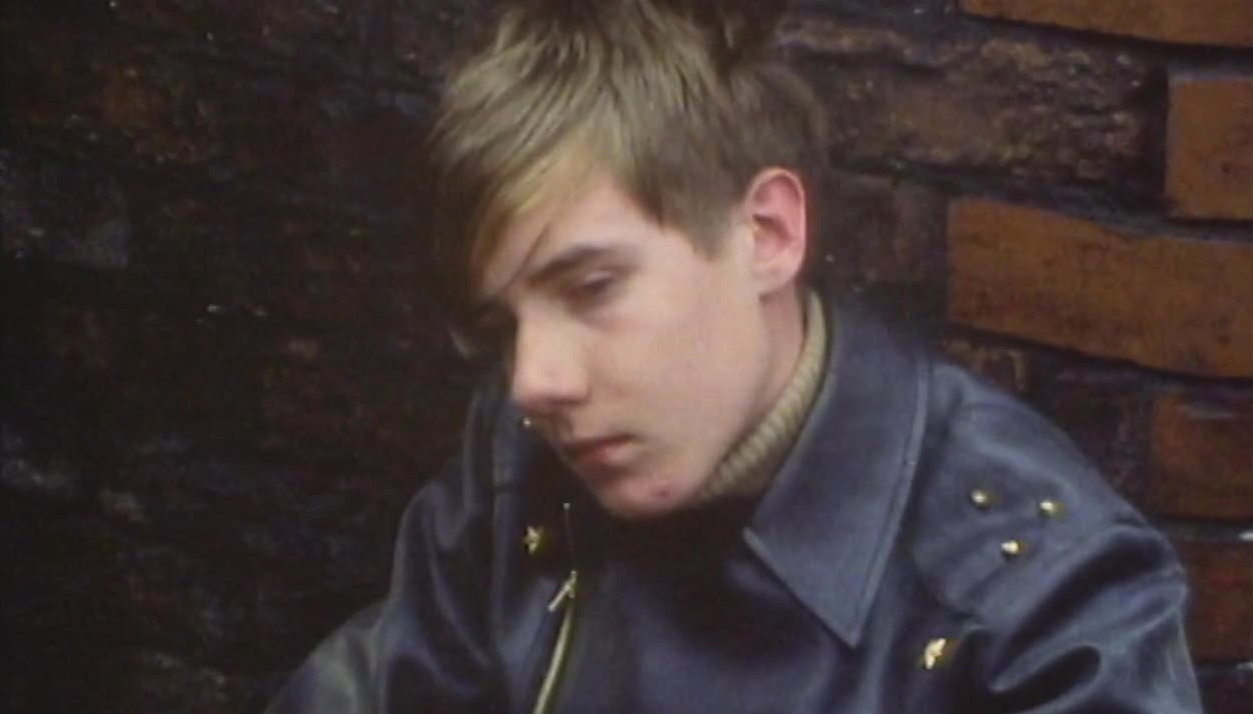
This colourful and challenging collection explores screen representations of lesbian, gay, bisexual and transgender lives over the past century.
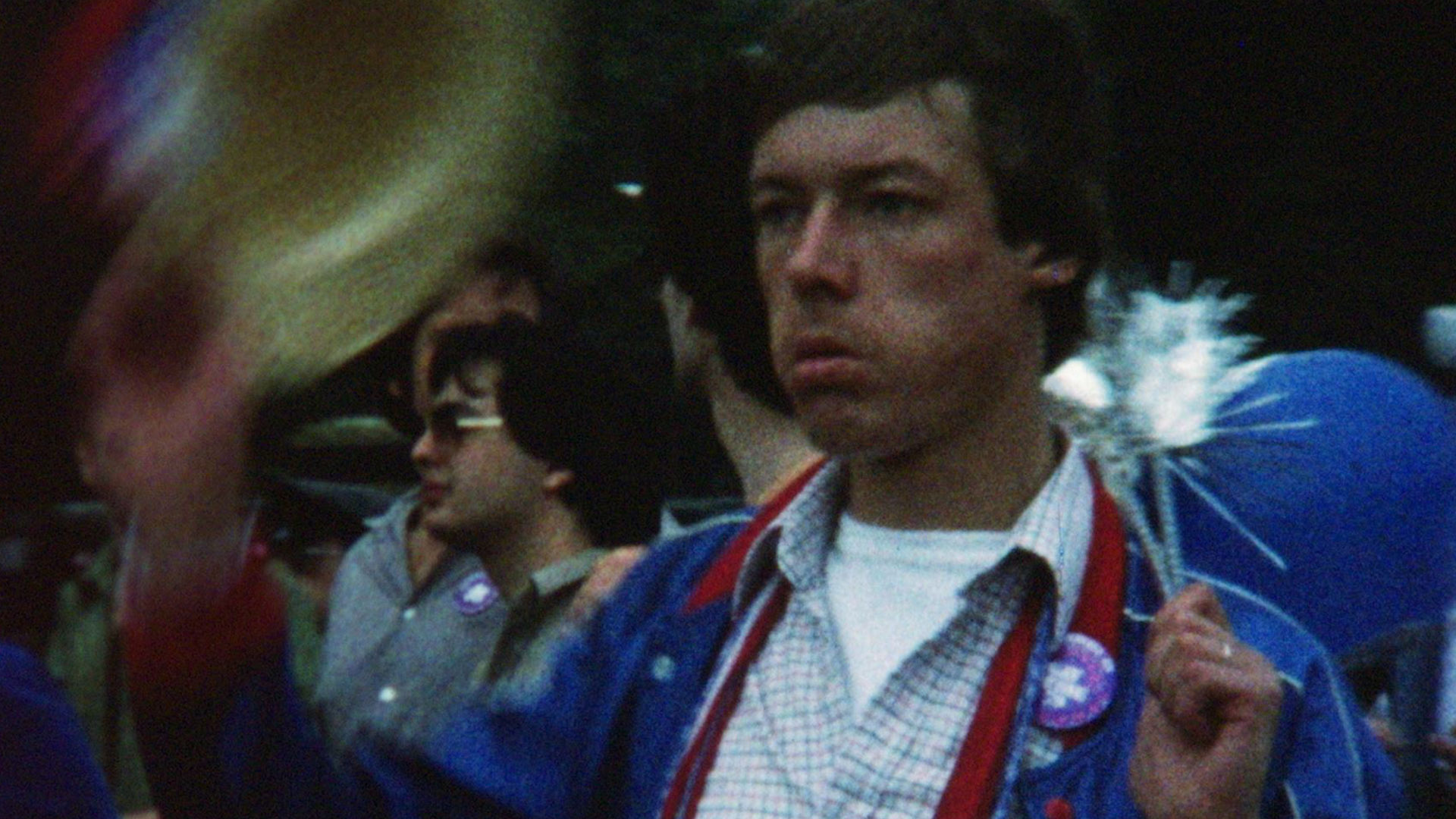
British cinema boasts a long history of carefully coded queerness, but for much of the 20th century explicit depictions of gay life in drama or documentary were more or less taboo. Gay men were subject to vicious state-sanctioned persecution, while lesbians were socially ostracised and the transgender community ignored and misunderstood. Cinematic and small-screen breakthroughs in the 1950s and 60s played their part in the public debate. Finally acting on the recommendations of the Wolfenden Committee a decade earlier, the 1967 Sexual Offences Act partially decriminalised male homosexuality in England and Wales, between two men over 21, in private. As those caveats suggest, the legislation remained problematic. But it was a step forward, paving the way for further battles - some yet to be won. From early glimpses of 'queer' characters, this collection charts the path towards '67 and beyond, through responses to the AIDS crisis to diverse reflections on queer life today.