What's a Girl Like You ...
- Vauxhall
- 1969
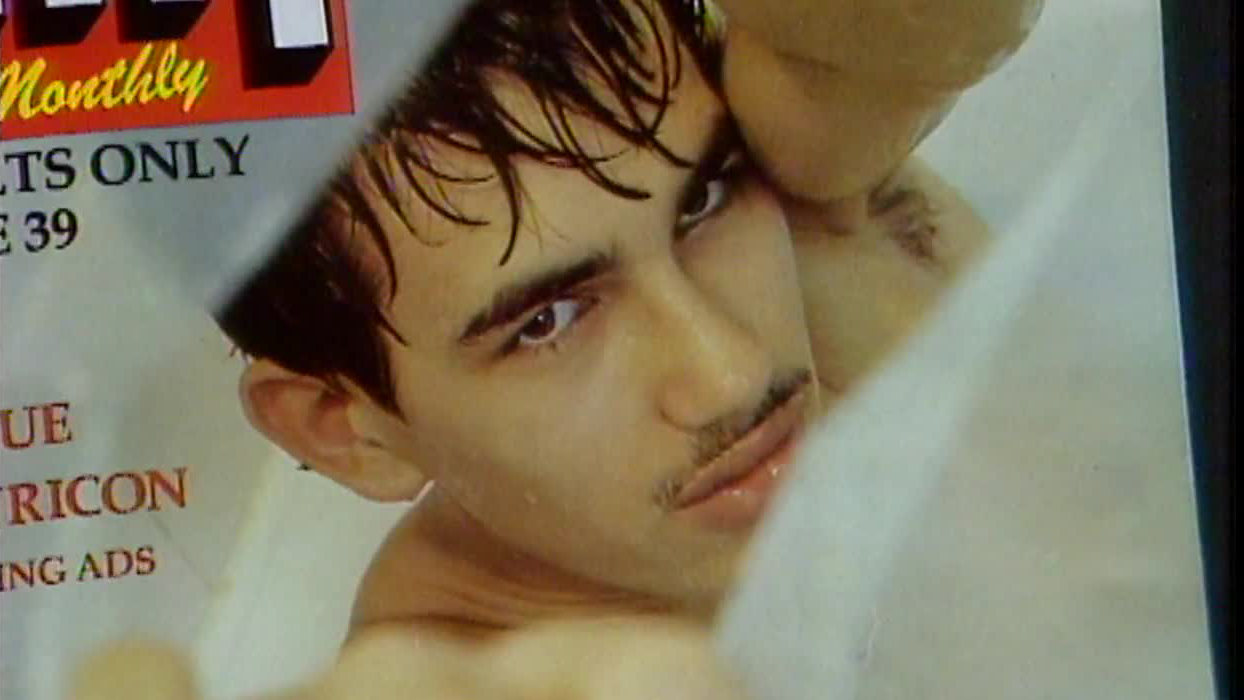
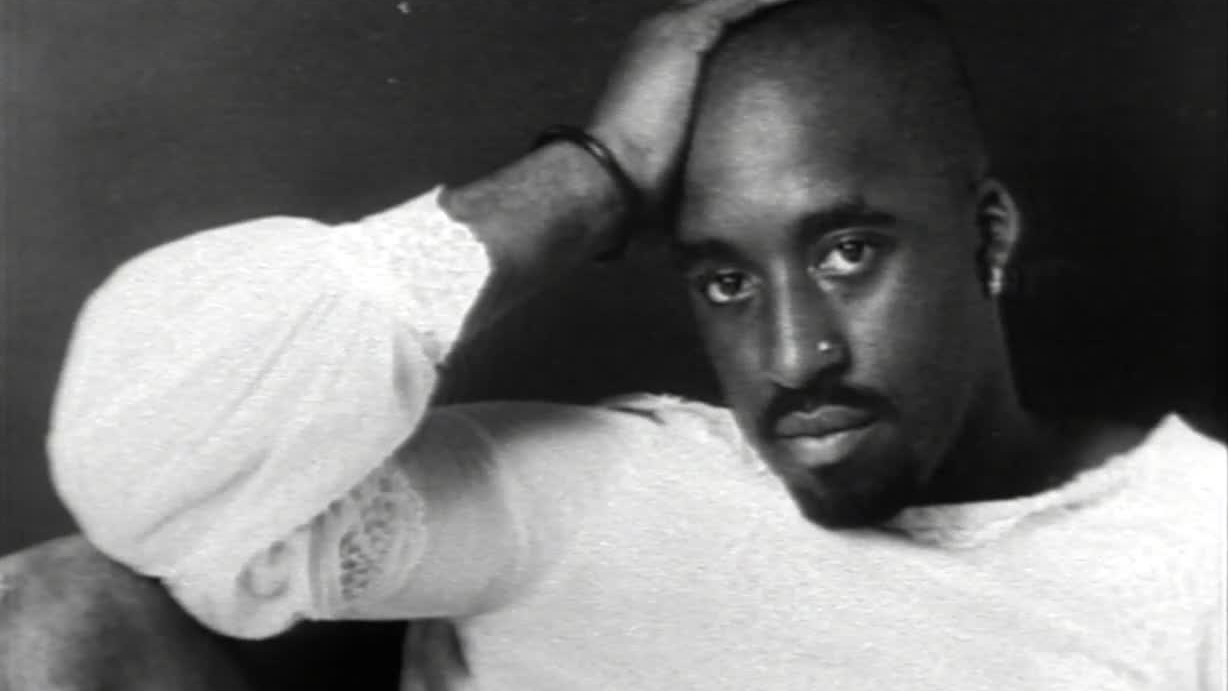
Black gay photographer Ajamu prepares to leave Brixton for an exhibition of his work in his hometown, Huddersfield.
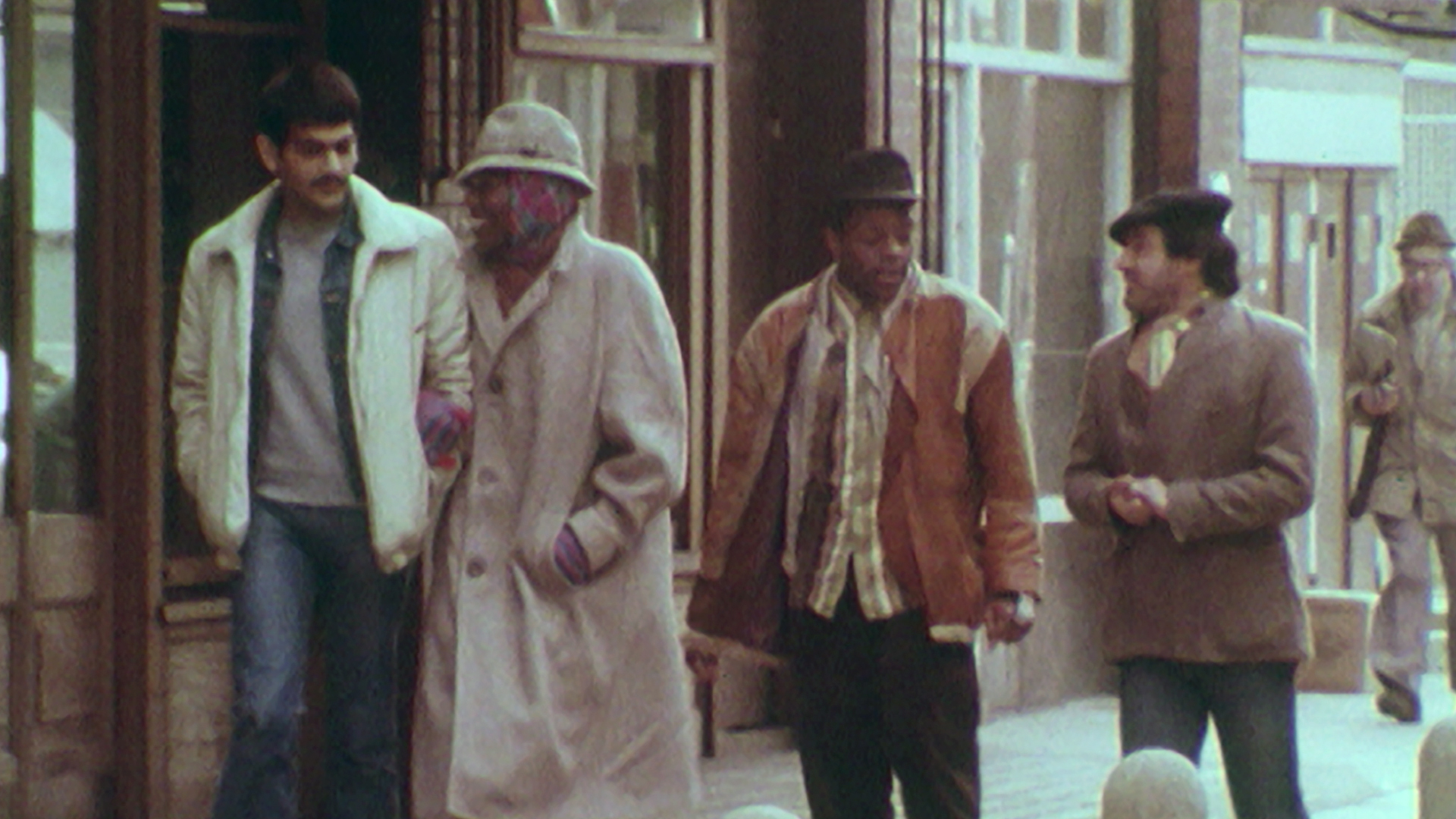
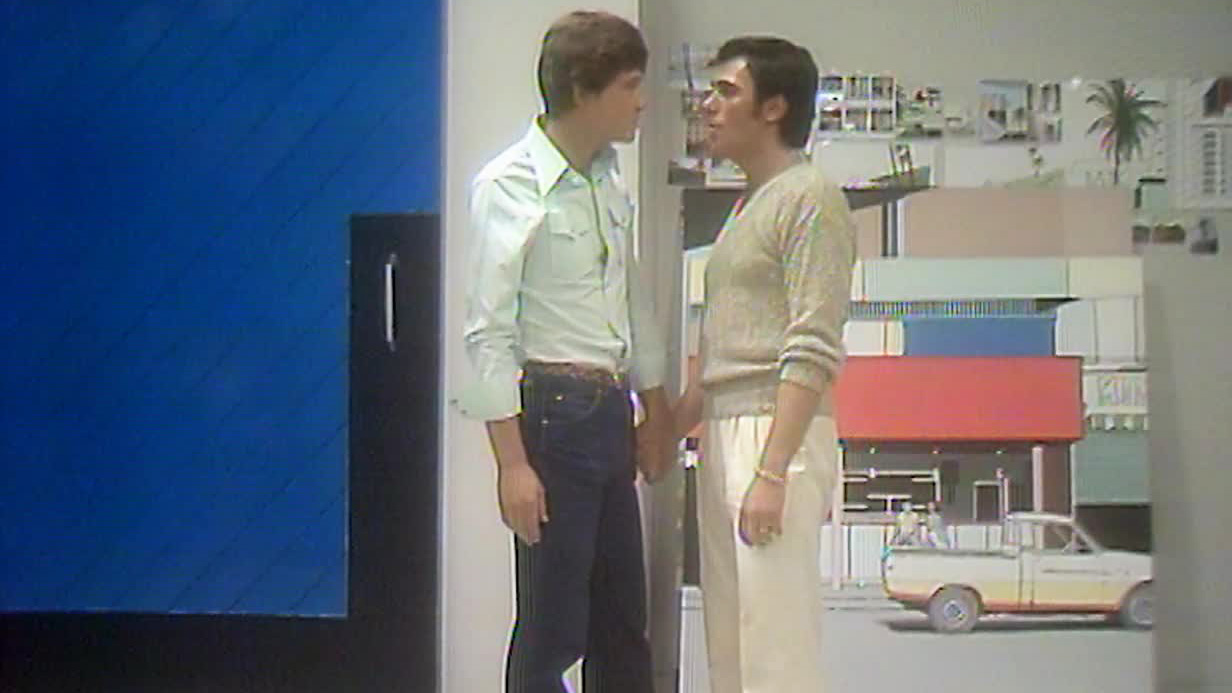
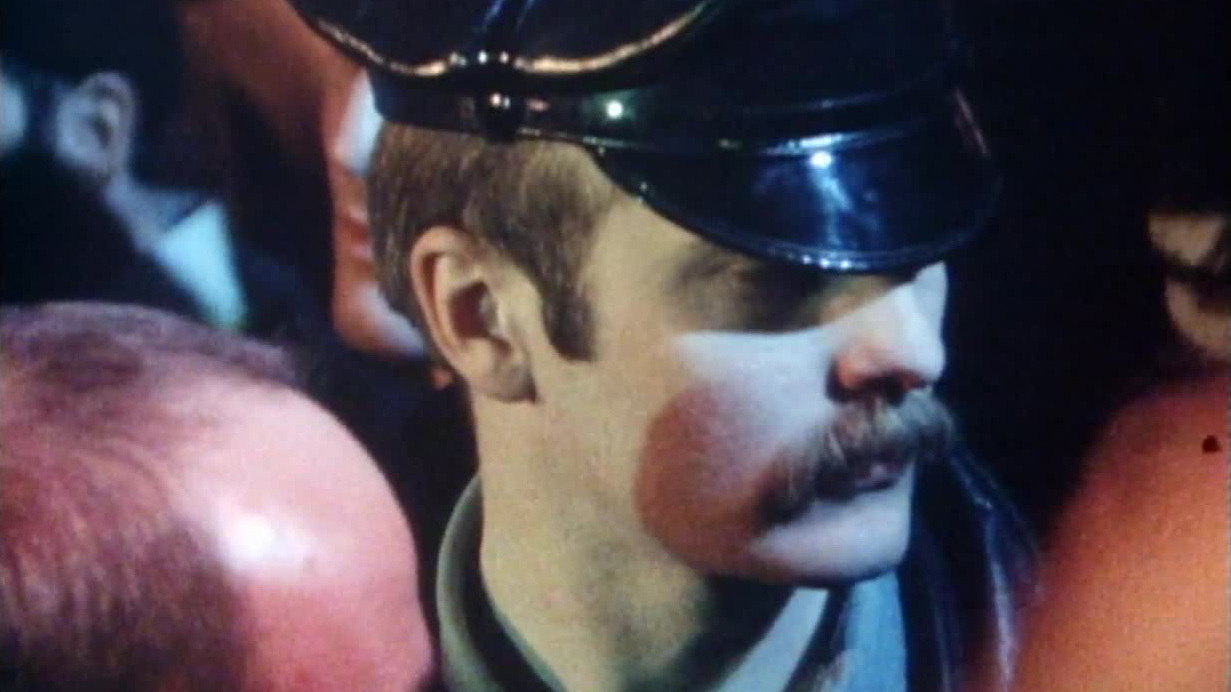
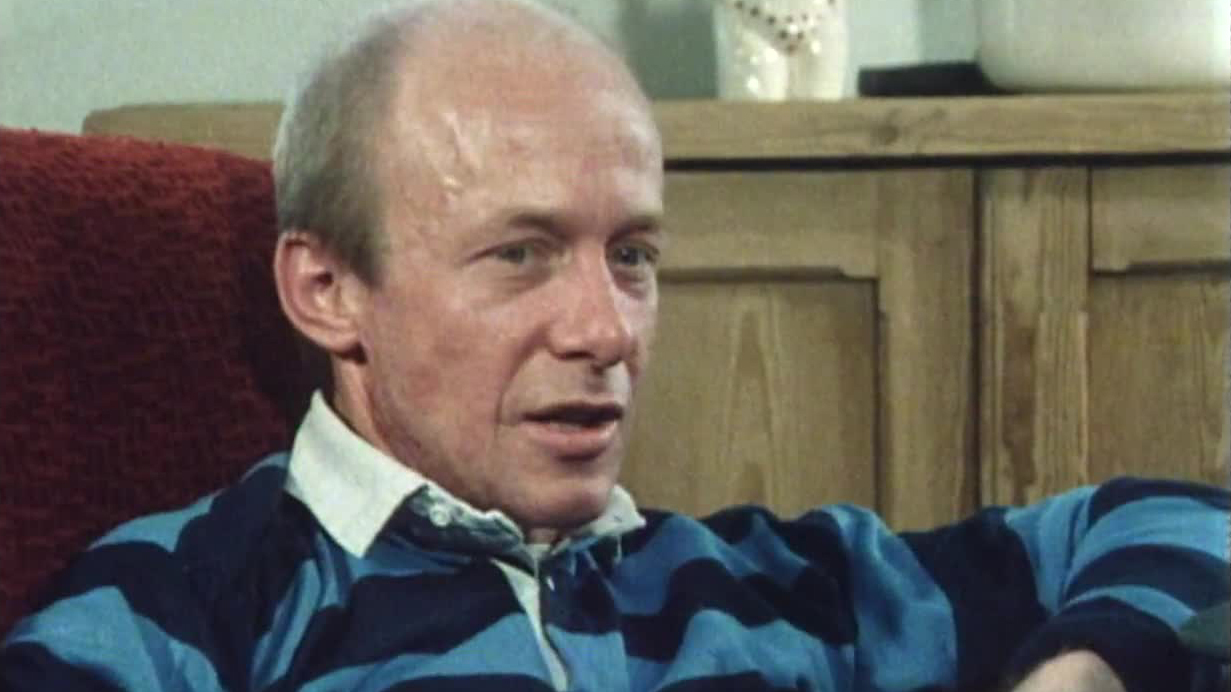
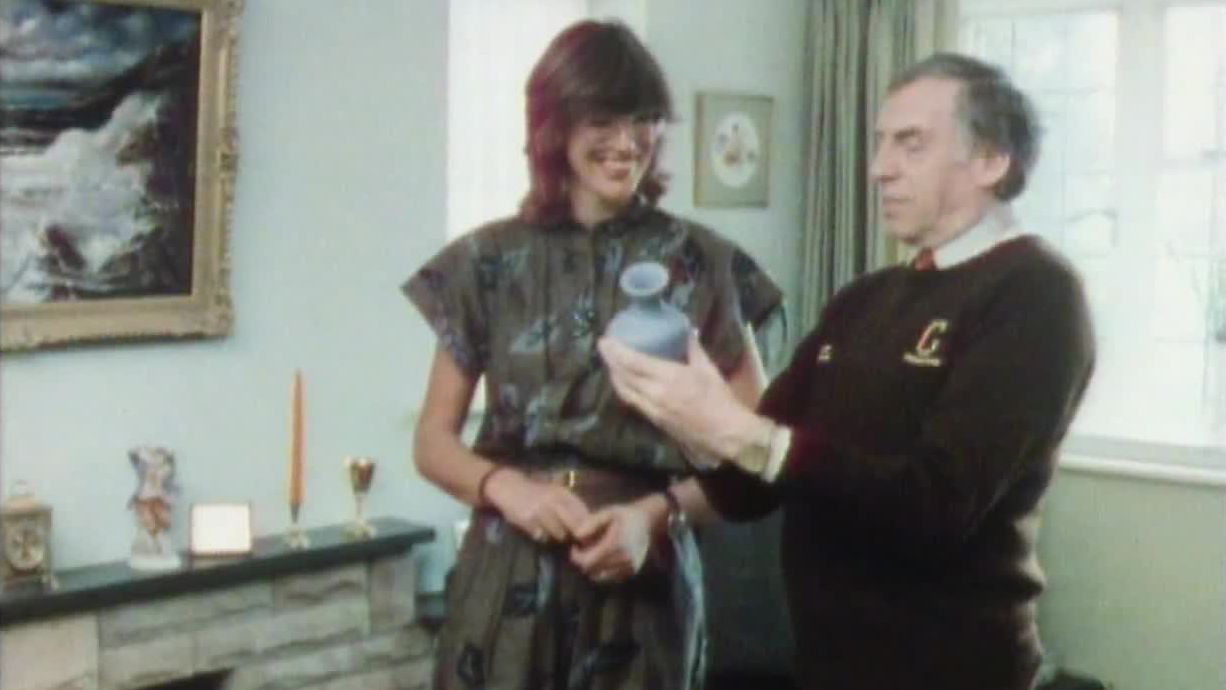
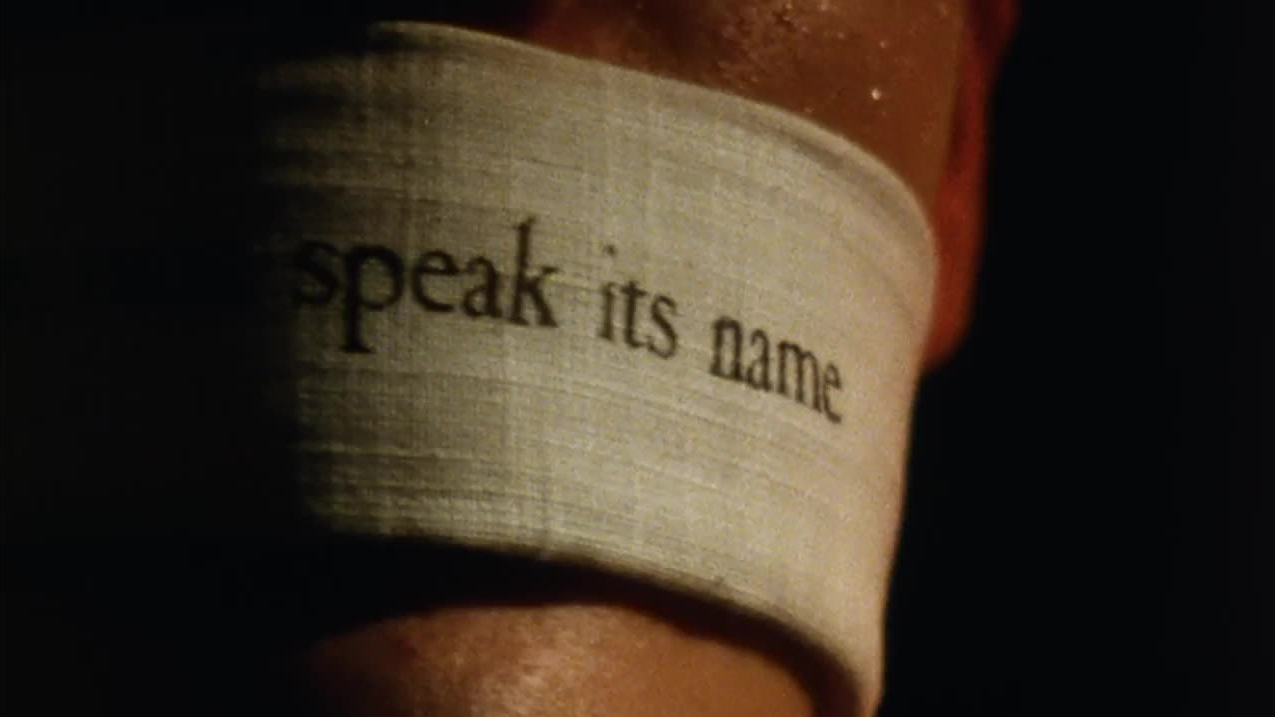
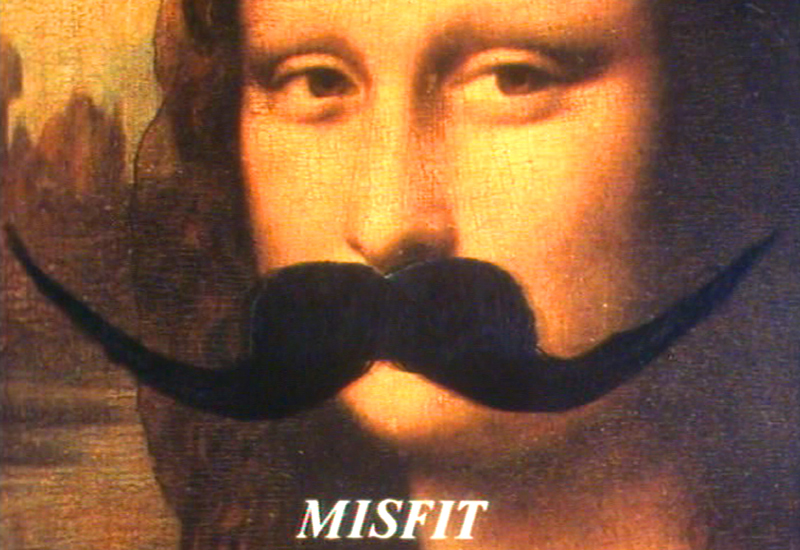
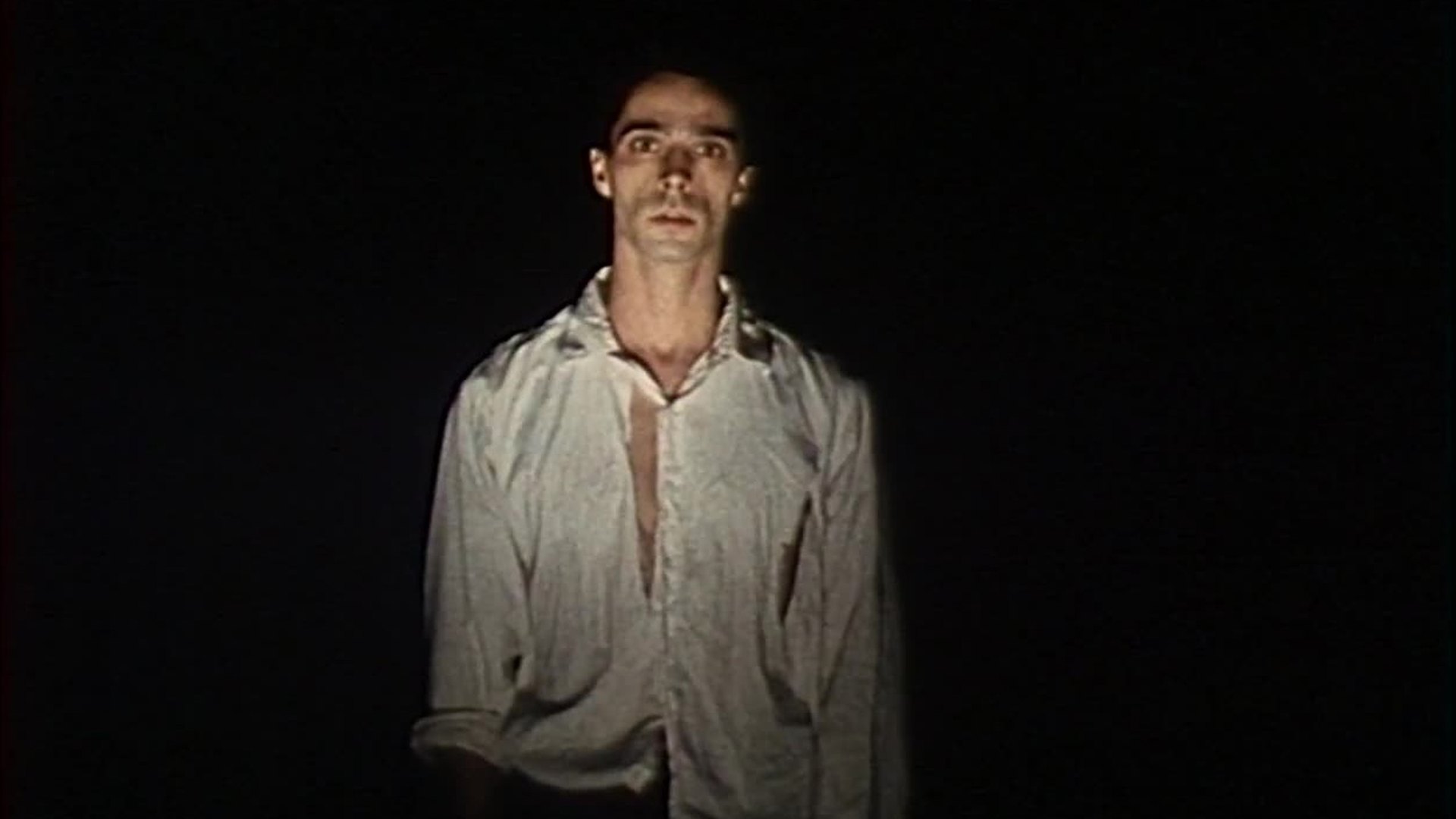
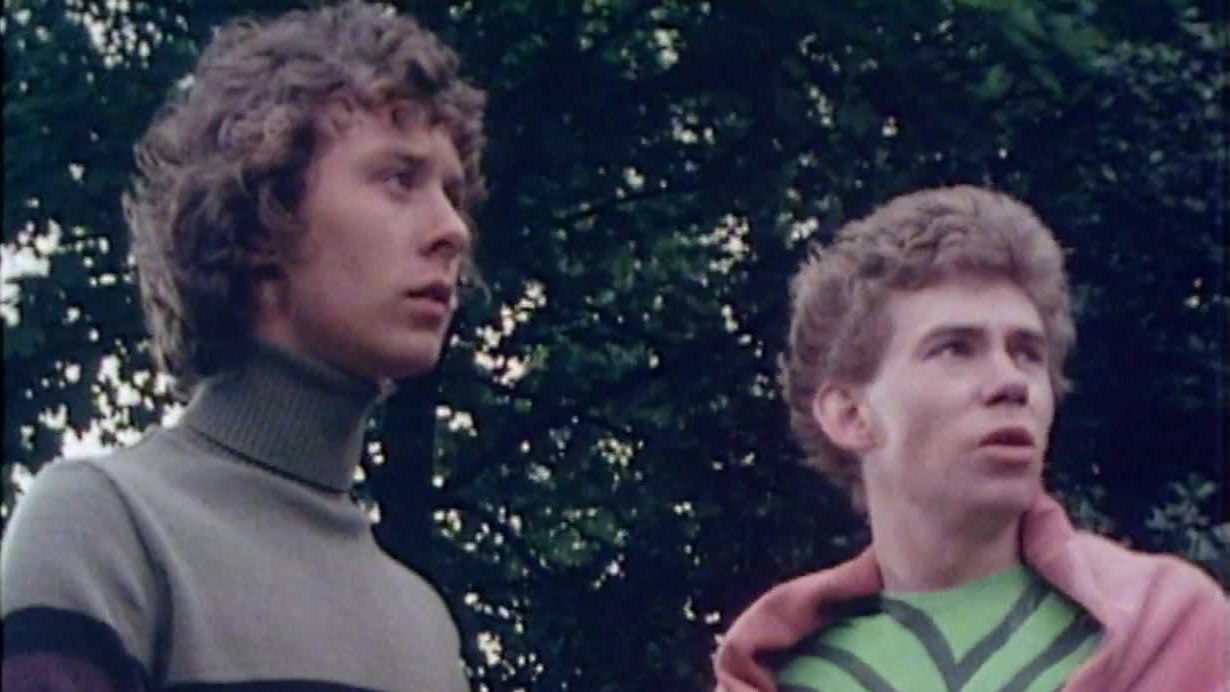
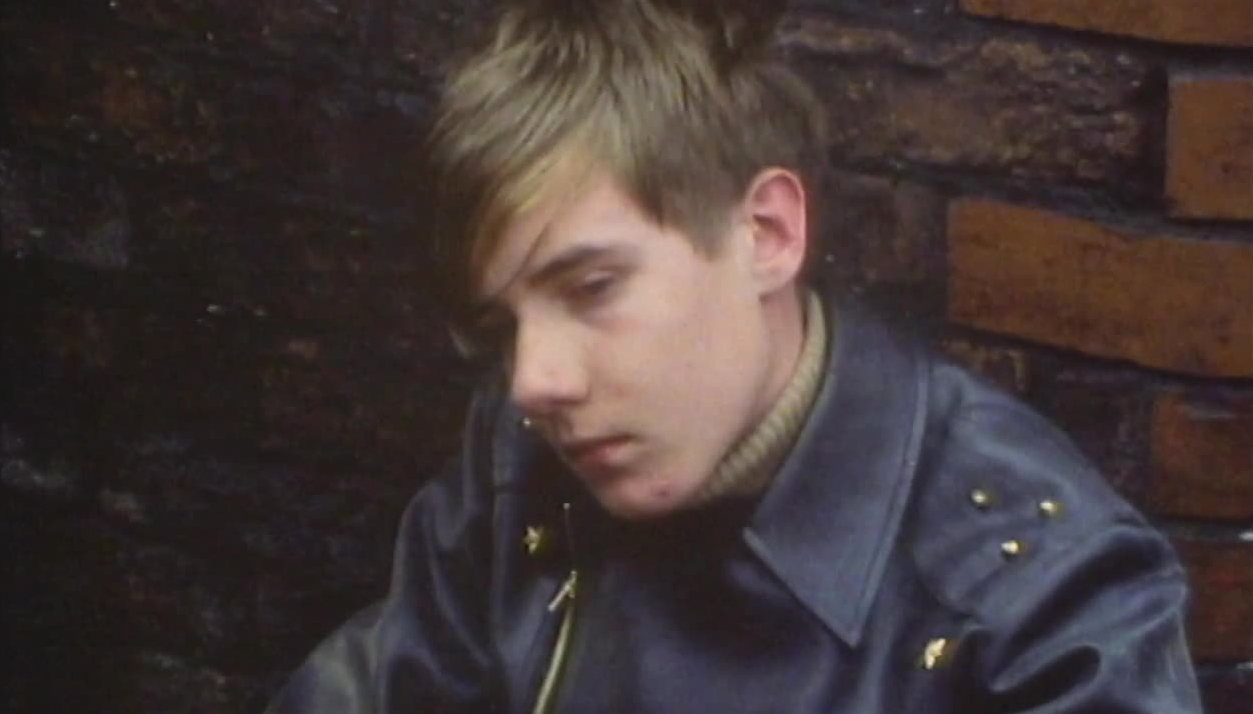
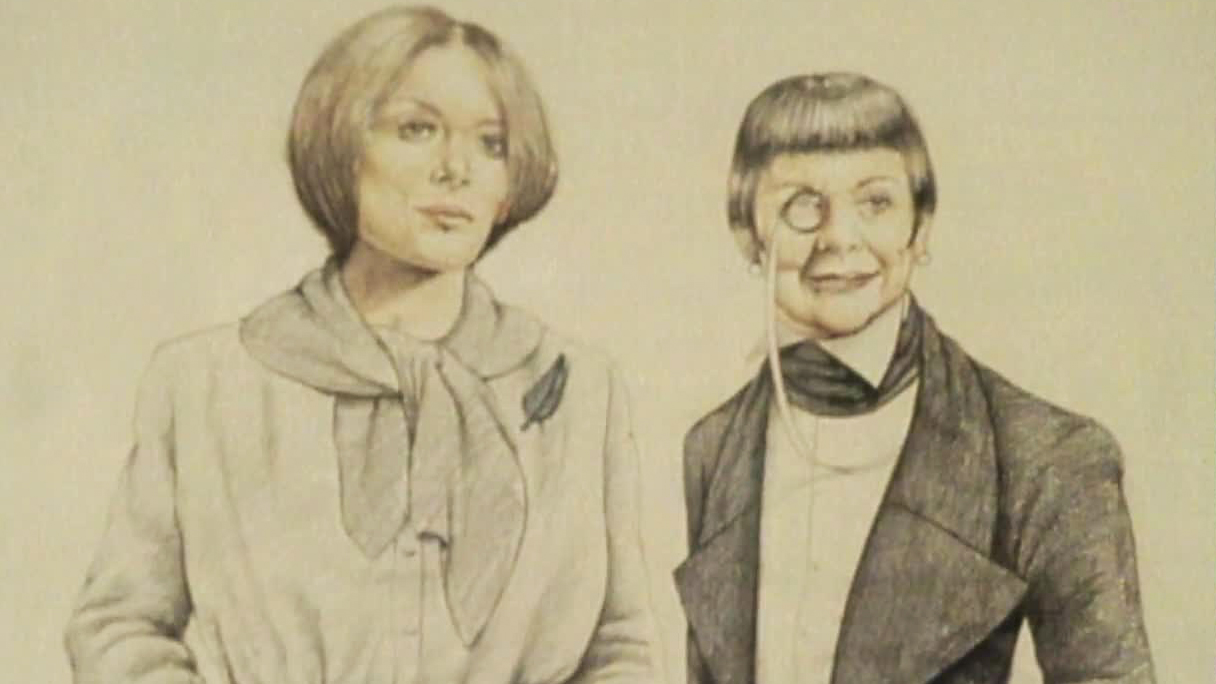
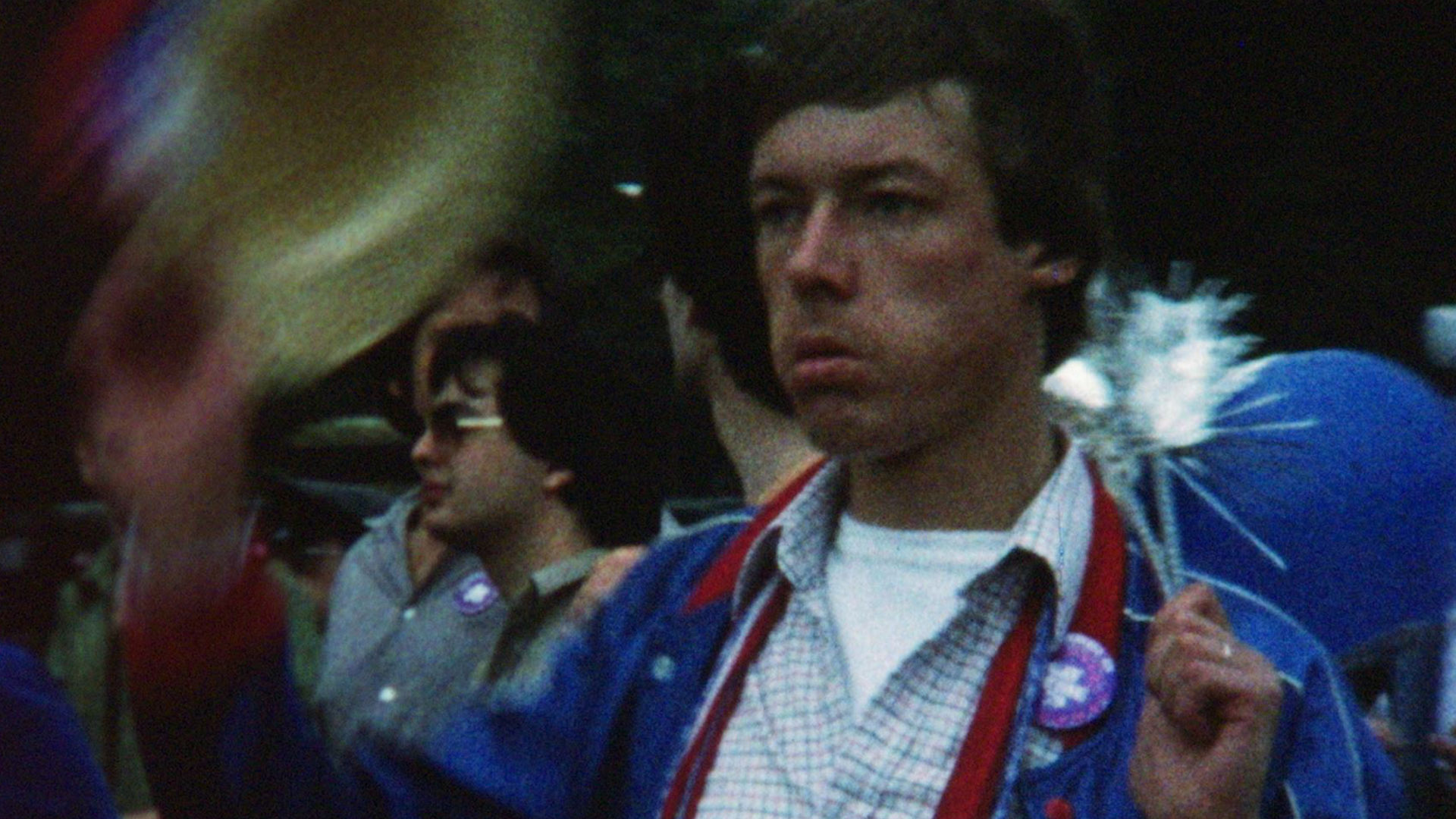
By the 1980s and 90s, Brixton had acquired a fearsome reputation as home to a rebellious black presence. This tough urban image also hid a thriving gay scene and arts movement, in which young photographer Ajamu Ikwe-Tyehimba was active. This energetic film traces Ajamu's jump from South London back to his hometown of Huddersfield, Yorkshire, for an exhibition of his work. Playing with and remixing images of black masculinity cross-cut with a "feminine gentleness", he attempts, as sociologist Stuart Hall describes, "to transcend both". Often explicit and very humorous, his approach is never dull, provoking controversy and shocked amusement in equal measure.
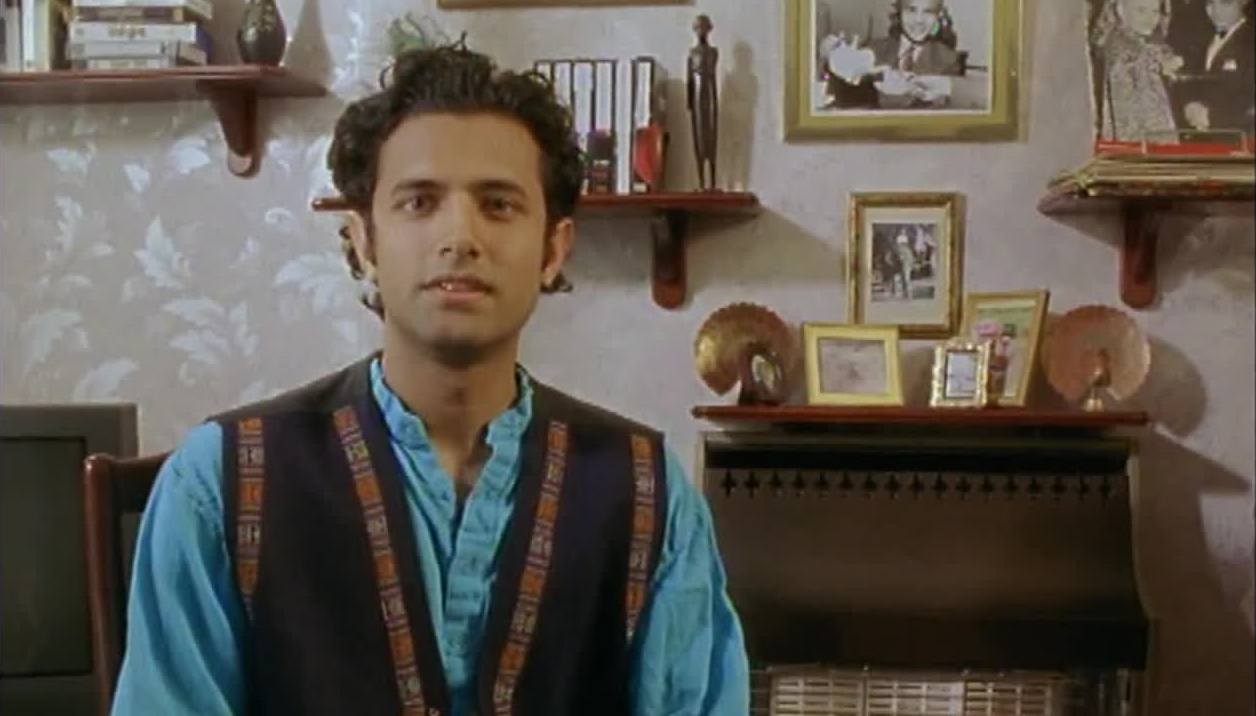
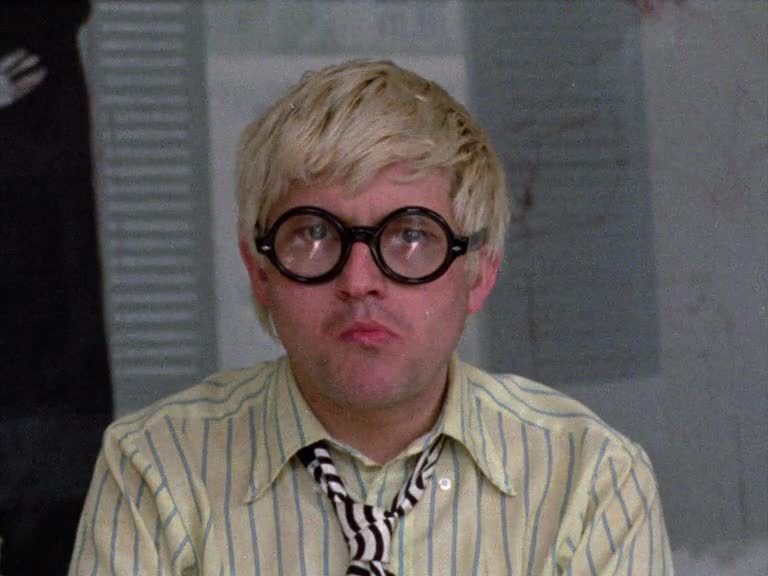
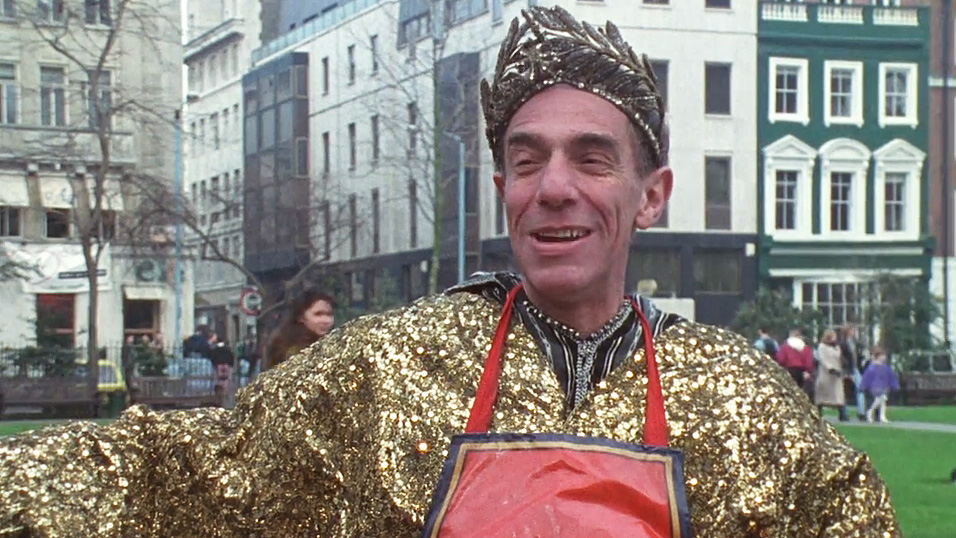
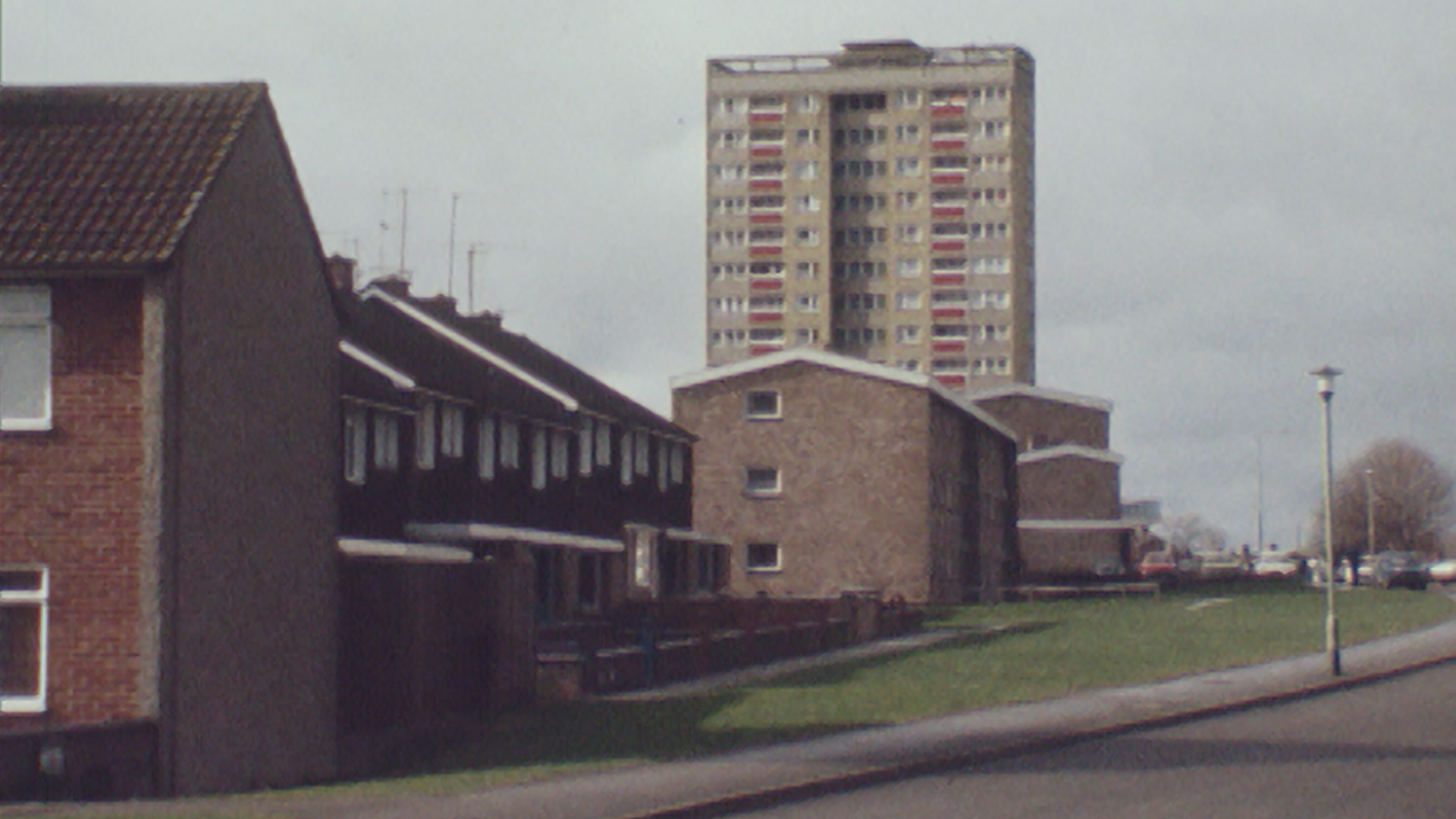
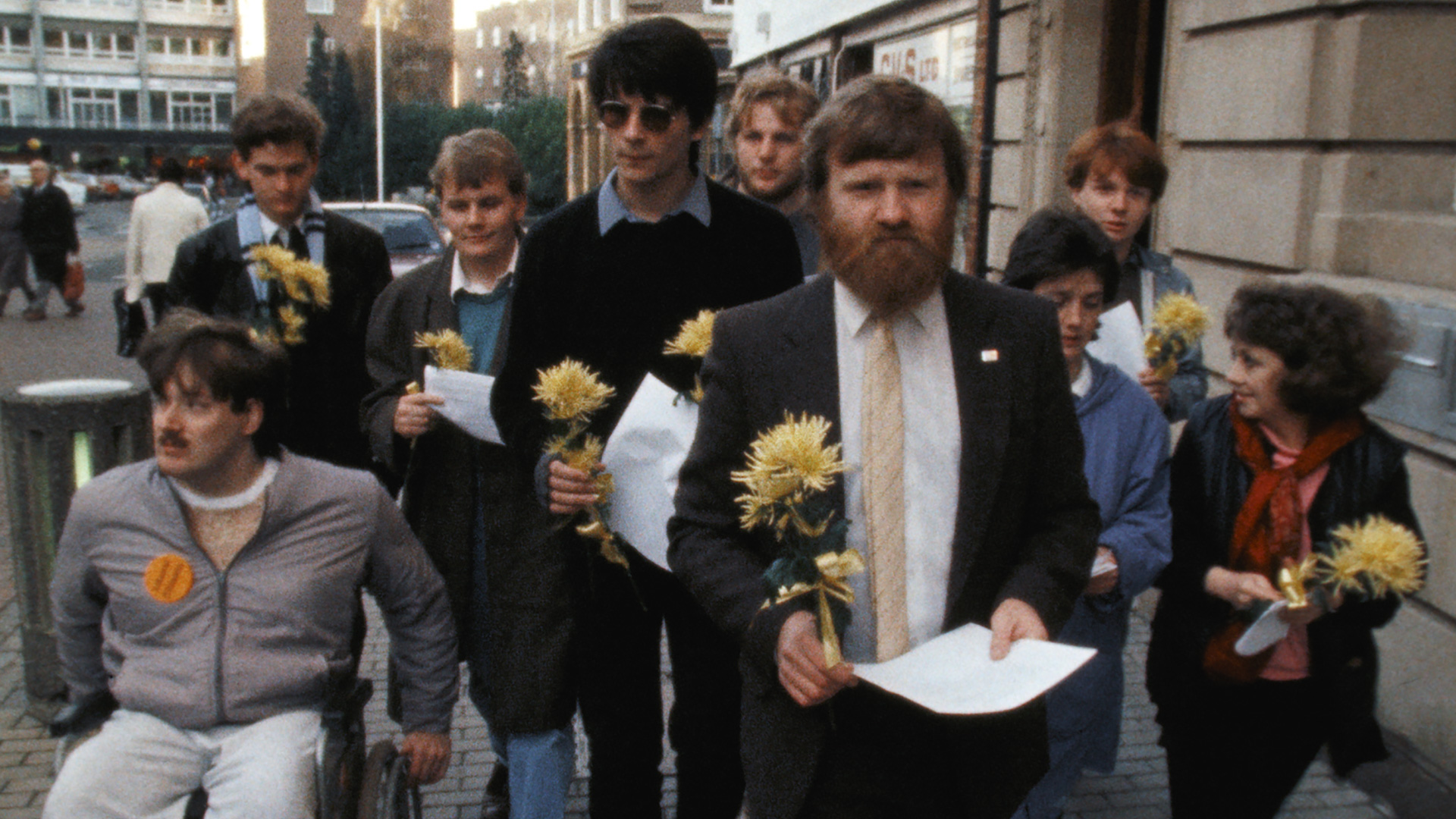
The film also boasts a visual feast of local landmarks that either no longer exist or have been altered beyond recognition - look out for the scenes under the arches of Brixton station. There's also a substantial line-up of interesting characters: apart from Stuart Hall, the film includes activist Michael Cadette (formerly of the Race Today collective established by Darcus Howe), leading black photographer David A. Bailey and a homophobic cameo from a very young and fresh-looking Terence Maynard (Coronation Street's Tony Stewart).
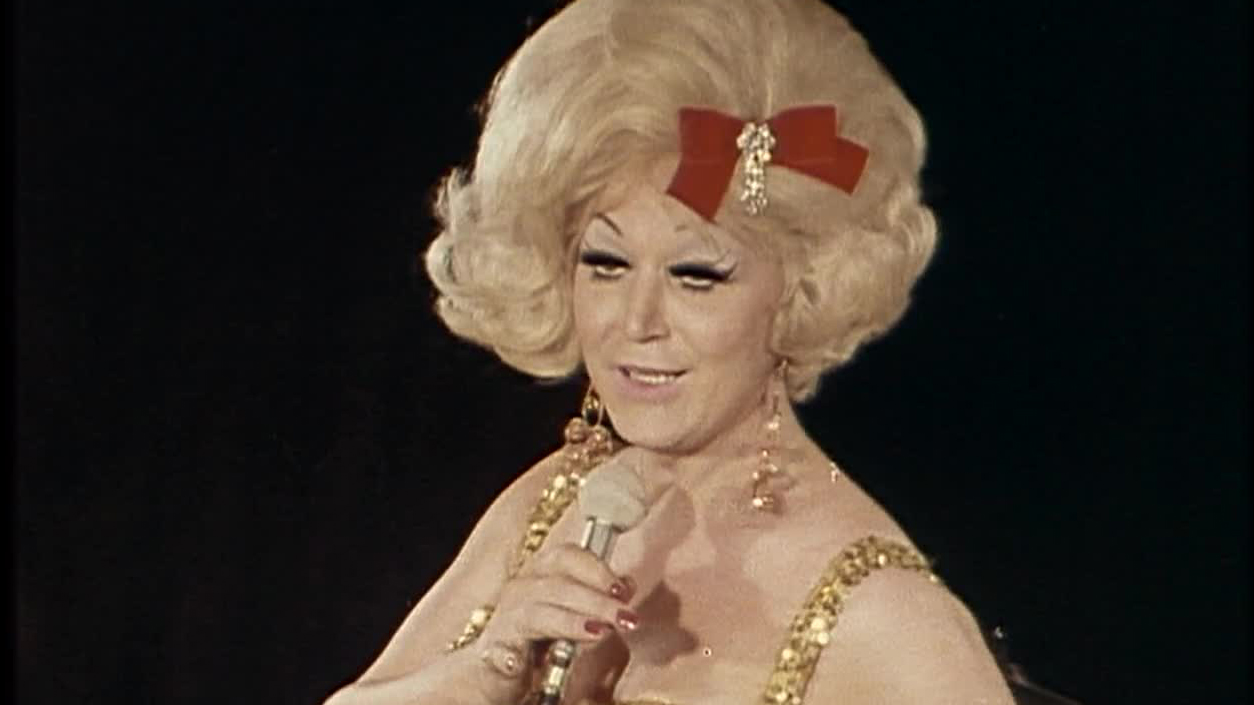
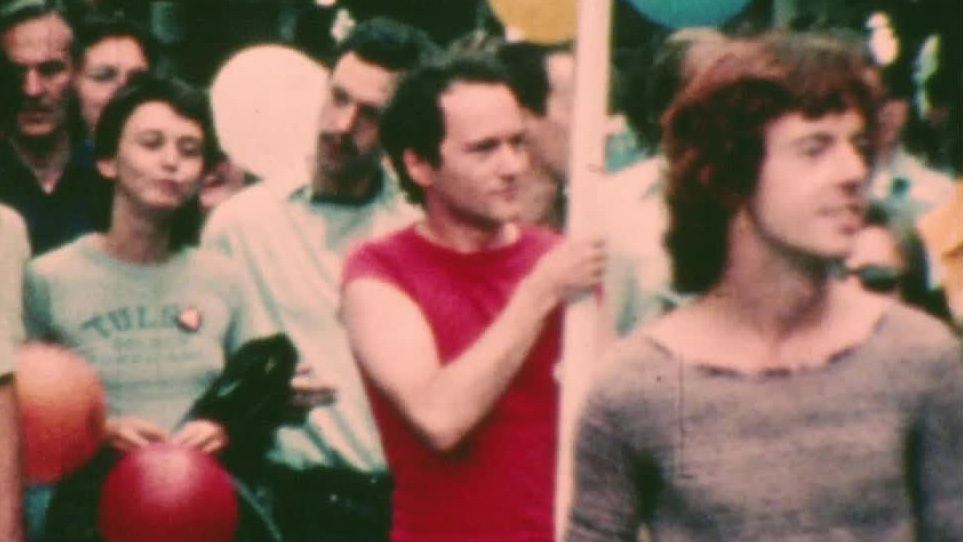
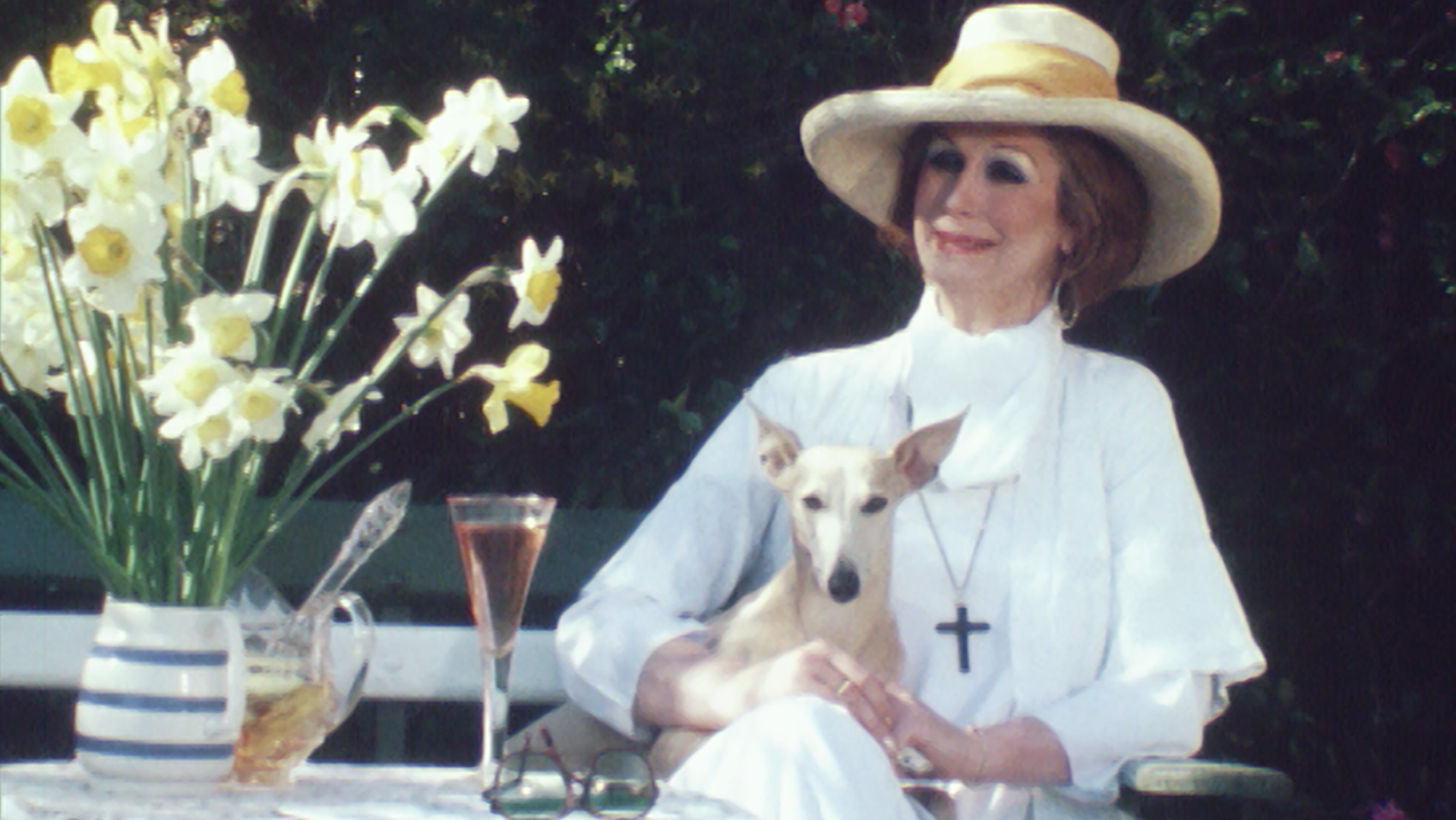
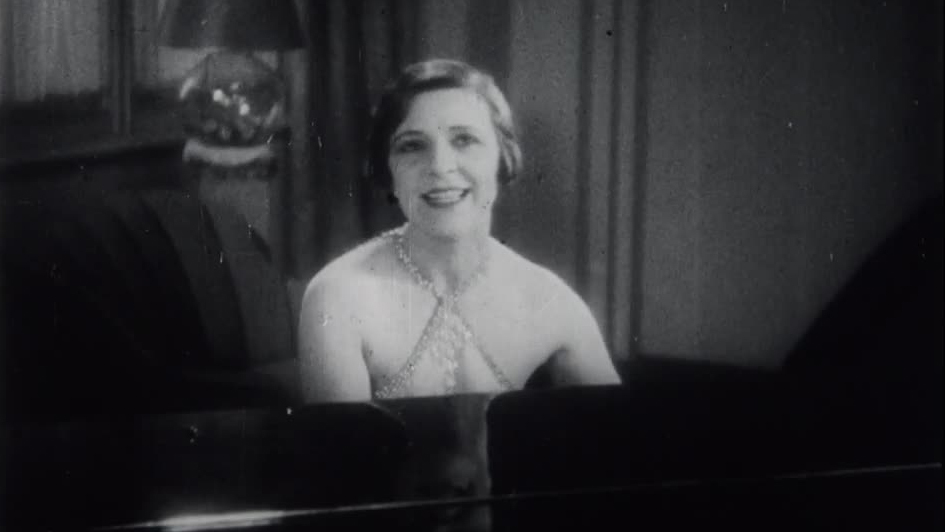
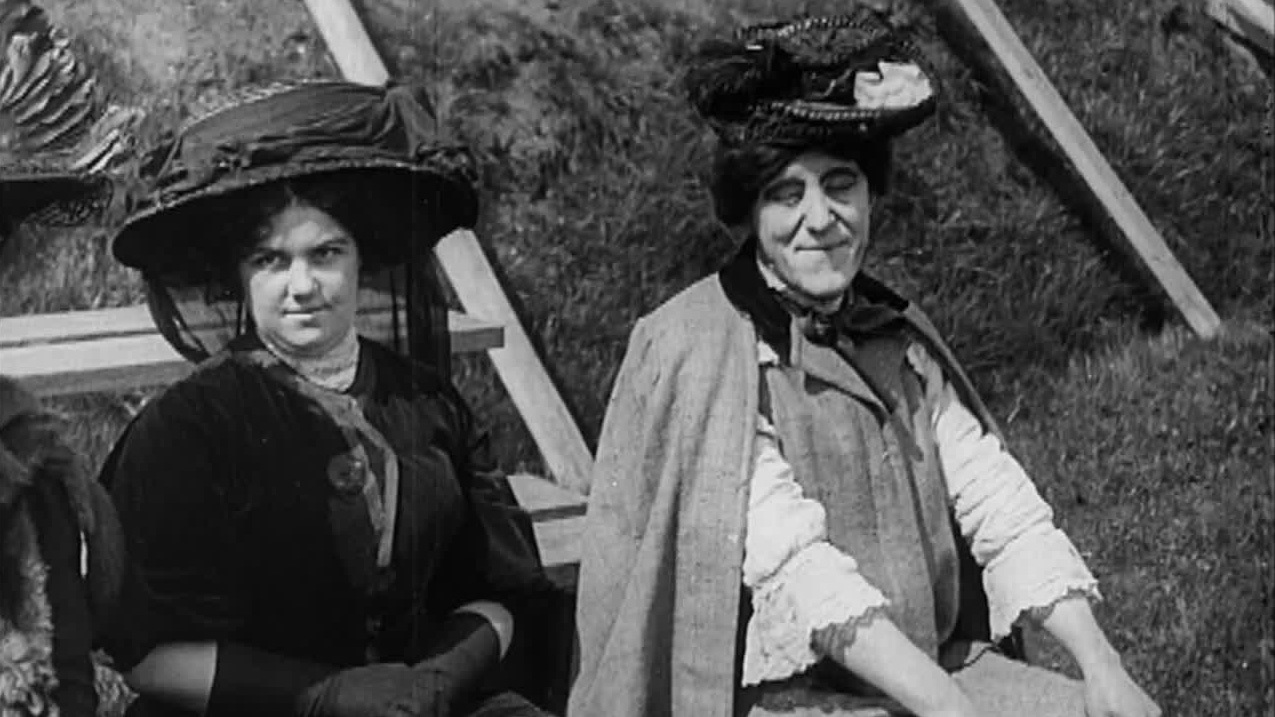
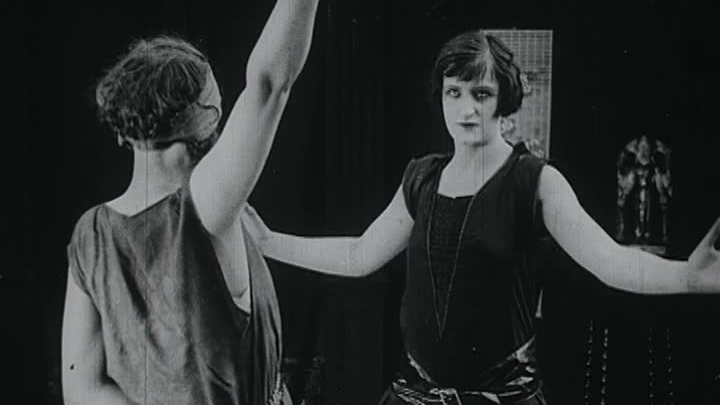
This colourful and challenging collection explores screen representations of lesbian, gay, bisexual and transgender lives over the past century.
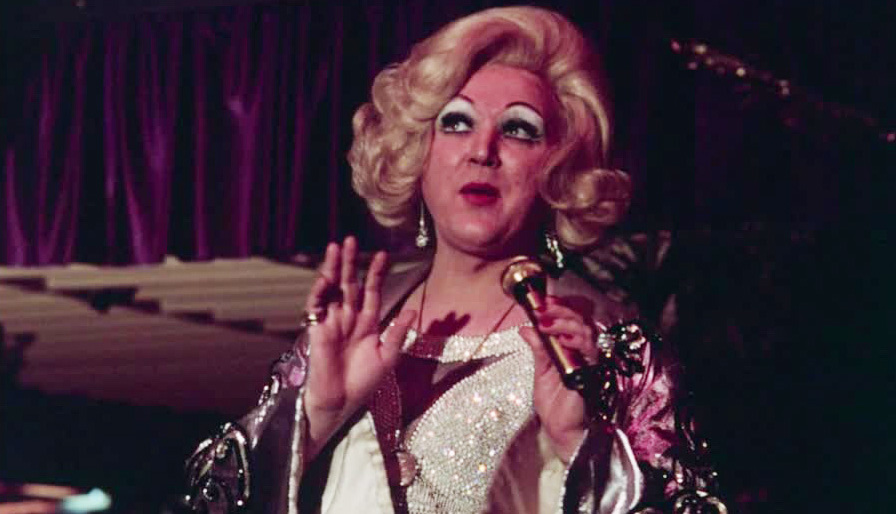
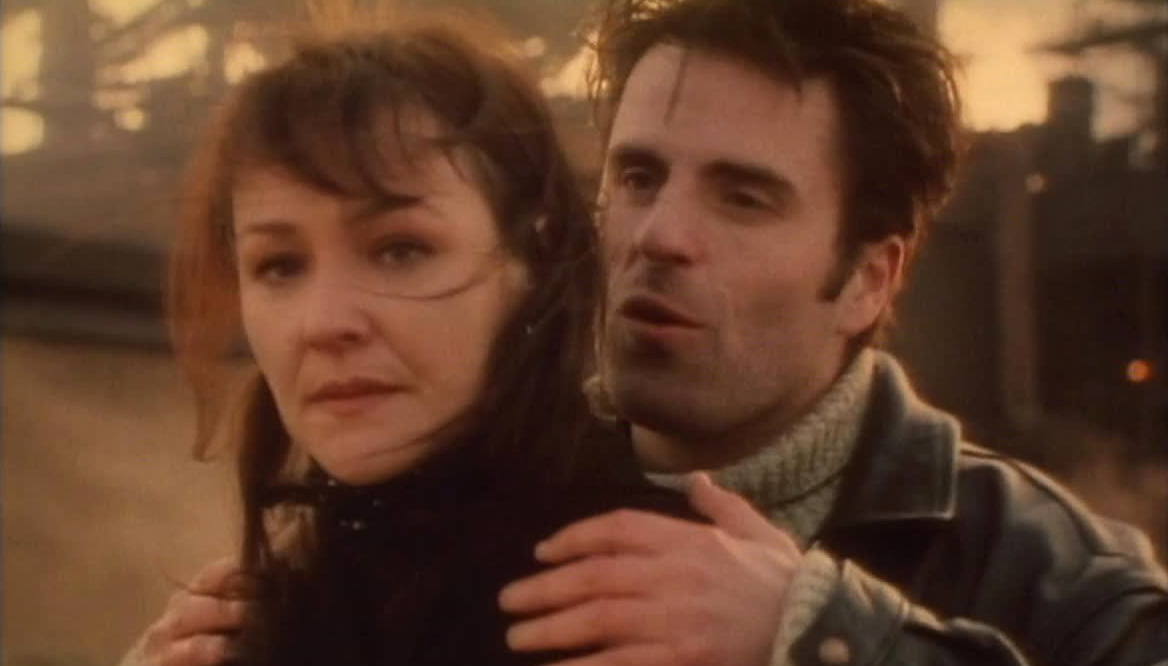
British cinema boasts a long history of carefully coded queerness, but for much of the 20th century explicit depictions of gay life in drama or documentary were more or less taboo. Gay men were subject to vicious state-sanctioned persecution, while lesbians were socially ostracised and the transgender community ignored and misunderstood. Cinematic and small-screen breakthroughs in the 1950s and 60s played their part in the public debate. Finally acting on the recommendations of the Wolfenden Committee a decade earlier, the 1967 Sexual Offences Act partially decriminalised male homosexuality in England and Wales, between two men over 21, in private. As those caveats suggest, the legislation remained problematic. But it was a step forward, paving the way for further battles - some yet to be won. From early glimpses of 'queer' characters, this collection charts the path towards '67 and beyond, through responses to the AIDS crisis to diverse reflections on queer life today.