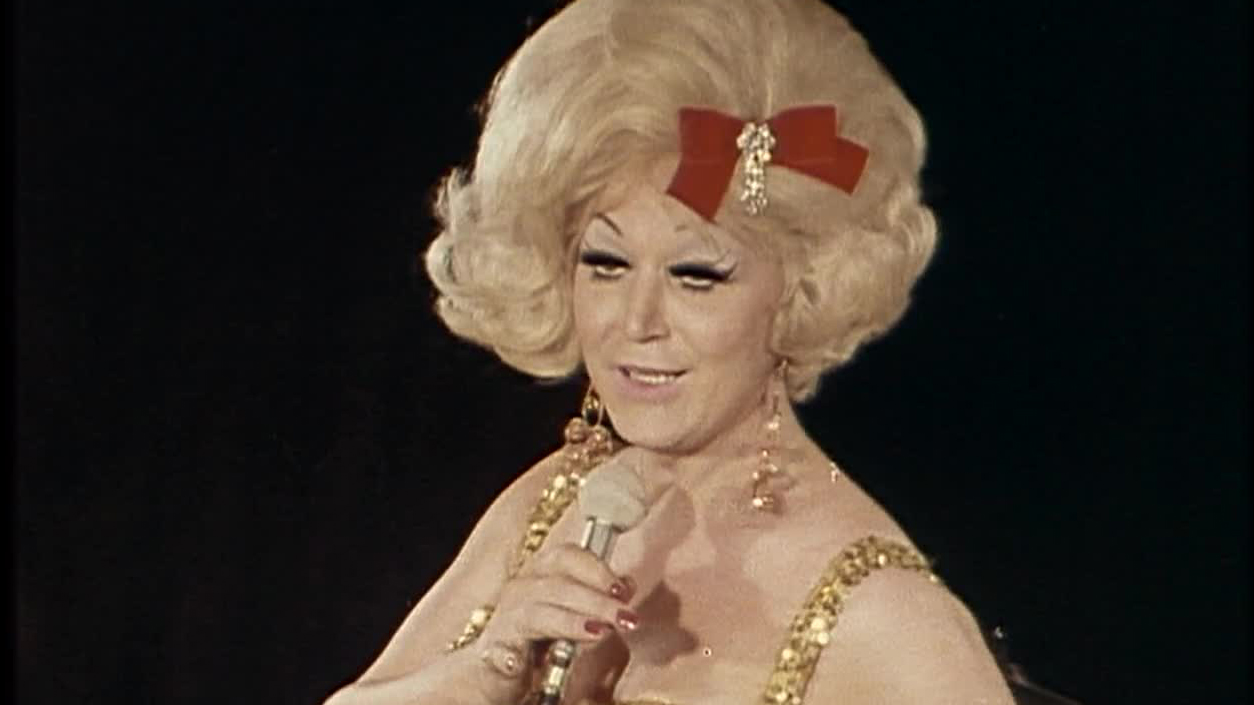
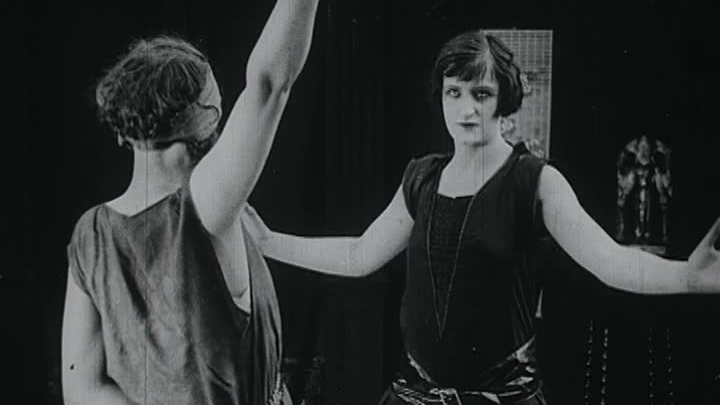
What's a Girl Like You ...
- Vauxhall
- 1969
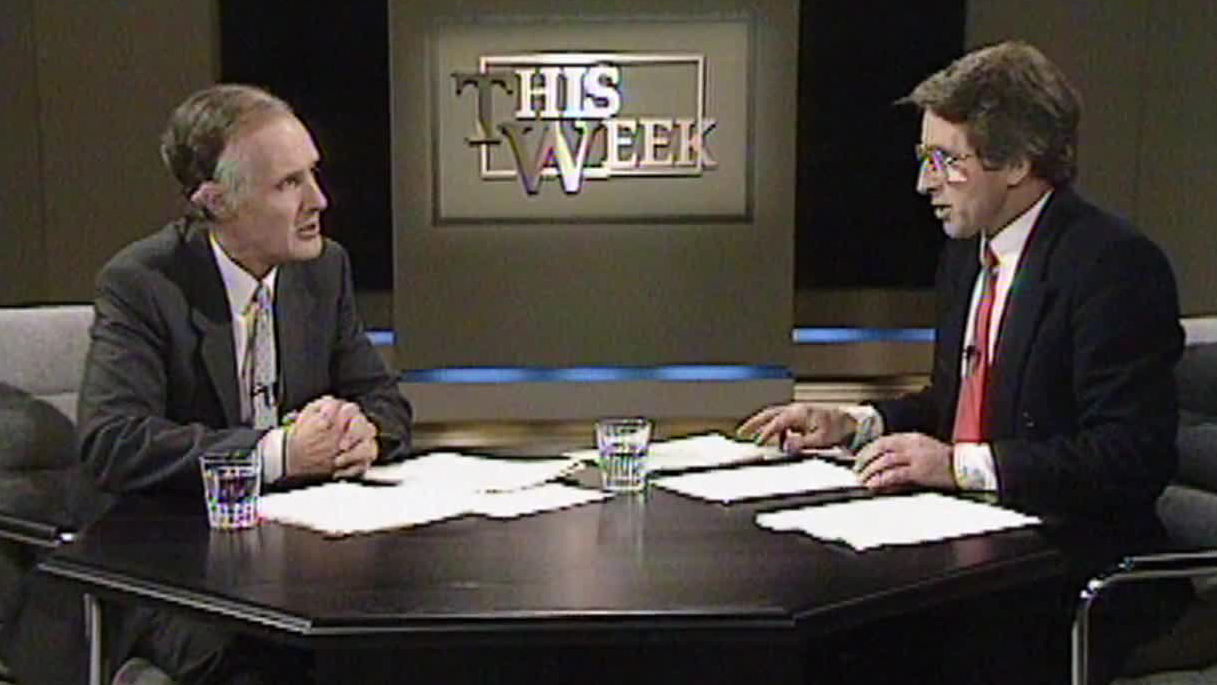
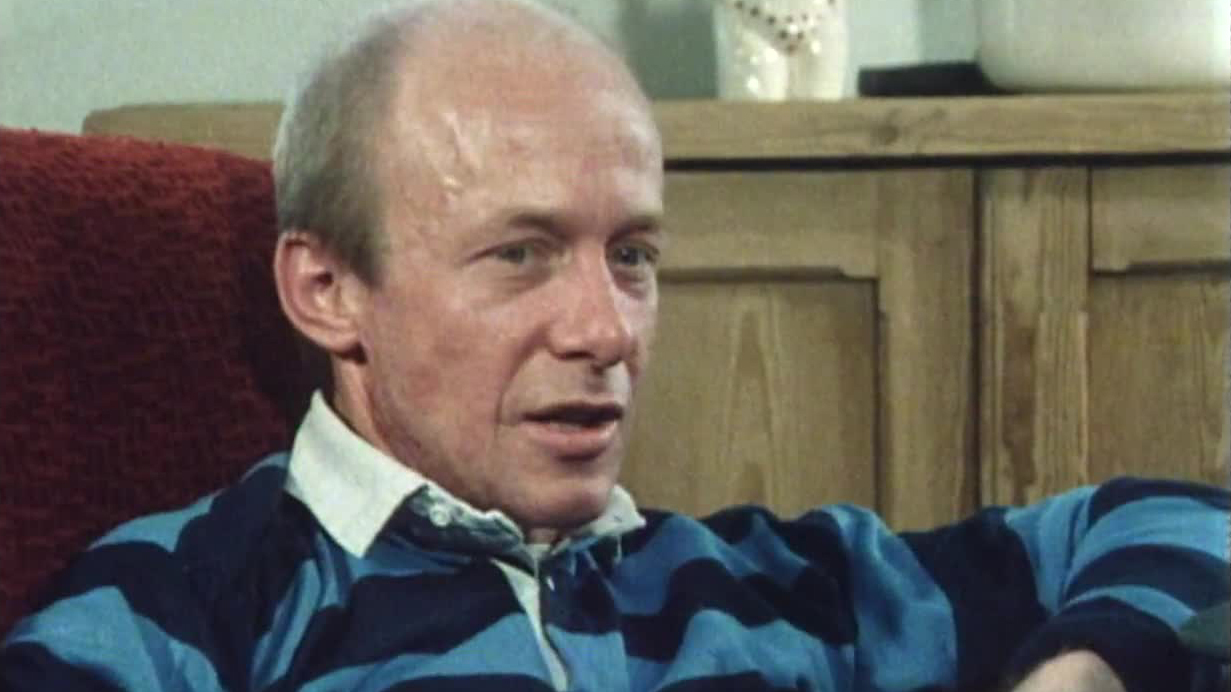
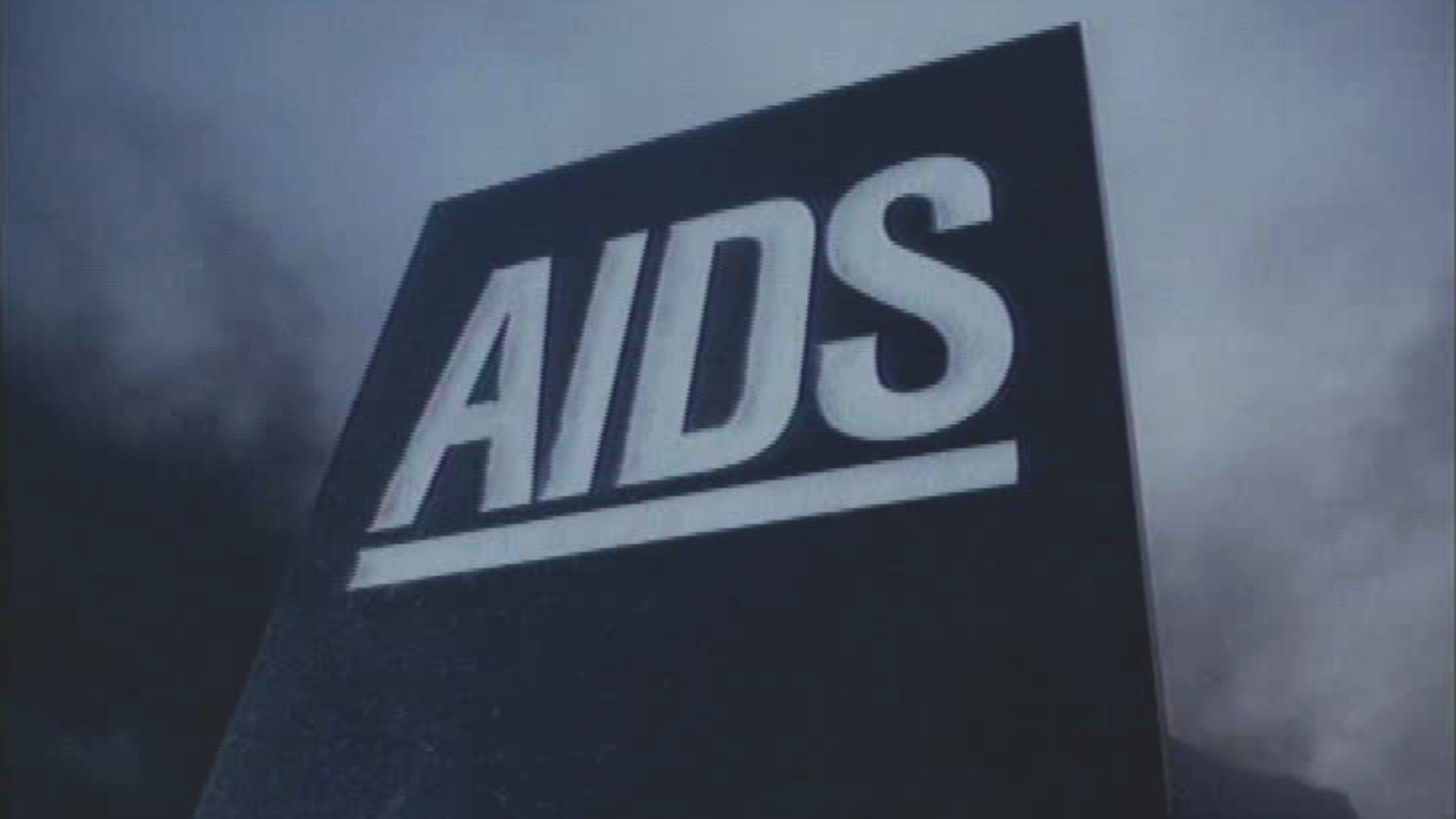
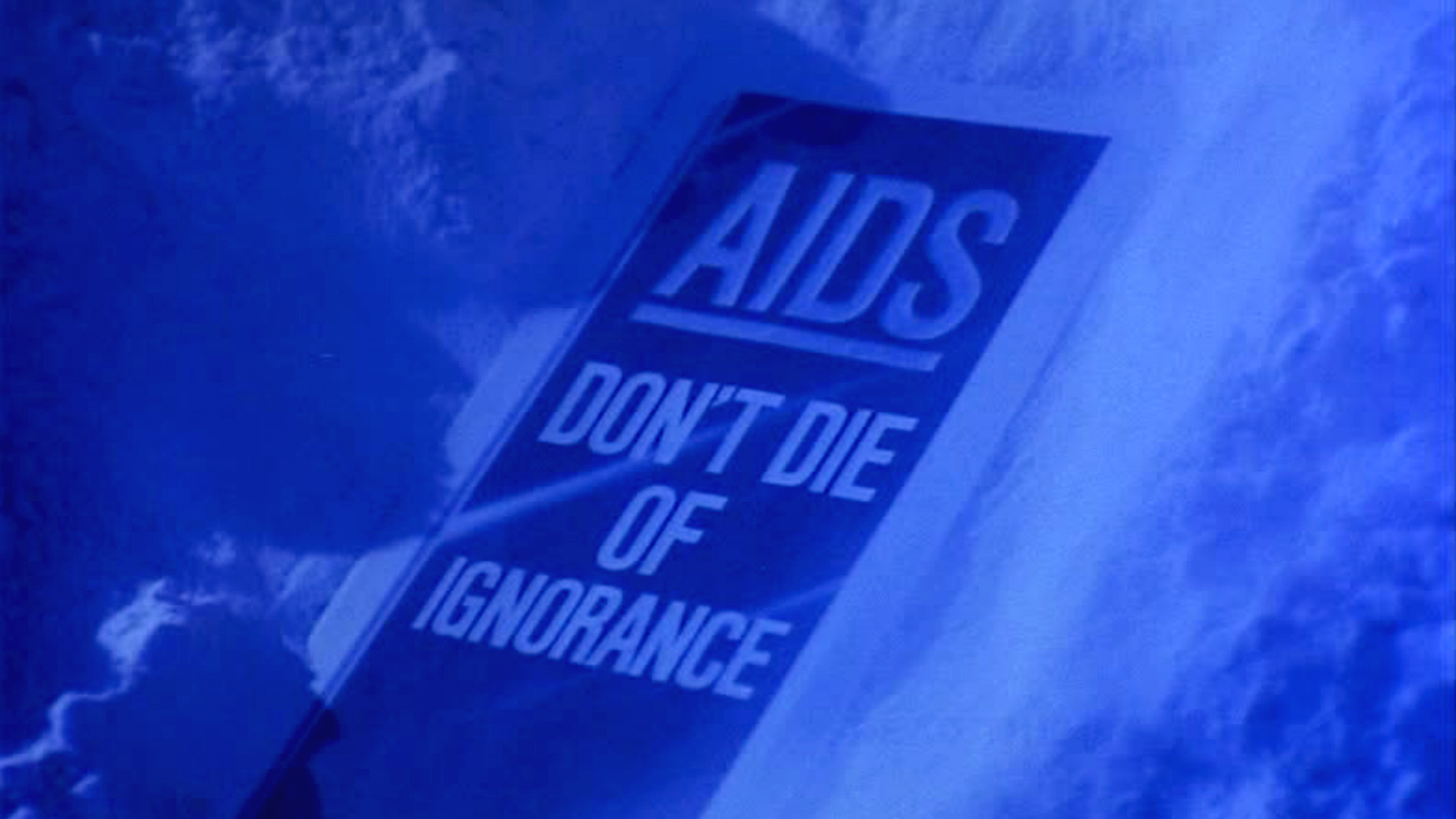
A report which looks at the fears of the medical profession about the spread of
Acquired Immune Deficiency Syndrome (AIDS) and the possible prevention methods
which are available, contrasting with the public awareness campaign which is
used at present. Includes discussion about pregnant women and AIDS, the ethics
of compulsory testing and identity cards, the alleged dangers faced by
emergency service workers and coroners, the risks of AIDS to drug addicts in
Edinburgh, and the role of television in promoting safe sex and the use of
condoms. A studio audience poll on some of these issues is conducted. Also
includes brief footage of the drug AZT being manufactured by Wellcome.
Includes an American public information commercial `Fight the Fear with Facts
part-funded by California Department of Health Services 1985 on AIDS awareness,
and a commercial on a new extra-strong condom, Prophyltex, produced for the
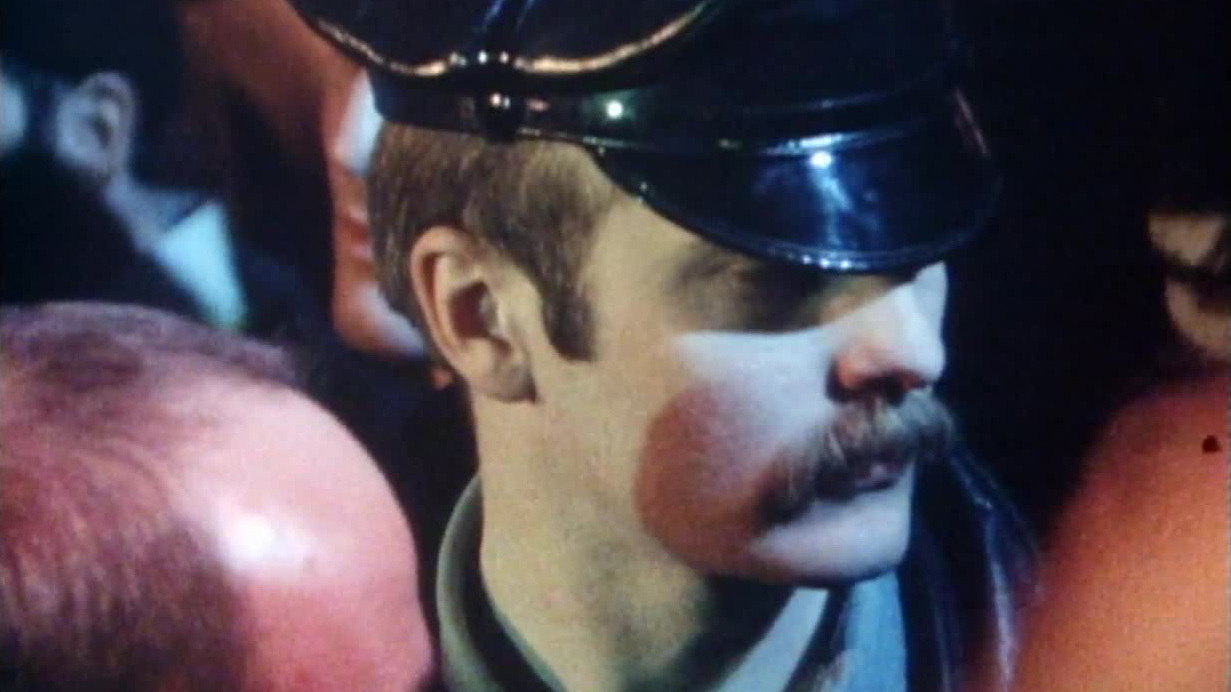
THIS WEEK programme featuring `Scarlet' a shaven'headed woman in leather. There
are graphics and information on the kinds of sex which doctors should say be
avoided. Comments from Dr John Gallwey, Assistant Consultant Radcliffe
Infirmary, Oxford; Dr William Harris, Paddington Hospital; Professor Michael
Adler, Middlesex Hospital; Dr Roy Robertson, a GP in Edinburgh; Dr John Seale,
consultant venereologist; Tony Favell, Secretary of the Conservative
Backbenchers Committee, Marie Staunton, National Council for Civil Liberties
and Aidan Cotter, a Walsall coroner. Dimbleby concludes by reading a message
from Sir Donald Atcheson, the Government's Chief Medical Officer, "except for
women in the high risk groups there is no reason for pregnant women to be
worried and consider seeking advice".
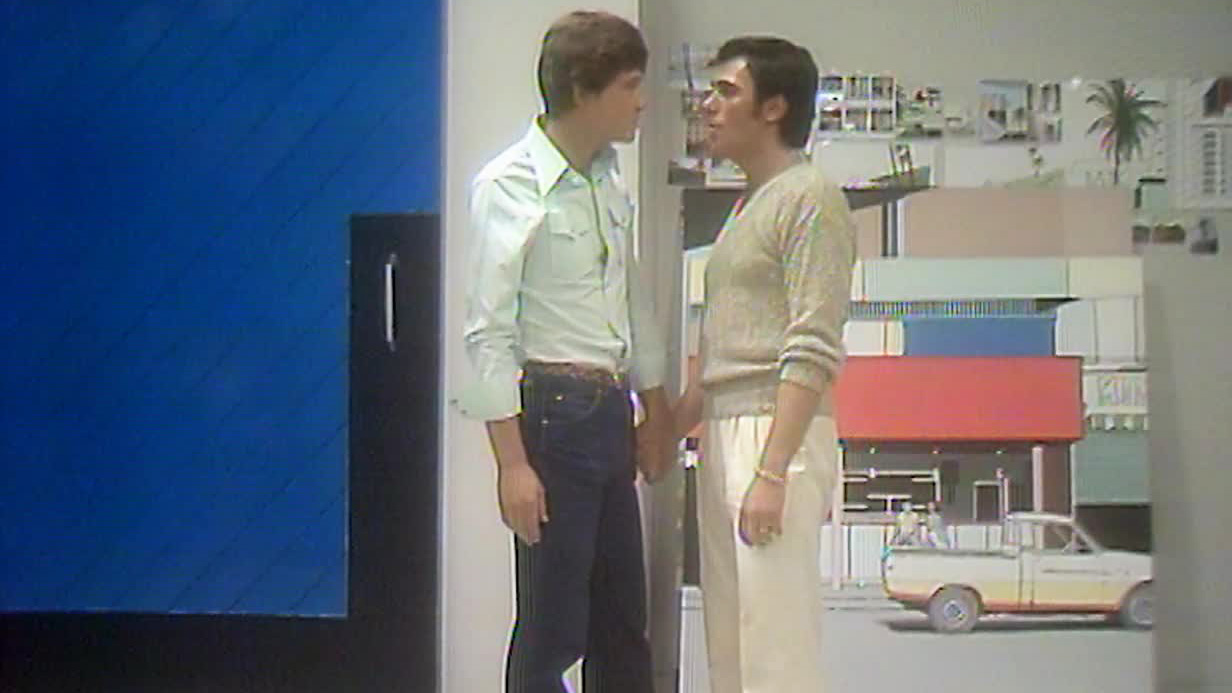
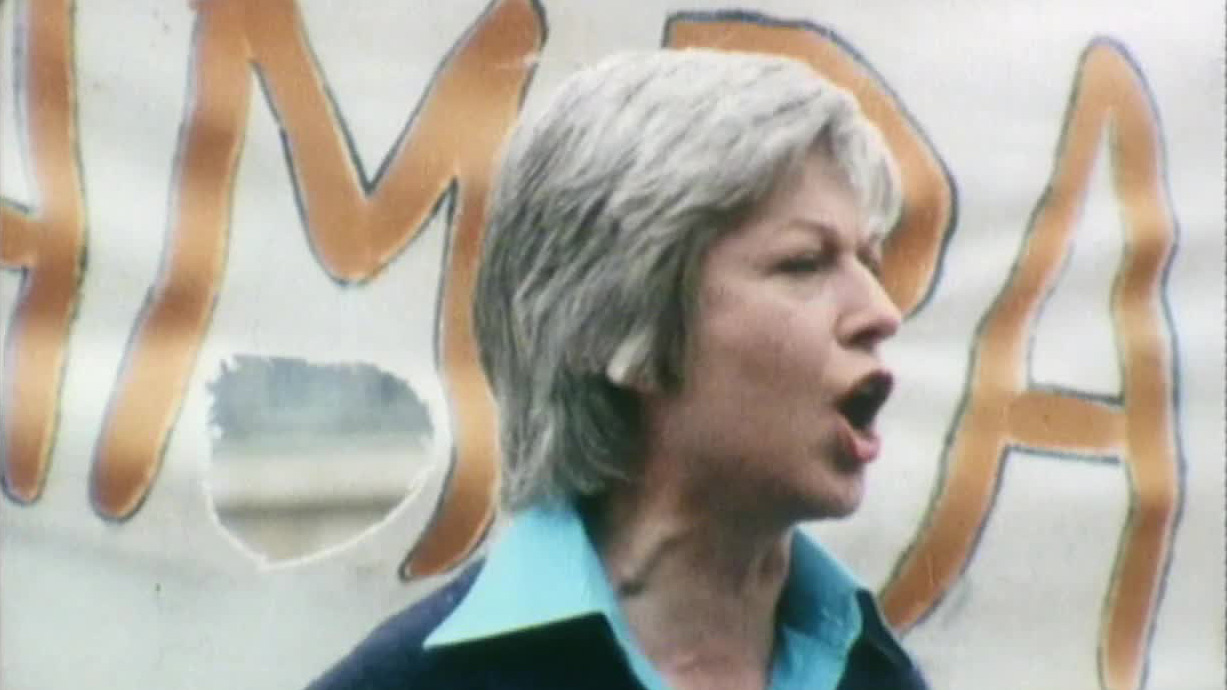
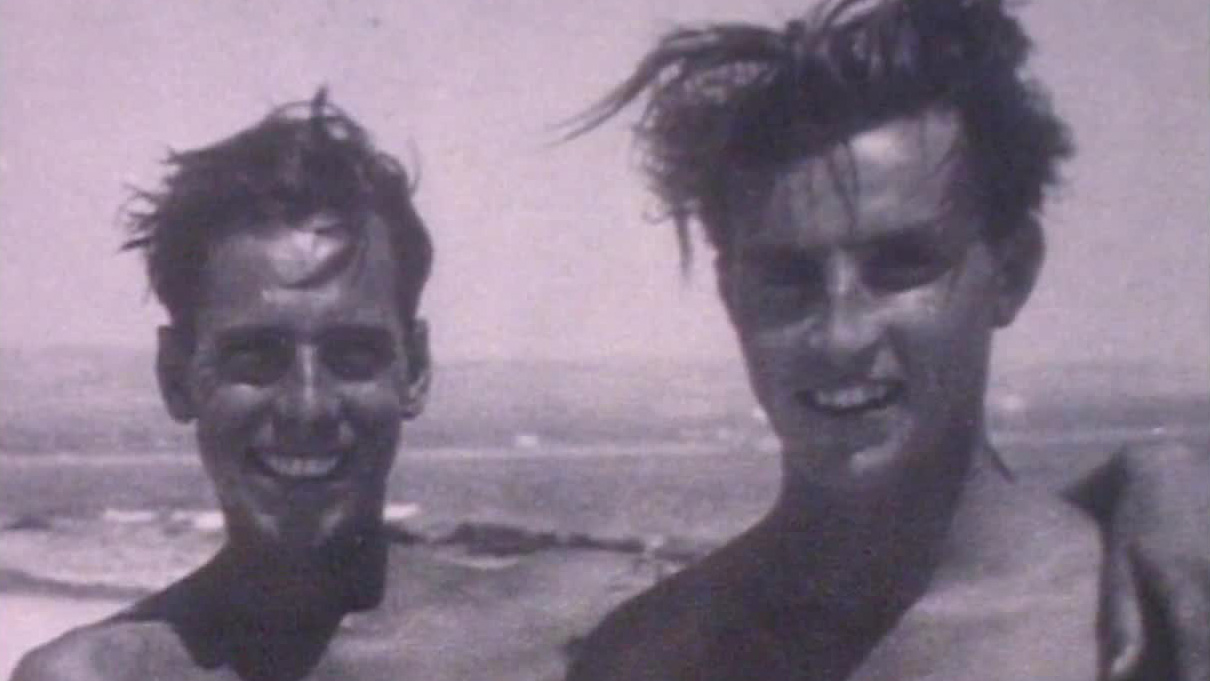
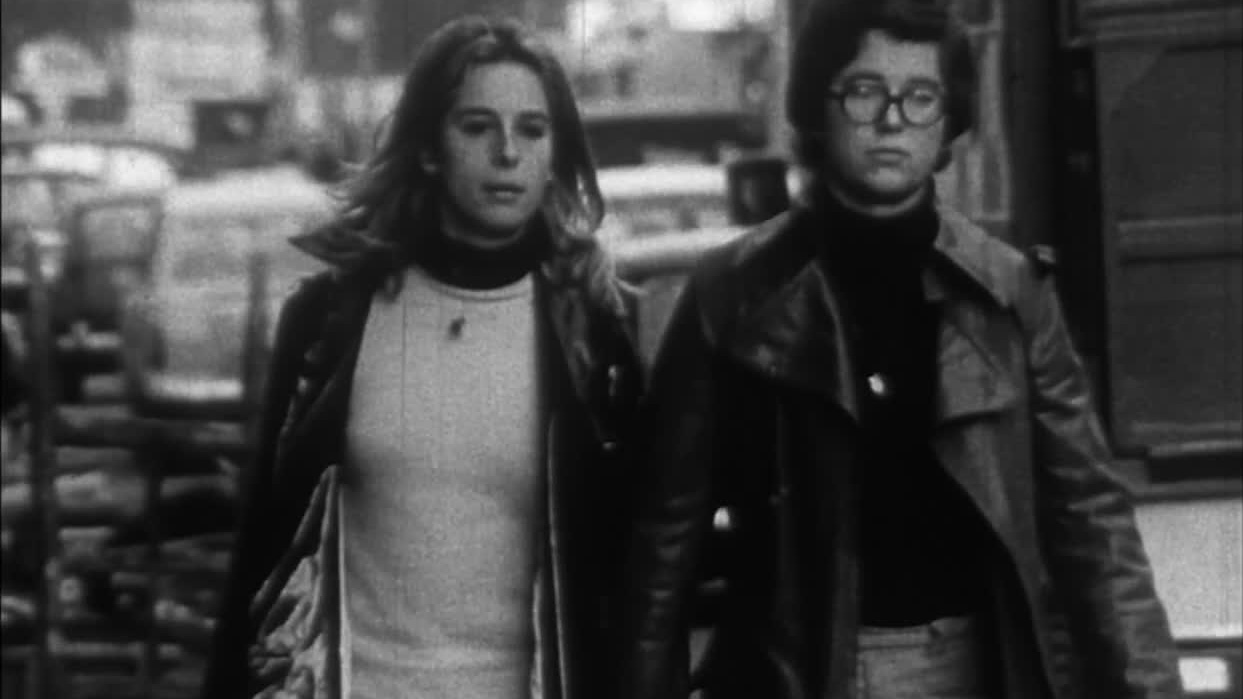
British cinema boasts a long history of carefully coded queerness, but for much of the 20th century explicit depictions of gay life in drama or documentary were more or less taboo. Gay men were subject to vicious state-sanctioned persecution, while lesbians were socially ostracised and the transgender community ignored and misunderstood. Cinematic and small-screen breakthroughs in the 1950s and 60s played their part in the public debate. Finally acting on the recommendations of the Wolfenden Committee a decade earlier, the 1967 Sexual Offences Act partially decriminalised male homosexuality in England and Wales, between two men over 21, in private. As those caveats suggest, the legislation remained problematic. But it was a step forward, paving the way for further battles - some yet to be won. From early glimpses of 'queer' characters, this collection charts the path towards '67 and beyond, through responses to the AIDS crisis to diverse reflections on queer life today.