What's a Girl Like You ...
- Vauxhall
- 1969
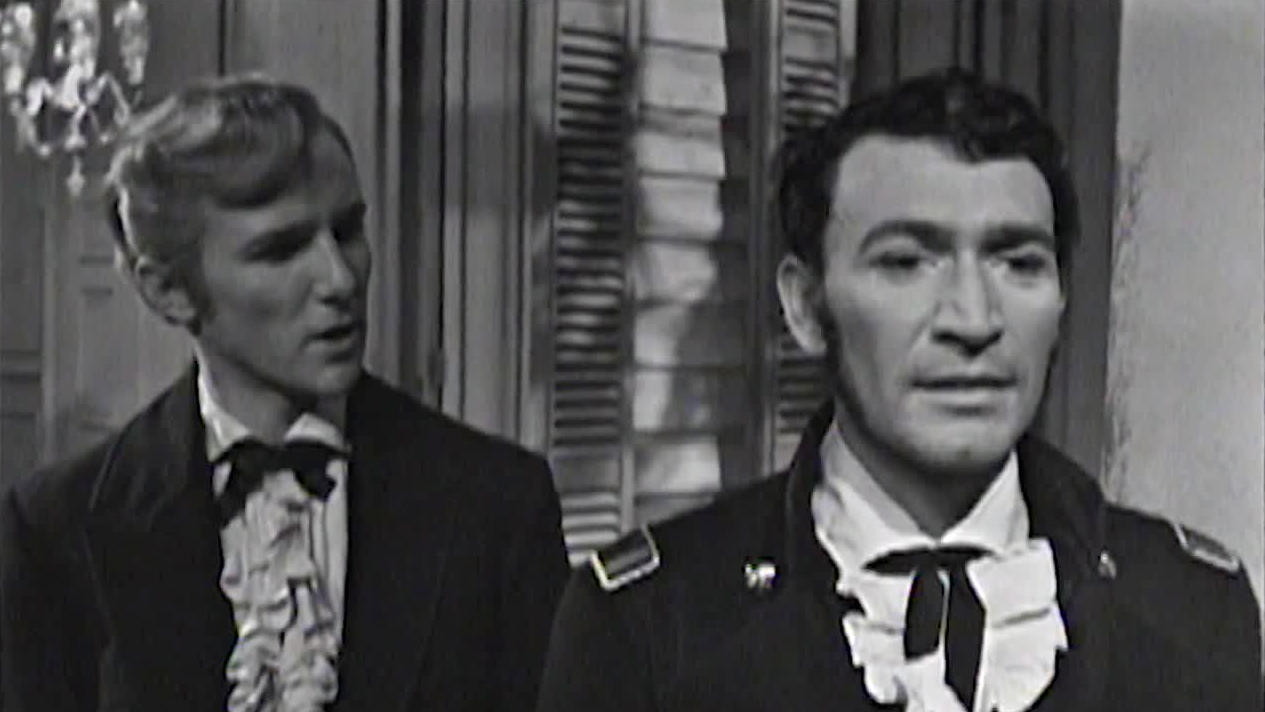
Compelling play by the writer of Chariots of Fire, exposing homophobic bullying in a northern secondary modern.
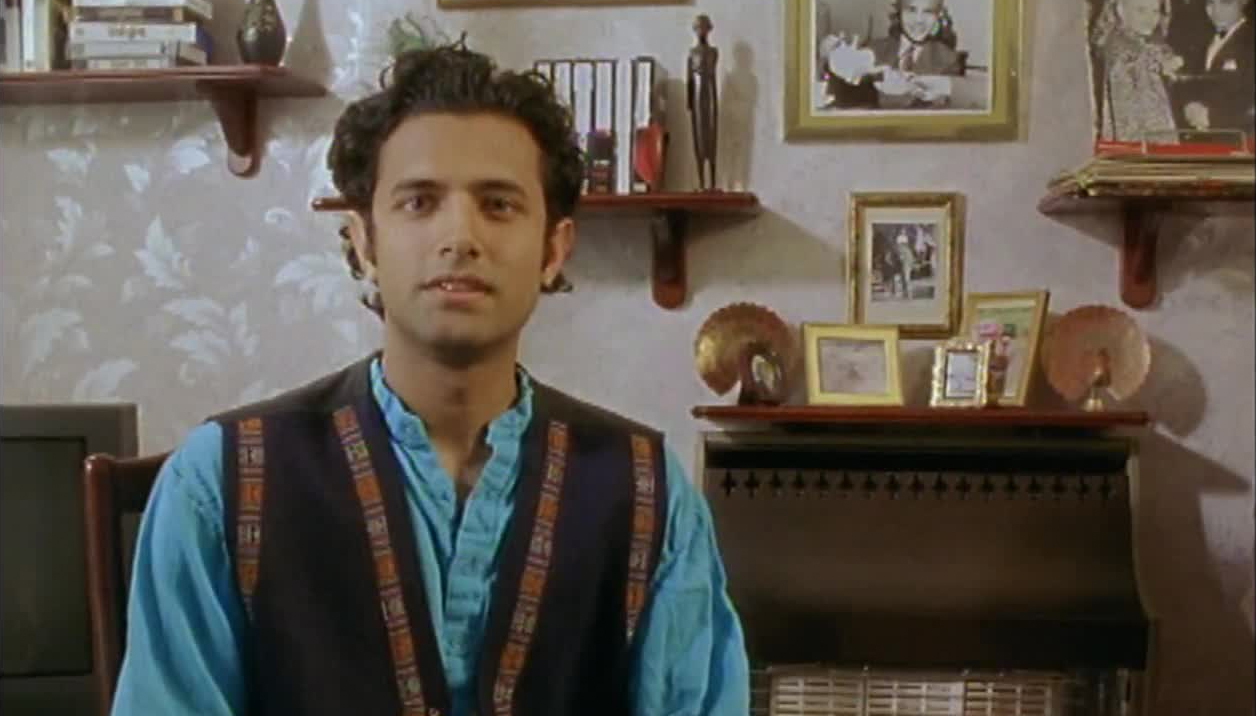
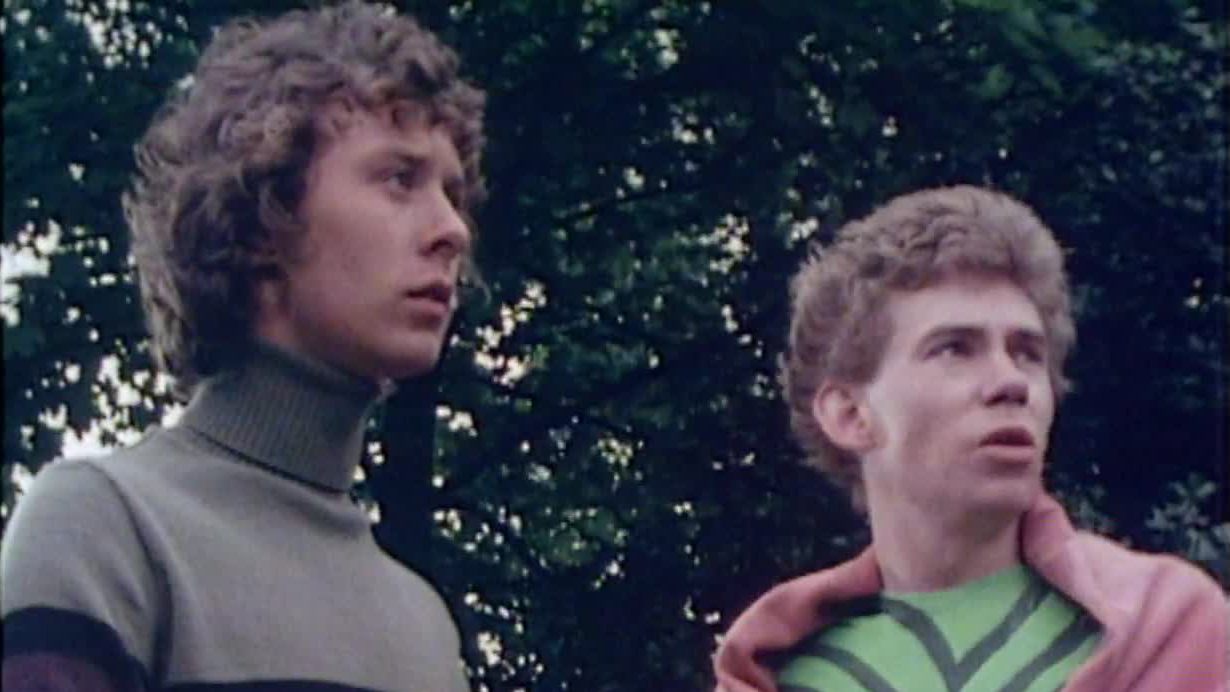
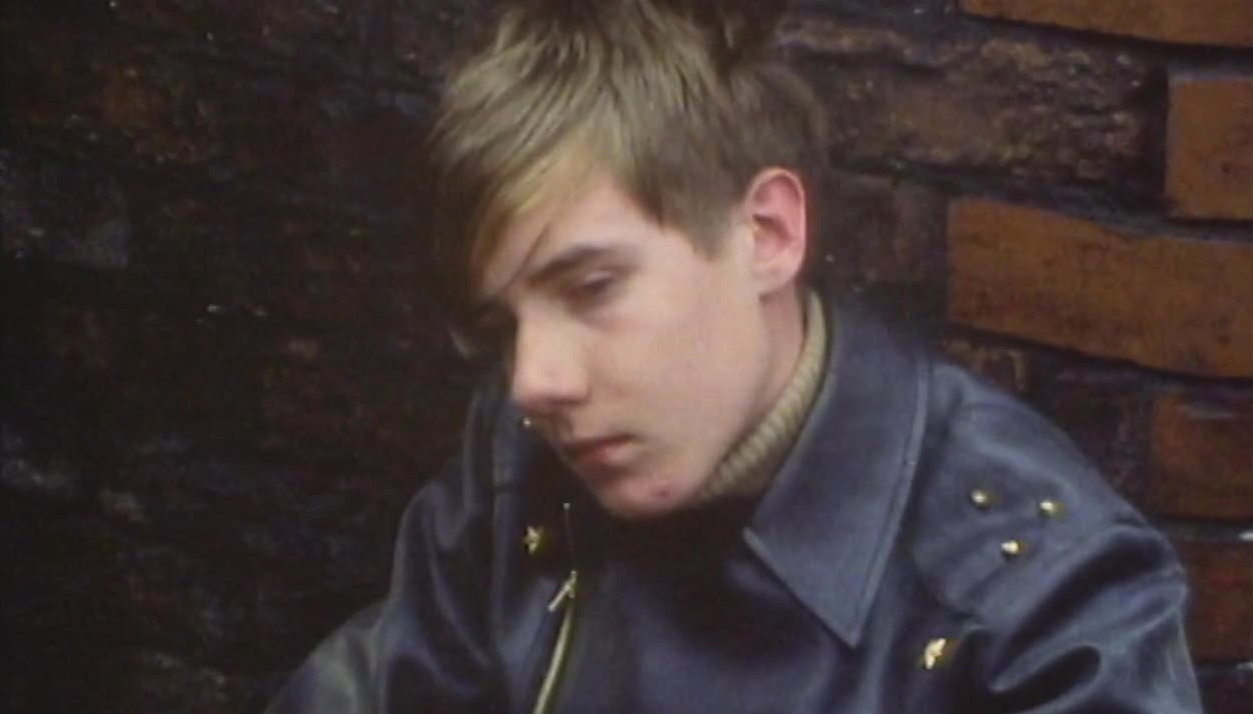
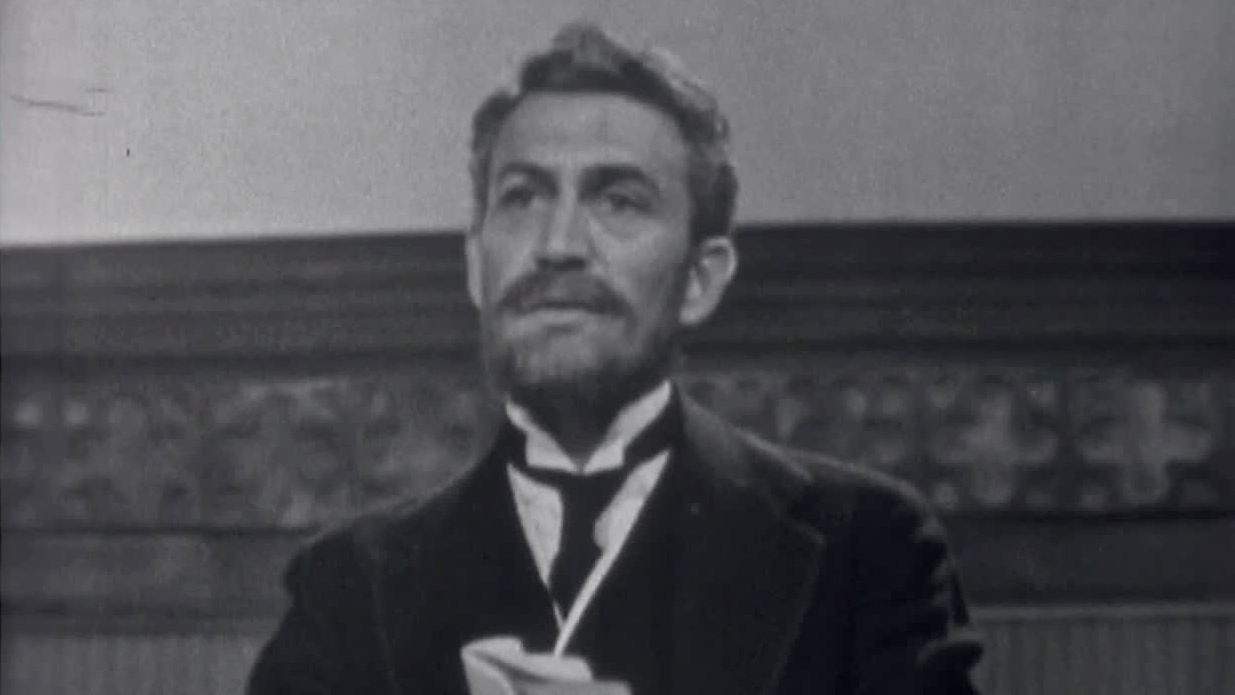
A powerful and at times harrowing look at homophobic bullying in a Salford secondary school, this entry in ITV's Saturday Night Theatre strand centres on introverted teenager Latimer (Frank Heaton), at the mercy of his fellow pupils. Chariots of Fire writer Colin Welland's clever script avoids explicitly confirming Latimer's nascent sexuality, while making a more universal point about the singling out of anyone perceived to be different. Especially provocative is the complicity of certain members of staff in the bullying ('We don't cater for poofs').
The harsh reality for these boys is a life on the shop floor: the head teacher, in his own pragmatic way, sees himself as duty-bound to toughen the boys up, with little patience for the intervention of Latimer's kindly gay art teacher (Clive Swift). Filmed in a rough and ready style with a partly non-professional cast, this reminder of the horrors of adolescence is pertinent today, with homophobia still depressingly rife in British schools.
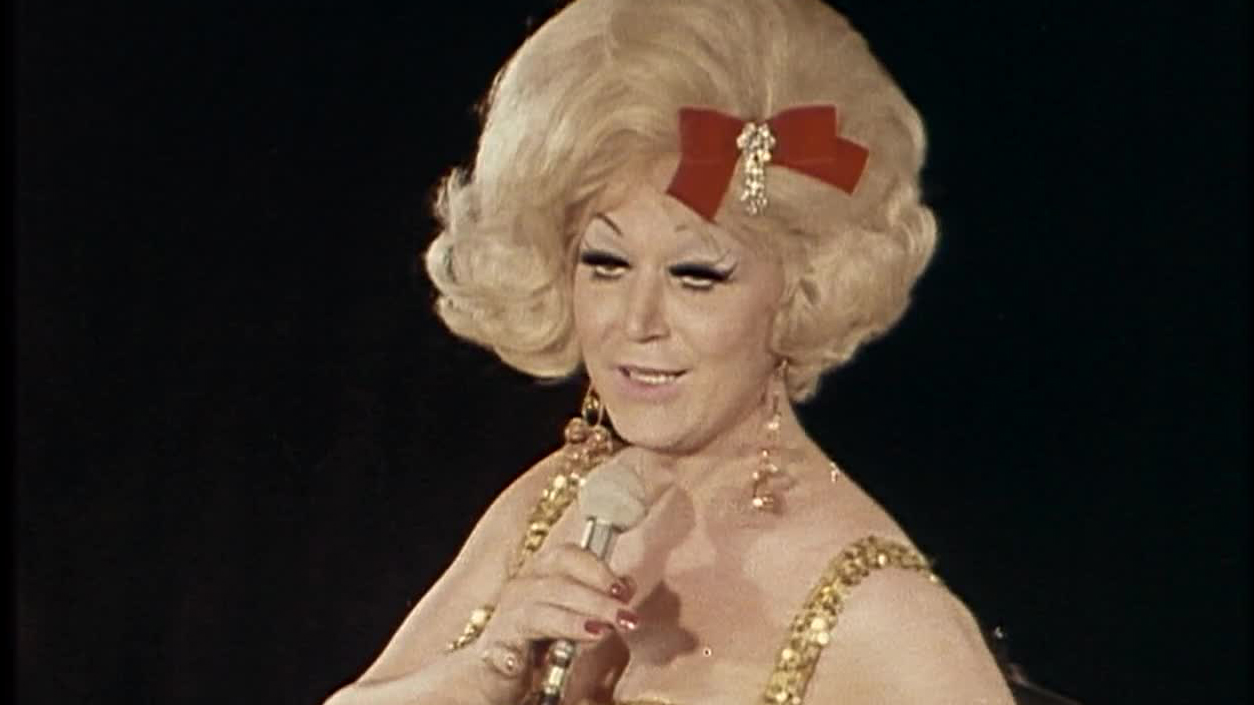
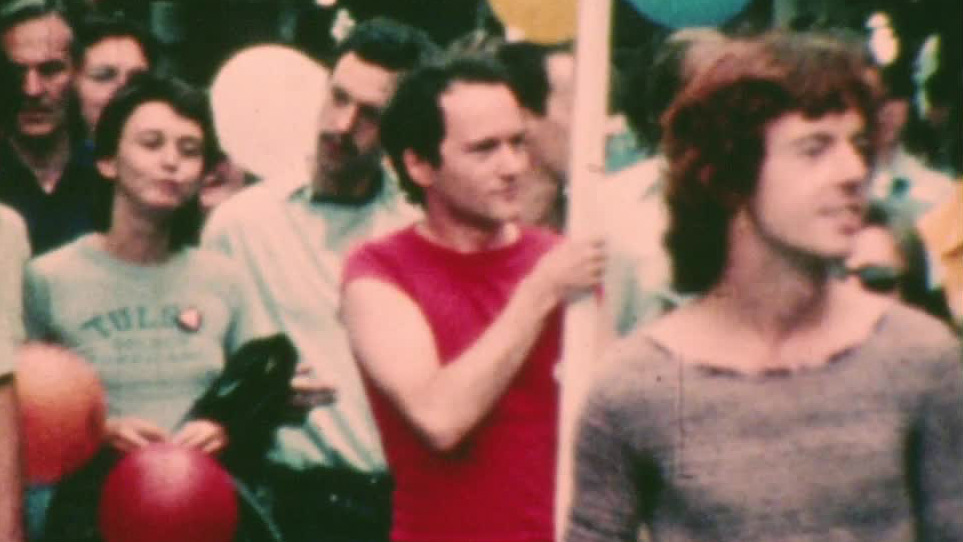
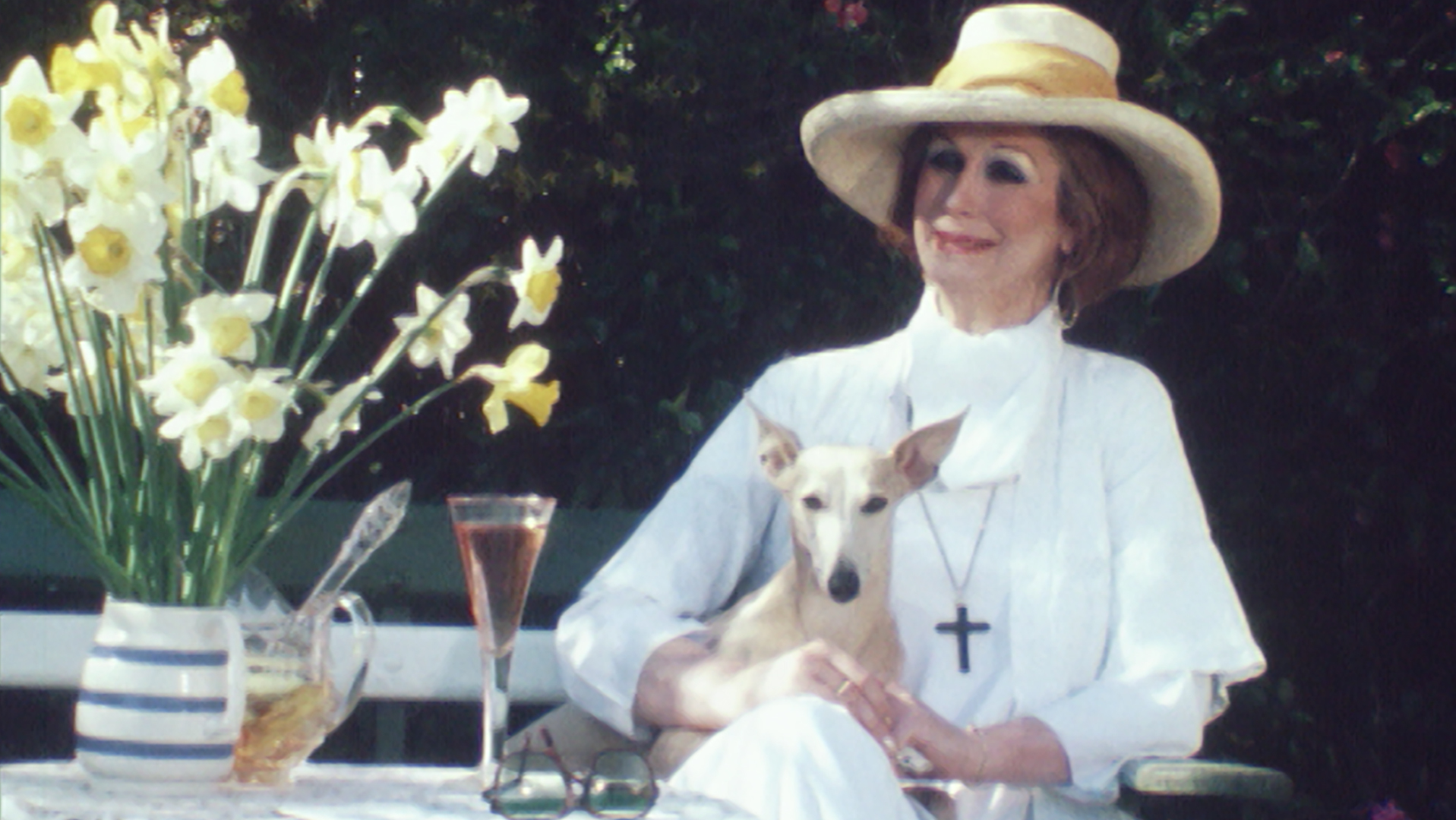
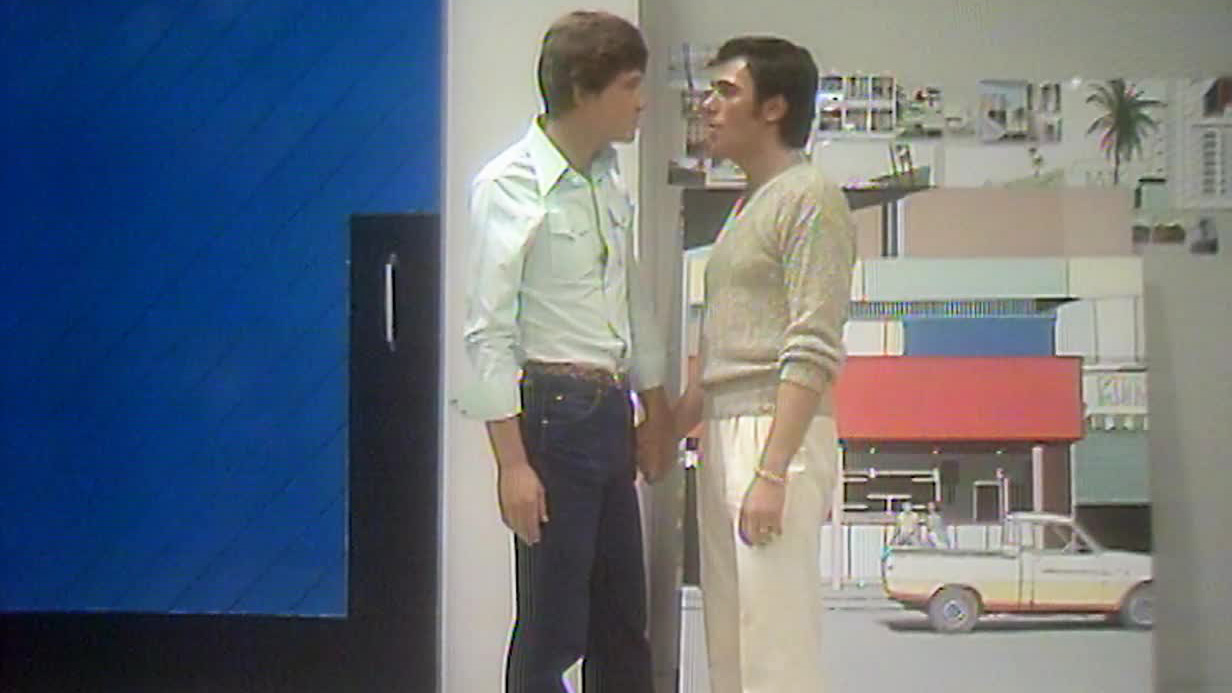
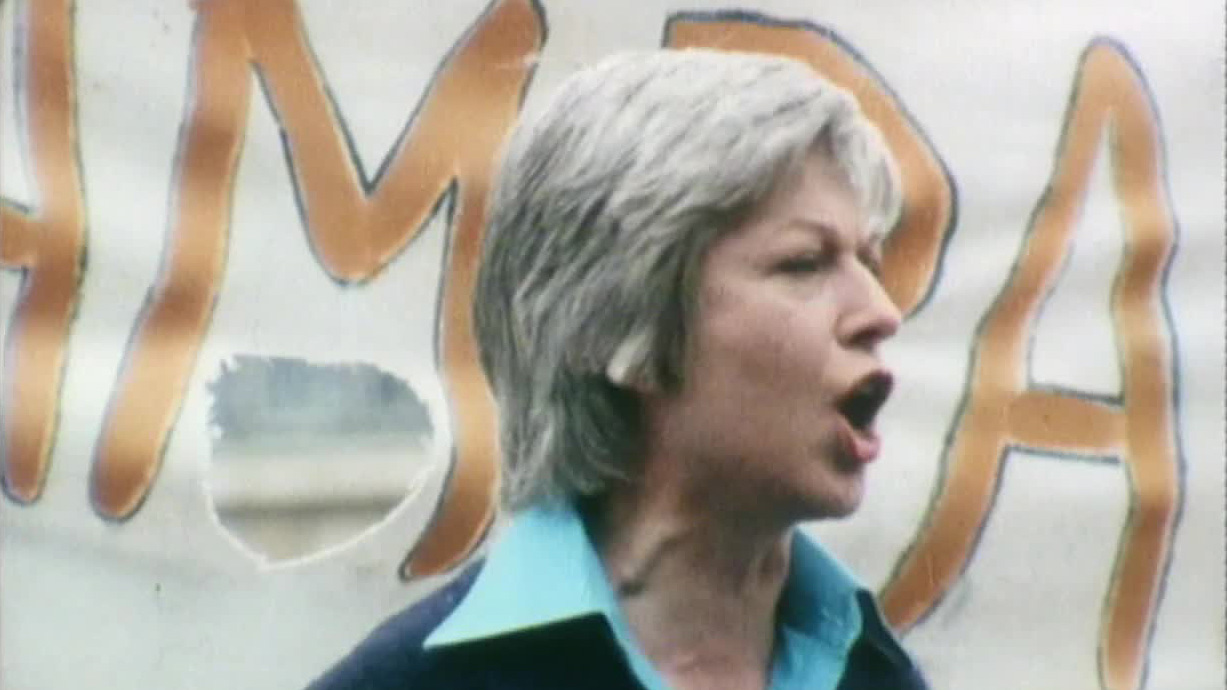
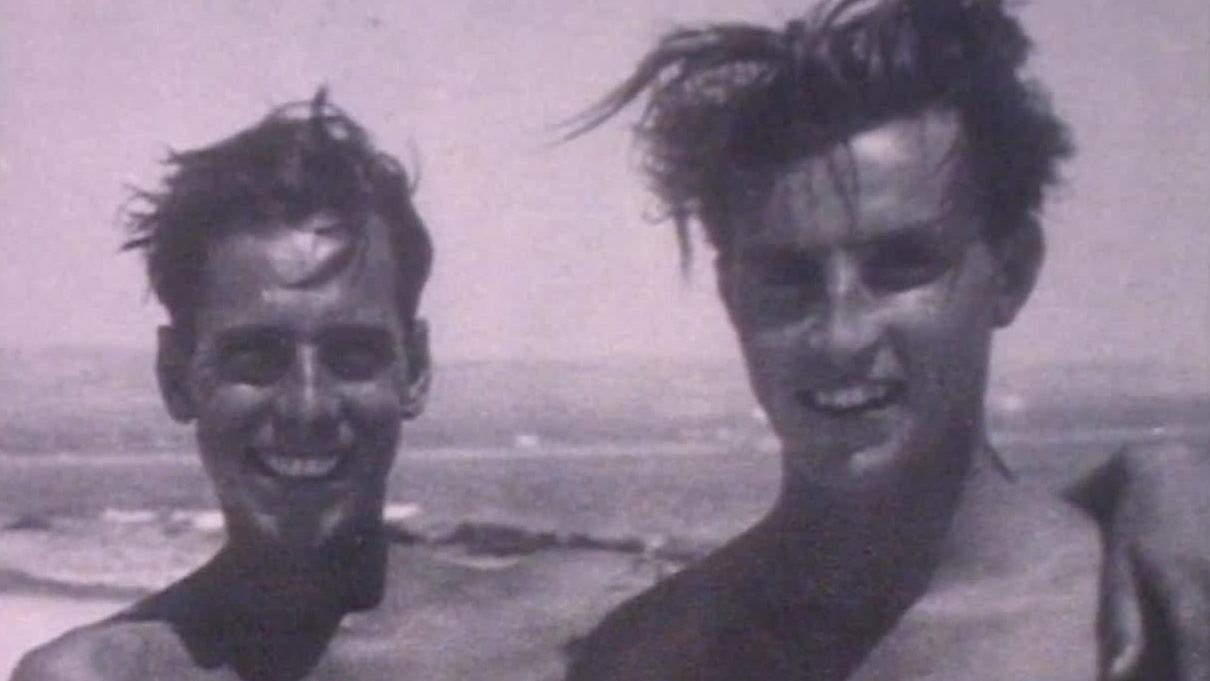
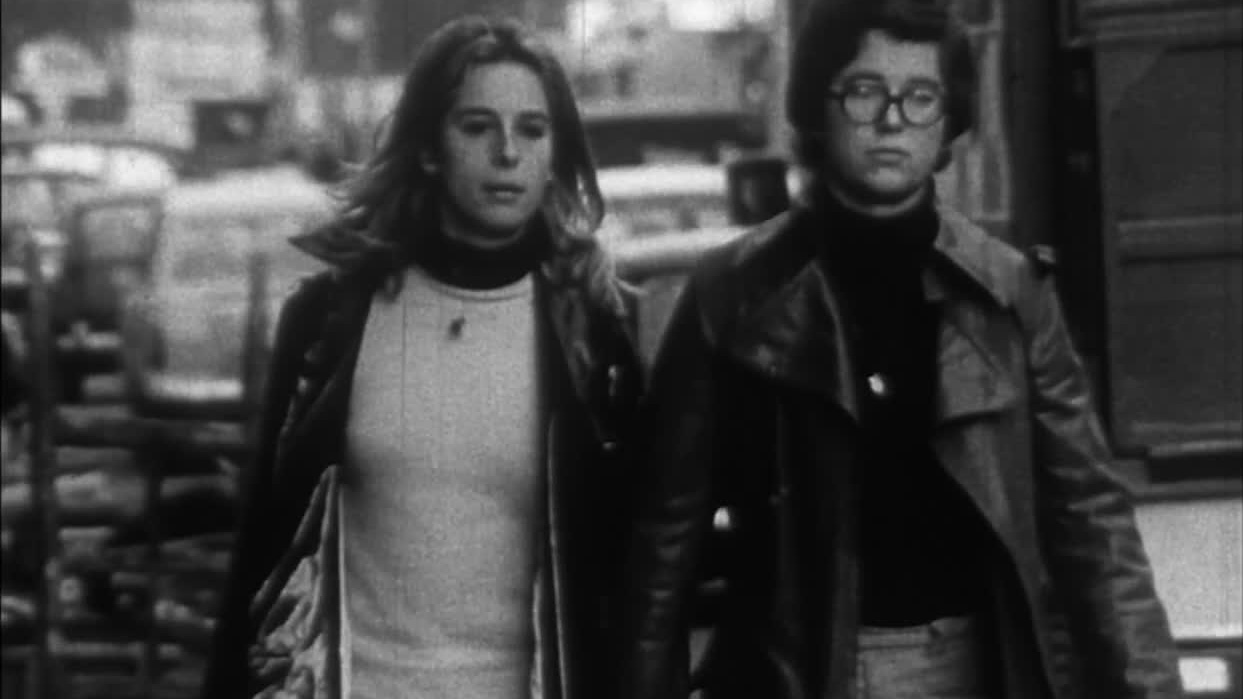
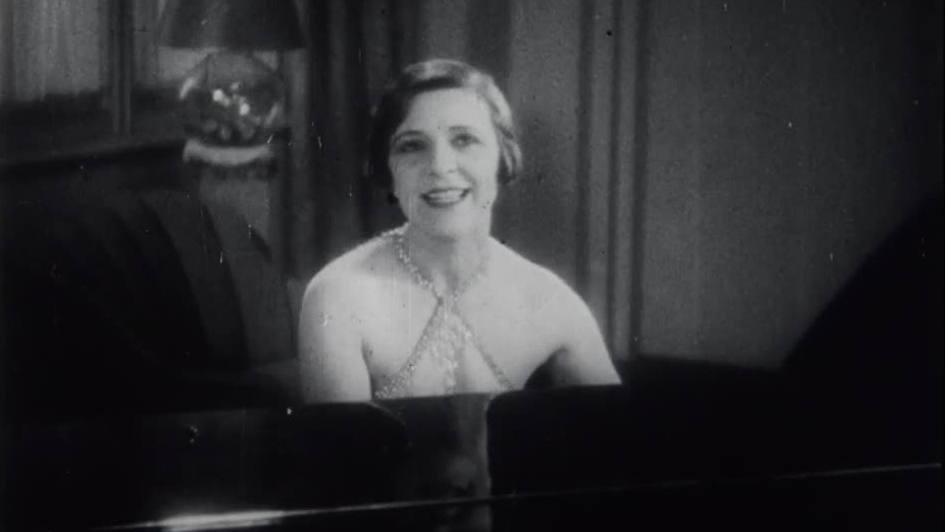
This colourful and challenging collection explores screen representations of lesbian, gay, bisexual and transgender lives over the past century.
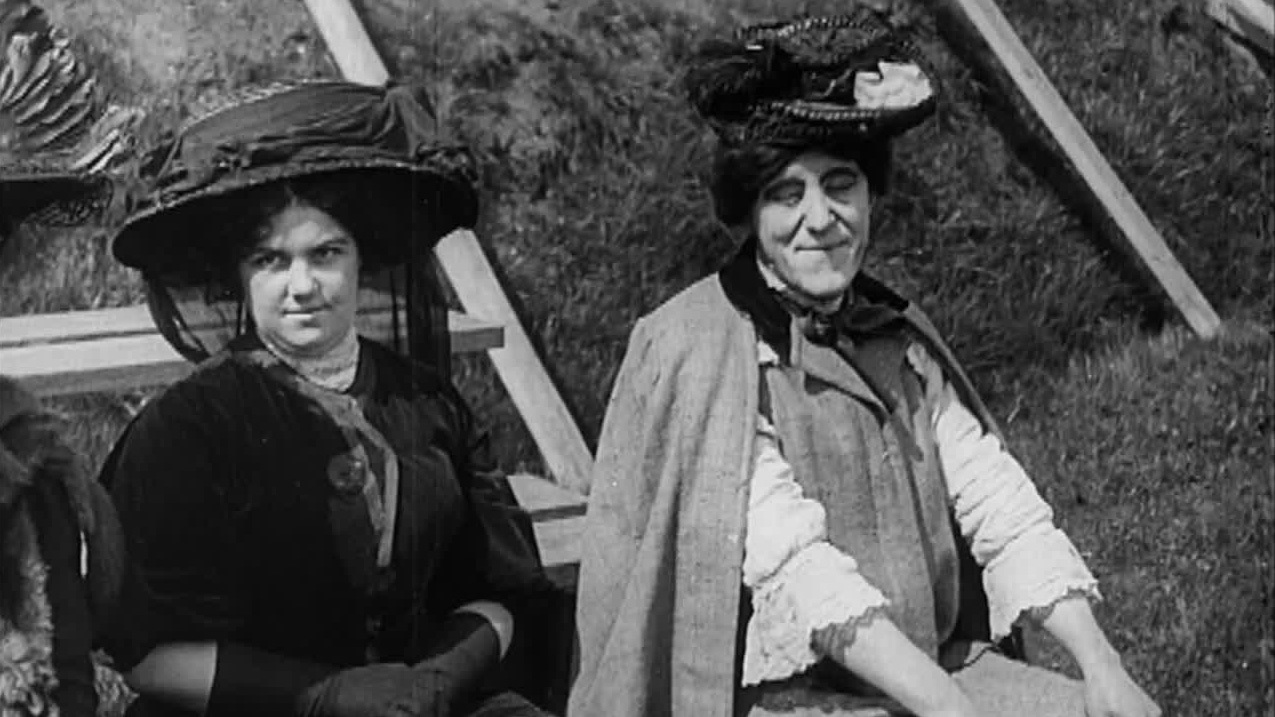
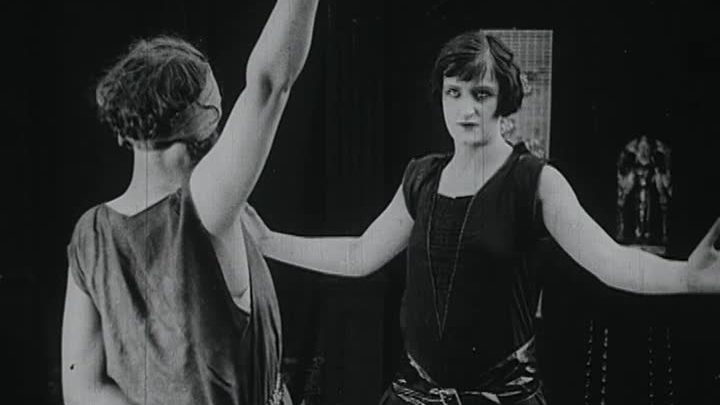
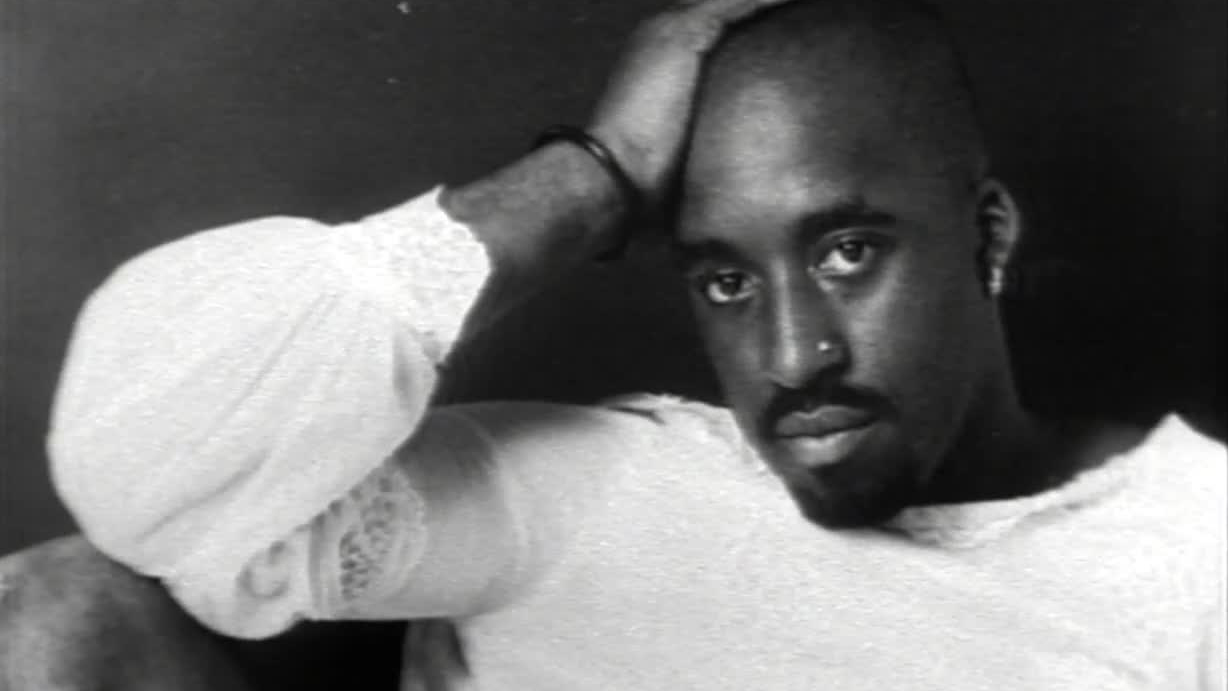
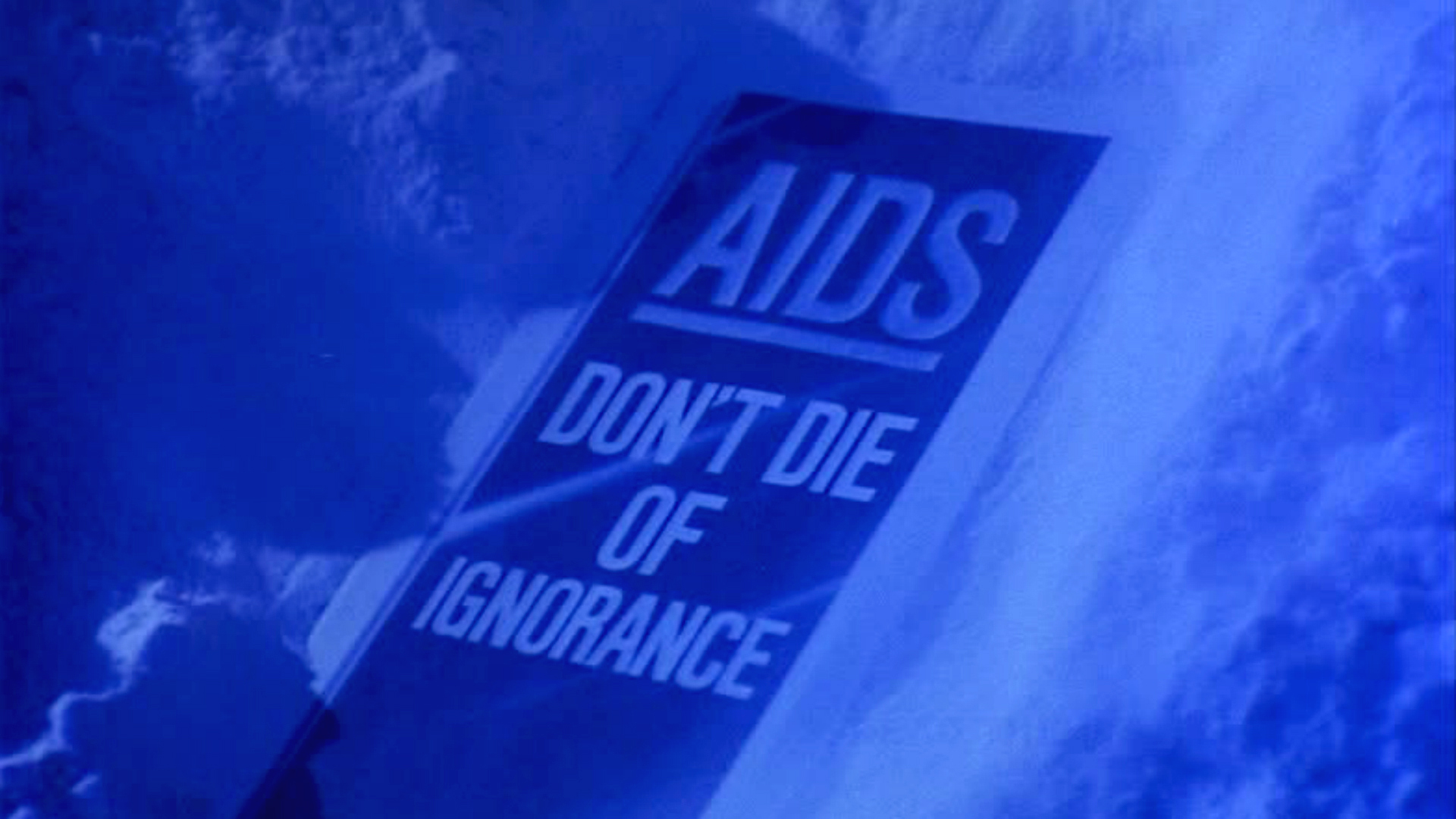
British cinema boasts a long history of carefully coded queerness, but for much of the 20th century explicit depictions of gay life in drama or documentary were more or less taboo. Gay men were subject to vicious state-sanctioned persecution, while lesbians were socially ostracised and the transgender community ignored and misunderstood. Cinematic and small-screen breakthroughs in the 1950s and 60s played their part in the public debate. Finally acting on the recommendations of the Wolfenden Committee a decade earlier, the 1967 Sexual Offences Act partially decriminalised male homosexuality in England and Wales, between two men over 21, in private. As those caveats suggest, the legislation remained problematic. But it was a step forward, paving the way for further battles - some yet to be won. From early glimpses of 'queer' characters, this collection charts the path towards '67 and beyond, through responses to the AIDS crisis to diverse reflections on queer life today.