Poll Tax Demonstration
From the collection of

From the collection of
Demonstrators storm the council chamber protesting the Poll Tax
On 7 March 1990 Southampton City councillors met to set rates for the newly introduced Community Charge. The meeting, held in the Civic Centre, was called to a halt after just a few minutes amid angry demonstrations against the highly unpopular tax, dubbed the 'poll tax'.
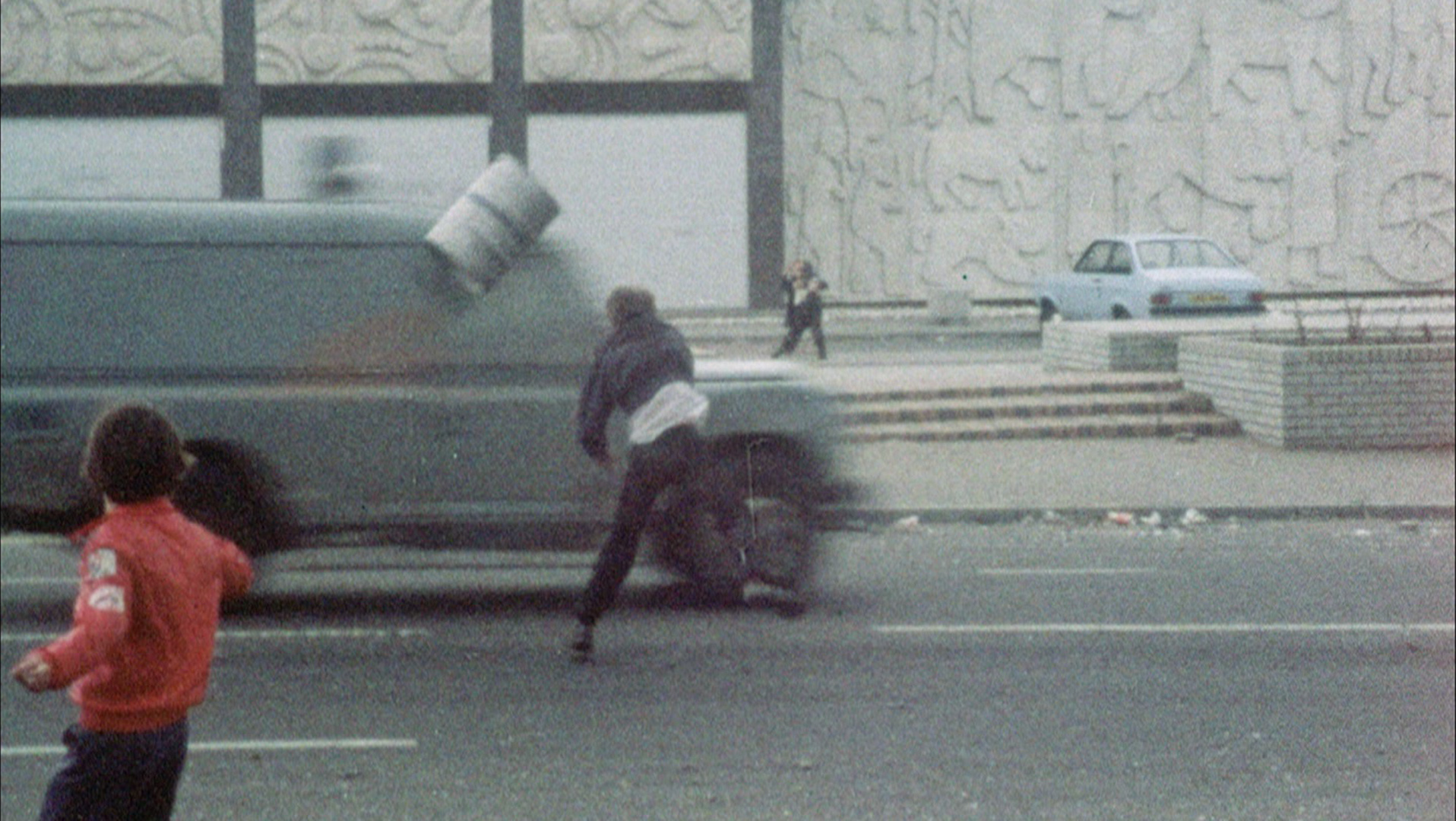
The event, as seen in this footage filmed by Southampton's City Eye, shows the turbulent moments when protesters stormed the council chambers eventually barricading themselves into the public gallery. Desperate protestors climbed through windows and onto the building's roof, all the while beleaguered by police attempting to regain control of the situation.
The unrest is tangible from the outset in this video with angry crowds destermined to have their voice heard. The protestors, though vocal and clearly disruptive to the council proceedings, do not appear to be behaving criminally; at least not at a level to explain the police response.
The riot that ensued in the city saw at least eight people arrested, and large numbers of police brought in from other areas to contain the crowds.
City Eye began its journey as Southampton Film and Video Co-operative in April 1986 and 'exists to inspire and promote film and digital culture in the region'. Based in Southampton, the organisation remains operational to this day and aims to support the community, arts organisations, individuals, emerging and established talent in the achievement of their filmmaking and digital goals. The City Eye collection at WFSA holds an incredibly rich range of content evidencing the lives of Southampton communities through the 1980s and 1990s, including a high proportion of material produced by and featuring members of Black and minority communities.
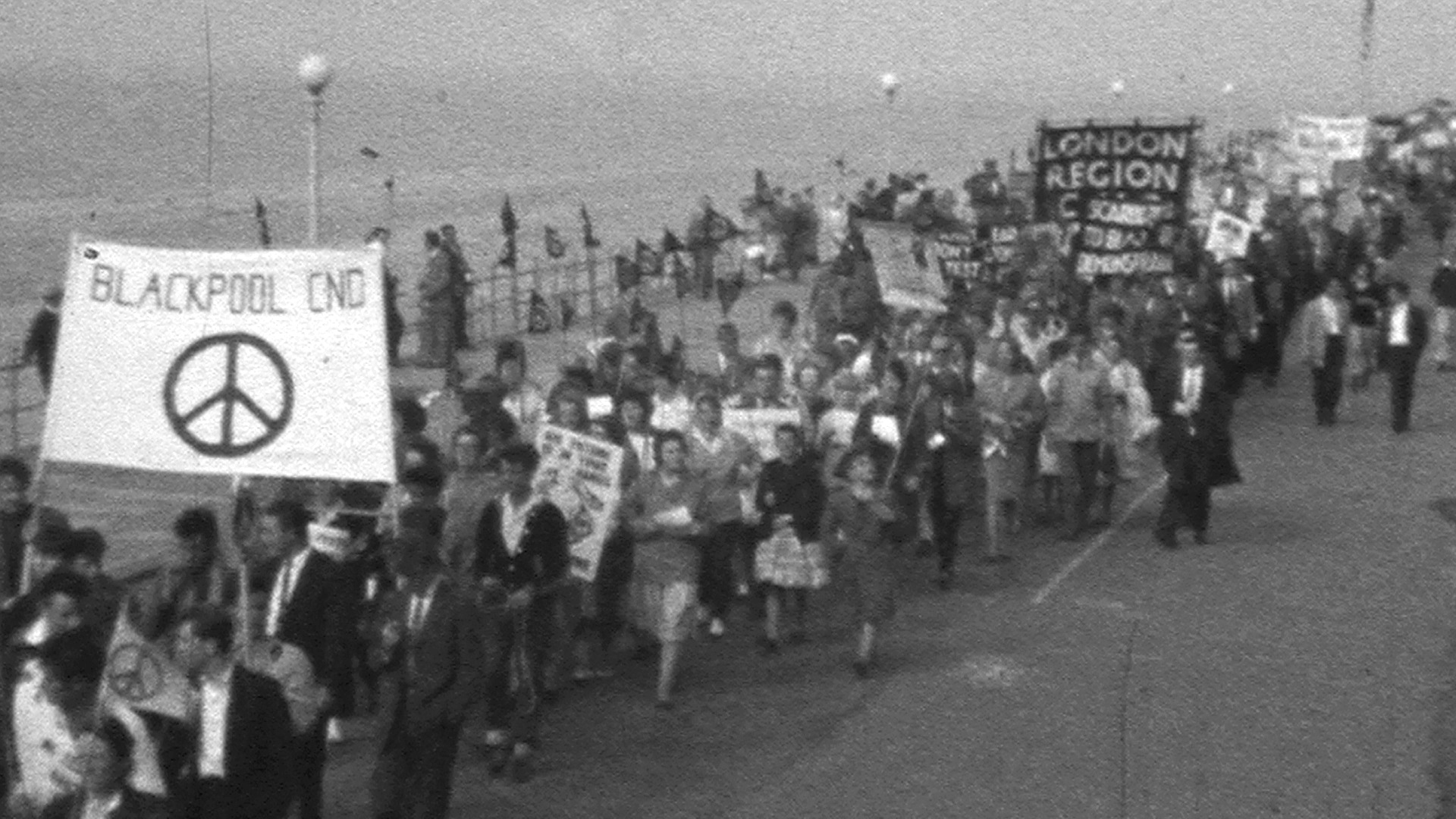
The relationship between activism, protest and the moving image goes back almost to the beginning of the medium. Suffragettes and peace movements in the 1910s recognised its potential to document and advocate for a cause, and ever since, activist movements, workshops and co-operatives have been creating and curating moving image to give voice to concerns, critiques, and histories not adequately served by mainstream media.
The time span of the material on BFI Replay covers a period of intense protest and socio-political awakenings (and reckonings). Many of the movements shaping the activist landscape in the UK in the 1980s were intrinsically tied to the affordances of videotape, and the ability to document and represent themselves. Various, and perhaps previously unseen, forms of ‘organising’ could be shown, such as the miners’ wives who shouldered their communities and built solidarity: in the tapes dedicated to them we see social and political activation unfurling in front of our eyes.
And we can still see a tug-of-war between the view from the outside, and from within. Channel 4 was key to funding video workshops, and LWT created the London Minorities Unit, but the power of self-organising, teaching how to film, interview and give your own account, and videotape’s rapid response meant people’s protest films could speak for themselves. So turn on, tune in, and stand up for your rights.