H Block Hunger Strike
From the collection of

From the collection of
An unflinching look at the experience of the 1980 H Block hunger strikers and the potentially stark consequences of their actions.
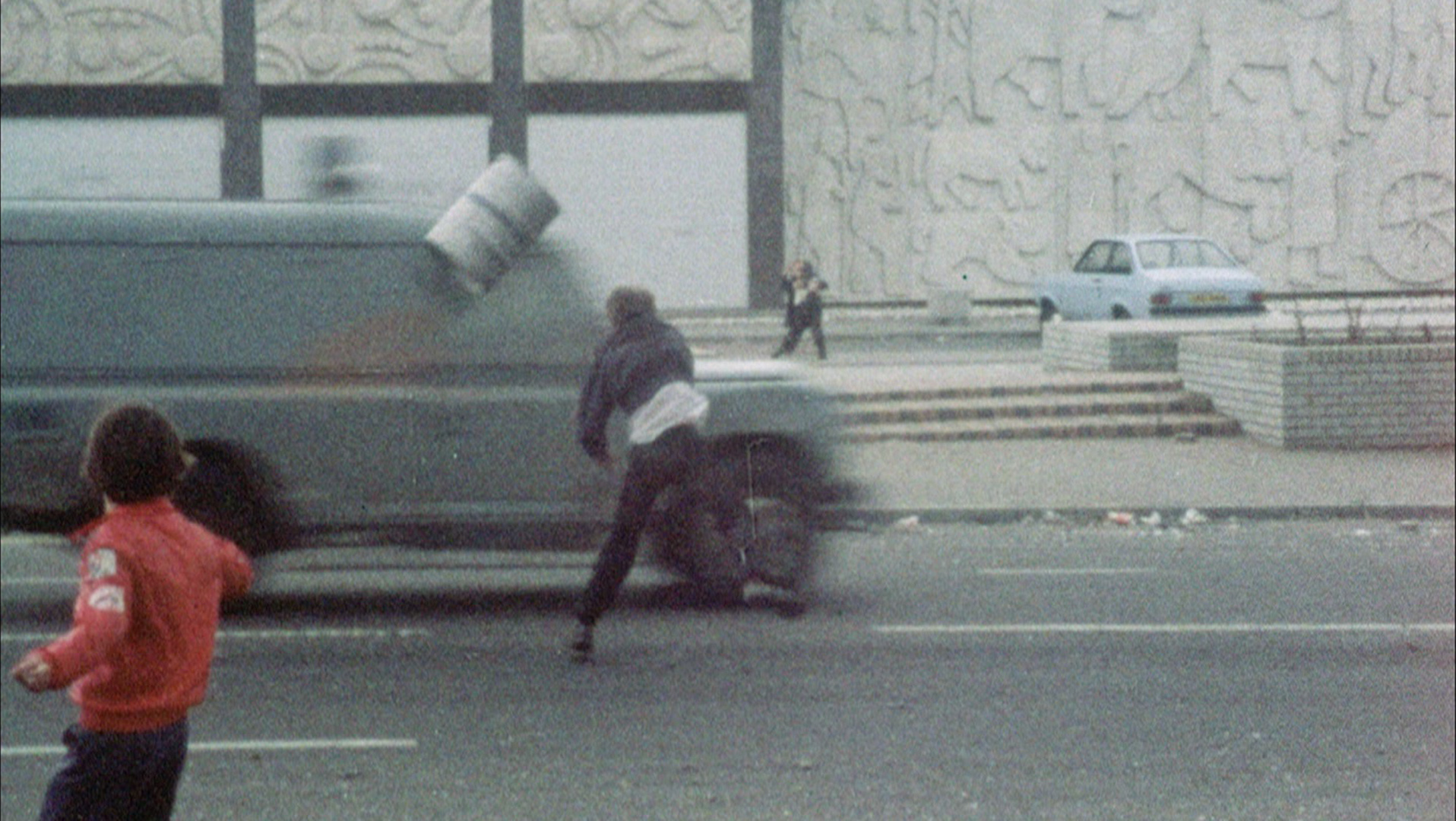
Made to be used in the campaign for "political status for Irish prisoners of war" in the Maze (formerly Long Kesh) Prison, who began a hunger strike in October 1980. Watch interviews with former hunger strikers and see Bernadette Devlin addressing a Belfast rally in support held on October 26th, 1980. Joe Maguire hopes his story can travel where he cannot, due to the Prevention of Terrorism Act. In the same year Section 11 of this Act is used to seize a BBC Panorama film of the IRA.
Additional interviewees include a spokeswoman for Relatives Action Committee, Tom Hartley (Chairperson, Belfast Sinn Fein) and the fathers of some of the hunger strikers. They relate in graphic detail the physical and emotional changes that their sons have undergone and their determination “to go on to death”. This material comes from the BFI collection. Information on Ireland also produced a series of pamphlets on the situation in Ireland including 'The British Media and Ireland' and 'They Shoot Children: the use of rubber and plastic bullets in the north of Ireland'.
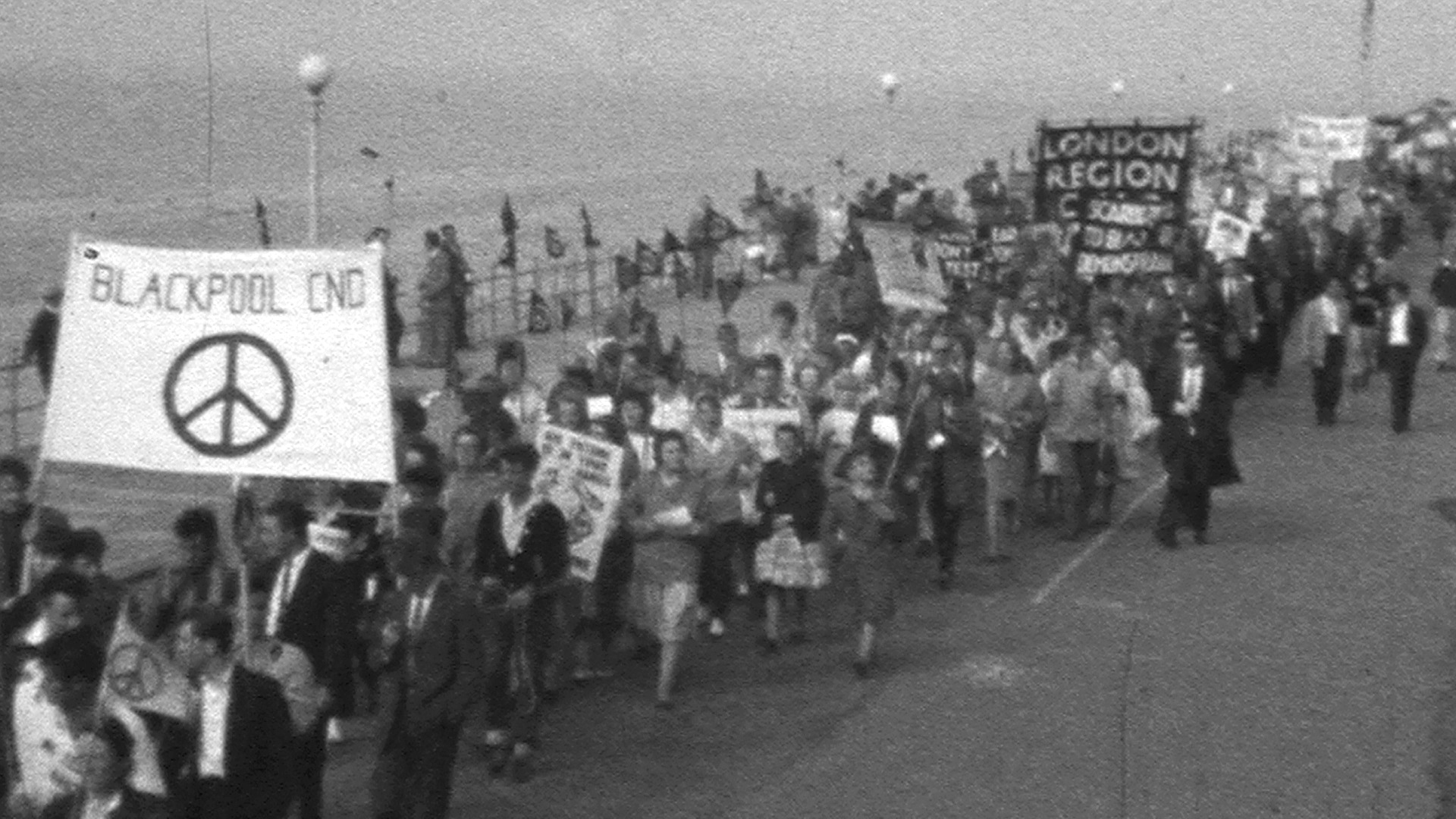
The relationship between activism, protest and the moving image goes back almost to the beginning of the medium. Suffragettes and peace movements in the 1910s recognised its potential to document and advocate for a cause, and ever since, activist movements, workshops and co-operatives have been creating and curating moving image to give voice to concerns, critiques, and histories not adequately served by mainstream media.
The time span of the material on BFI Replay covers a period of intense protest and socio-political awakenings (and reckonings). Many of the movements shaping the activist landscape in the UK in the 1980s were intrinsically tied to the affordances of videotape, and the ability to document and represent themselves. Various, and perhaps previously unseen, forms of ‘organising’ could be shown, such as the miners’ wives who shouldered their communities and built solidarity: in the tapes dedicated to them we see social and political activation unfurling in front of our eyes.
And we can still see a tug-of-war between the view from the outside, and from within. Channel 4 was key to funding video workshops, and LWT created the London Minorities Unit, but the power of self-organising, teaching how to film, interview and give your own account, and videotape’s rapid response meant people’s protest films could speak for themselves. So turn on, tune in, and stand up for your rights.