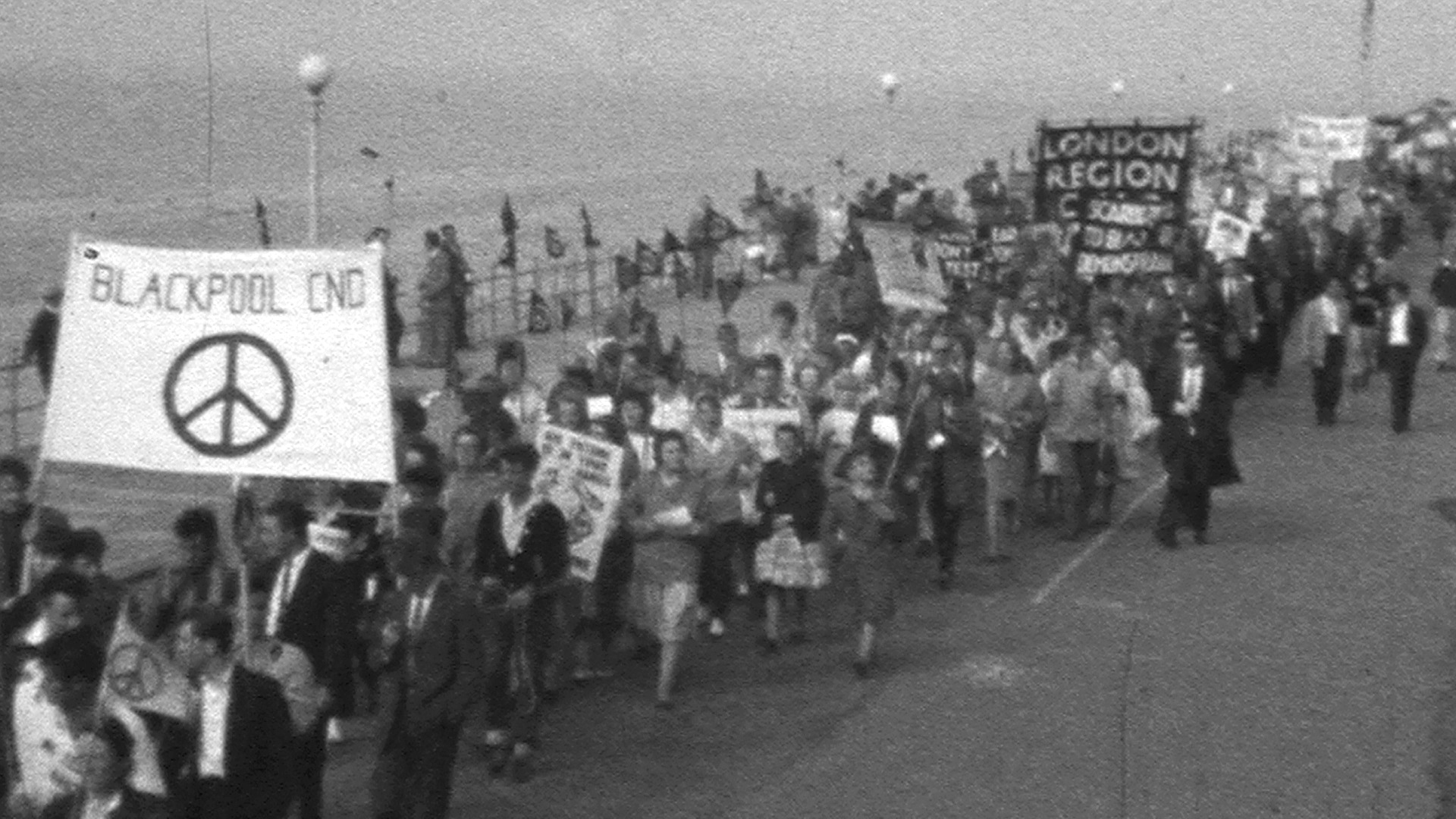
Ban the Bomb
- Blackpool
- 1964-01-01
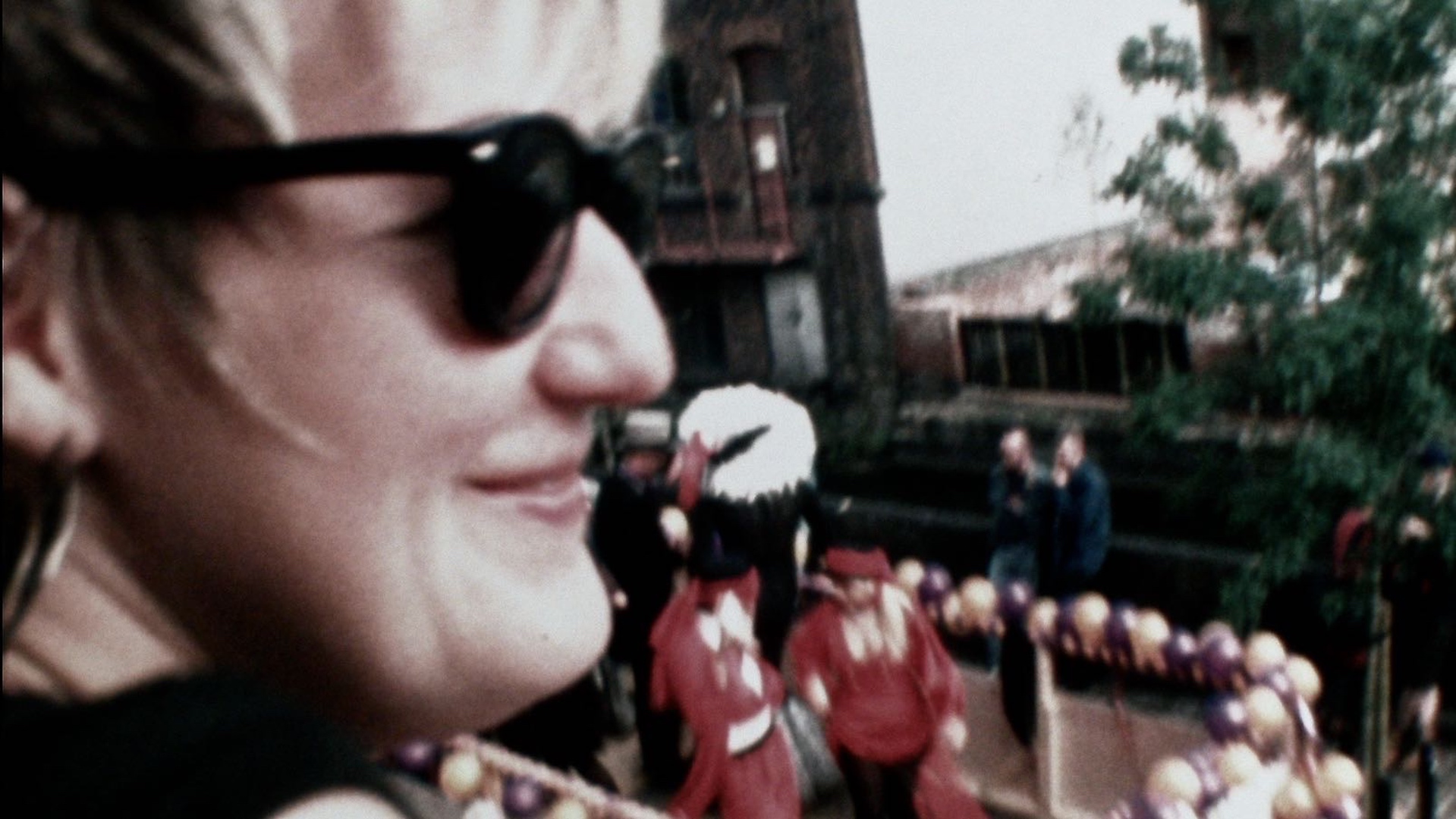
An account of life at the women's peace camp at Greenham Common, Berkshire
Filmmakers Beeban Kidron and Amanda Richardson were students at the National Film and Television School when they visited the peace camp, filming footage over several months from 12th December 1982, the day 30,000 women "embraced the base" as part of their protest against the siting of nuclear weapons there.
Shot almost entirely on video, Carry Greenham Home's depiction of the women involved in the peace movement contrasts greatly with media portraits of the time, and the subsequent collective memory. The film gives a fuller picture of what life was like than the fragmented news reports. It covers the processes underlying the women's decisions, the influence of outside forces, and the verve and style with which they developed their own brand of non-violent direct action.
The relationship between activism, protest and the moving image goes back almost to the beginning of the medium. Suffragettes and peace movements in the 1910s recognised its potential to document and advocate for a cause, and ever since, activist movements, workshops and co-operatives have been creating and curating moving image to give voice to concerns, critiques, and histories not adequately served by mainstream media.
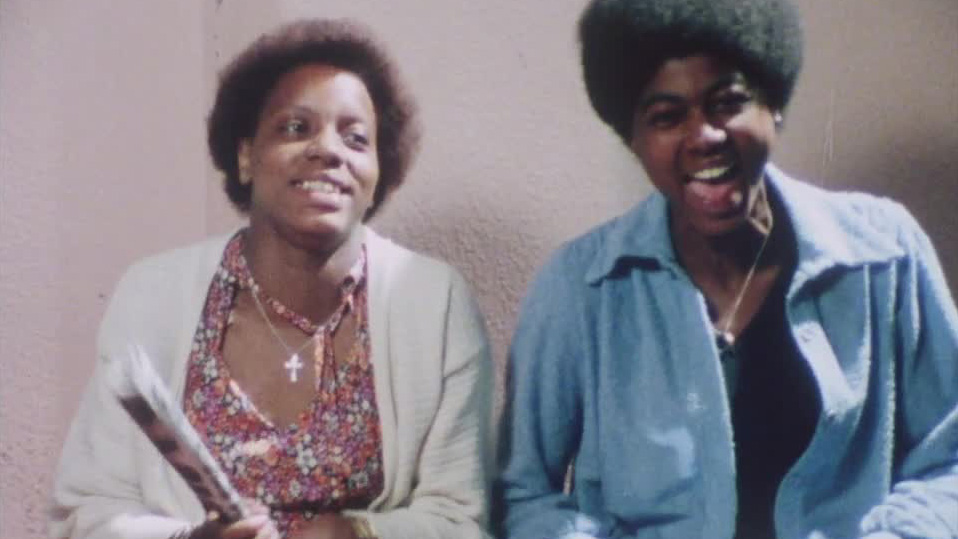
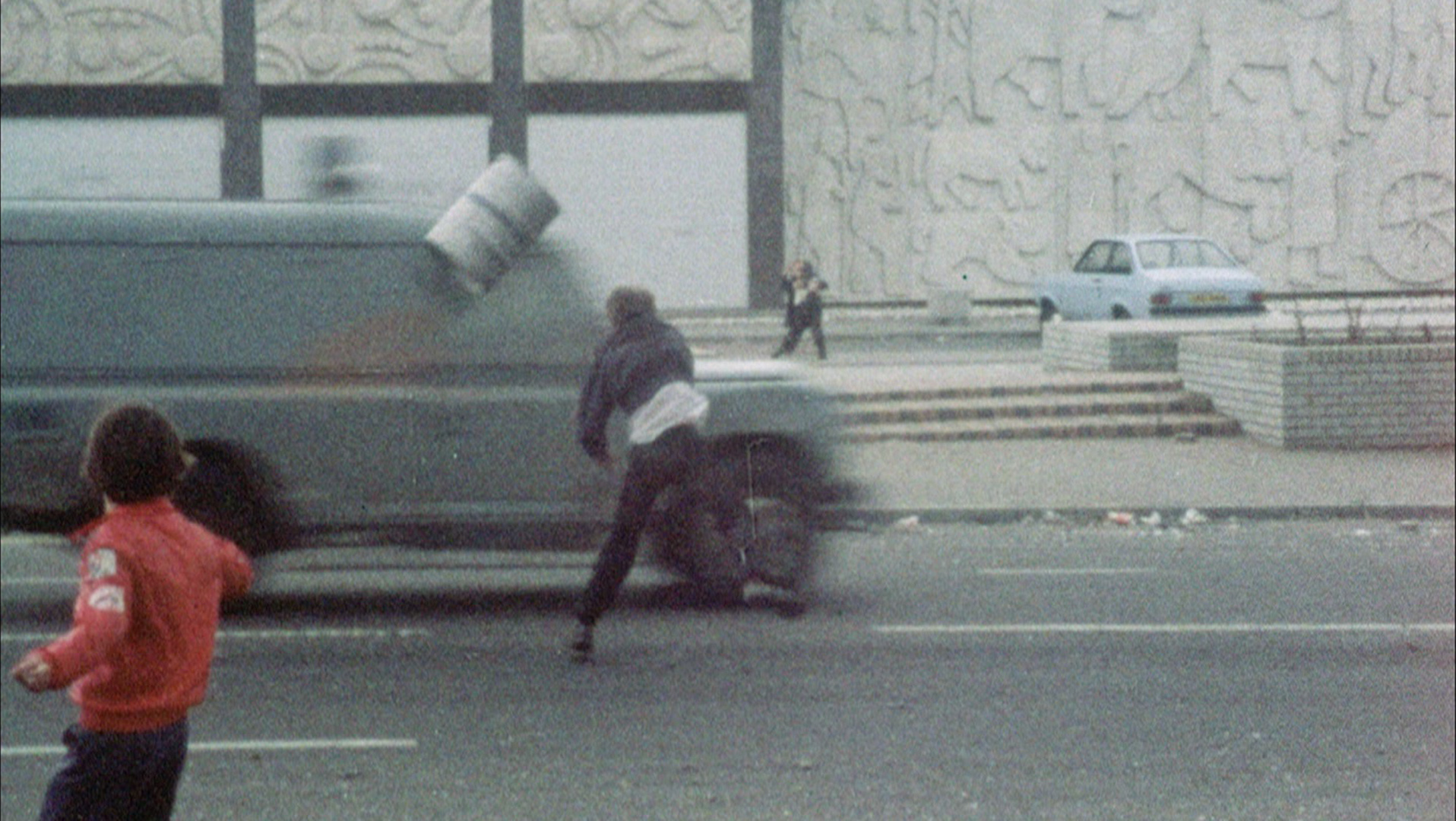
The time span of the material on BFI Replay covers a period of intense protest and socio-political awakenings (and reckonings). Many of the movements shaping the activist landscape in the UK in the 1980s were intrinsically tied to the affordances of videotape, and the ability to document and represent themselves. Various, and perhaps previously unseen, forms of ‘organising’ could be shown, such as the miners’ wives who shouldered their communities and built solidarity: in the tapes dedicated to them we see social and political activation unfurling in front of our eyes.
And we can still see a tug-of-war between the view from the outside, and from within. Channel 4 was key to funding video workshops, and LWT created the London Minorities Unit, but the power of self-organising, teaching how to film, interview and give your own account, and videotape’s rapid response meant people’s protest films could speak for themselves. So turn on, tune in, and stand up for your rights.