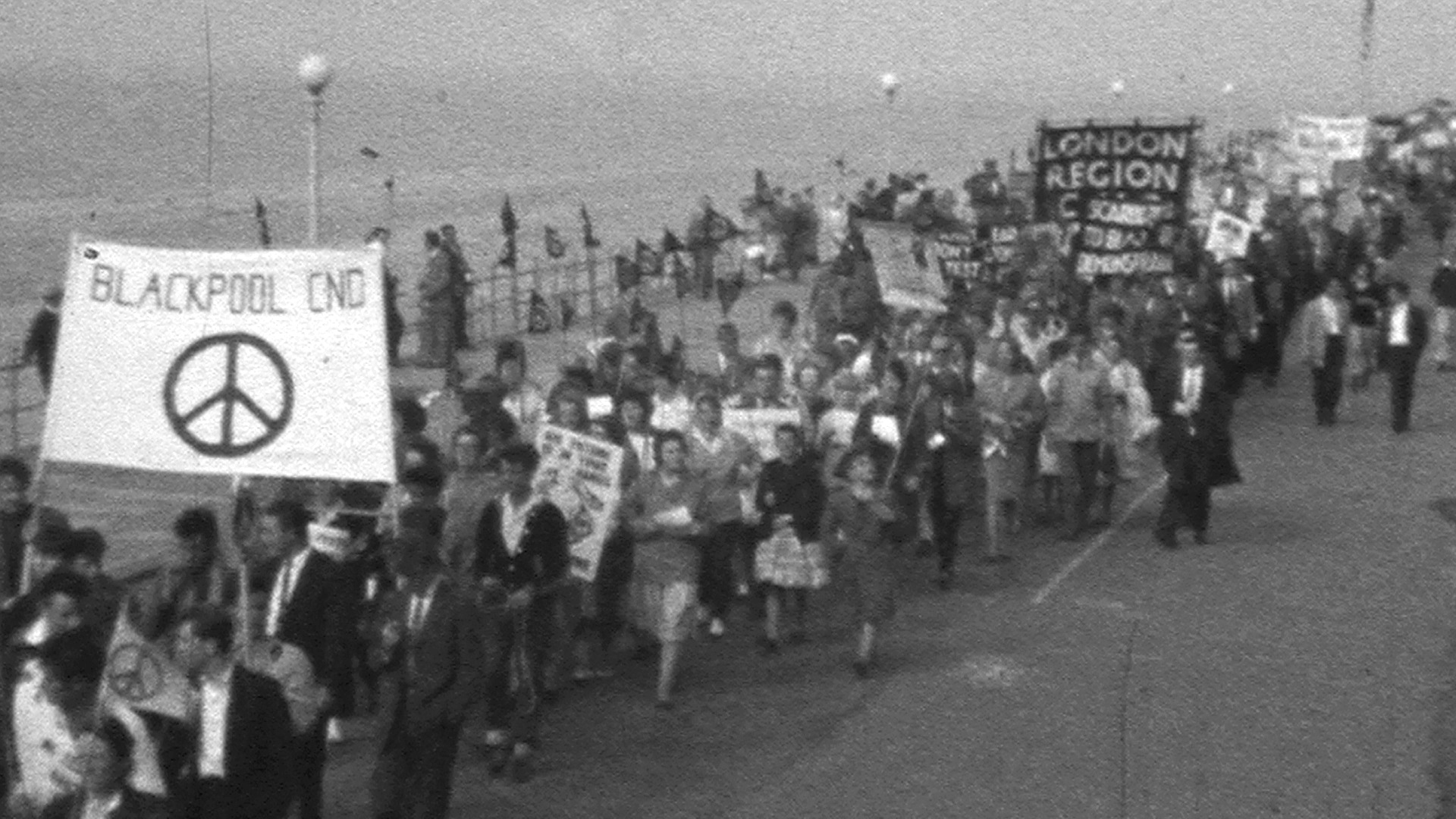
Ban the Bomb
- Blackpool
- 1964-01-01
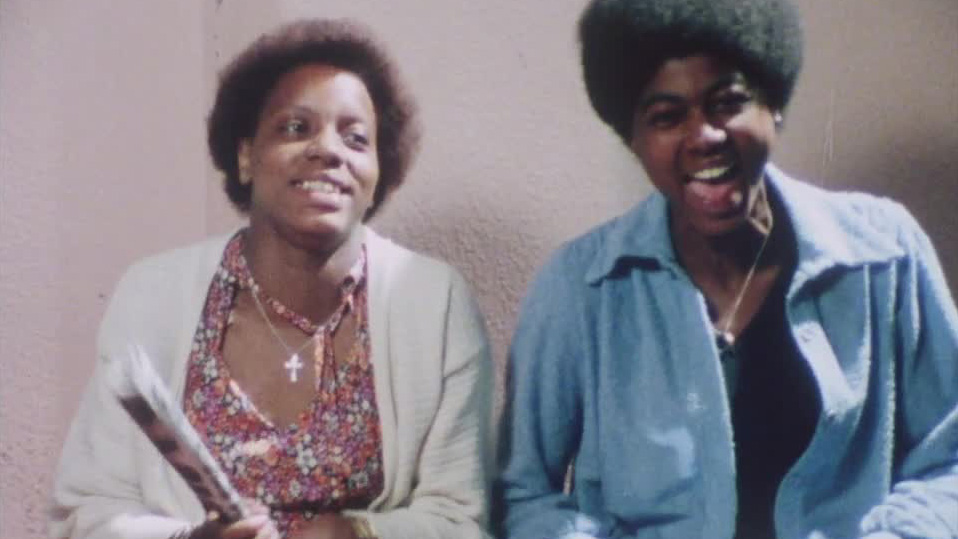
"13 Dead Nothing Said" - Skin follows large protests in the aftermath of the New Cross Fire, a response to widespread institutional silence on the tragedy.
The loss of the lives of 13 Black teenagers during the New Cross fire of 1981 was widely considered to be arson started by National Front members. Officially the cause of the fire remains unsolved. At the time, the tragedy was ignored and unacknowledged by the government. This edition of LWT's multicultural series Skin covers the protest in the aftermath of the incident, one of the darkest periods of the 20th century for Black Britons.
The programme reveals the black community's grief, and tracks the emergence of a renewed sense of community solidarity in the wake of the government's silence in response to the tragedy. It follows the marches in solidarity with the victims and dissects the racist media backlash, focusing instead on how community solidarity bloomed as young, previously apolitical Black Britons began to organize and raise money for the Massacre Action Committee.
Look out for an interview with a young Darcus Howe, then an activist who would later become a prominent broadcaster on Channel 4. Howe discusses the outpouring of solidarity as a member of the New Cross Massacre Action Committee established by academic and historian John La Rose.
The relationship between activism, protest and the moving image goes back almost to the beginning of the medium. Suffragettes and peace movements in the 1910s recognised its potential to document and advocate for a cause, and ever since, activist movements, workshops and co-operatives have been creating and curating moving image to give voice to concerns, critiques, and histories not adequately served by mainstream media.
The time span of the material on BFI Replay covers a period of intense protest and socio-political awakenings (and reckonings). Many of the movements shaping the activist landscape in the UK in the 1980s were intrinsically tied to the affordances of videotape, and the ability to document and represent themselves. Various, and perhaps previously unseen, forms of ‘organising’ could be shown, such as the miners’ wives who shouldered their communities and built solidarity: in the tapes dedicated to them we see social and political activation unfurling in front of our eyes.
And we can still see a tug-of-war between the view from the outside, and from within. Channel 4 was key to funding video workshops, and LWT created the London Minorities Unit, but the power of self-organising, teaching how to film, interview and give your own account, and videotape’s rapid response meant people’s protest films could speak for themselves. So turn on, tune in, and stand up for your rights.