Anti-racism March in Southampton
From the collection of

From the collection of
An informative and insightful discussion of racism incidents in Southampton and thoughts on an upcoming anti-racism march.
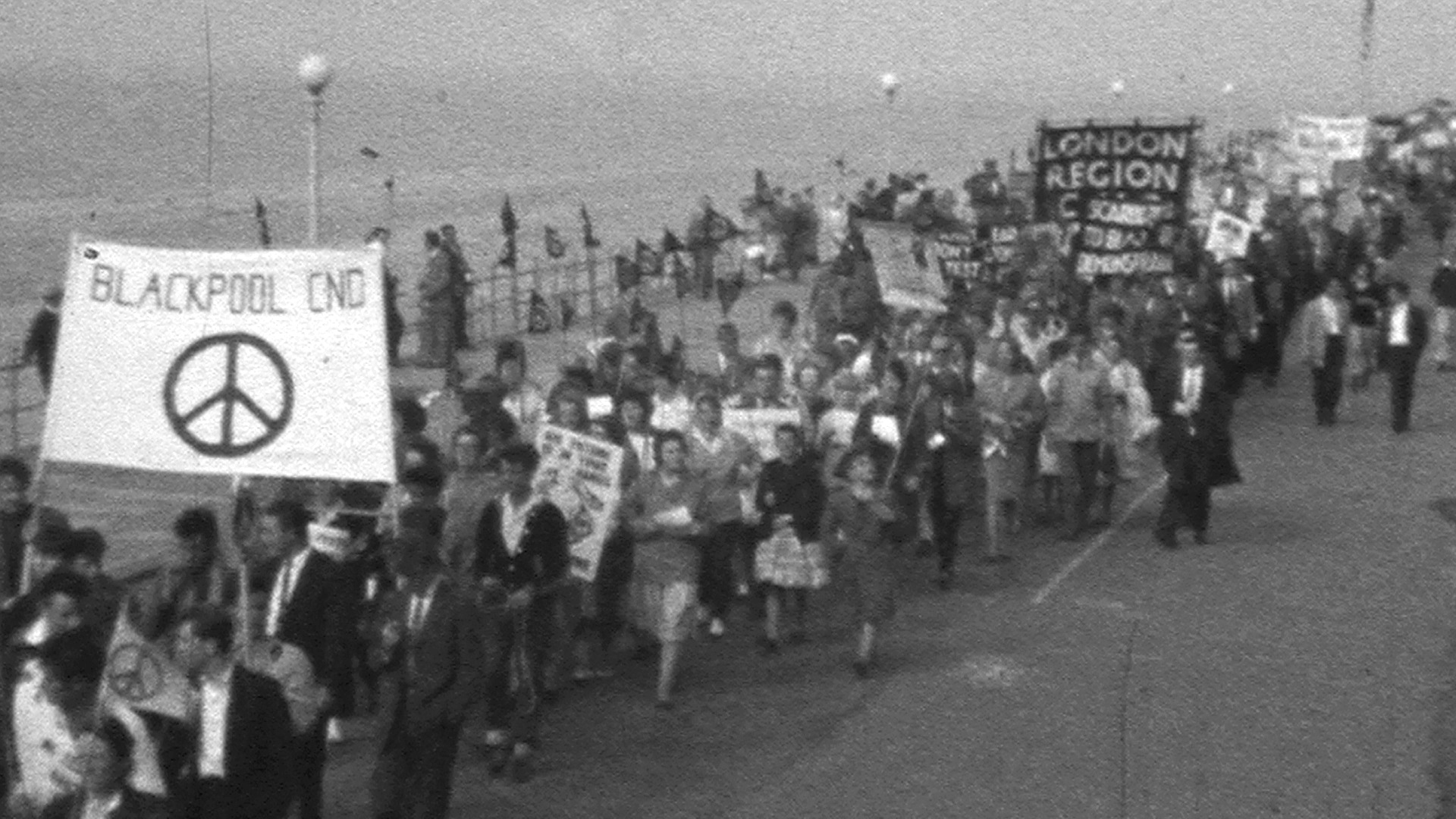
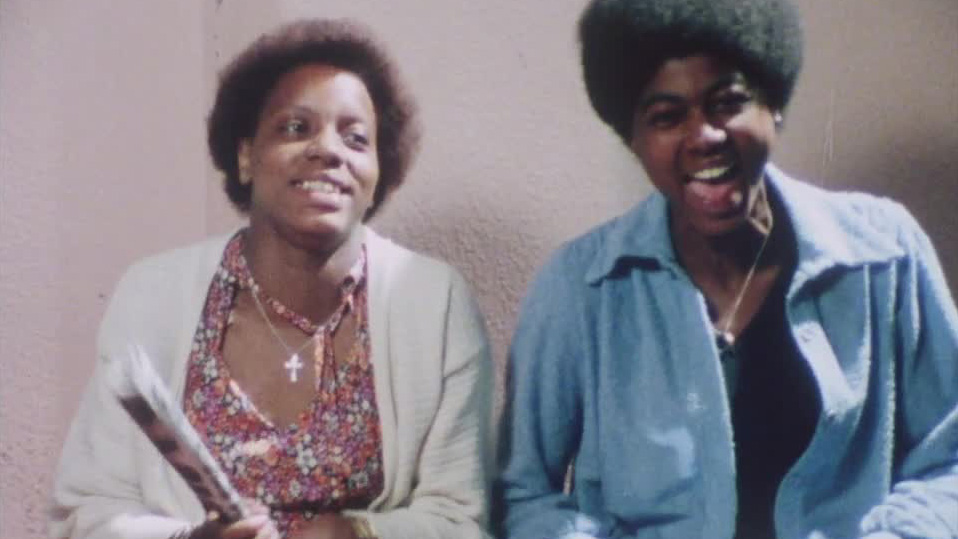
Interviewed in the Graham Load Youth and Community Centre (known affectionately as the 'boys' club'), students and community workers discuss their experiences of racism in the community, what they think can be done to help, and why they will be taking part in an anti-racism march. Participants are interviewed as they gather for the march, and then recorded as it takes place.
This footage was incorporated into a Black & Asian Video Panel film called The Last Anti-Racist Protest in Southampton 1994, directed by community activist Don John and accessible on YouTube.
The relationship between activism, protest and the moving image goes back almost to the beginning of the medium. Suffragettes and peace movements in the 1910s recognised its potential to document and advocate for a cause, and ever since, activist movements, workshops and co-operatives have been creating and curating moving image to give voice to concerns, critiques, and histories not adequately served by mainstream media.
The time span of the material on BFI Replay covers a period of intense protest and socio-political awakenings (and reckonings). Many of the movements shaping the activist landscape in the UK in the 1980s were intrinsically tied to the affordances of videotape, and the ability to document and represent themselves. Various, and perhaps previously unseen, forms of ‘organising’ could be shown, such as the miners’ wives who shouldered their communities and built solidarity: in the tapes dedicated to them we see social and political activation unfurling in front of our eyes.
And we can still see a tug-of-war between the view from the outside, and from within. Channel 4 was key to funding video workshops, and LWT created the London Minorities Unit, but the power of self-organising, teaching how to film, interview and give your own account, and videotape’s rapid response meant people’s protest films could speak for themselves. So turn on, tune in, and stand up for your rights.