Protest At Anglia TV For Subtitled News
From the collection of

From the collection of
Deaf people demonstrate outside Anglia House, Norwich requesting programme subtitles and meet Jim Wilson, head of News at Anglia TV.
Outside Anglia TV headquarters in Norwich, Norfolk, a group of people are protesting with banners about the lack of subtitles to Anglia TV news. Their spokesman uses sign language relayed by an interpreter.
They present leaflets produced by the Deaf Broadcasting Council to Jim Wilson, head of News and editor of the regional news magazine programme, About Anglia. Jim Wilson responds to their grievance by referring to the specific problems of a live programme in making television news more accessible.
This short piece is a reminder of the importance of regional TV news to people in the local community, and the barrier to full access for part of the viewing audience. In 1989 the Deaf Broadcasting Council presented a national petition in the House of Commons comprising separate representations from regions across the UK.
The petition requested that television broadcasters be required to make their programmes more accessible to deaf people by using teletext, subtitles, sign language or other means, and to reach complete coverage by a fixed date. Progress was slow, but the group lobbied to ensure that provision for subtitling and British Sign Language was included in the Broadcasting Act 1996 and the Communications Act 2003, as digital developments offered a wider range of technical options.
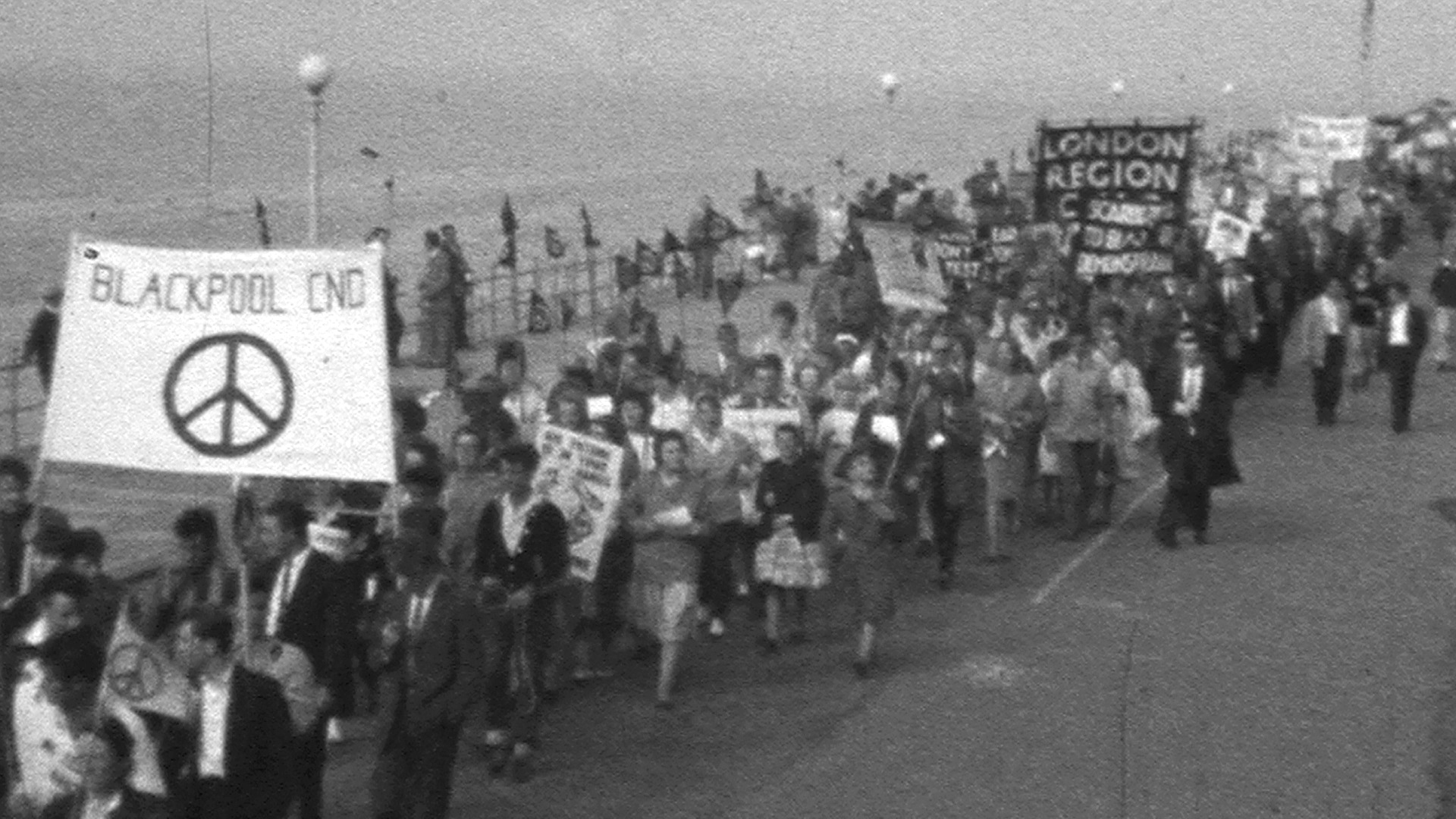
The relationship between activism, protest and the moving image goes back almost to the beginning of the medium. Suffragettes and peace movements in the 1910s recognised its potential to document and advocate for a cause, and ever since, activist movements, workshops and co-operatives have been creating and curating moving image to give voice to concerns, critiques, and histories not adequately served by mainstream media.
The time span of the material on BFI Replay covers a period of intense protest and socio-political awakenings (and reckonings). Many of the movements shaping the activist landscape in the UK in the 1980s were intrinsically tied to the affordances of videotape, and the ability to document and represent themselves. Various, and perhaps previously unseen, forms of ‘organising’ could be shown, such as the miners’ wives who shouldered their communities and built solidarity: in the tapes dedicated to them we see social and political activation unfurling in front of our eyes.
And we can still see a tug-of-war between the view from the outside, and from within. Channel 4 was key to funding video workshops, and LWT created the London Minorities Unit, but the power of self-organising, teaching how to film, interview and give your own account, and videotape’s rapid response meant people’s protest films could speak for themselves. So turn on, tune in, and stand up for your rights.