Miners Campaign Tape Project Video No. 1
From the collection of

From the collection of
It's not just tea and sandwiches' - women from the mining communities come together to support the strikers and their families.
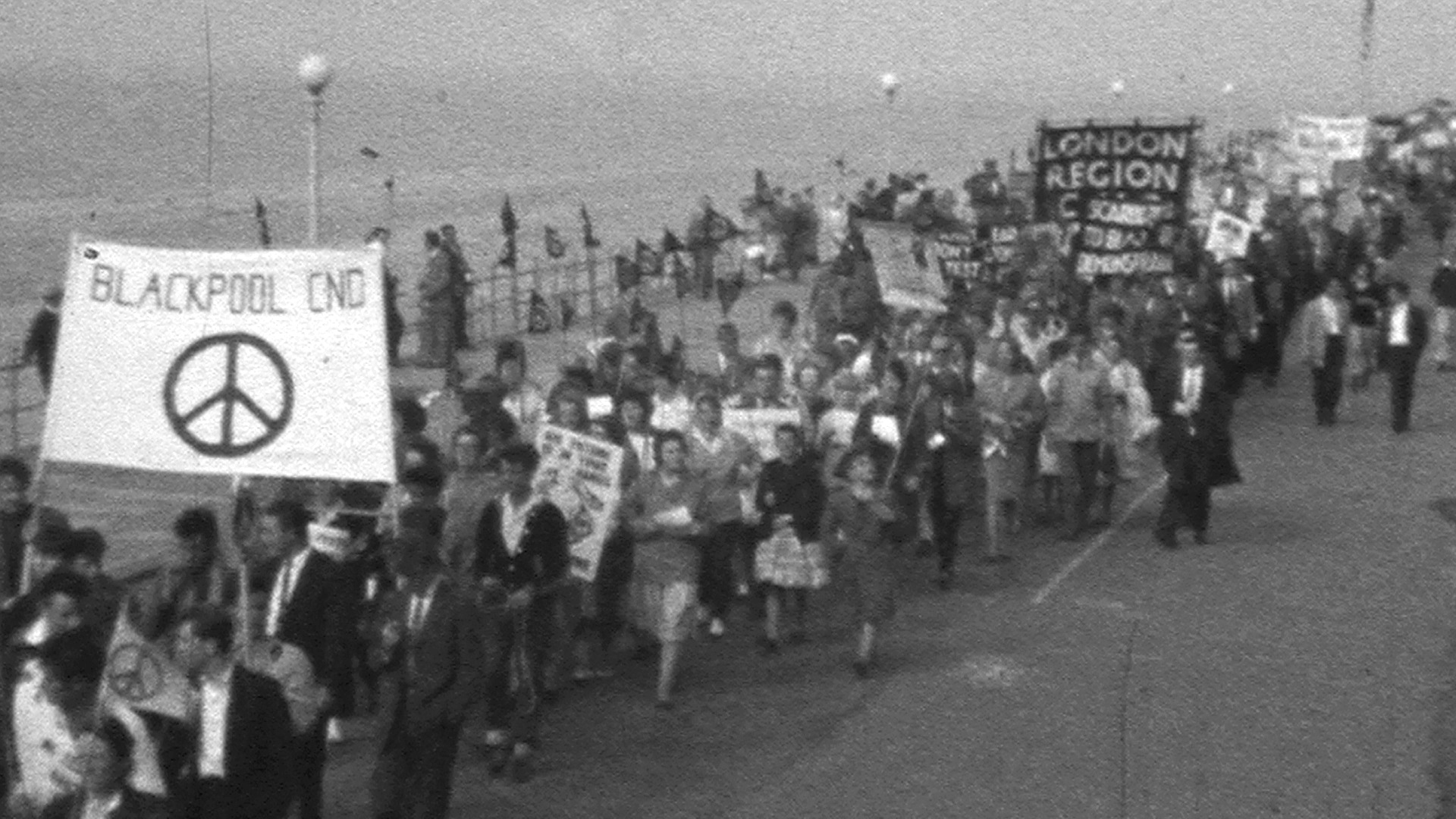
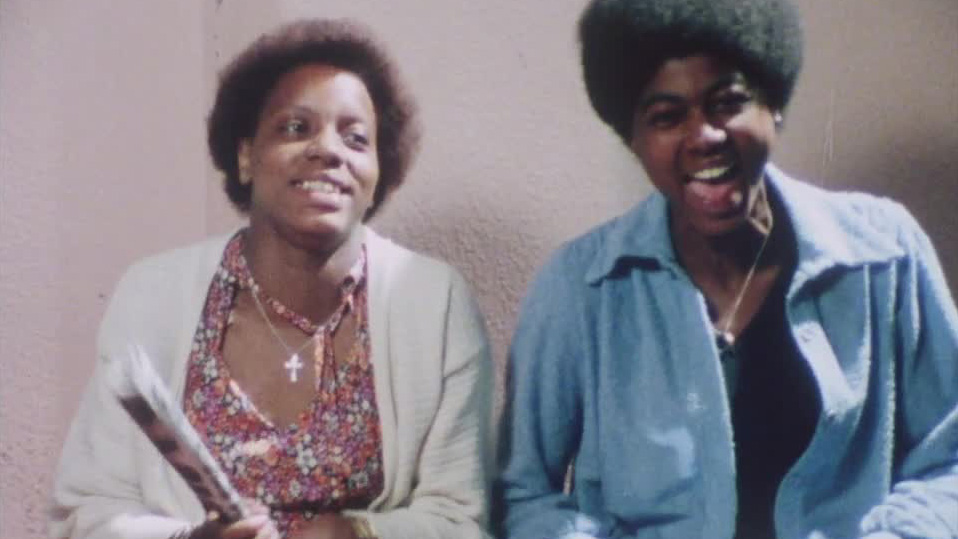
It's 'not just tea and sandwiches' - women from coal mining areas speak out about supporting the striking pit workers. In the East Midlands, miners' wives talk of how the support groups were formed to combat the deprivation endured by the strikers' families. Women from the Doe Lea Community Centre in Derbyshire discuss the effects local pit closures will have on the area, while in the centre's kitchen they prepare meals for those in in need in their community. As they talk about their support activities, there is real anger at the media portrayal of women as being opposed to the strike, when some are out on the picket lines with their husbands. They also discuss the restrictions being placed on their areas by the increasingly visible police presence. The film excerpt includes black & white archive footage of earlier industrial disputes.
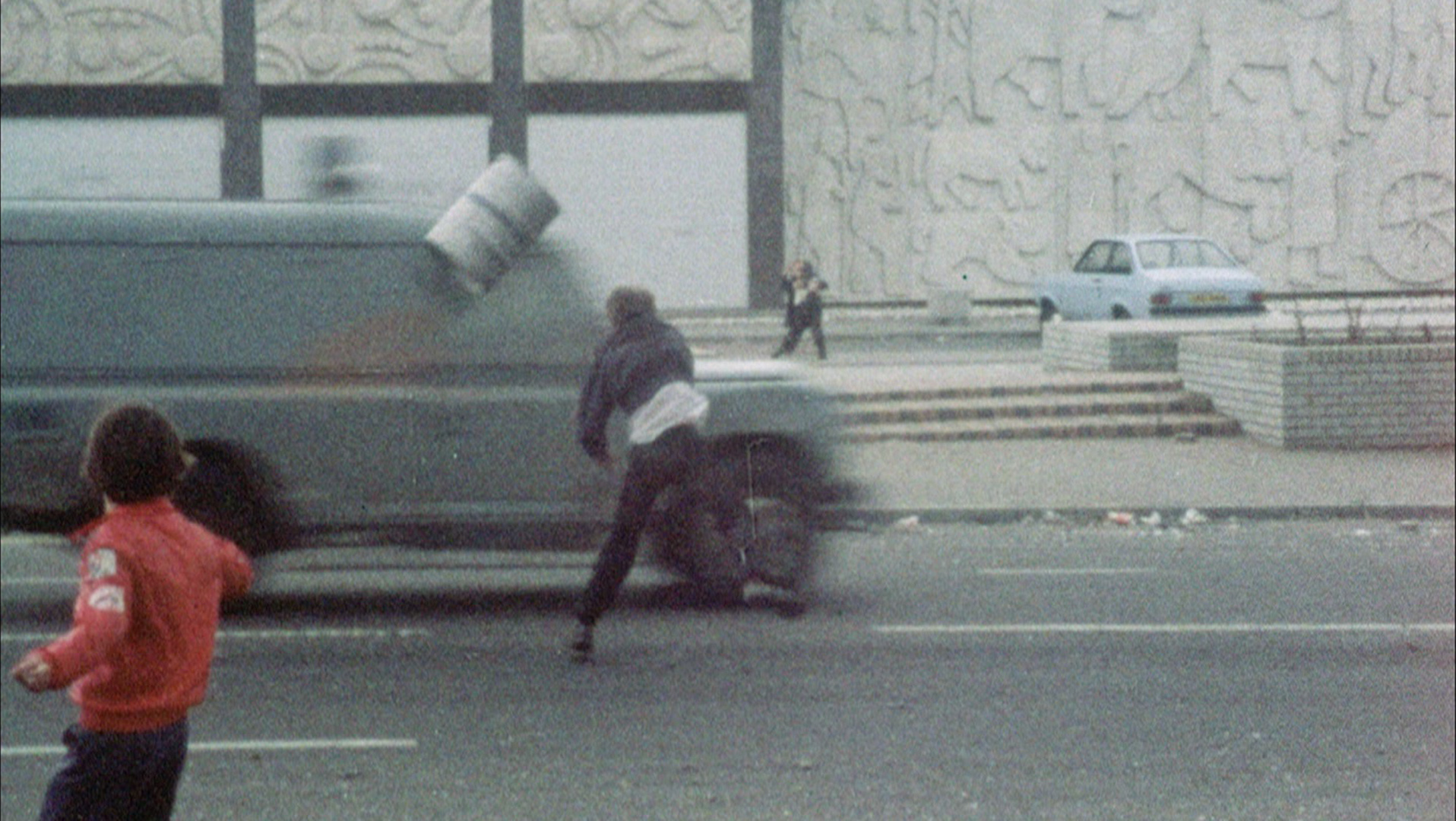
On 6th March 1984, the National Coal Board announced that it intended to close 20 pits in Britain, the first being Cortonwood Colliery in South Yorkshire. This announcement was the catalyst for the miners' strike which lasted for a year. When Arthur Scargill, President of the National Union of Mineworkers, called for the strike against pit closures, there had been no national ballot of NUM members. This, some claimed, made the strike technically illegal. From the start, the industrial action was hard-fought, sometimes violent, and often bitterly divisive, as in Nottinghamshire, where some miners continued to work despite calls for solidarity. There was much support for the strikers within their own communities, with women setting up local action groups to provide food and other necessities for families facing real hardship. Elsewhere, miners from the South Wales collieries gave their full support, and the strike received international media coverage with Christmas presents for the children of striking miners being sent over from Europe. The country's coal stocks were high, however, and without strong support from other large trade unions, the strike could not continue indefinitely. On 3rd March 1985, the NUM's National Executive voted narrowly in favour of calling an end to the action. The miners returned to their workplaces, marching proudly behind their banners and with the support of their families. The failure of the strike was followed by a programme of pit closures carried out by the Conservative government led by Margaret Thatcher, causing huge upheaval in mining areas where the coal industry had been the major source of employment for local workers. In these areas the effects of the miners' strike can still be felt today.
The relationship between activism, protest and the moving image goes back almost to the beginning of the medium. Suffragettes and peace movements in the 1910s recognised its potential to document and advocate for a cause, and ever since, activist movements, workshops and co-operatives have been creating and curating moving image to give voice to concerns, critiques, and histories not adequately served by mainstream media.
The time span of the material on BFI Replay covers a period of intense protest and socio-political awakenings (and reckonings). Many of the movements shaping the activist landscape in the UK in the 1980s were intrinsically tied to the affordances of videotape, and the ability to document and represent themselves. Various, and perhaps previously unseen, forms of ‘organising’ could be shown, such as the miners’ wives who shouldered their communities and built solidarity: in the tapes dedicated to them we see social and political activation unfurling in front of our eyes.
And we can still see a tug-of-war between the view from the outside, and from within. Channel 4 was key to funding video workshops, and LWT created the London Minorities Unit, but the power of self-organising, teaching how to film, interview and give your own account, and videotape’s rapid response meant people’s protest films could speak for themselves. So turn on, tune in, and stand up for your rights.