London cinemas and an Open Day at Ealing Studios
From the collection of

From the collection of
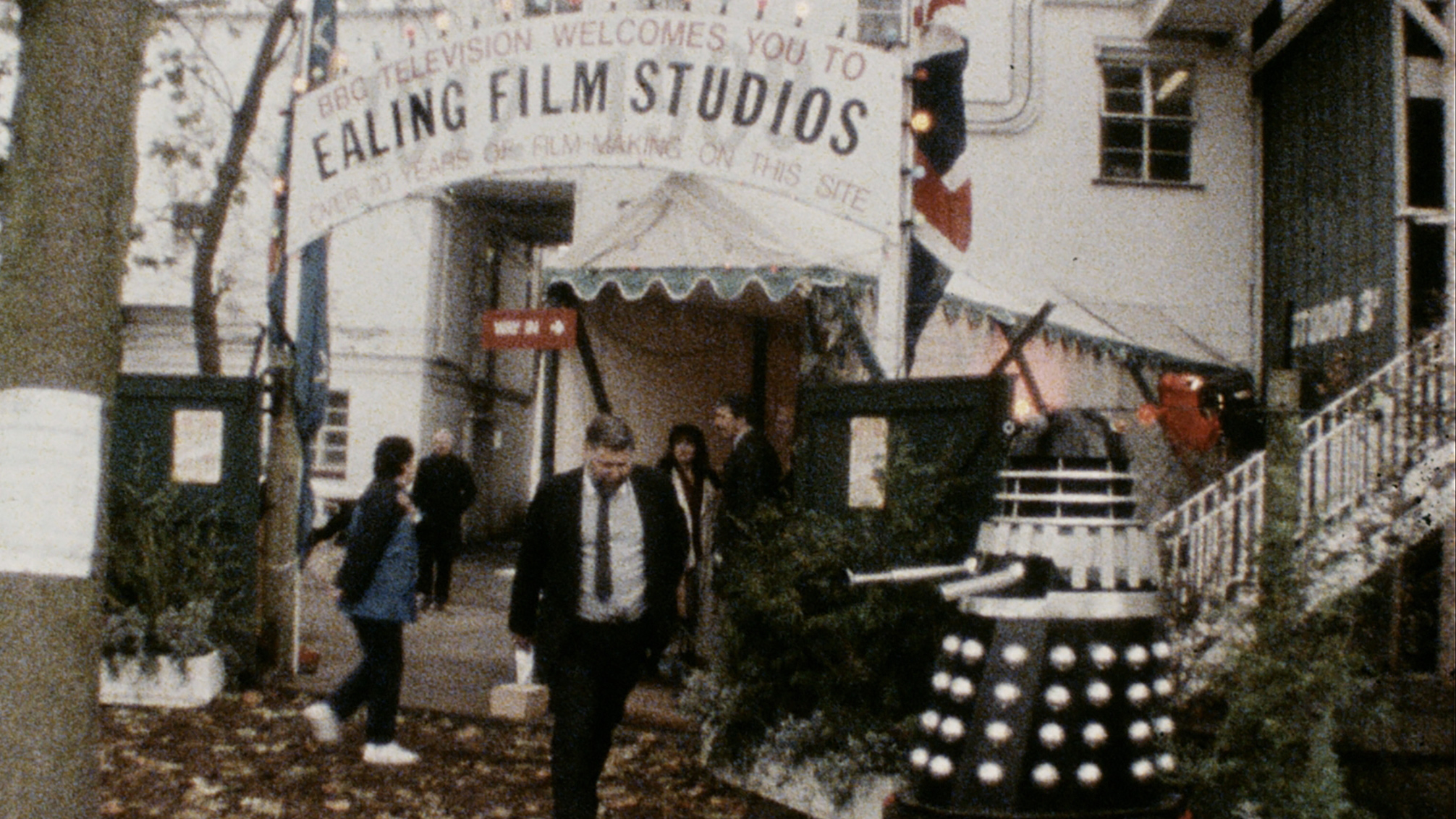
The BBC throws open its doors at Ealing Studios for a nostalgic exhibition which features cameras, actors, jazzy wigs and a Dalek
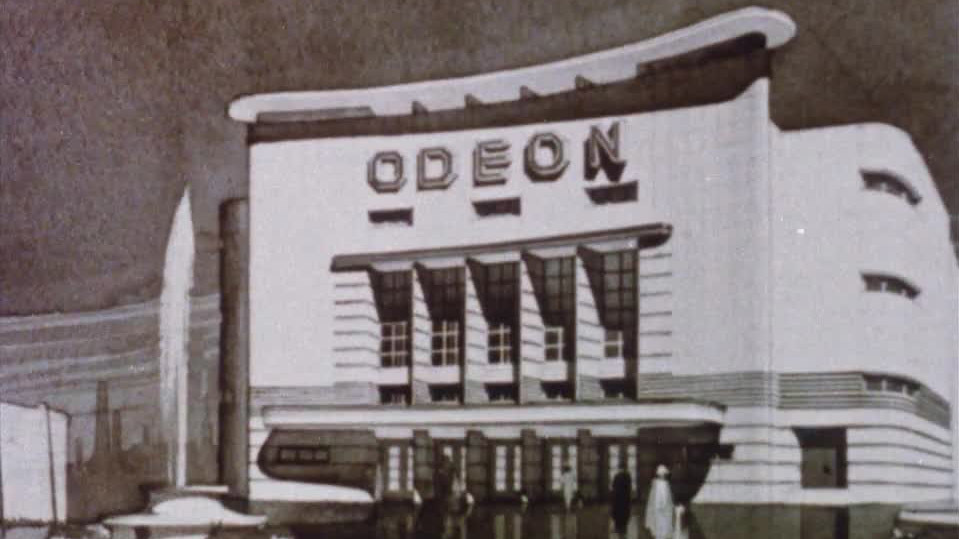
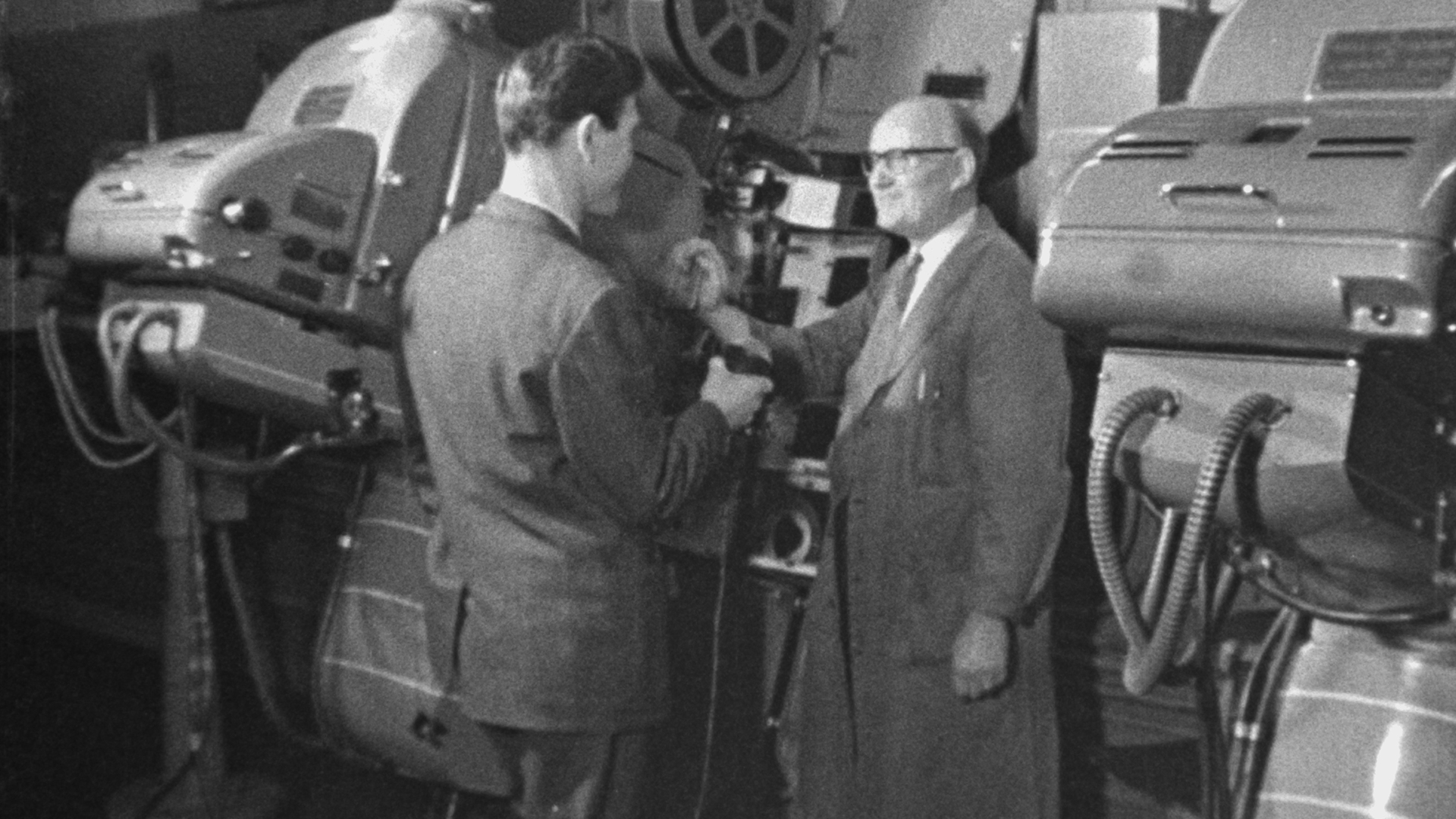
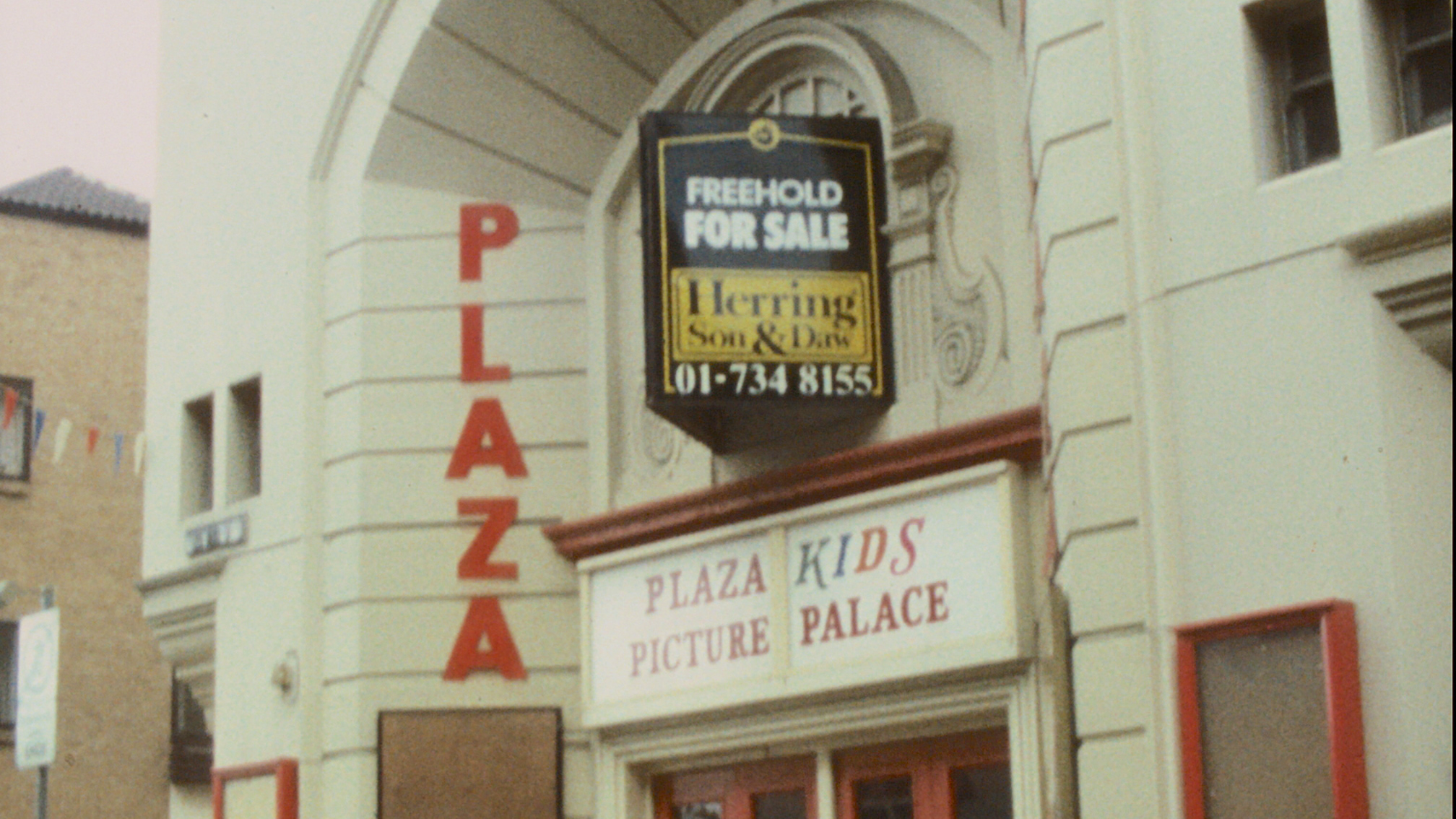
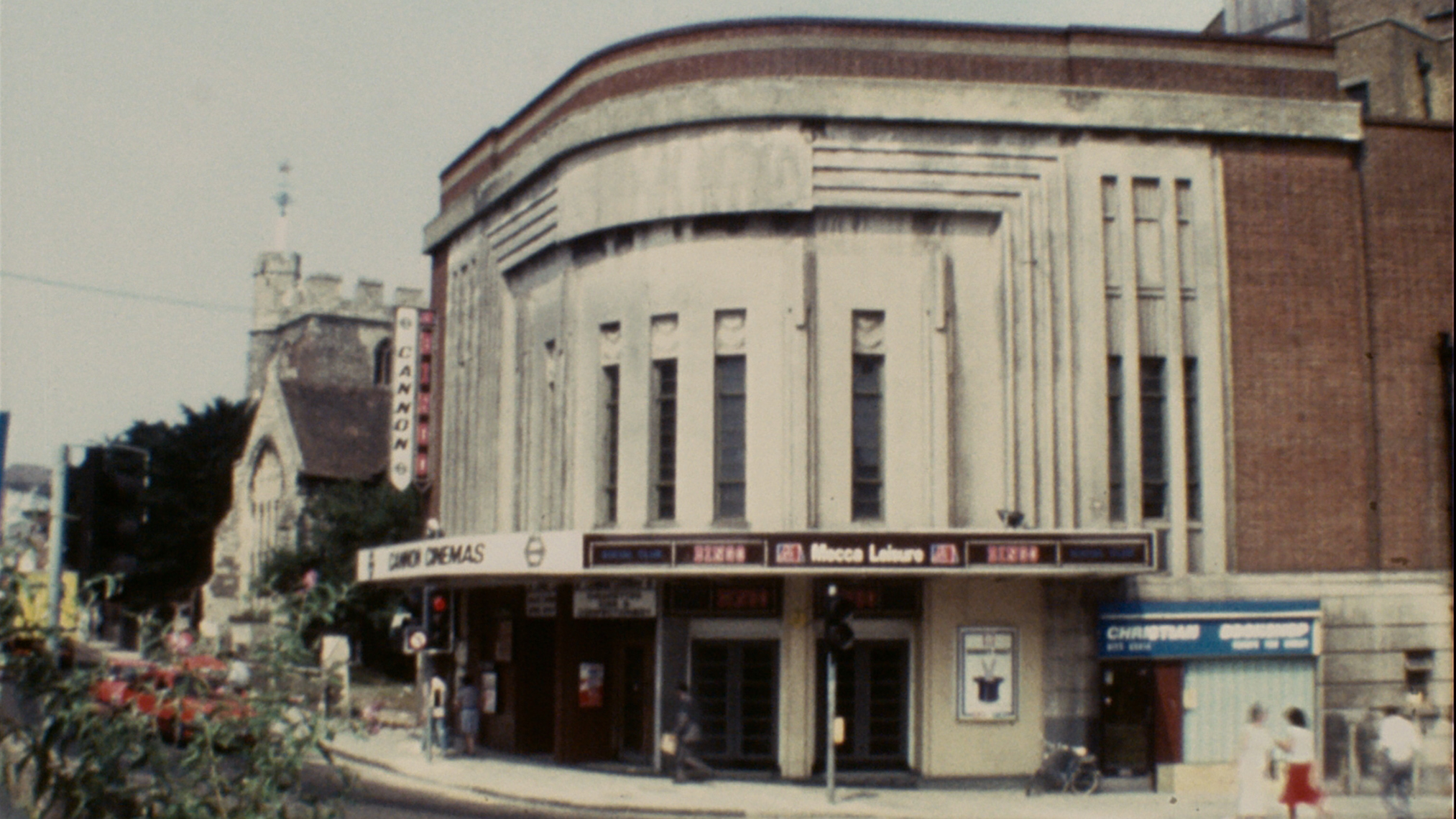
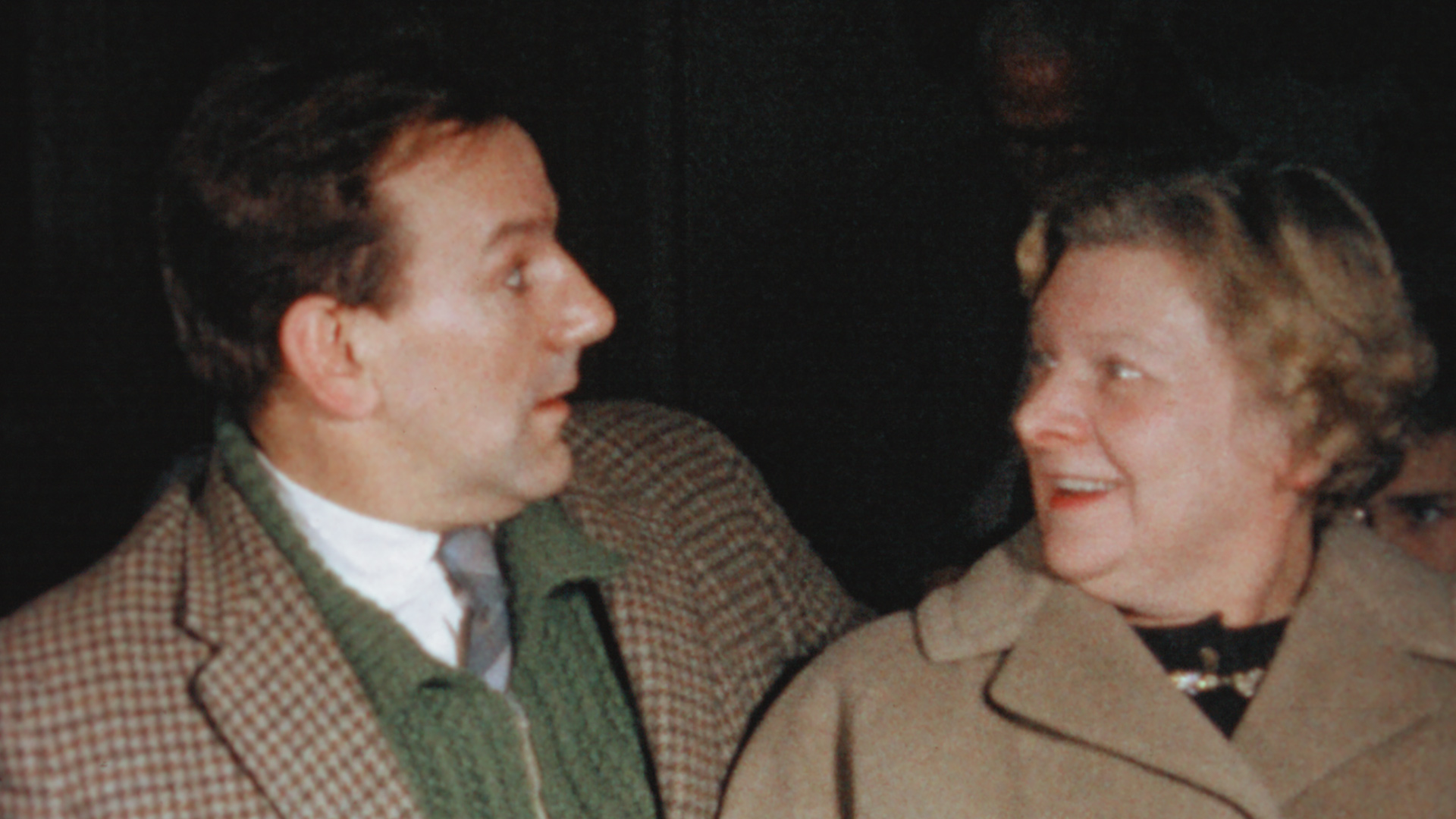
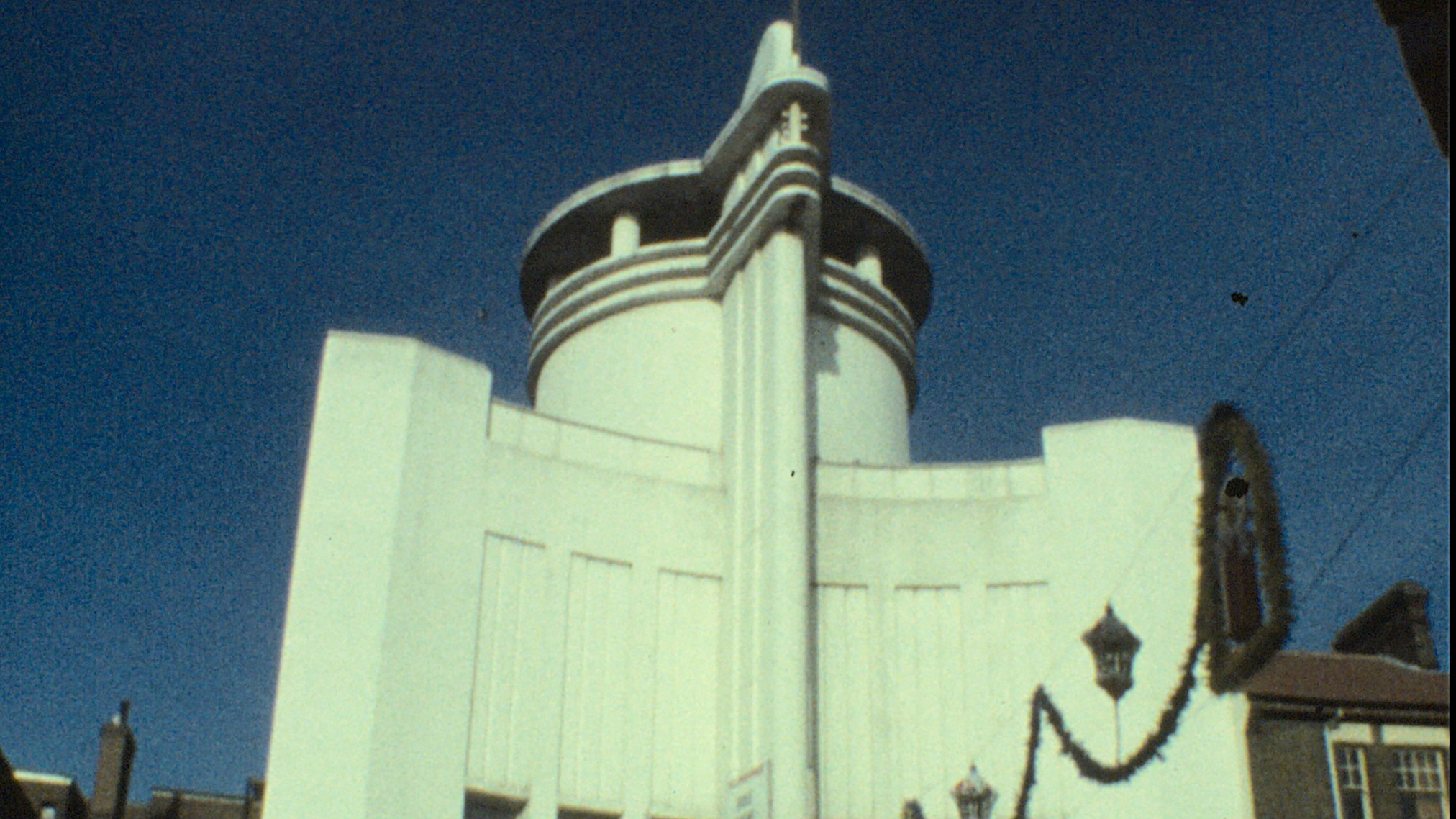
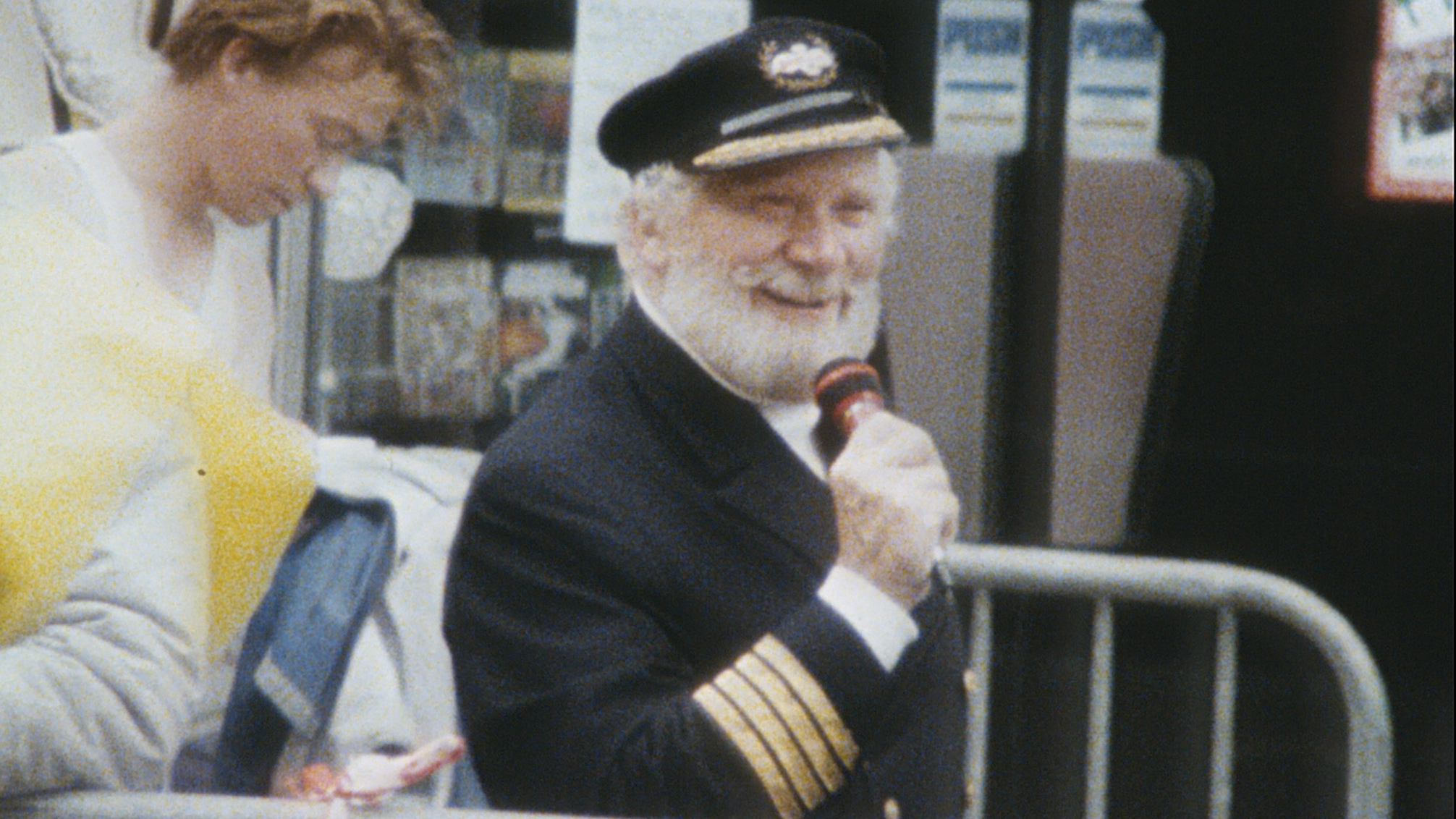
We start with visits to two North London cinemas; the Odeon in Barnet and East Finchley's Phoenix. Here we see projection equipment before moving to Ealing Studios where the BBC has put on a exhibition. Visitors attend a studio recording of a period drama, look at a variety of vintage and modern cameras and visit the wardrobe department. The control panel of Doctor Who's Tardis is seen in action while outside BBC staff demonstrate various cameras used in outside broadcasting.
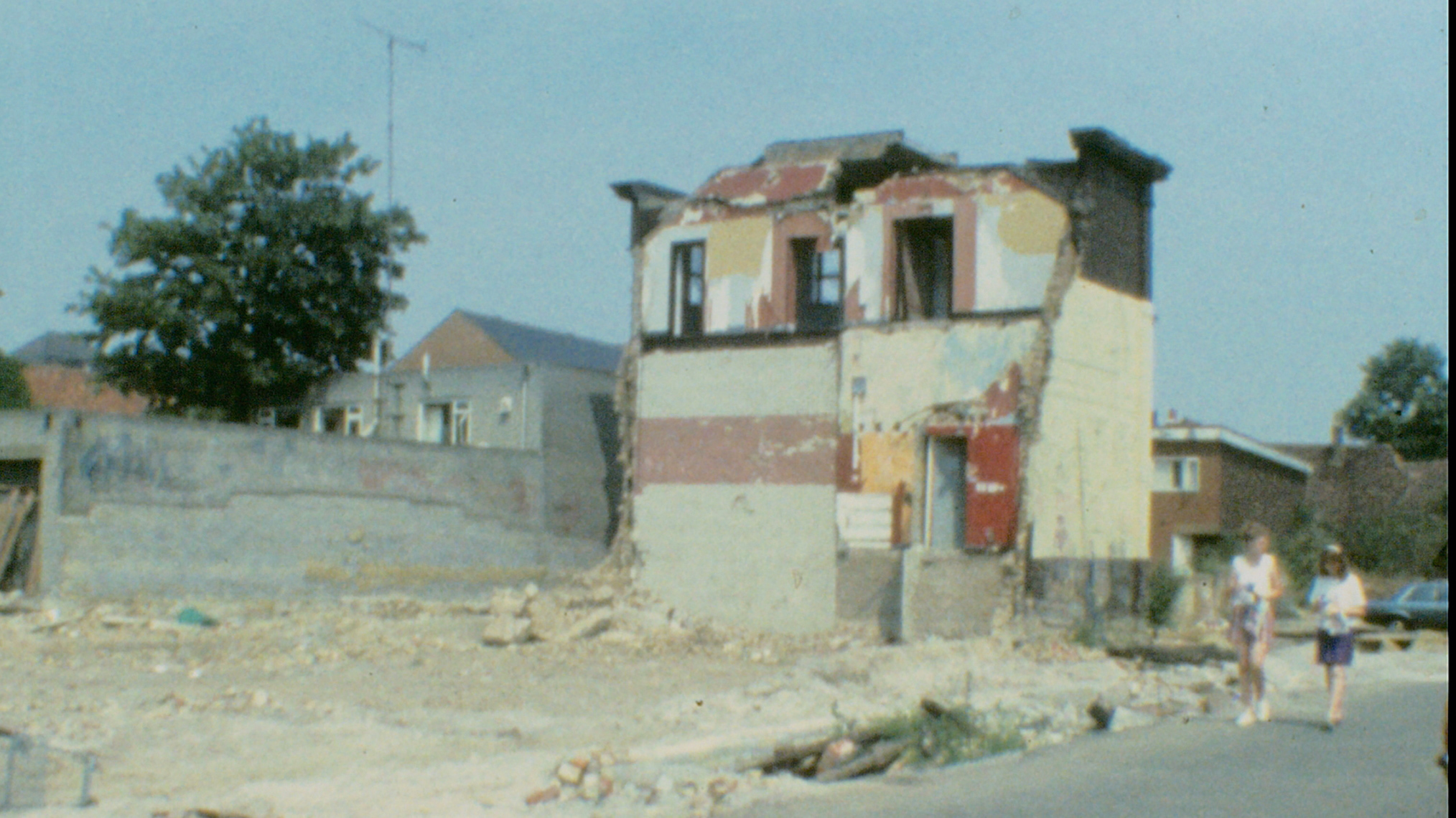
Between the 1950s and 1990s Alan Stingemore made a considerable number of films covering a wide variety of subjects with an emphasis on railways and cinemas in particular. His films often capture memorable events as in this film, which was made when the BBC occupied the famous Ealing Studios. Film-making has taken place on the site since the White Lodge, the two-storey building seen in the film which was also the home of Michael Balcon, was purchased by Will Barker in 1902. The BBC took over the site from 1955 to 1995 when it was sold for £1 to the National Film & Television School. Large budget feature films and television programmes, like Downton Abbey, are still made there.
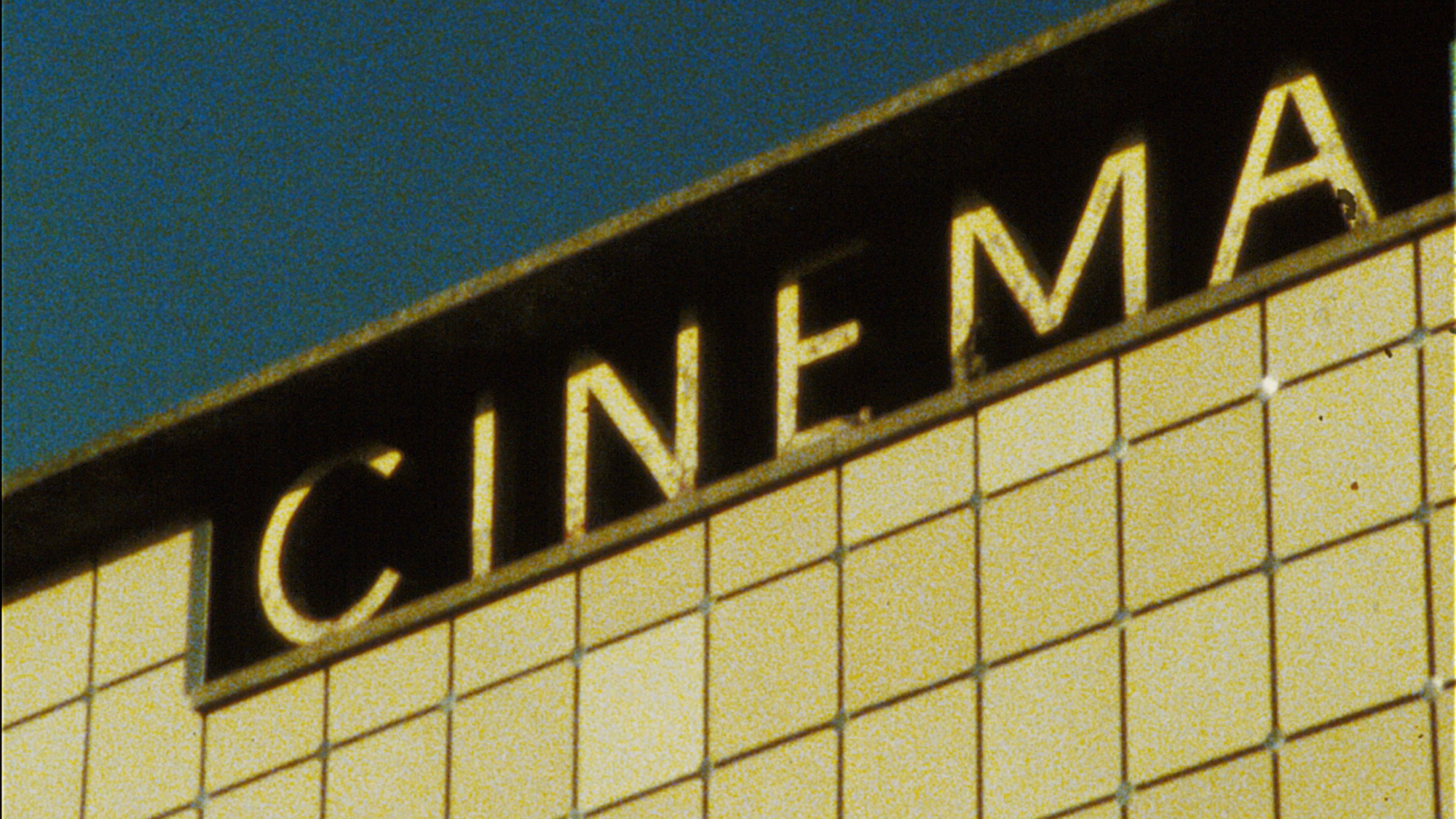
The cinema has always been so much more than just a place to watch films. At the heights of its powers, the silver screen stood for spectacle, sophistication, electricity and elegance as well as entertainment, and the very venues themselves were star attractions. These architectural marvels stood proud in cities and towns up and down the country, enthralling audiences in their thousands in the days when "going to the pictures" was a national pastime.
For over a century, cinema has endured, and cinemas have changed with the times. The rise of television, video and home cinemas may have splintered the cultural dominance of the movies while bringing films to smaller and more convenient screens, but the thrill of the communal experience remains - as do many of the monumental structures themselves, whether they have been converted into bingo halls, renovated into plush modern picture houses, or left to loom over the high street.
This collection celebrates the cinema as both a cultural icon and a haven for generations of starry-eyed dreamers, and documents the changing face of filmgoing from the bygone bioscopes and the lavish picture palaces of yesteryear to the sticky-floored multiplexes of today. So dim the lights, grab your popcorn, and lose yourself in the magic of the silver screen.