Margate's Plaza Cinema
From the collection of
Filmmaker Alan Stingemore captures a seaside cinema in crisis
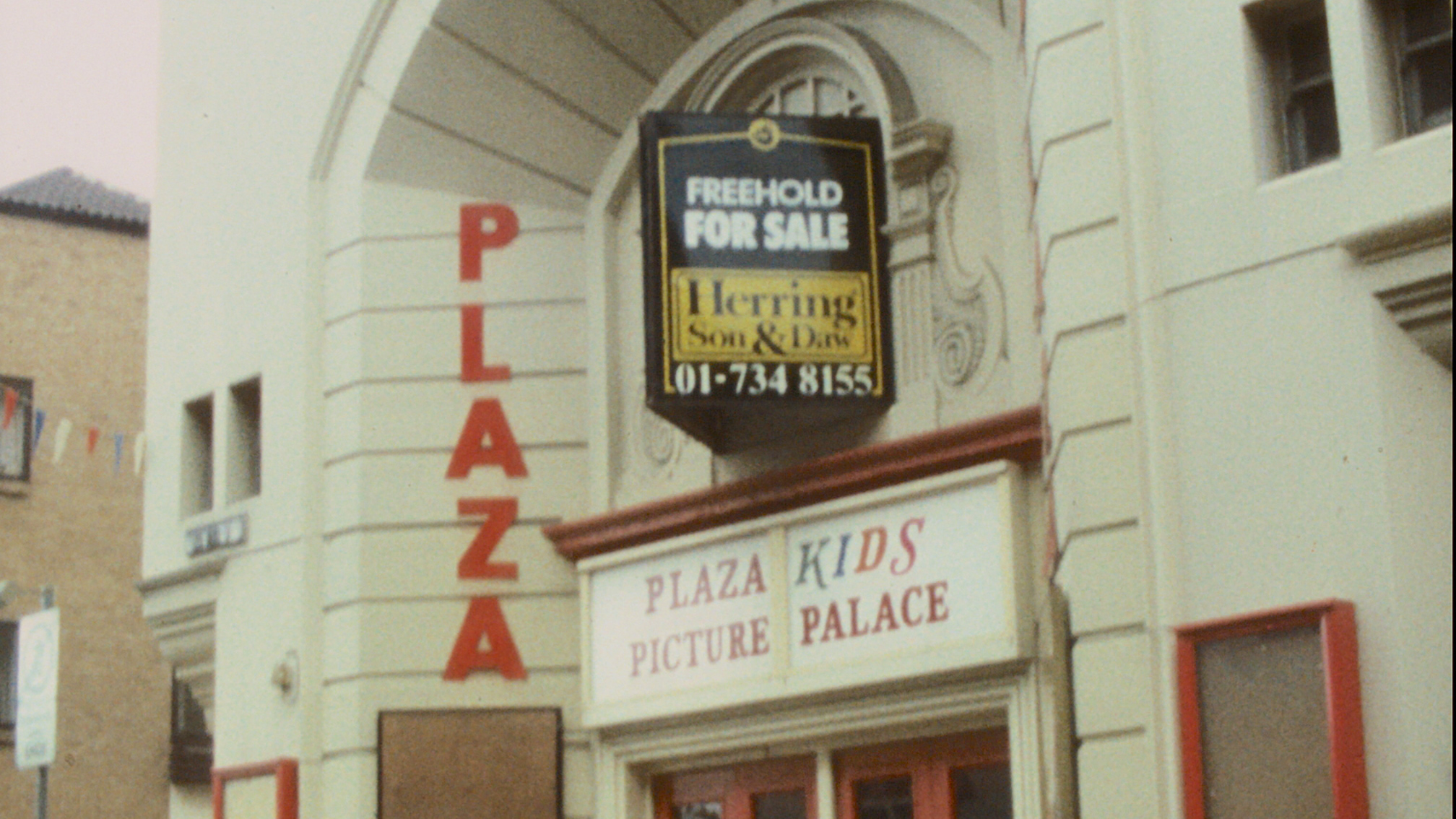
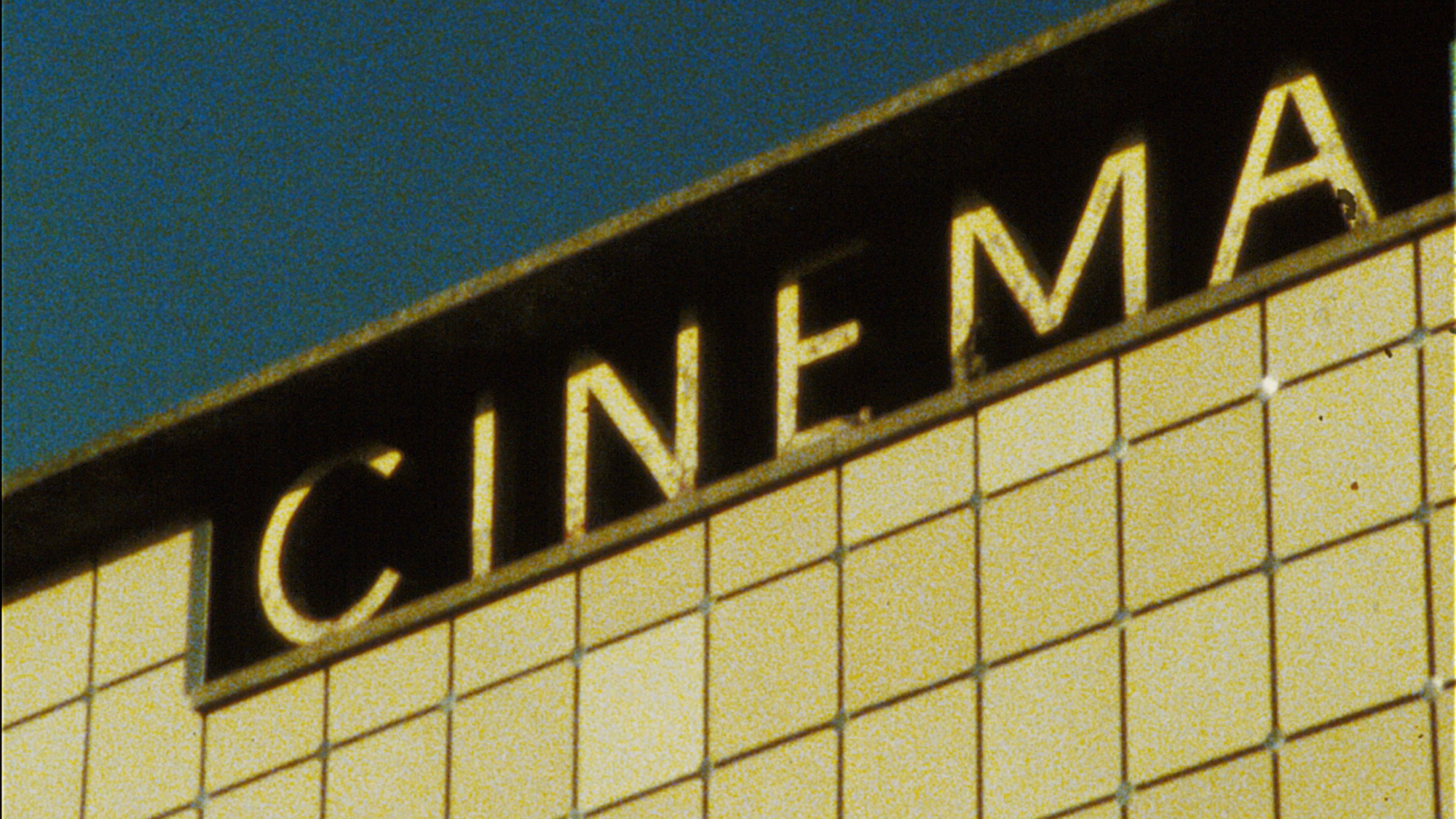
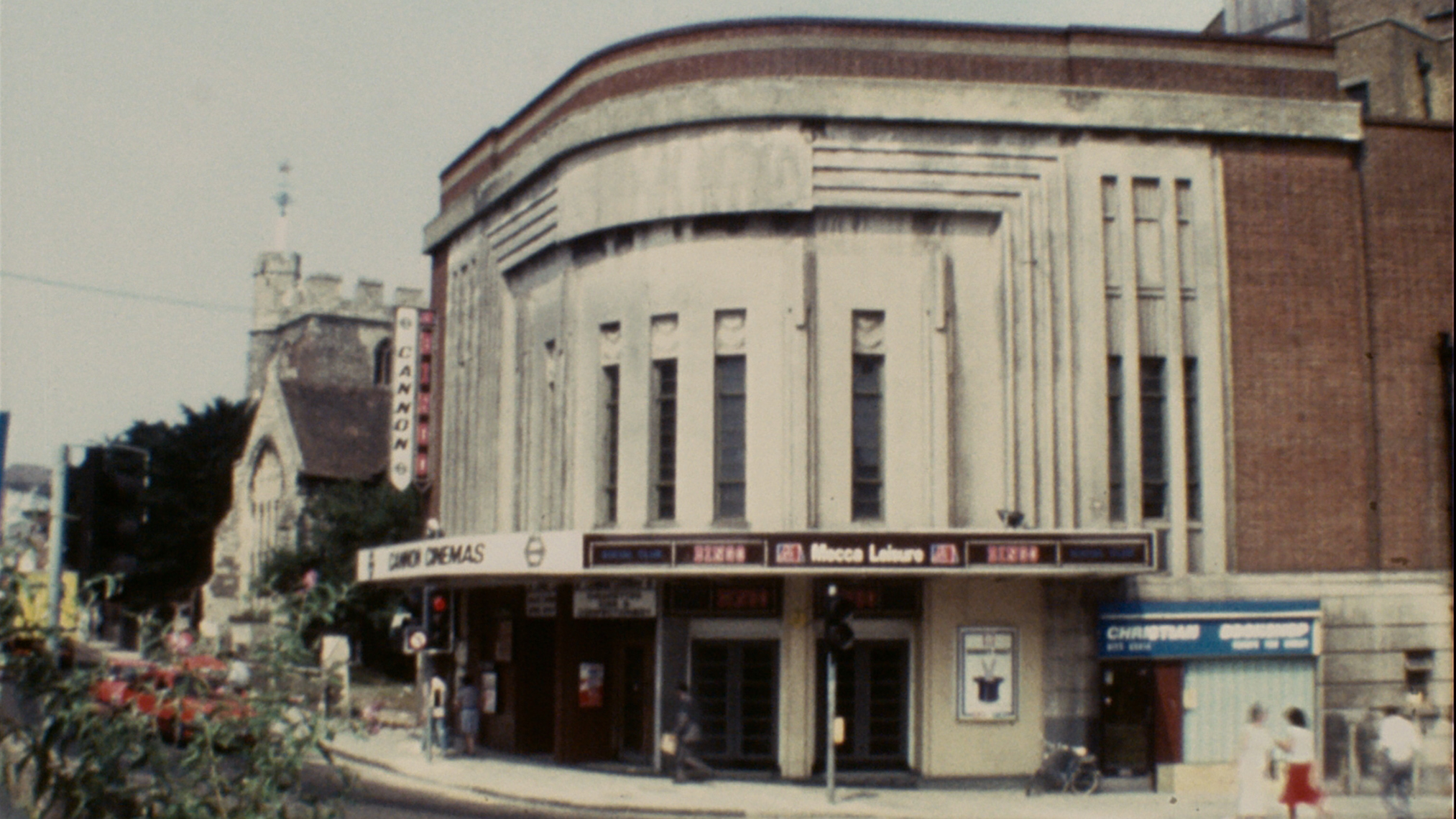
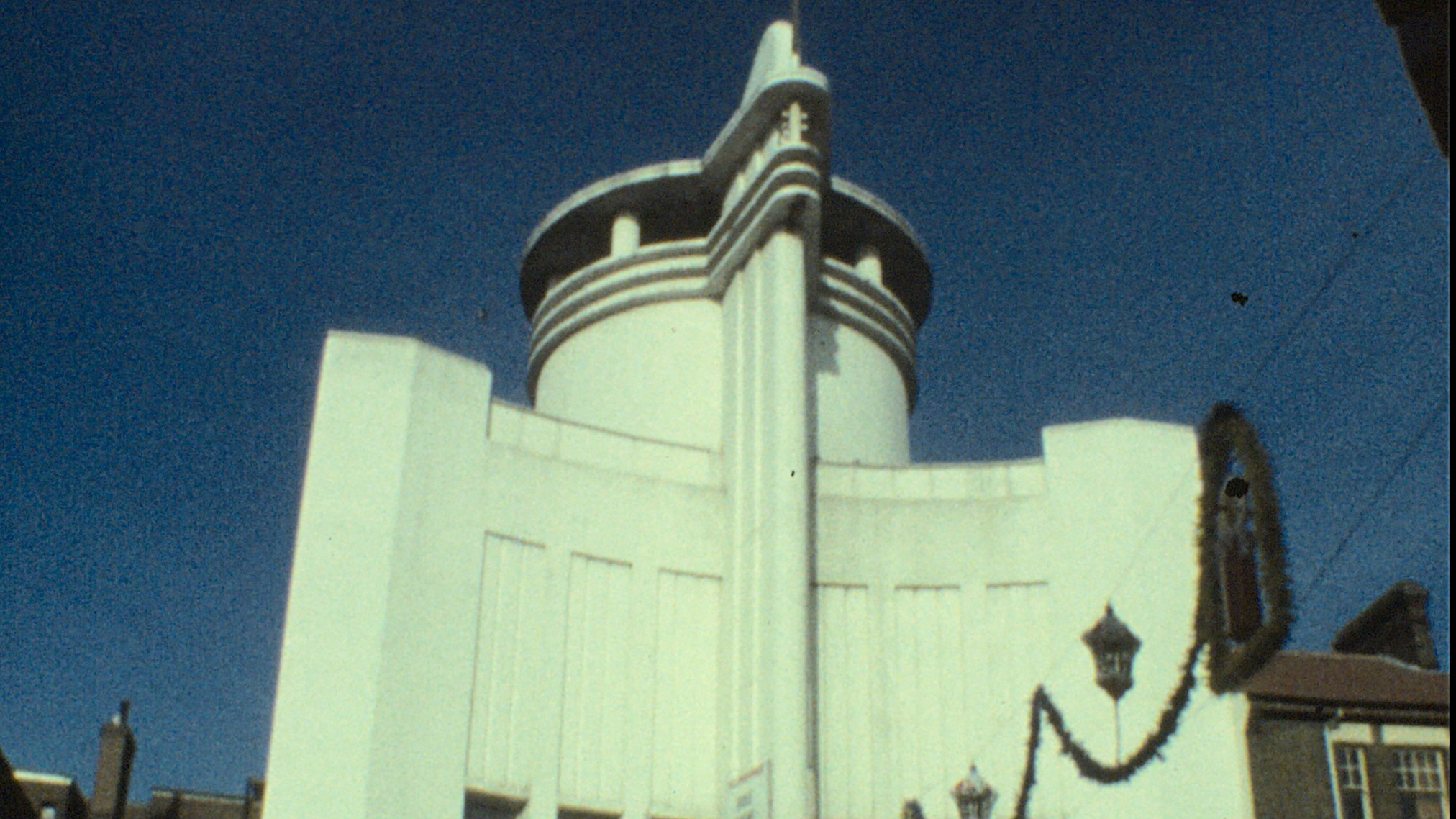
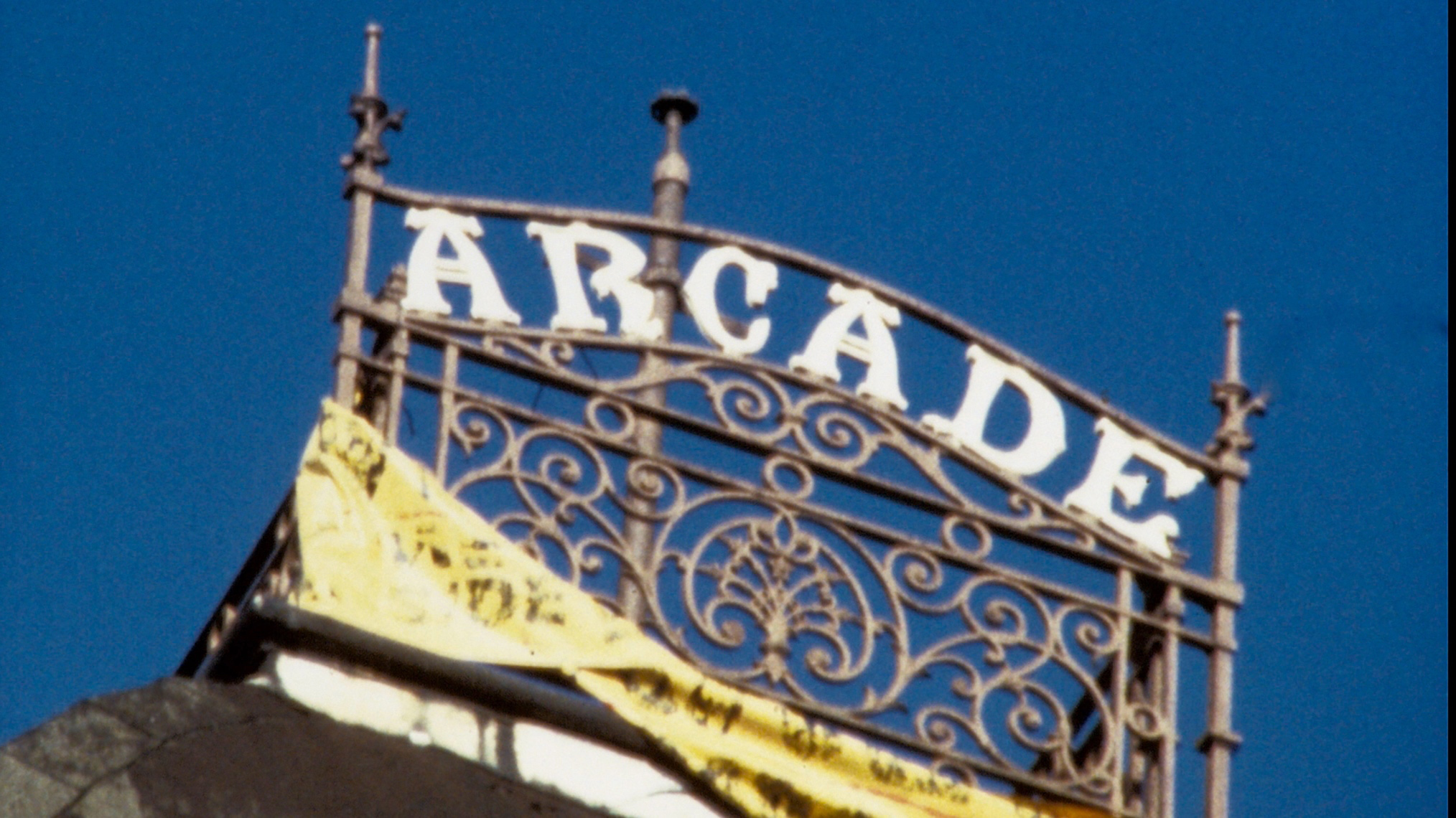
This short film starts on Grosvenor Hill, Margate, where we see the Plaza Cinema looking a bit sad and neglected. For Sale signs are seen on the building as well as advertising hoardings for Disney characters, and we also see architectural details of the still impressive building. From the end of the Harbour Arm we look back at the town with its large beach in the foreground. In the distance the distinctive shape of Margate's famous Dreamland leisure complex can be seen.
Originally opened as the Cinema De Luxe in February 1915, Margate’s Plaza received its new name in 1930. In 1936 the cinema's interior was given an Art Deco-style makeover and it continued screening films until 'Jaws 3D' marked the final performance in 1984. However, in October of that year the Plaza re-opened as an 'adult cinema', before closing two months later. After re-opening for summer seasons only from 1985 to 1987 the Plaza finally closed and its projection equipment was removed. The New Life Christian Fellowship used the Plaza as a church from 1988 to 2009. In 2014 the ex-cinema, now a Grade II listed building, was taken over by the Salvation Army.
This short film starts on Grosvenor Hill, Margate, where we see the Plaza Cinema looking a bit sad and neglected. For Sale signs are seen on the building as well as advertising hoardings for Disney characters, and we also see architectural details of the still impressive building. From the end of the Harbour Arm we look back at the town with its large beach in the foreground. In the distance the distinctive shape of Margate's famous Dreamland leisure complex can be seen.
The cinema has always been so much more than just a place to watch films. At the heights of its powers, the silver screen stood for spectacle, sophistication, electricity and elegance as well as entertainment, and the very venues themselves were star attractions. These architectural marvels stood proud in cities and towns up and down the country, enthralling audiences in their thousands in the days when "going to the pictures" was a national pastime.
For over a century, cinema has endured, and cinemas have changed with the times. The rise of television, video and home cinemas may have splintered the cultural dominance of the movies while bringing films to smaller and more convenient screens, but the thrill of the communal experience remains - as do many of the monumental structures themselves, whether they have been converted into bingo halls, renovated into plush modern picture houses, or left to loom over the high street.
This collection celebrates the cinema as both a cultural icon and a haven for generations of starry-eyed dreamers, and documents the changing face of filmgoing from the bygone bioscopes and the lavish picture palaces of yesteryear to the sticky-floored multiplexes of today. So dim the lights, grab your popcorn, and lose yourself in the magic of the silver screen.