Plymouth's Gaumont Cinema Closure
From the collection of
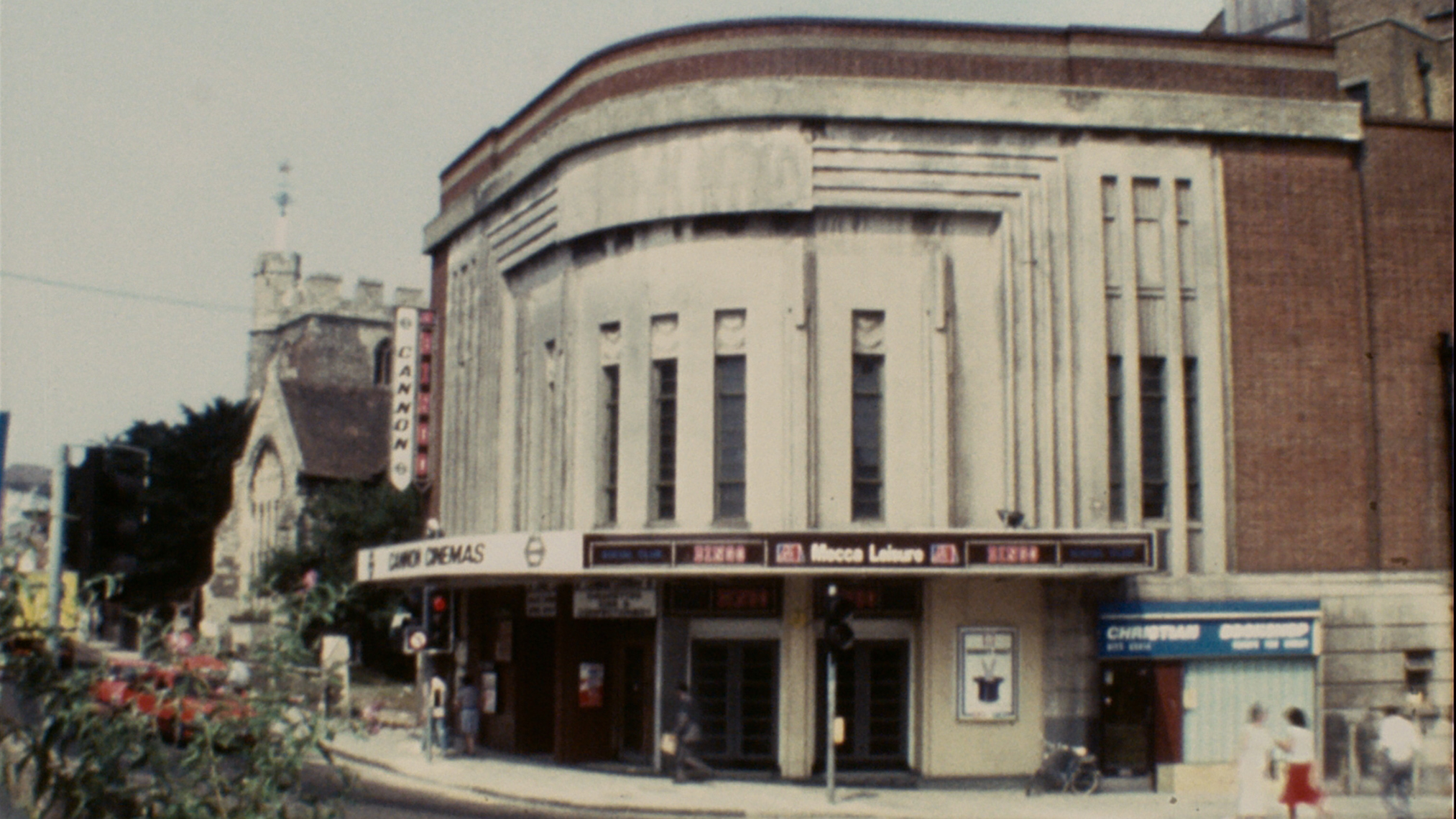
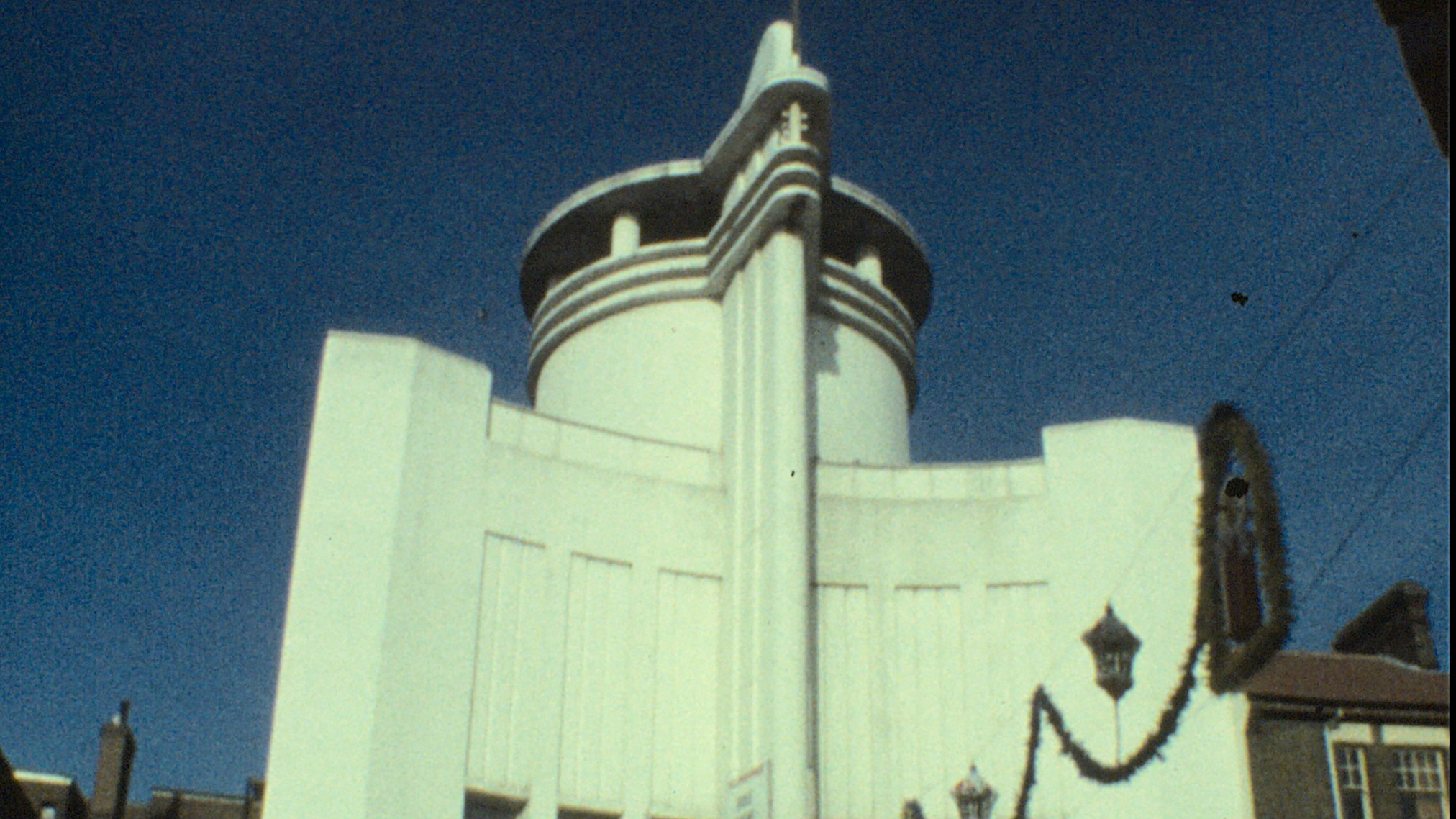
The Gaumont Palace on Union Street in Plymouth is closing its doors for refurbishment.
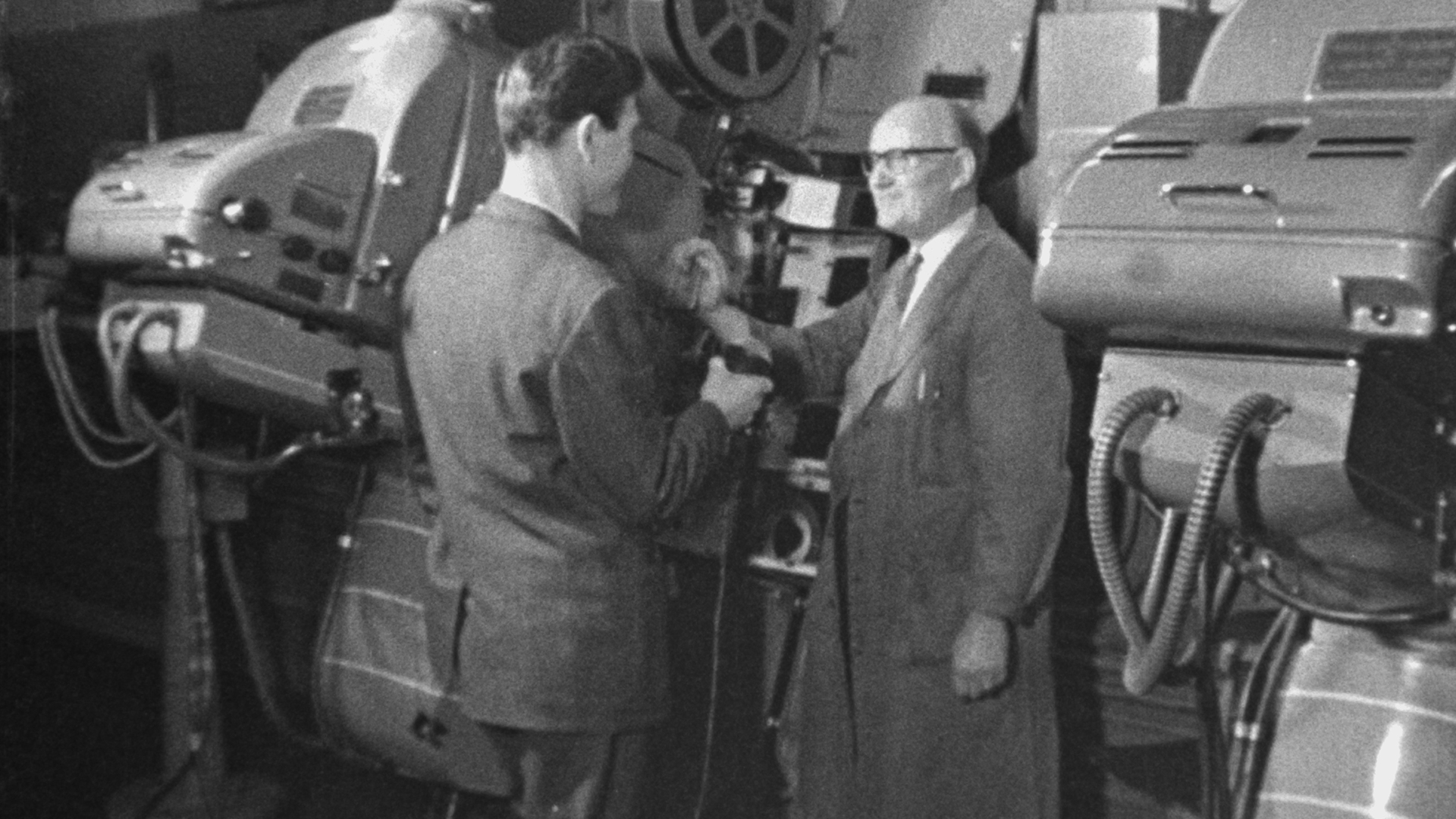
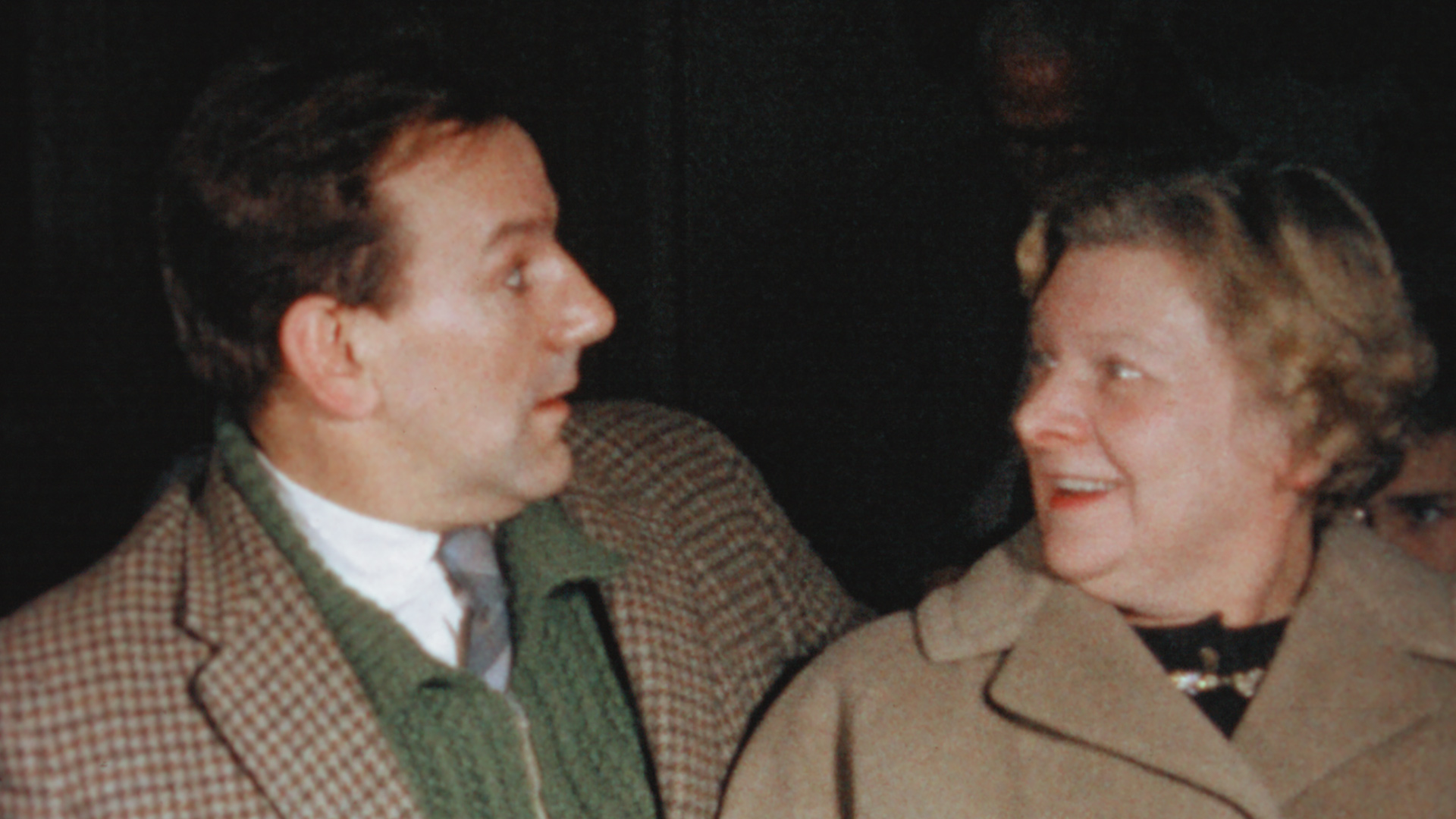
Manager Mr Edwards explains the change from super cinema to modern semi-automated mixed-use venue, complete with new ballroom. The Art Deco cinema opened in November 1931 with 1460 plush velvet seats in the stalls and 790 in the circle and used to be a popular night out. One of the five projectionists Mr Leacey recalls his first film, Walter Forde's comedy thriller The Ghost Train (1931).
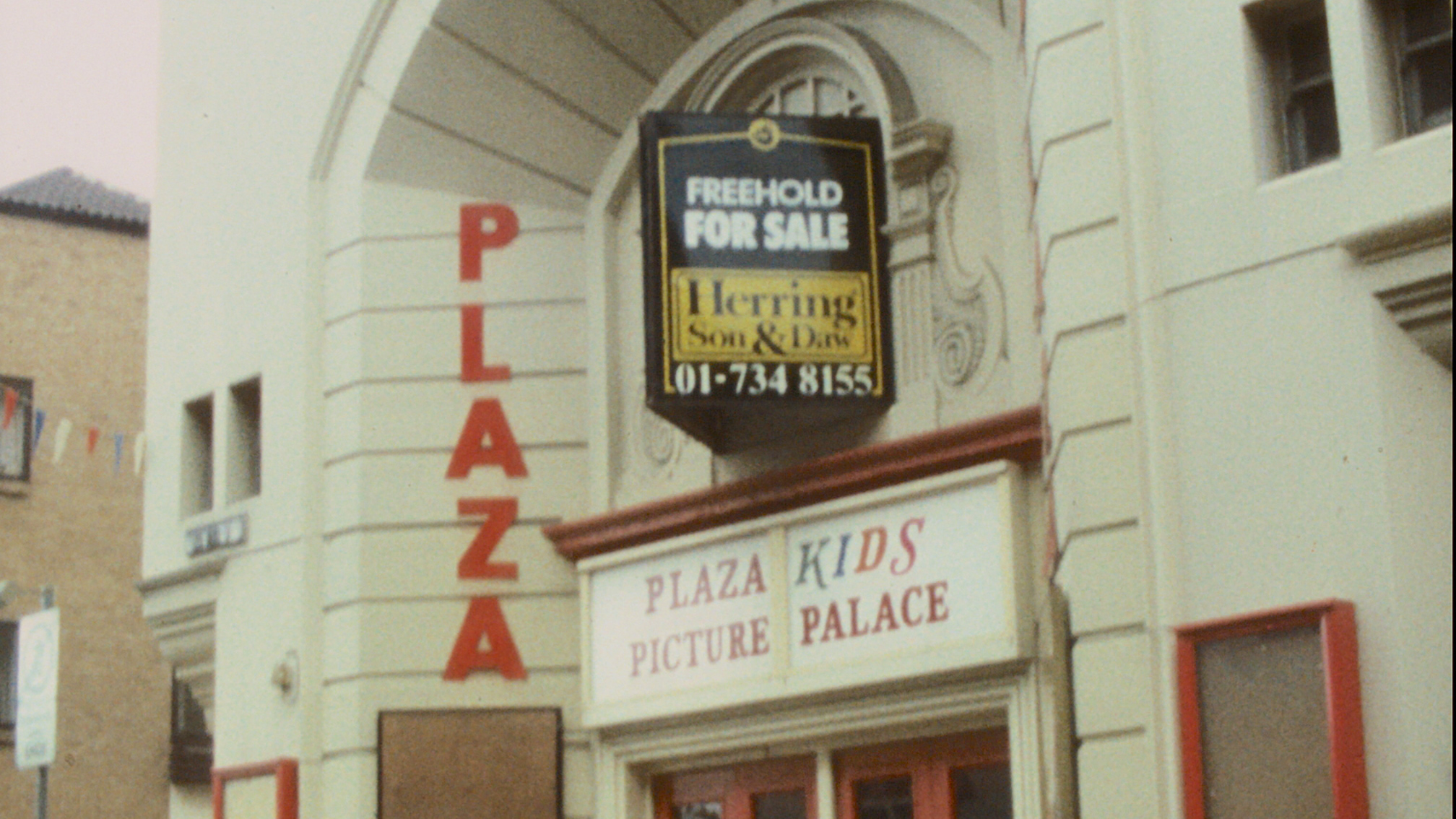
At this time, a projectionist's job was changing from classical lacing up of multiple film reels alternating between projectors to one of automation allowing long play of single roll films on one projector with the possibility of pre-programming. The job could now be carried out by one person. Film moved away from nitrate base to celluloid and the film show lost its live organ playing. The cinema reopened after six months as an Odeon operated by the Rank Organisation and closed in April 1980. It reopened as the Boulevard Nightclub in 1987 and later became the Millennium Complex. After closing in 2004 the building was added to Historic England's at risk register and from 2013 is owned by a religious TV channel.
The Gaumont Palace on Union Street in Plymouth is closing its doors for refurbishment. Manager Mr Edwards explains the change from super cinema to modern semi-automated mixed-use venue, complete with new ballroom. The Art Deco cinema opened in November 1931 with 1460 plush velvet seats in the stalls and 790 in the circle and used to be a popular night out. One of the five projectionists Mr Leacey recalls his first film, Walter Forde's comedy thriller The Ghost Train (1931).
The cinema has always been so much more than just a place to watch films. At the heights of its powers, the silver screen stood for spectacle, sophistication, electricity and elegance as well as entertainment, and the very venues themselves were star attractions. These architectural marvels stood proud in cities and towns up and down the country, enthralling audiences in their thousands in the days when "going to the pictures" was a national pastime.
For over a century, cinema has endured, and cinemas have changed with the times. The rise of television, video and home cinemas may have splintered the cultural dominance of the movies while bringing films to smaller and more convenient screens, but the thrill of the communal experience remains - as do many of the monumental structures themselves, whether they have been converted into bingo halls, renovated into plush modern picture houses, or left to loom over the high street.
This collection celebrates the cinema as both a cultural icon and a haven for generations of starry-eyed dreamers, and documents the changing face of filmgoing from the bygone bioscopes and the lavish picture palaces of yesteryear to the sticky-floored multiplexes of today. So dim the lights, grab your popcorn, and lose yourself in the magic of the silver screen.