Tudor Style
From the collection of

From the collection of
One of the most quaint cinemas you're ever likely to see, The Tudor is a loving recreation of, and tribute to, the classic cinemas of a bygone era.
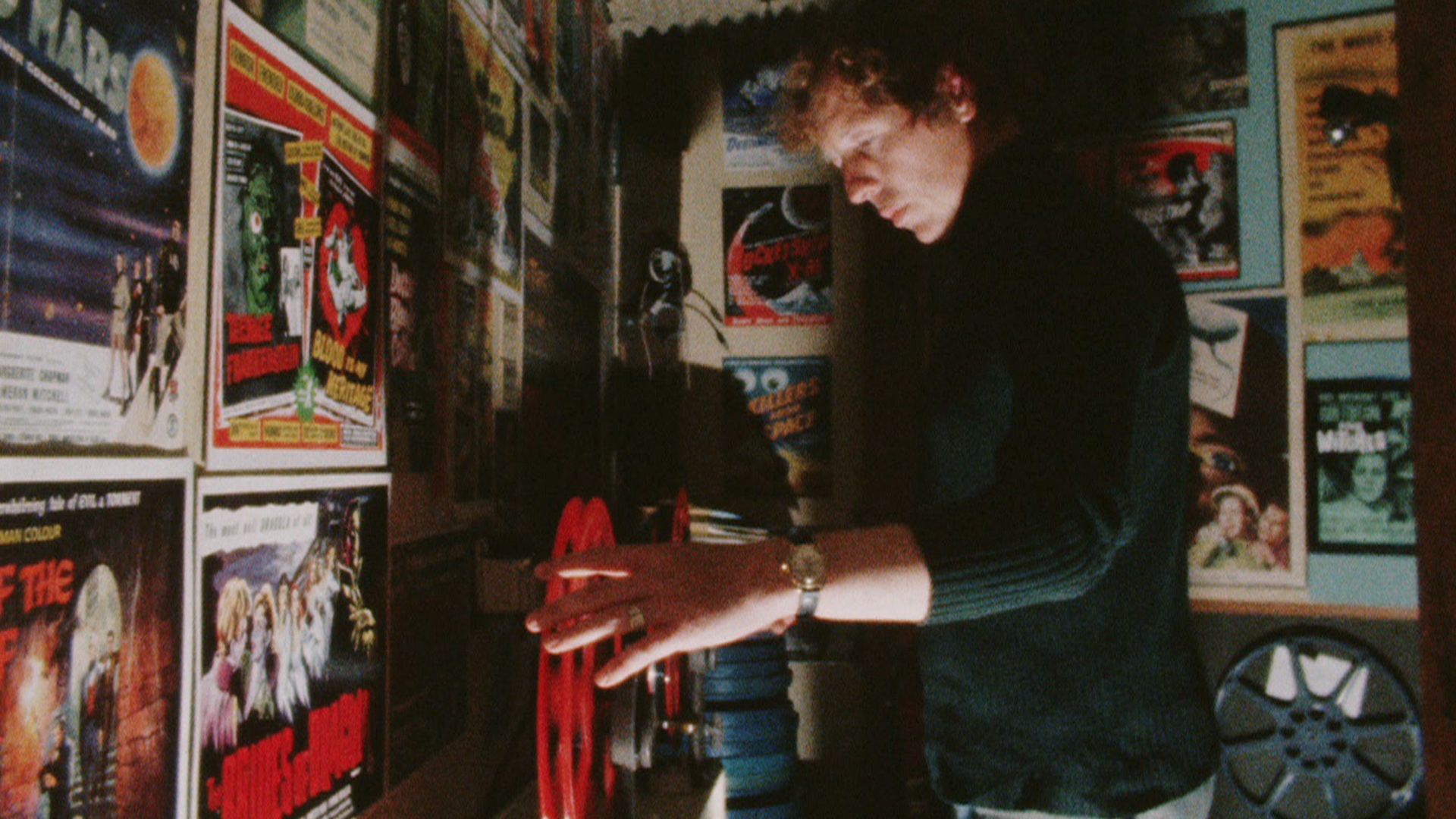
Discover the cinema that inspired the name of the indie band, Two Door Cinema Club. A film buff's dream, the Tudor is a 75-seat, privately-owned cinema in Comber, County Down. It was built, and continues to be run by, Noel Spence.
Noel shares his love of film with twin brother, Roy - who also has his own, back-garden cinema, The Excelsior. Together they've been making their own films since the mid-1960s, picking-up several amateur Oscars in the process, with subjects including crafty leprechauns, creatures from outer space, 1950s rock 'n' rollers and the undead.
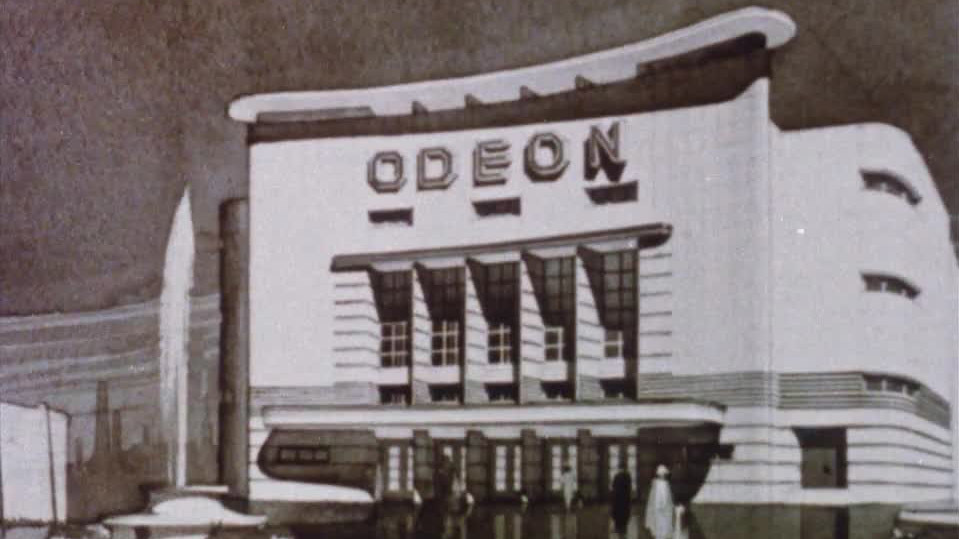
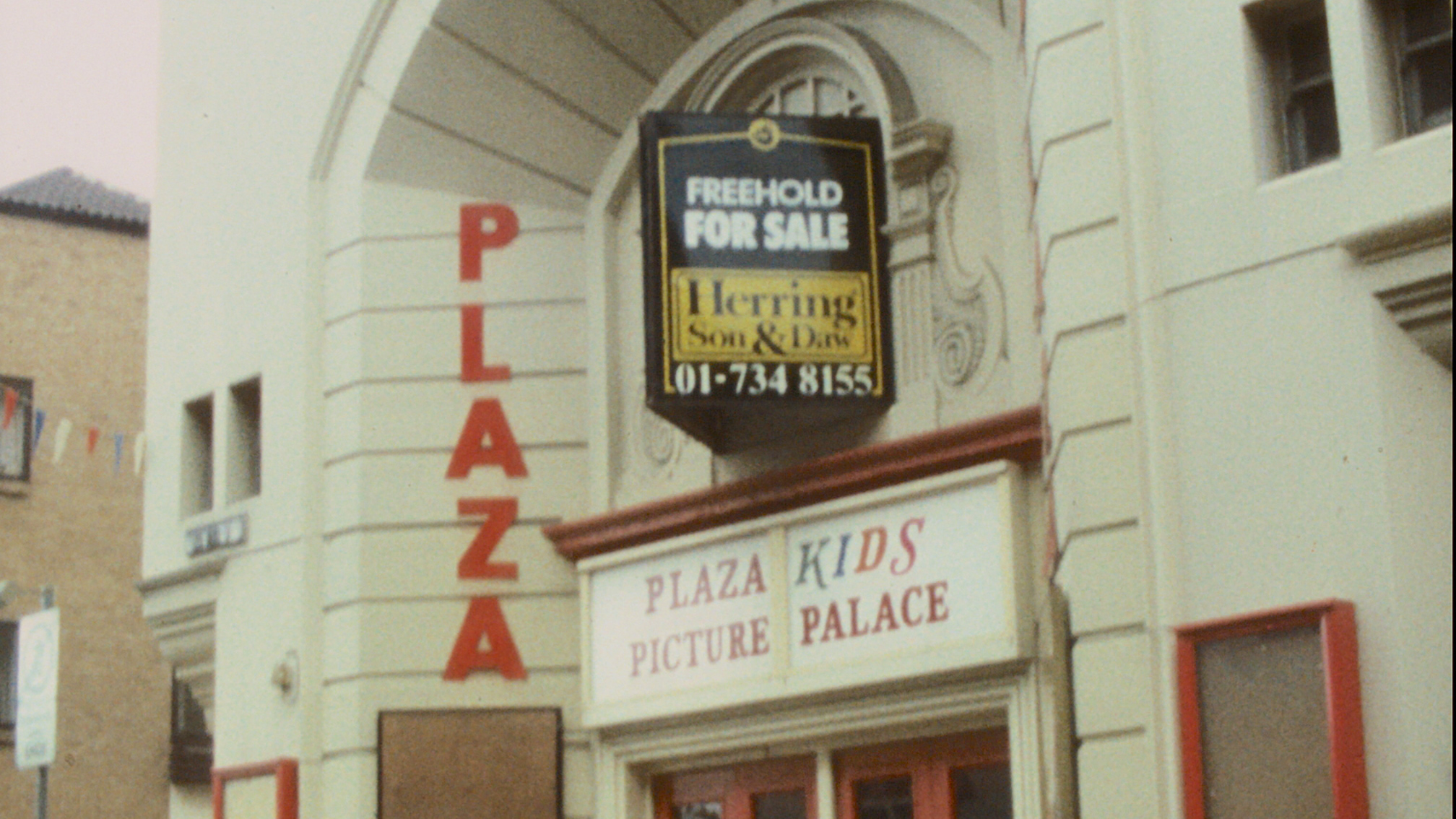
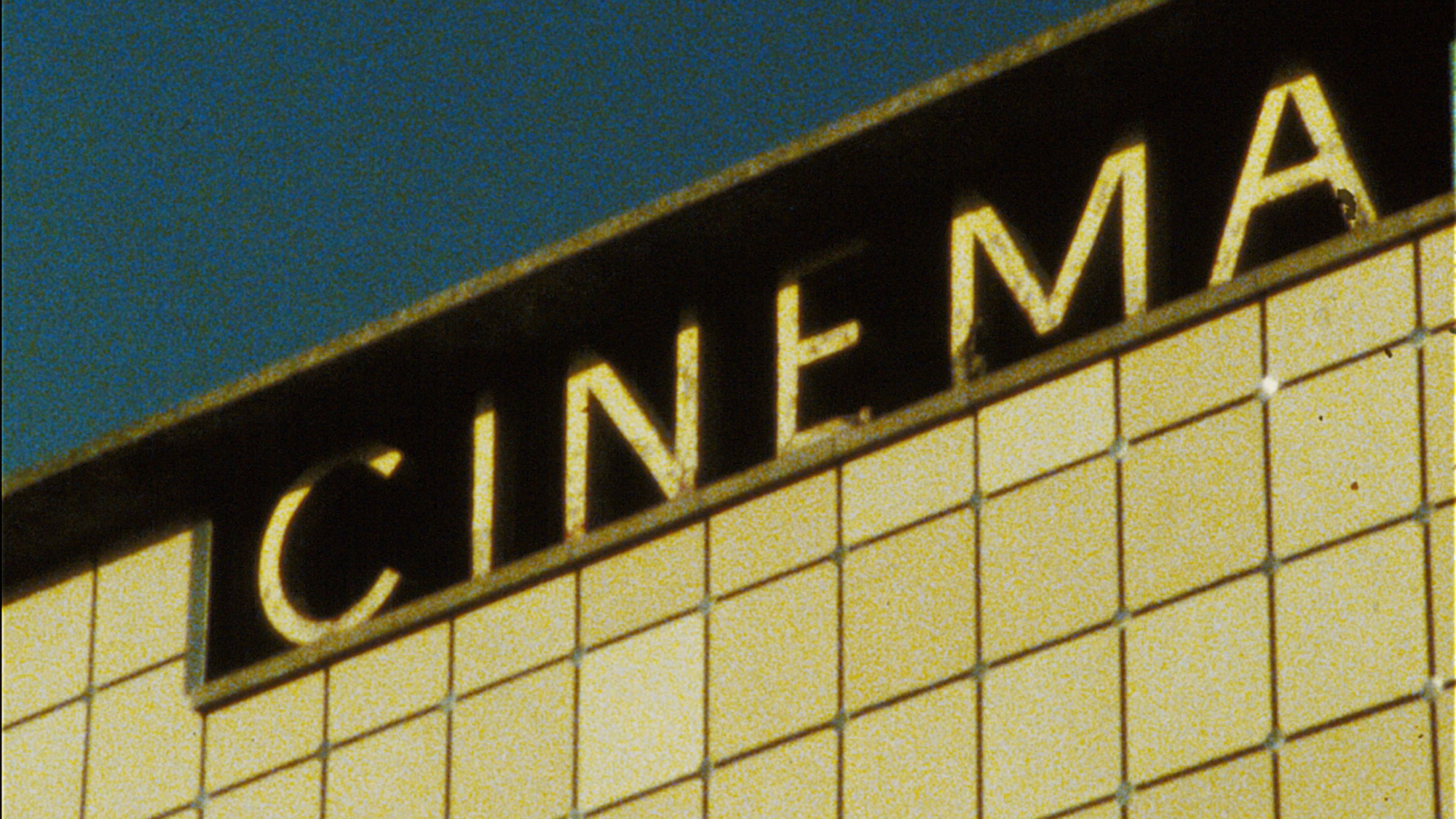
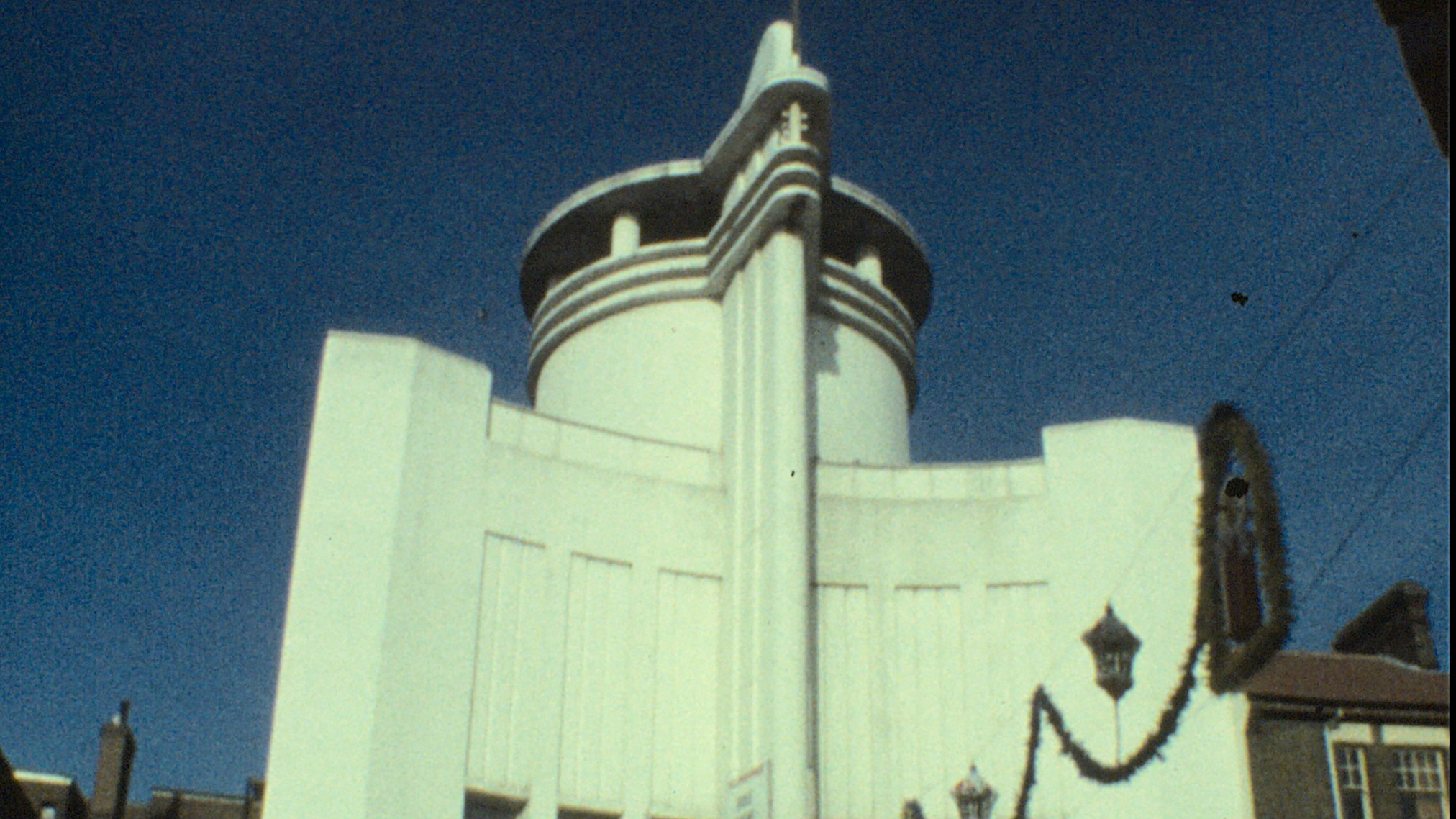
The cinema has always been so much more than just a place to watch films. At the heights of its powers, the silver screen stood for spectacle, sophistication, electricity and elegance as well as entertainment, and the very venues themselves were star attractions. These architectural marvels stood proud in cities and towns up and down the country, enthralling audiences in their thousands in the days when "going to the pictures" was a national pastime.
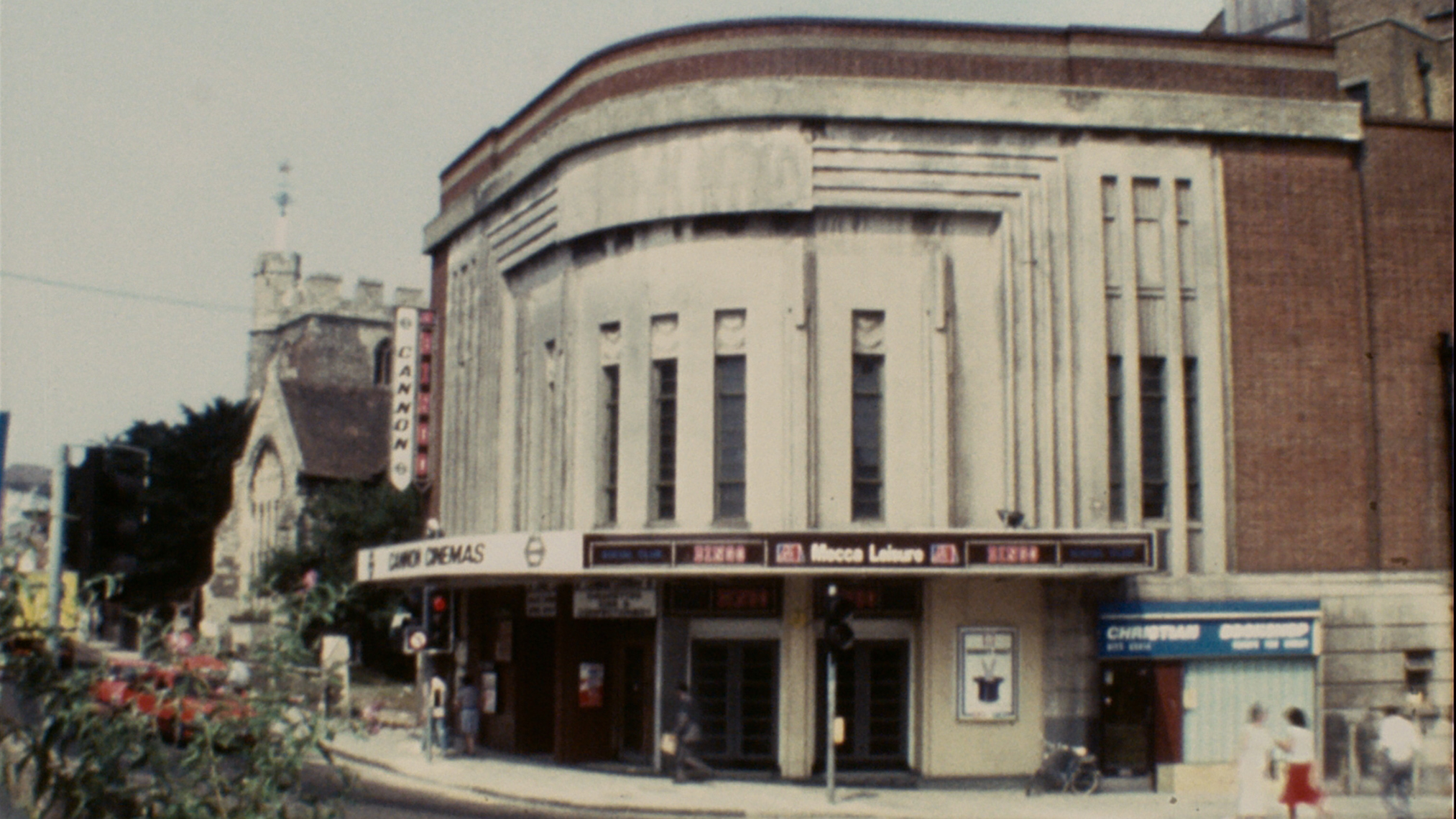
For over a century, cinema has endured, and cinemas have changed with the times. The rise of television, video and home cinemas may have splintered the cultural dominance of the movies while bringing films to smaller and more convenient screens, but the thrill of the communal experience remains - as do many of the monumental structures themselves, whether they have been converted into bingo halls, renovated into plush modern picture houses, or left to loom over the high street.
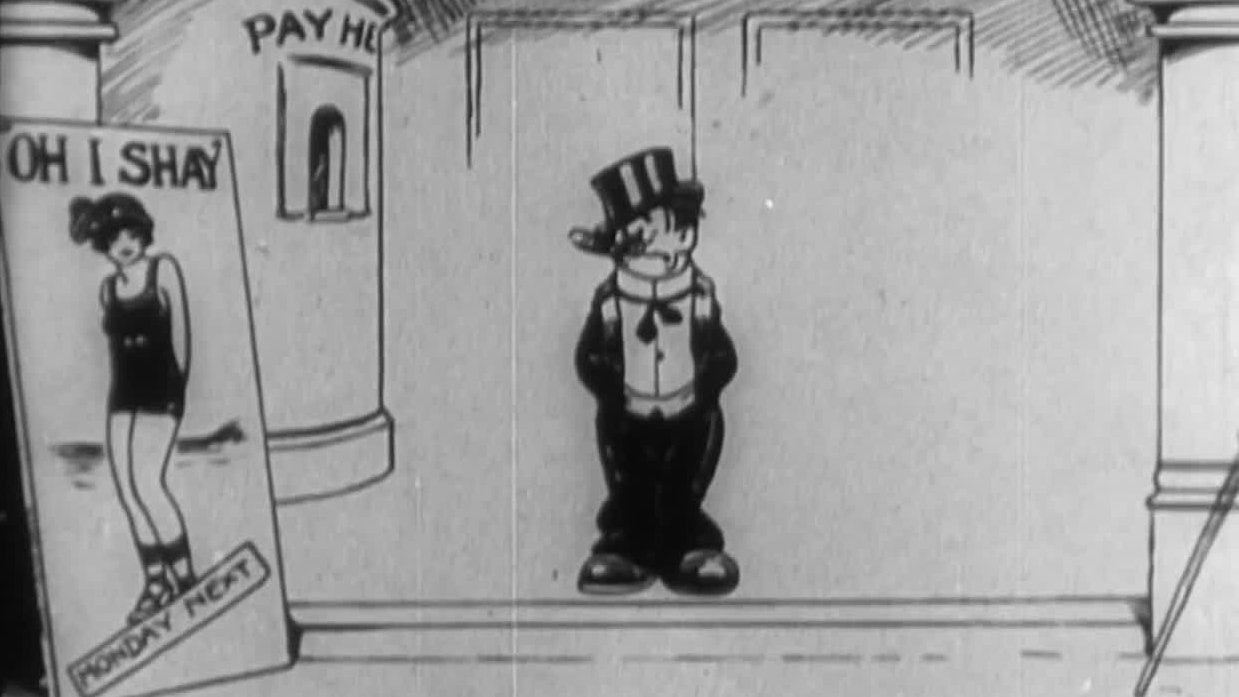
This collection celebrates the cinema as both a cultural icon and a haven for generations of starry-eyed dreamers, and documents the changing face of filmgoing from the bygone bioscopes and the lavish picture palaces of yesteryear to the sticky-floored multiplexes of today. So dim the lights, grab your popcorn, and lose yourself in the magic of the silver screen.