Various Cinemas in the Medway towns
From the collection of
A sad end awaits Medway's forlorn looking cinemas and theatres. Which ones will succumb to the bulldozers and which will survive?
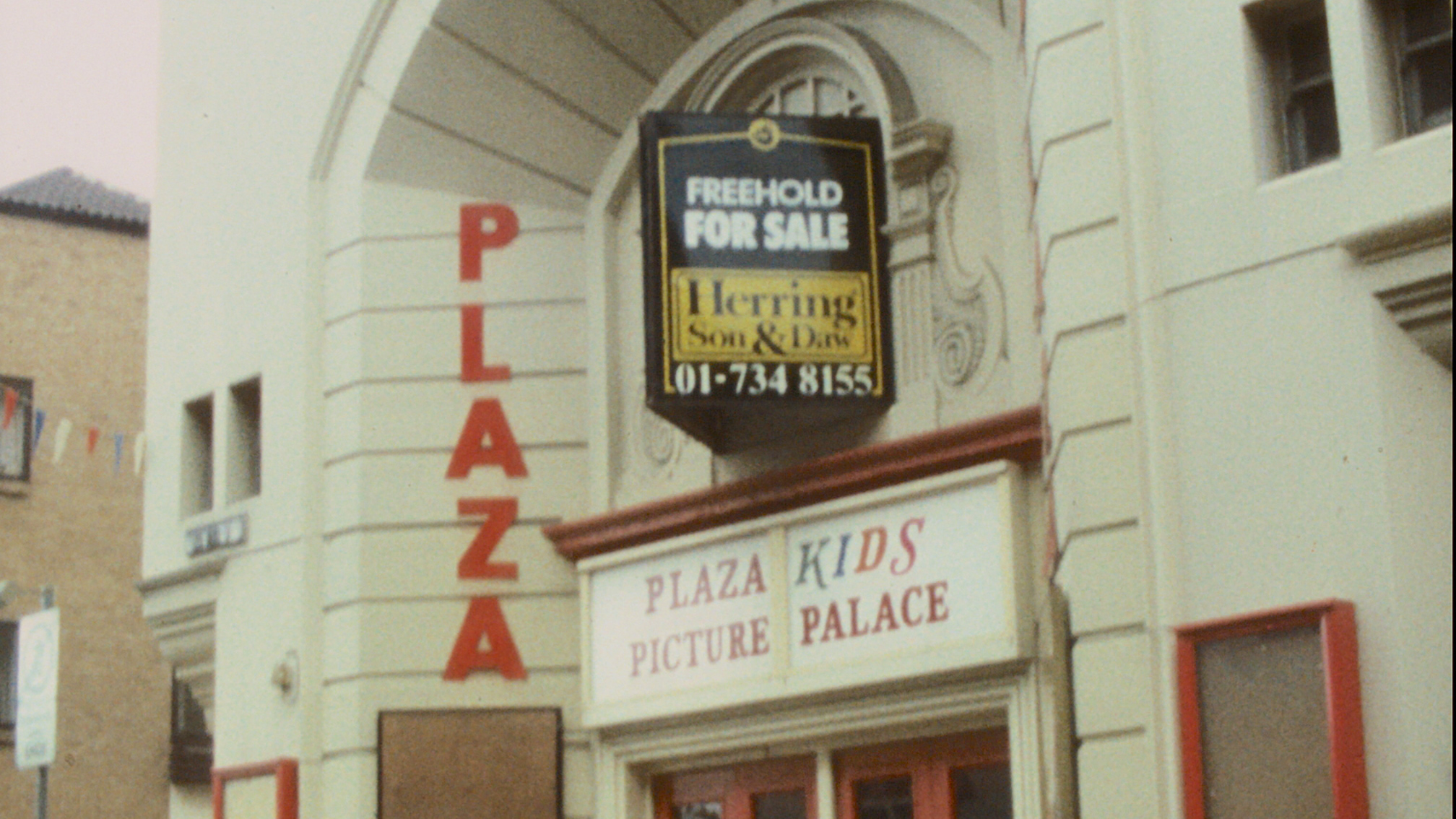
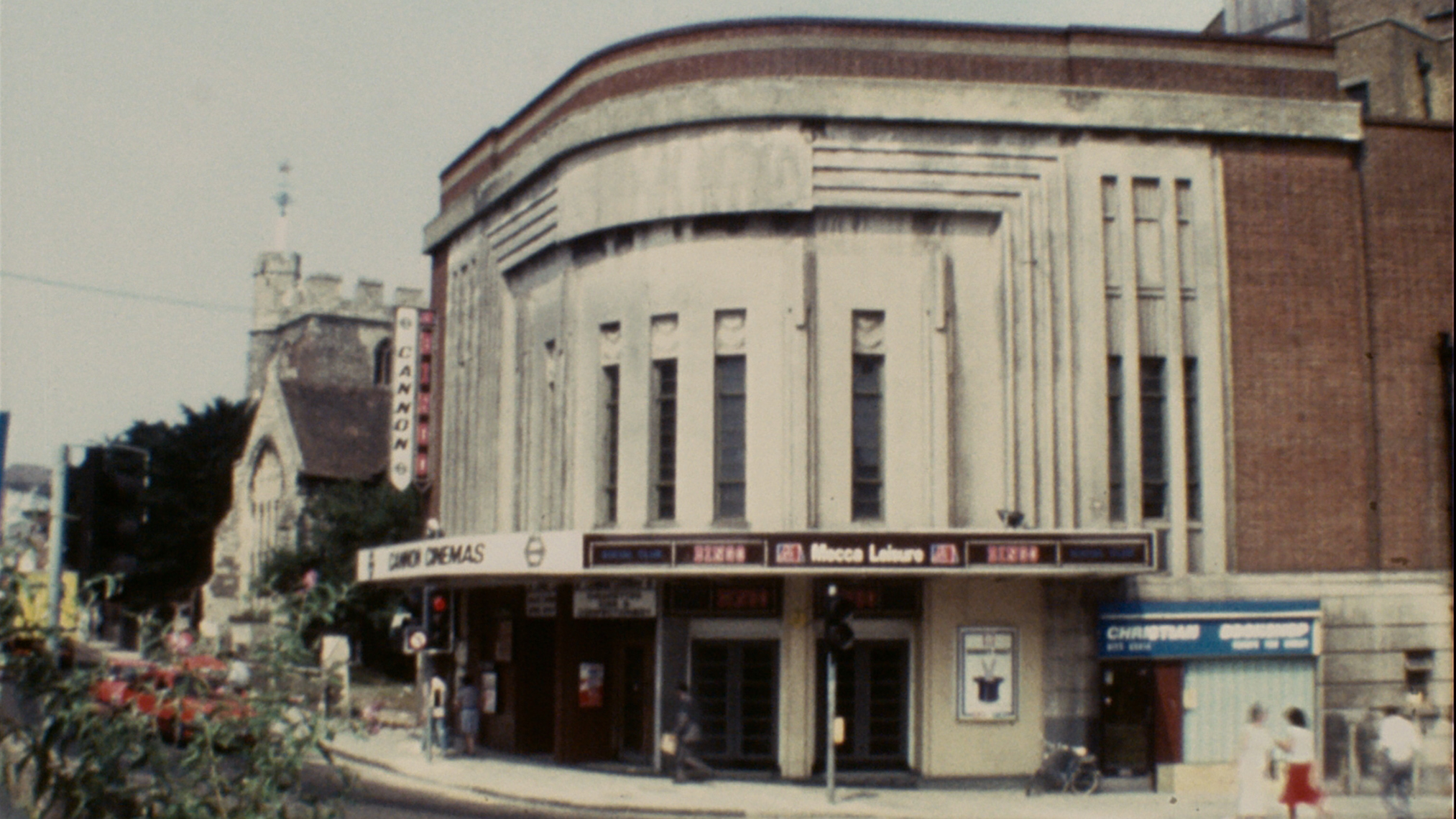
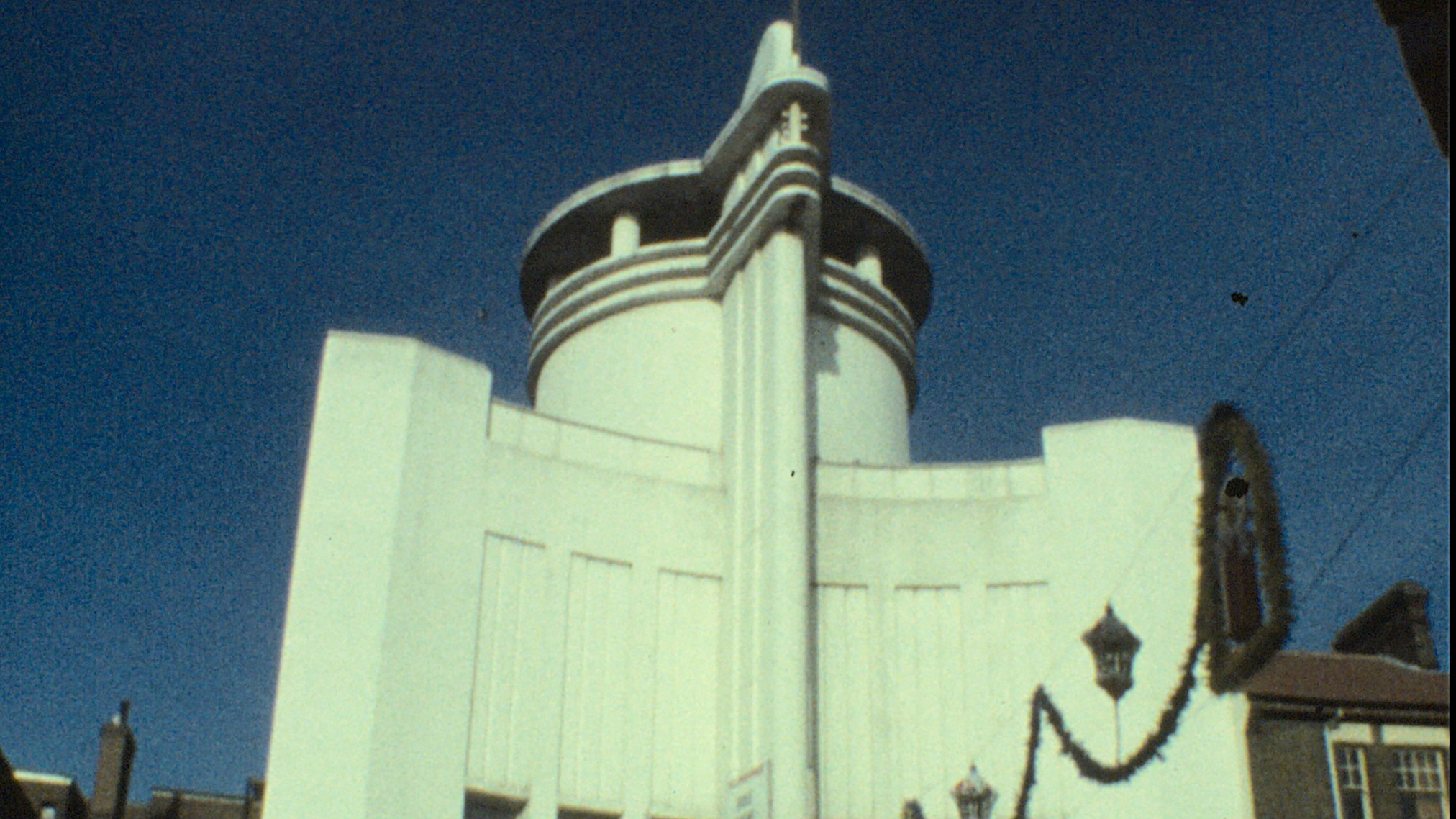
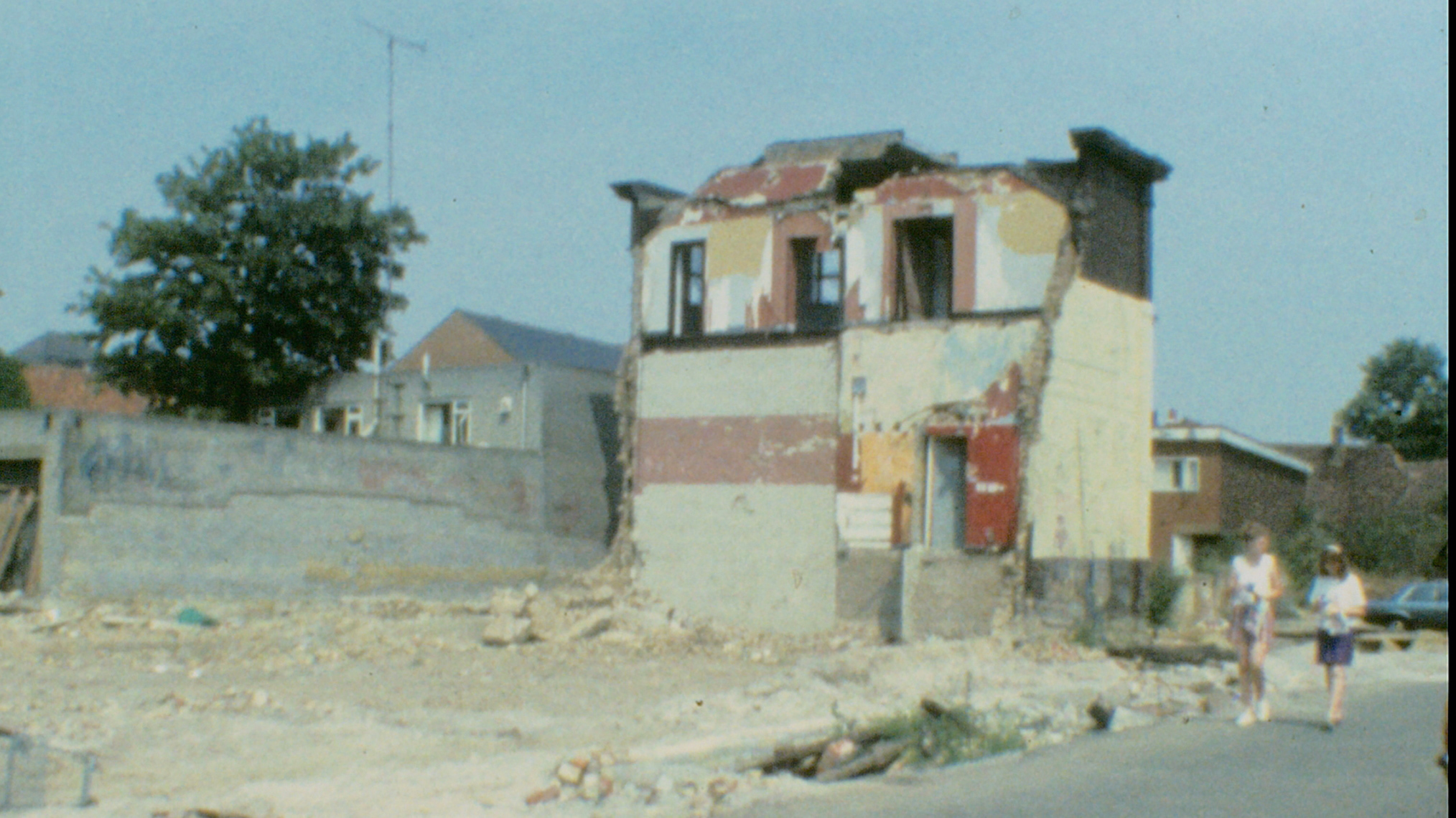
This short film from Alan Stingemore begins with the demolition of a small suburban cinema in an unknown location. We then visit a sad looking Palace Cinema on the Chatham side of Watling Street. Still in Chatham, we see what was once the Theatre Royal, now a ceramic tile shop, before visiting a new housing development in Rochester which replaced the cinema that once occupied the site. Finally, we see Herne Bay's seafront on a sunny day with the clock tower and the Pier Pavilion.
Happily, a number of the cinemas featured in this film have managed to escape the bulldozer. Chatham's Palace Cinema, later renamed the Gaumont, still exists today as a camping equipment superstore. Opened in 1936 the Palace was unusual in that it was not built in the town centre but in the suburbs, close to new housing estates. It was also sited close to the border with Gillingham, a town which had previously voted against cinemas being opened on Sundays, and thus enabled customers from the town to see films on the Sabbath. Meanwhile, Chatham's Theatre Royal, despite being derelict for many years, has been redeveloped into housing with the facade and front-of-house retained.
This short film from Alan Stingemore begins with the demolition of a small suburban cinema in an unknown location. We then visit a sad looking Palace Cinema on the Chatham side of Watling Street. Still in Chatham, we see what was once the Theatre Royal, now a ceramic tile shop, before visiting a new housing development in Rochester which replaced the cinema that once occupied the site. Finally, we see Herne Bay's seafront on a sunny day with the clock tower and the Pier Pavilion.
The cinema has always been so much more than just a place to watch films. At the heights of its powers, the silver screen stood for spectacle, sophistication, electricity and elegance as well as entertainment, and the very venues themselves were star attractions. These architectural marvels stood proud in cities and towns up and down the country, enthralling audiences in their thousands in the days when "going to the pictures" was a national pastime.
For over a century, cinema has endured, and cinemas have changed with the times. The rise of television, video and home cinemas may have splintered the cultural dominance of the movies while bringing films to smaller and more convenient screens, but the thrill of the communal experience remains - as do many of the monumental structures themselves, whether they have been converted into bingo halls, renovated into plush modern picture houses, or left to loom over the high street.
This collection celebrates the cinema as both a cultural icon and a haven for generations of starry-eyed dreamers, and documents the changing face of filmgoing from the bygone bioscopes and the lavish picture palaces of yesteryear to the sticky-floored multiplexes of today. So dim the lights, grab your popcorn, and lose yourself in the magic of the silver screen.