Captain Birdseye in Guildford
From the collection of
Join Captain Birdseye in Guildford as he appears at a fun run through the town - and guess what's showing at the Odeon
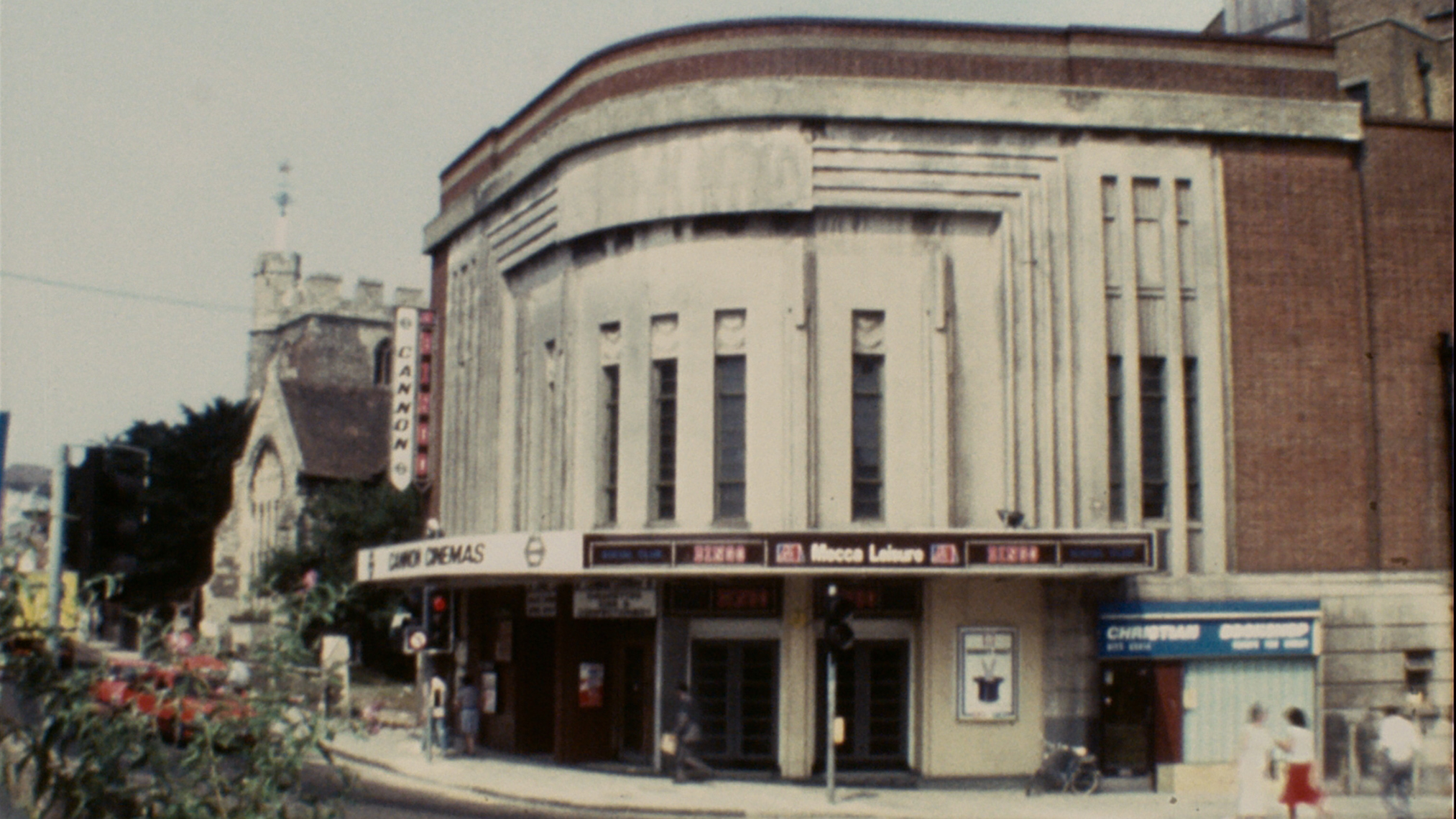
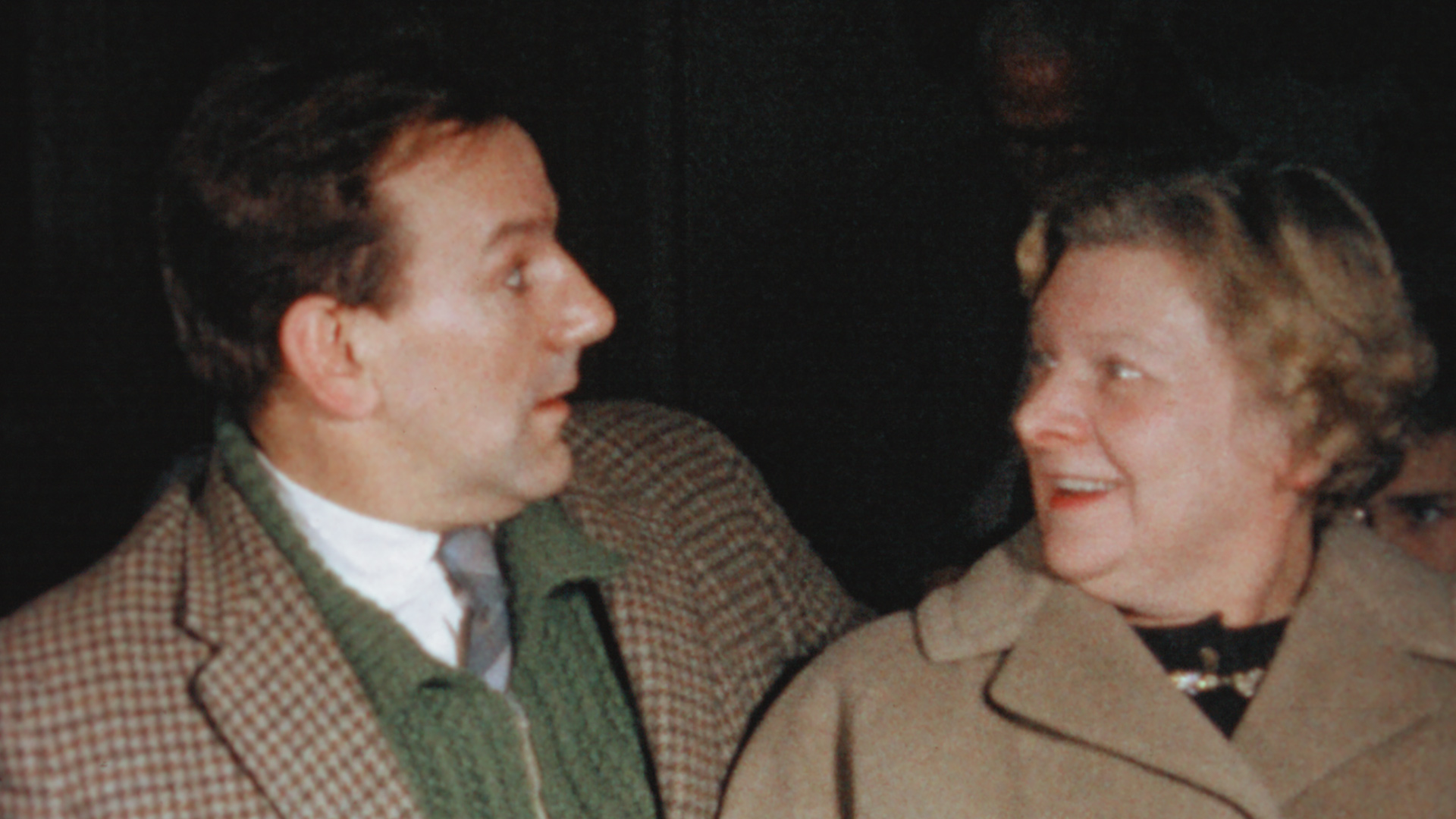
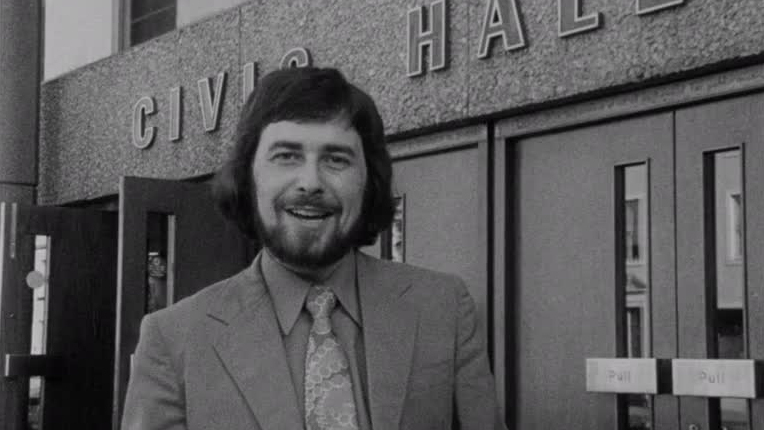
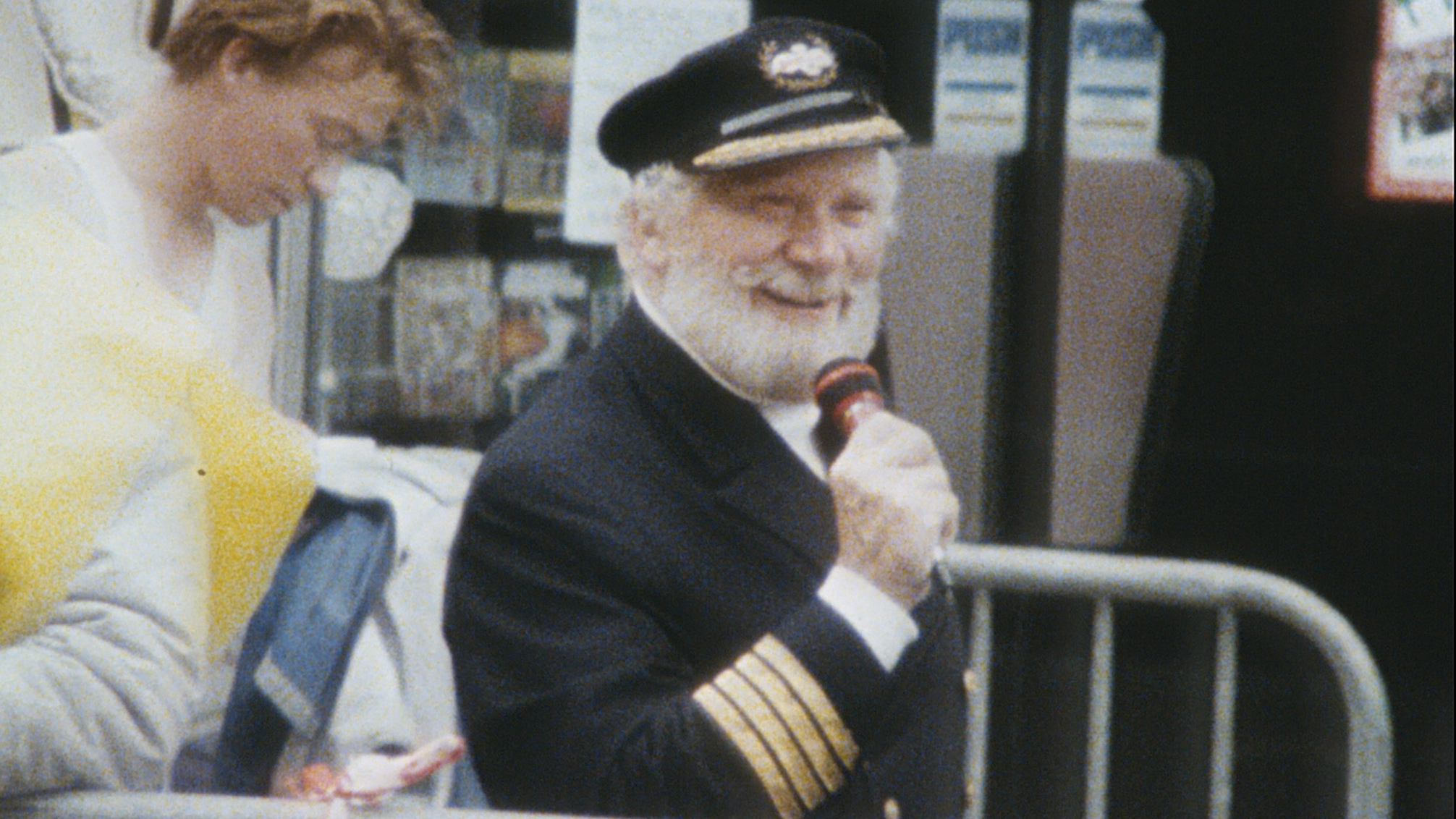
This short film opens with a view of Guildford's Guild Hall with its famous 300 year old clock. In the street below we see the actor John Hewer - otherwise known as Captain Birdseye - taking time off from promoting fish fingers to appear at a fun run that is coursing through the town. We then get a view of the Odeon cinema, which is screening Lethal Weapon and Batman. Runners are seen crossing a road before we return to the Odeon where customers are waiting for the doors to open.
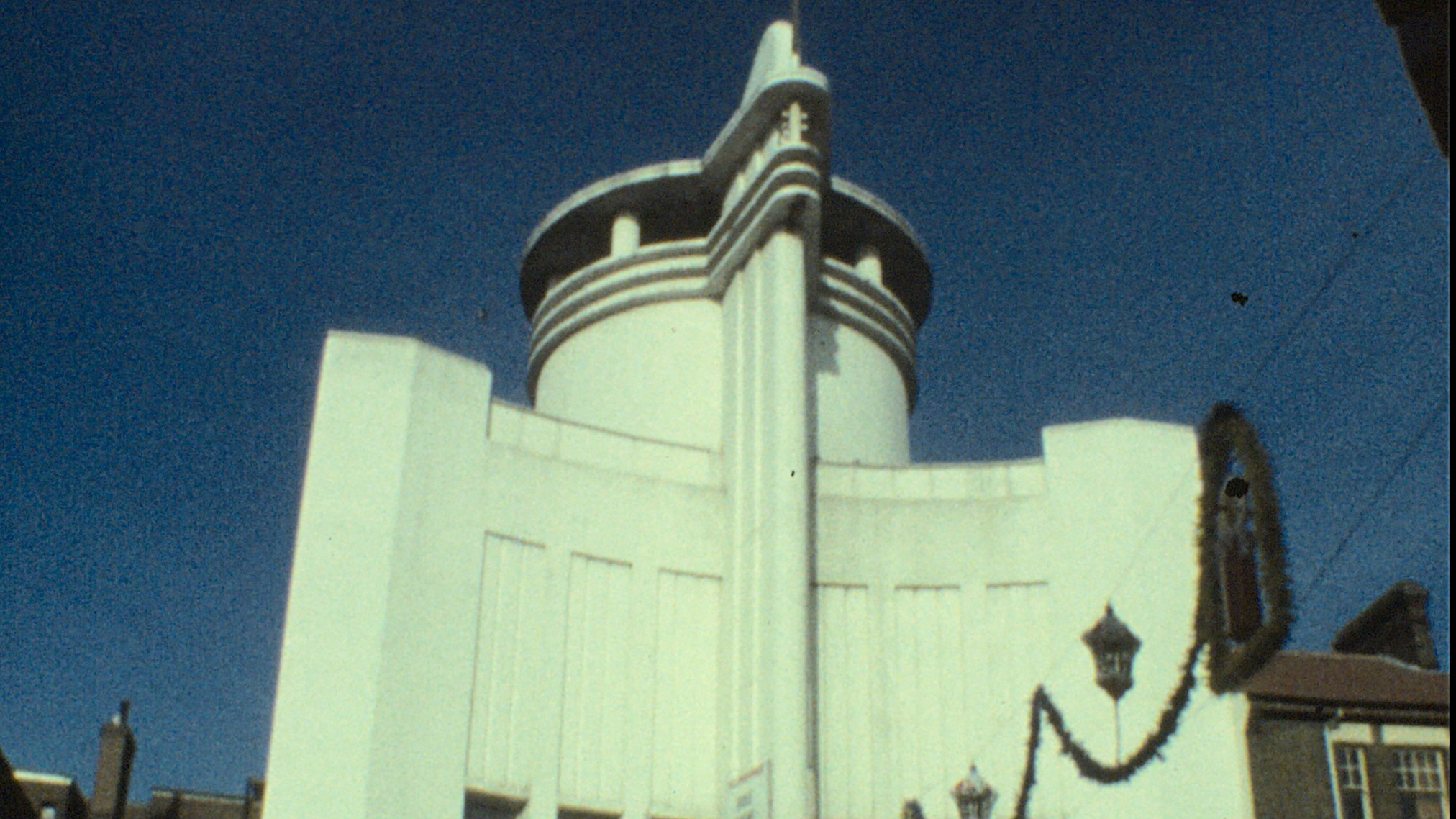
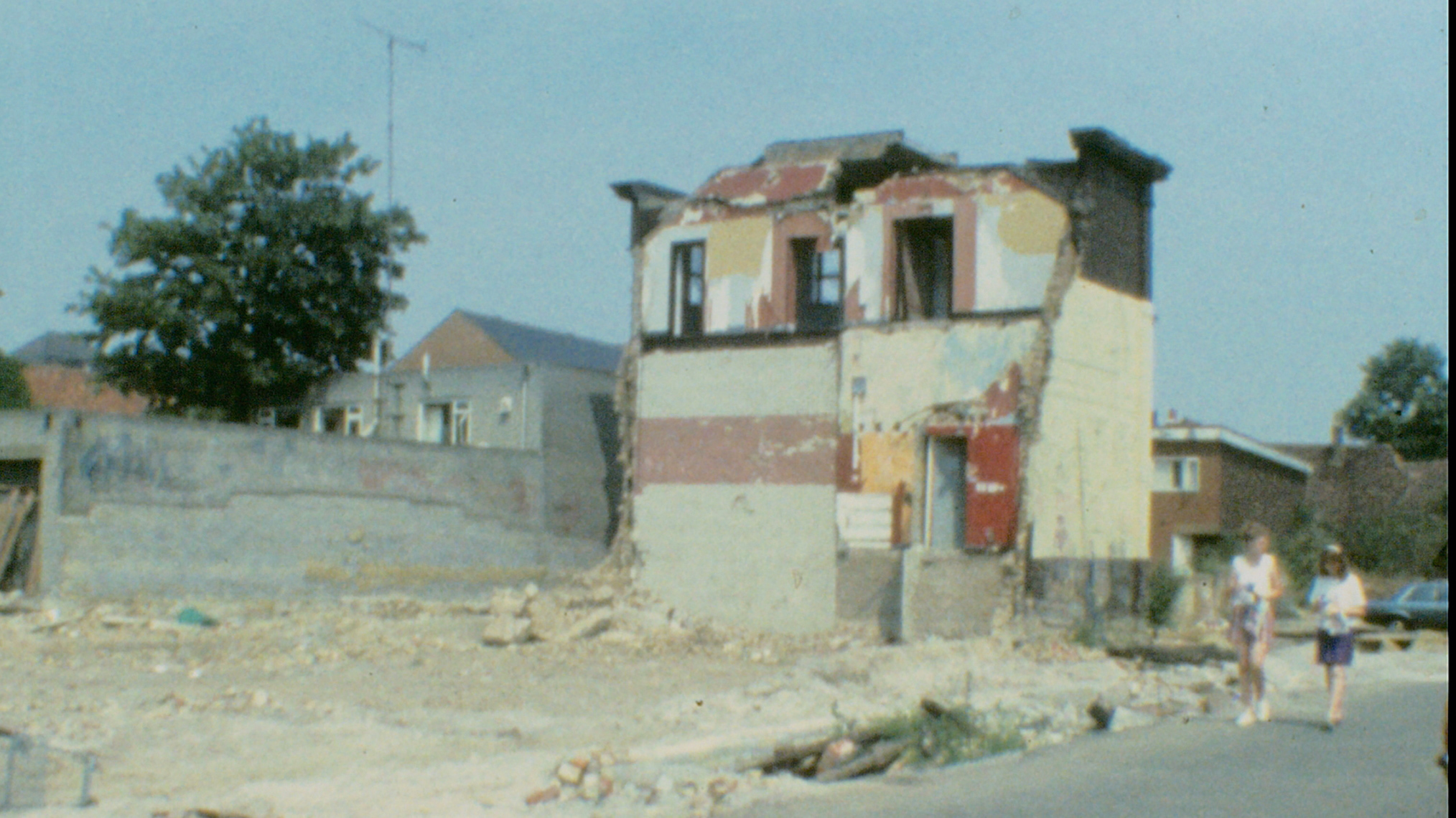
Guildford's original Odeon was designed by Andrew Mather and J. Raworth Hill, as a complex containing shops, offices and the 1600 seat cinema. It opened in May 1935 with a screening of 'Brewster's Millions' starring Jack Buchanan. The Odeon name was set into the white stone which formed a frieze at the top of the building’s tall facade. However, the use of neon lighting was not allowed by the town council. In 1973 the cinema was converted into three and later four screens as was common practise at the time. The arrival of an eight screen Odeon multiplex in 1996 sounded the death knell for the former cinema and in 2002 it was demolished. A block of shops and flats now stands on the site.
This short film opens with a view of Guildford's Guild Hall with its famous 300 year old clock. In the street below we see the actor John Hewer - otherwise known as Captain Birdseye - taking time off from promoting fish fingers to appear at a fun run that is coursing through the town. We then get a view of the Odeon cinema, which is screening Lethal Weapon and Batman. Runners are seen crossing a road before we return to the Odeon where customers are waiting for the doors to open.
The cinema has always been so much more than just a place to watch films. At the heights of its powers, the silver screen stood for spectacle, sophistication, electricity and elegance as well as entertainment, and the very venues themselves were star attractions. These architectural marvels stood proud in cities and towns up and down the country, enthralling audiences in their thousands in the days when "going to the pictures" was a national pastime.
For over a century, cinema has endured, and cinemas have changed with the times. The rise of television, video and home cinemas may have splintered the cultural dominance of the movies while bringing films to smaller and more convenient screens, but the thrill of the communal experience remains - as do many of the monumental structures themselves, whether they have been converted into bingo halls, renovated into plush modern picture houses, or left to loom over the high street.
This collection celebrates the cinema as both a cultural icon and a haven for generations of starry-eyed dreamers, and documents the changing face of filmgoing from the bygone bioscopes and the lavish picture palaces of yesteryear to the sticky-floored multiplexes of today. So dim the lights, grab your popcorn, and lose yourself in the magic of the silver screen.