Screen Archive South East at the University of Brighton collects, preserves, catalogues and provides public access to its collection of films and magic lantern slides. The collection charts the rise of screen culture in the region and the nation and captures many aspects of life, work and creativity in the South East from the late 19th century to the present day. It is available for research, screenings, creative re-use and commercial access.
VE Day at Manston Grove and potato planting
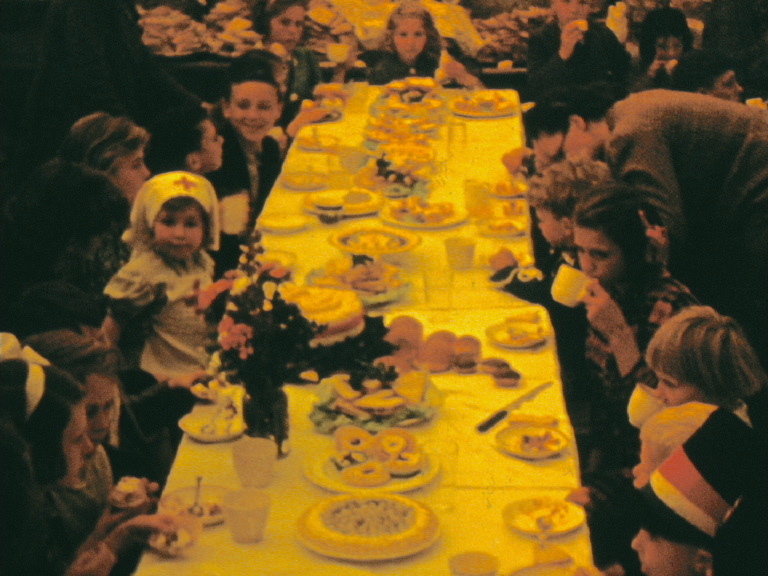
There's Victory jollity aplenty and a sumptuous banquet, despite rationing, for the children of Manston, Kent. We also see potato-girls in action and a mini-baby boom.
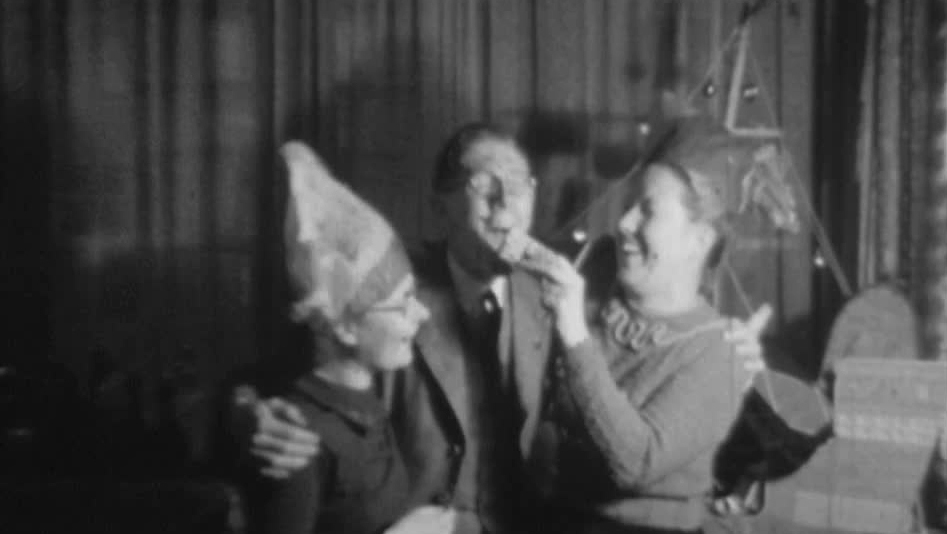
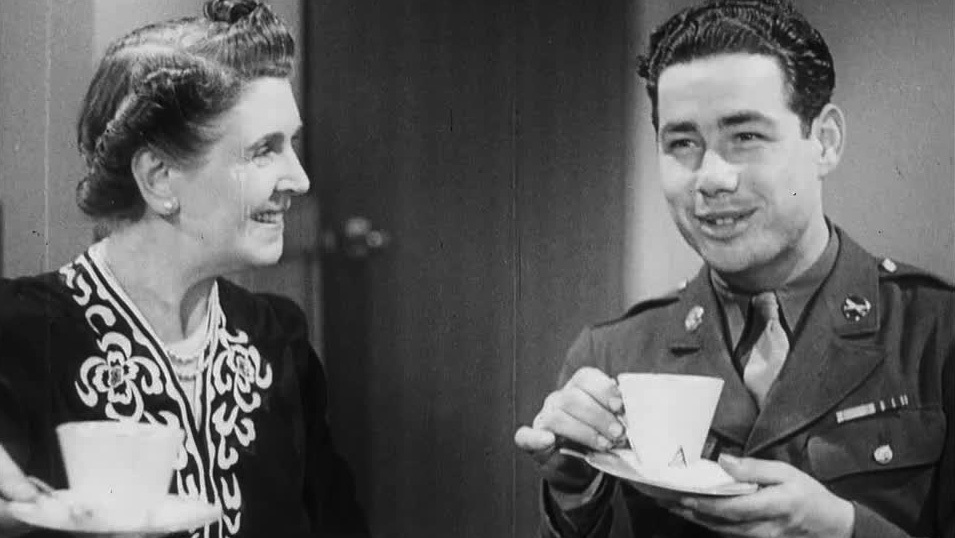
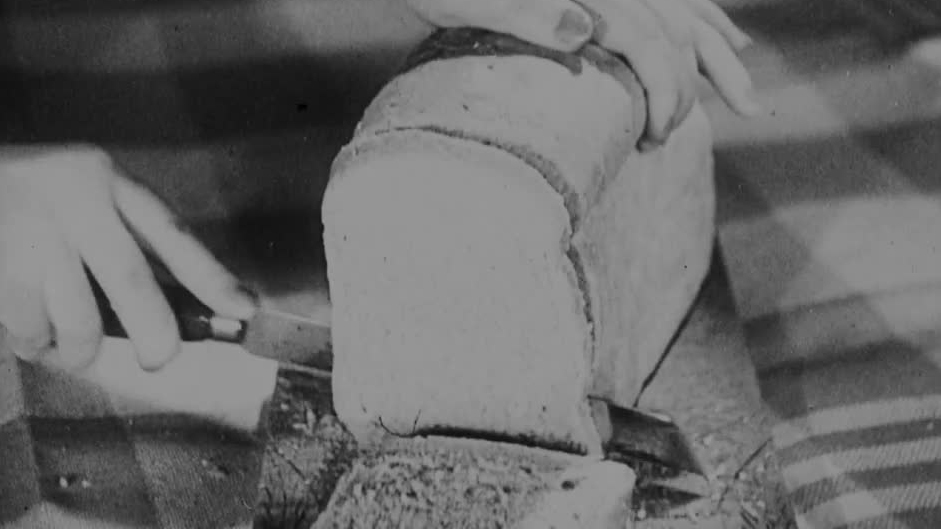
This touching film shows Manston Grove celebrating VE Day, starting with a bizarre cross-dressing race and a marquee full of food being readied for a children's party, despite rationing. Watch for the string of doughnuts suspended under the tent. Then we see a tractor pull a potato planter while five women sit and work precariously onboard. Scenes follow showing a large well-to-do family posing for photos in 1946, while a mini baby-boom seems to have occurred.
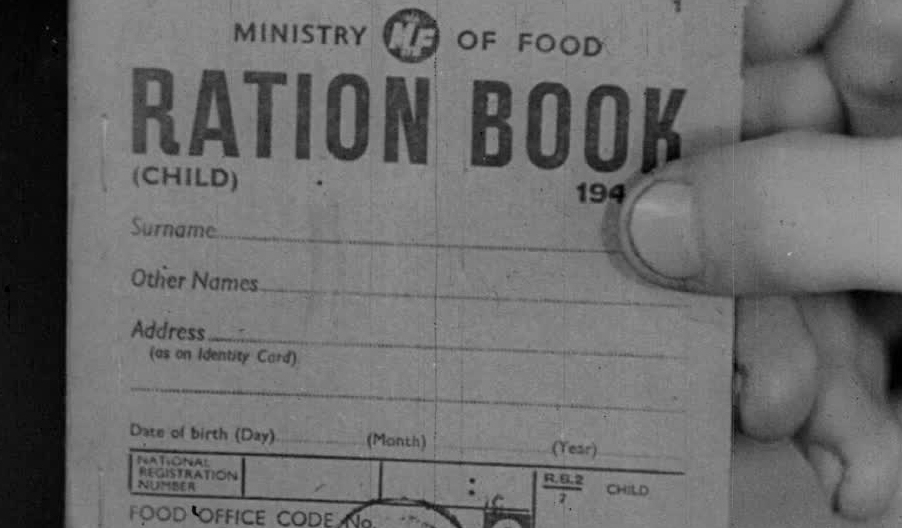
As if the bombs weren't enough, wartime Britons faced another fearsome foe: the ration book...
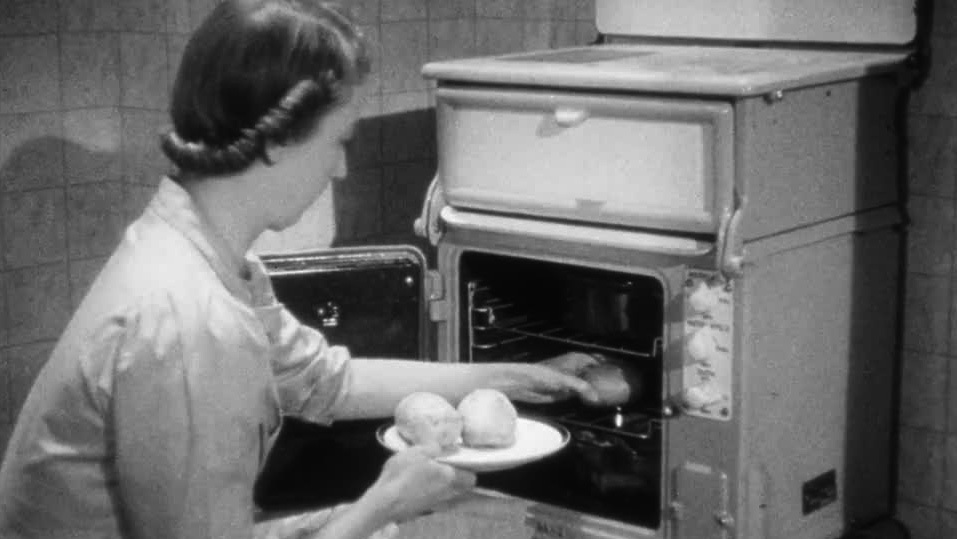
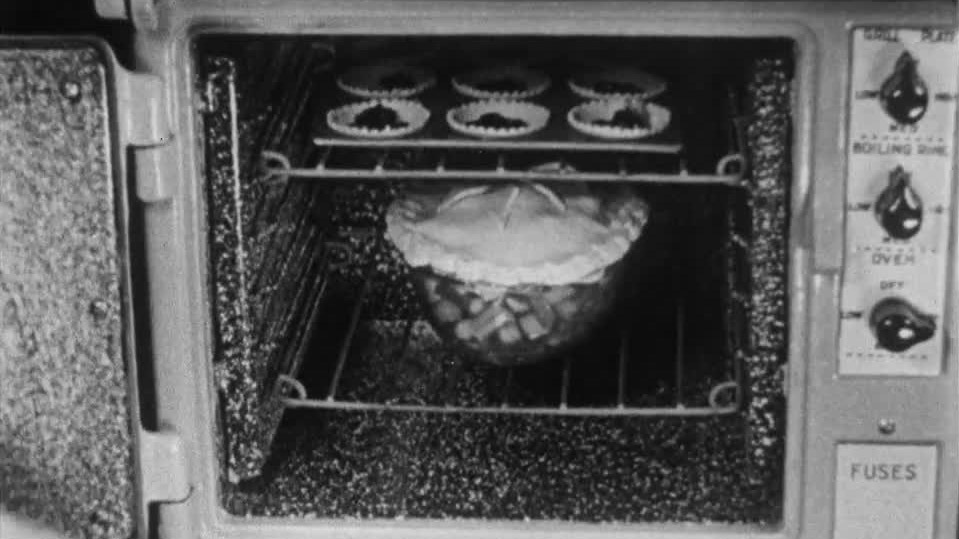
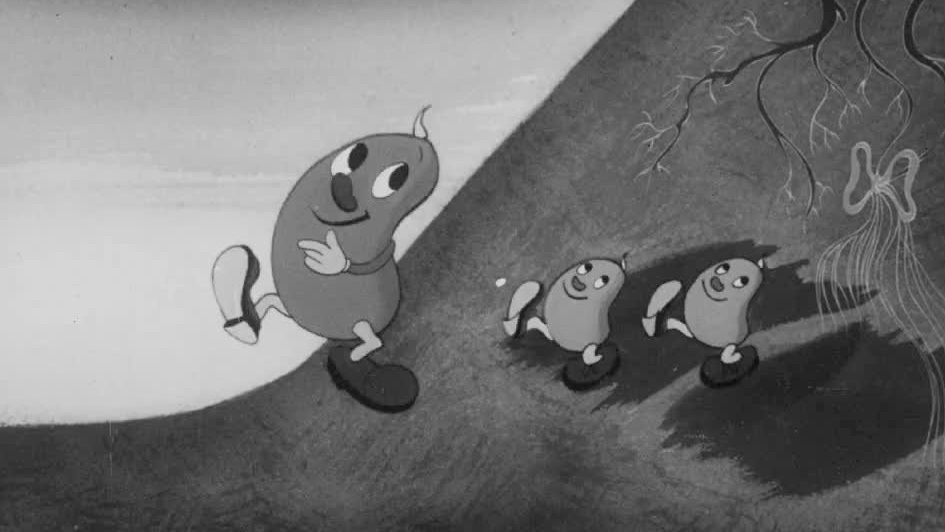
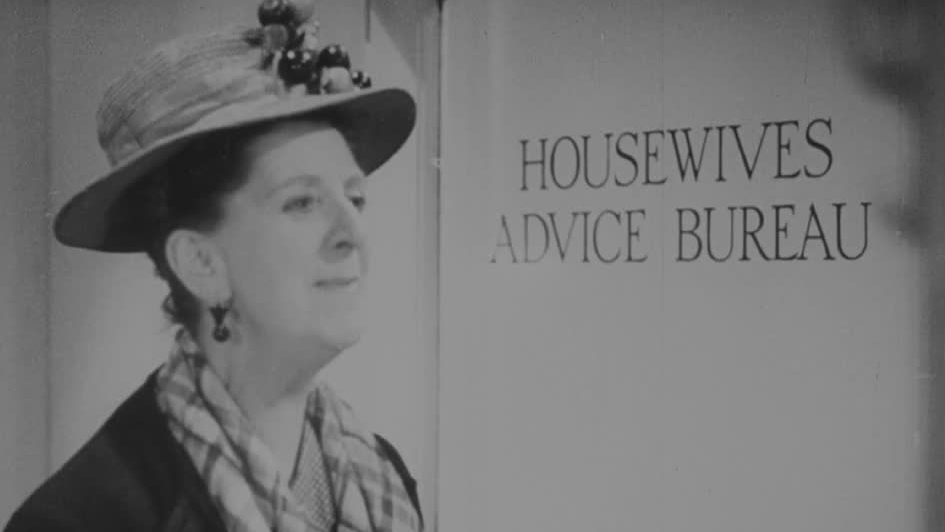
Everyday goods, from food and fuel to clothing, became luxuries - especially with supplies from Britain's Empire territories routinely intercepted by Nazi U-boats. Public information messages urged housewives to get creative with dried eggs and potato peel. Austerity was soul-sapping, and lasted long after the peace was won.
But rationing did help foster a sense of 'all in it together' and focused minds on managing scarce resources (while also creating profitable opportunities for the entrepreneurial 'spiv'). Make-do-and-mend became second nature, and wartime Brits recycled and salvaged more diligently then even today's eco-conscious citizens.