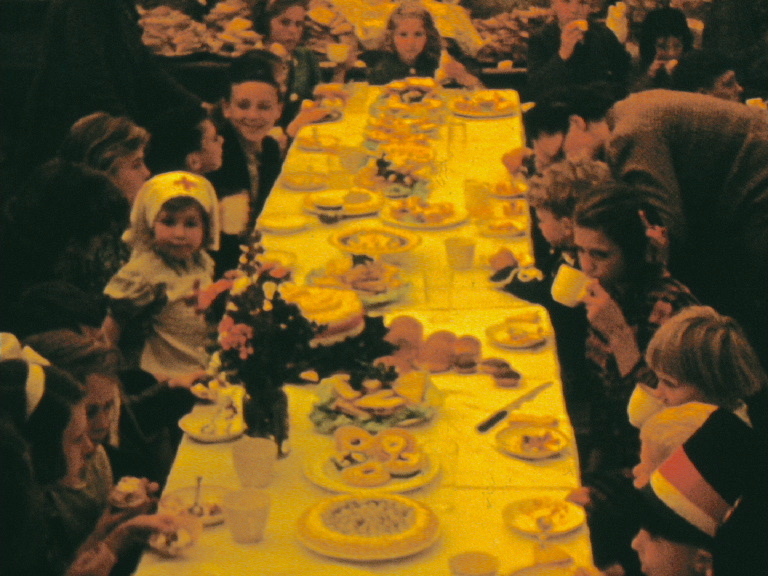
Food Flash: Don't Waste Bread
Crumbs! Victory celebrations give way to postwar austerity as shortages leave countries short of dough in more ways than one.
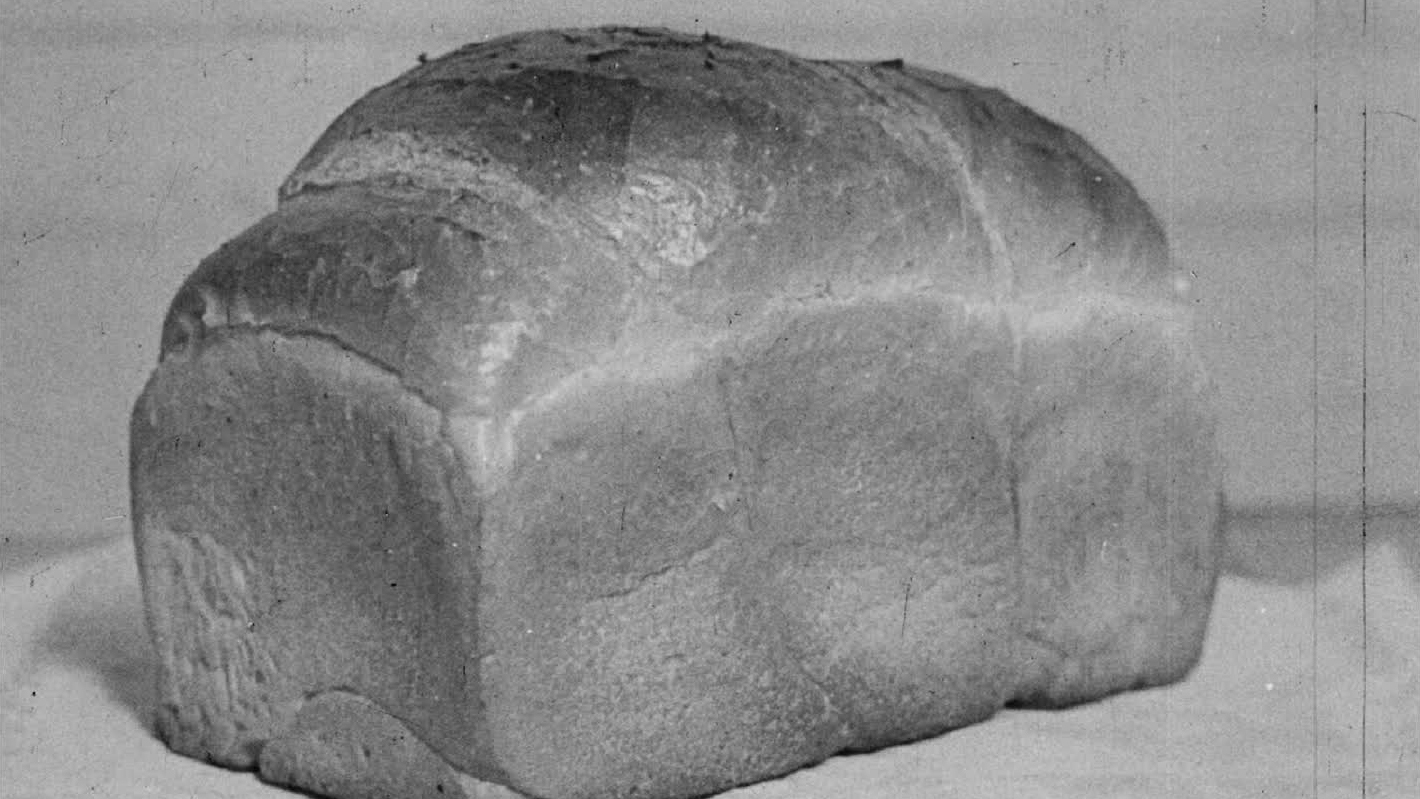
The low-carb option proved a necessity rather than a diet trend after WWII. This 'Food Flash' - a short government-sponsored message interspersed in the cinema programme - was an early sign of ongoing shortages in the postwar period. The introduction of rationing for bread on 21 July 1946 was a bitter pill to swallow, since it was one of the few commodities that escaped rationing even during the height of war. The ration was lifted in 1948.
Ration Book Britain
As if the bombs weren't enough, wartime Britons faced another fearsome foe: the ration book...
Everyday goods, from food and fuel to clothing, became luxuries - especially with supplies from Britain's Empire territories routinely intercepted by Nazi U-boats. Public information messages urged housewives to get creative with dried eggs and potato peel. Austerity was soul-sapping, and lasted long after the peace was won.
But rationing did help foster a sense of 'all in it together' and focused minds on managing scarce resources (while also creating profitable opportunities for the entrepreneurial 'spiv'). Make-do-and-mend became second nature, and wartime Brits recycled and salvaged more diligently then even today's eco-conscious citizens.
19 videos in this collection
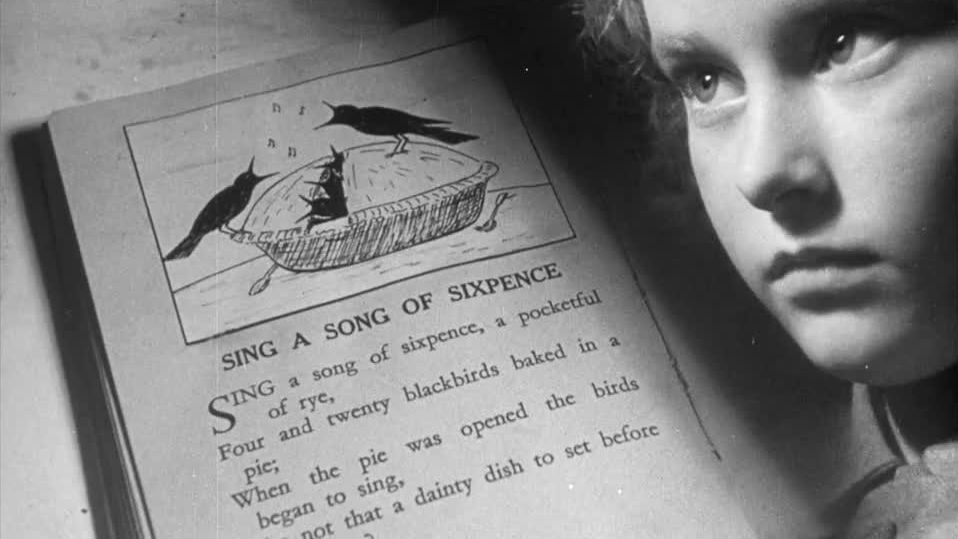
When the Pie Was Opened
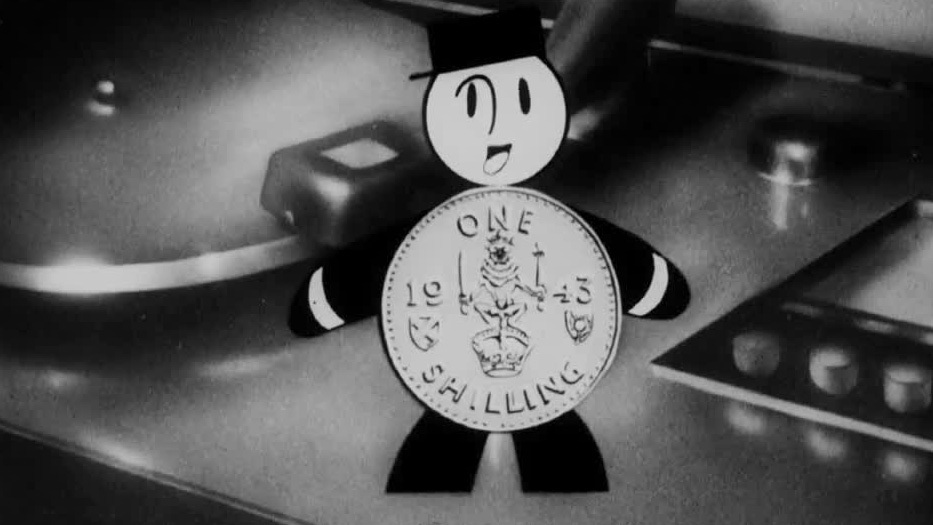
Bob in the Pound
Bampton Shows the Way
Another Little Drop...
Bringing It Home
The Photographs Are Watching
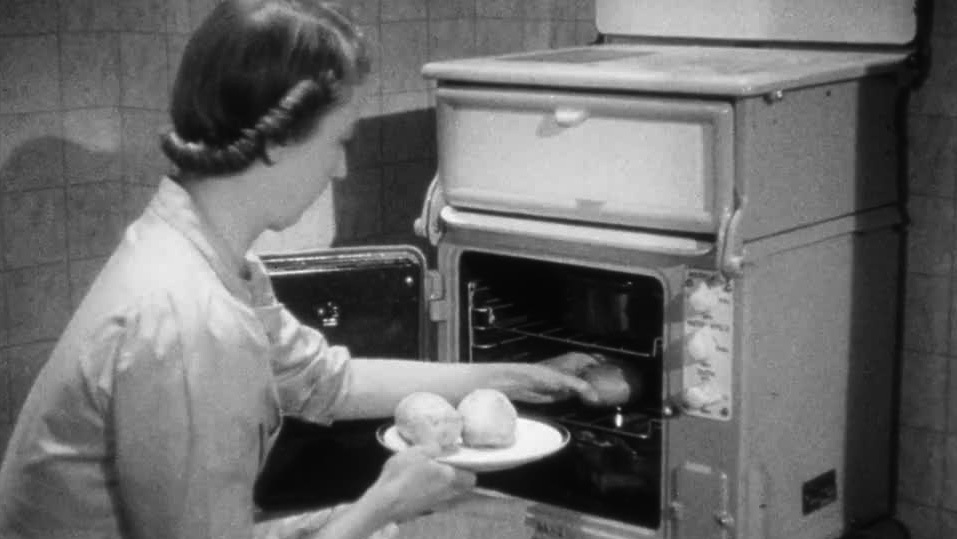
Potatoes
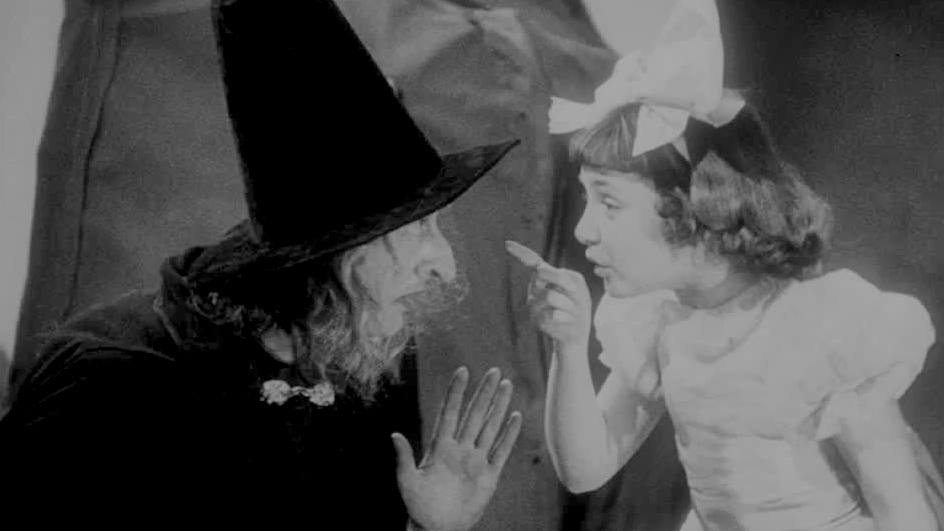
The Wicked Witch (Rinso Advert),
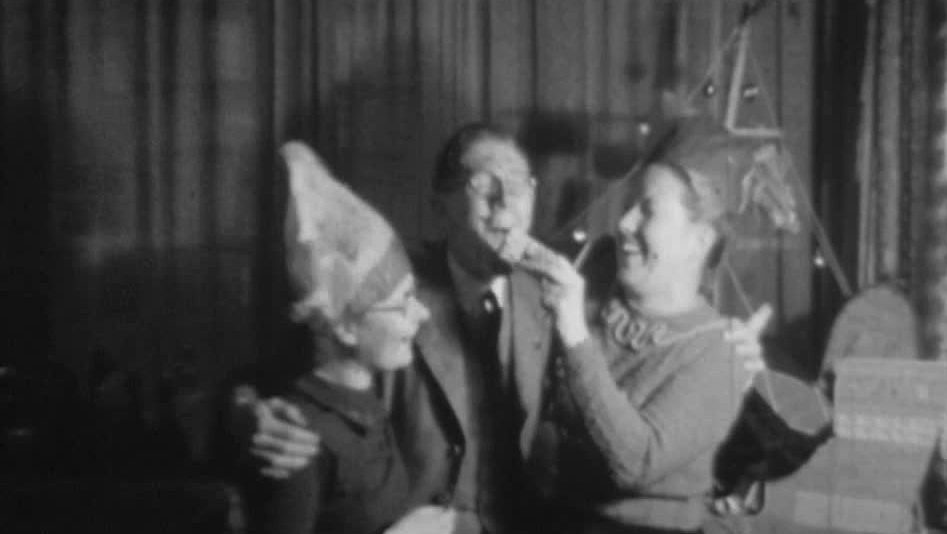
Our Christmas 1941 - Spent at Daisy's and Dolly's
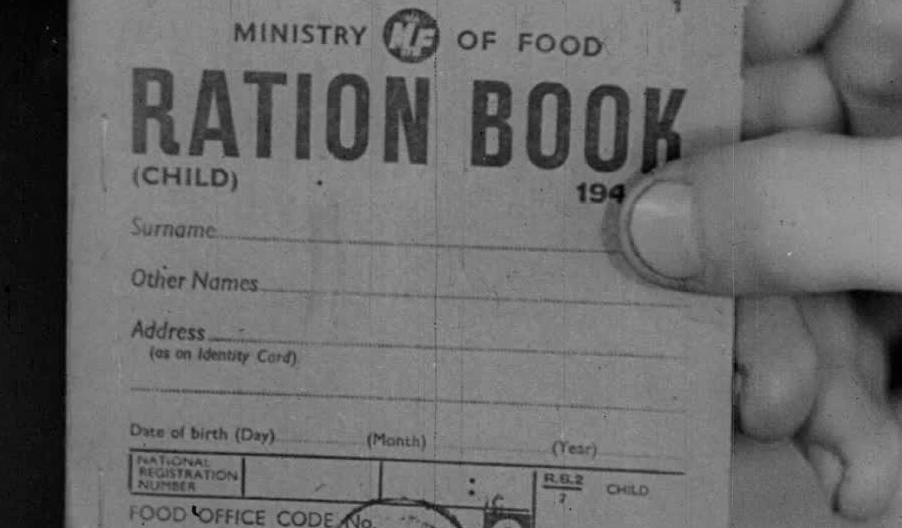
War Rationing Milk
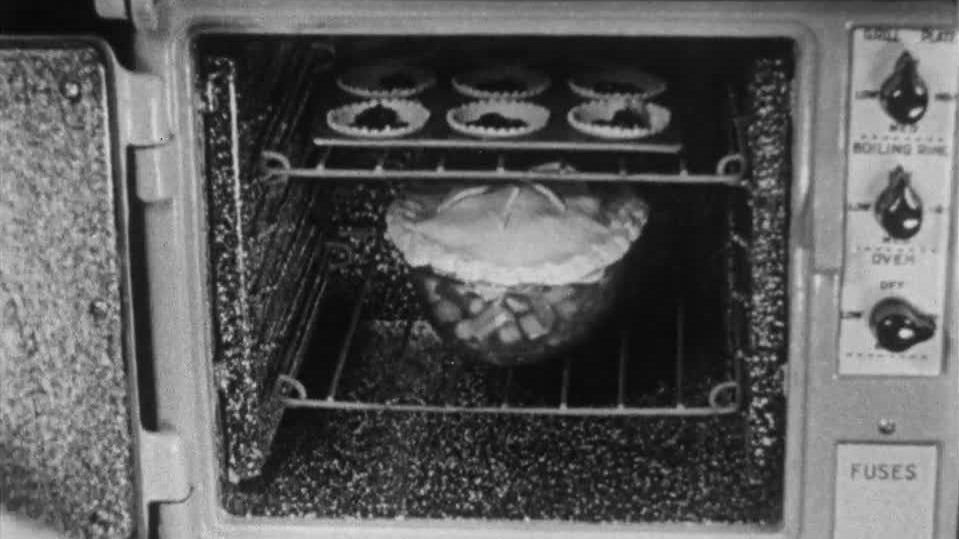
How to Bake
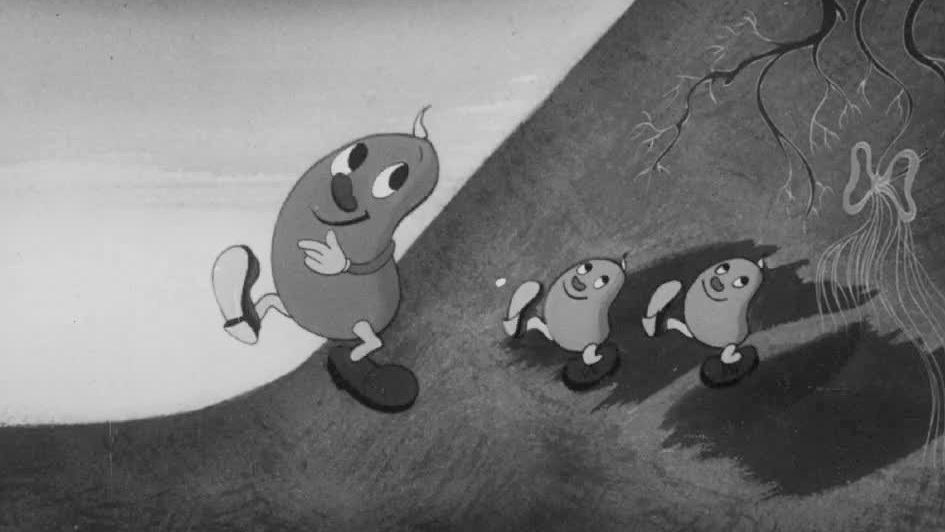
Filling the Gap
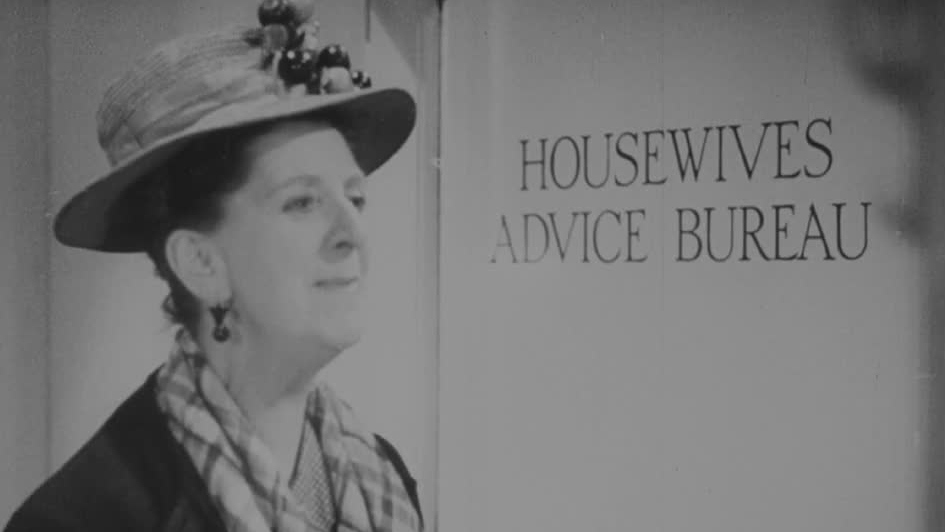
Mrs. Mopp Asks Why
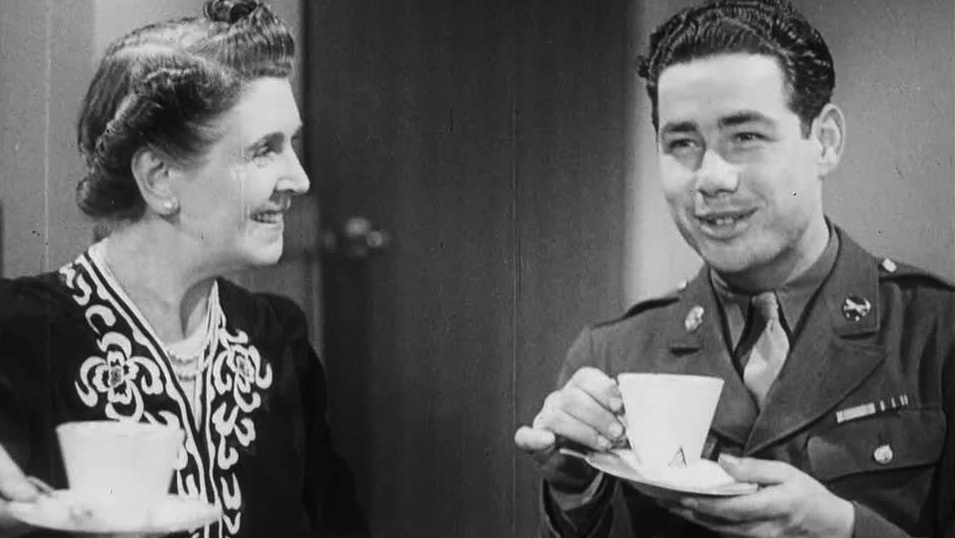
U.S. And Us
VE/VJ Don't Waste Bread
Sketchbook of Fashion (Knights Castile Advert)
Signs of the Times No.58