Queen Victoria's Diamond Jubilee Paul (St Paul's: South 4)
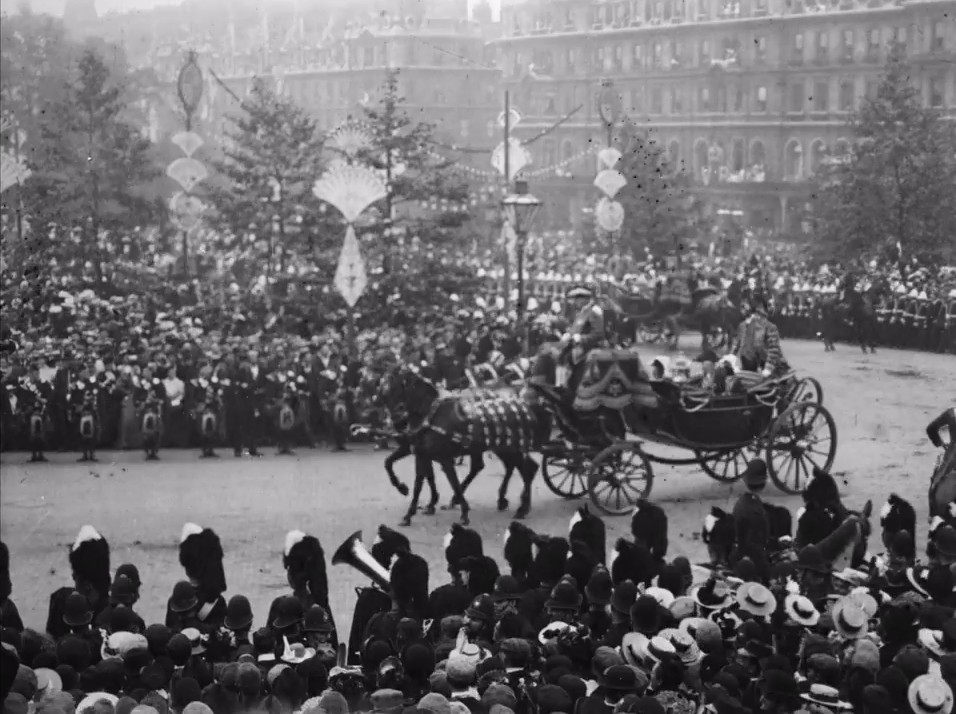
The moment preceding the arrival of the Queen's Carriage
Although it's almost identical to another piece of film showing this moment of the Jubilee (shot by the same camera), this scrap of celluloid, probably an early print from RW Paul's Animatograph Company sent to the colonies soon after the Jubilee, arrived back in England all the way from Canada. This journey is testament not only to the breadth of the Empire at the time (reflected in the number of colonial troops visible), but also of the scope of cinema as a medium of communication.
Robert Paul: Giant of Early Film
The most prolific filmmaker of the pioneer period of British film
The multi-talented Robert Paul (1869-1943) was the first British filmmaker to project film for a paying audience, in 1896. A contemporary of the Lumiere brothers, Paul had been producing film, in partnership with Birt Acres, for his own brand of Kinetoscope viewer since April 1895. Shortly after, he began producing for his Theatrograph and Animatographe machines, enjoying a long run at the Alhambra in Leicester Square. As an engineer, Paul made a number of significant innovations - such as an intermittent mechanism for efficiently projecting film. But he also made key innovations in film language, such as the first two-shot fiction film, Come Along Do! (1898). To cap it all, he was a shrewd businessman, with an instinctive grasp of audience tastes.
51 videos in this collection
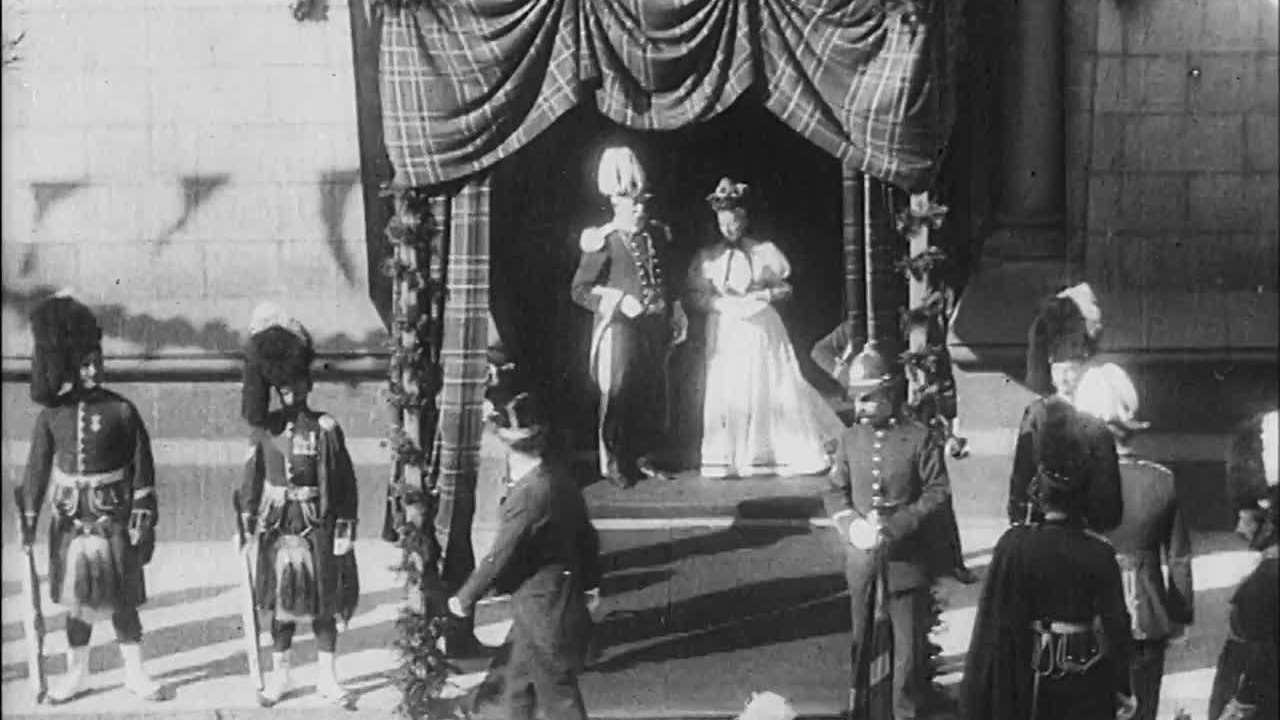
Aberdeen University Quatercentenary Celebrations
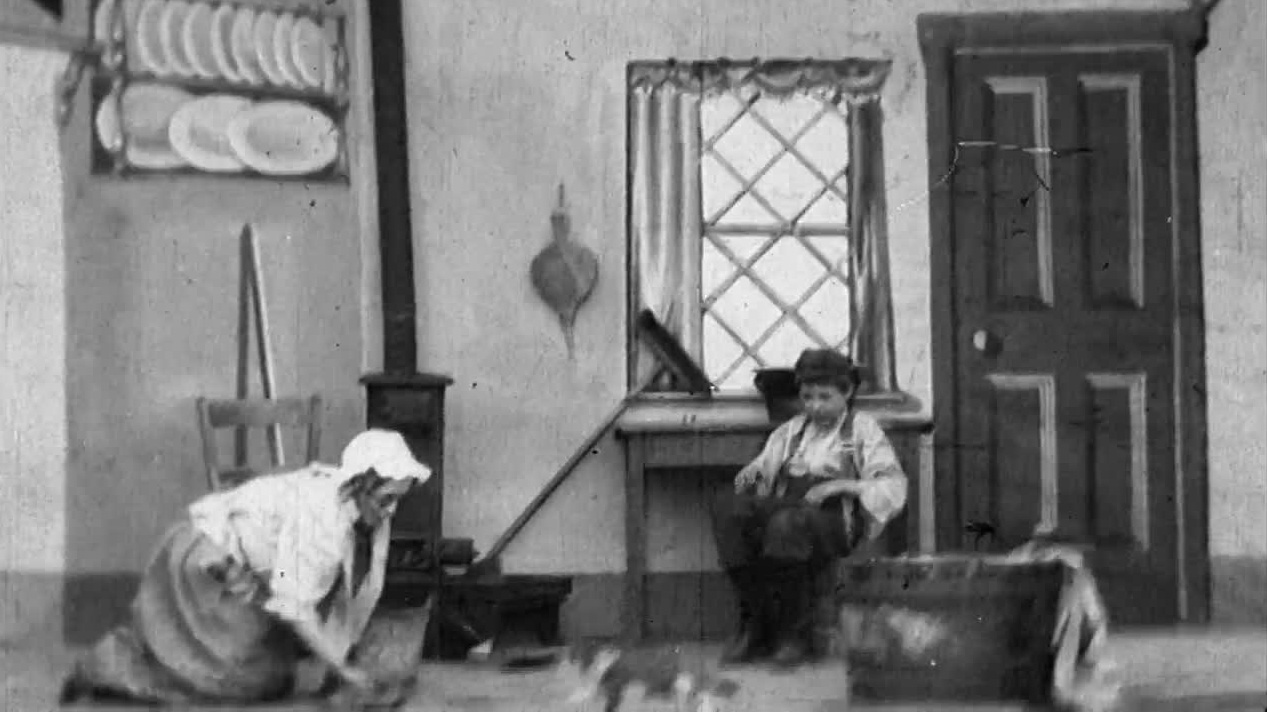
Drat That Boy!
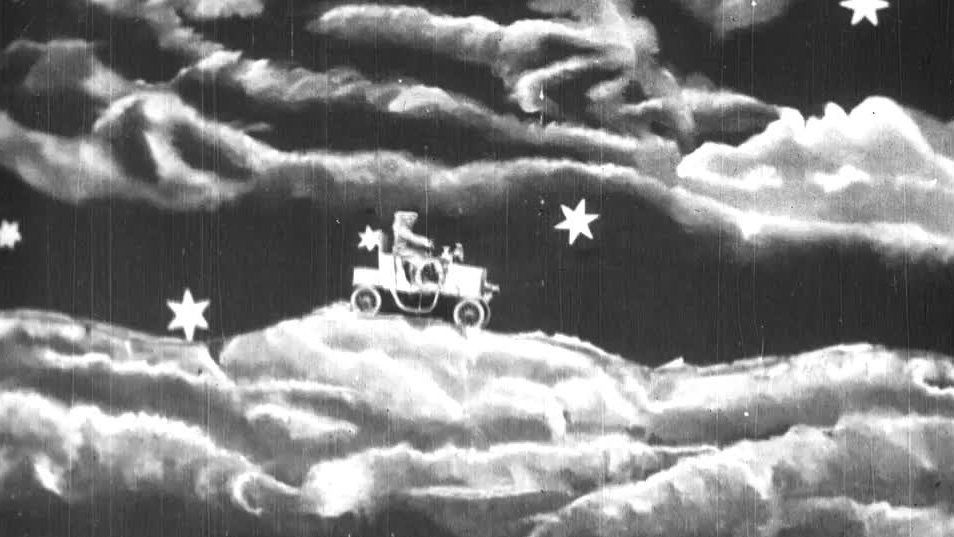
The "?" Motorist
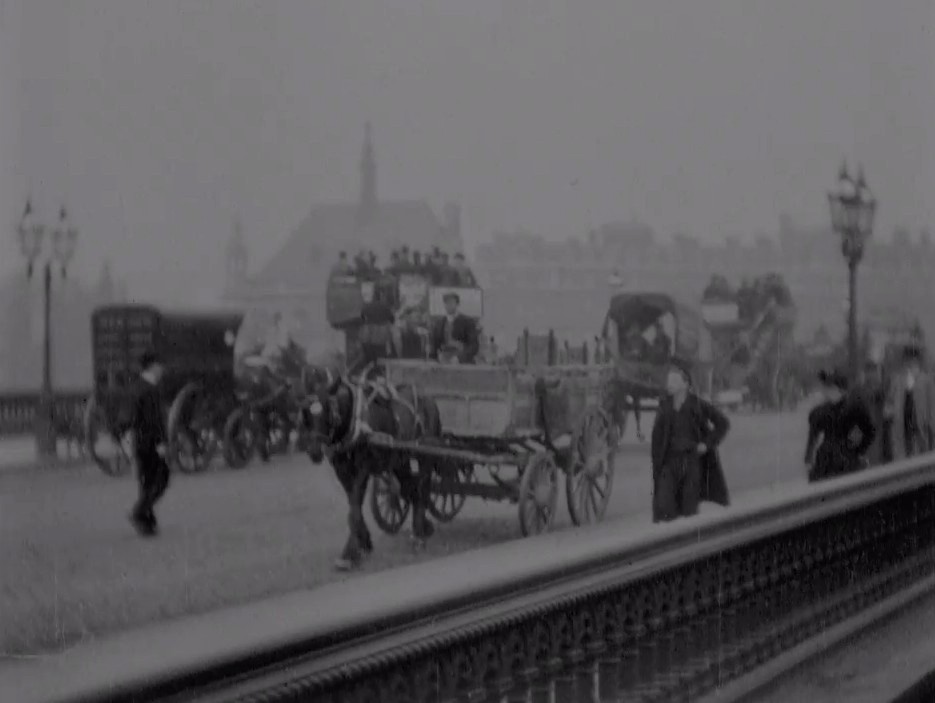
Blackfriars Bridge
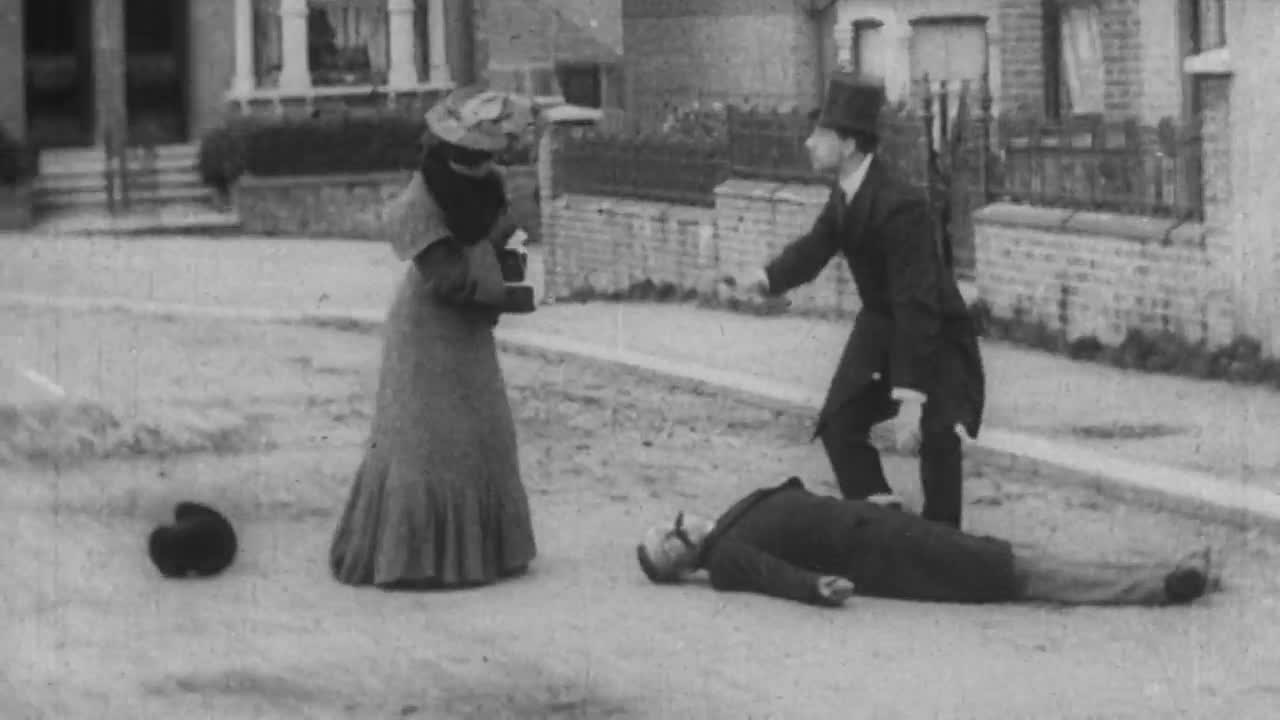
Extraordinary Cab Accident
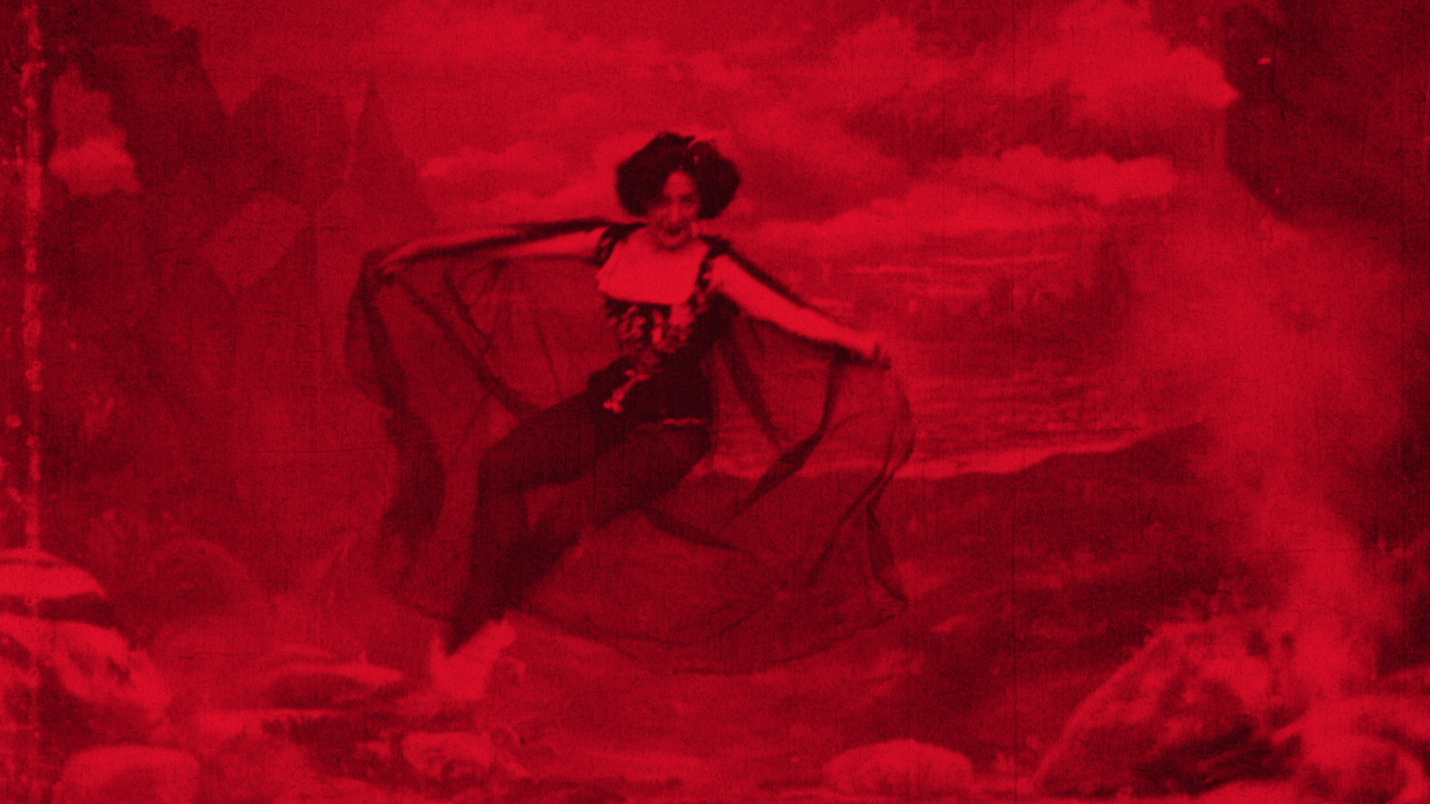
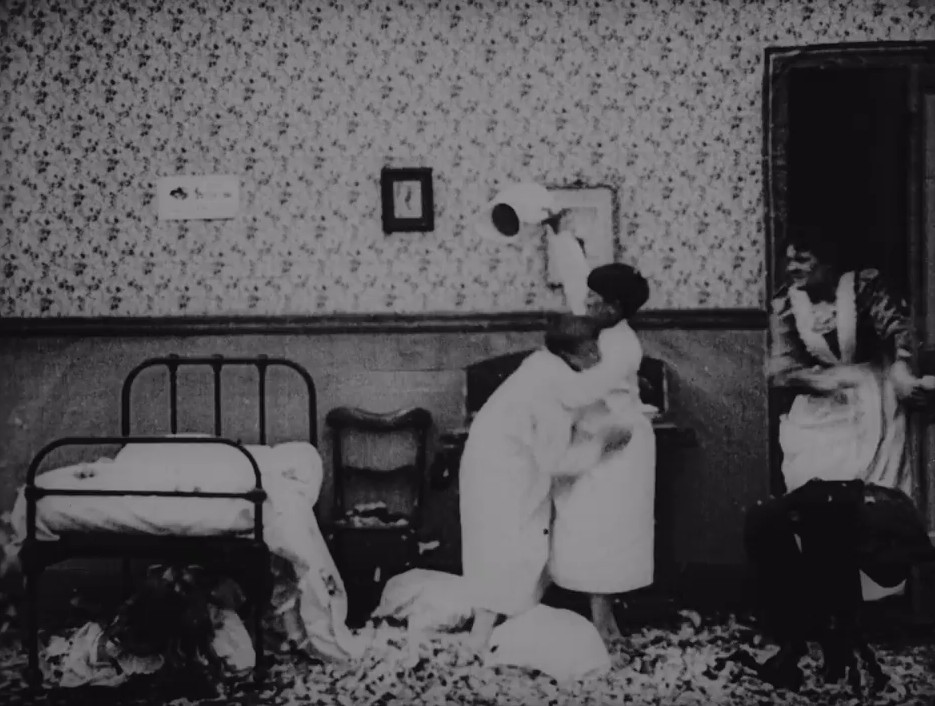
The Dancer's Dream
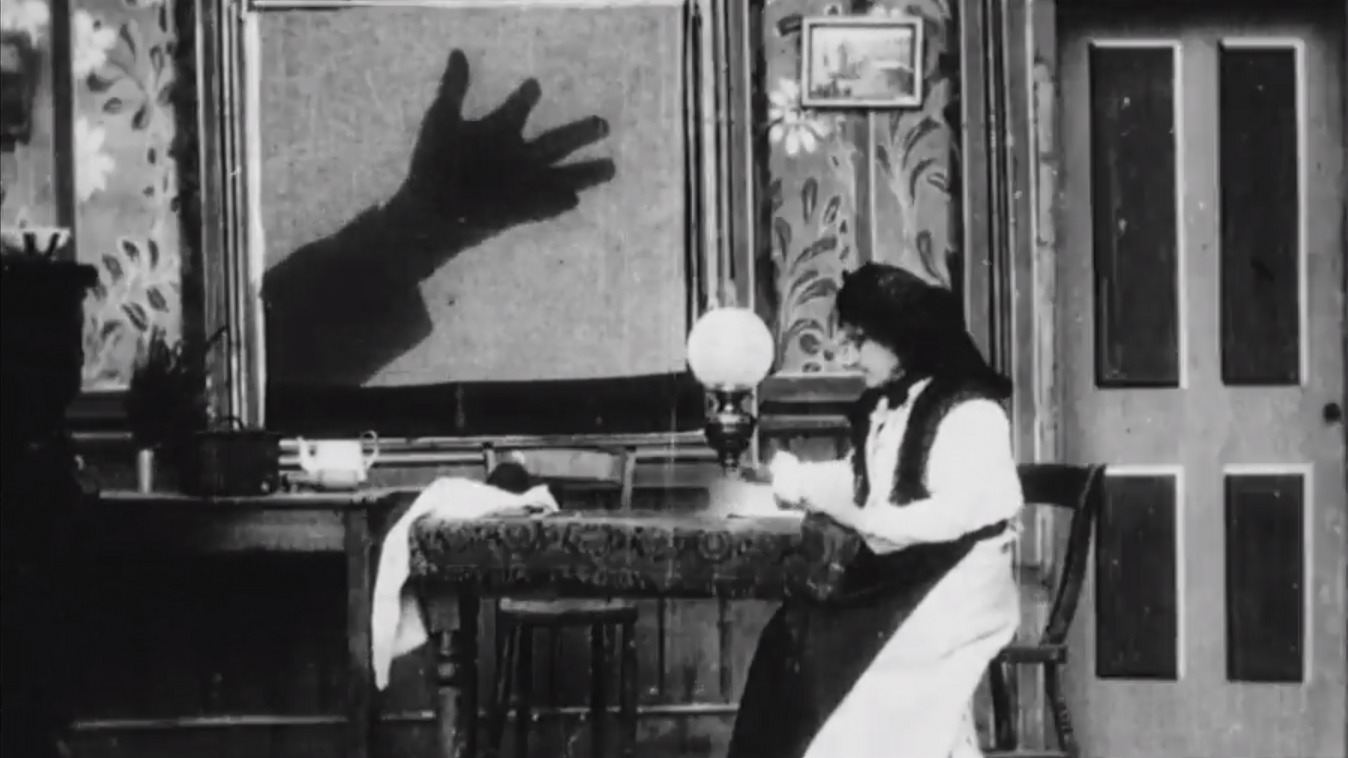
The Medium Exposed? Or, A Modern Spiritualistic Seance
The Derby
A Miner's Daily Life
Footpads
Coronation Durbar at Delhi
A Lively Quarter-day
The Waif and the Wizard; or, The Home Made Happy
The Launch of H.M.S. Albion
Nurses Attending the Wounded
Breakers
The Training of Infantry
Scrooge; Or, Marley's Ghost
Comic Costume Race
Come Along, Do!
Gordon Highlanders Leaving for the Boer War
Up the River
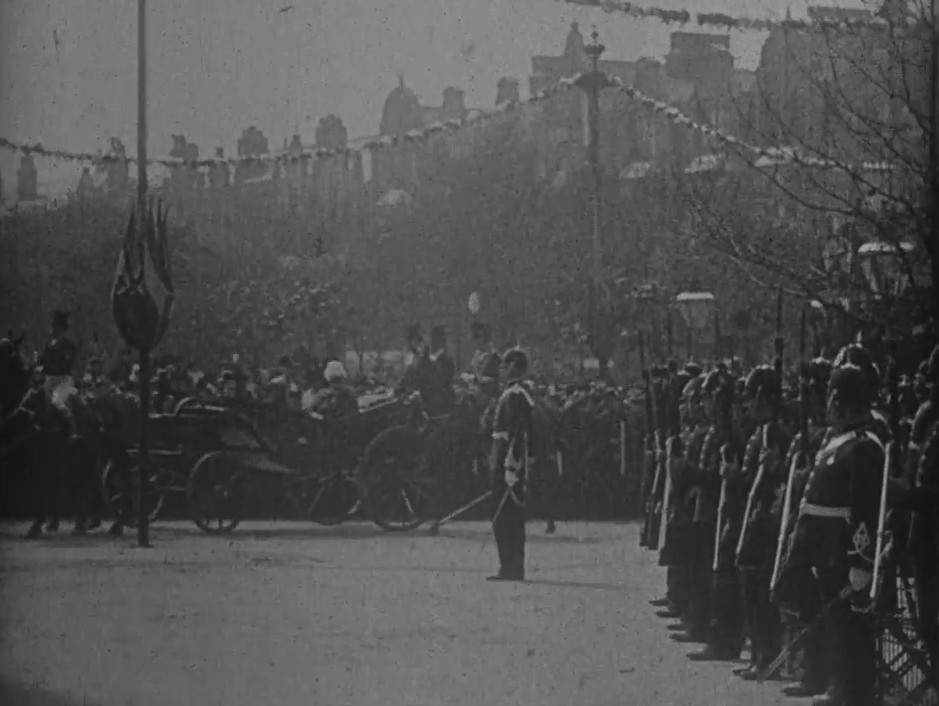
Queen Victoria's Diamond Jubilee Paul (St Paul's: South 3)
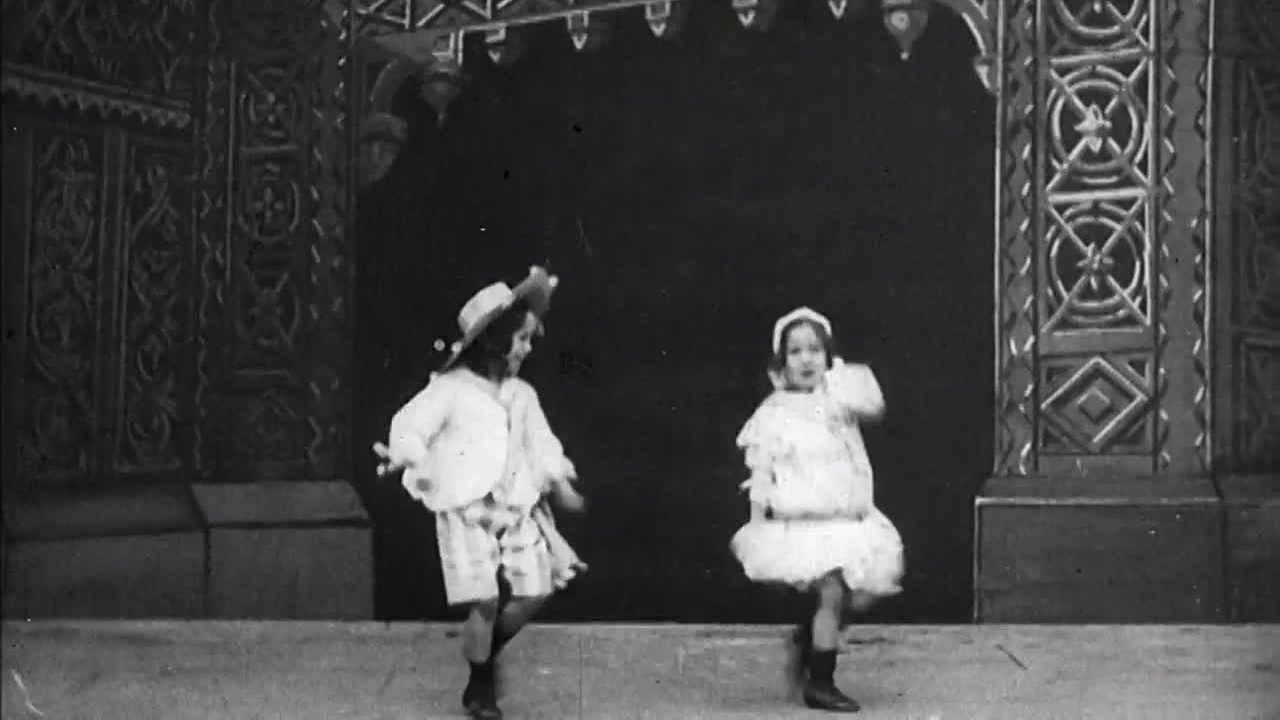
The Kiddies' Cakewalk
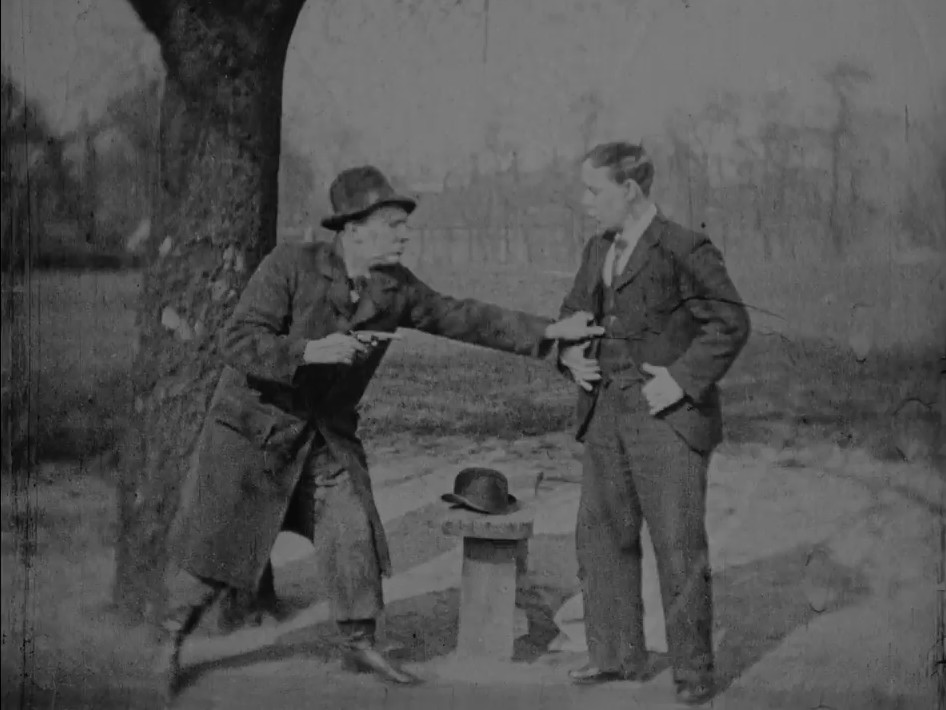
Robbery
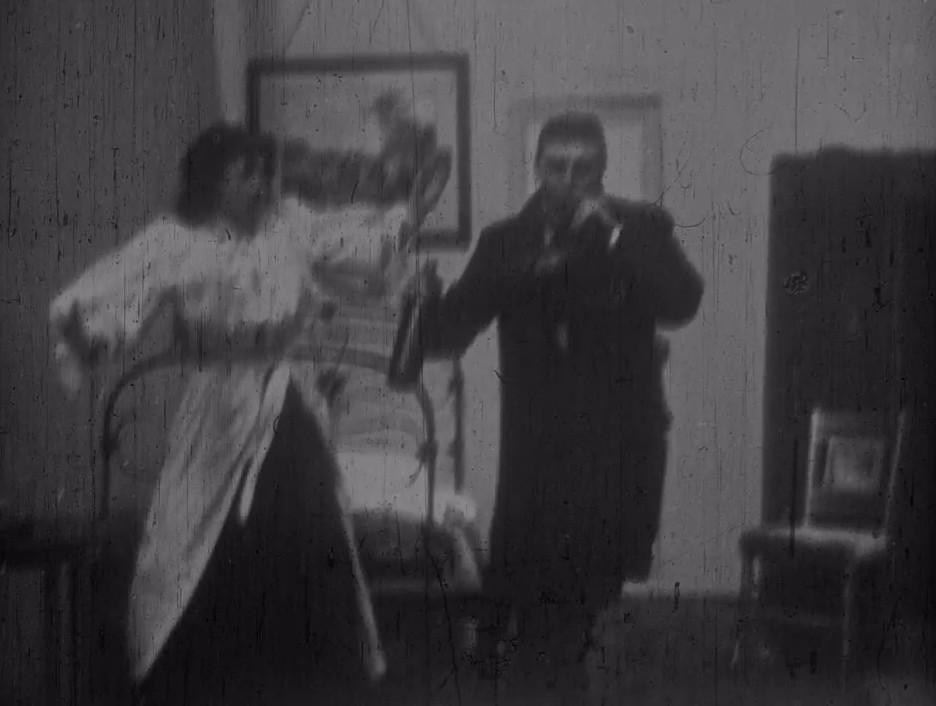
Two A.M.; Or, The Husband's Return
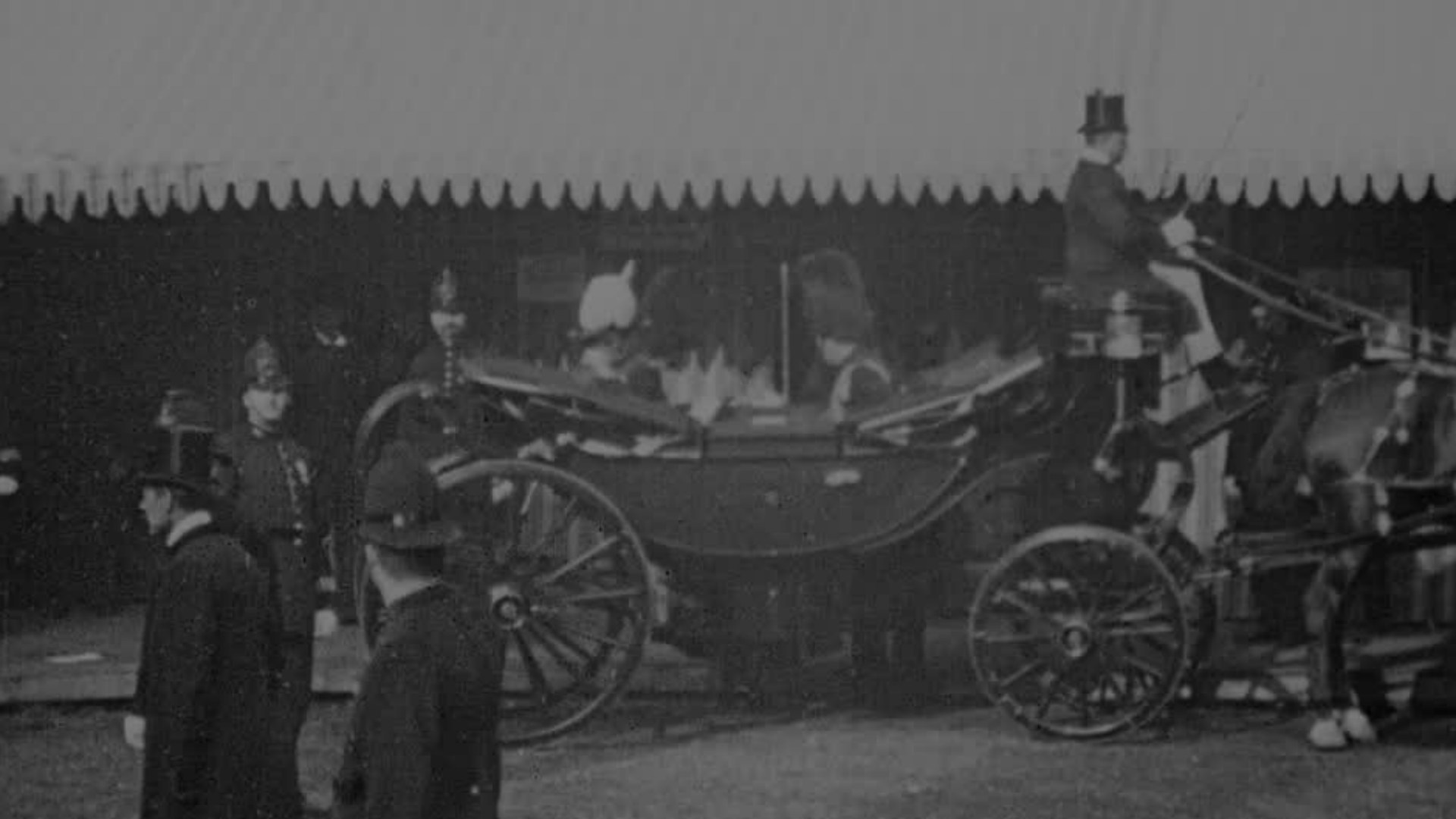
Sirdar's Reception at Guildhall
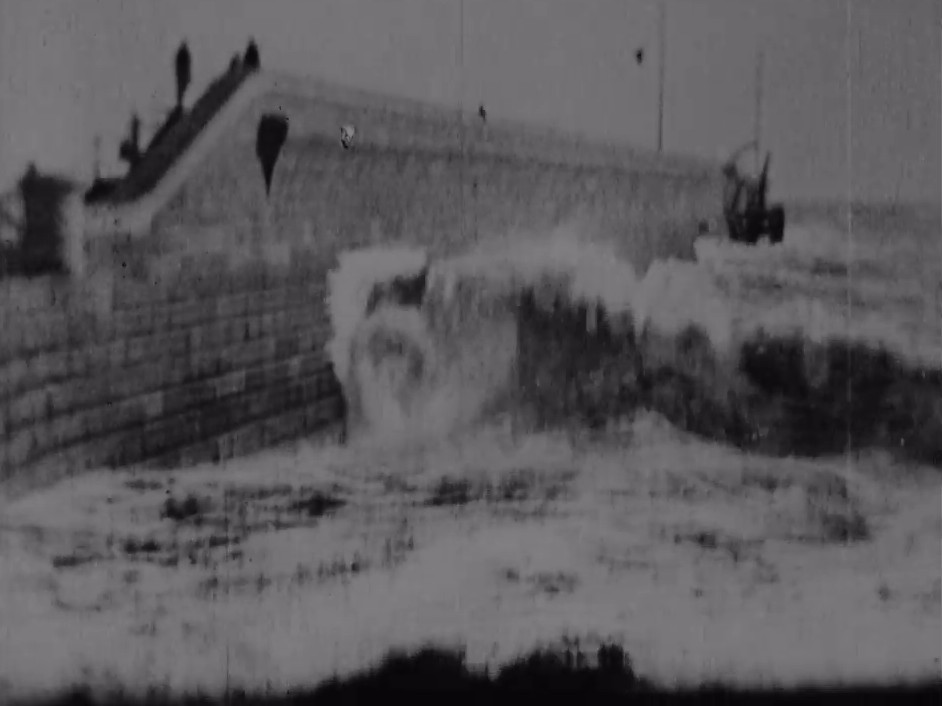
Rough Sea at Dover
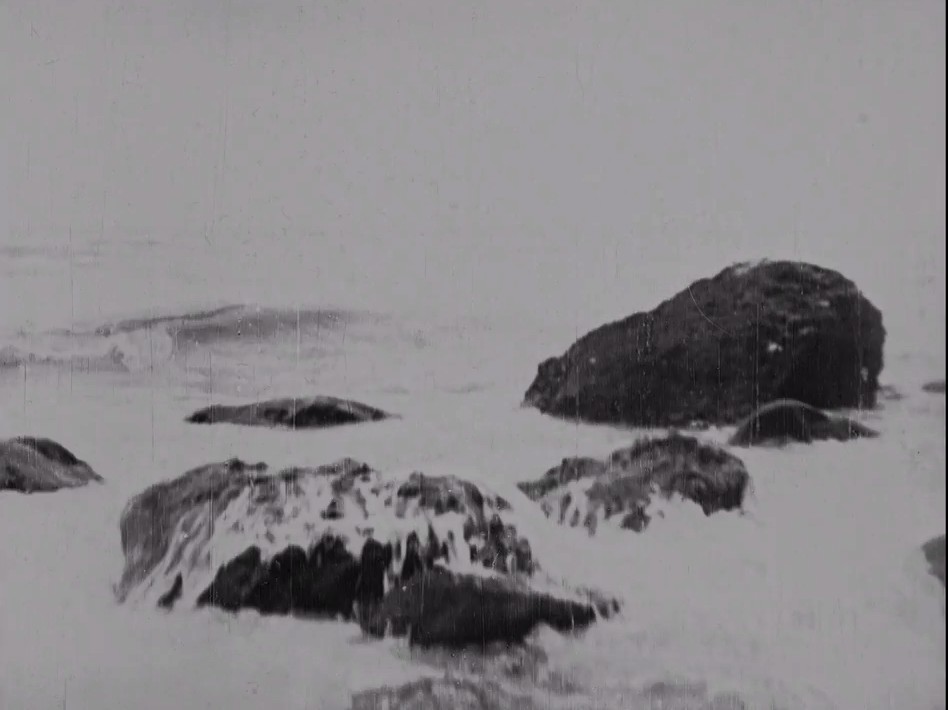
Rocky Shore
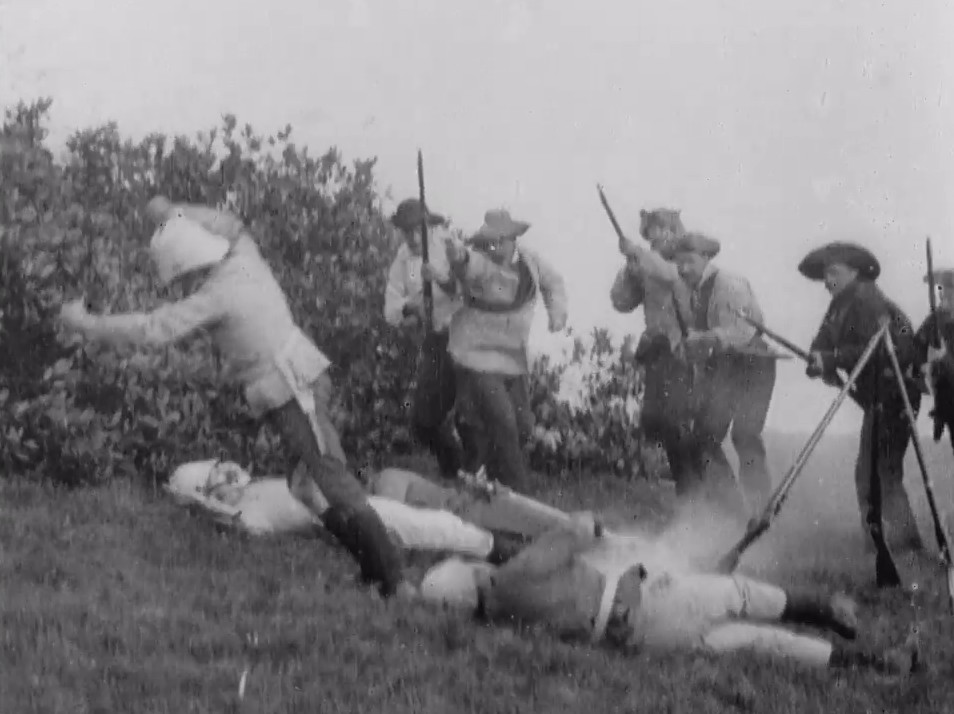
Surprising a Picket
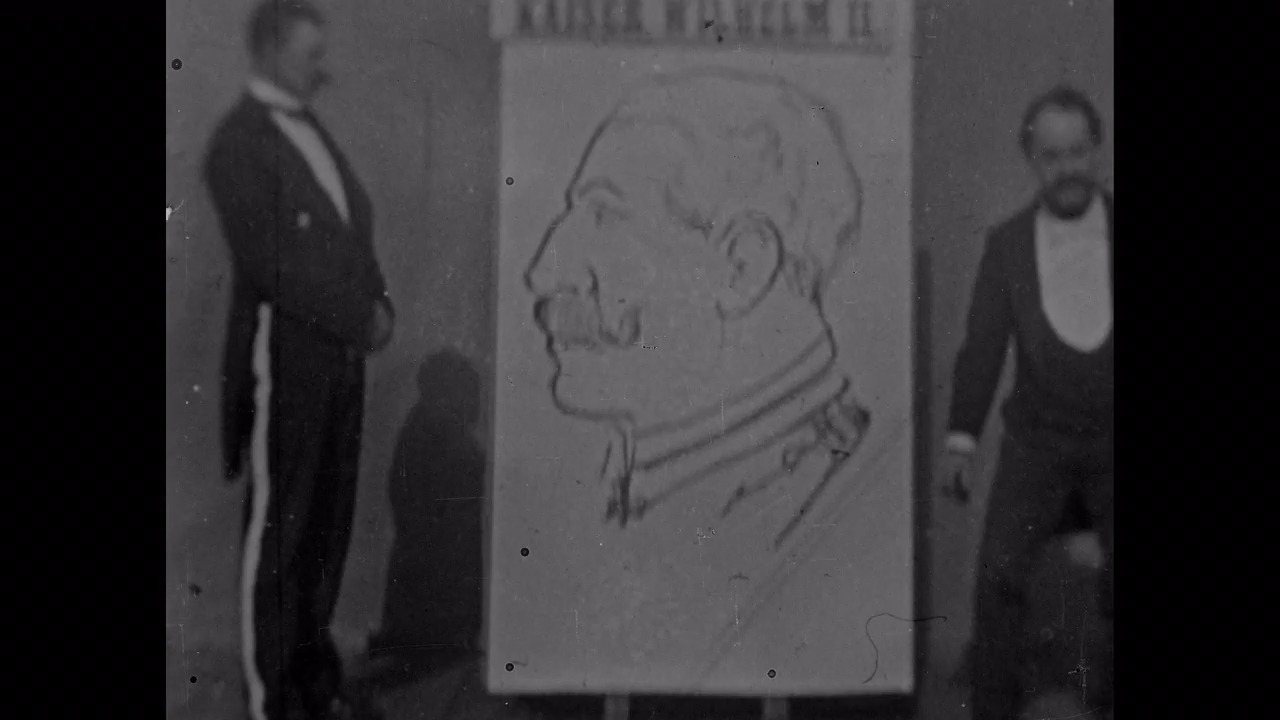
Tom Merry, Lightning Cartoonist, Sketching Kaiser Wilhelm II
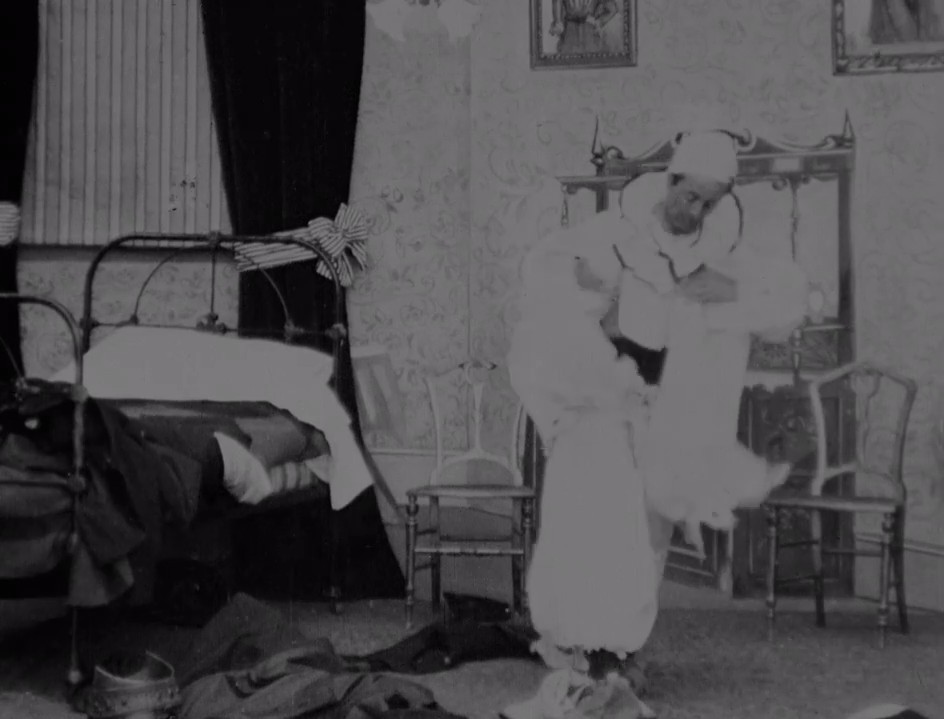
Undressing Extraordinary; Or, The Troubles of a Tired Traveller
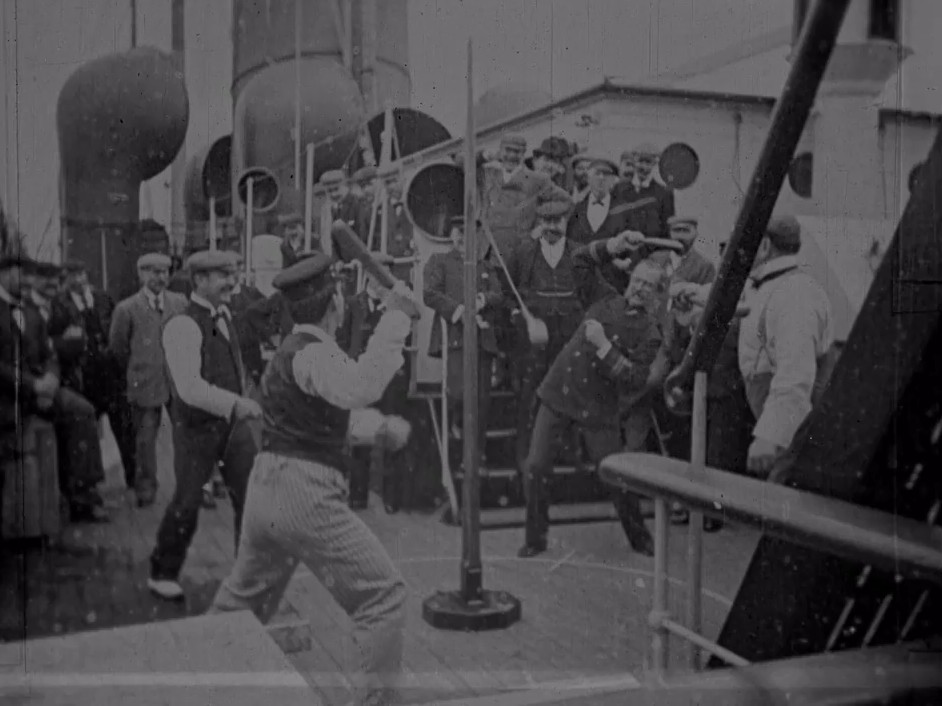
Tetherball, Or Do-do
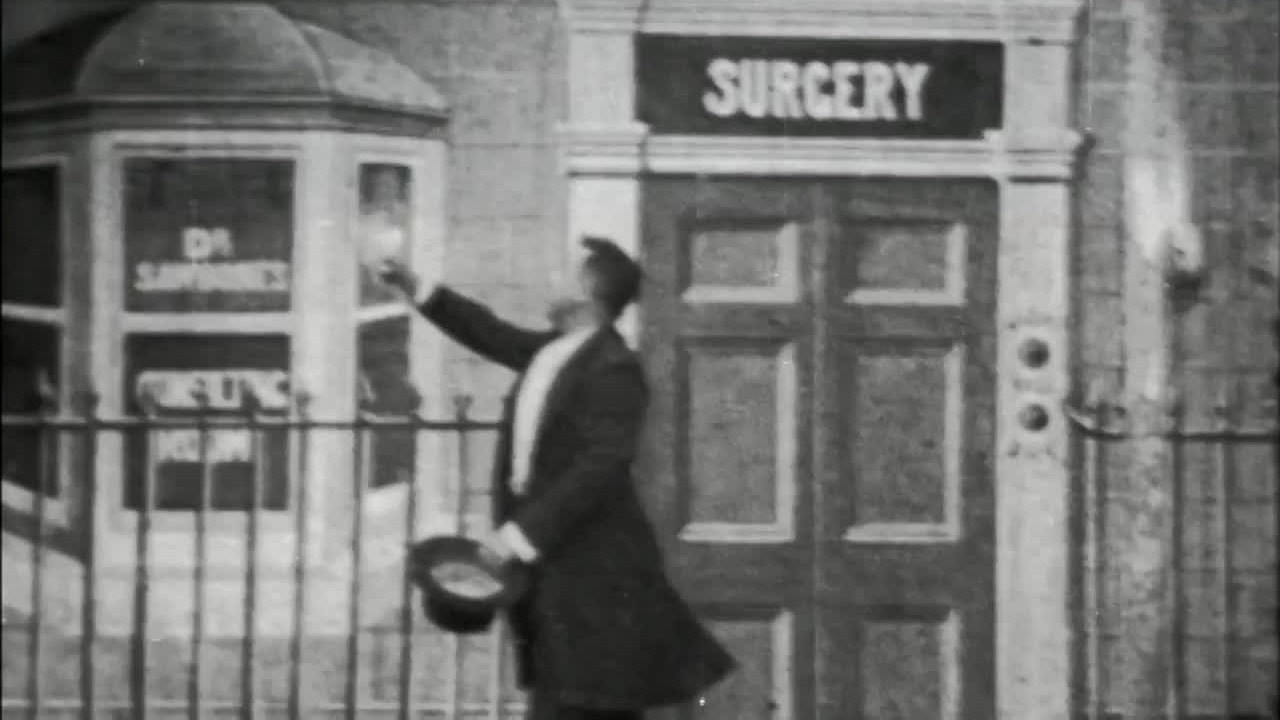
Mr. Pecksniff Fetches the Doctor
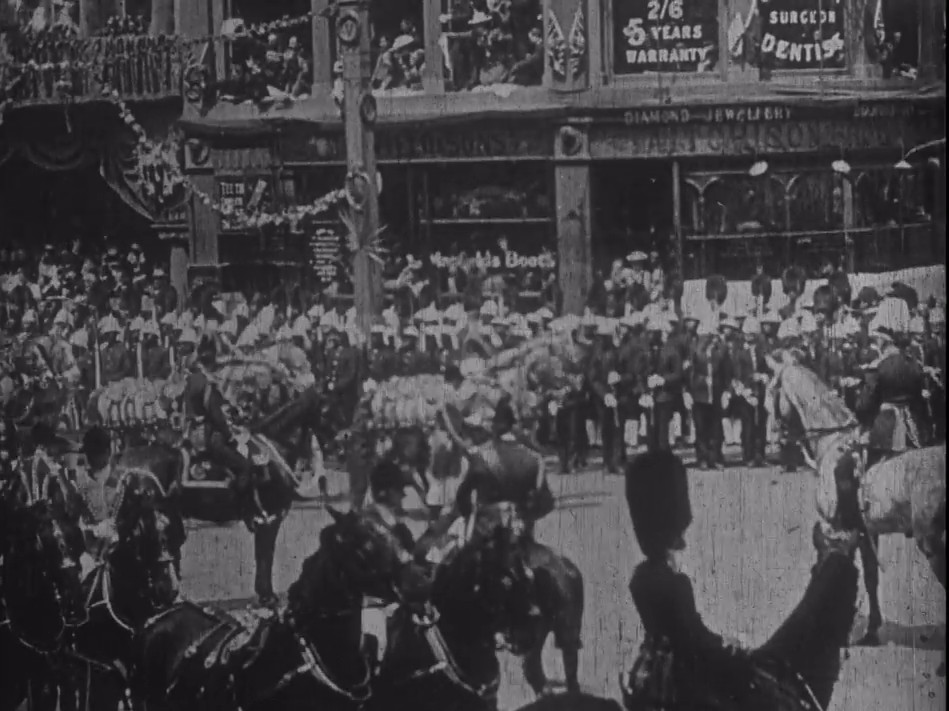
Queen Victoria's Diamond Jubilee - Paul - St Paul's South - Arrival of Queen's Carriage
Tommy Atkins in the Park
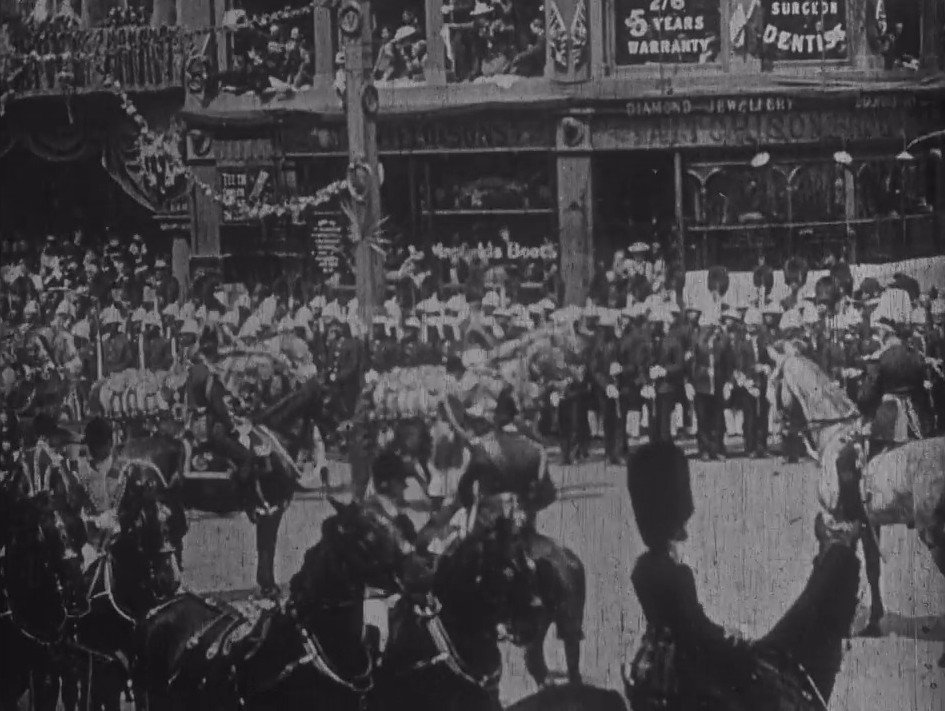
Queen Victoria's Diamond Jubilee Paul (St Paul's: South 4)
Queen Victoria's Diamond Jubilee - Paul - York Road - Front of Procession
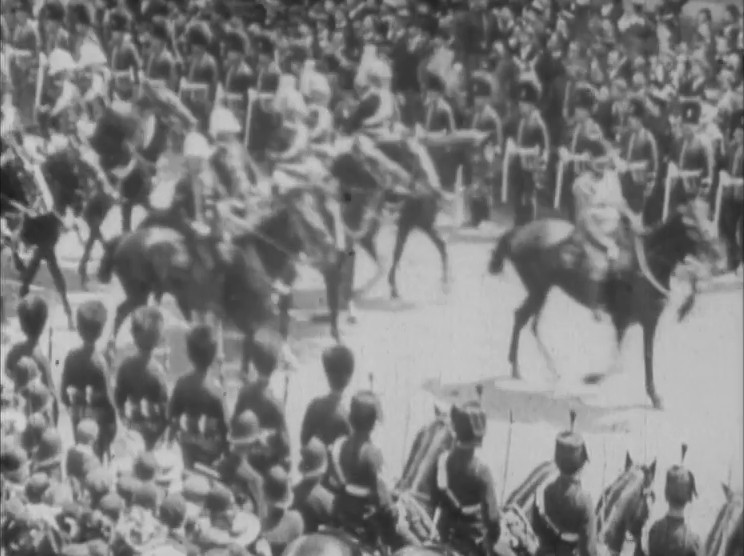
Queen Victoria's Diamond Jubilee Paul (York Road 1)
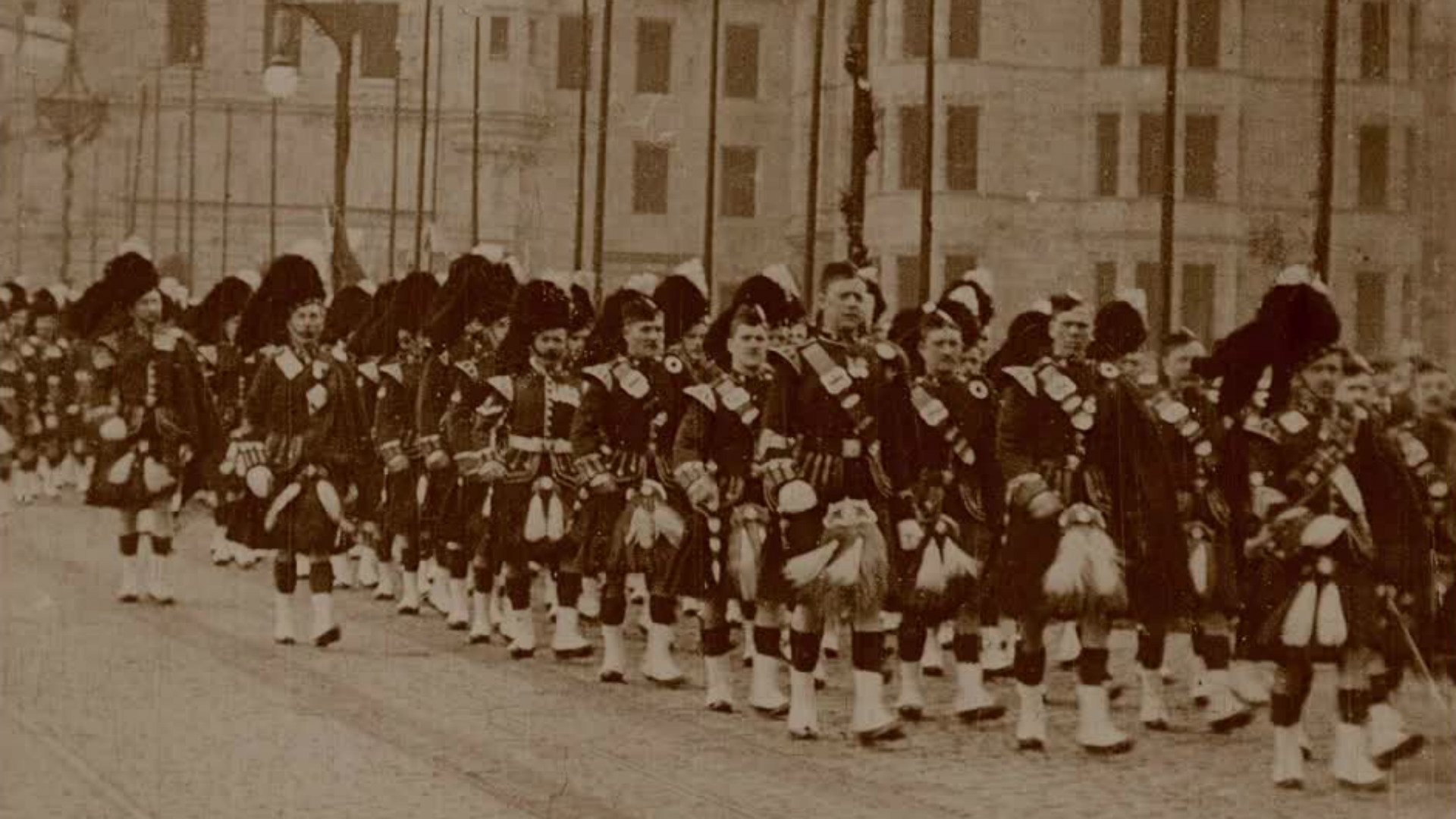
The Gordon Highlanders
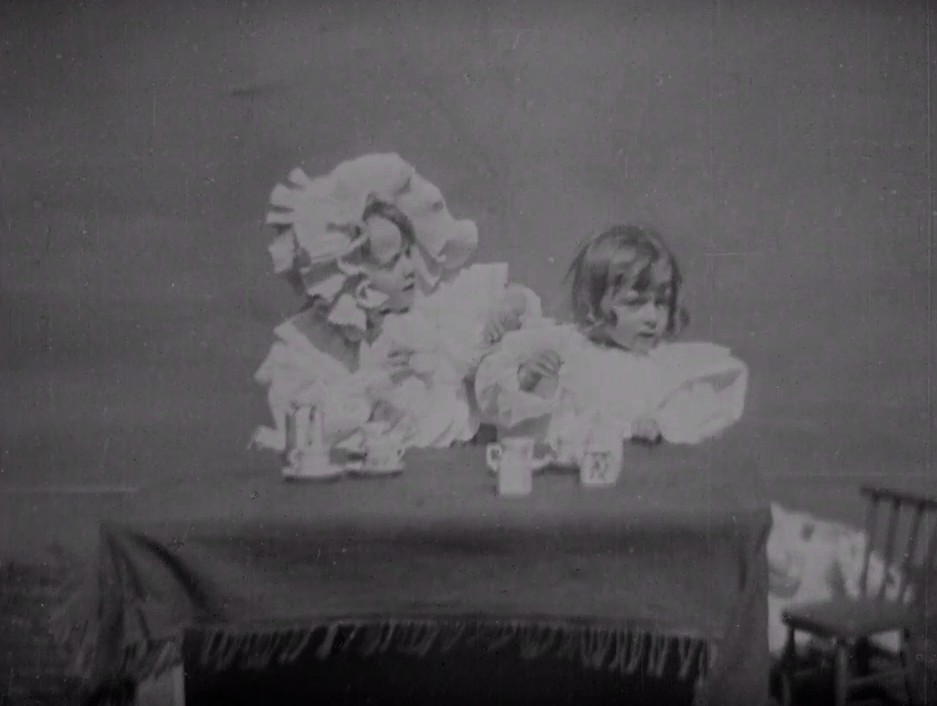
The Twins' Tea Party
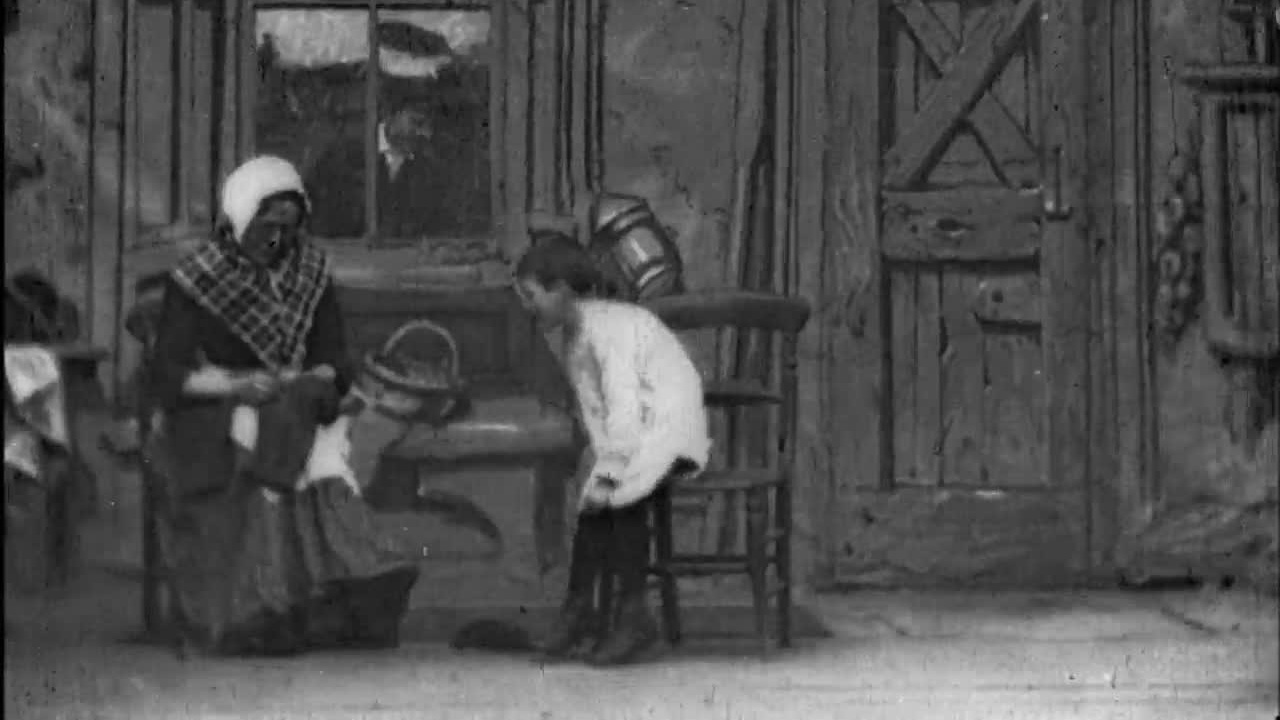
His only Pair
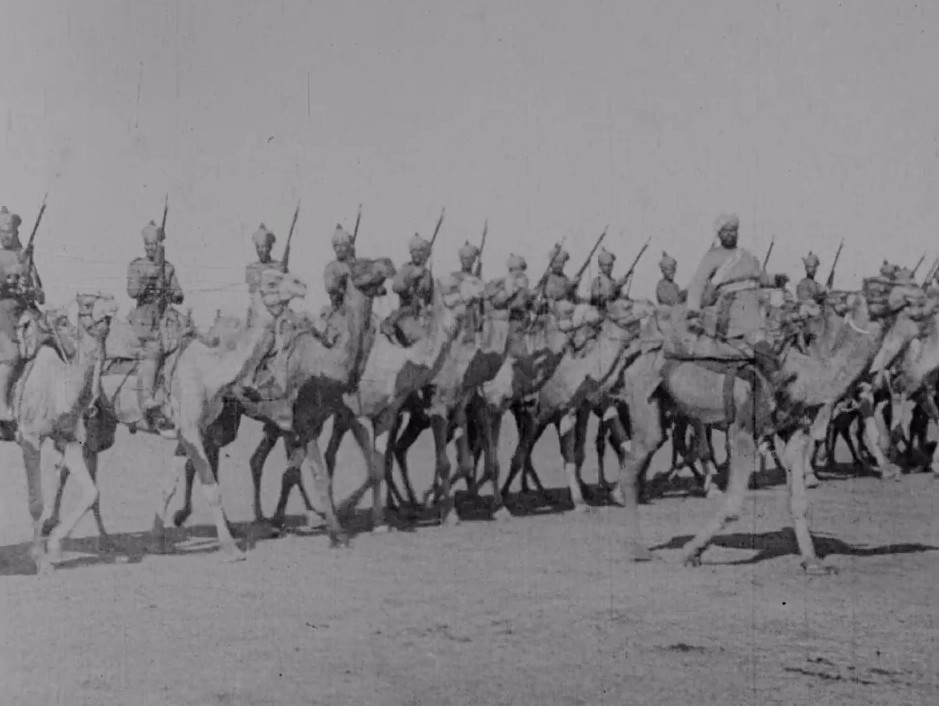
A Delhi Durbar
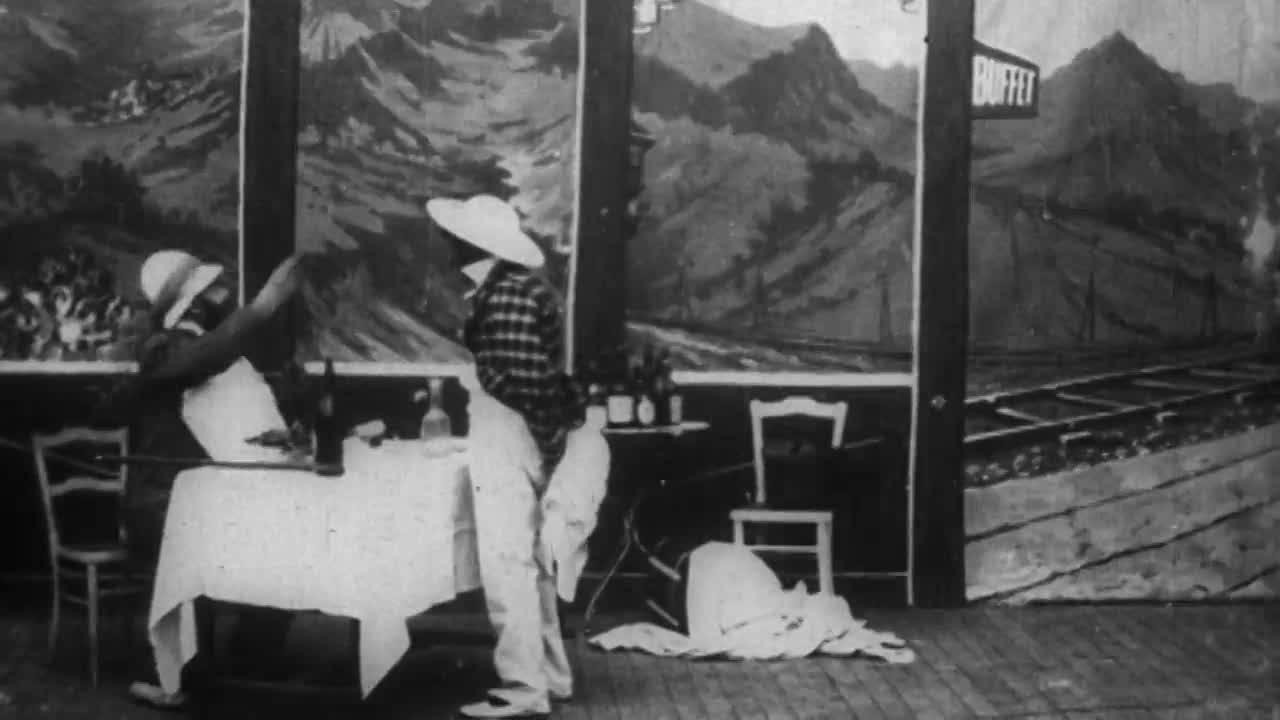
The Extraordinary Waiter
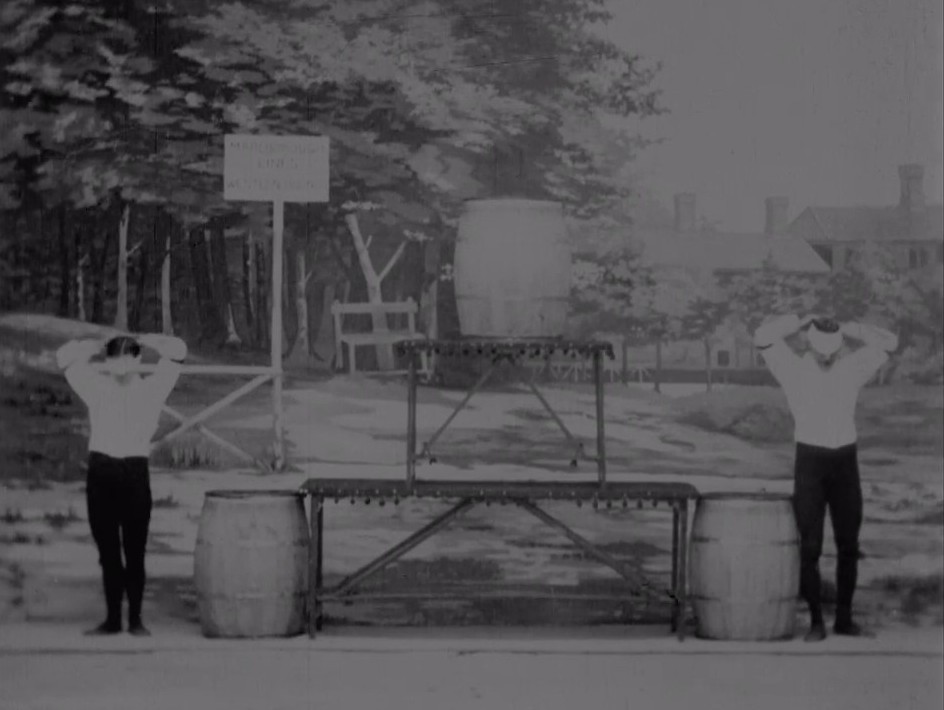
The Deonzo Brothers
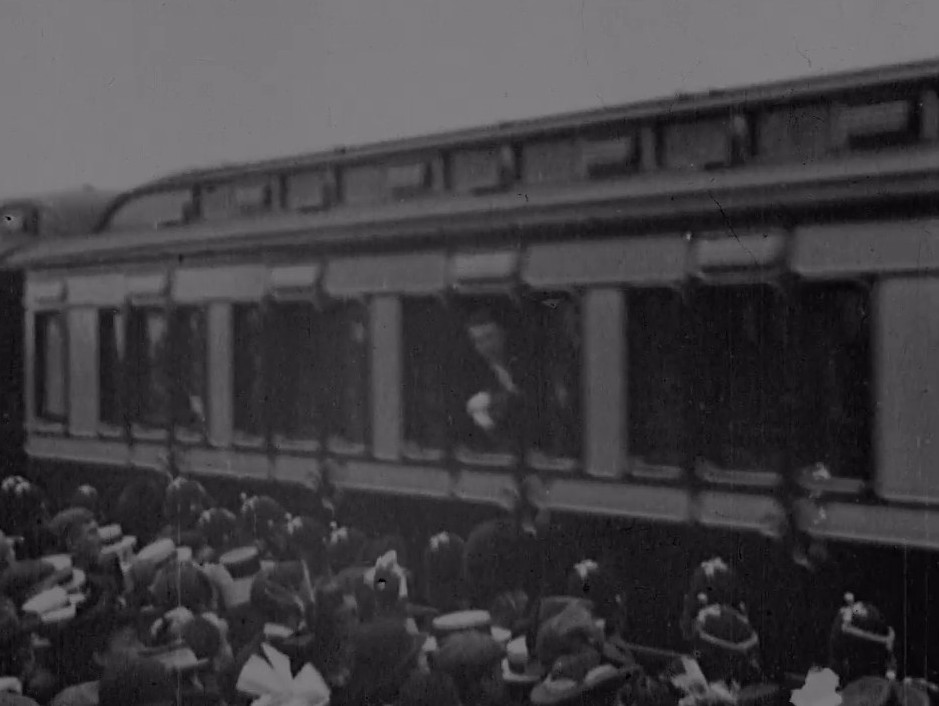
Royal Train
Artistic Creation
His Brave Defender
Queen Victoria's Jubilee