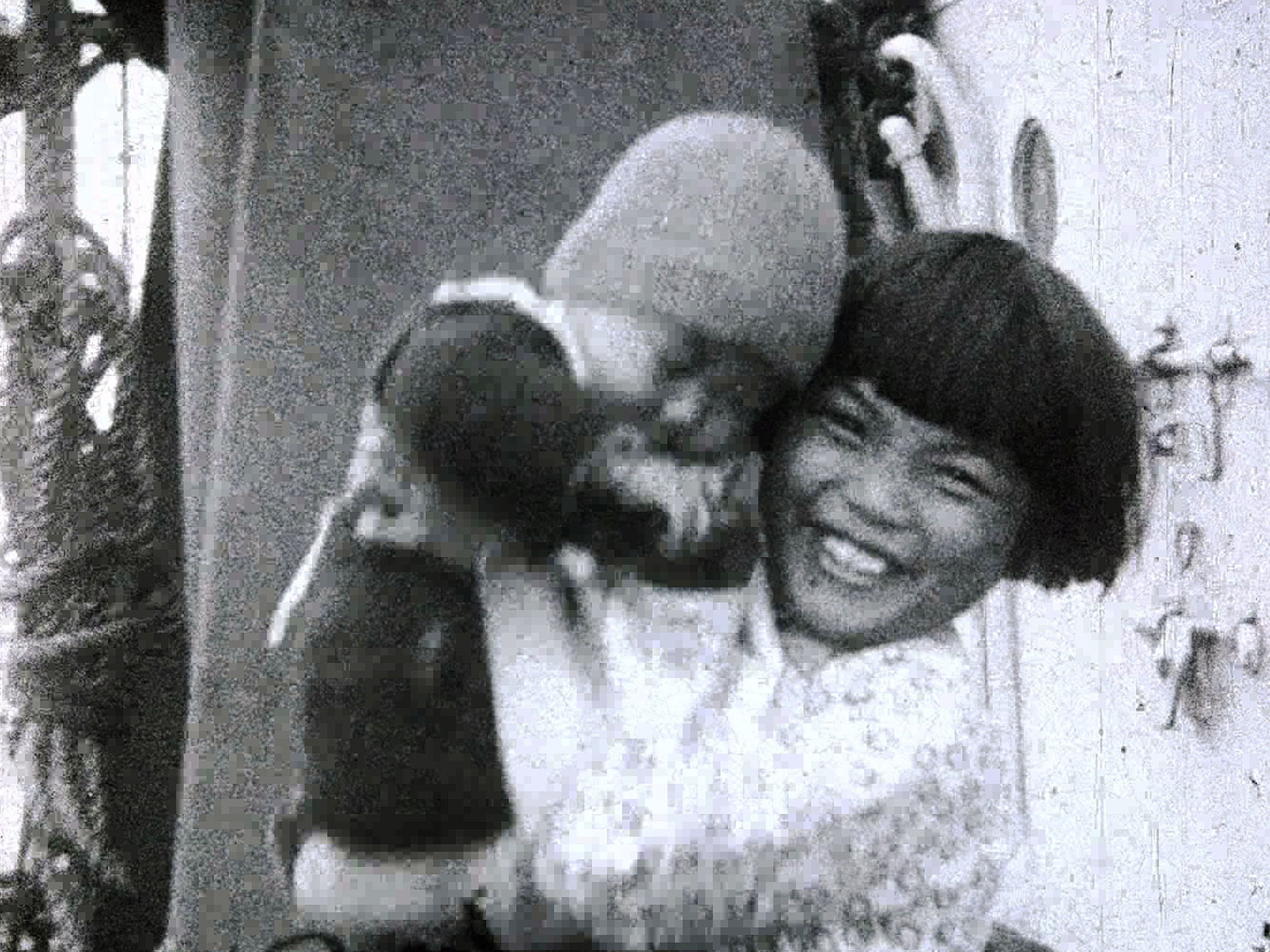
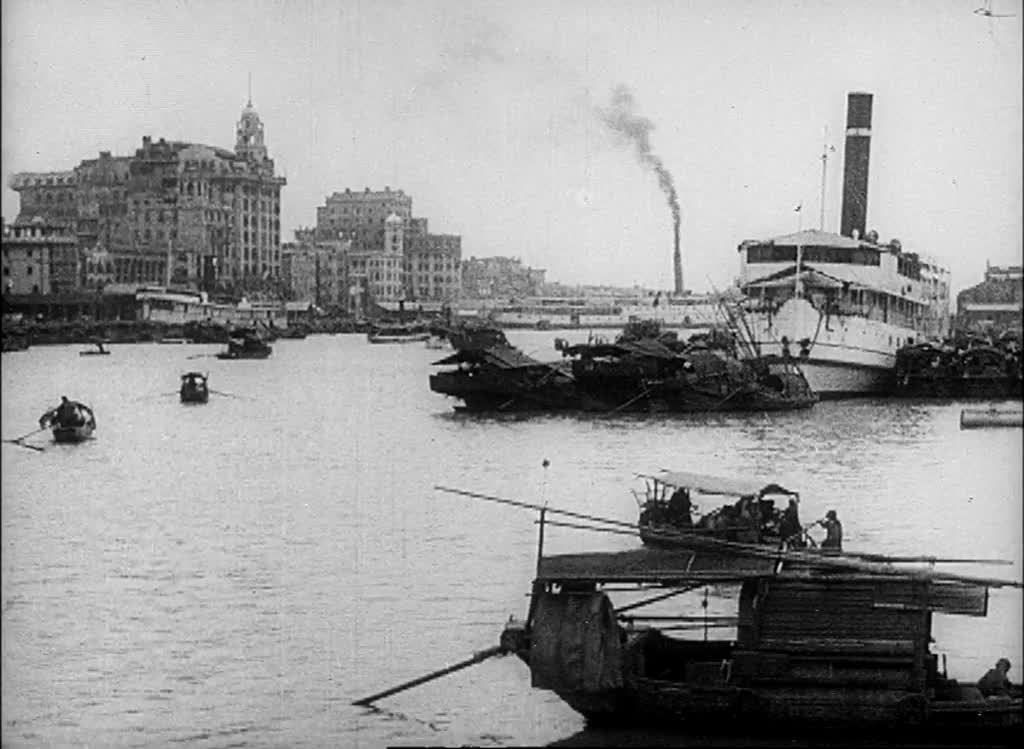
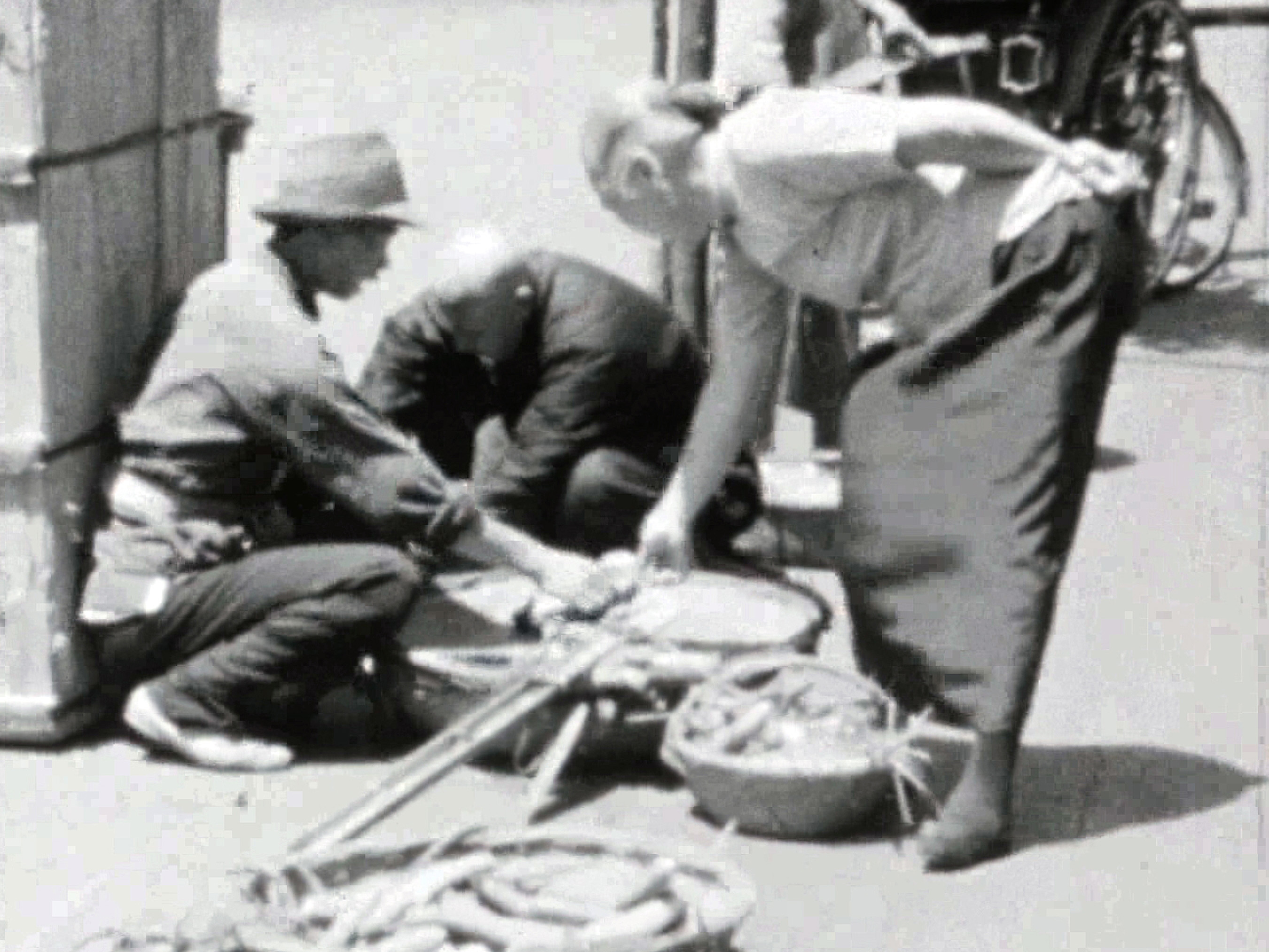
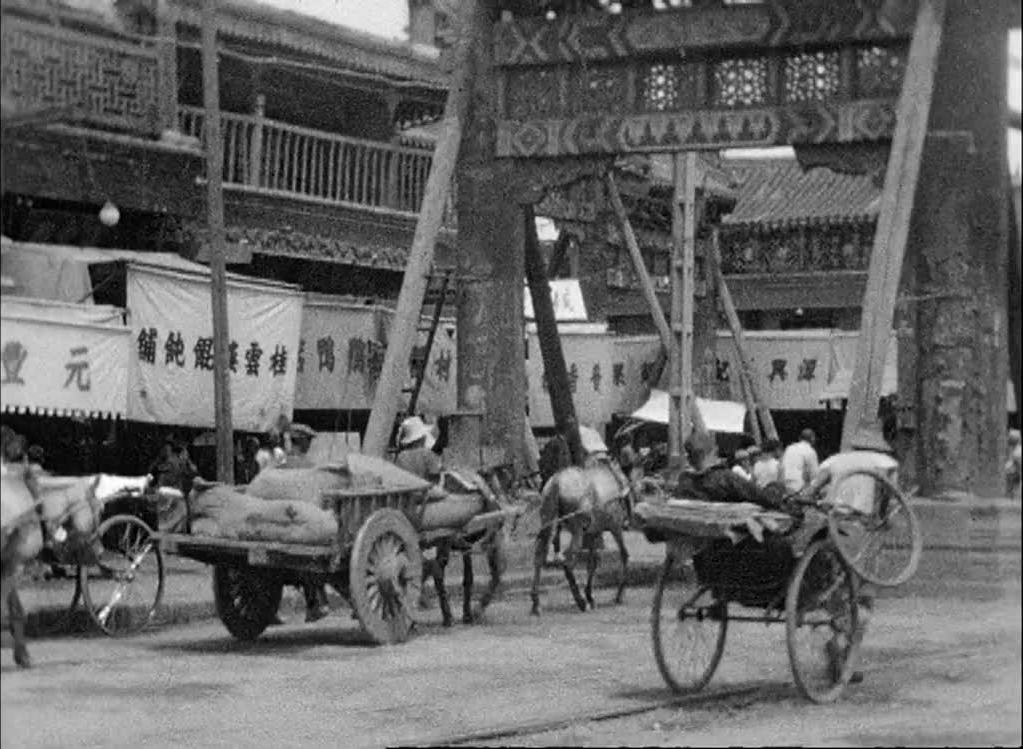
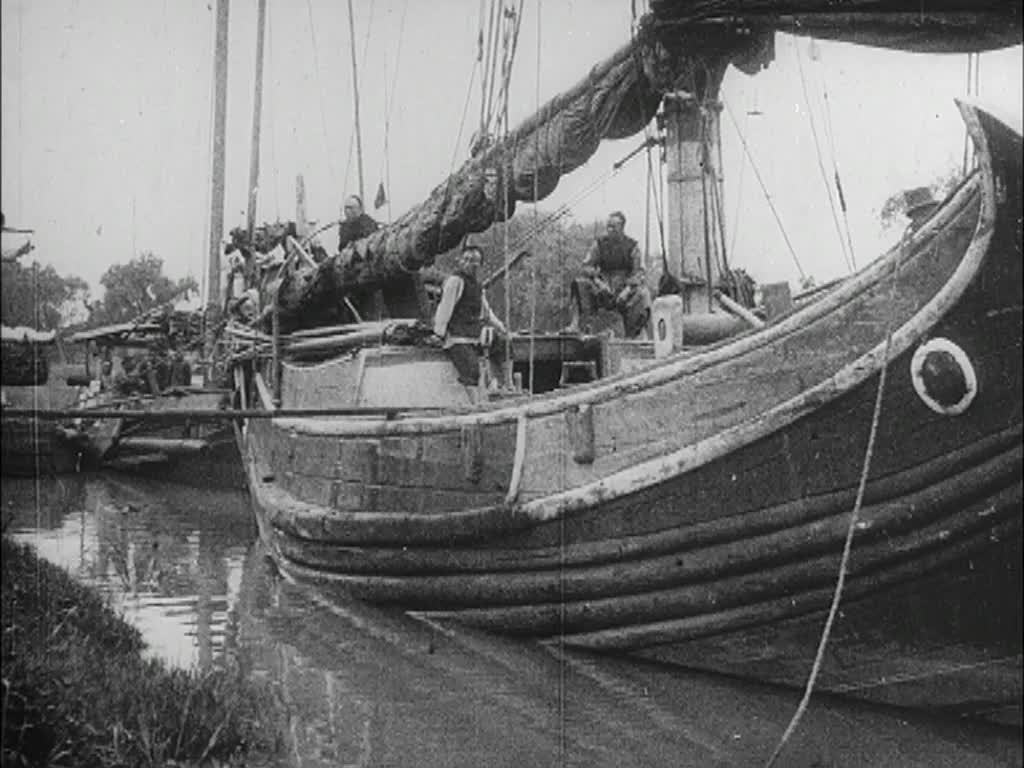
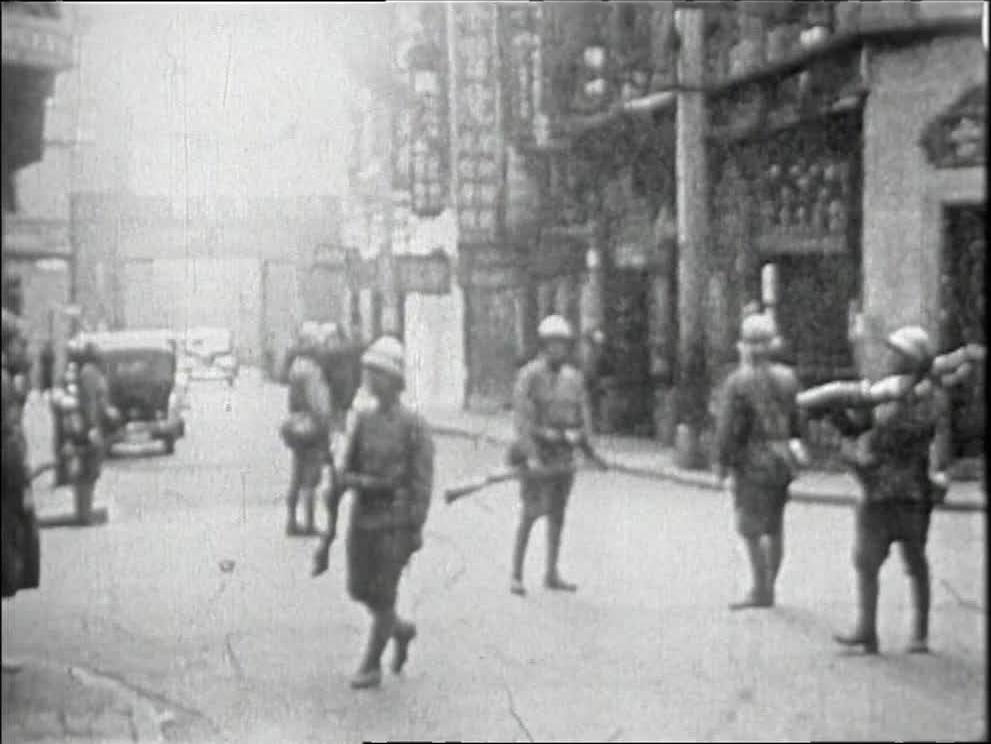
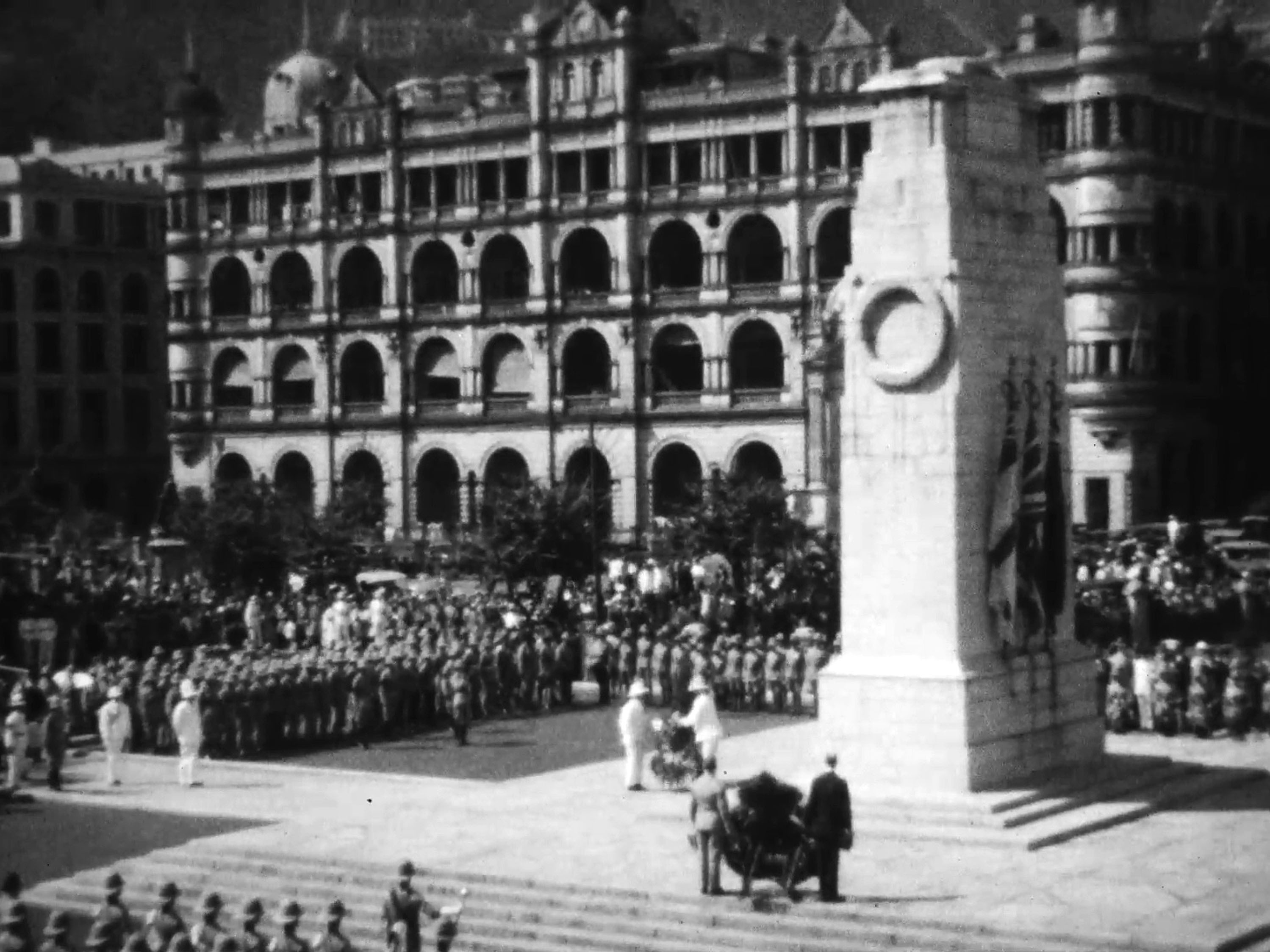
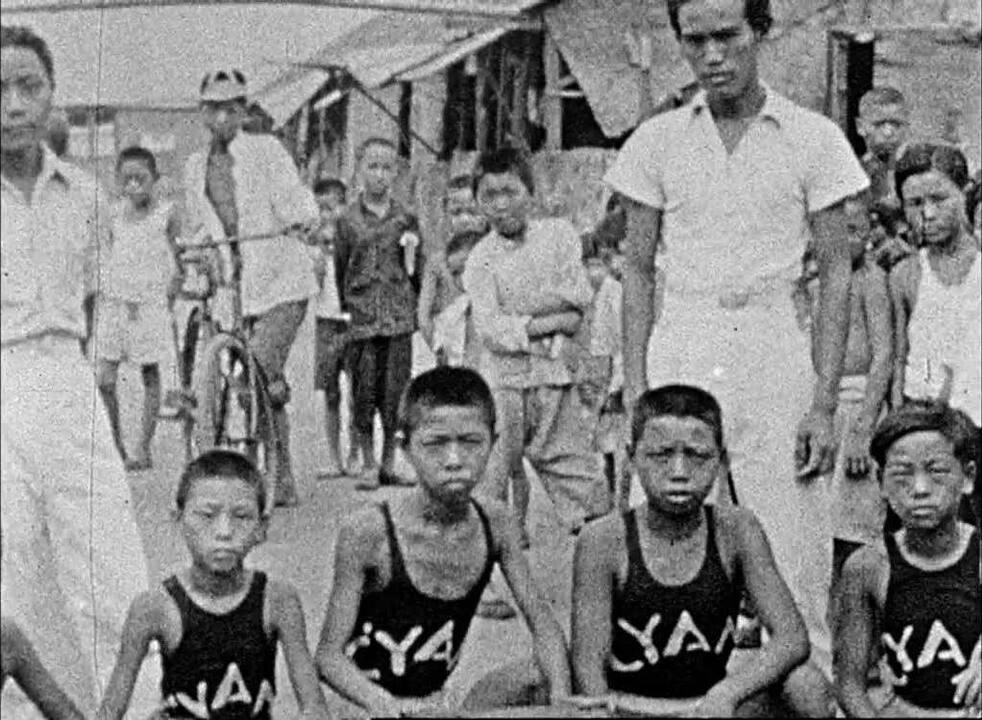
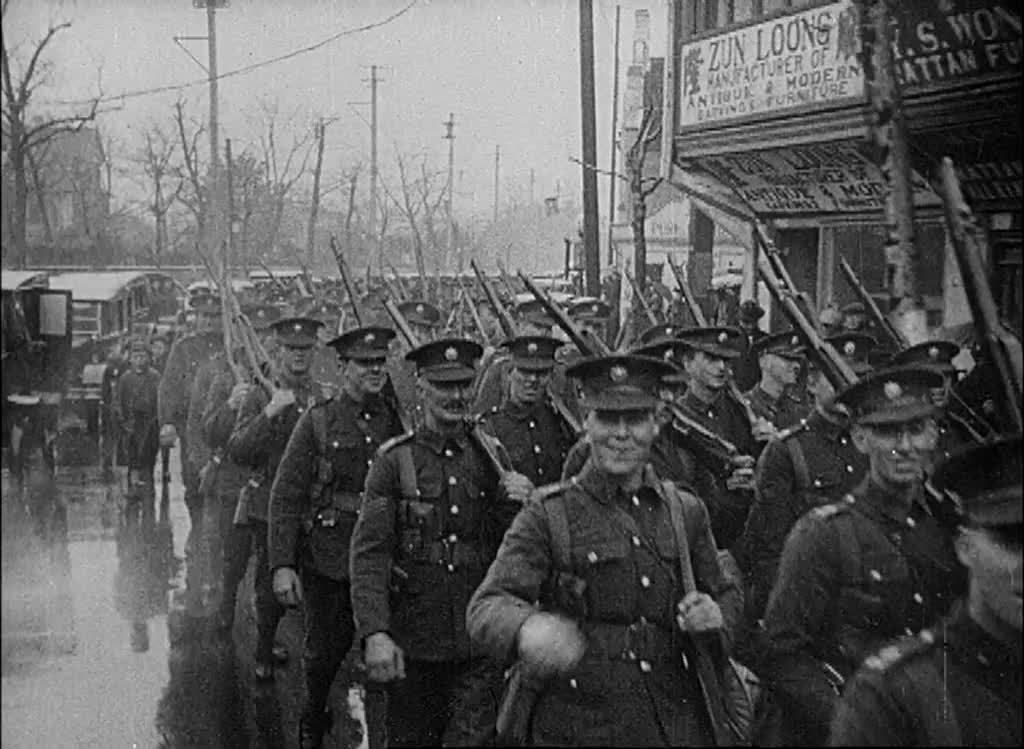
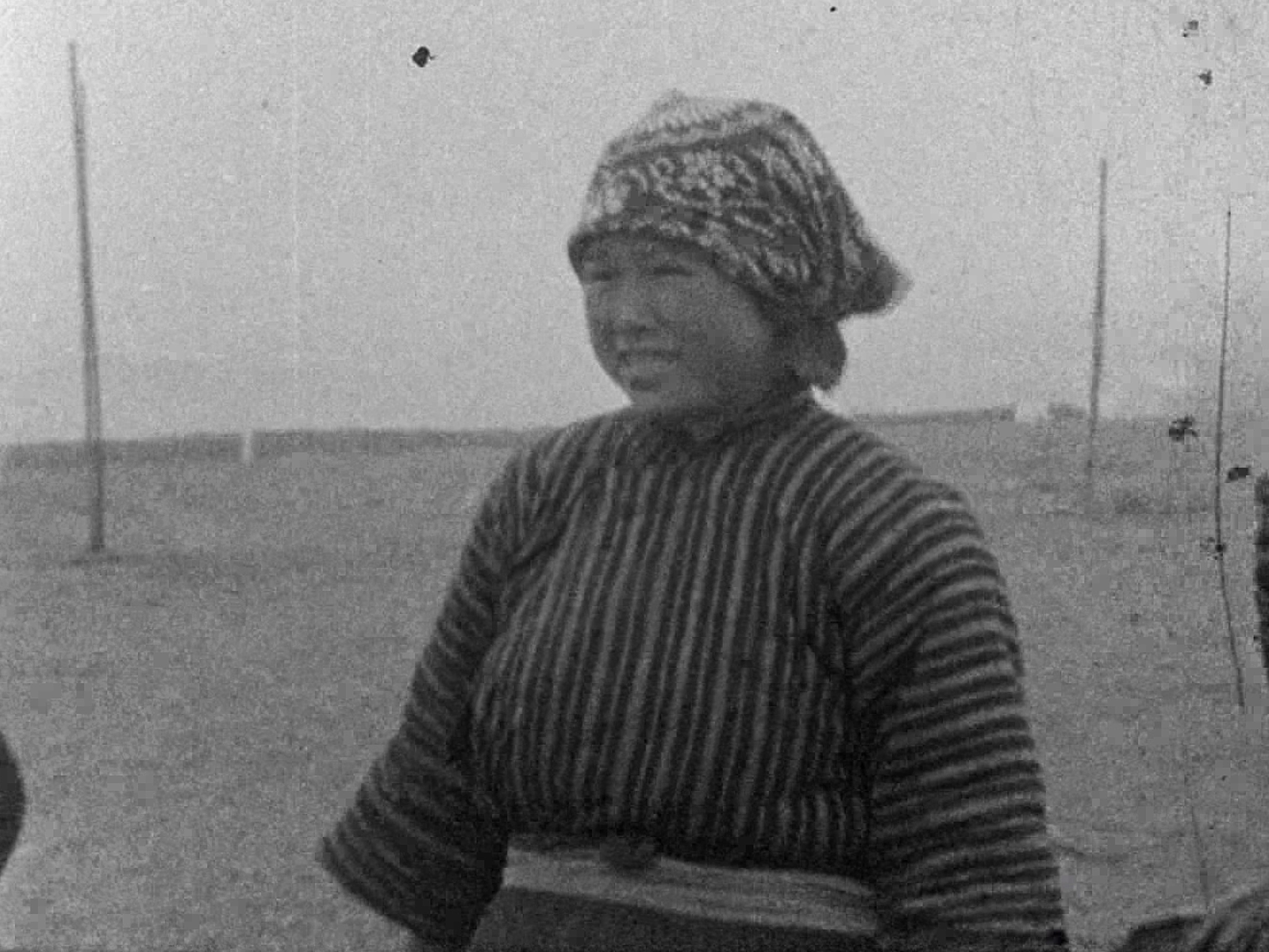
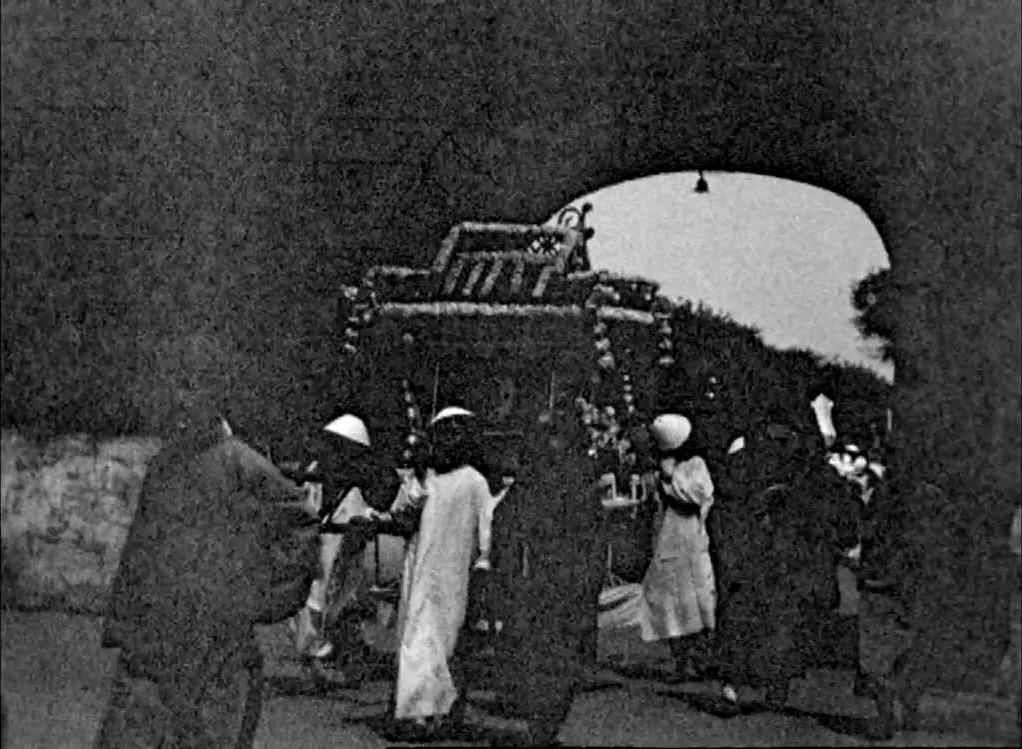
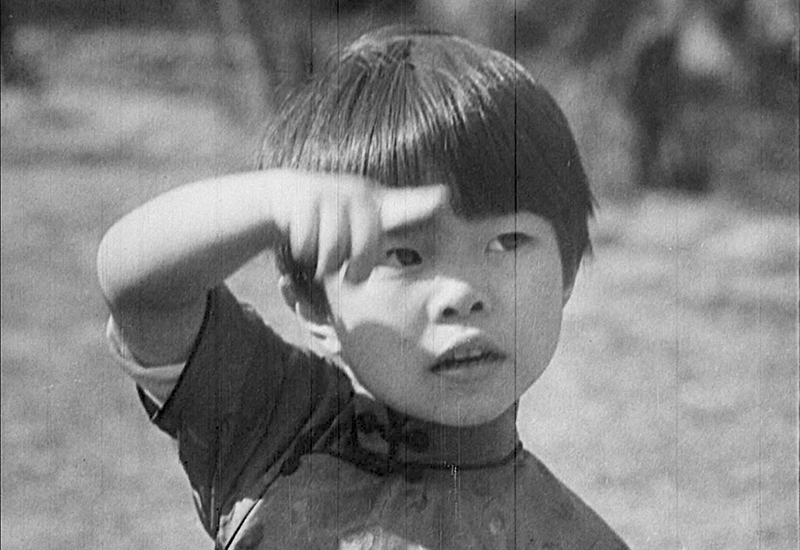
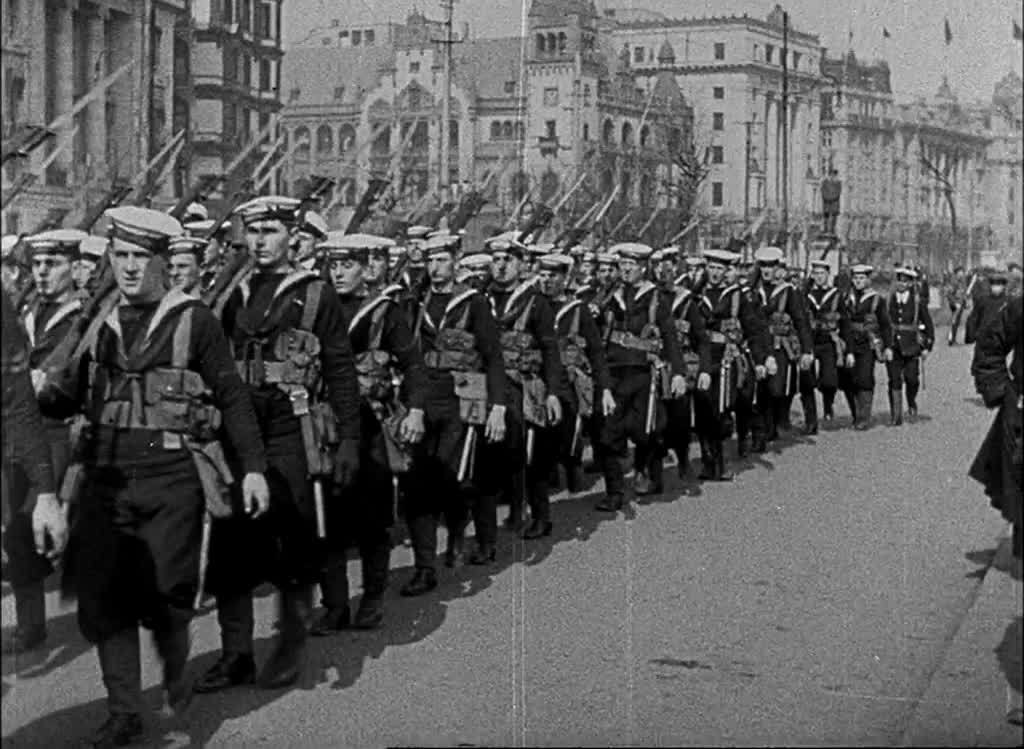
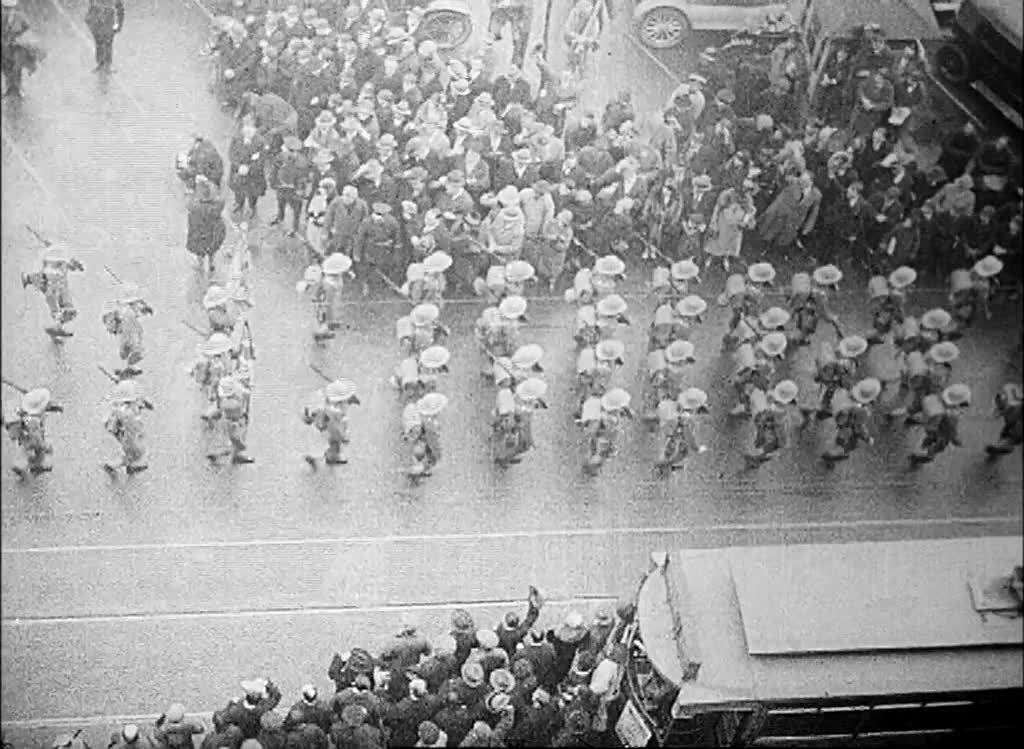
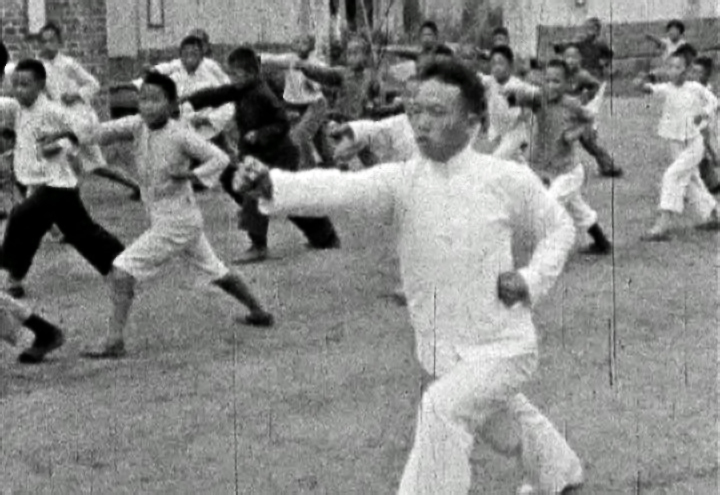
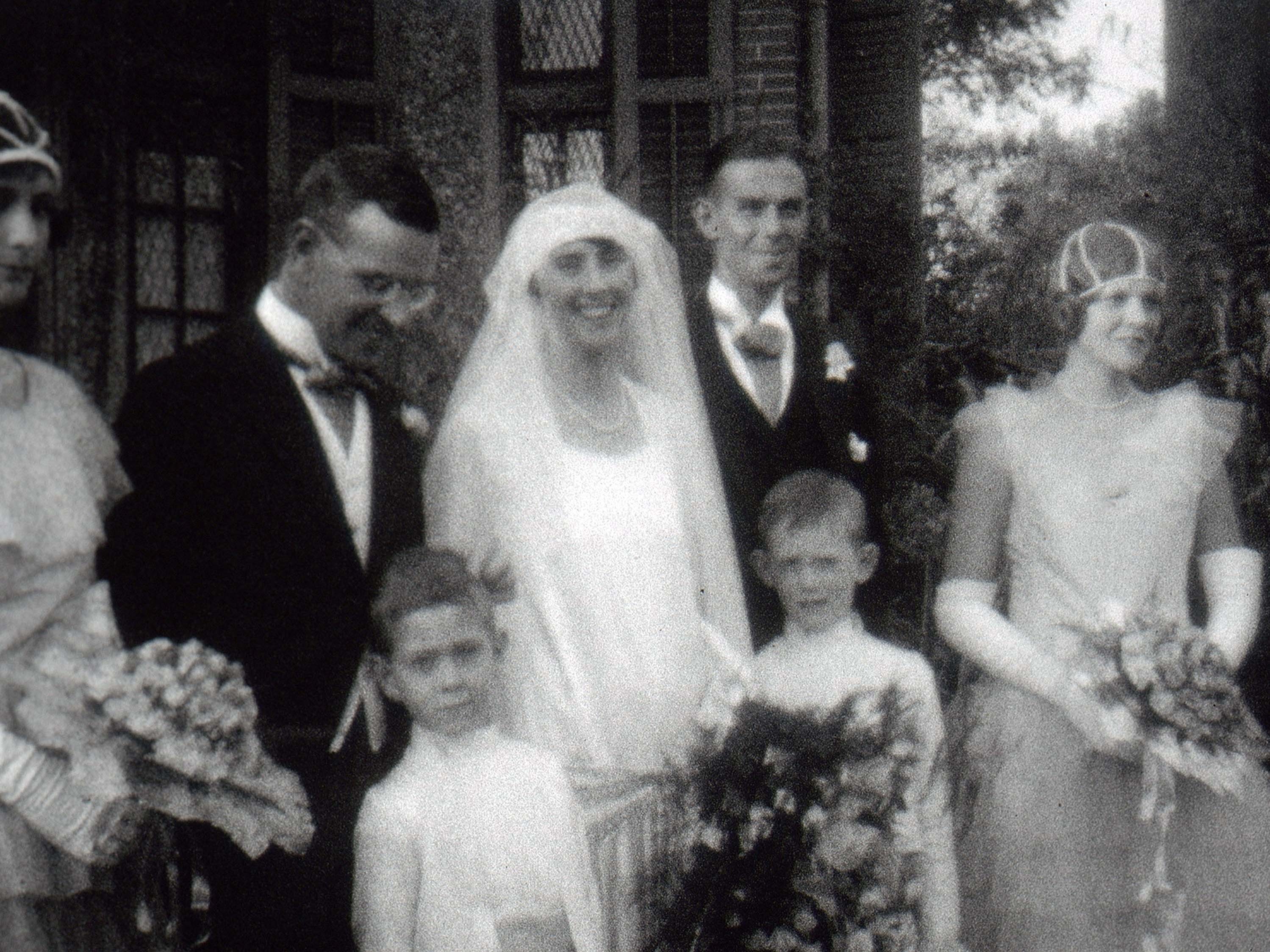
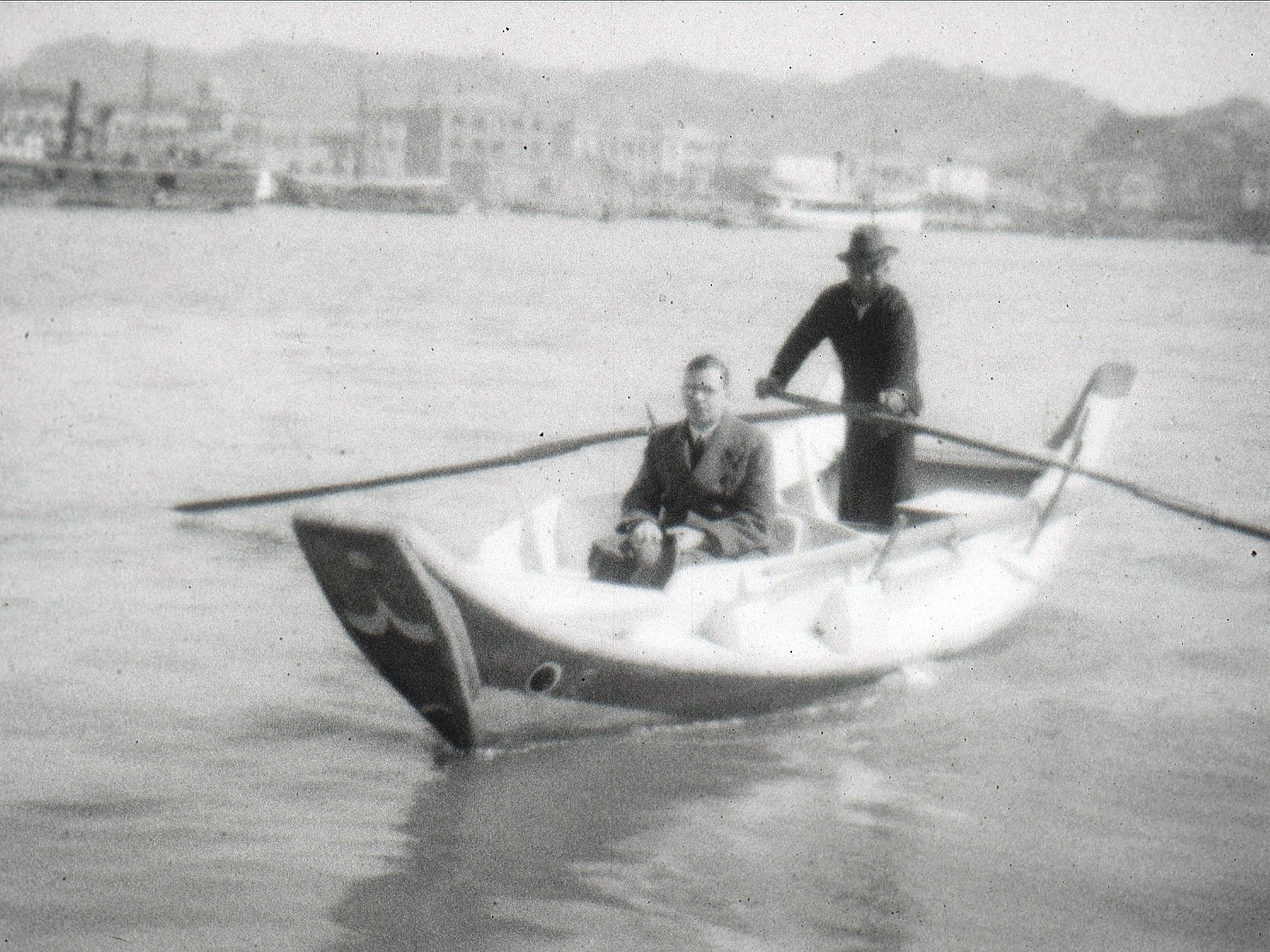
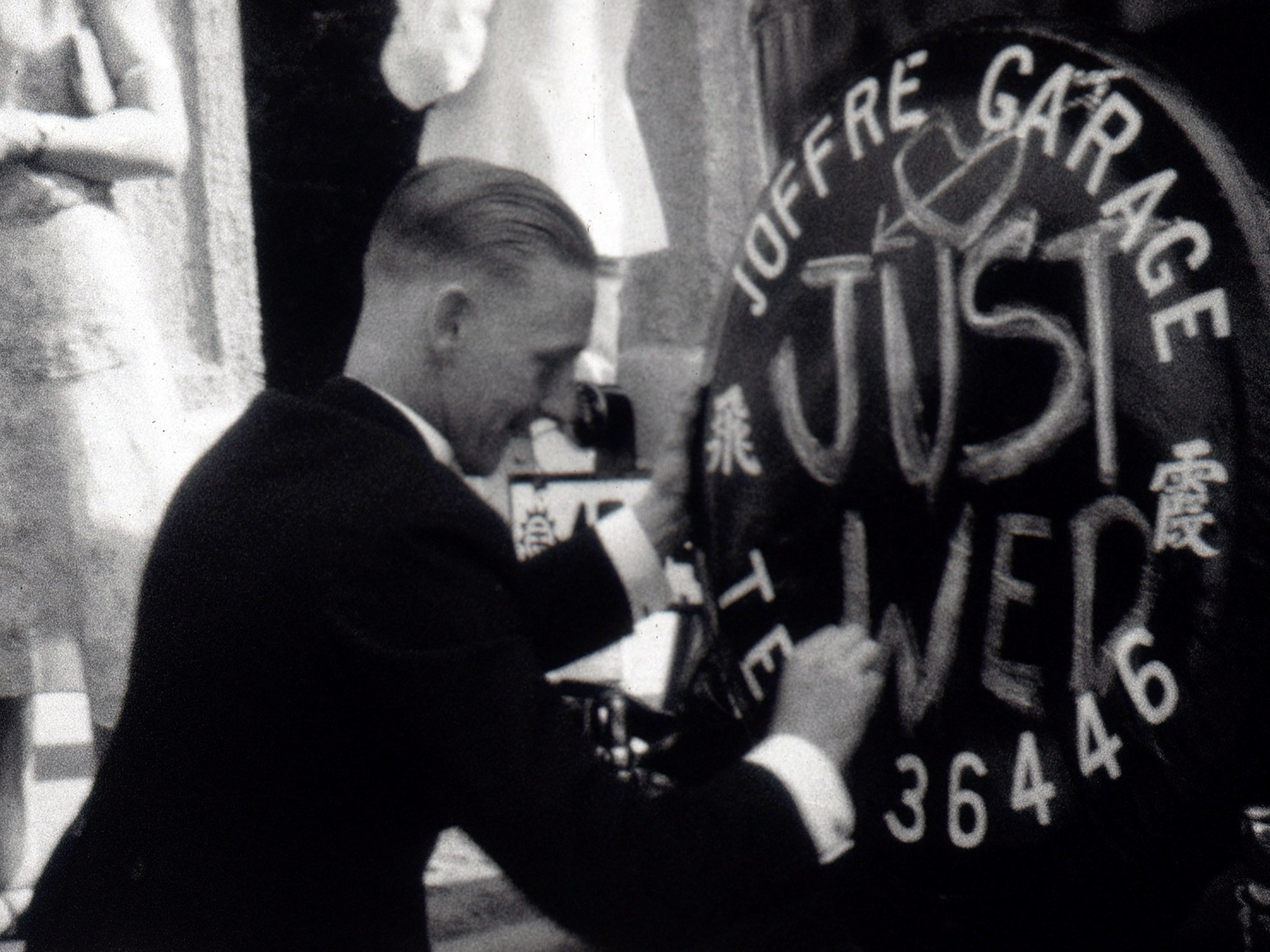
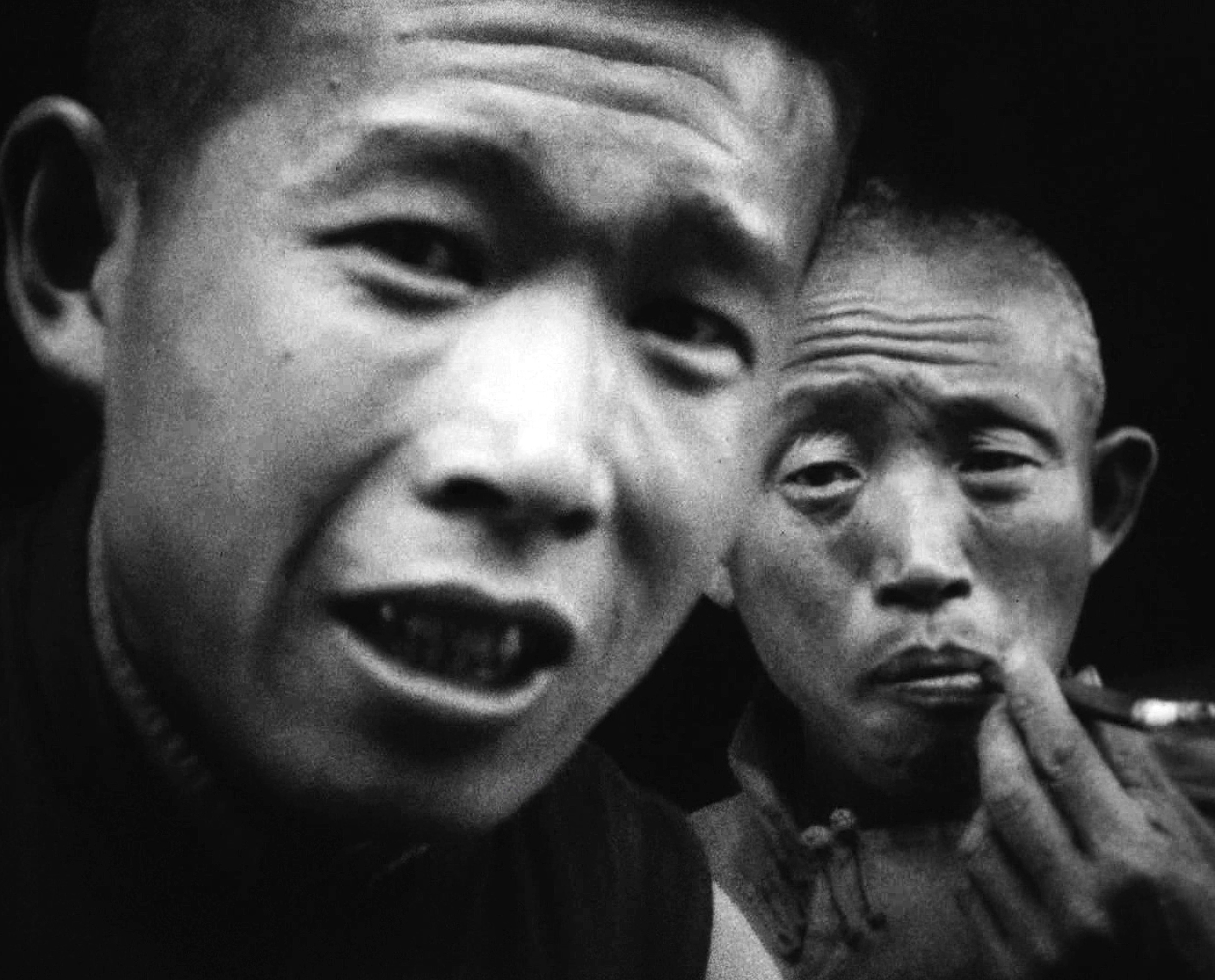
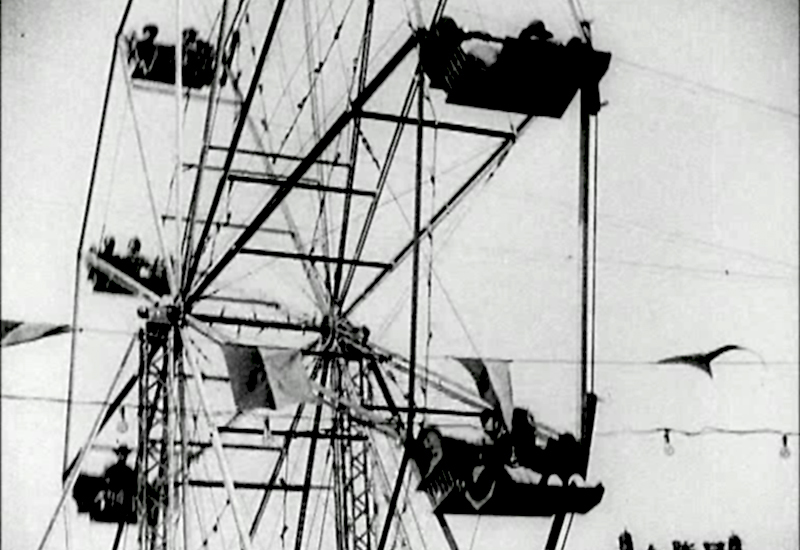
Western filmmakers captured the first moving images of one of the world's great cities. These remarkable films preserve a metropolis whose streets and waterways teem with life.
When cinema first came to China's shores, Shanghai was one of the most cosmopolitan cities in the world. The new technology was exhibited at the city's Xu Gardens in August 1896 (just months after the Lumière Brothers' first demonstration in Paris), and the earliest ever filmed images of the city were captured - by Western filmmakers - soon after.
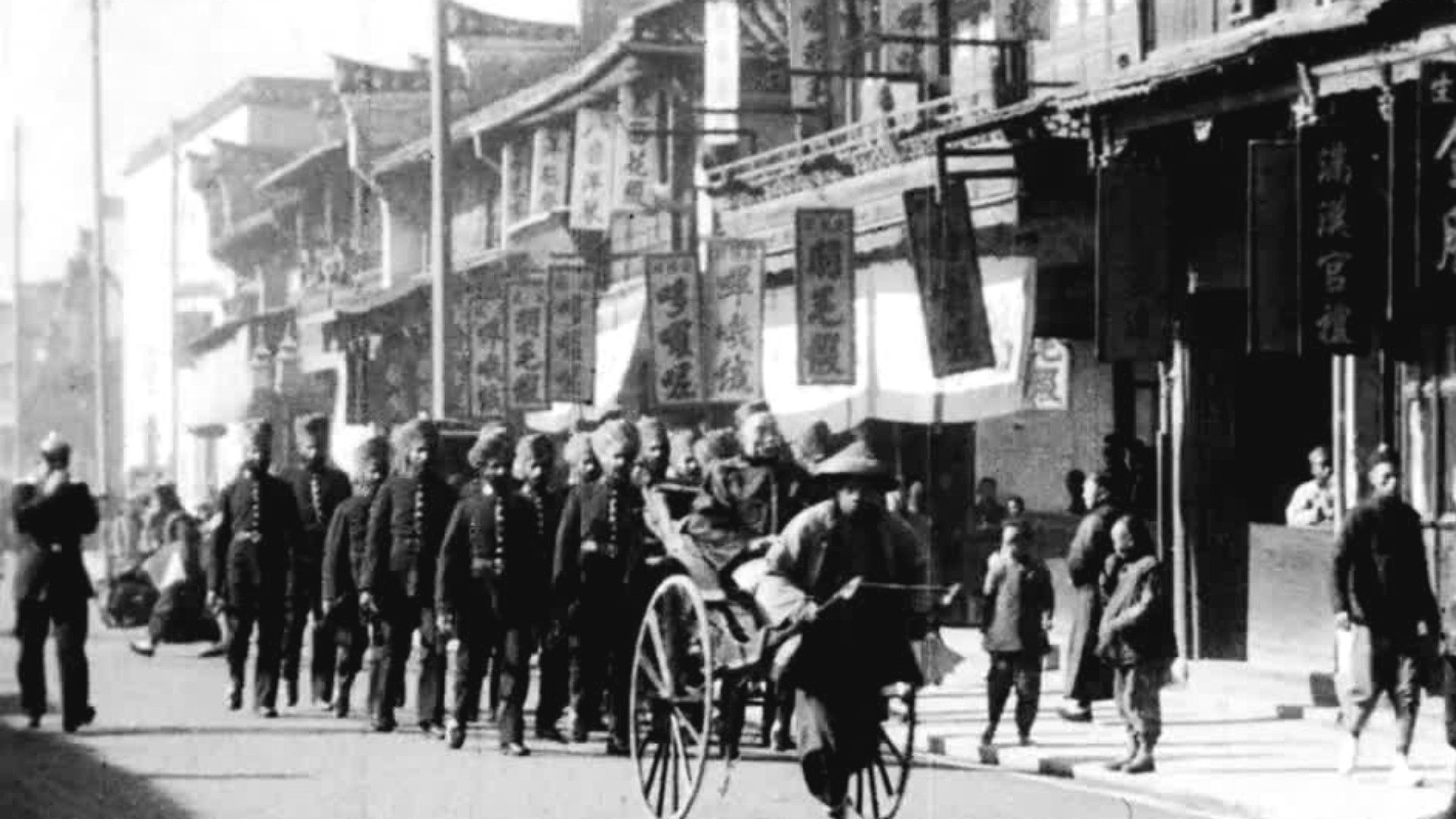
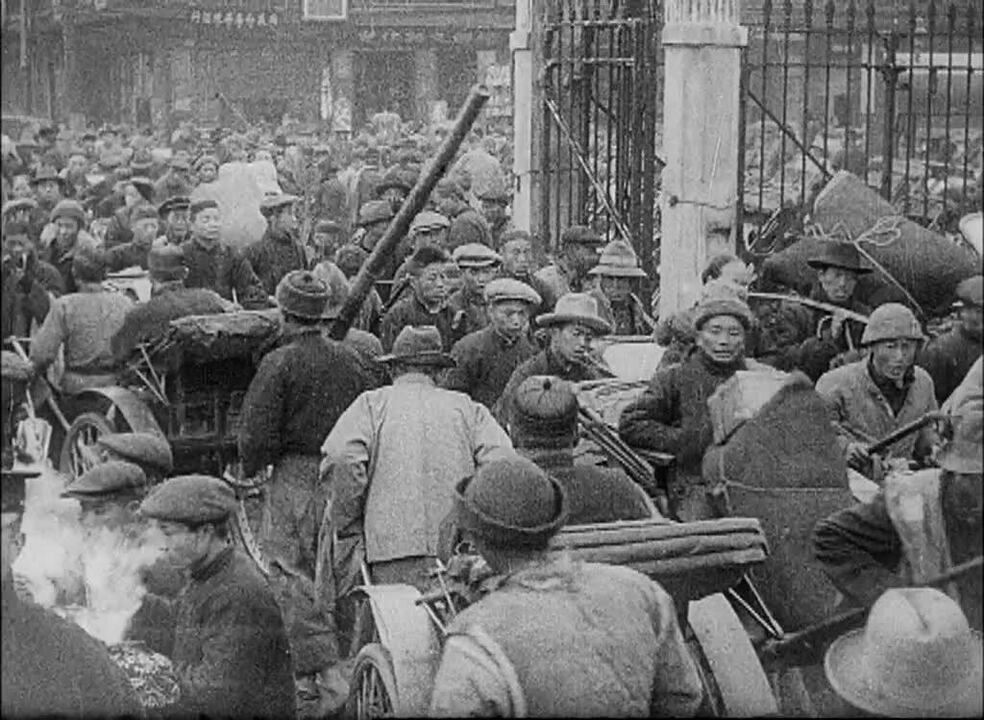
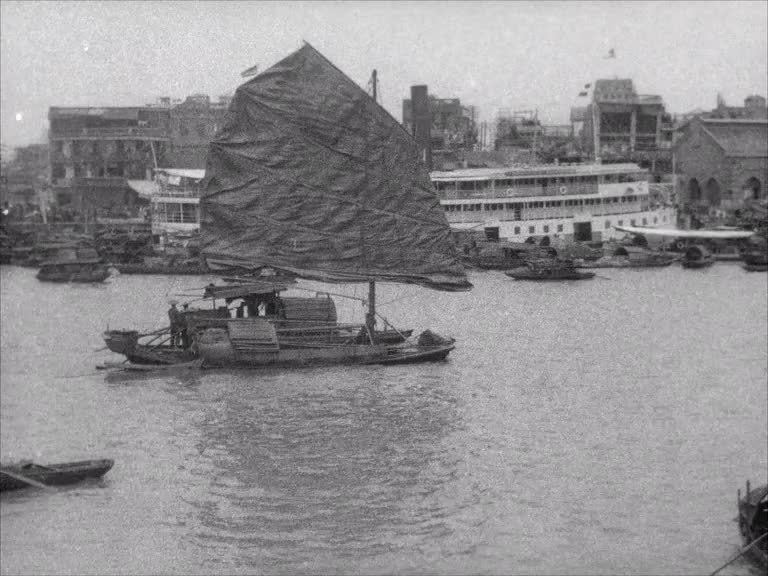
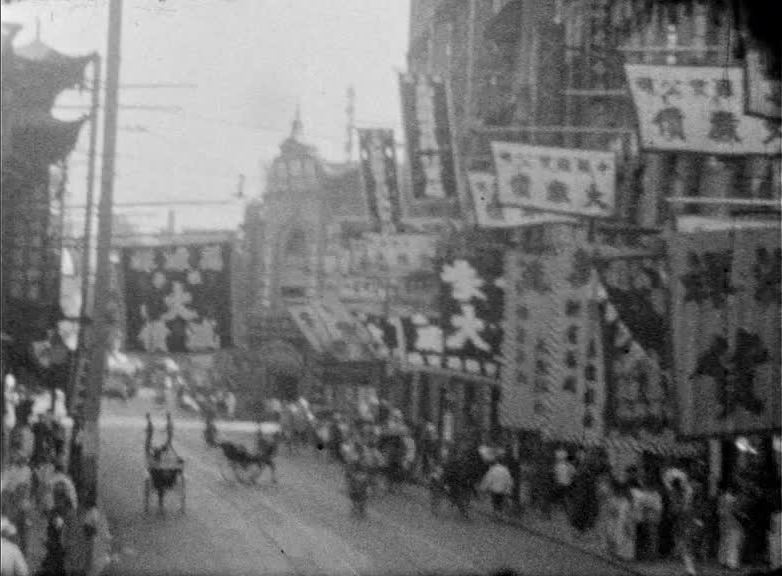
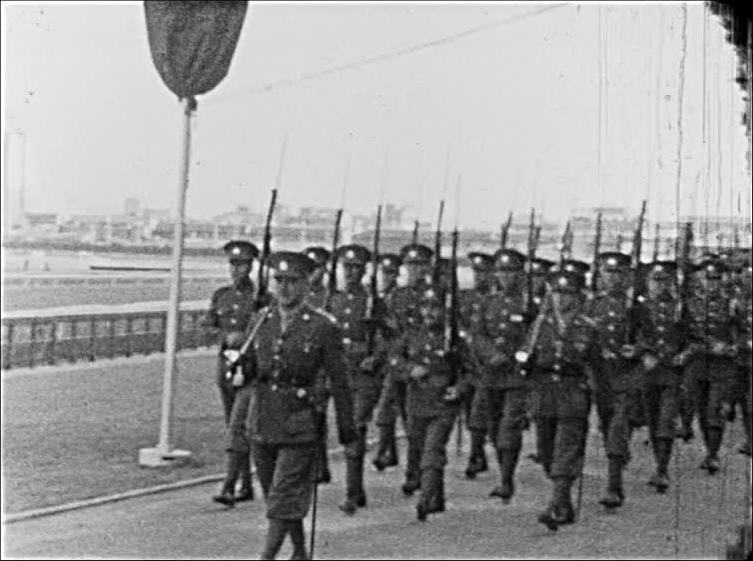
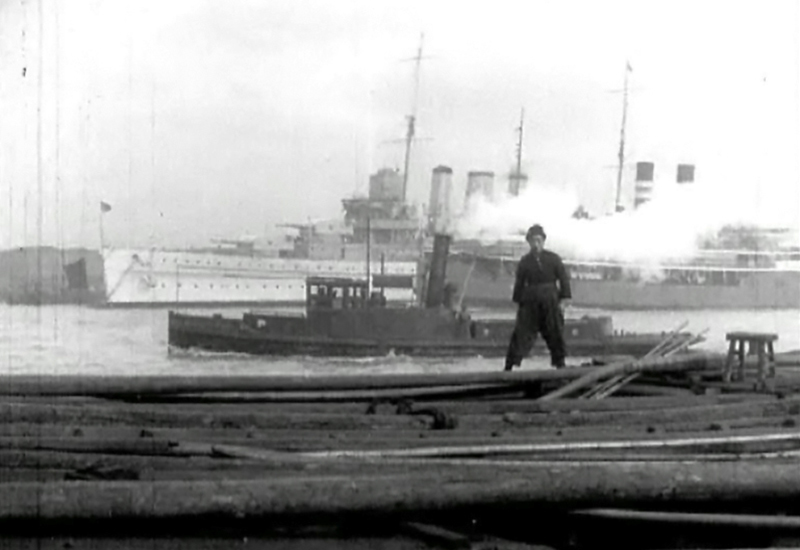
Some of the oldest surviving footage of Shanghai was shot by a British war correspondent, dispatched to China to cover the 1900 Boxer Rebellion. It captures the teeming multi-national traffic on the central Nanjing Lu thoroughfare, from gliding bicycles and rattling rickshaws, to a Sikh police detachment and German soldiers enjoying a cigarette. Shanghai's famous waterfront, the Bund, captivated numerous filmmakers in the 20s and 30s, and several films here show a remarkable thronging harbour life, with sampans clustering beneath the Bund's baroque temples of commerce and leisure.
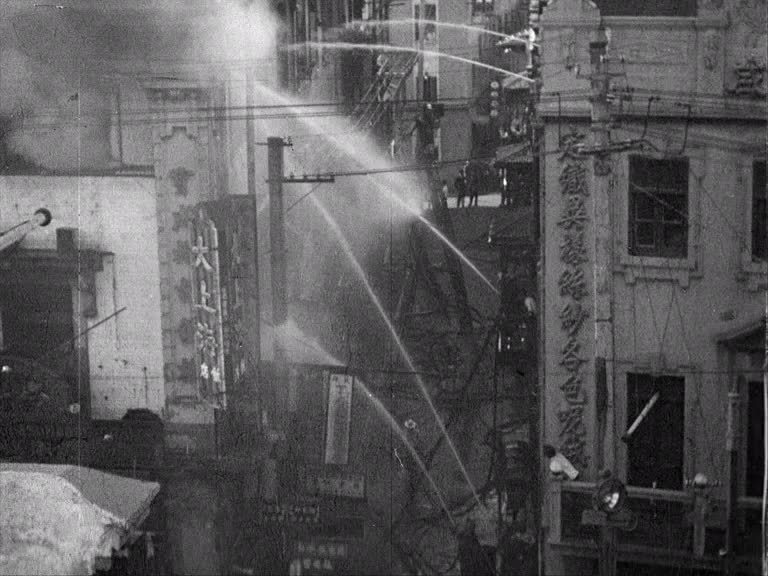
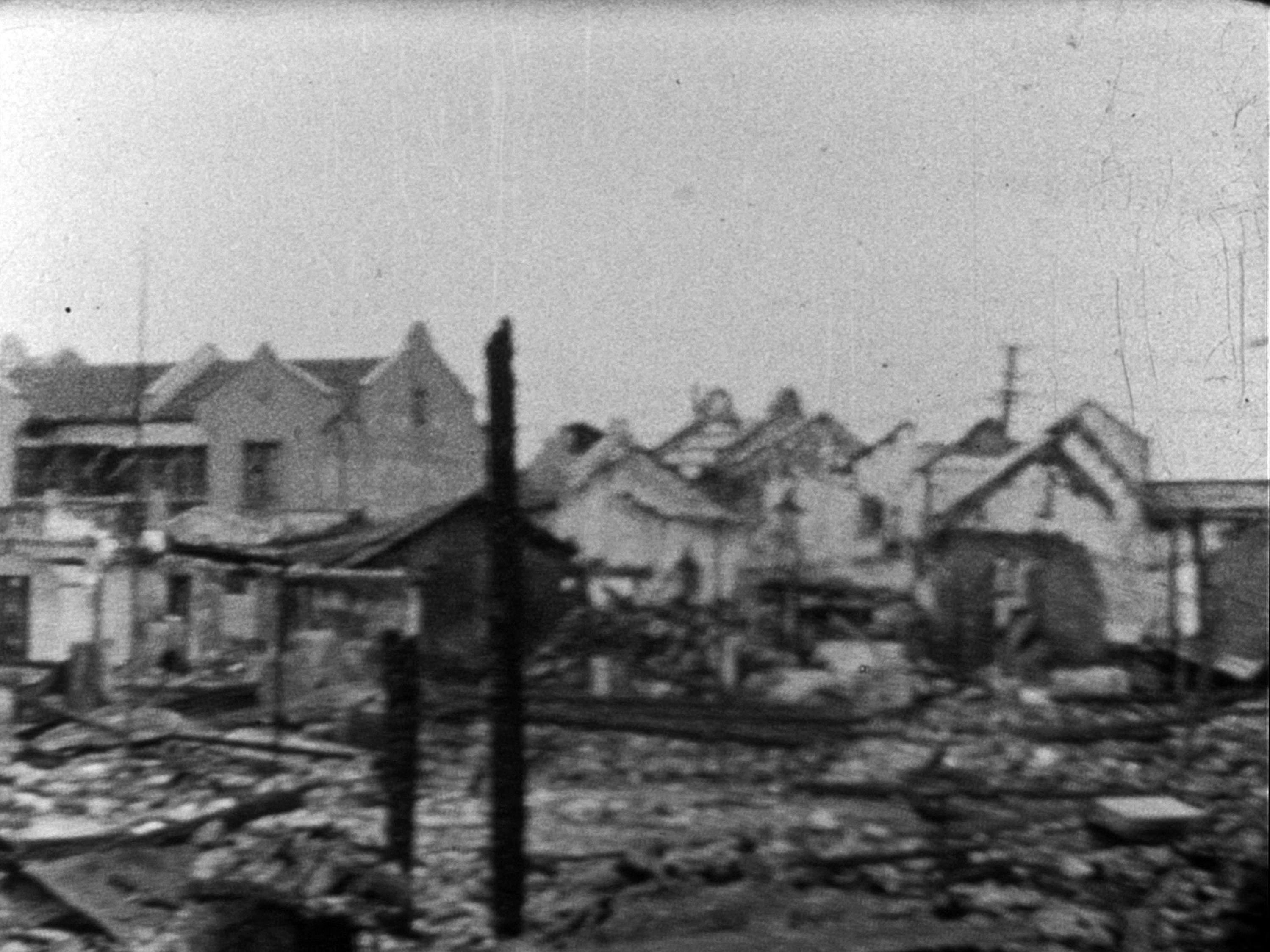
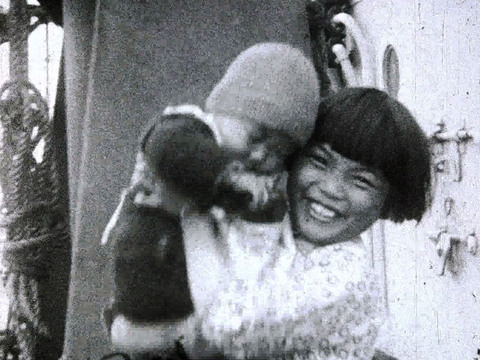
Also featuring in this collection of newsreels, travelogues and home movies are scenes of the Japanese occupation of the city in 1937, and the death and destruction that followed. These are sombre, even harrowing scenes, but a crucial chapter in Shanghai's history.