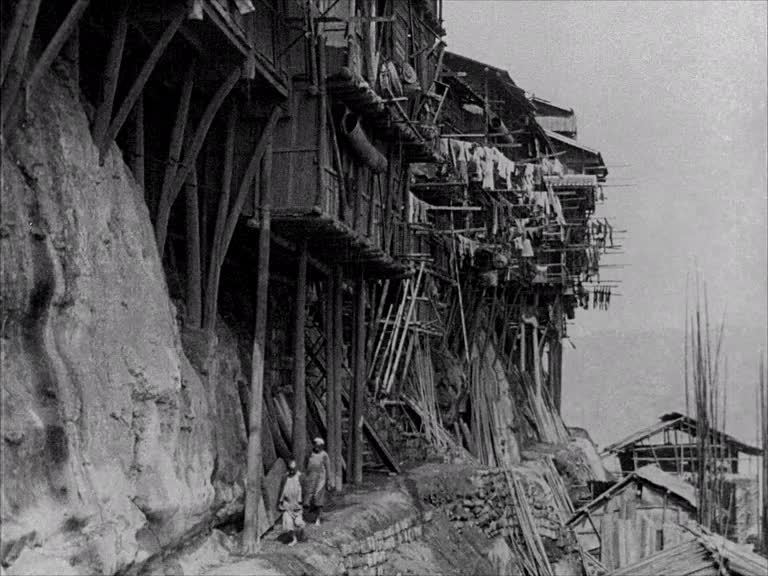
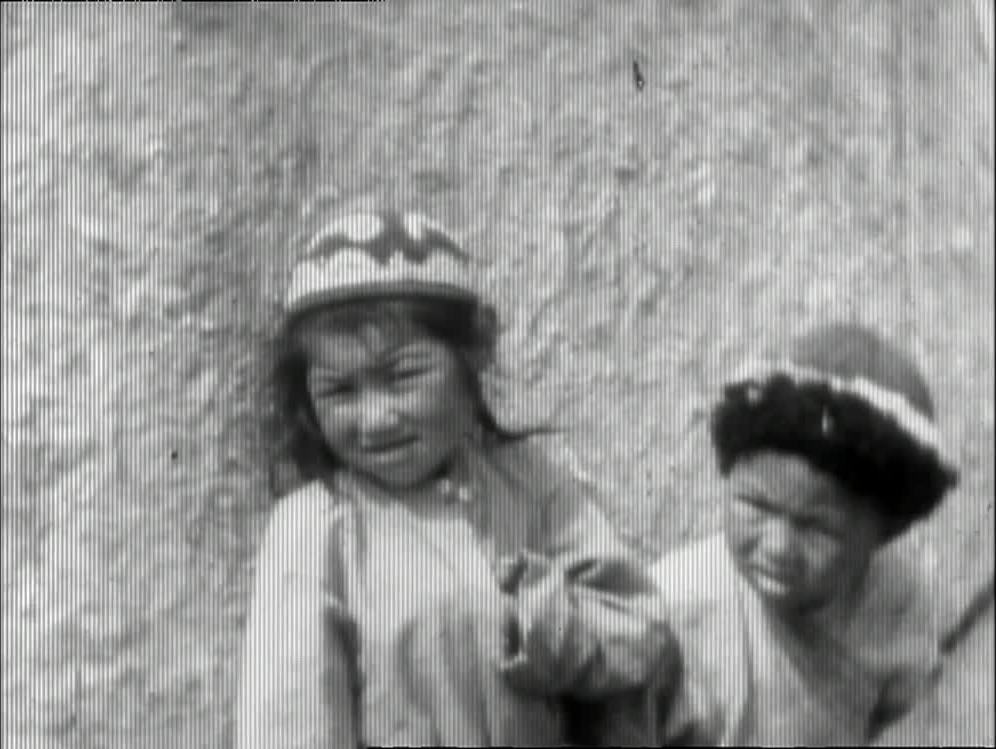
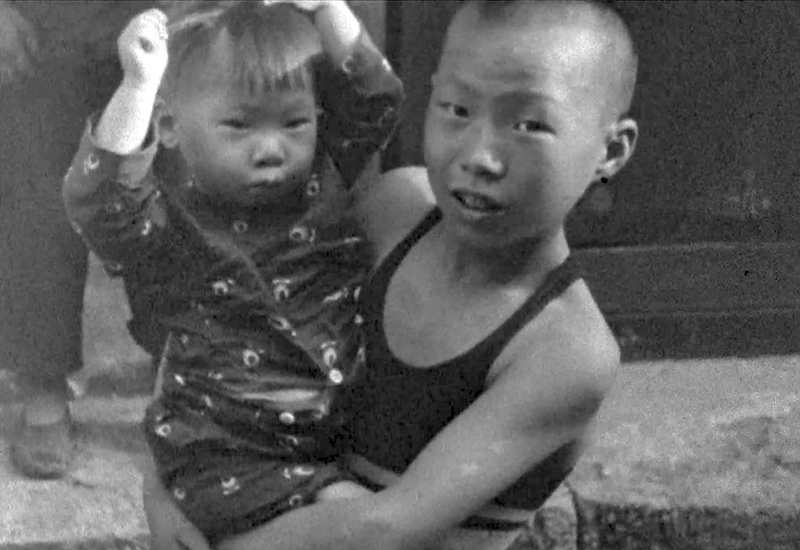
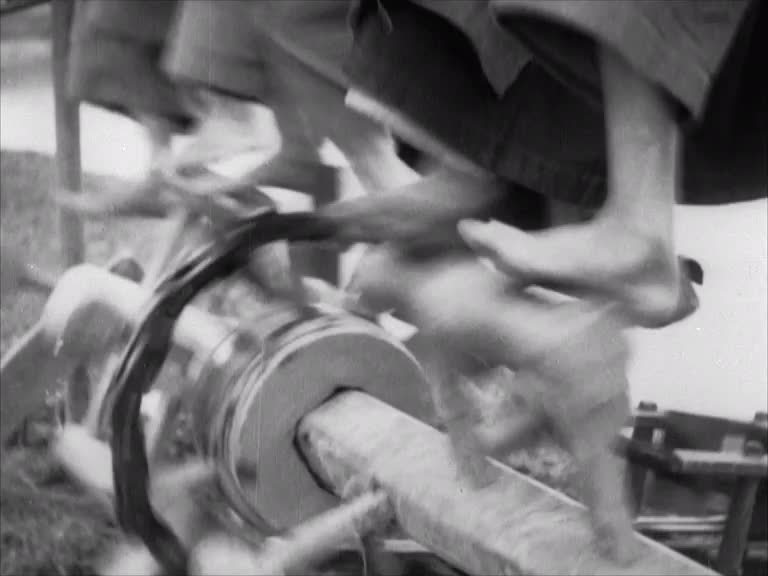
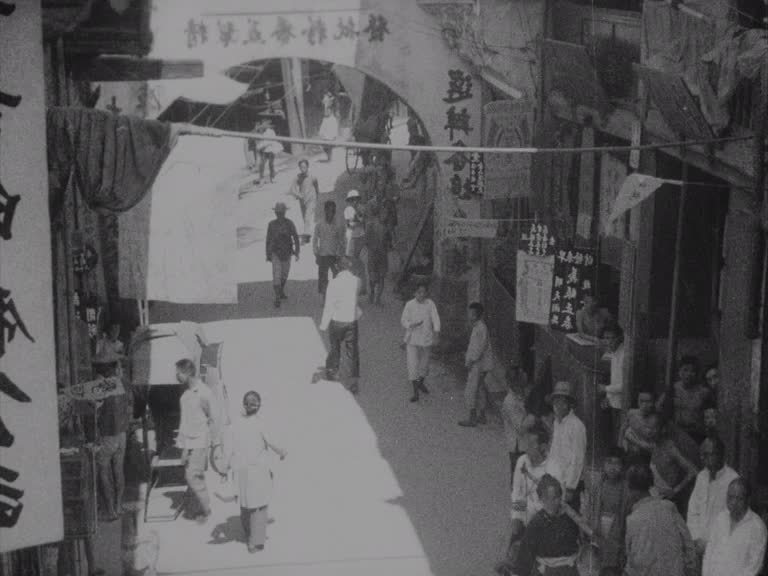
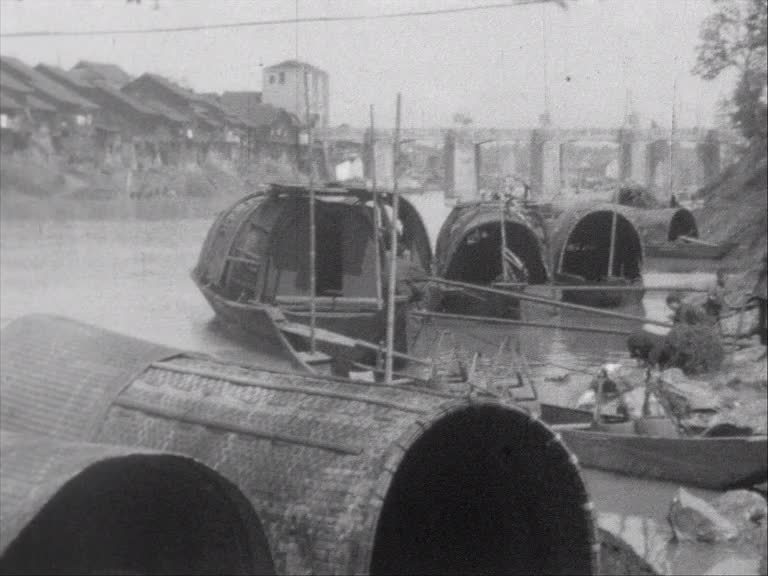
A Stilted City. Chungking. China
- Chongqing
- 1930
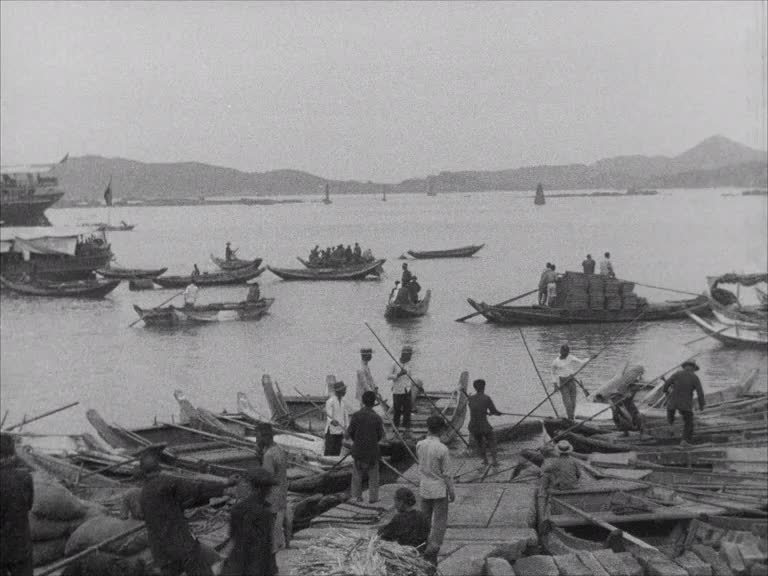
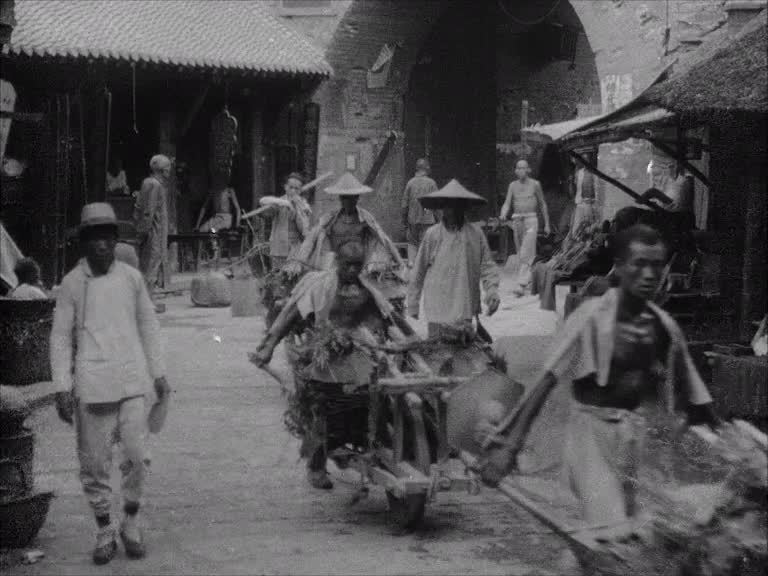
A lively film showing the bustle of street and river traffic in Zhongshan, birthplace of China's first president and founding father of the Republic.
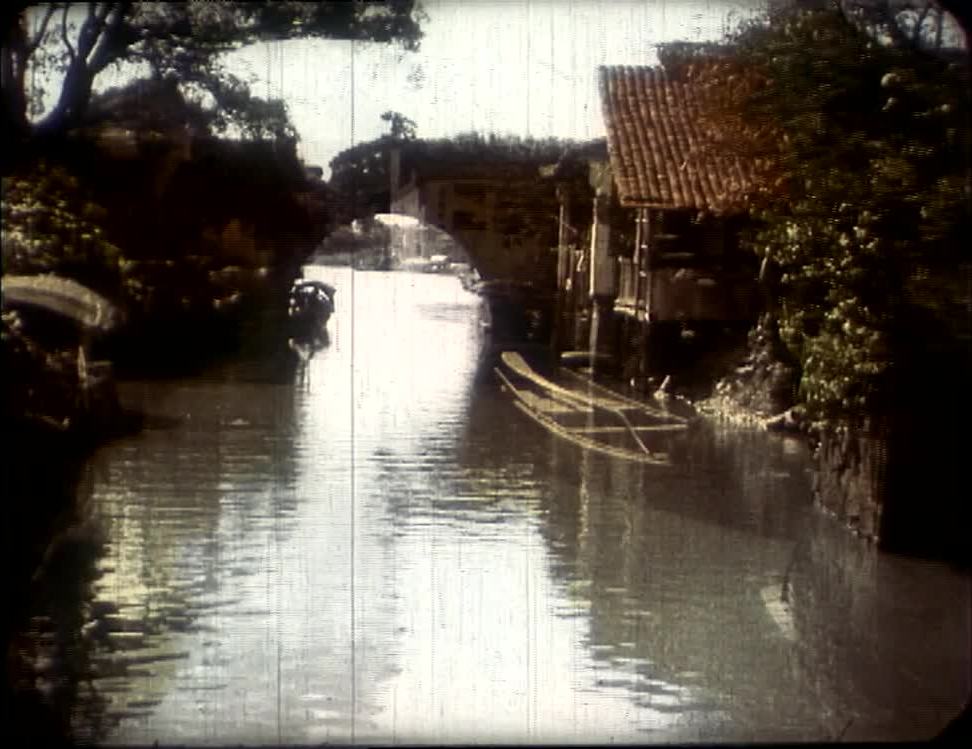
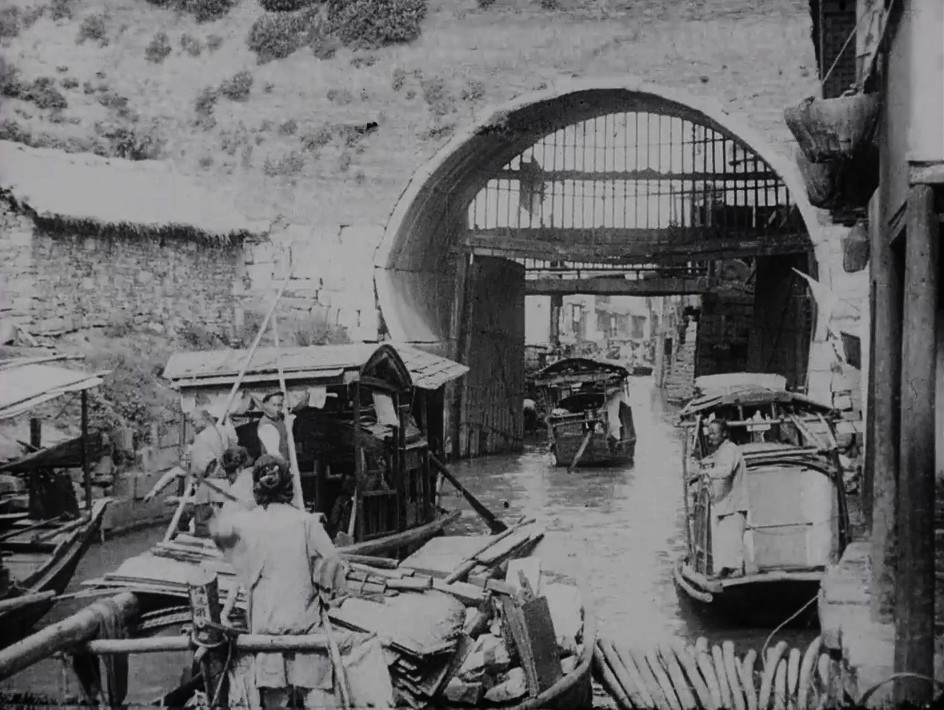
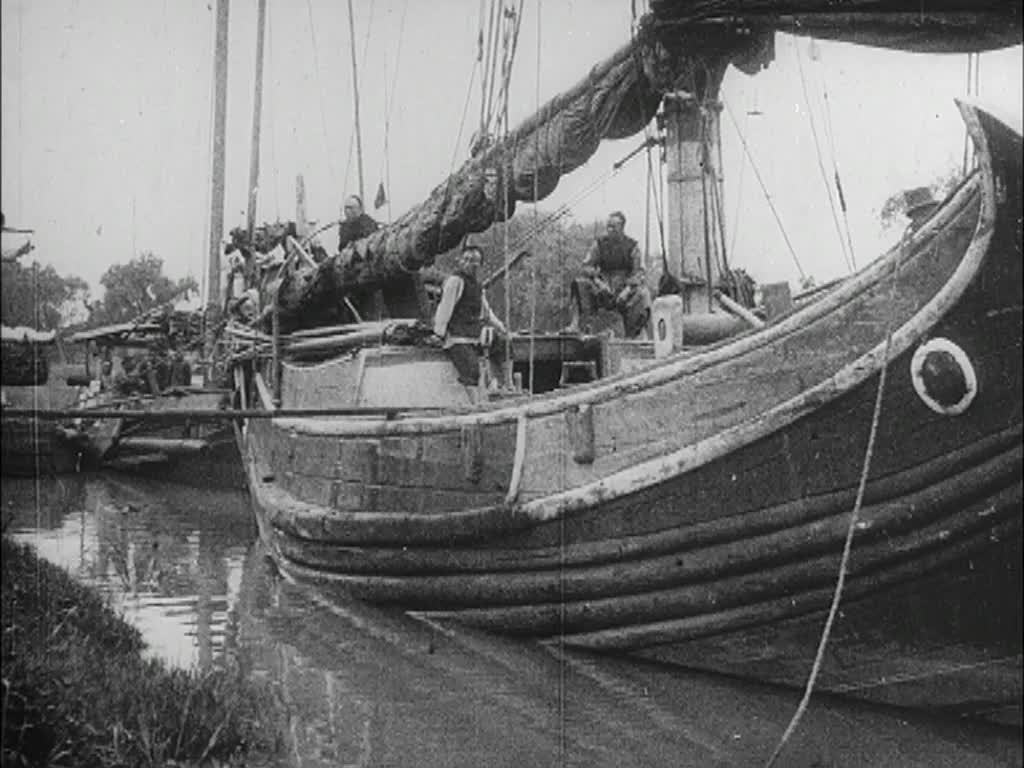
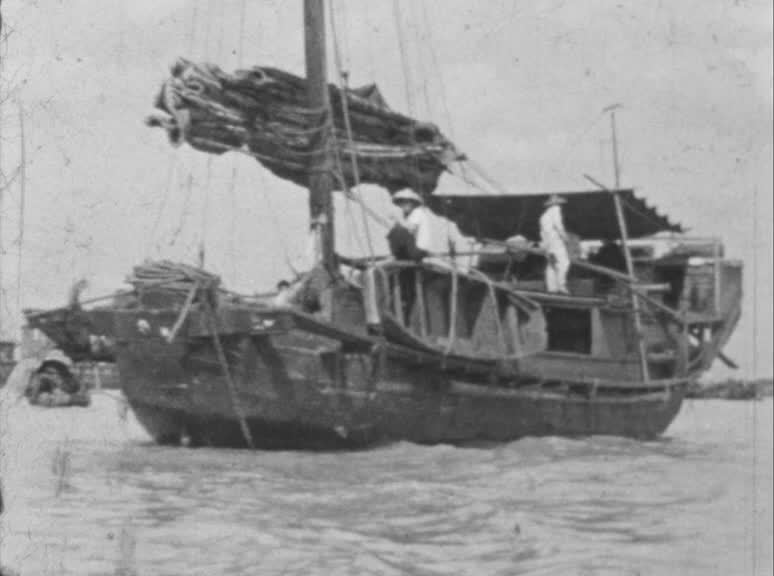
A spectacular array of junks - fishing boats, floating shop-fronts and trading vessels - opens this beautiful amateur film. After the Opium War of 1840, the mouth of the Pearl River became a hub of commercial activity and a major gateway to the fertile south. The West influenced fashion and architecture in coastal towns like Zhongshan, which gained significance as the birthplace of revolutionary leader Sun Yat-sen.
China's defeat in the Opium War led to the Treaty of Nanking in 1842, forcing her to cede Hong Kong to the British and open up Guangzhou (then known as Canton) to foreign trade. A brisk commercial centre grew out of the Pearl River and its surrounding towns, including Zhongshan, lying on the west of the river mouth directly opposite Hong Kong and south of Guangzhou. Once known as Xiangshan, it was renamed after Sun Yat-sen (Sun Zhongshan) when he died in 1925. The memorial hall seen at the end of the film was built to honour him and his revolution, which brought about the collapse of China's dynastic system.
There's so much more to China than Western eyes usually see. Explore the country's giant interior in the footsteps of some of the early 20th century's more intrepid filmmakers.
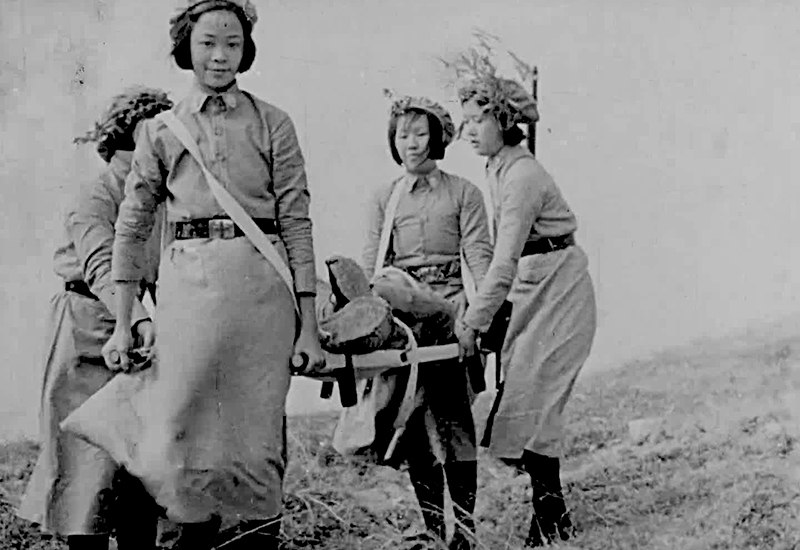
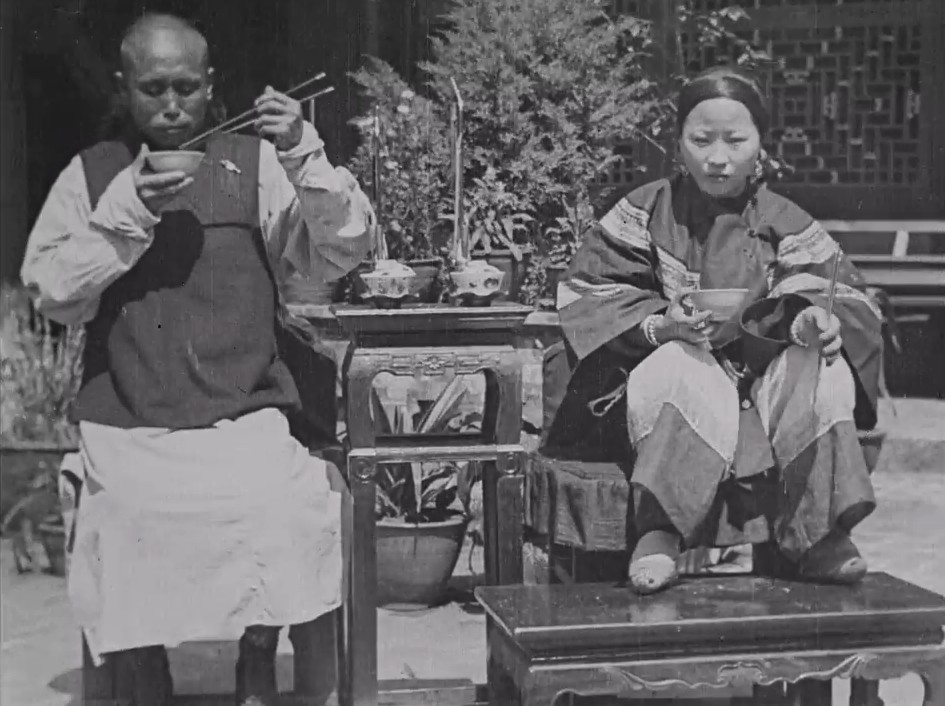
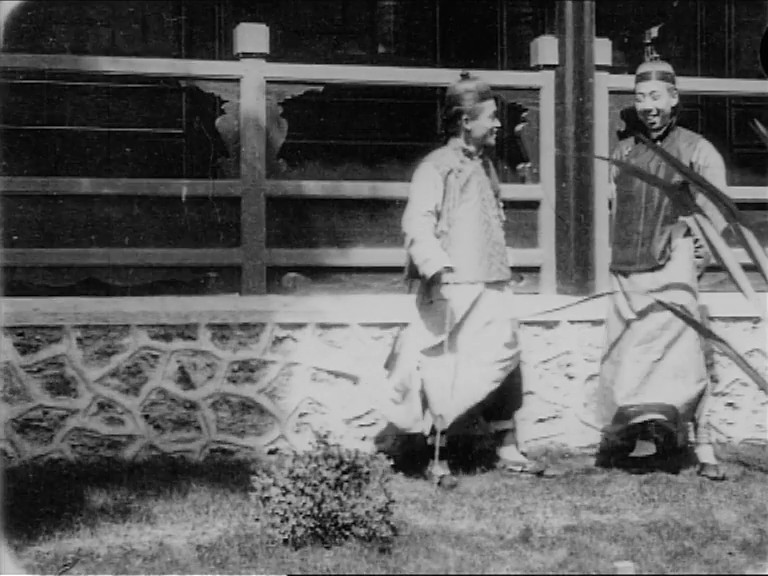
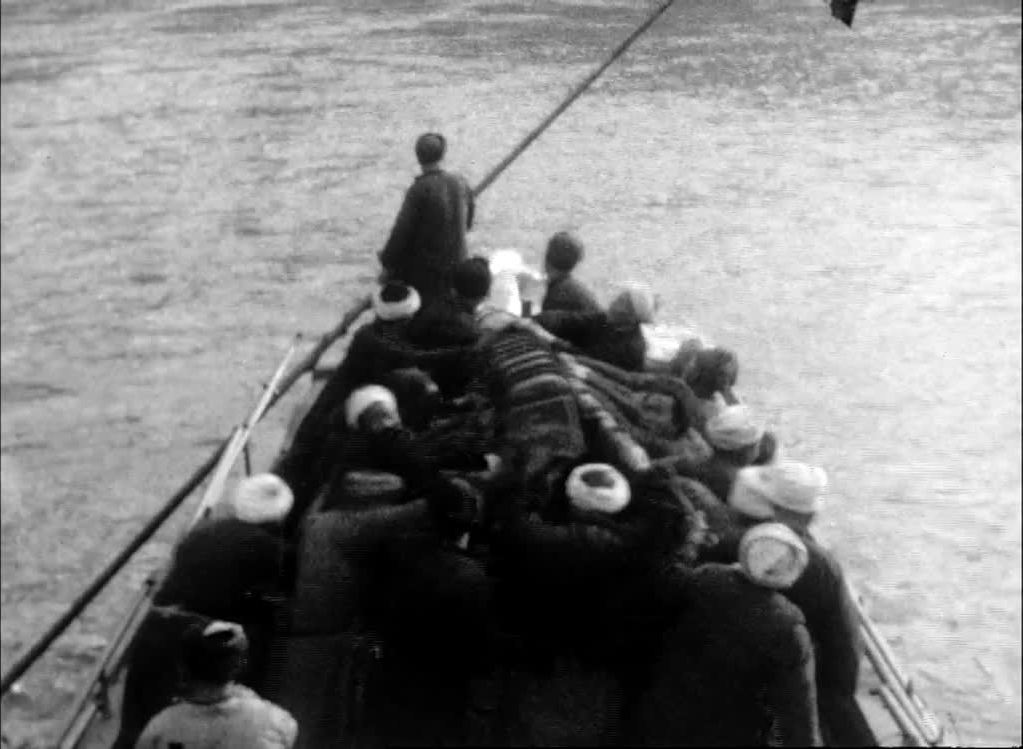
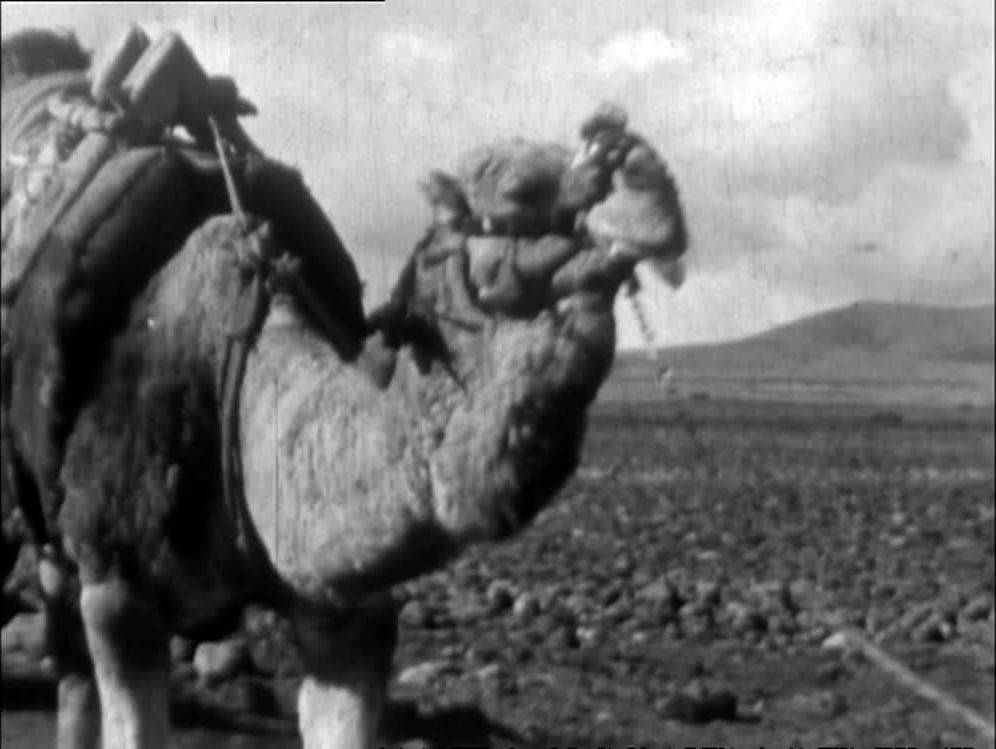
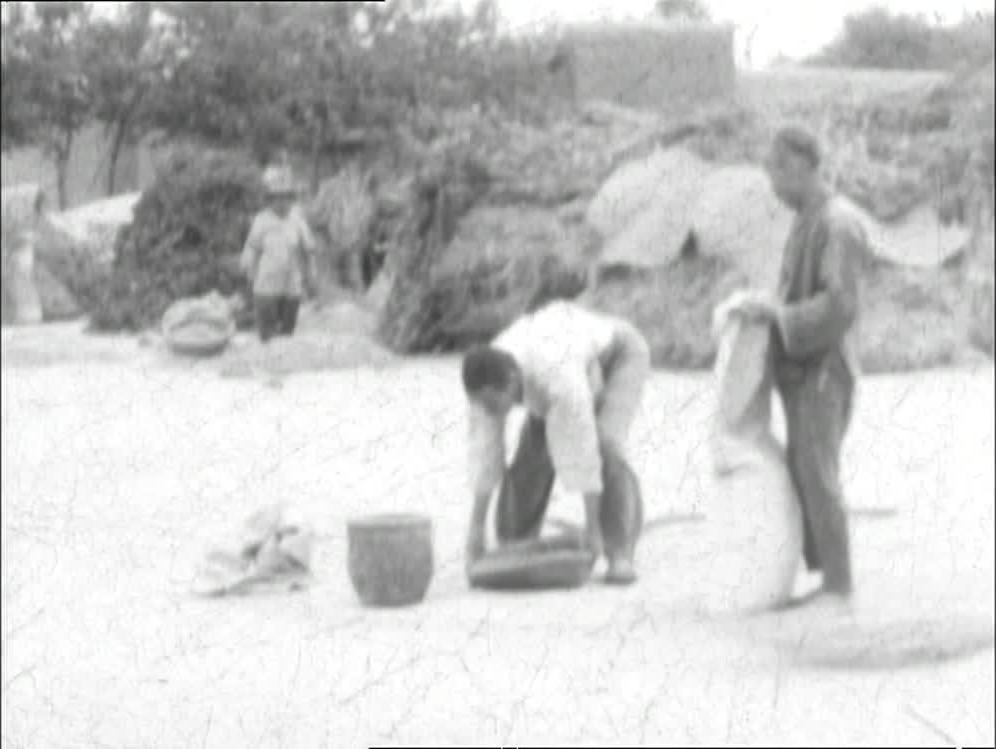
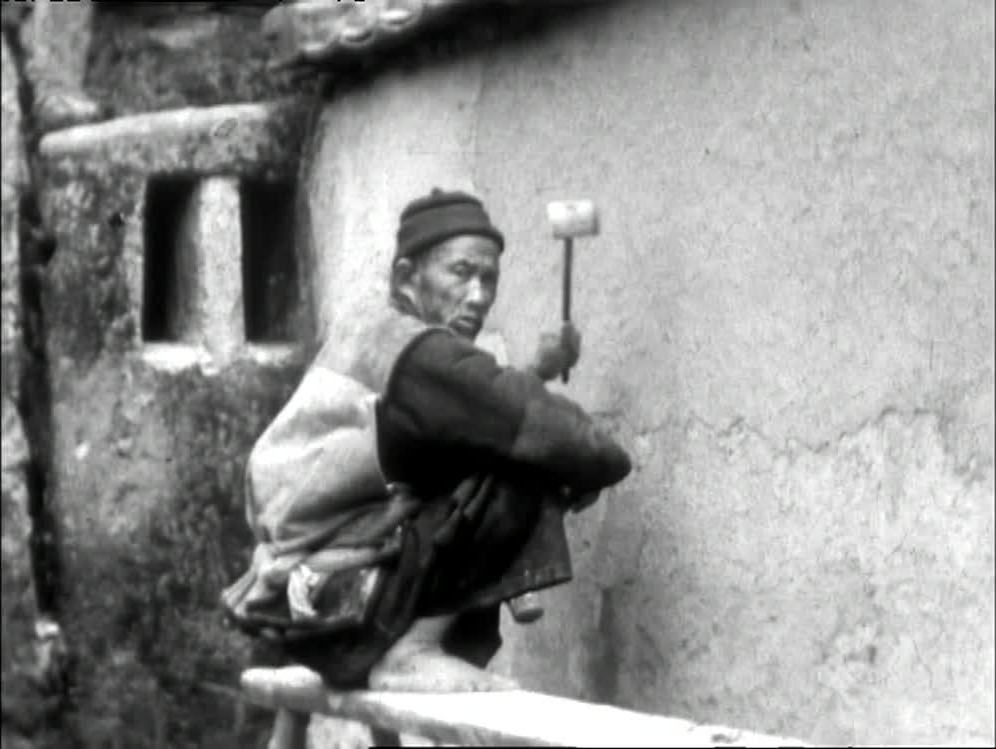
China's vast interior remained largely unexplored and undocumented by British filmmakers well into the 20th century. The European concessions and colonies of the east coast - in Beijing, Shanghai and Hong Kong - were an irresistible lure for western visitors. This is a journey into deep and distant China, through extraordinarily diverse landscapes: towering mountains, expansive deserts and along 3000-mile rivers stretching halfway across Asia. It's a record produced by intrepid explorers, missionaries and travellers, who brought portable home-movie cameras to document their holidays, anthropological studies, humanitarian work or evangelical activism.
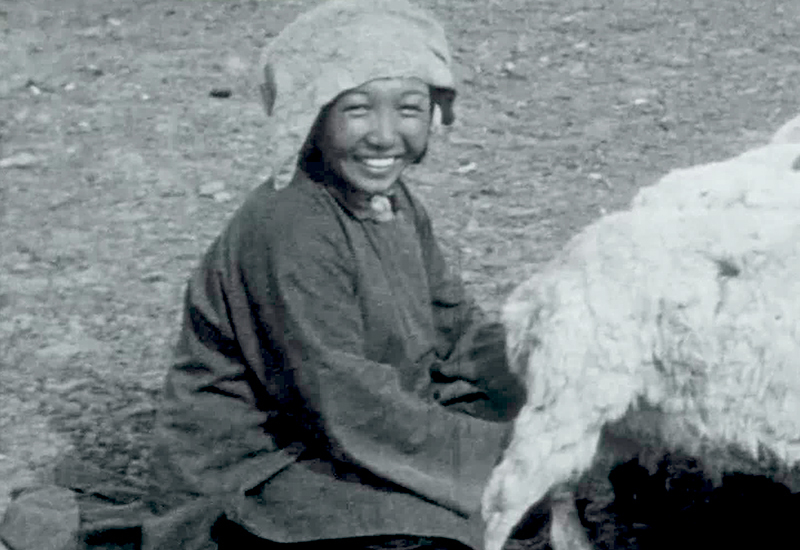
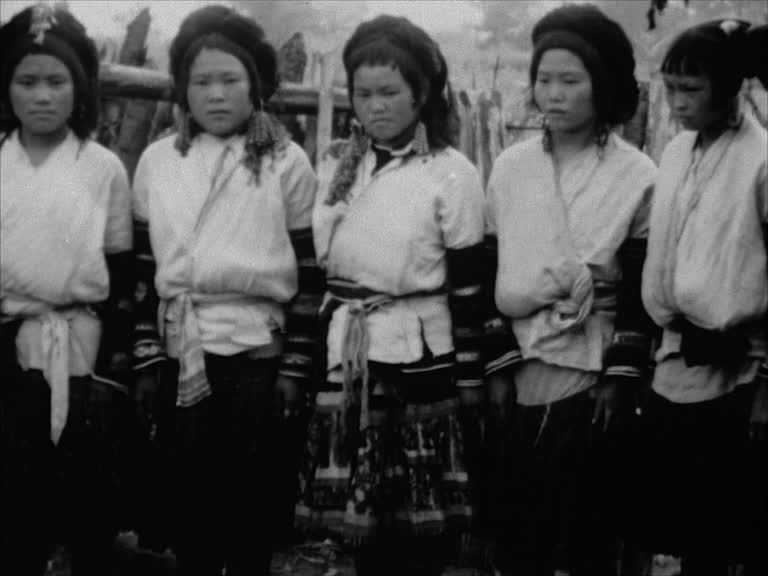
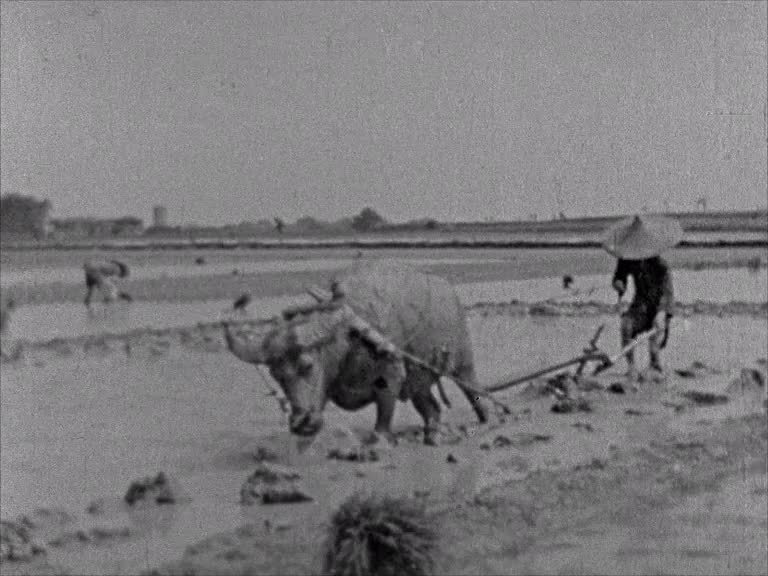
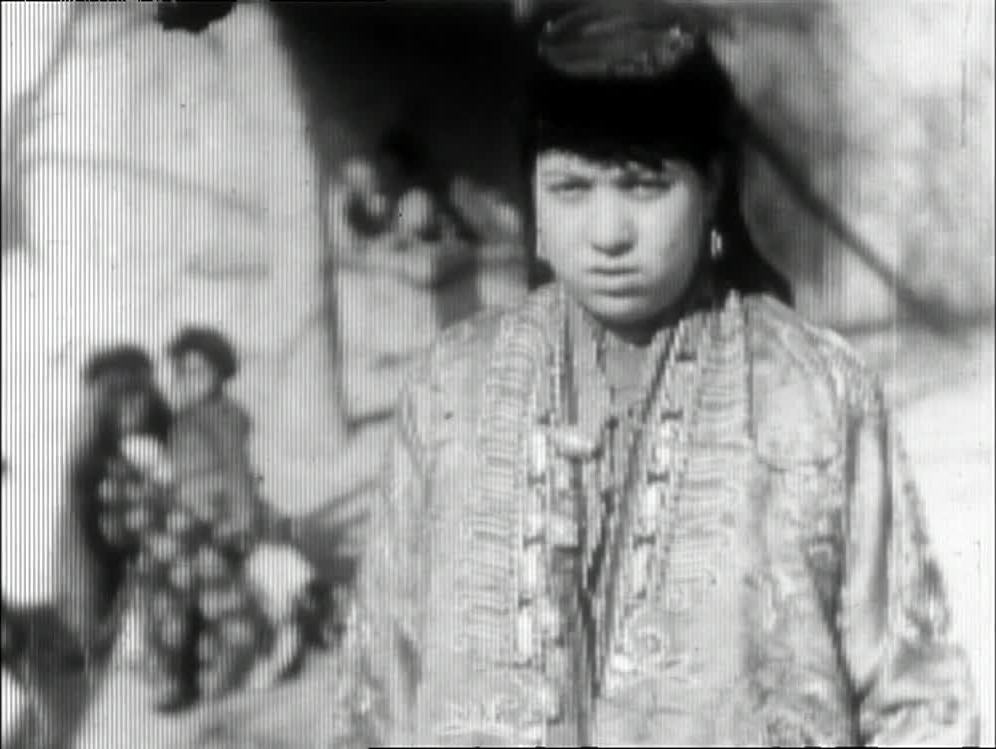
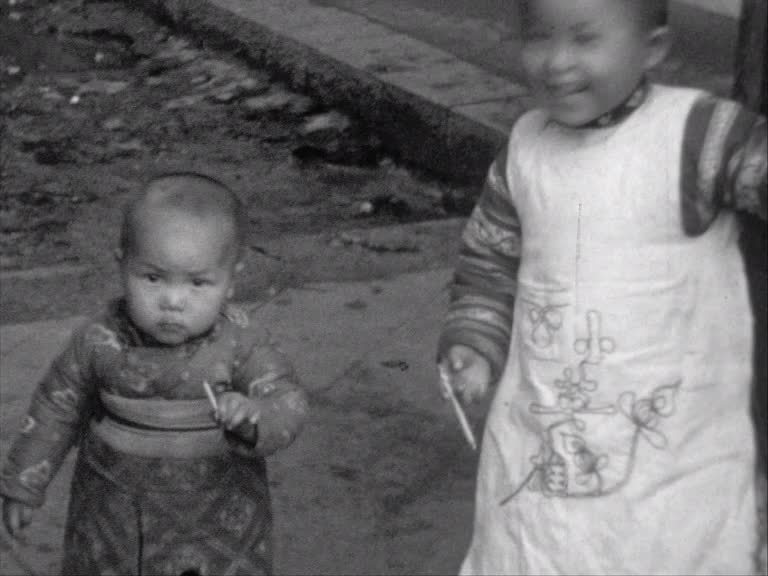
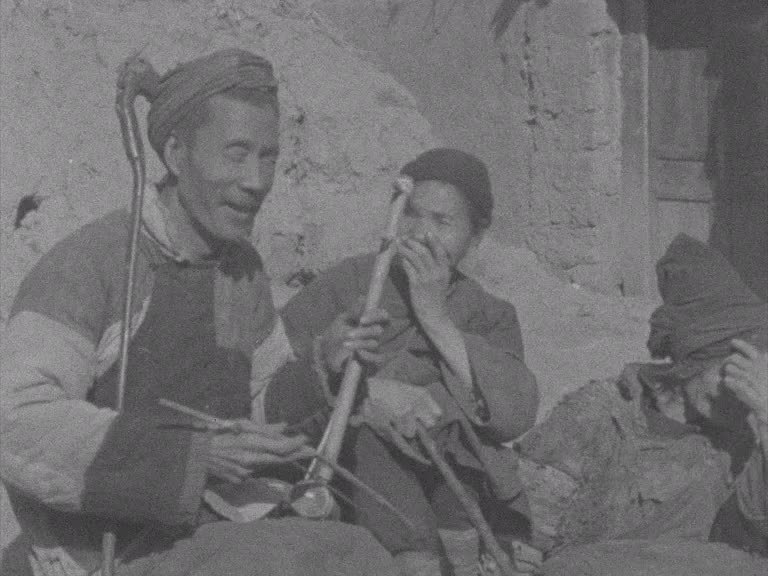
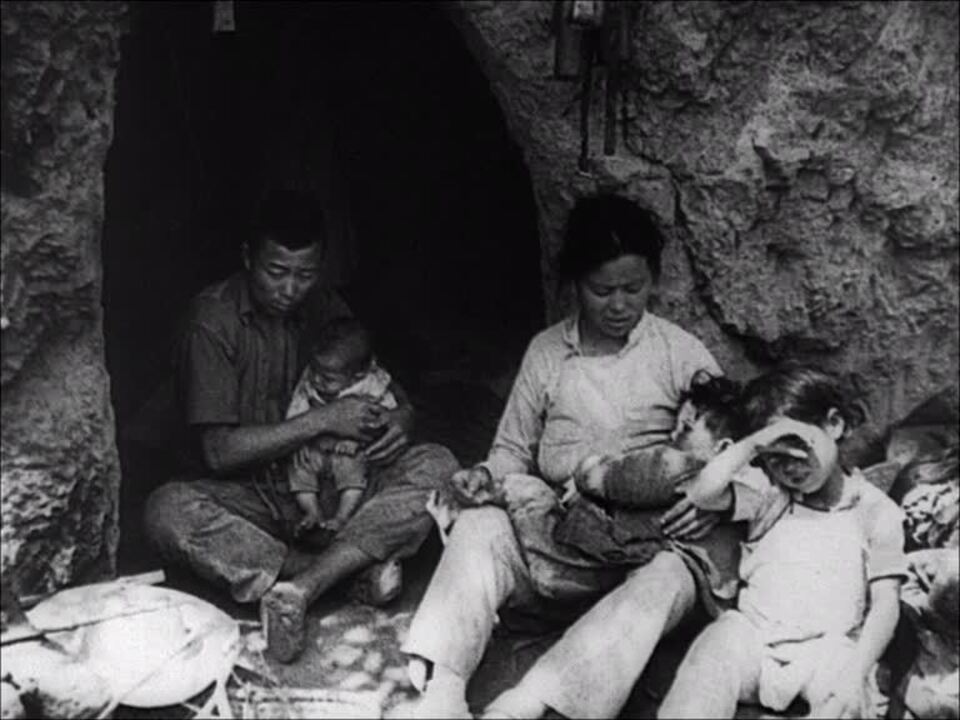
The films showcase China's remarkable ethnic diversity, meeting Mongol, Miao, Nosu, Uyghur and Manchu minorities on journeys from Kashgar to Inner Mongolia, around Hunan and Sichuan Provinces, and deep into mountainous Yunnan Province, where centuries-old methods of farming and hunting still prevailed. On the way cities too, still uninfluenced by encroaching western modernity: Kunming, Chongqing, Suzhou, Hangzhou and Changsha. But in all of China's vastness, it's not possible to identify the source of these fascinating images. So much is still unknown.