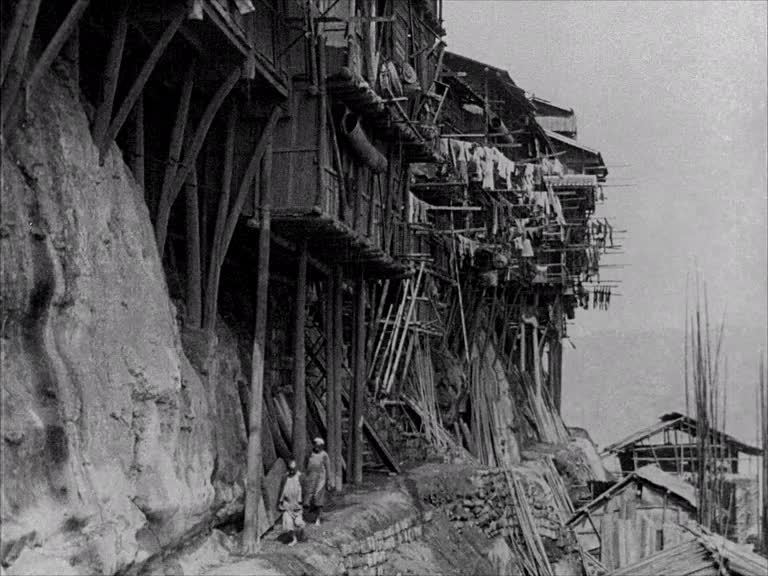
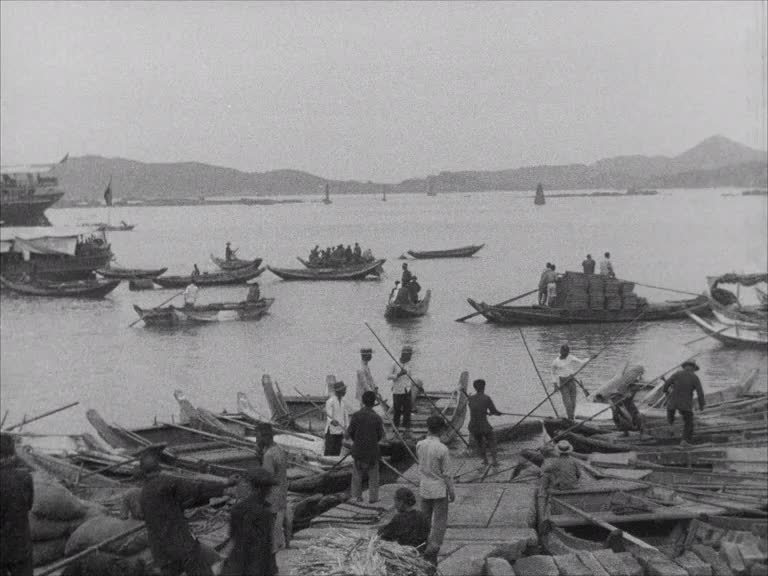
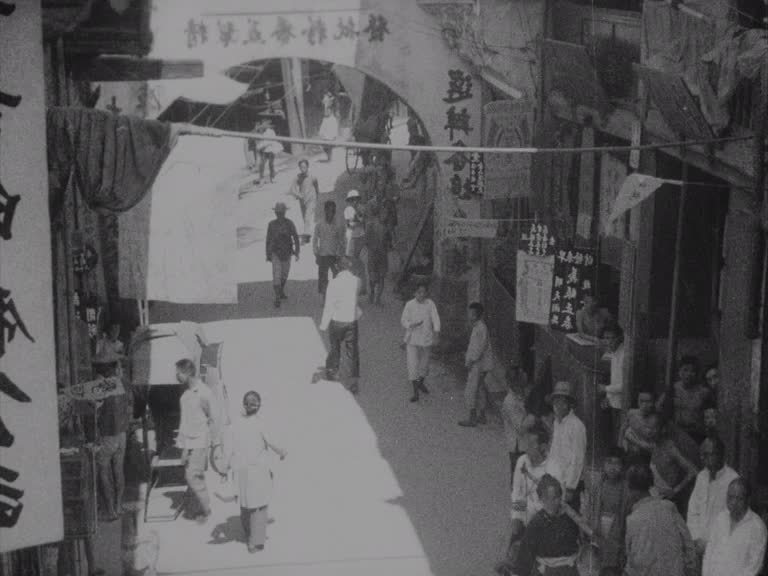
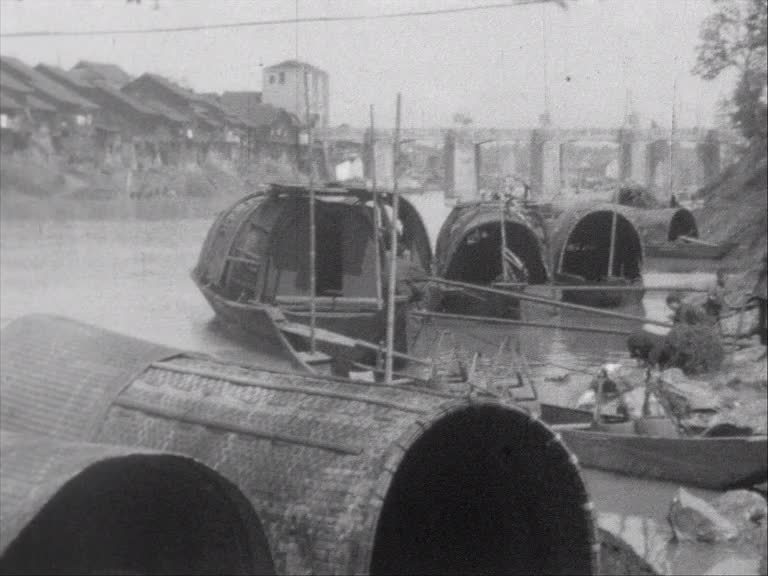
A Stilted City. Chungking. China
- Chongqing
- 1930
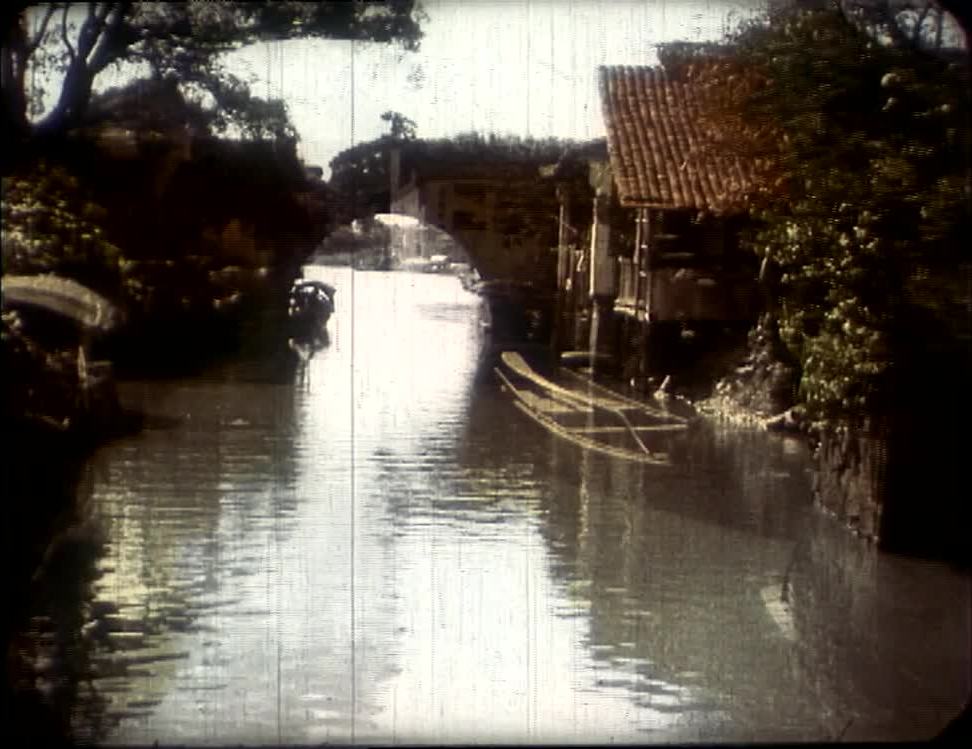
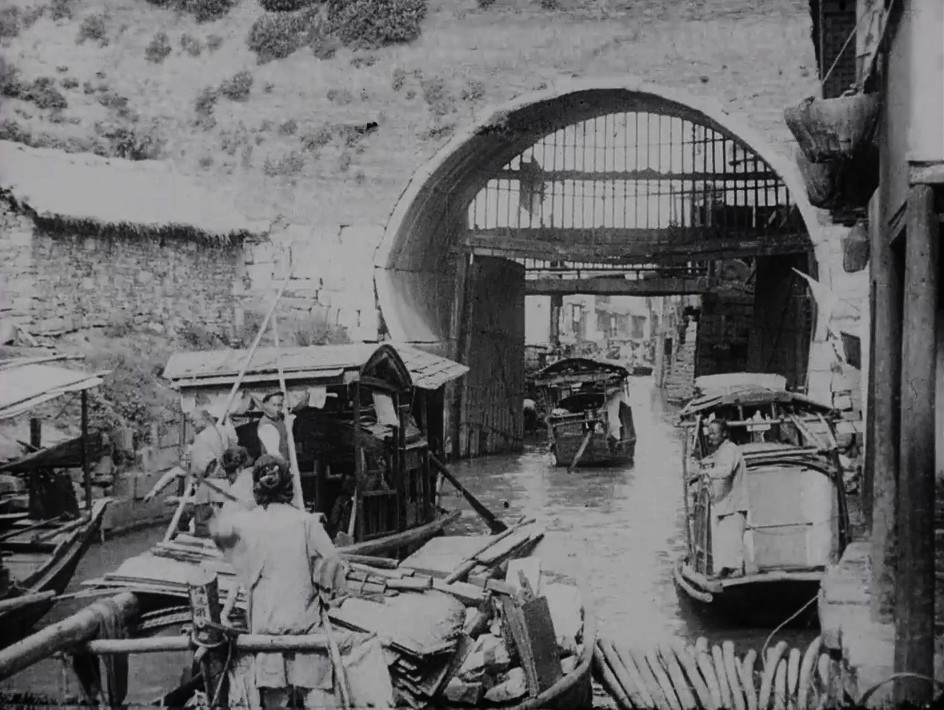
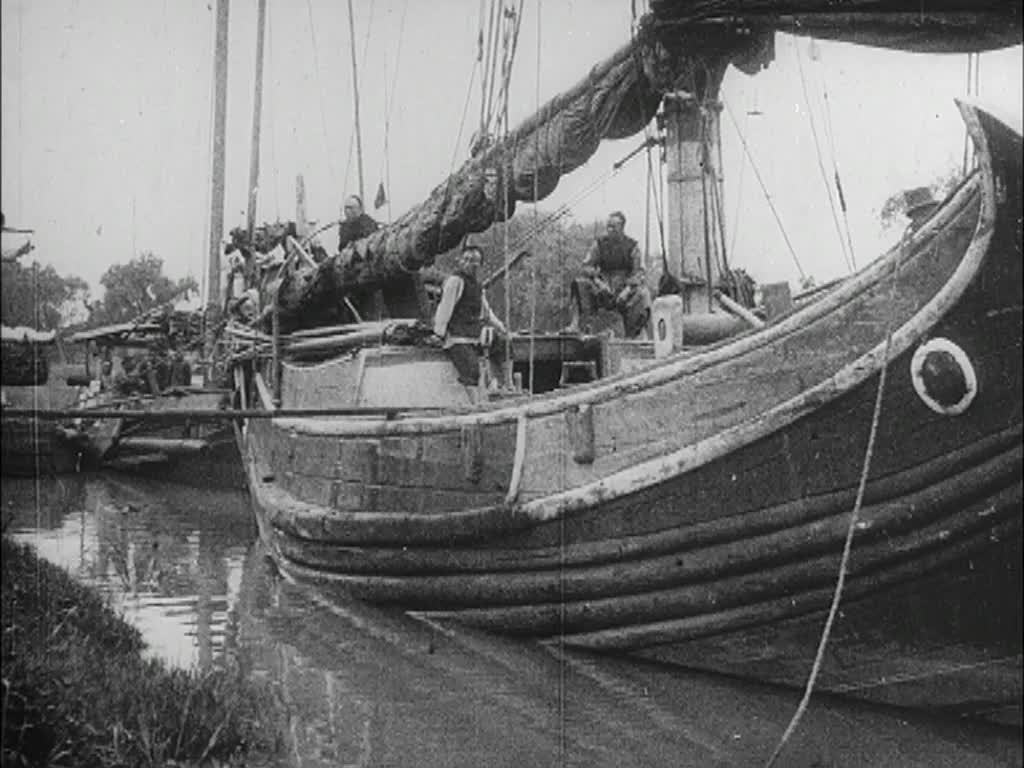
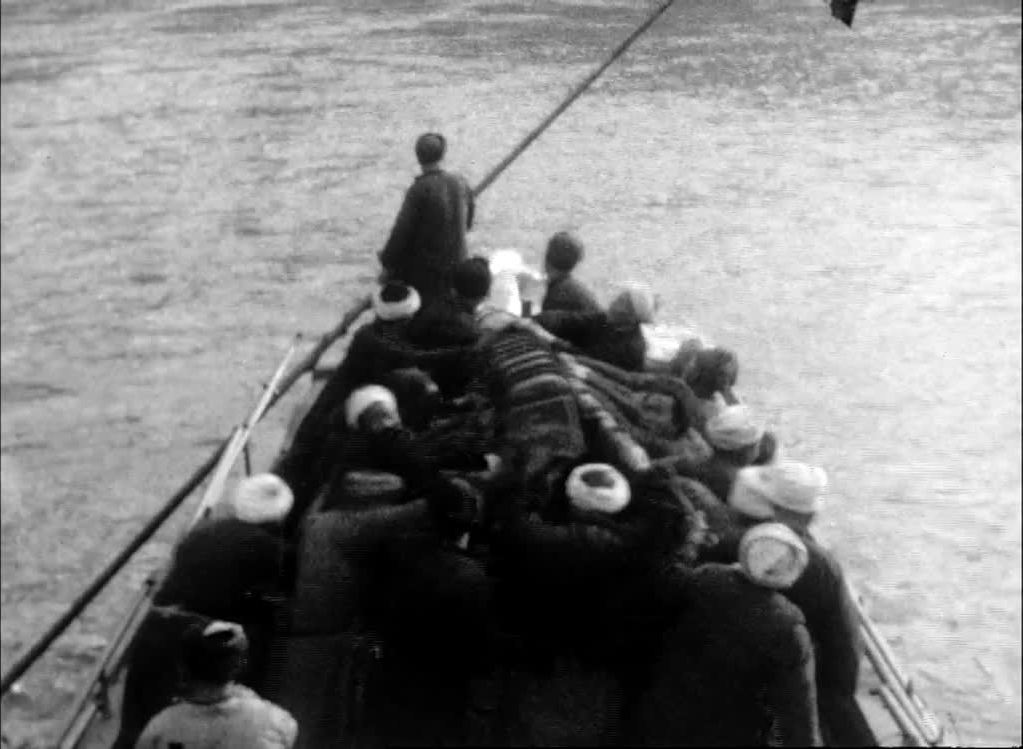
Take a cruise through imperial China on the world's longest man-made waterway, the Grand Canal.
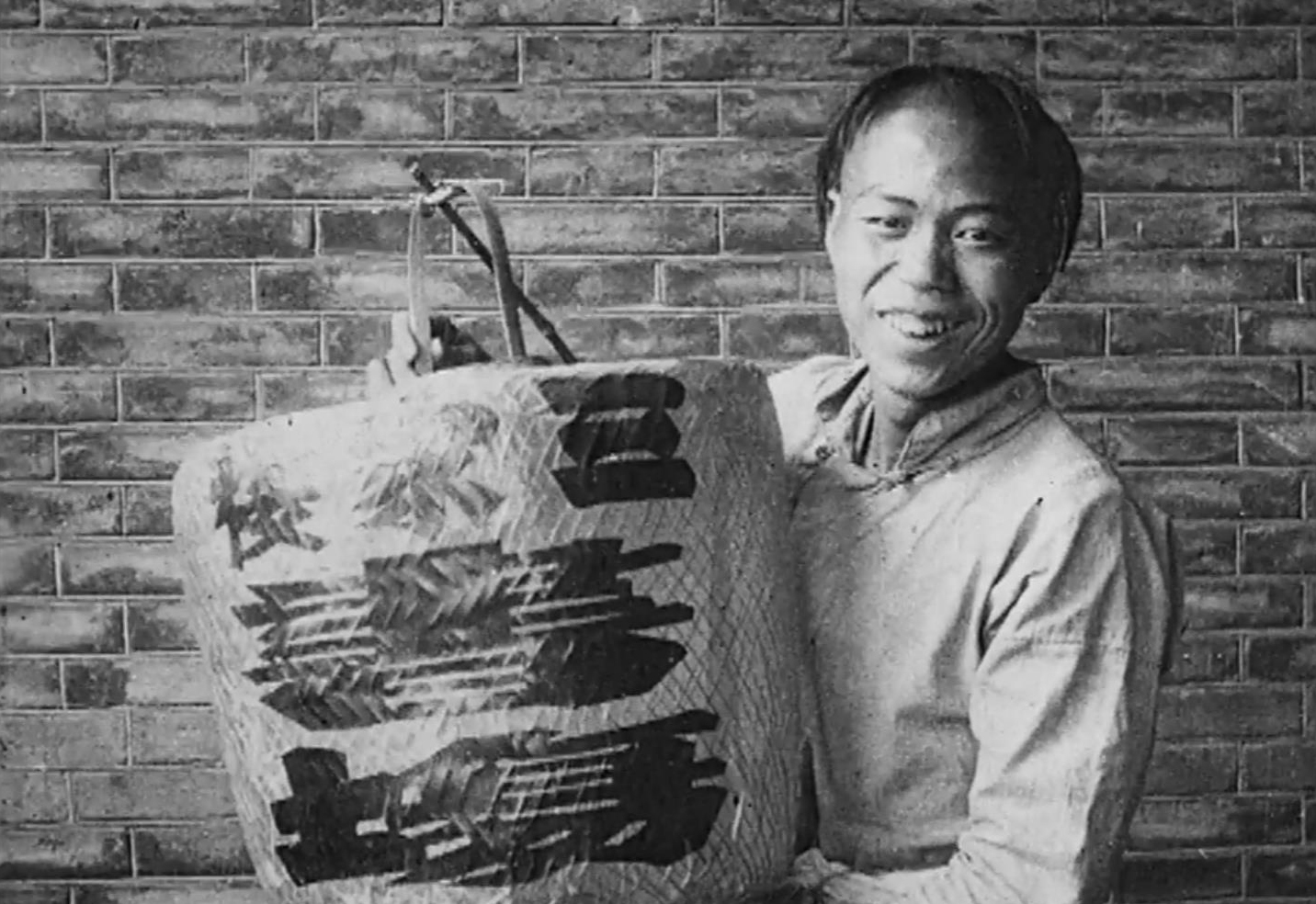
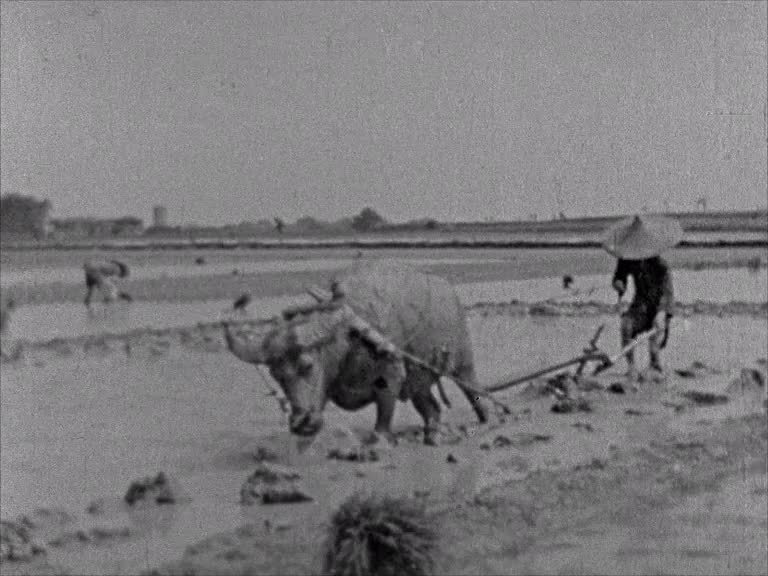
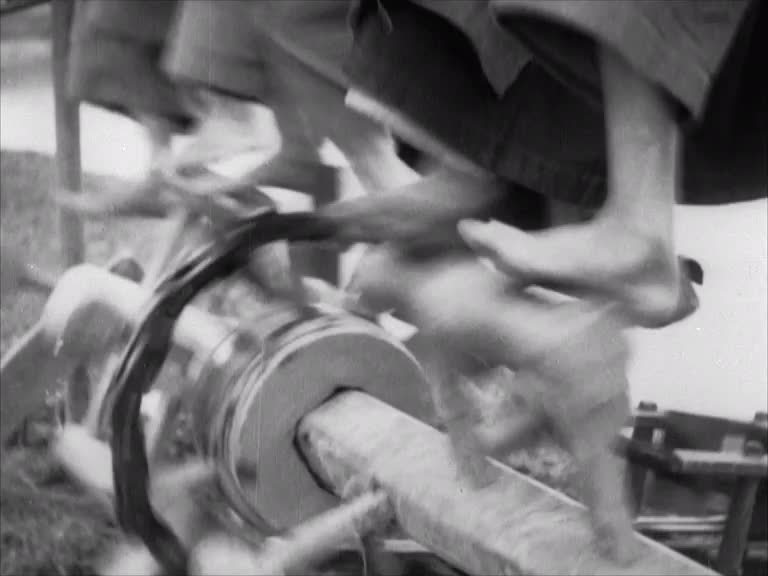
Take a cruise through late-Qing-dynasty China on the world's longest man-made waterway, the Grand Canal, with this Pathé travelogue. Sights along the way include a pair of ingenious machines for irrigating the paddy fields (one powered by a water buffalo); the arduous loading of a ship with salt, basket by basket; and quayside scenes at Shanghai's busy harbour.
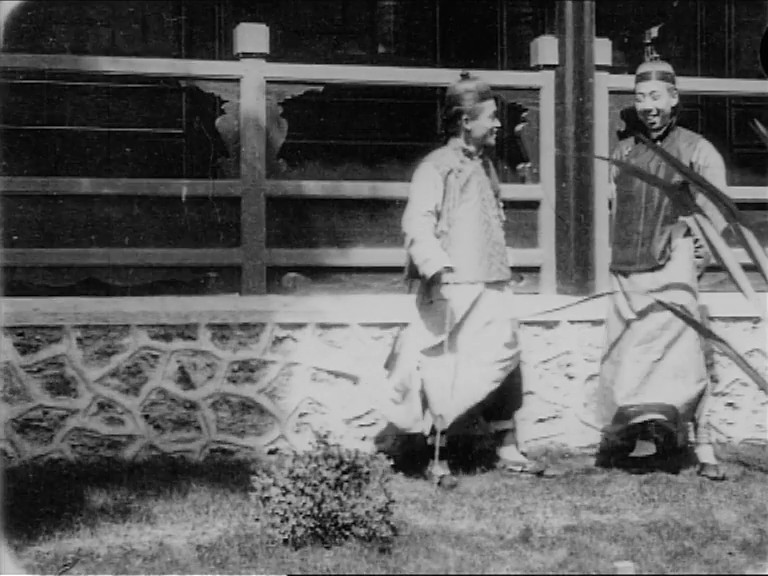
The production company, Pathé, was one of several European and American companies working in China during the late Qing dynasty (before 1912). Their films capture the lost life and landscape of this ancient country.
There's so much more to China than Western eyes usually see. Explore the country's giant interior in the footsteps of some of the early 20th century's more intrepid filmmakers.
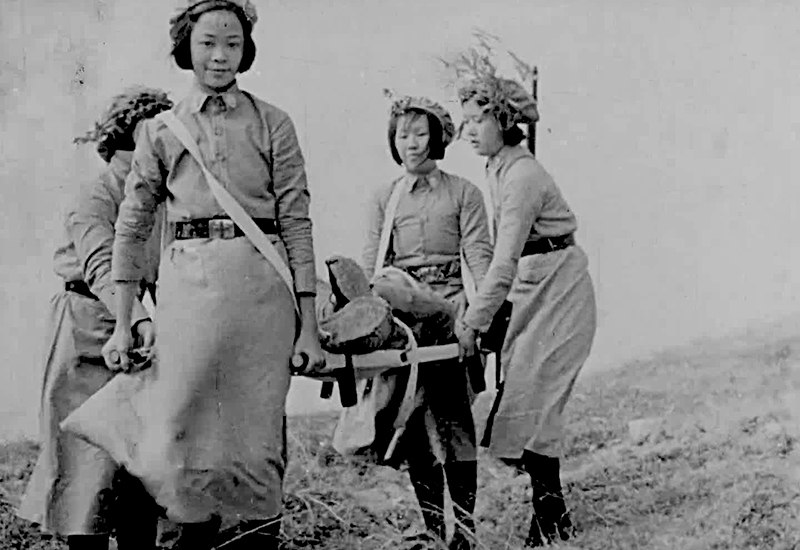
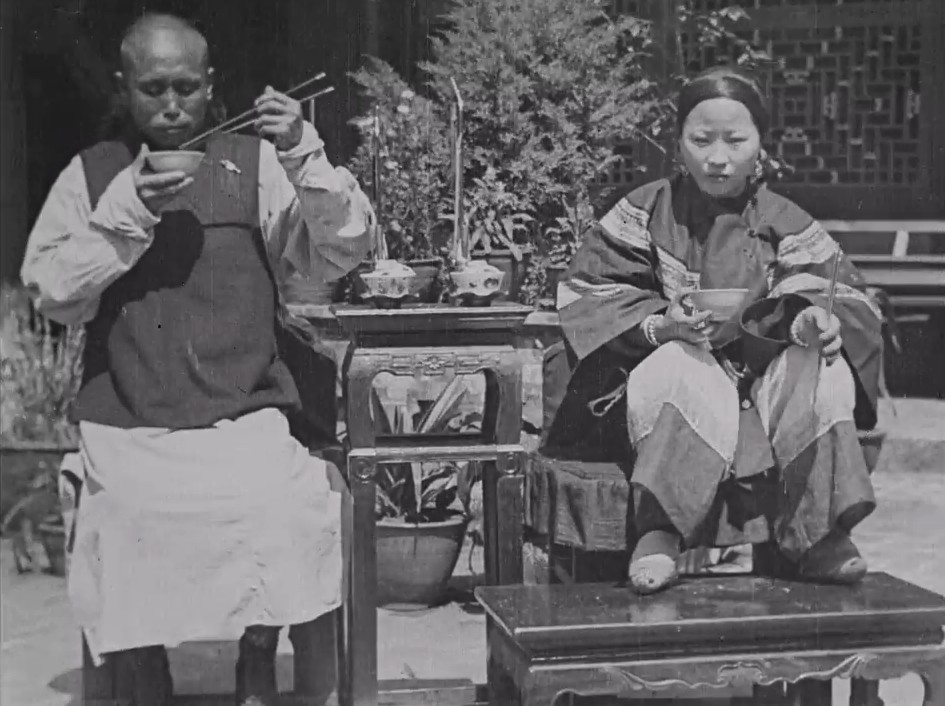
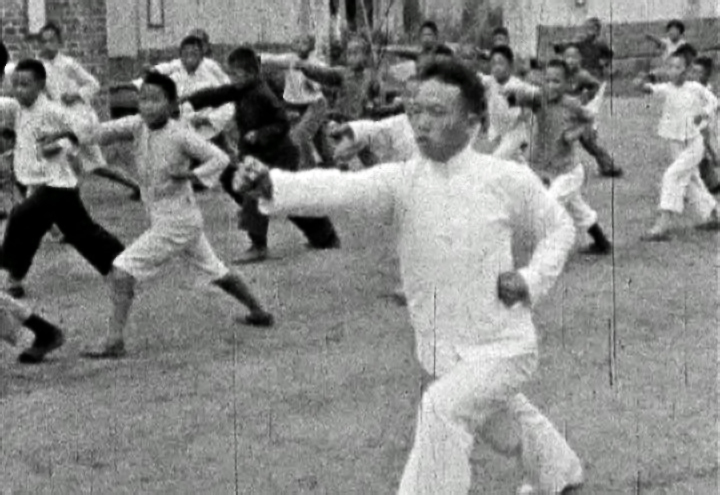
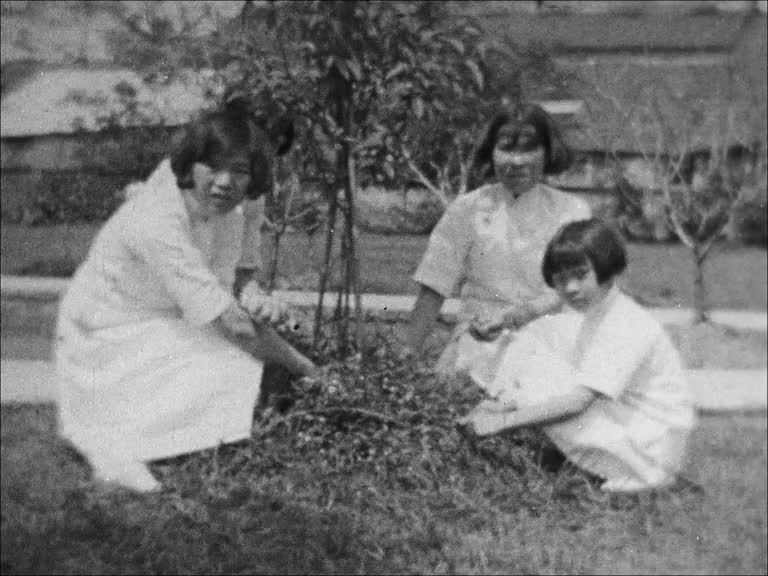
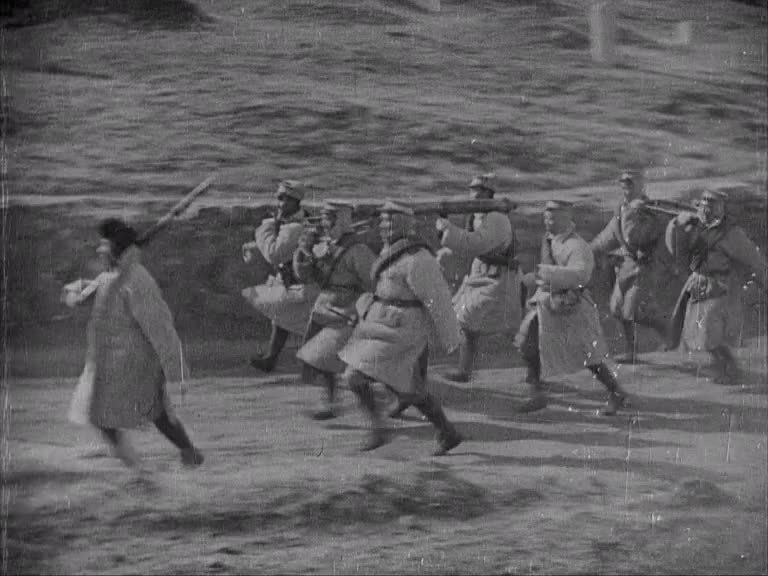
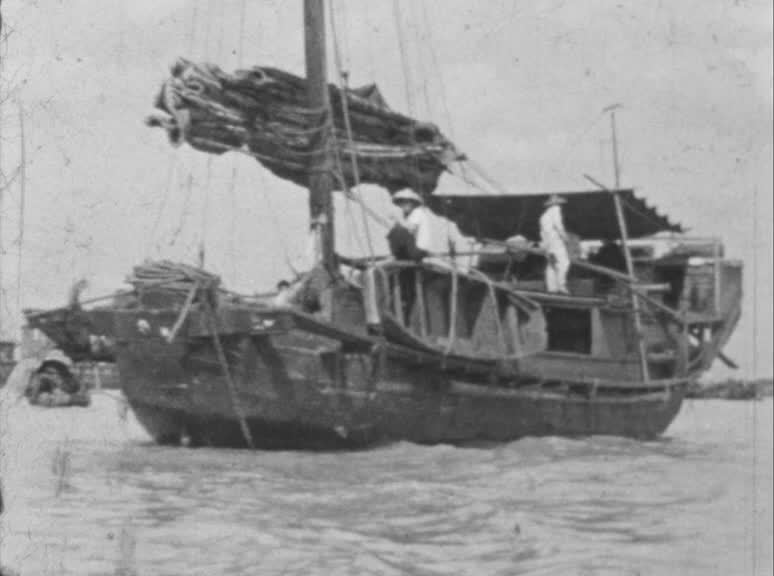
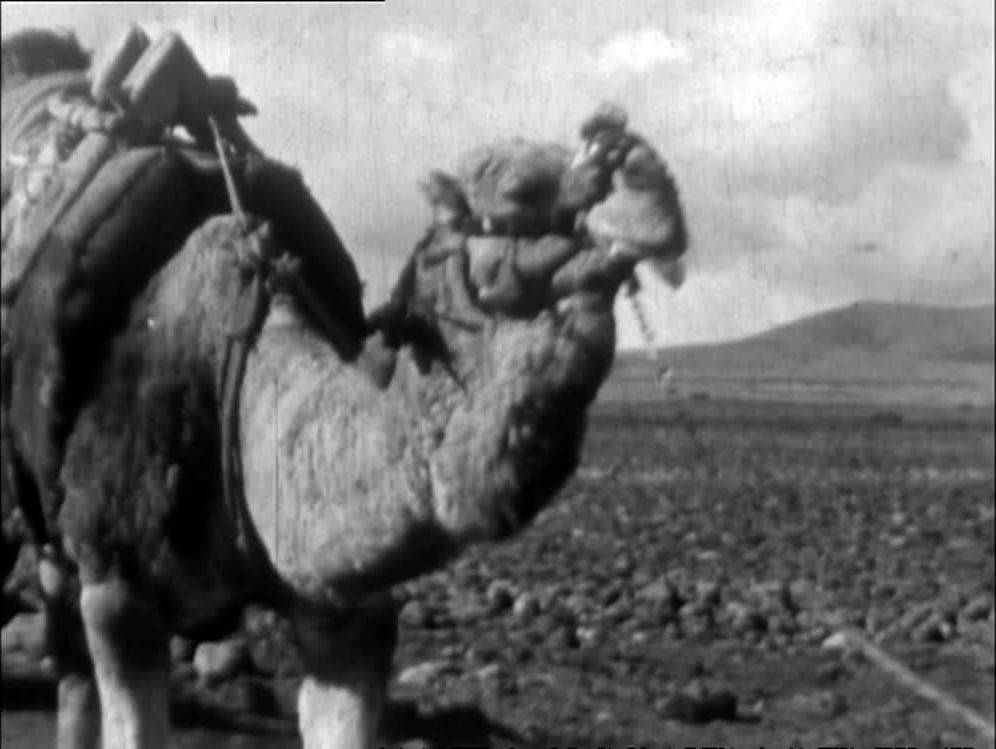
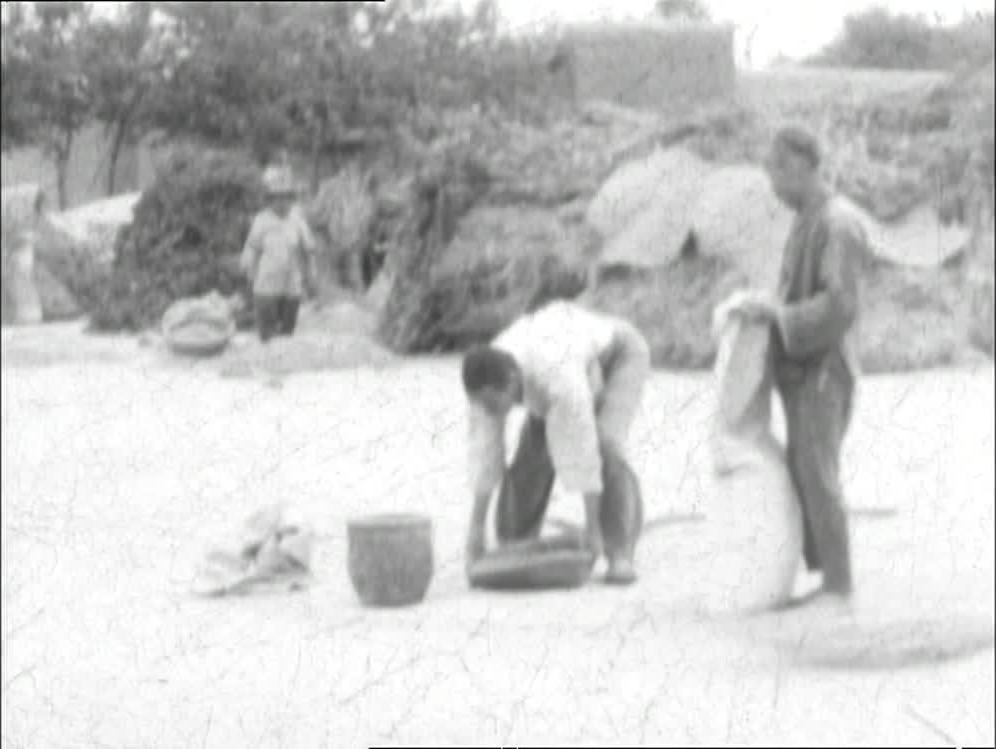
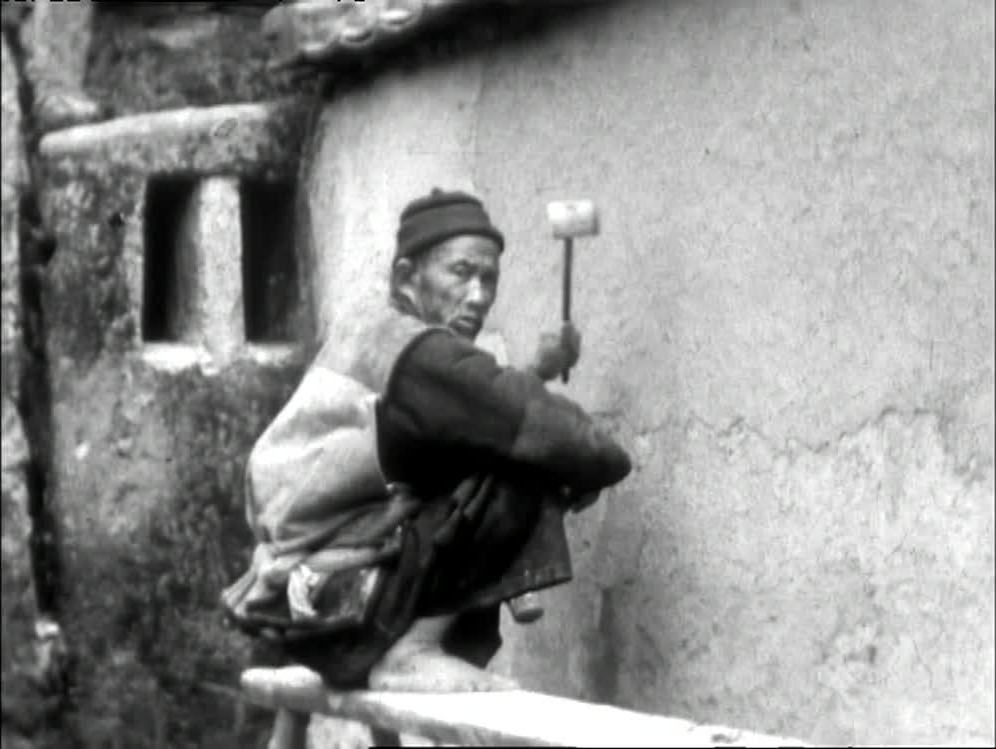
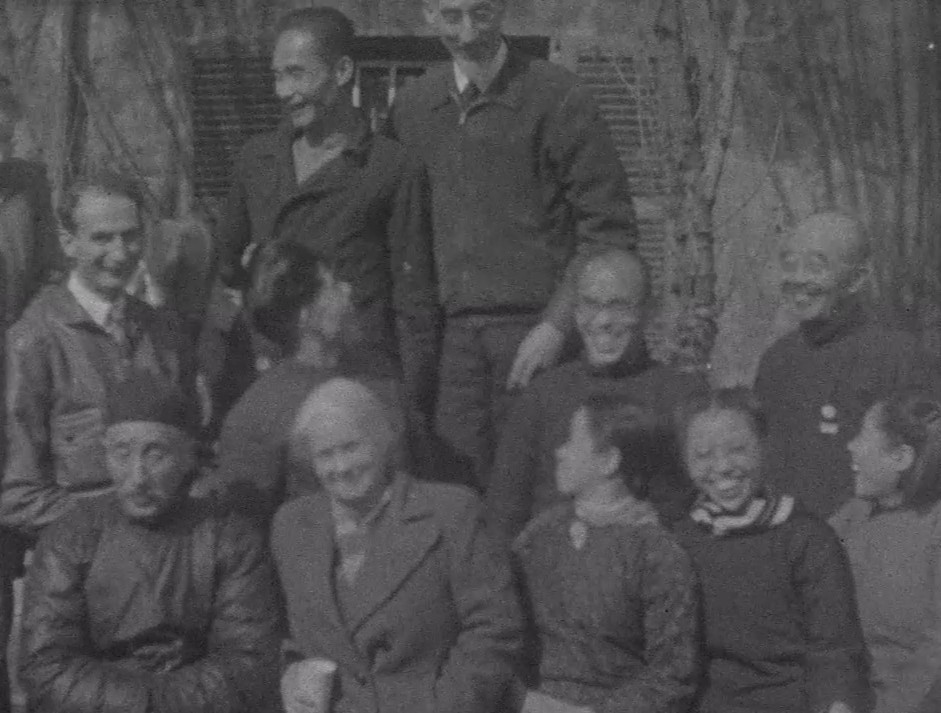
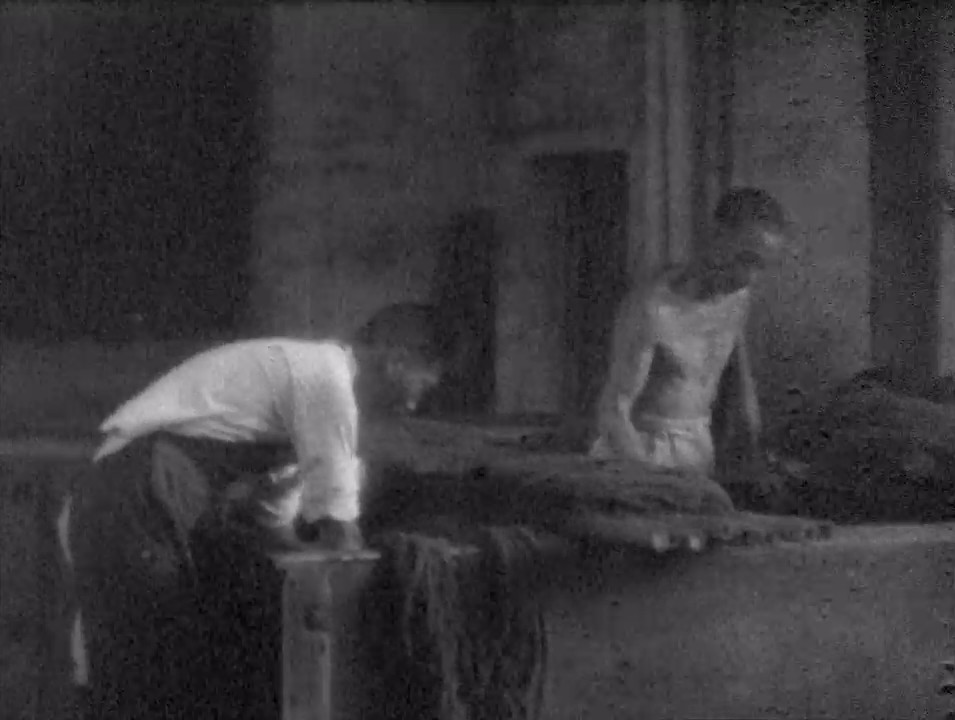
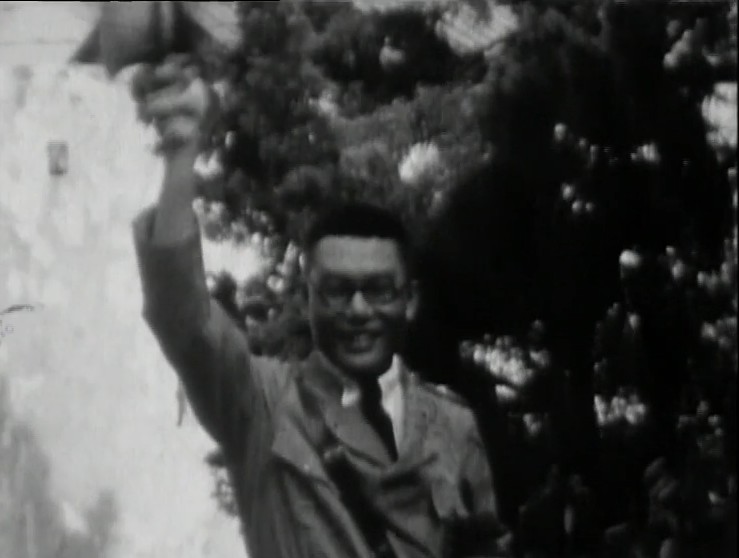
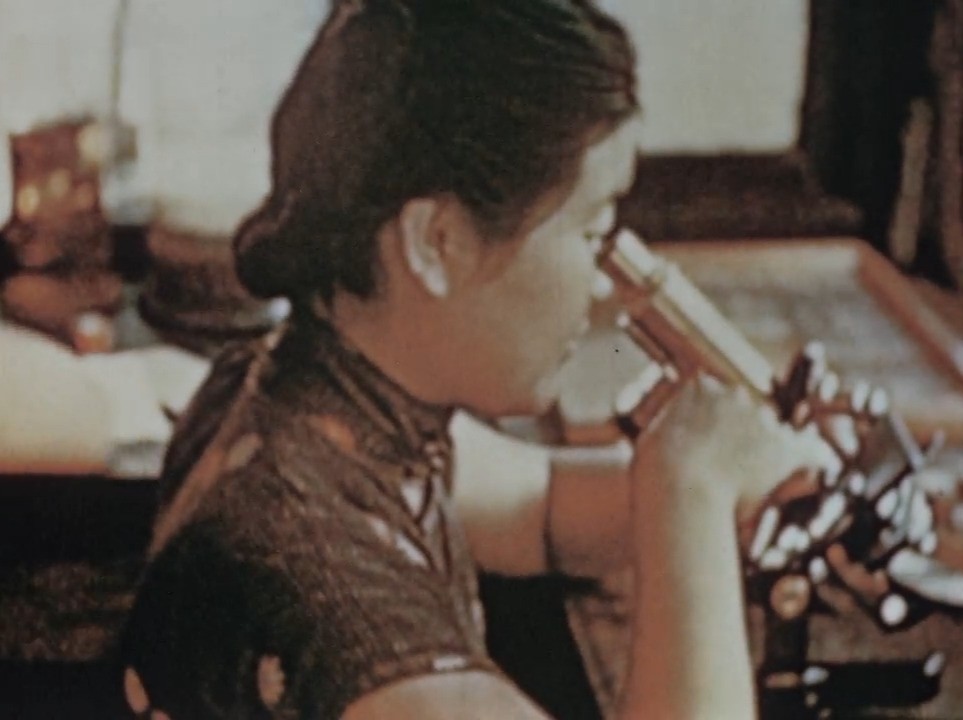
China's vast interior remained largely unexplored and undocumented by British filmmakers well into the 20th century. The European concessions and colonies of the east coast - in Beijing, Shanghai and Hong Kong - were an irresistible lure for western visitors. This is a journey into deep and distant China, through extraordinarily diverse landscapes: towering mountains, expansive deserts and along 3000-mile rivers stretching halfway across Asia. It's a record produced by intrepid explorers, missionaries and travellers, who brought portable home-movie cameras to document their holidays, anthropological studies, humanitarian work or evangelical activism.
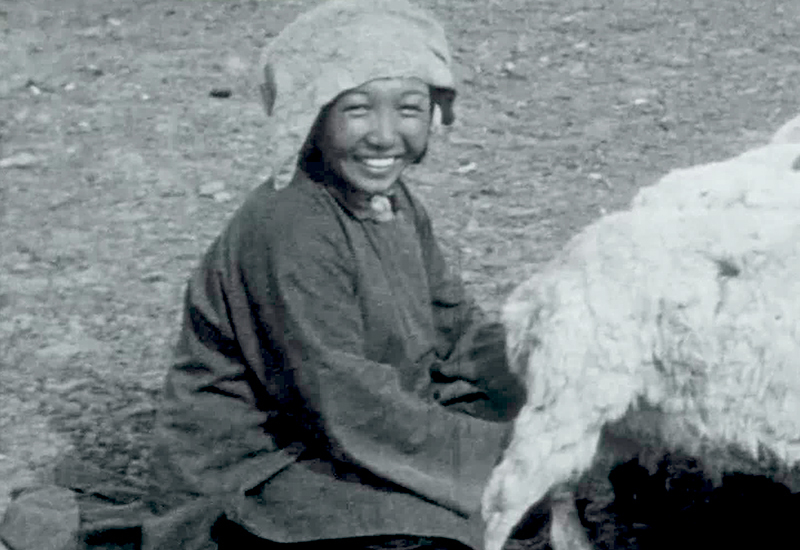
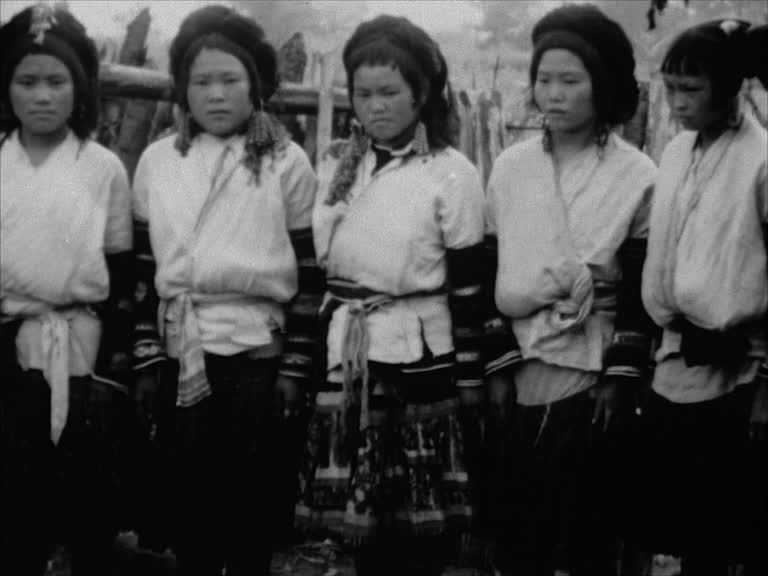
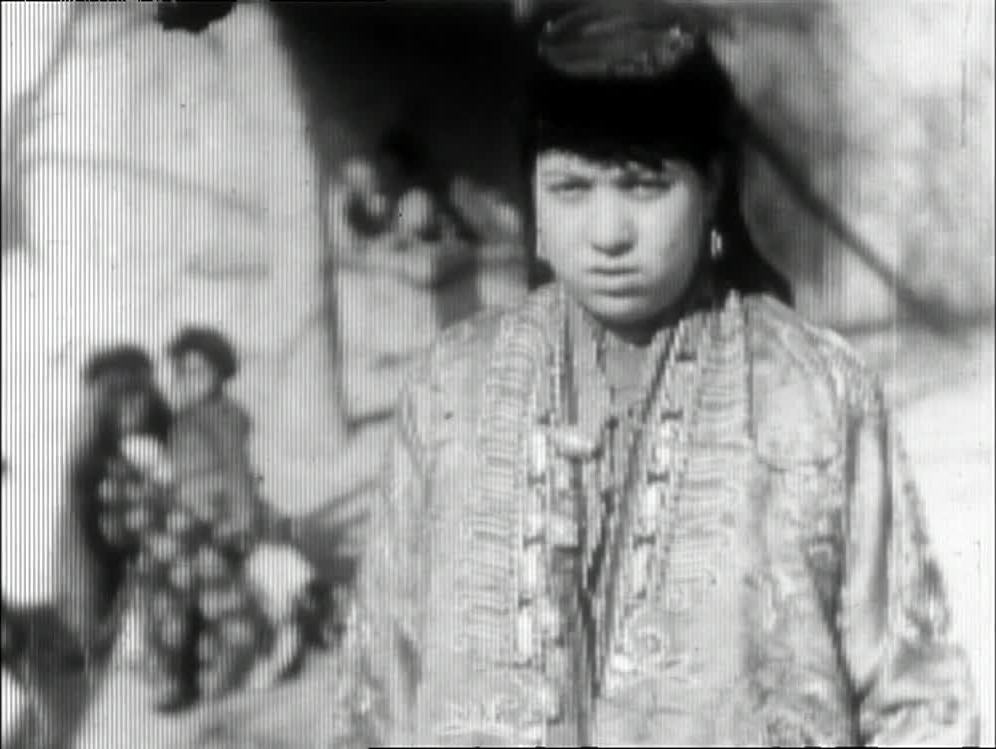
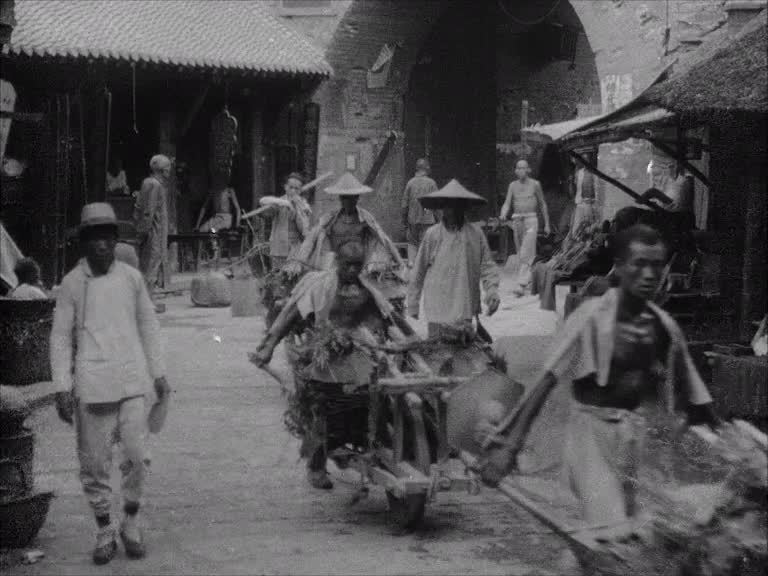
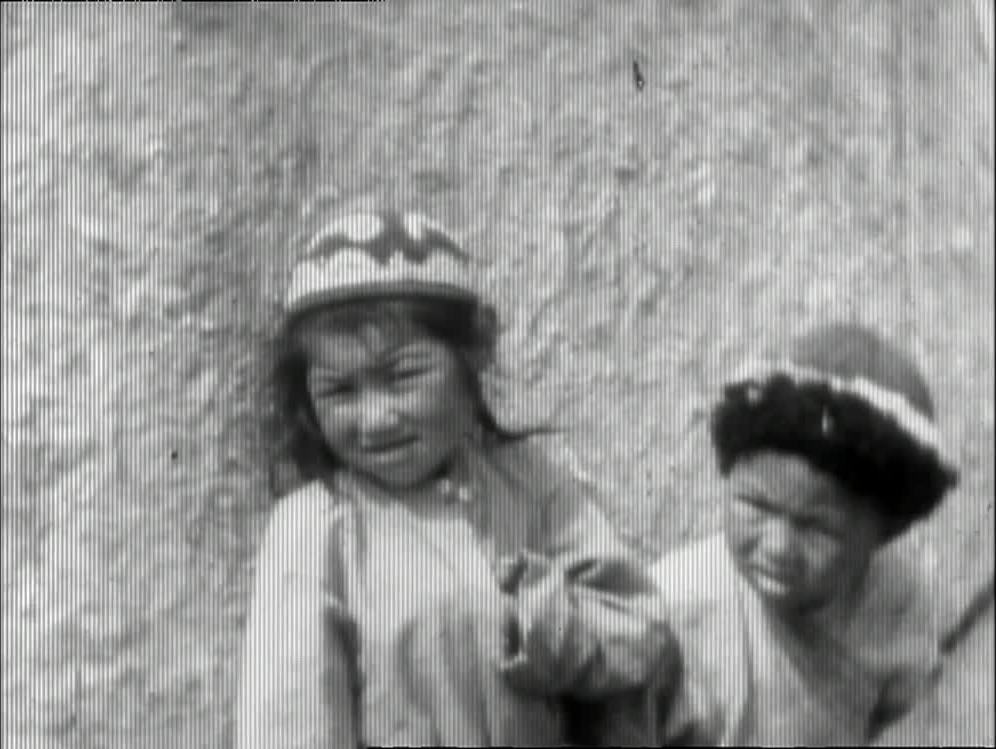
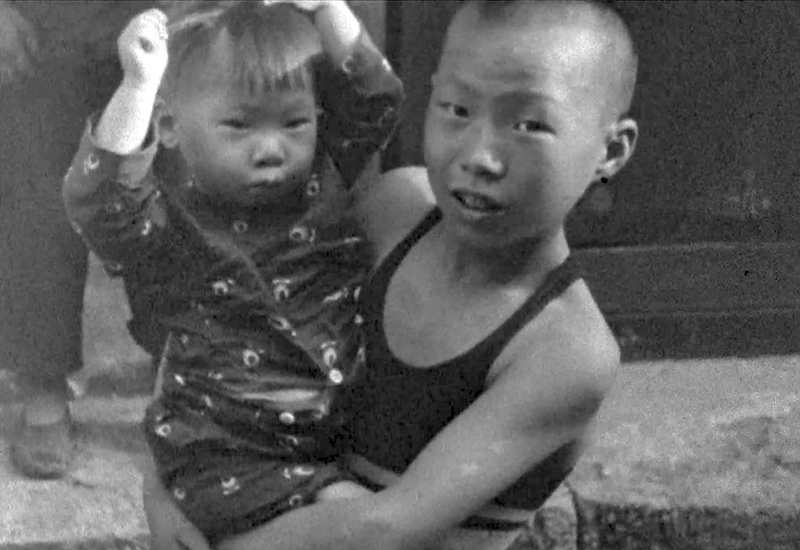
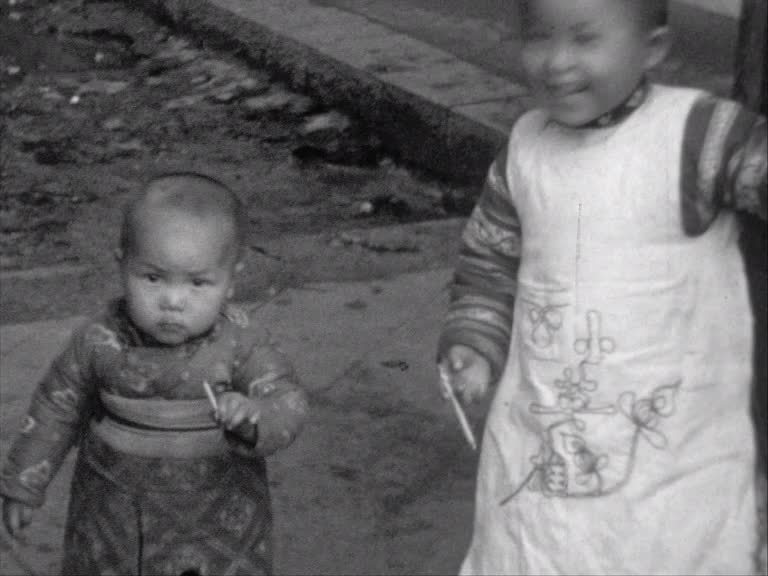
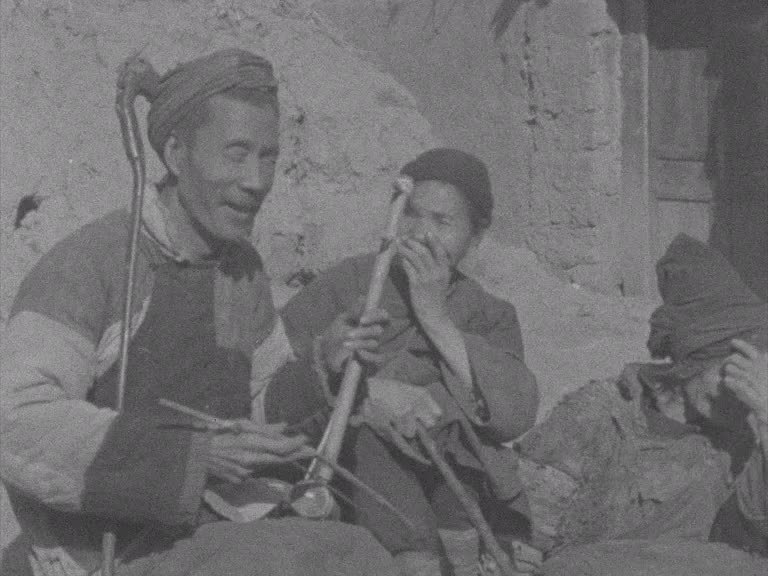
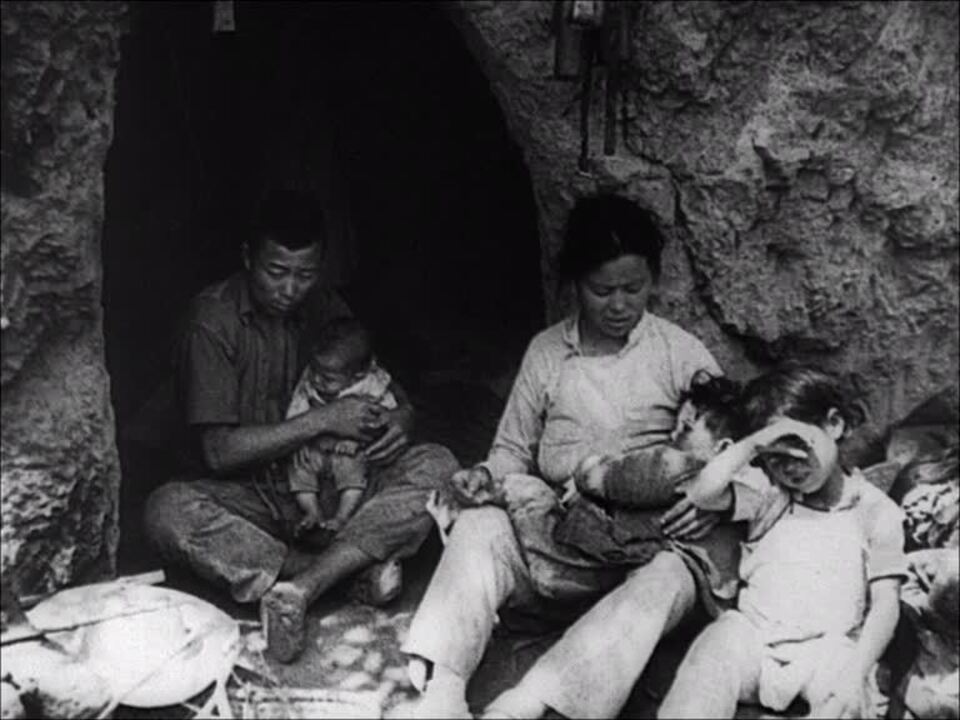
The films showcase China's remarkable ethnic diversity, meeting Mongol, Miao, Nosu, Uyghur and Manchu minorities on journeys from Kashgar to Inner Mongolia, around Hunan and Sichuan Provinces, and deep into mountainous Yunnan Province, where centuries-old methods of farming and hunting still prevailed. On the way cities too, still uninfluenced by encroaching western modernity: Kunming, Chongqing, Suzhou, Hangzhou and Changsha. But in all of China's vastness, it's not possible to identify the source of these fascinating images. So much is still unknown.