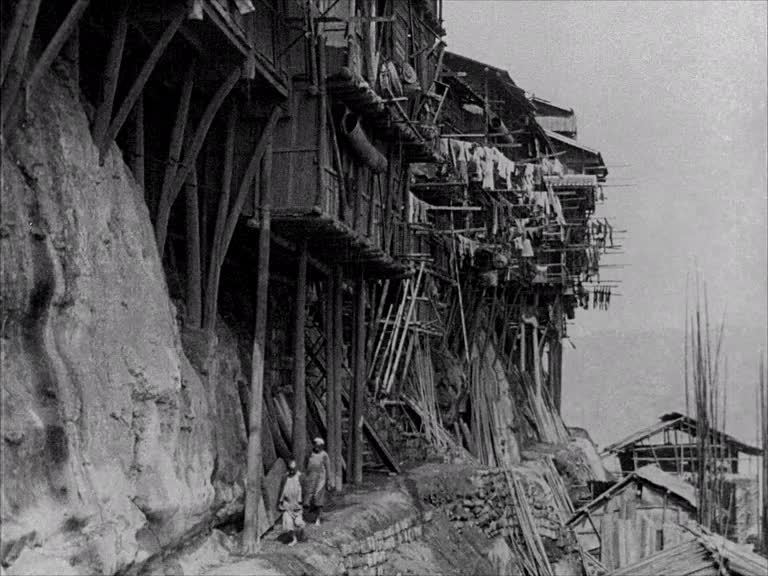
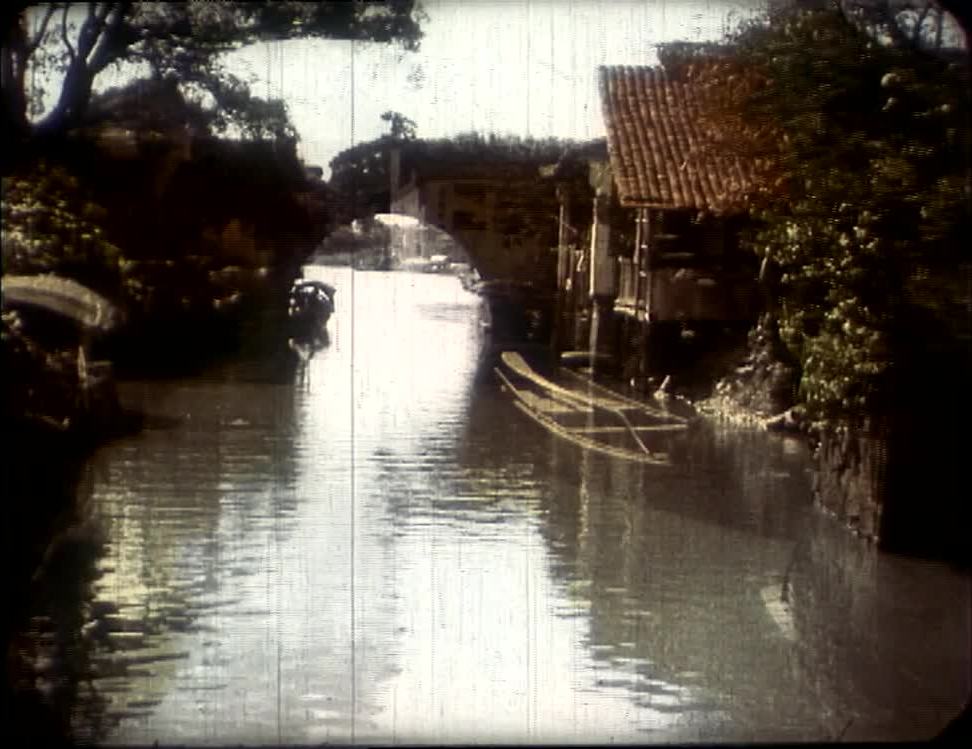
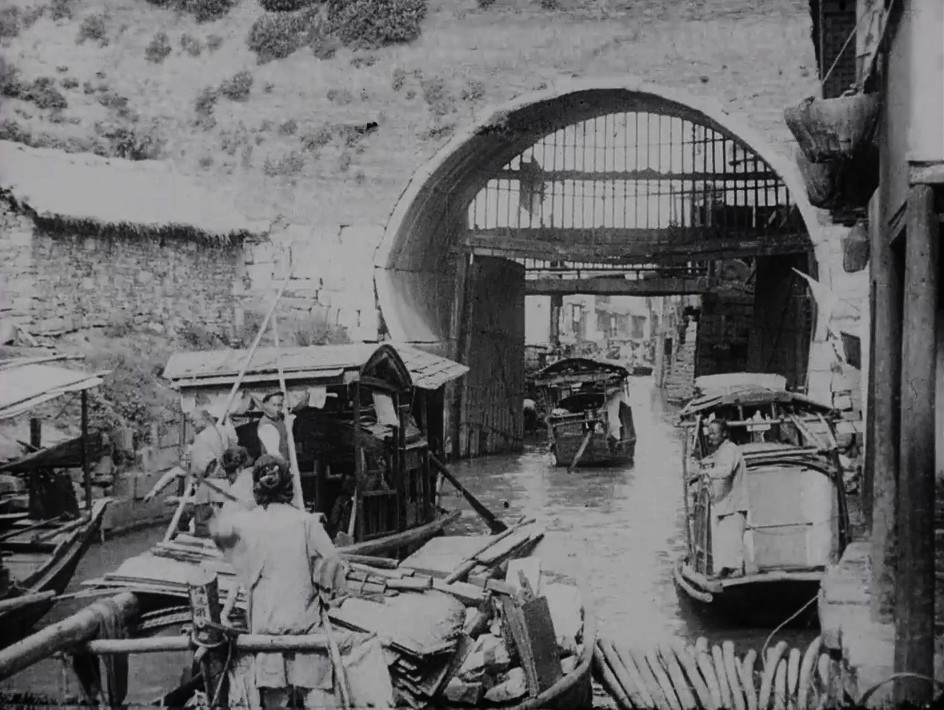
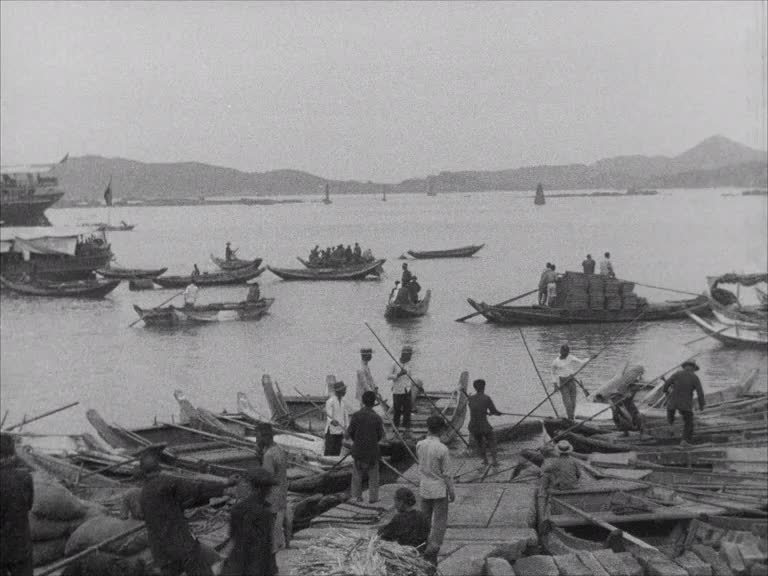
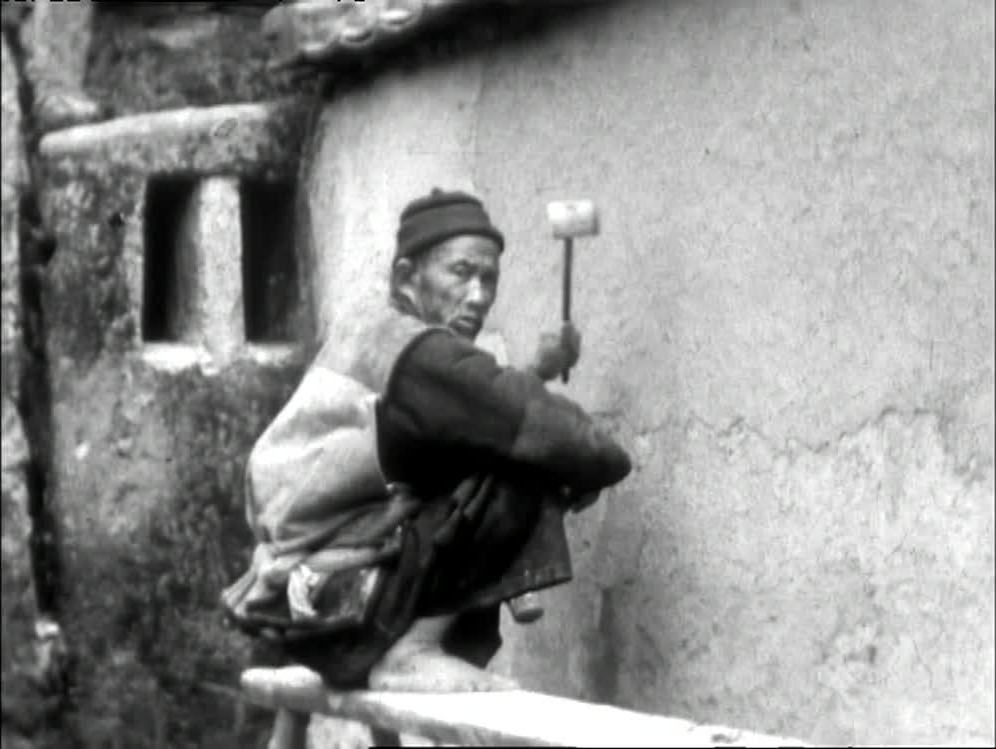
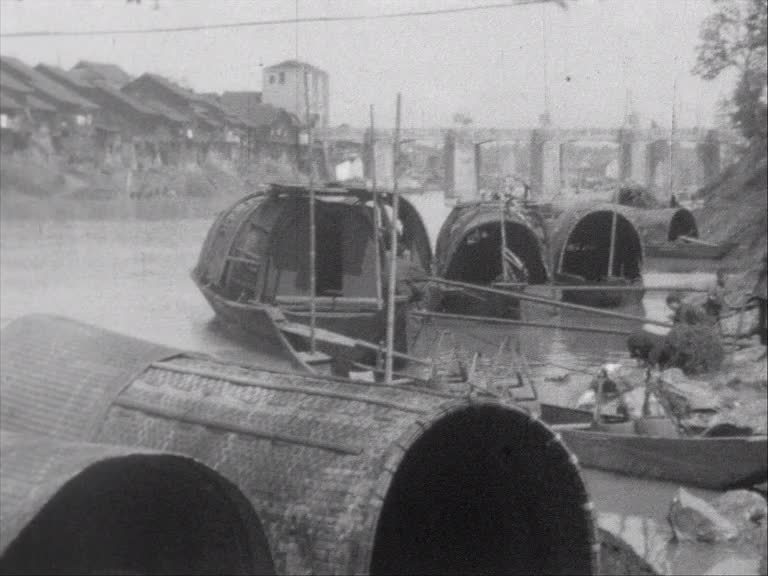
A Stilted City. Chungking. China
- Chongqing
- 1930
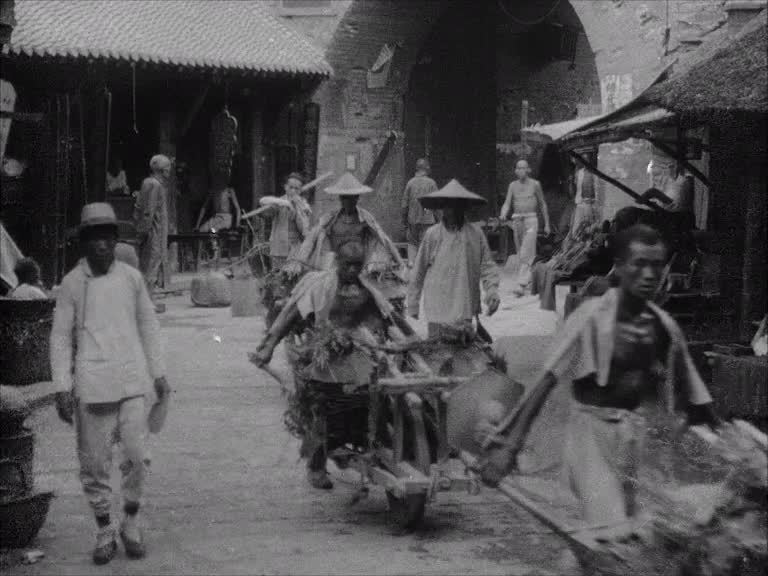
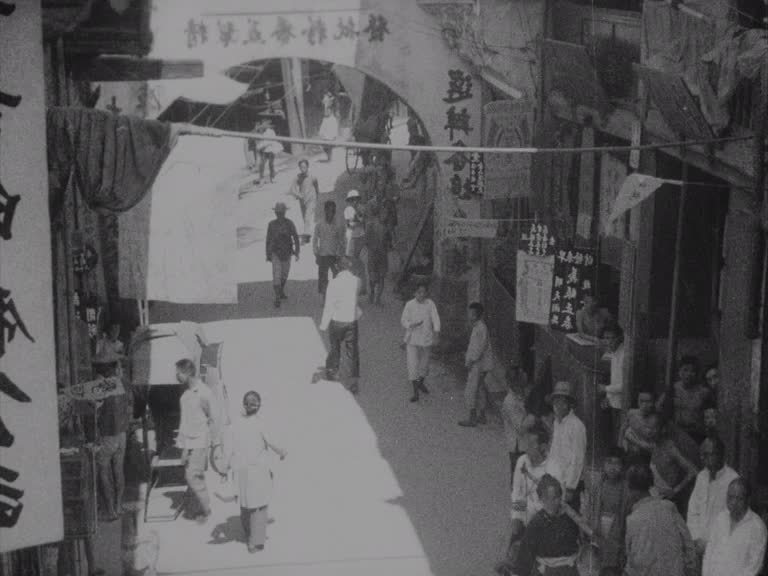
Bustling, fluttering and swaying – wonderful visual details of daily life in a street in Fuzhou (then Foo-chow), Fujian Province in South East China.
Shot from a single vantage point, this film of everyday life in metropolitan Fuzhou (formerly known as Foo-chow), a coastal city in South East China, is crammed with fascinating details. We see horse and carts, litter chairs and pedestrians hurry by (including a man with an impossible cargo of precariously balanced chairs), while others stop still, captivated by the presence of the camera.
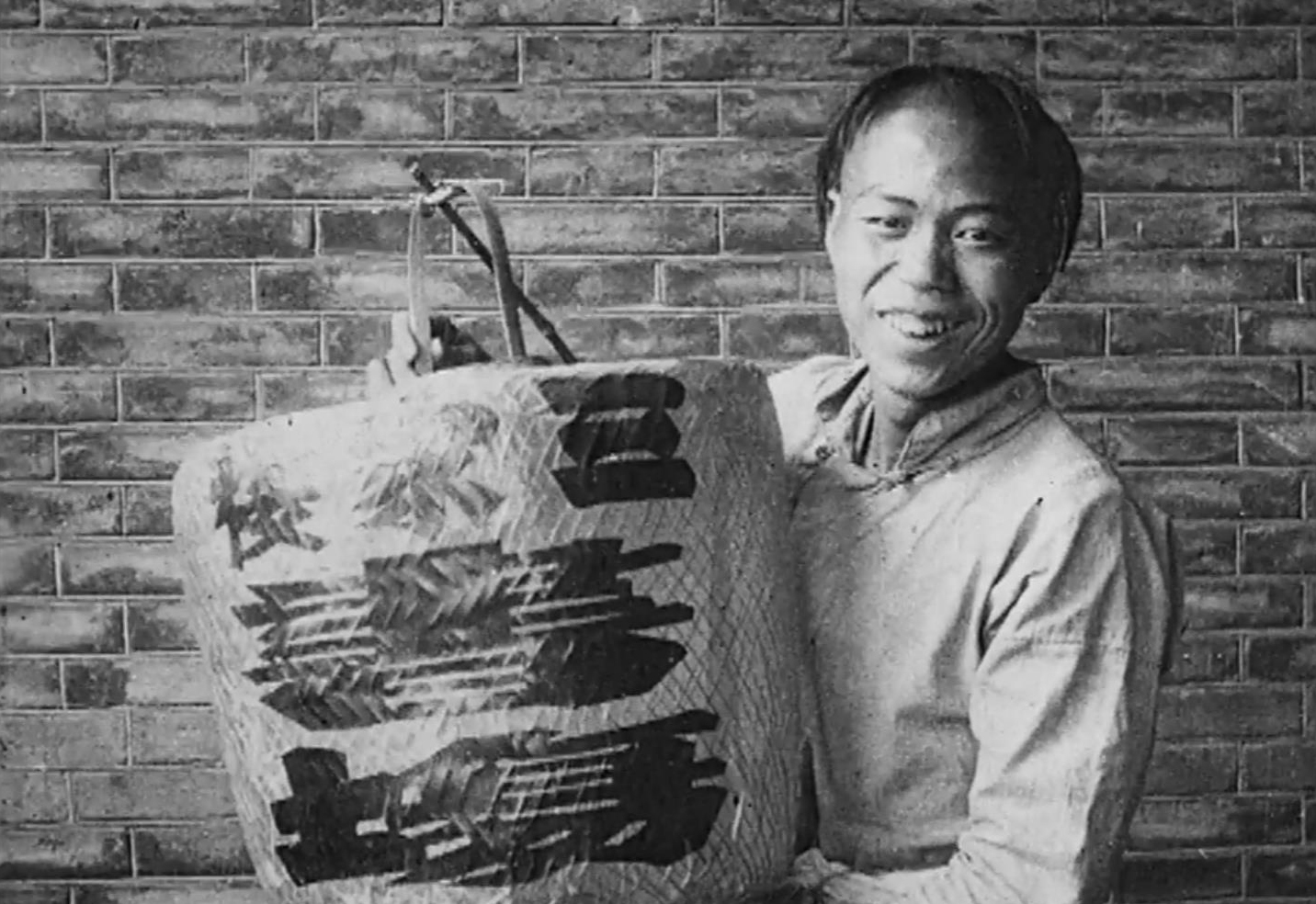
The characters above the main archway translate as “Wholesale traders of high quality five-spice powder”, while other signs advertise financial aid.
There's so much more to China than Western eyes usually see. Explore the country's giant interior in the footsteps of some of the early 20th century's more intrepid filmmakers.
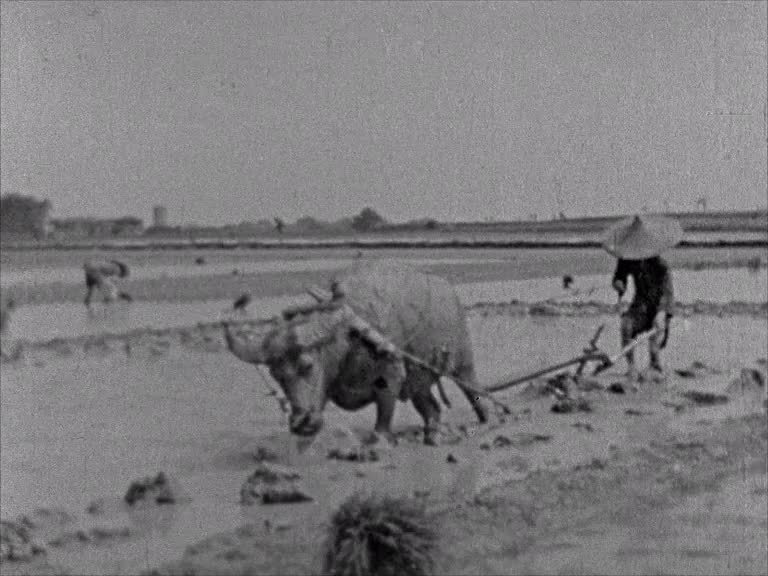
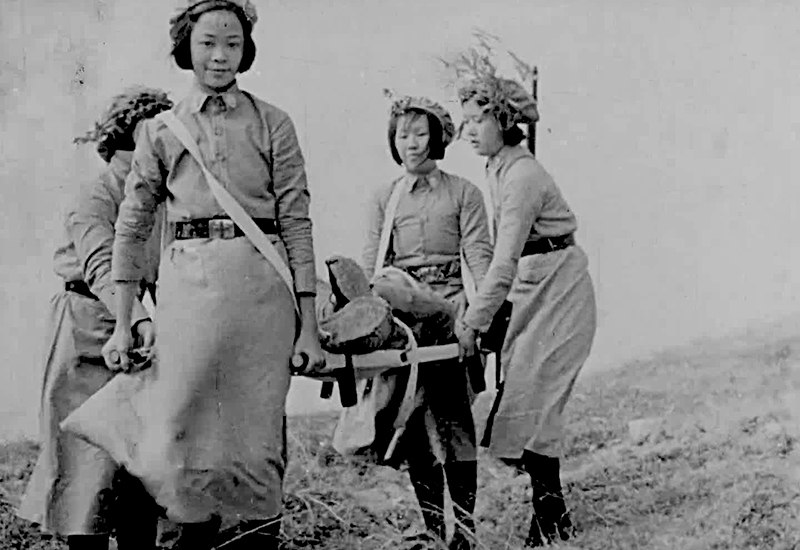
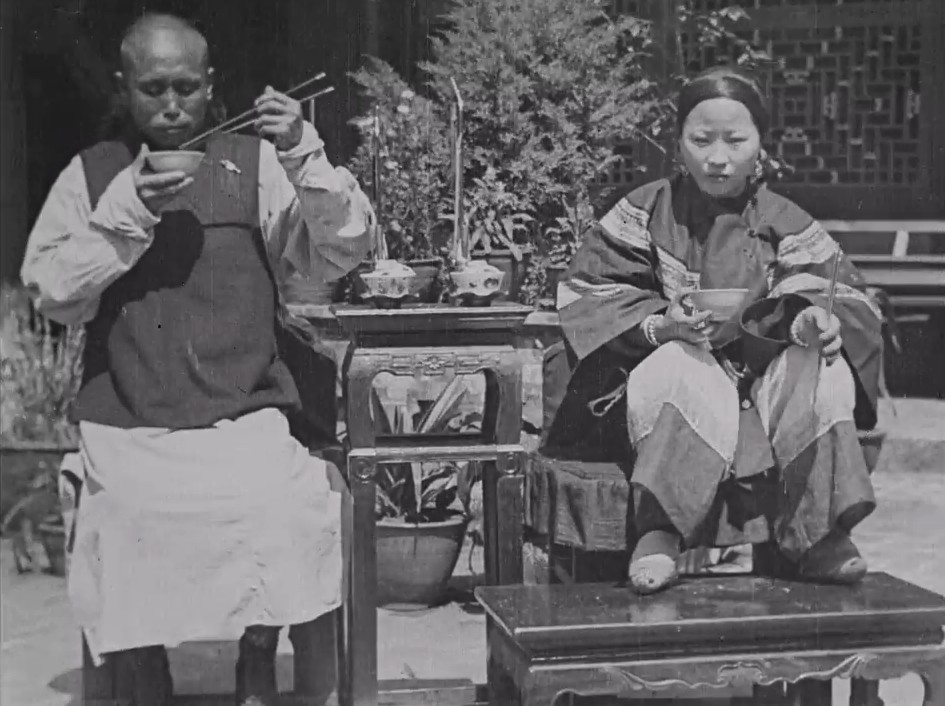
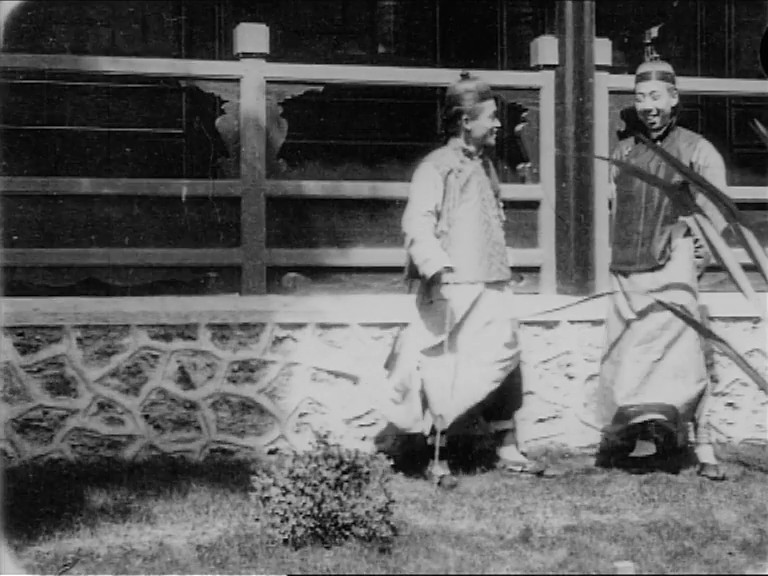
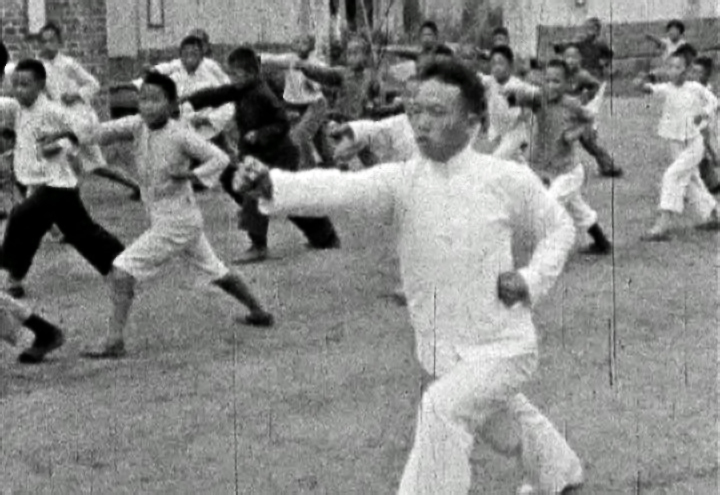
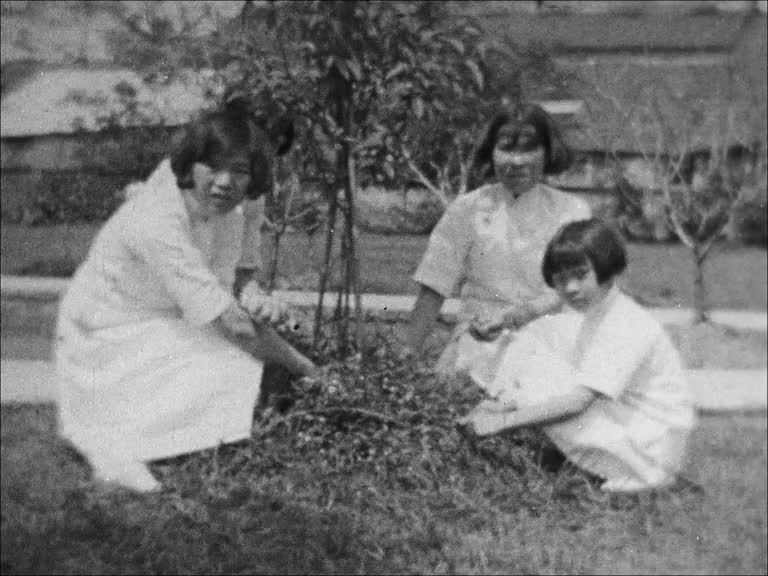
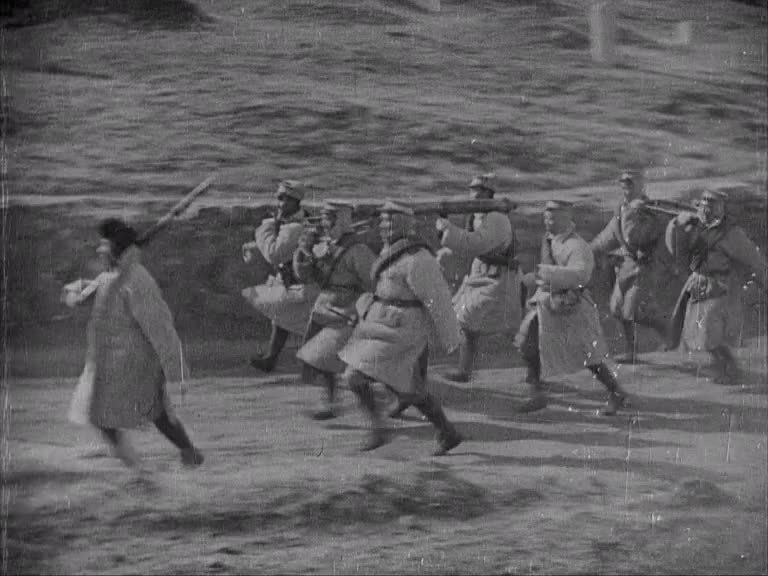
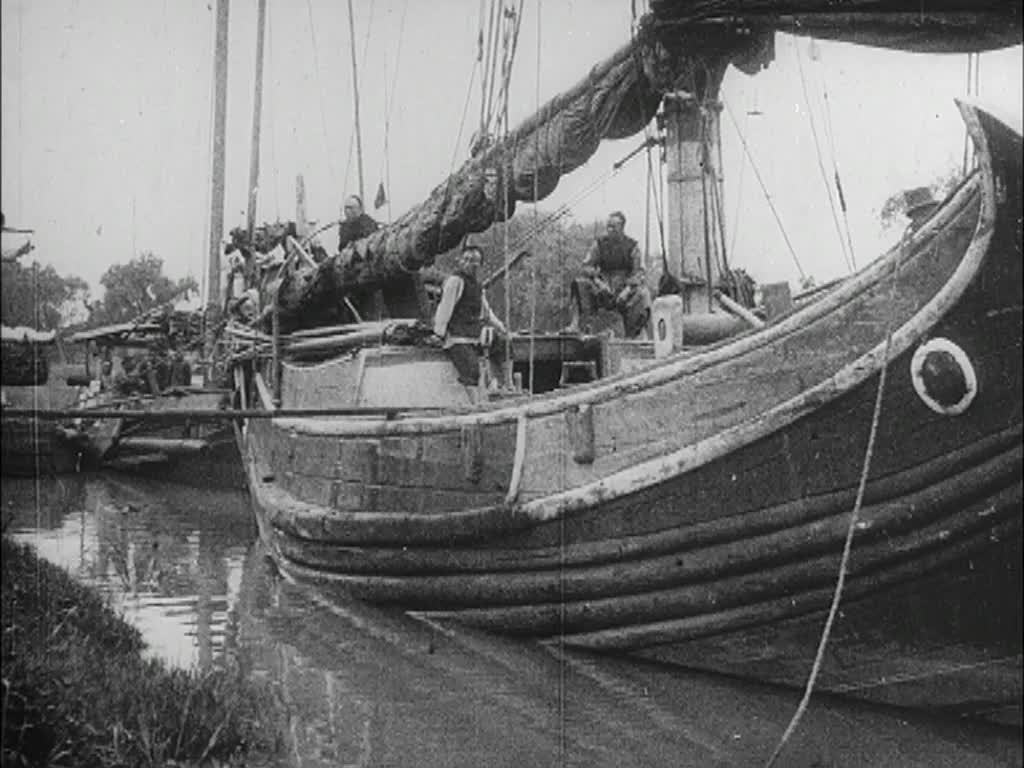
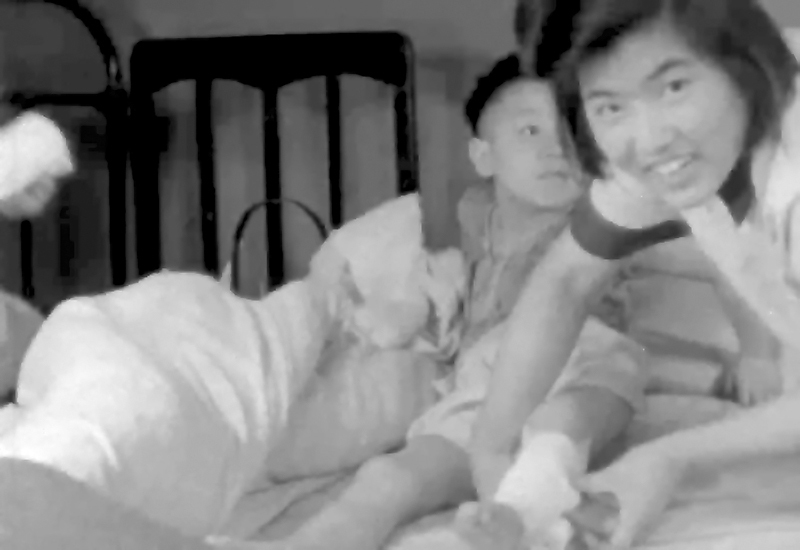
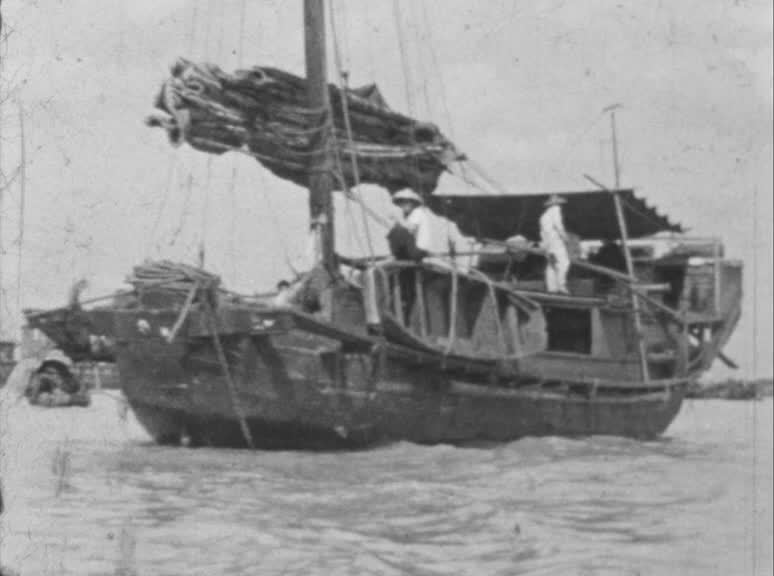
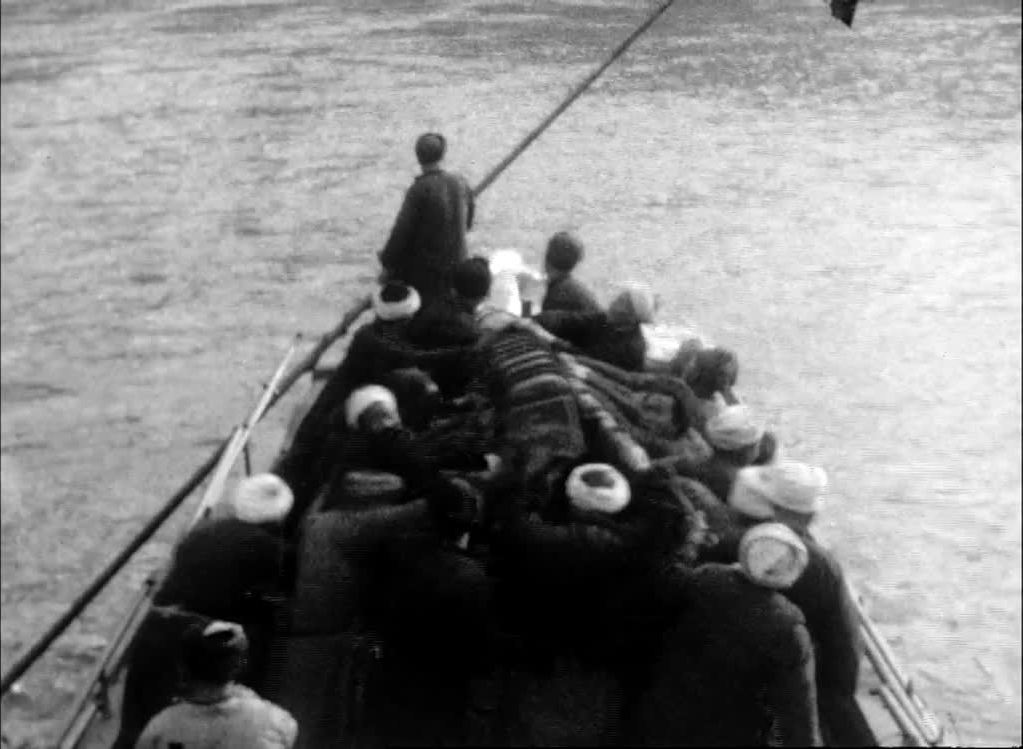
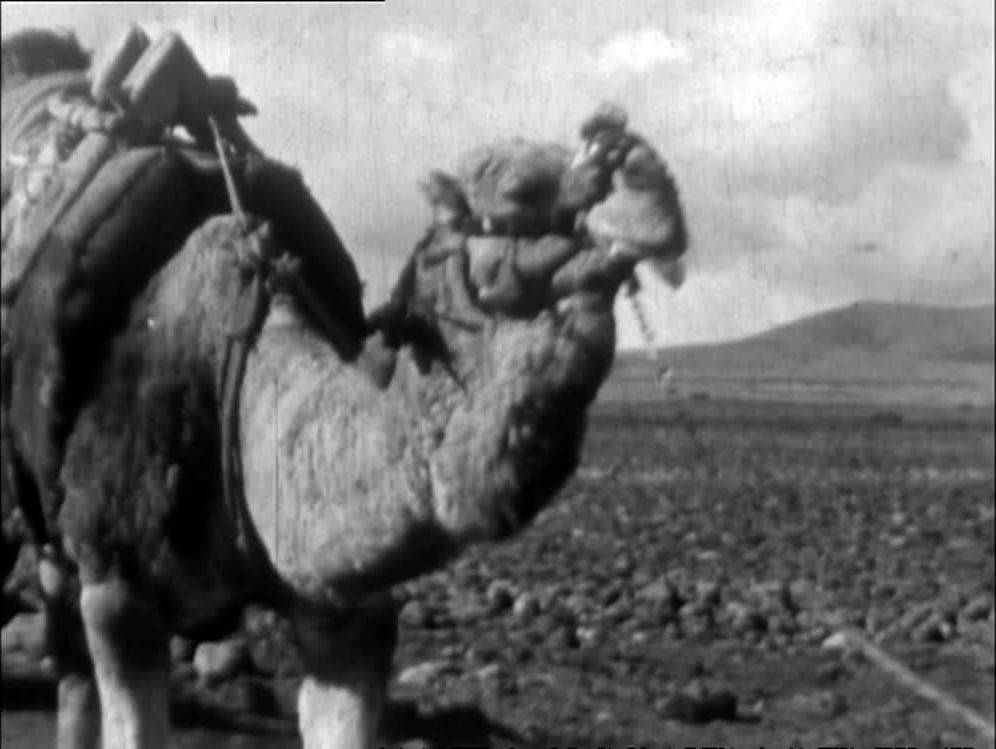
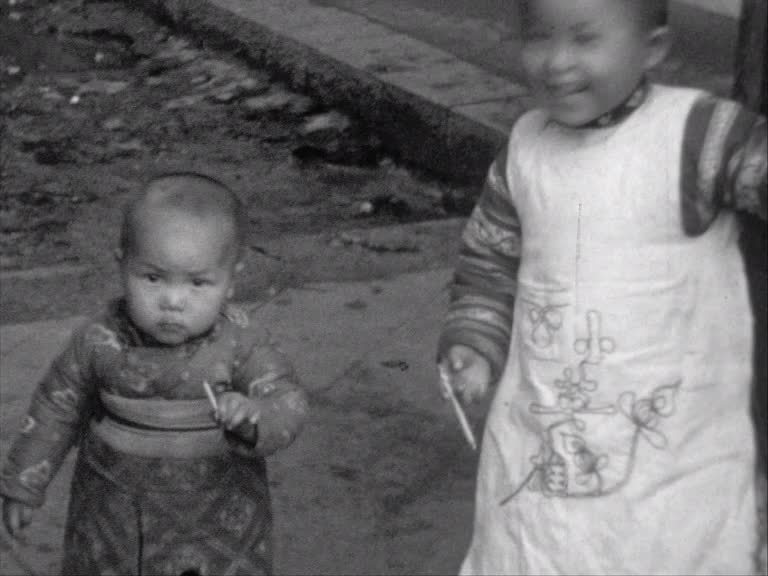
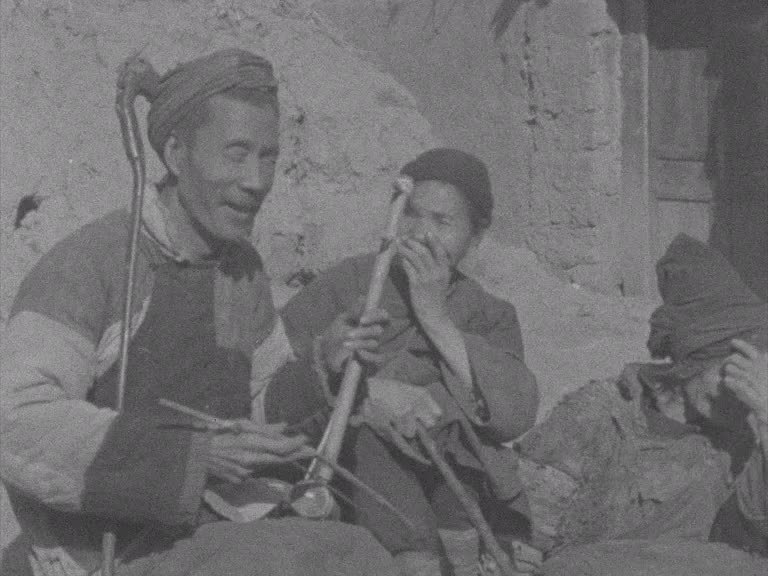
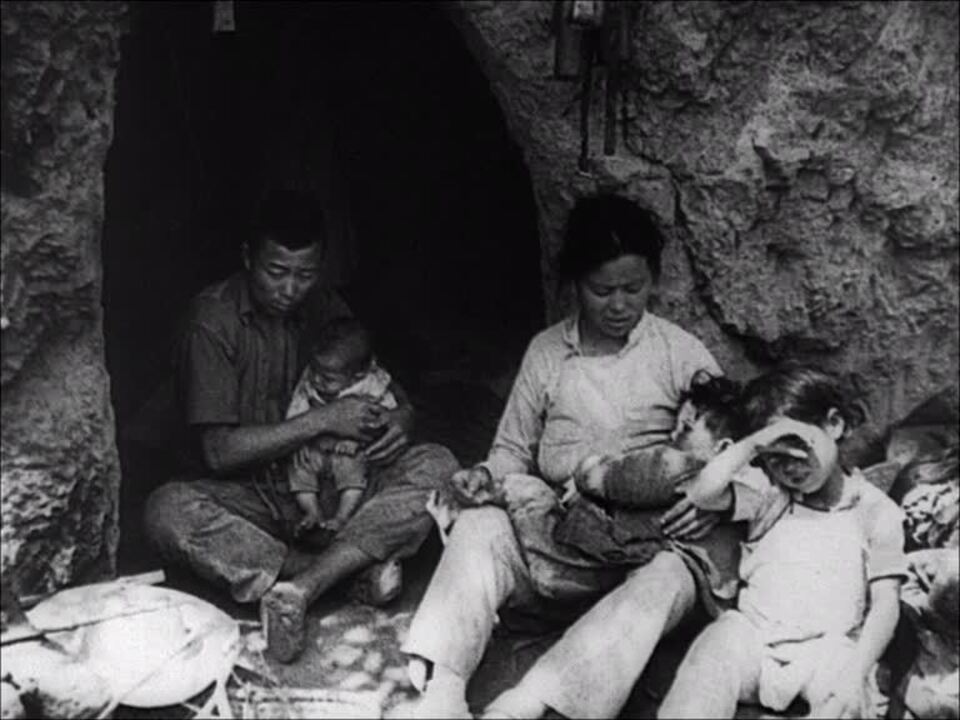
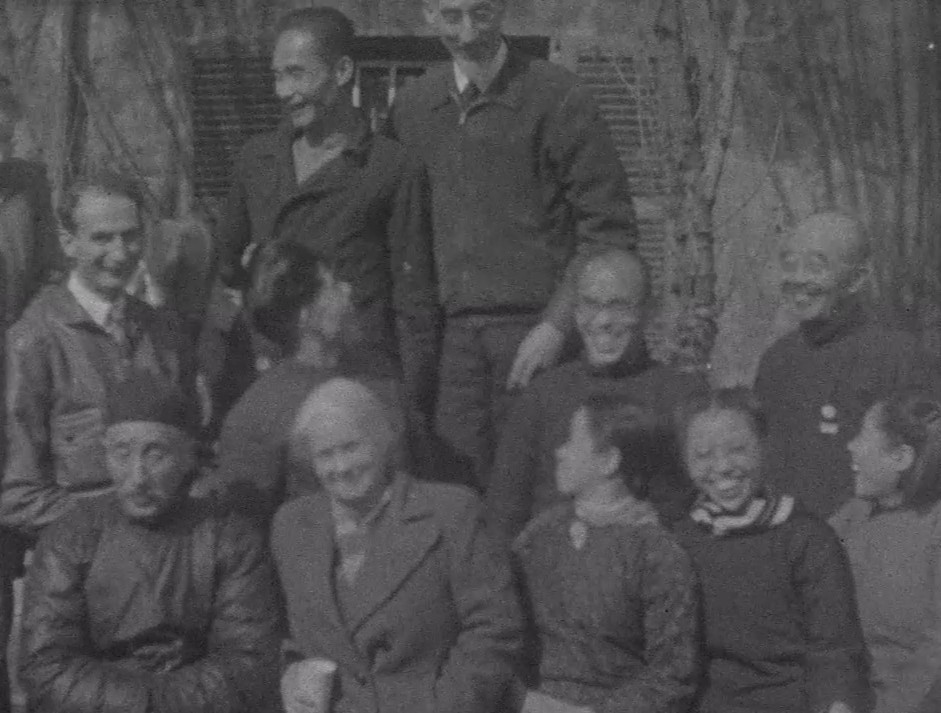
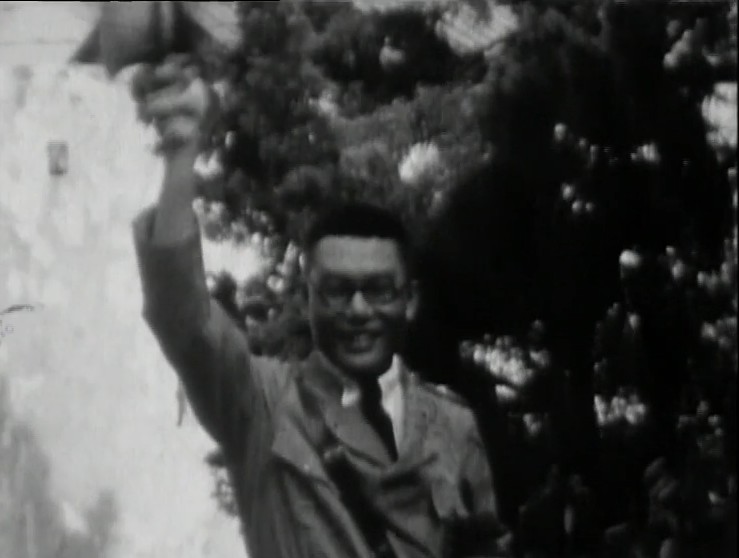
China's vast interior remained largely unexplored and undocumented by British filmmakers well into the 20th century. The European concessions and colonies of the east coast - in Beijing, Shanghai and Hong Kong - were an irresistible lure for western visitors. This is a journey into deep and distant China, through extraordinarily diverse landscapes: towering mountains, expansive deserts and along 3000-mile rivers stretching halfway across Asia. It's a record produced by intrepid explorers, missionaries and travellers, who brought portable home-movie cameras to document their holidays, anthropological studies, humanitarian work or evangelical activism.
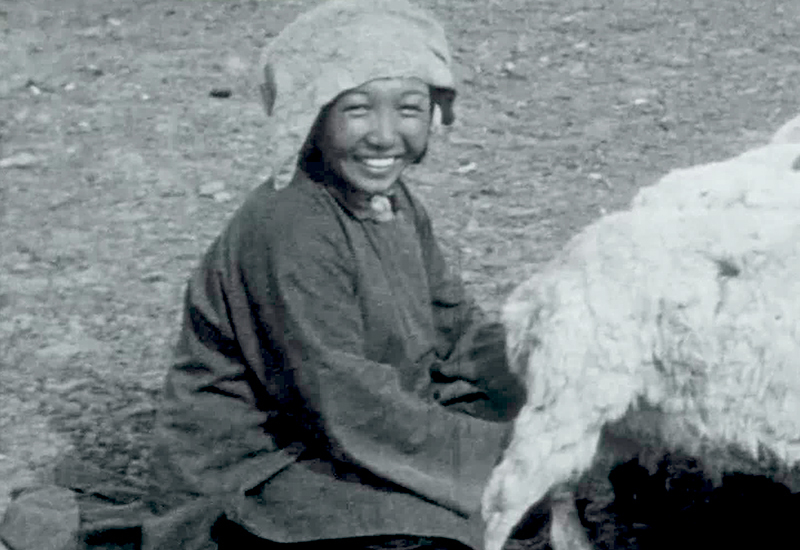
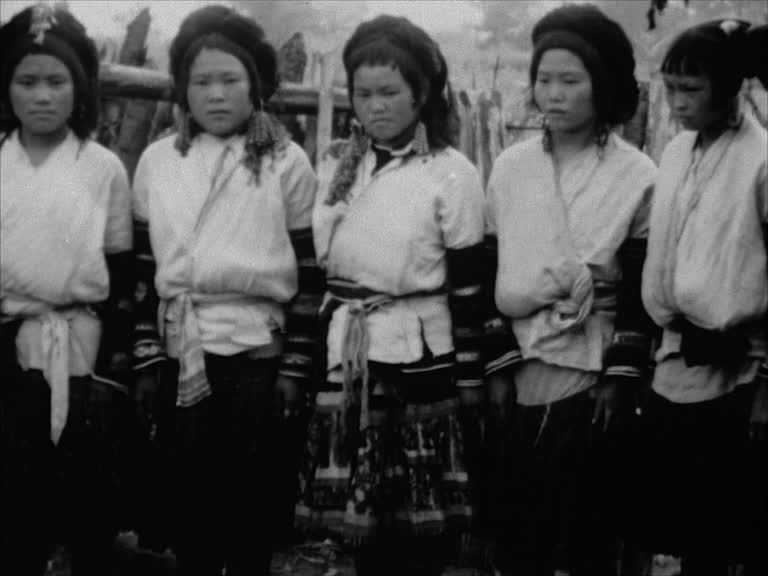
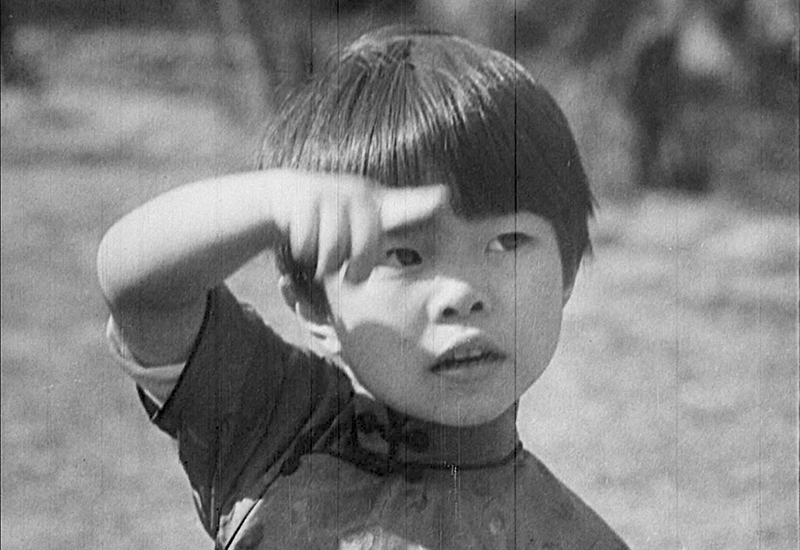
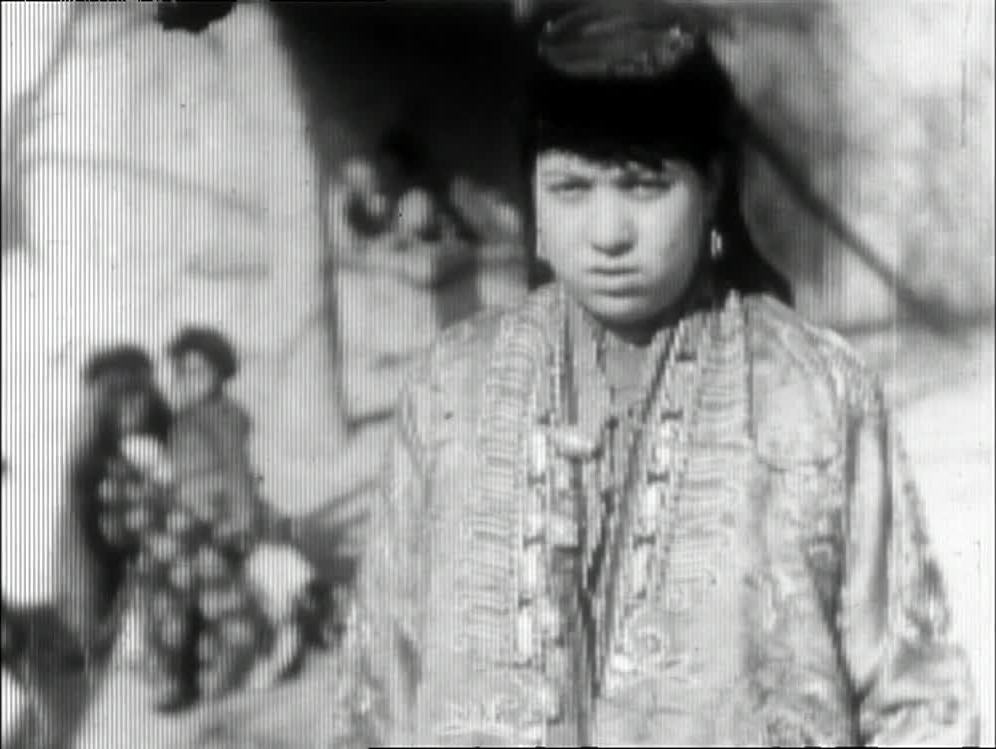
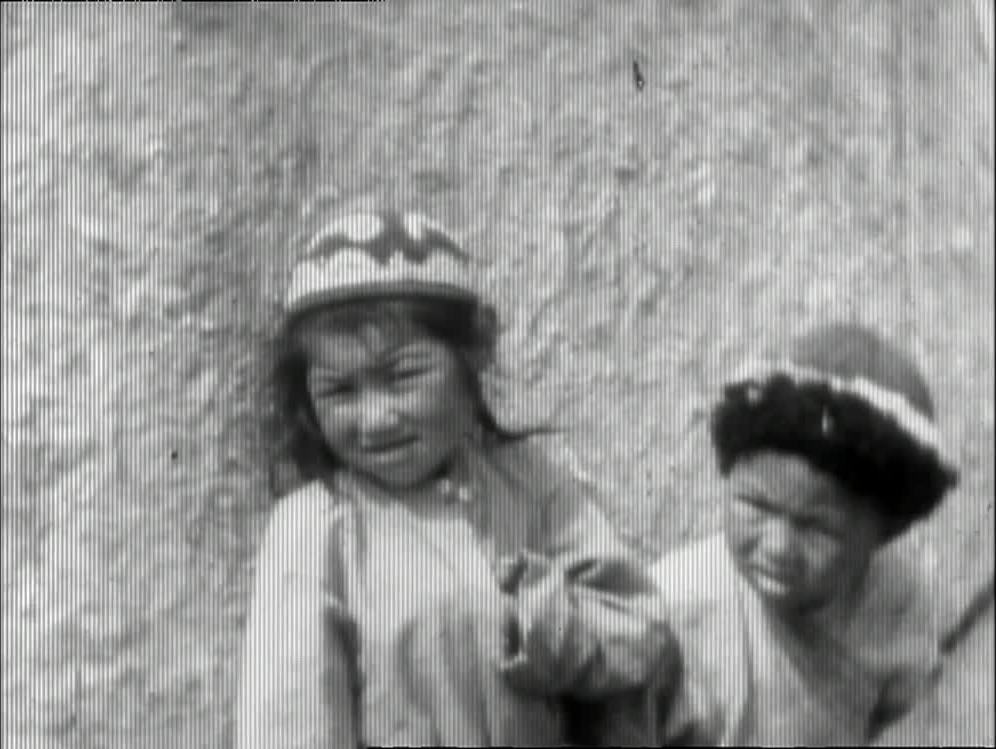
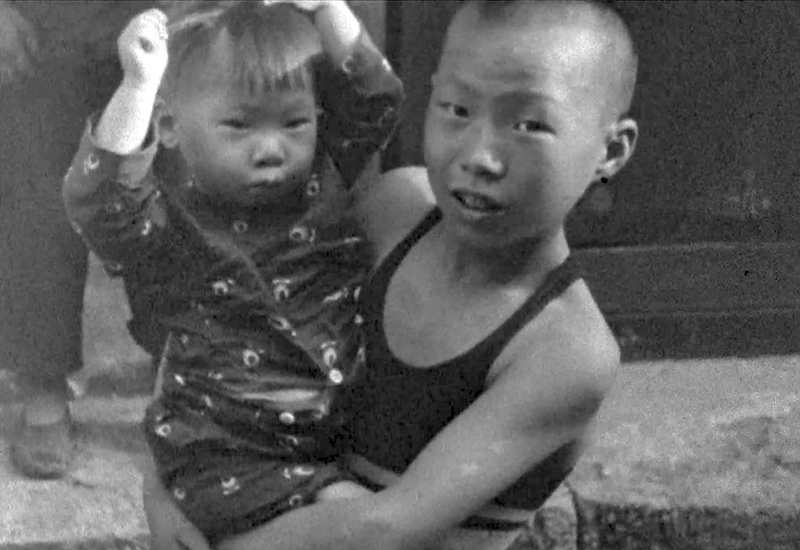
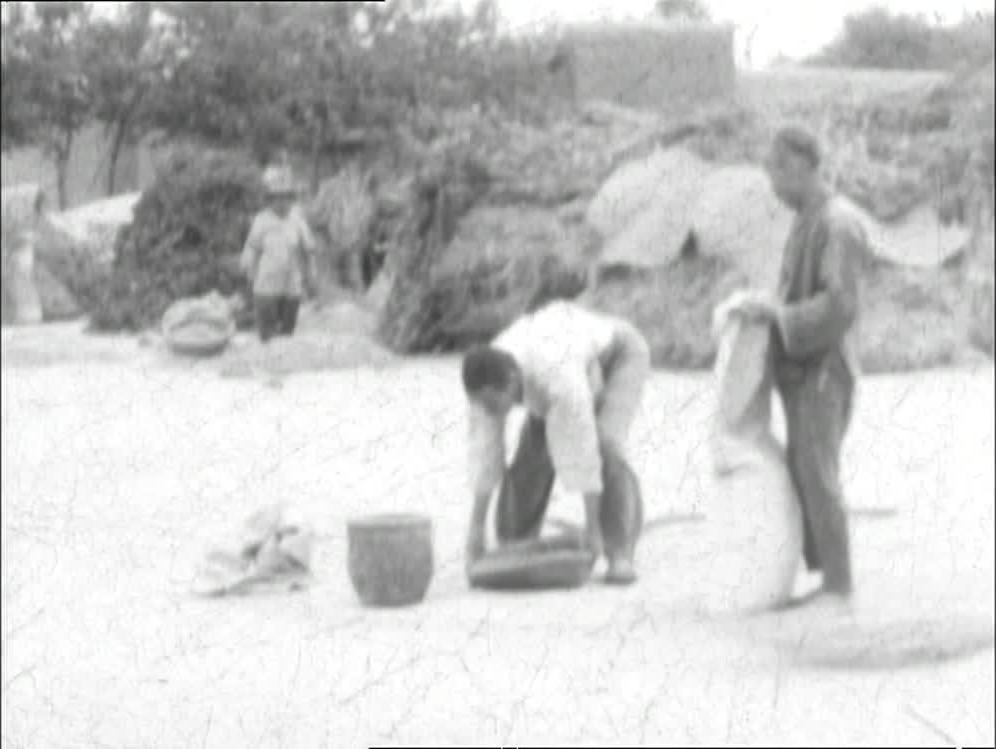
The films showcase China's remarkable ethnic diversity, meeting Mongol, Miao, Nosu, Uyghur and Manchu minorities on journeys from Kashgar to Inner Mongolia, around Hunan and Sichuan Provinces, and deep into mountainous Yunnan Province, where centuries-old methods of farming and hunting still prevailed. On the way cities too, still uninfluenced by encroaching western modernity: Kunming, Chongqing, Suzhou, Hangzhou and Changsha. But in all of China's vastness, it's not possible to identify the source of these fascinating images. So much is still unknown.