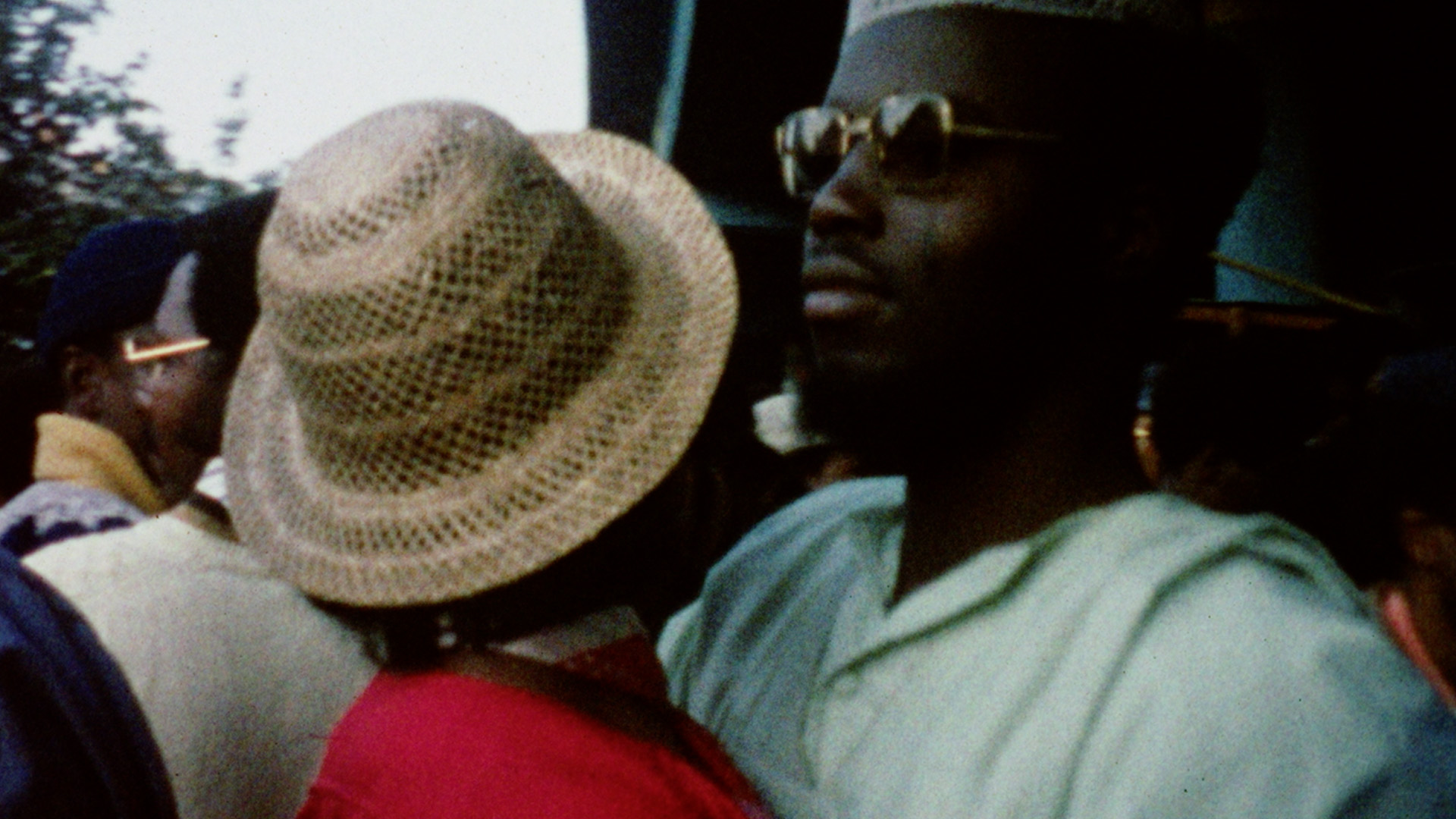
Seaside Escape
From the collection of

From the collection of
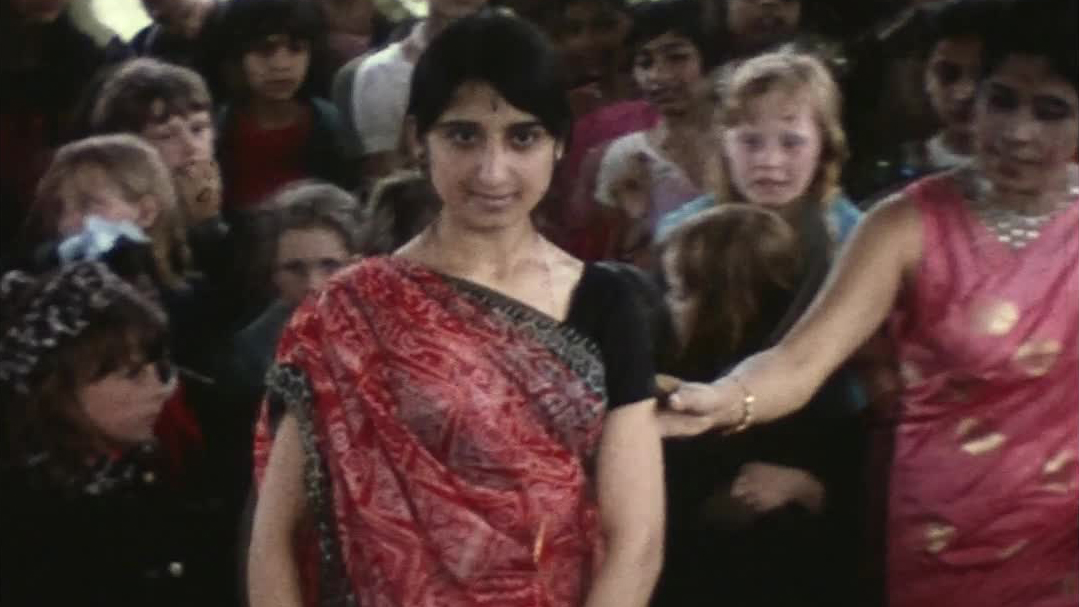
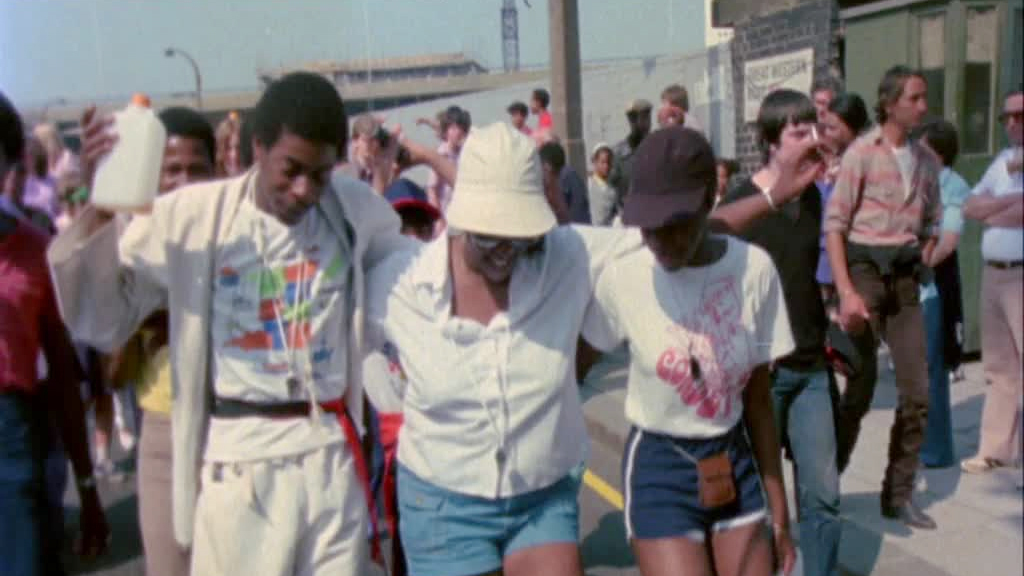
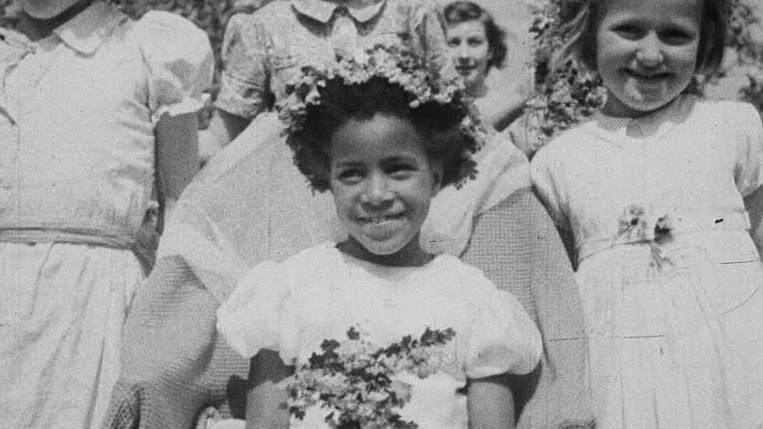
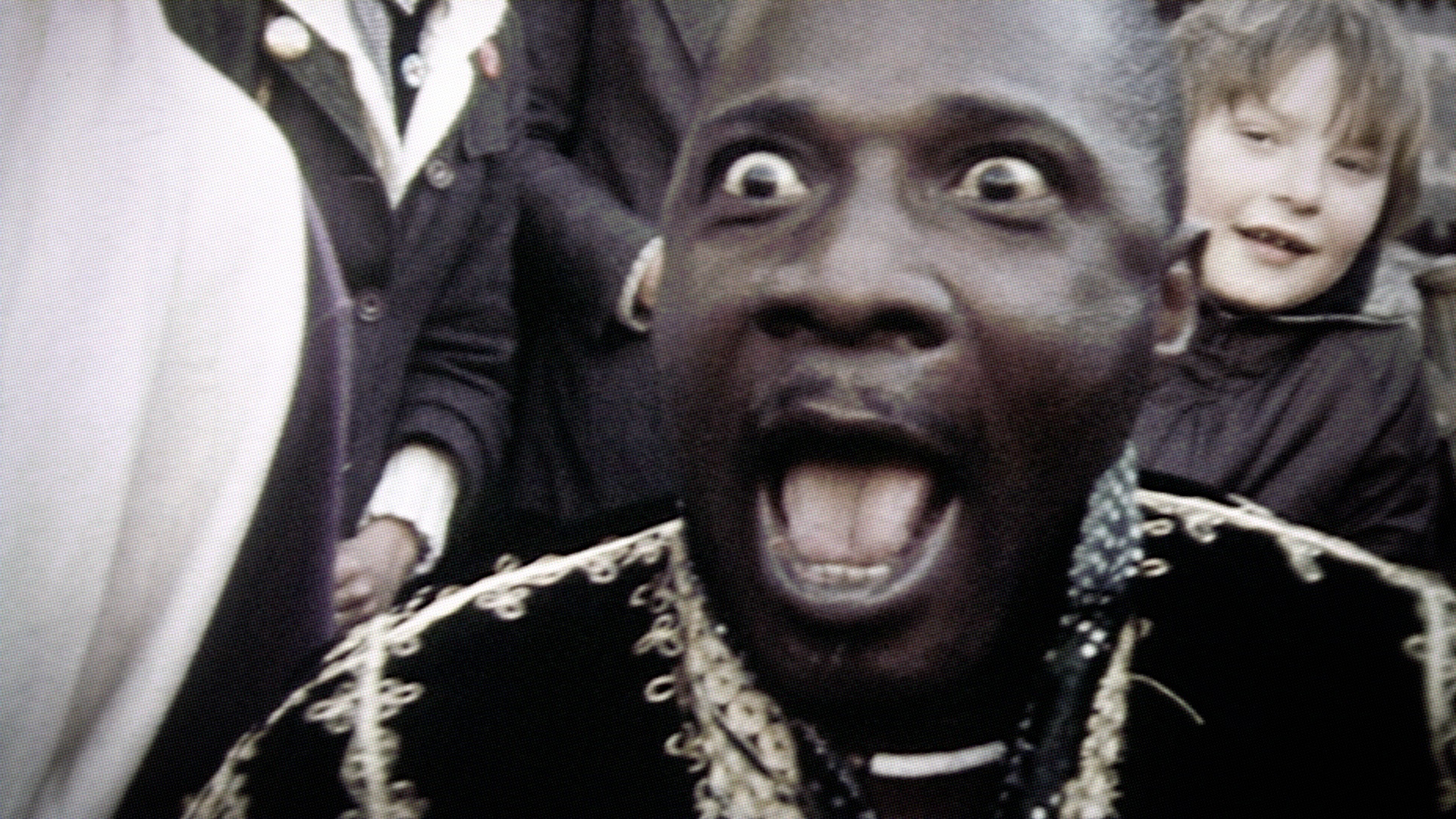
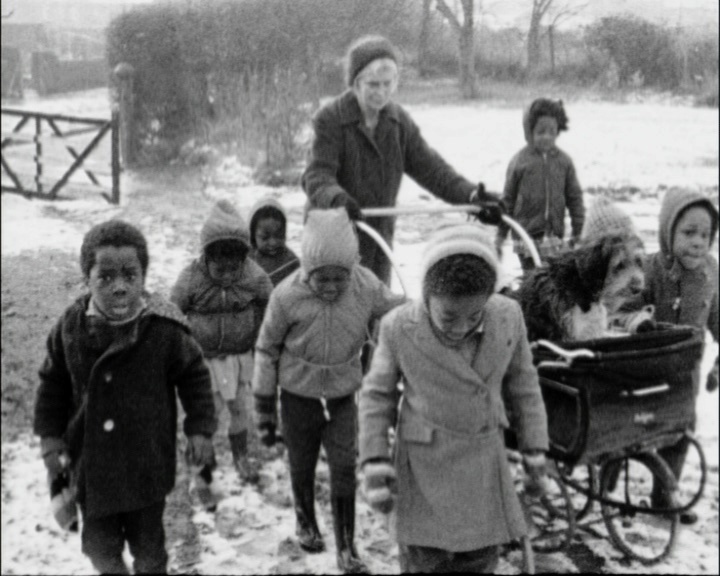
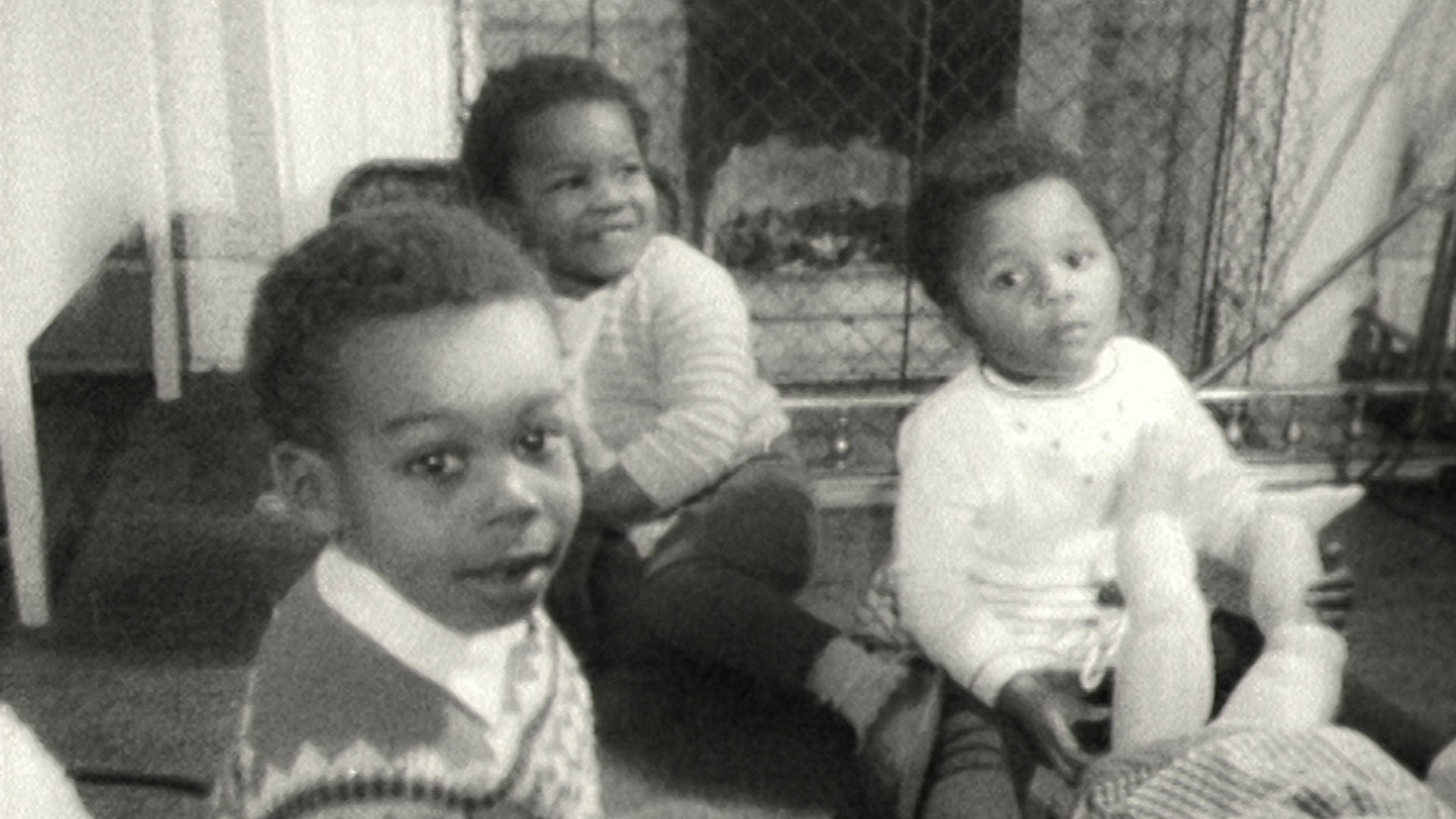
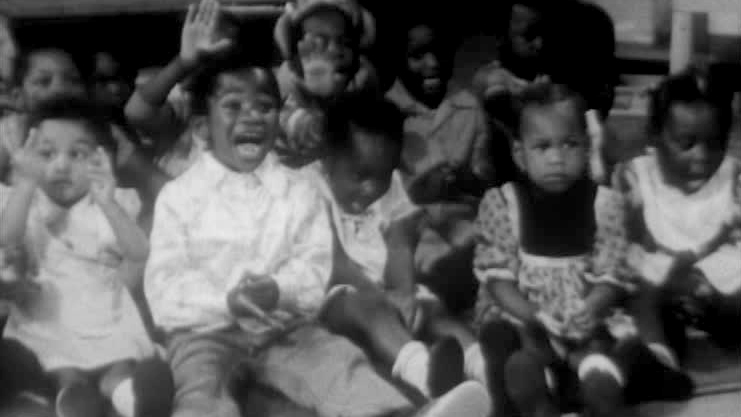
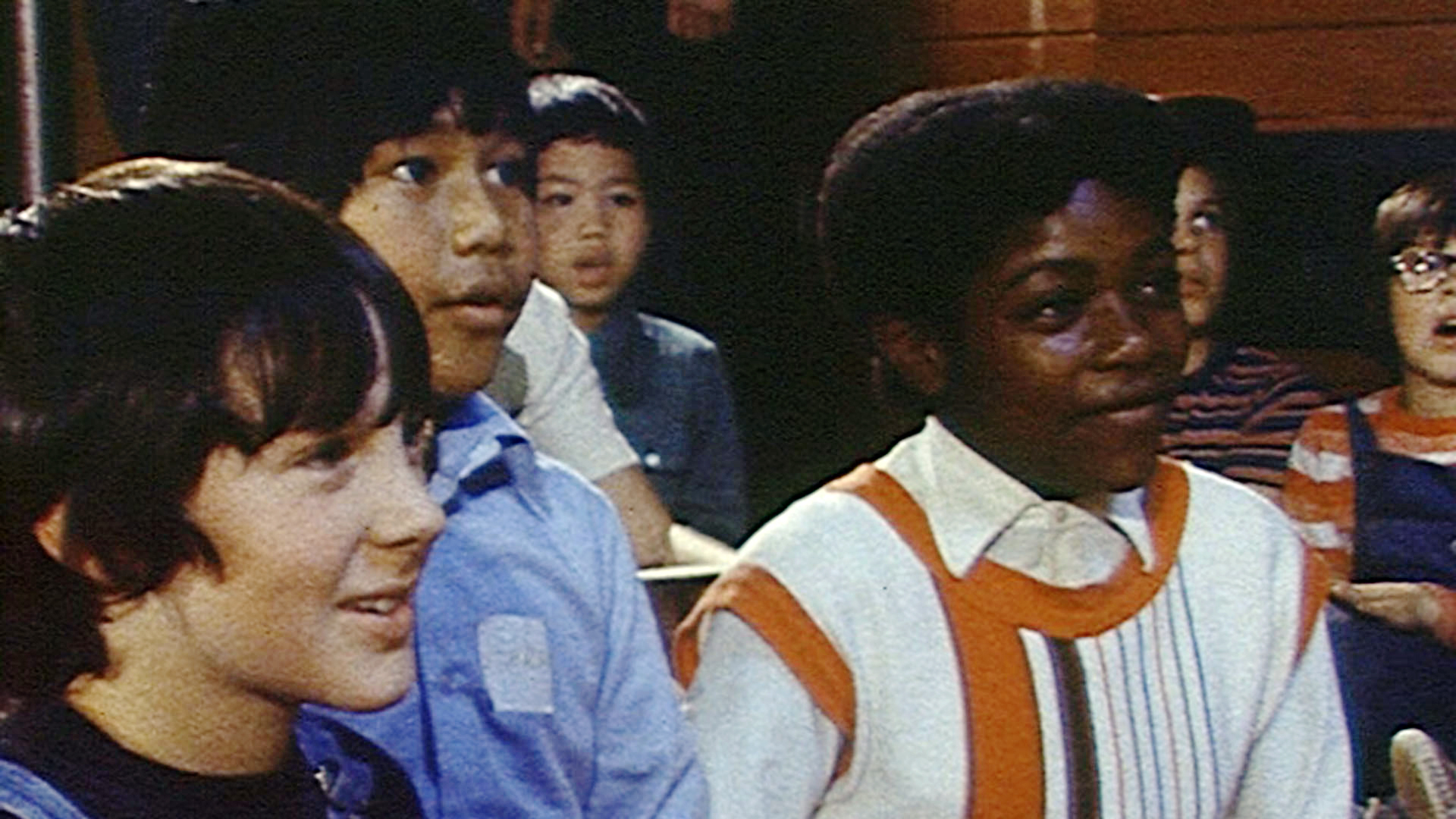
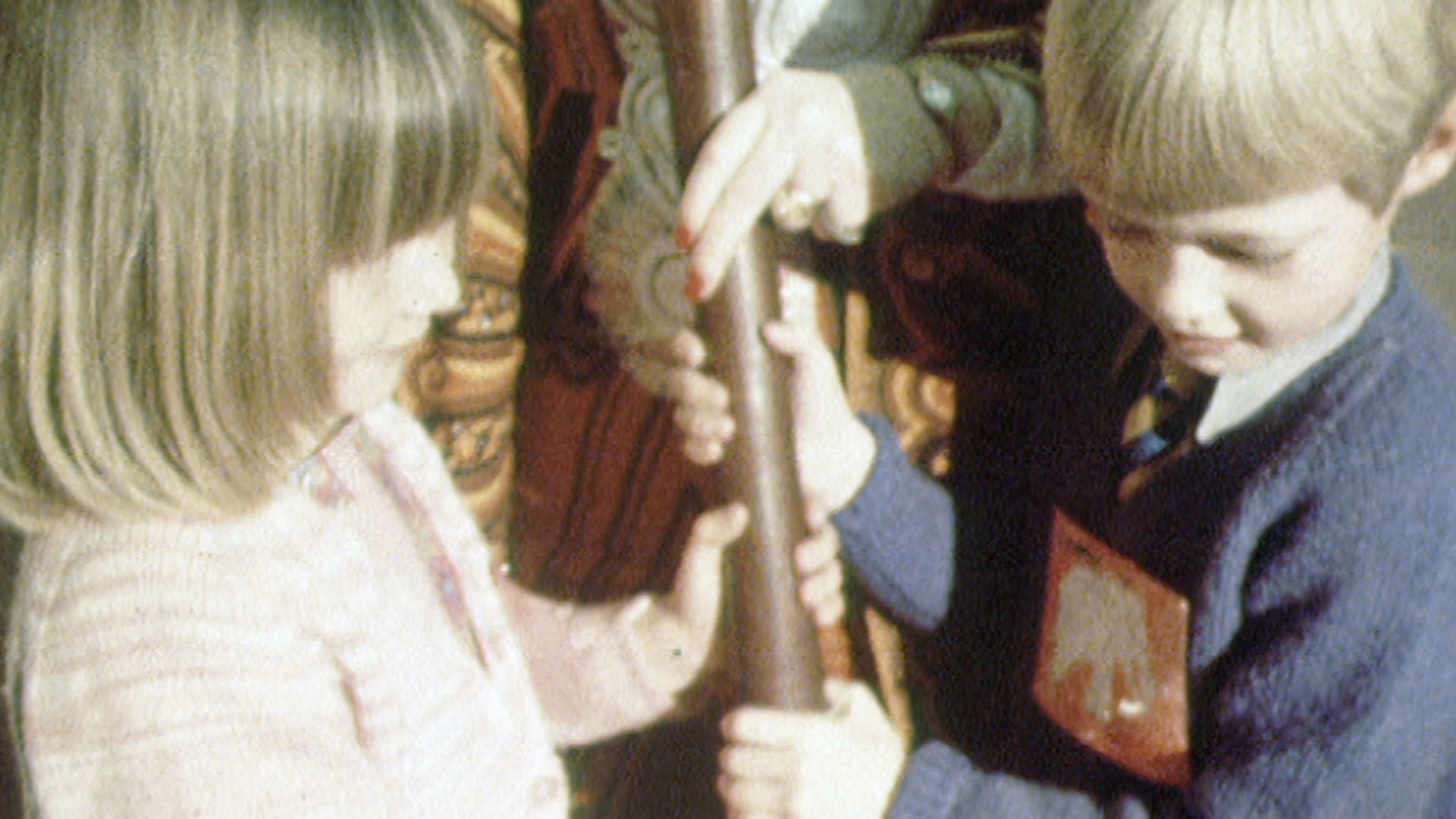
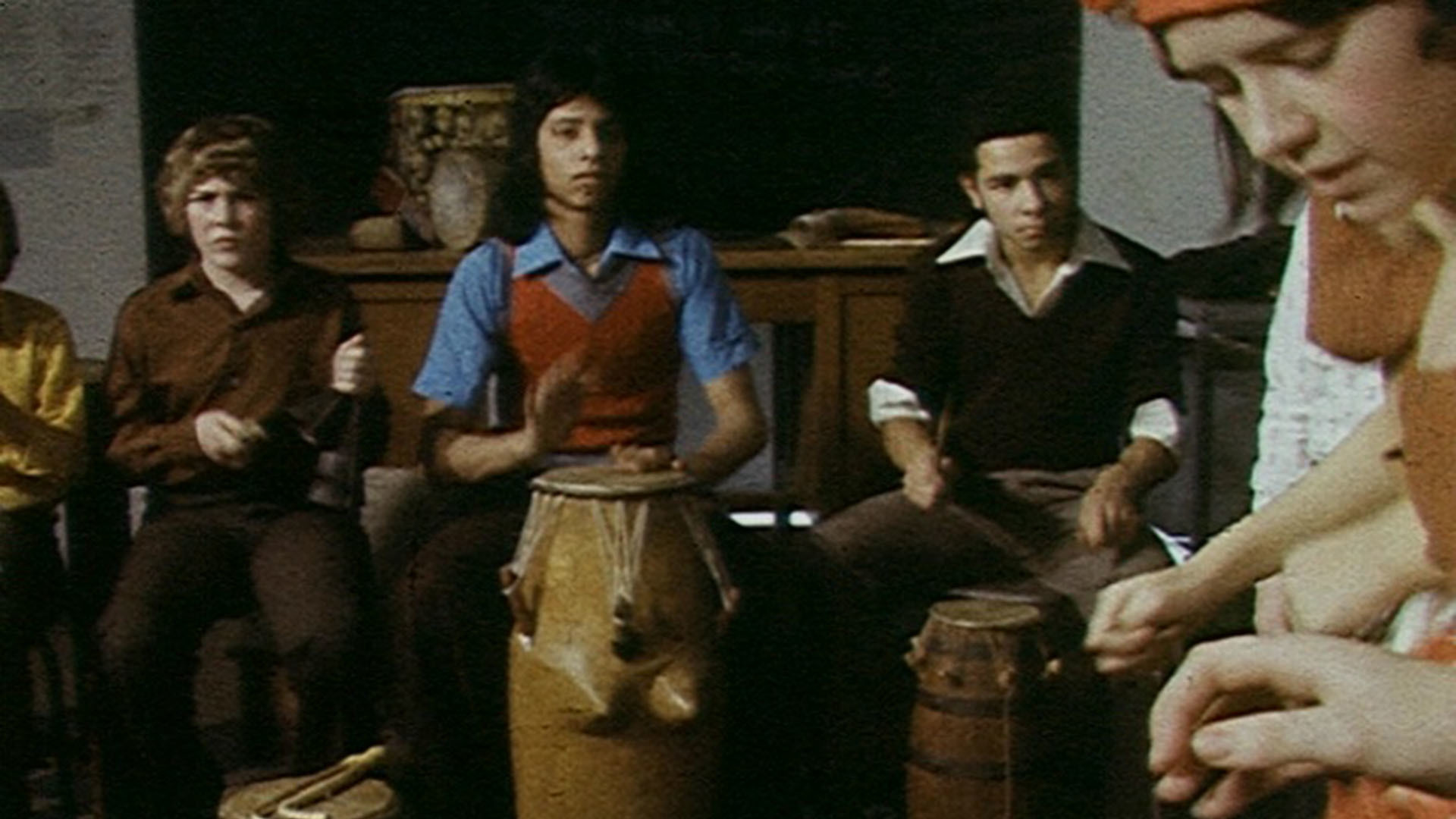
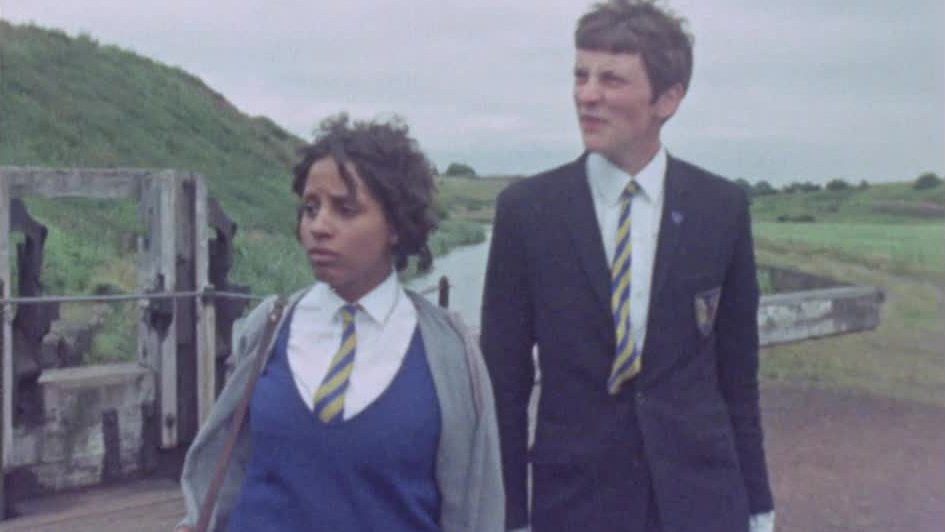
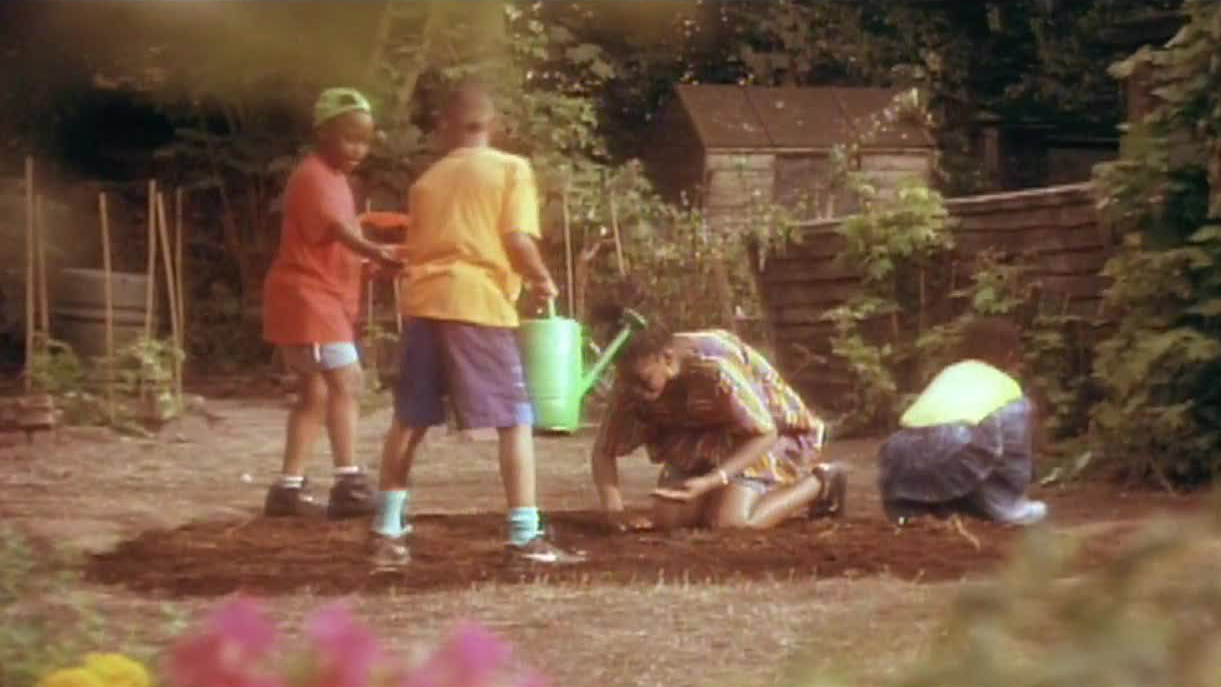
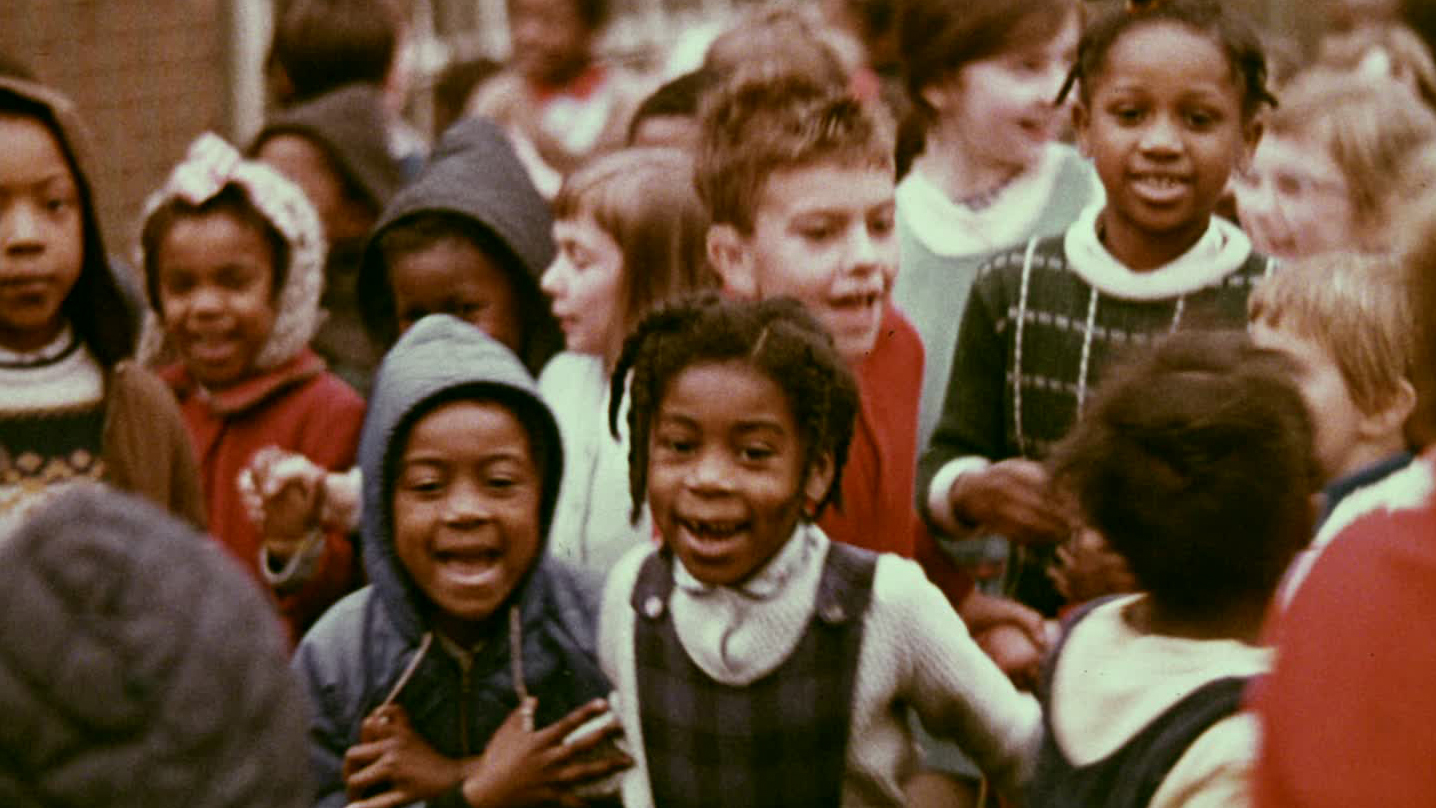
Children from inner city Brixton in London having fun at Wembury Beach.
Schoolchildren from Brixton in the London borough of Lambeth are on summer holiday by the sea at Wembury Beach in Devon. Brixton in the early eighties was suffering from high unemployment, high crime and poor housing. In 1981 following police initiatives to reduce street crime in a broken windows-type policy, the Metropolitan Police resorted to stop and search but the vast majority of those targeted during the operation were young black males.
The policy sparked riots and a subsequent enquiry led to the publication of the Scarman Report concluding disproportionate and indiscriminate use of stop and search powers. Initiatives were put in place for the Afro-Caribbean community including offering relief for inner city schoolchildren through subsidised holidays outside London. The so-called Windrush generation formed after the first wave of immigration from Jamaica when 492 individuals disembarked at Tilbury Docks from the Empire Windrush passenger liner in 1948. The Job Centre was on Coldharbour Lane Brixton and the Jamaicans took up accommodation in the area. Today Brixton is a vibrant multiethnic centre attracting many visitors.
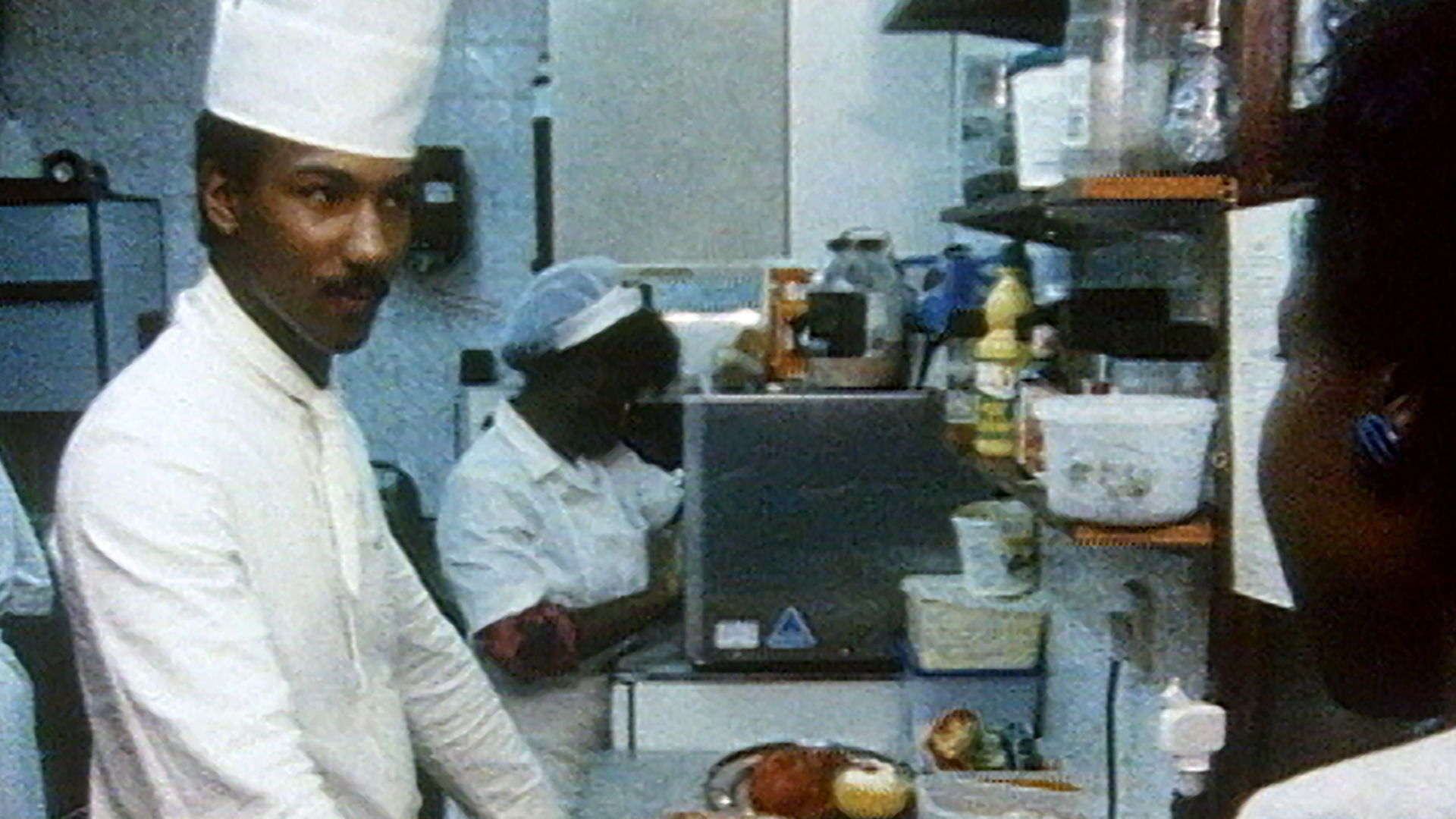
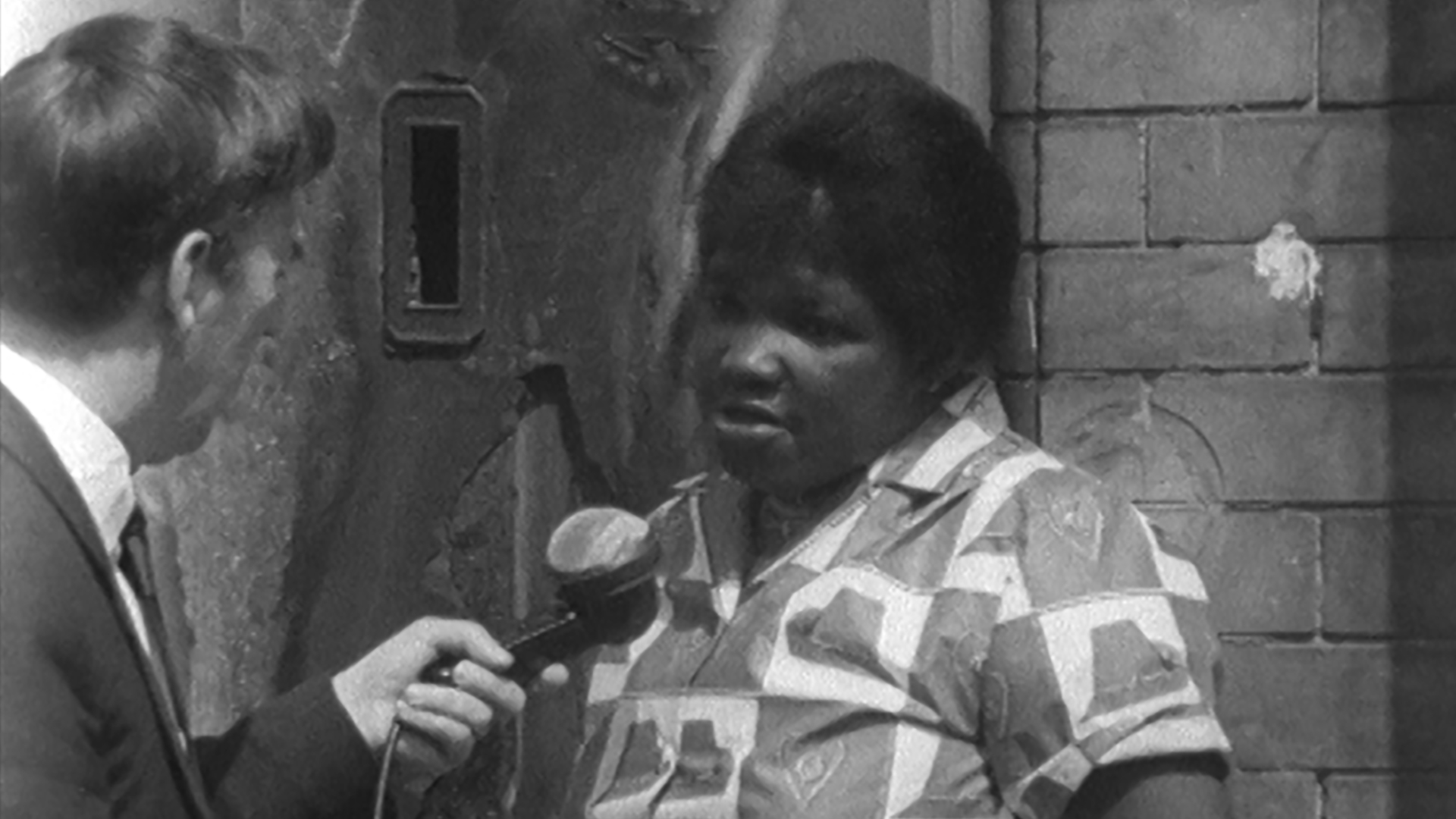
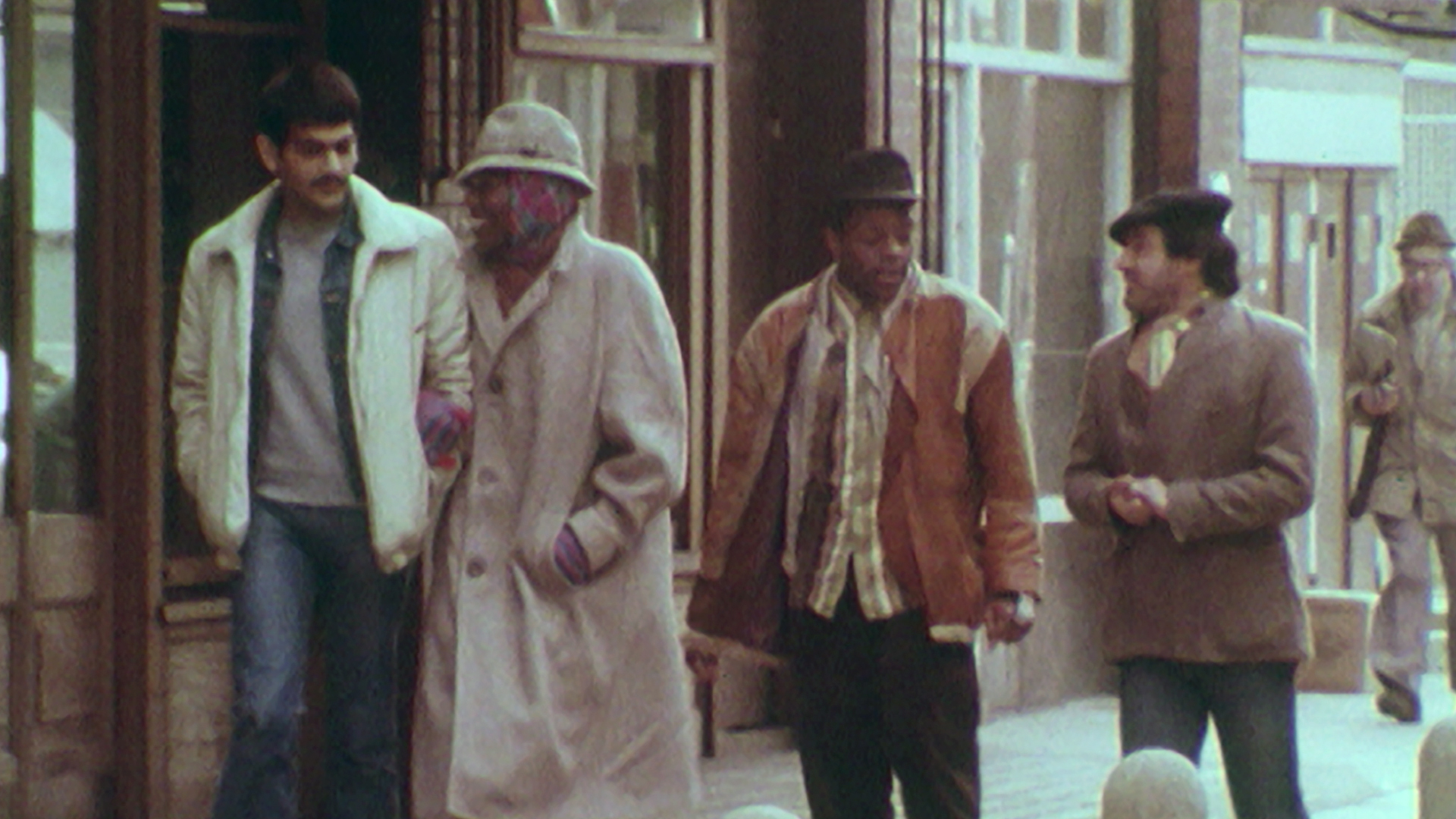
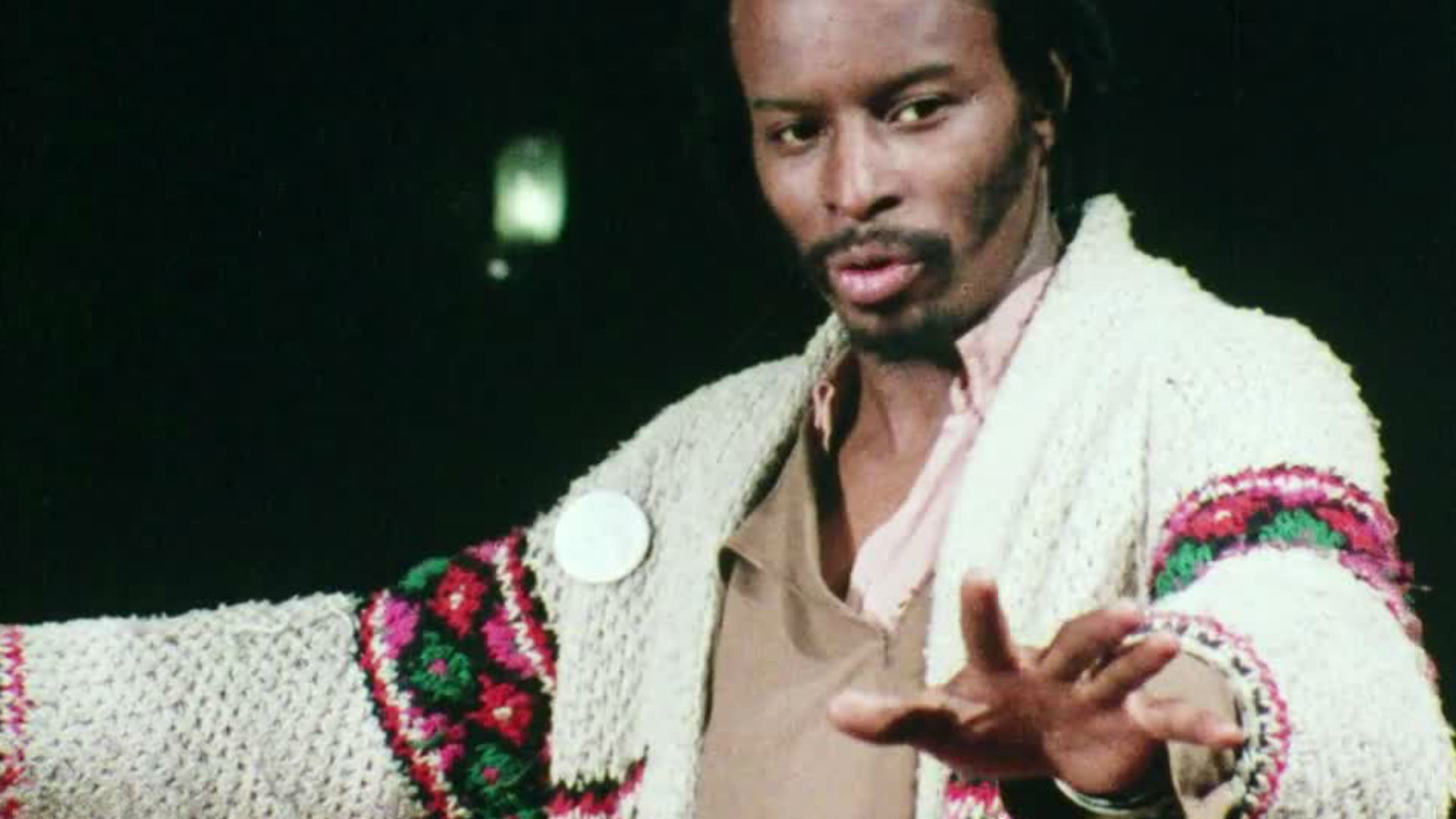
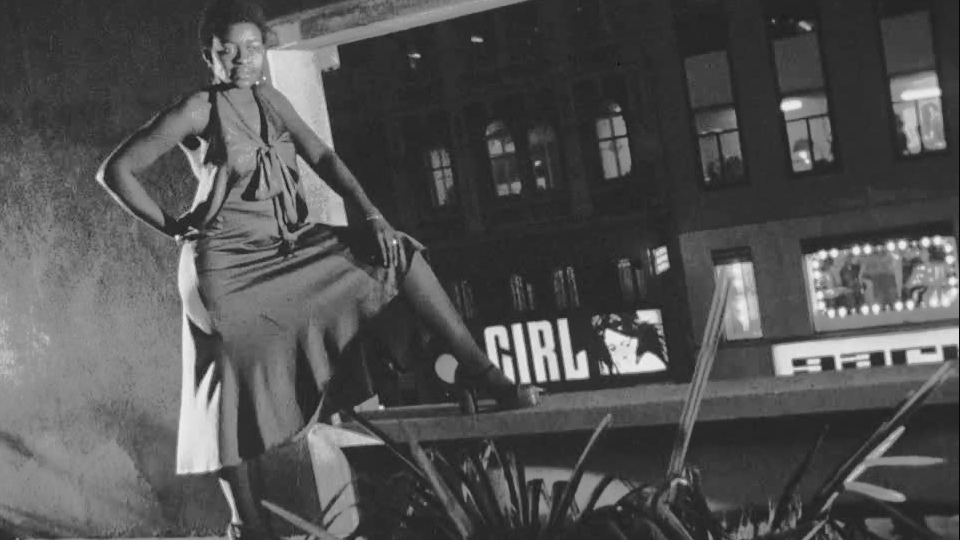
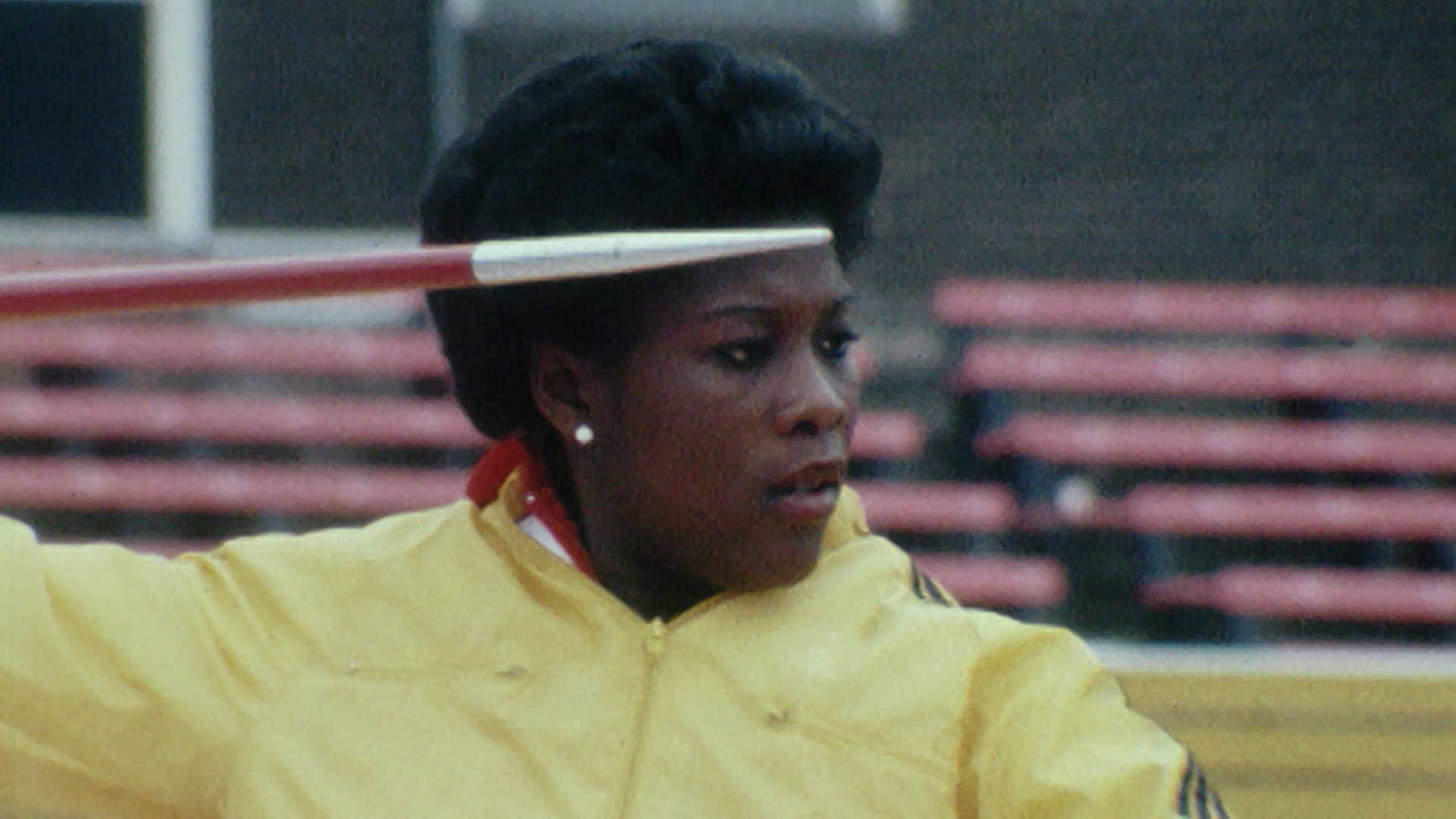
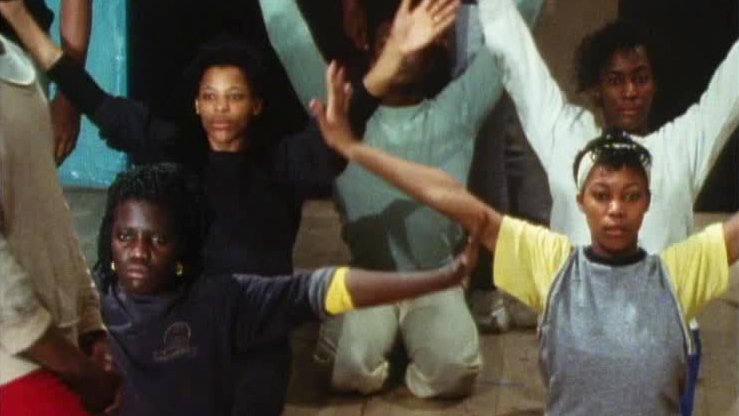
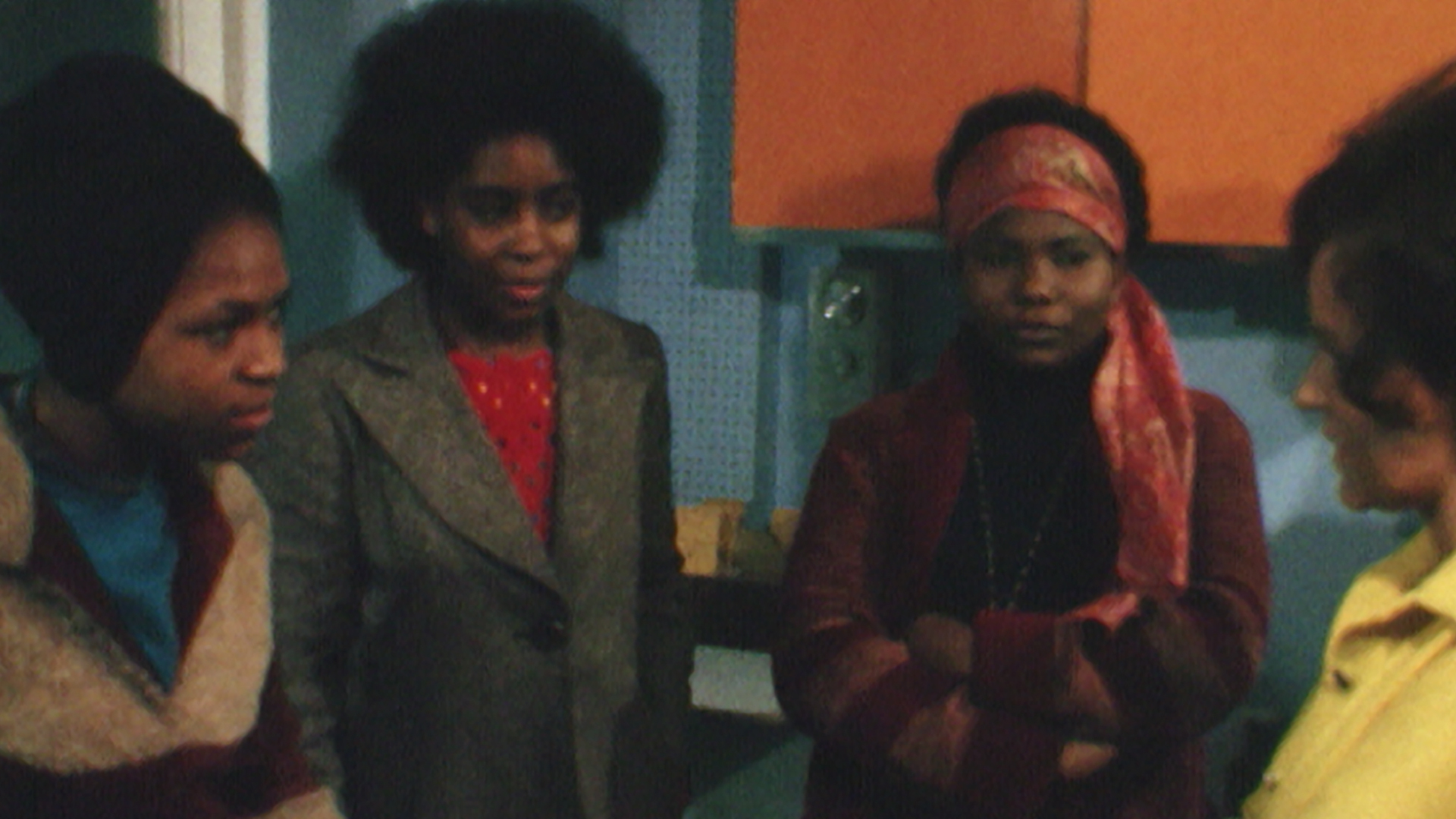
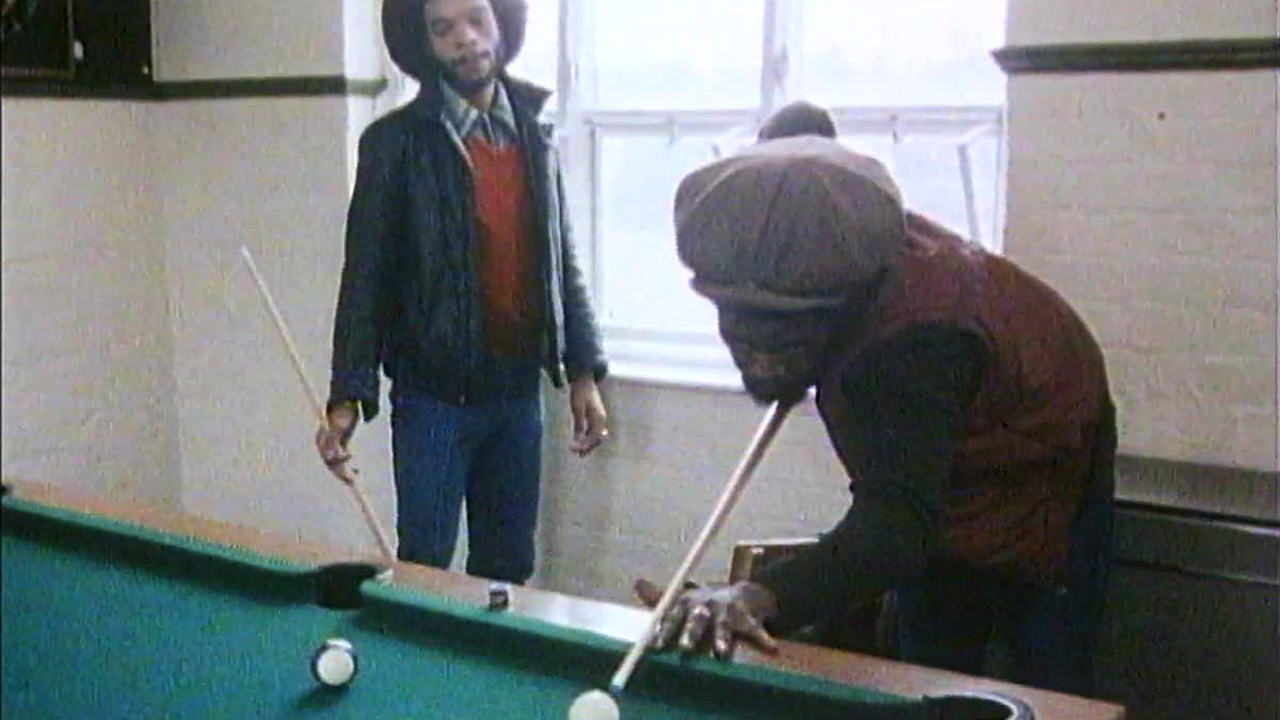
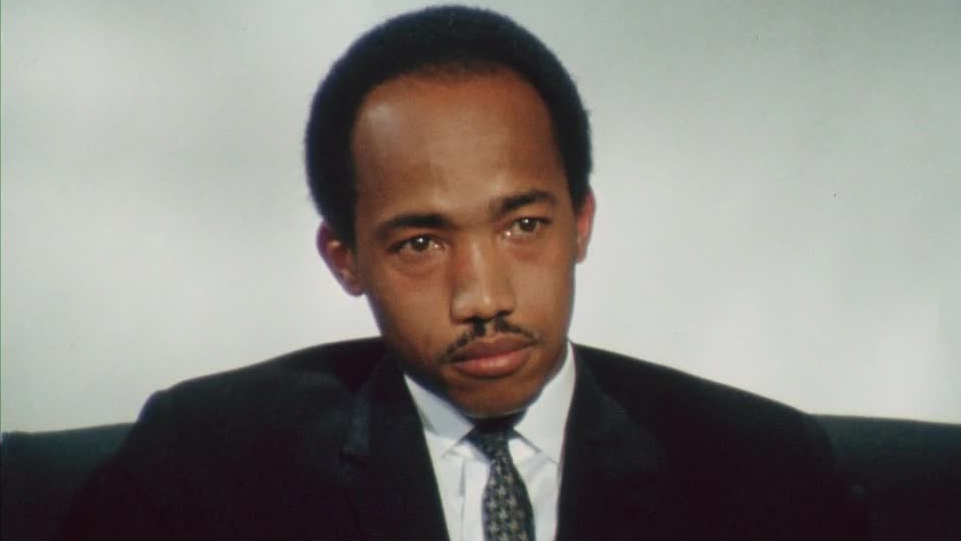
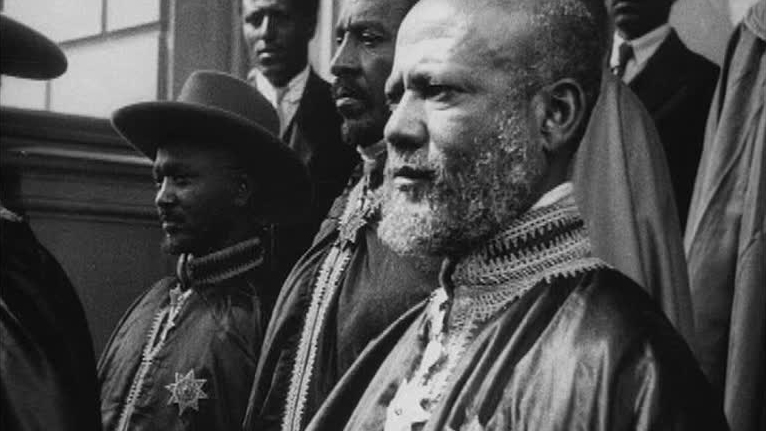
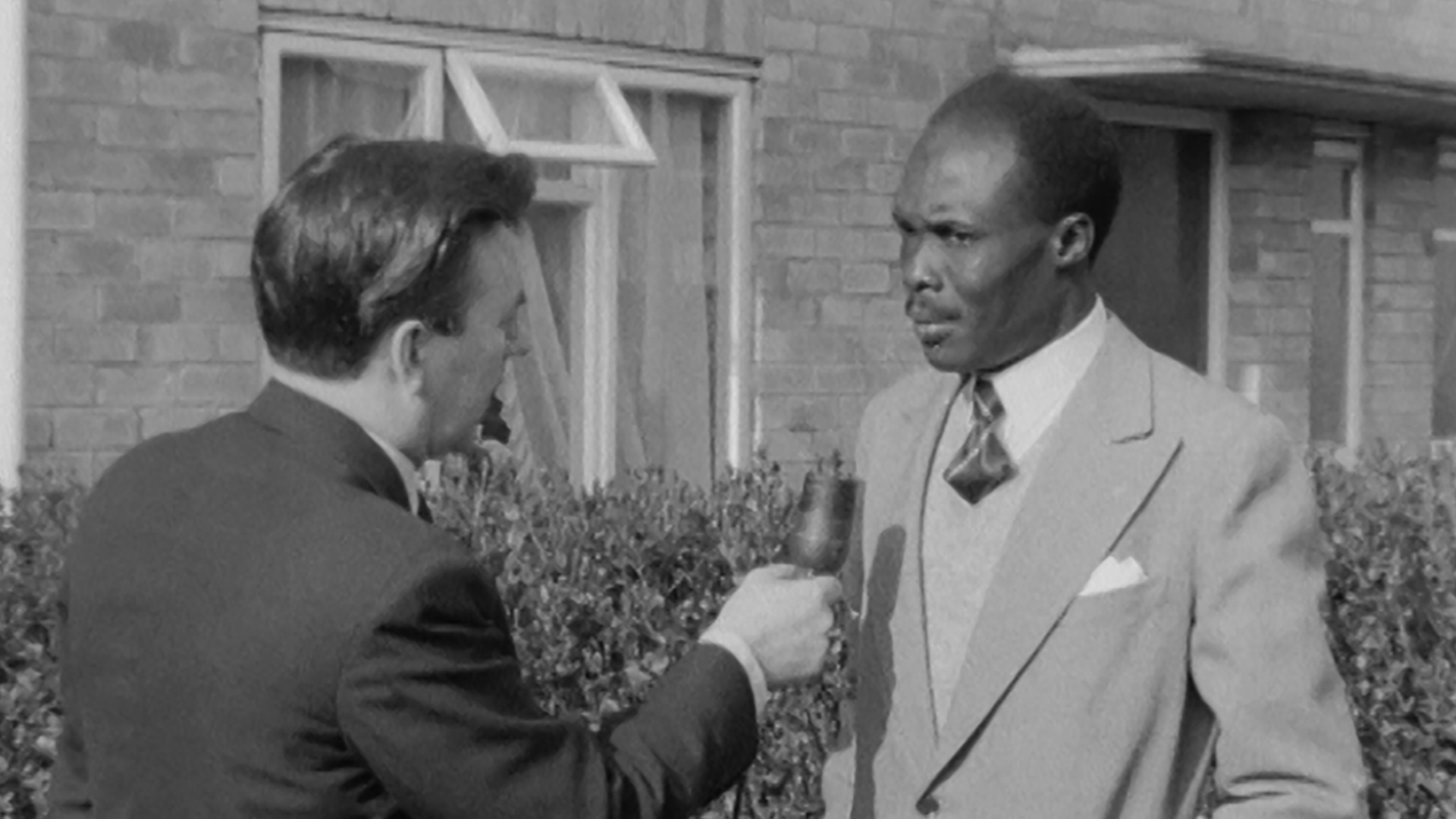
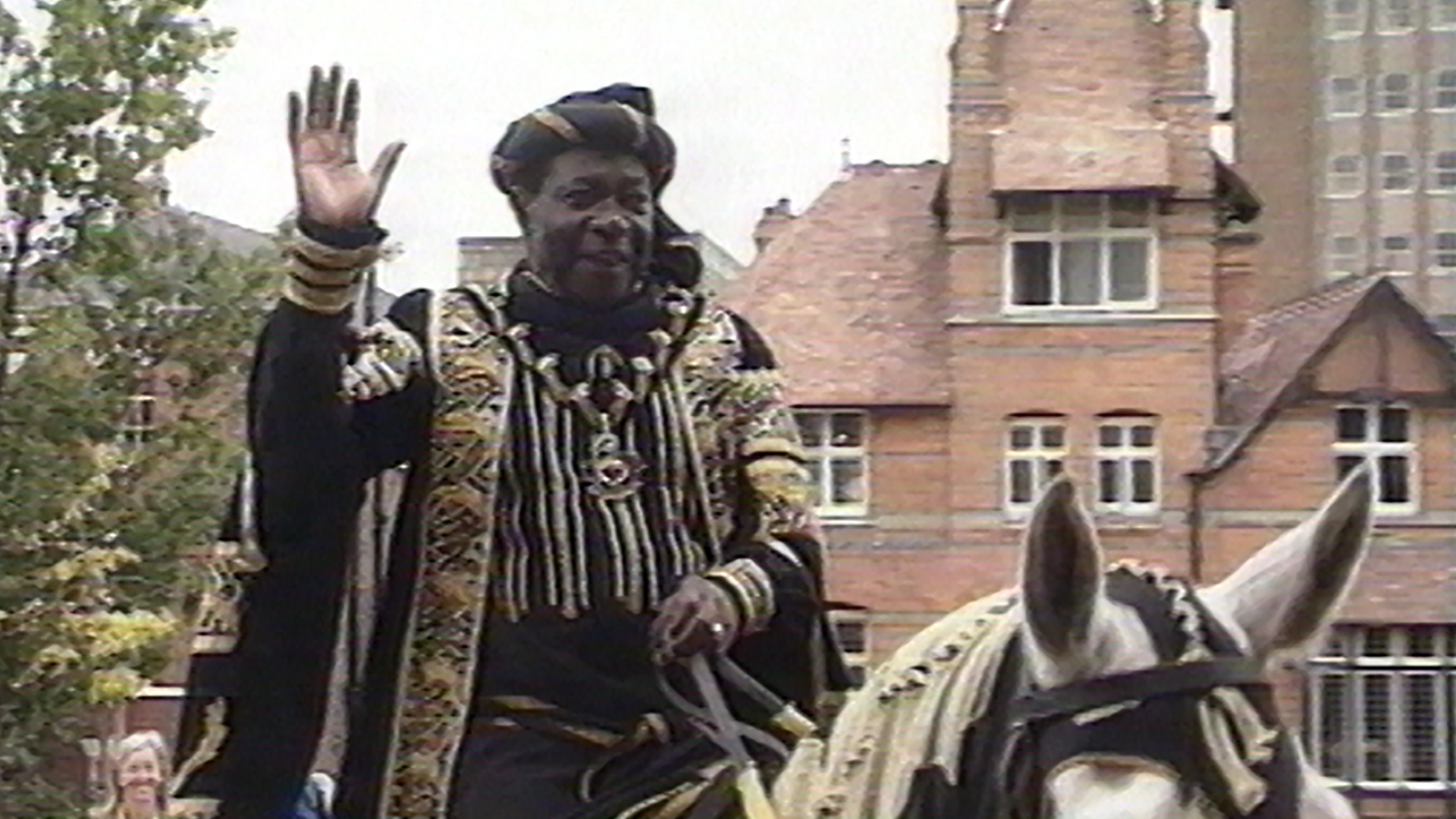
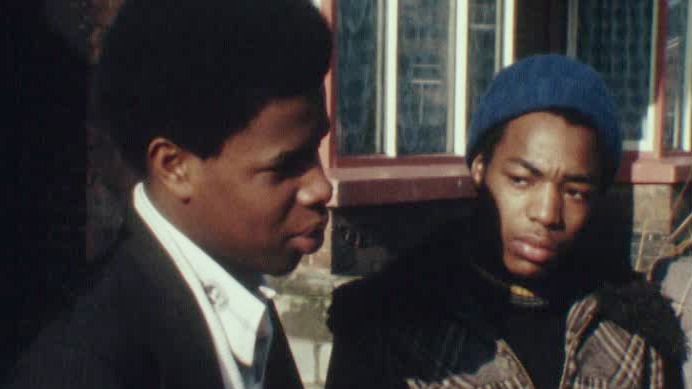
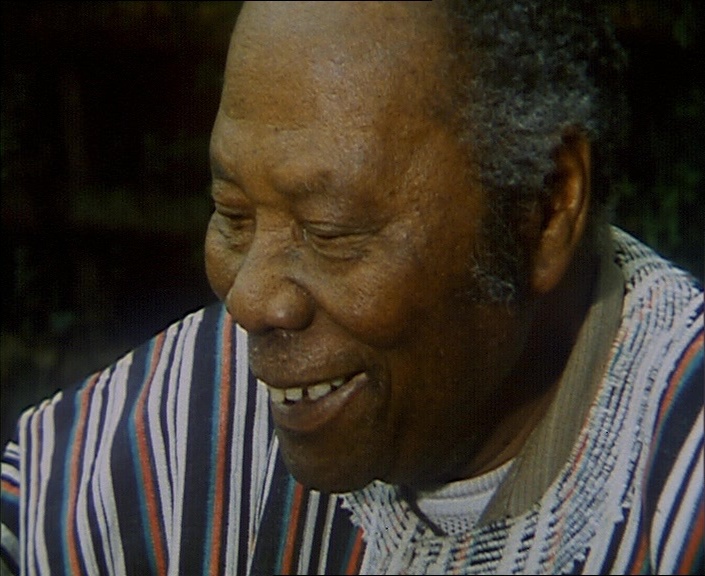
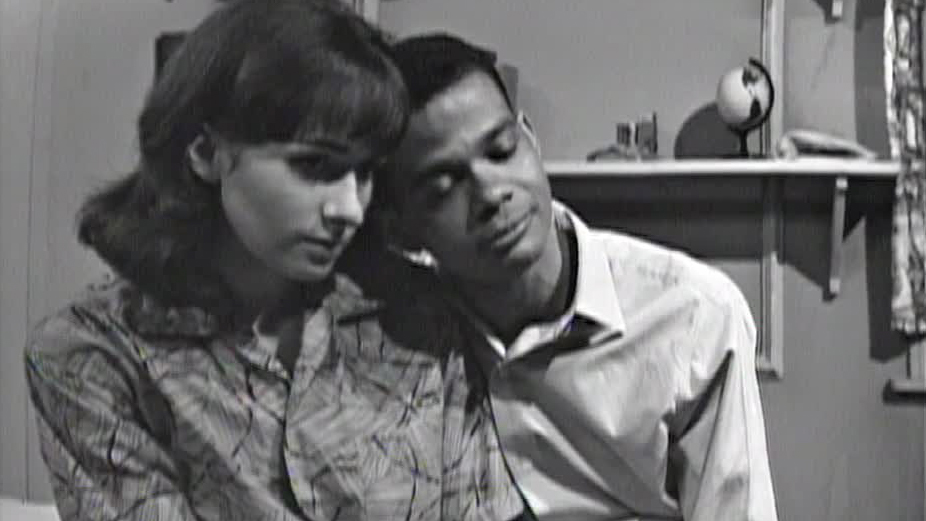
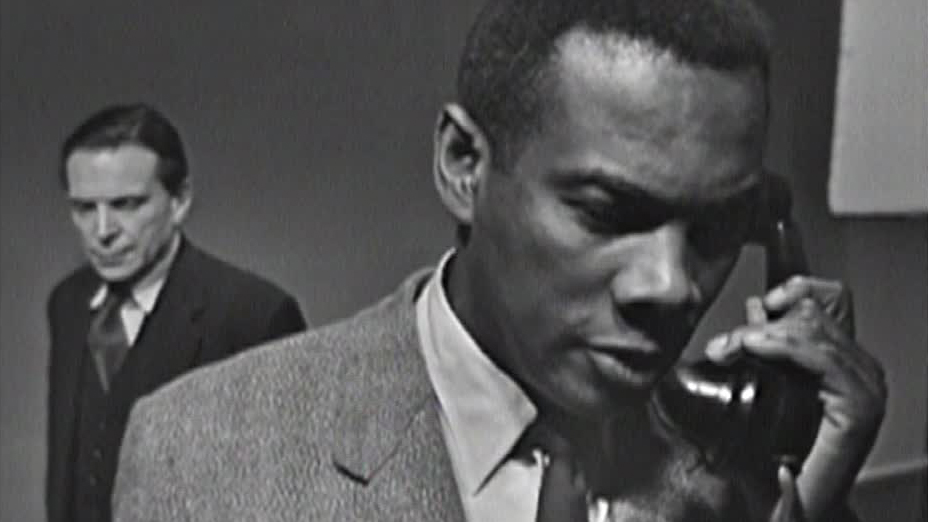
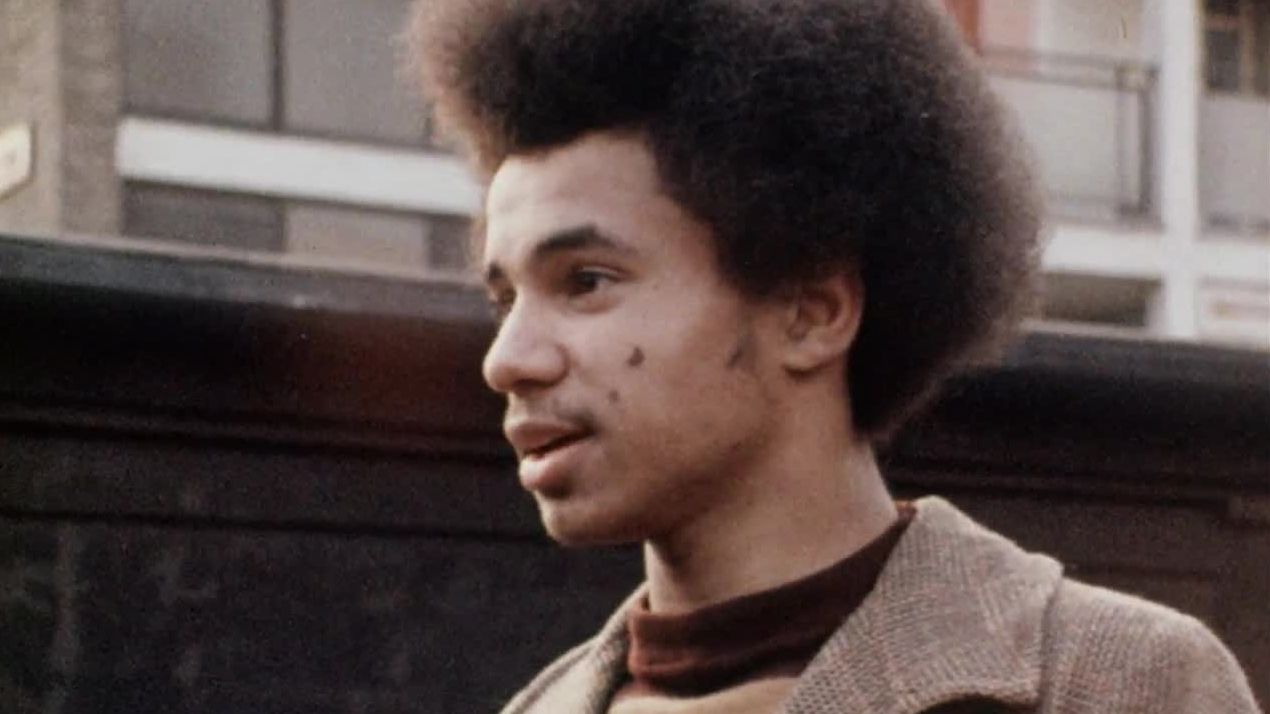
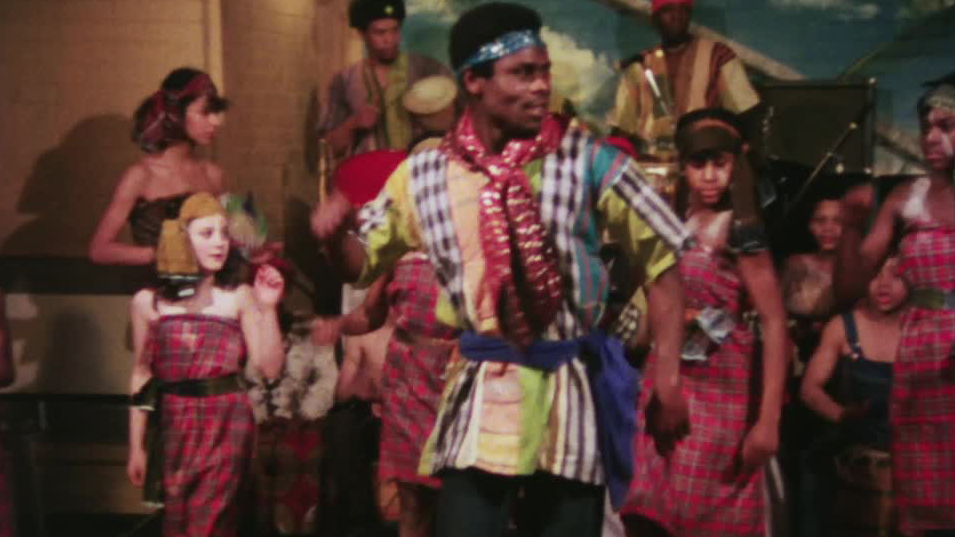
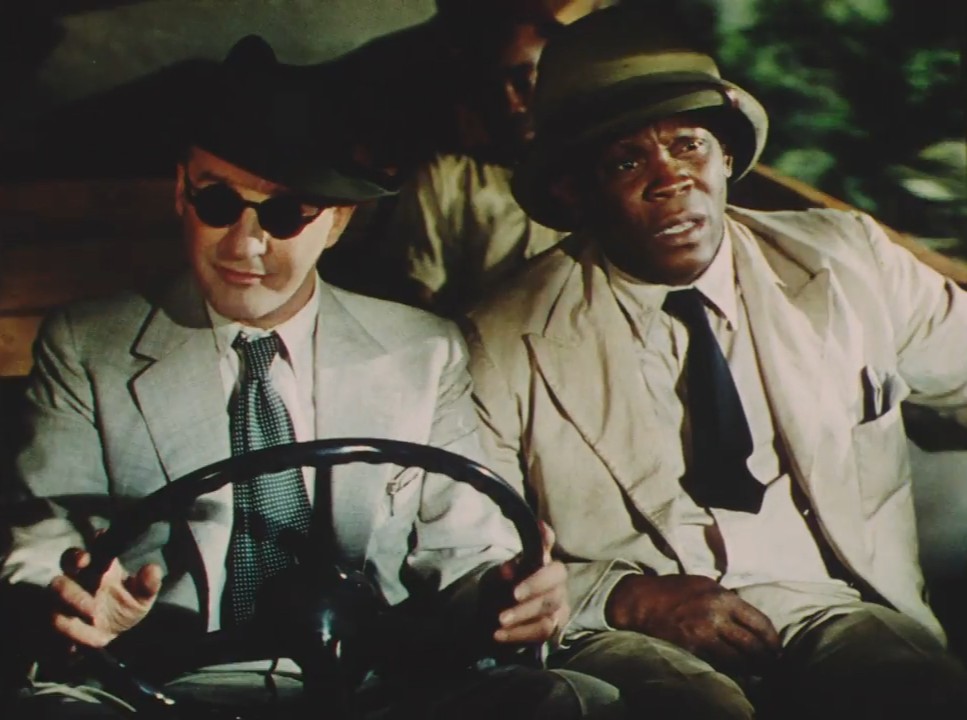
Black communities, like many Global majority groups, have long been ill-served by a mainstream British media accustomed to reflecting predominantly white, middle-class lives - a problem entrenched in the second half of the 20th century with the rise of television. Yet a rich tapestry of work from across the boundaries of fiction and non-fiction, film and TV, made for (though not always by) black people, does exist. This selection contains many surprises – some joyous, some sobering, some heartbreaking – and highlights the often painfully slow progress in addressing negative representations and stereotypes on screen. Impassioned and sometimes violent dispatches from the front line in the fight for racial equality can be found here, but so too can records of progress: in the pioneers breaking new ground in culture, politics and sport, and in the more mundane glimpses of everyday life. And this story is not just London’s story: the selection takes a journey around Britain, to a Nigerian wedding in 1960s Cornwall, an ‘African village’ in Essex and a Caribbean restaurant opening in West Bromwich; Newcastle