Ballet Black
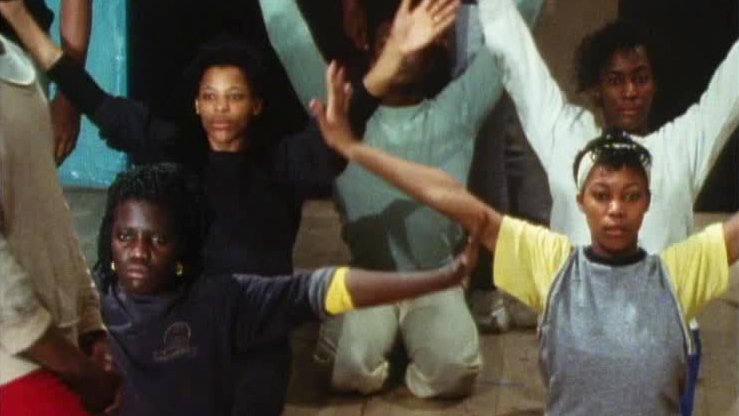
Stephen Dwoskin brings together members of the Ballet Negres dance company, founded in London in 1946.
Stephen Dwoskin's Arts Council film tells the story of Ballet Negres, an innovative all-black dance troupe founded by Jamaican dancer Berto Pasuka and active in Europe from 1946 to 1952. Exploring the company through archive film and photographs, as well as a reunion of the original members after 35 years, it climaxes with a vibrant performance of Pasuka's They Came by young black dancers. The film's fragmented style and lack of traditional talking heads can be challenging, but its historic value and rhythmic blend of sound and image reward the persistent viewer.
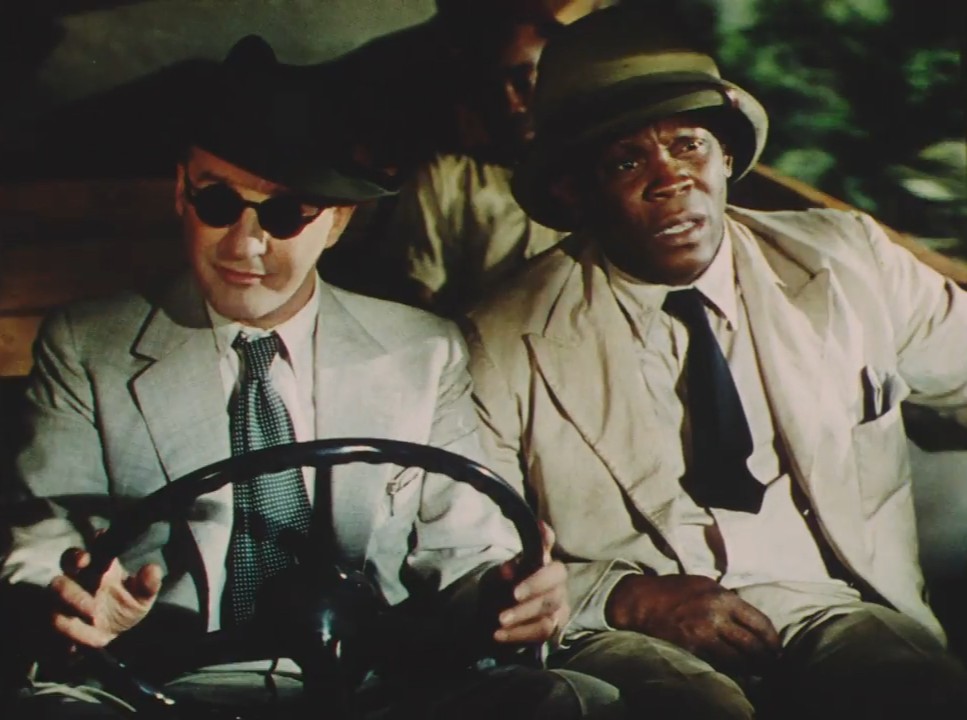
Berto Pasuka was a gay Jamaican who loved to dance. When he made Britain his home in 1939, he took a ballet course and found opportunities to dance in cabaret shows in West End night clubs during WWII. He also modelled for sculptors, painters and photographers, including Angus McBean, who admired his physique. After the war, while working with several other black dancers in the film Men of Two Worlds, Pasuka established Ballet Negres, Britain's first black ballet company. Bringing together dancers from the Caribbean and musicians from West Africa, the company sought to create and showcase dances based on black folklore, life in the West Indies and colonialism. Pasuka wrote and choreographed the ballets and mime was an integral part of his work. He died in Surrey in 1963 at the age of 43.
Tags
Black Lives
Portraits of public and private lives against the shifting social climate of 20th century Britain.
Black communities, like many Global majority groups, have long been ill-served by a mainstream British media accustomed to reflecting predominantly white, middle-class lives - a problem entrenched in the second half of the 20th century with the rise of television. Yet a rich tapestry of work from across the boundaries of fiction and non-fiction, film and TV, made for (though not always by) black people, does exist. This selection contains many surprises – some joyous, some sobering, some heartbreaking – and highlights the often painfully slow progress in addressing negative representations and stereotypes on screen. Impassioned and sometimes violent dispatches from the front line in the fight for racial equality can be found here, but so too can records of progress: in the pioneers breaking new ground in culture, politics and sport, and in the more mundane glimpses of everyday life. And this story is not just London’s story: the selection takes a journey around Britain, to a Nigerian wedding in 1960s Cornwall, an ‘African village’ in Essex and a Caribbean restaurant opening in West Bromwich; Newcastle
48 videos in this collection

1
2
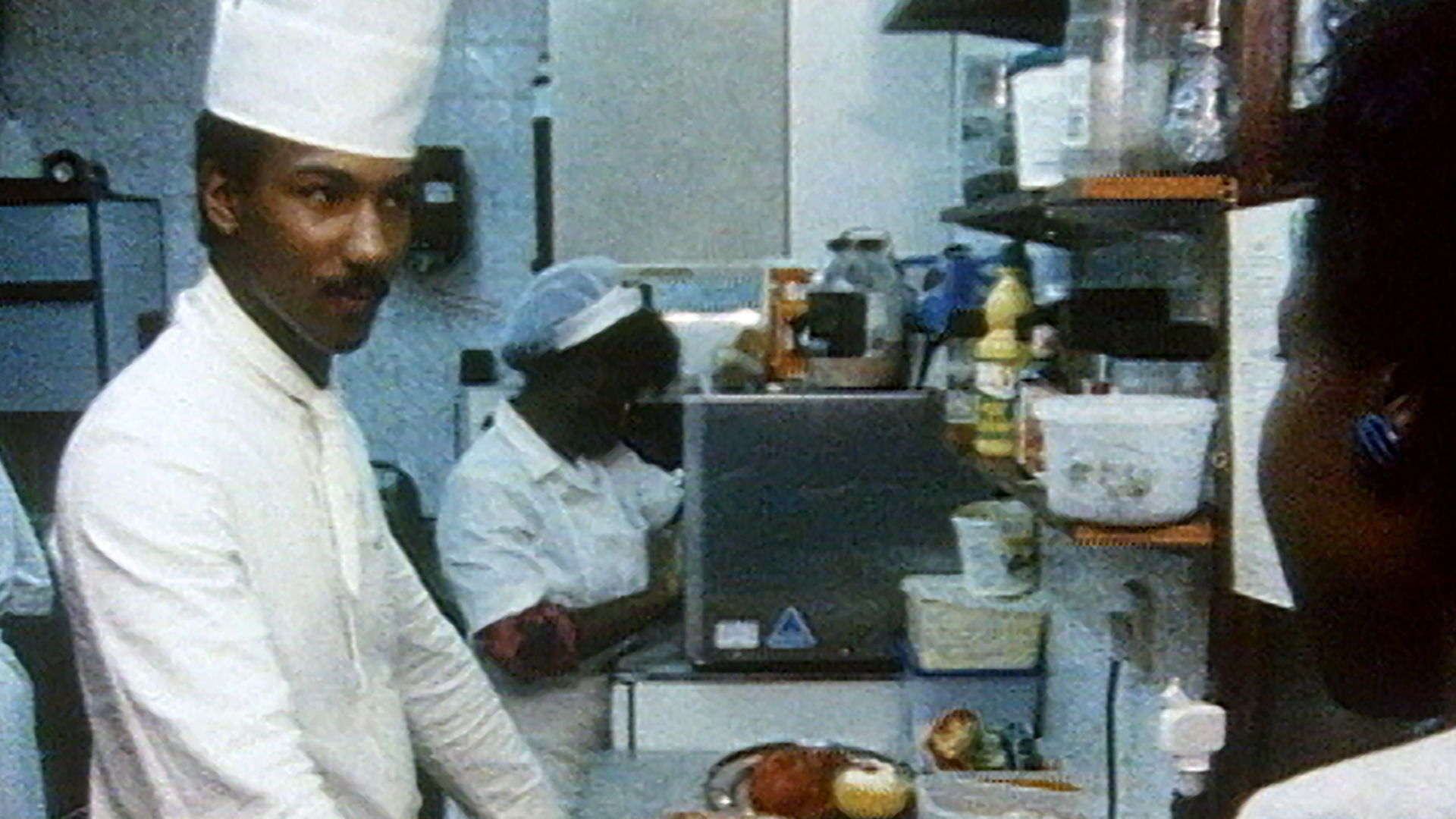
Caribbean Restaurant
3
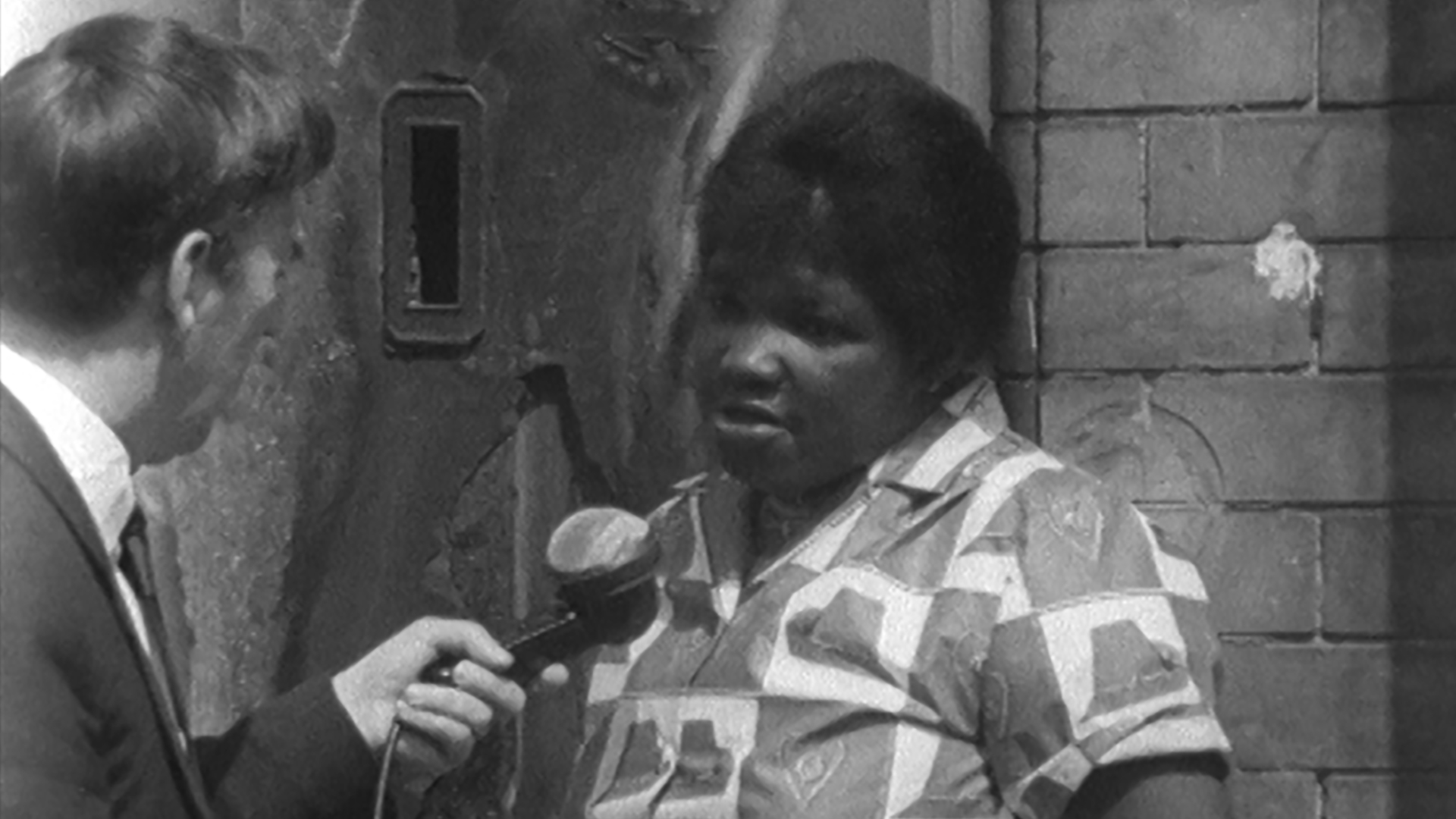
Burning Cross Race Attack
4
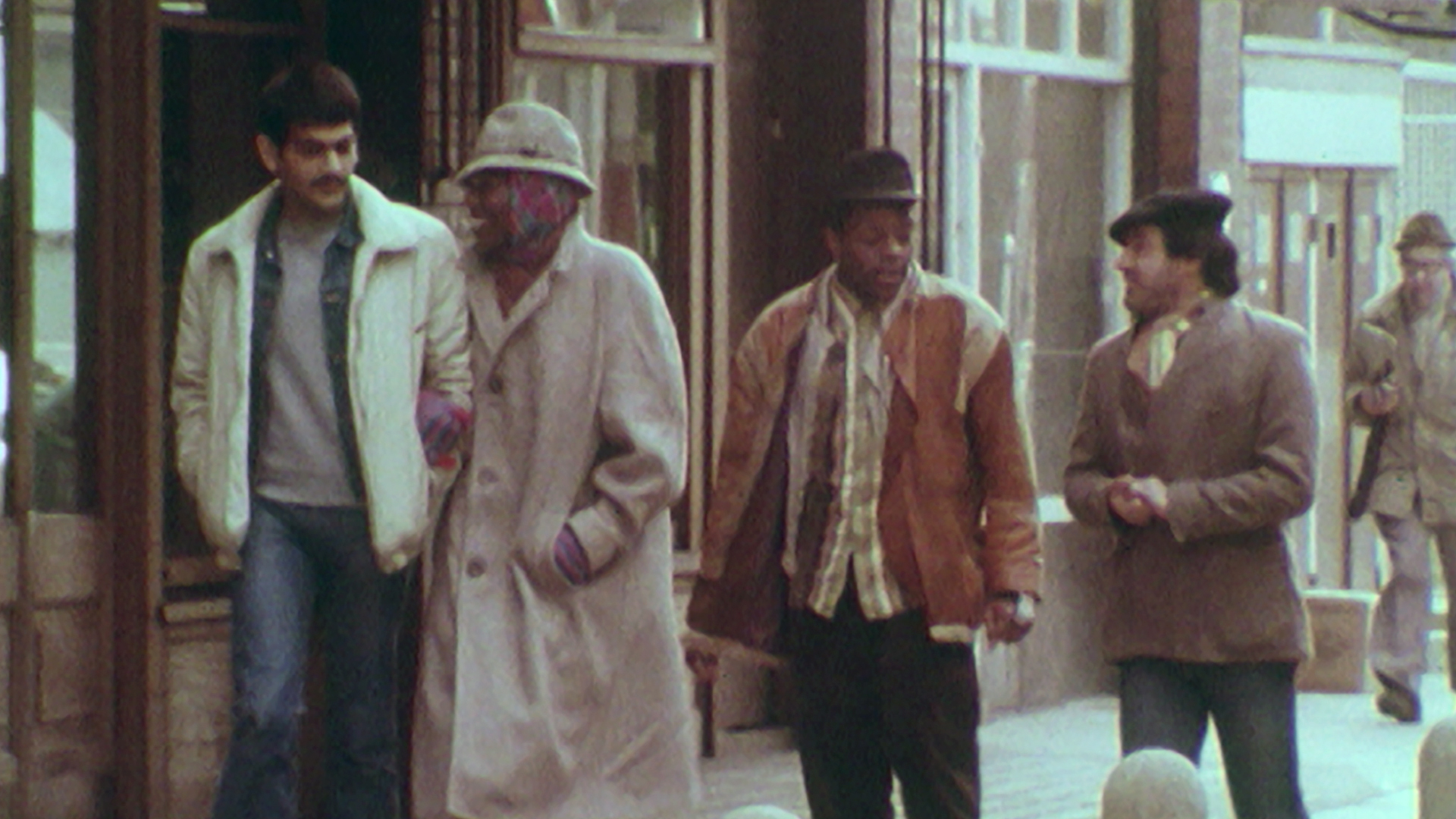
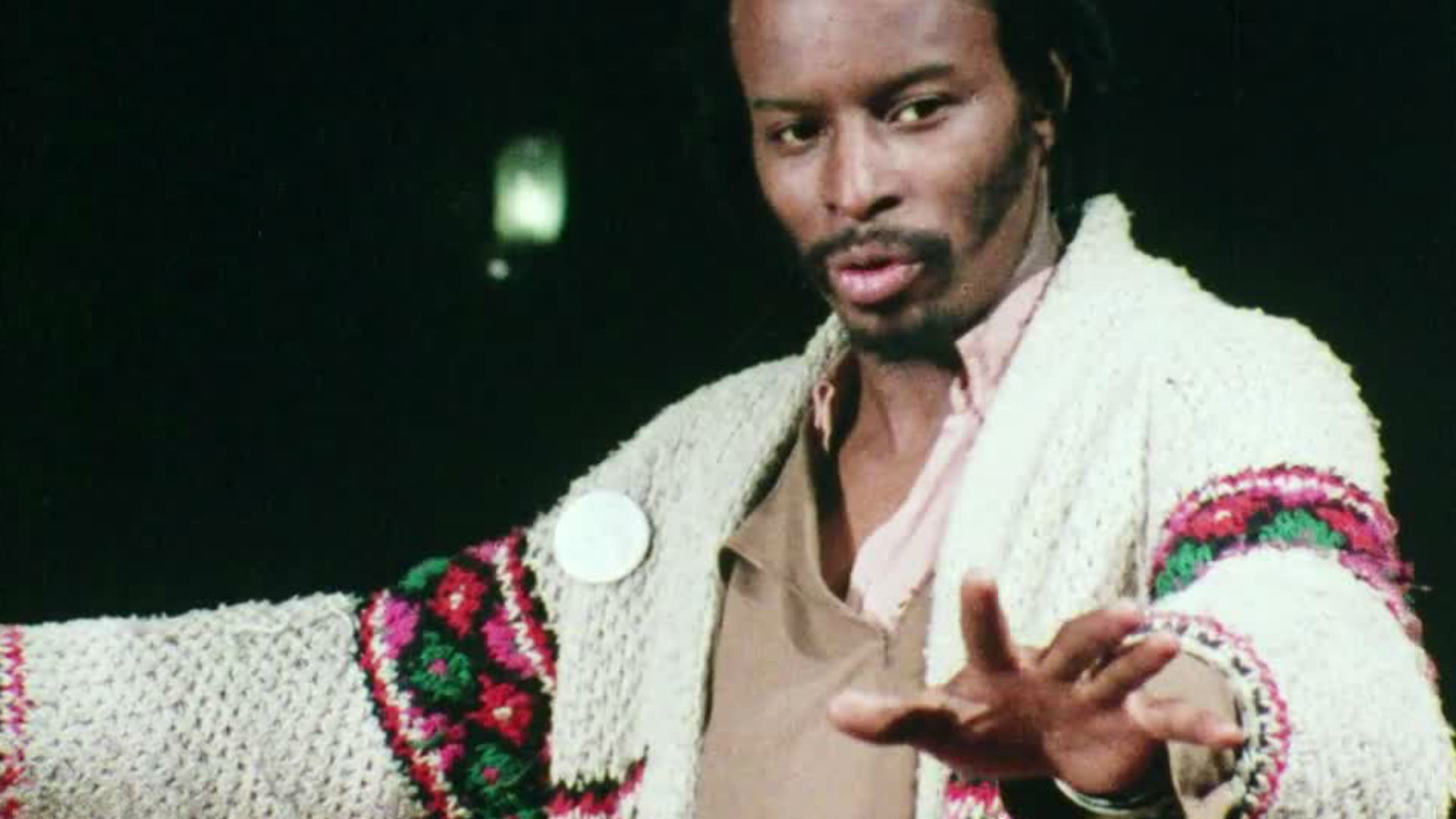
Gay Black Group
5
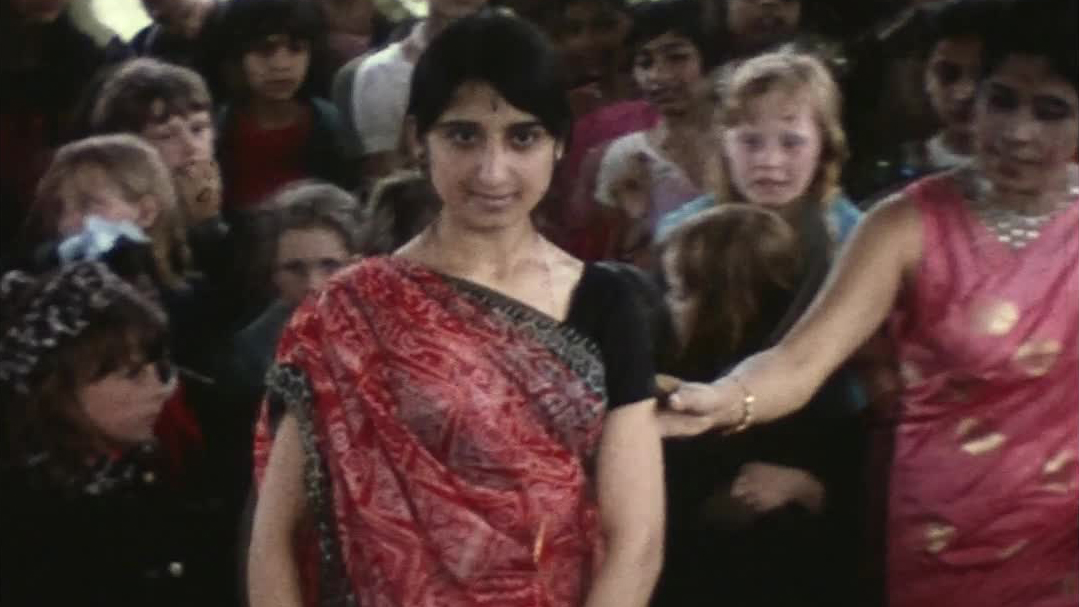
Black Theatre of Brixton
6
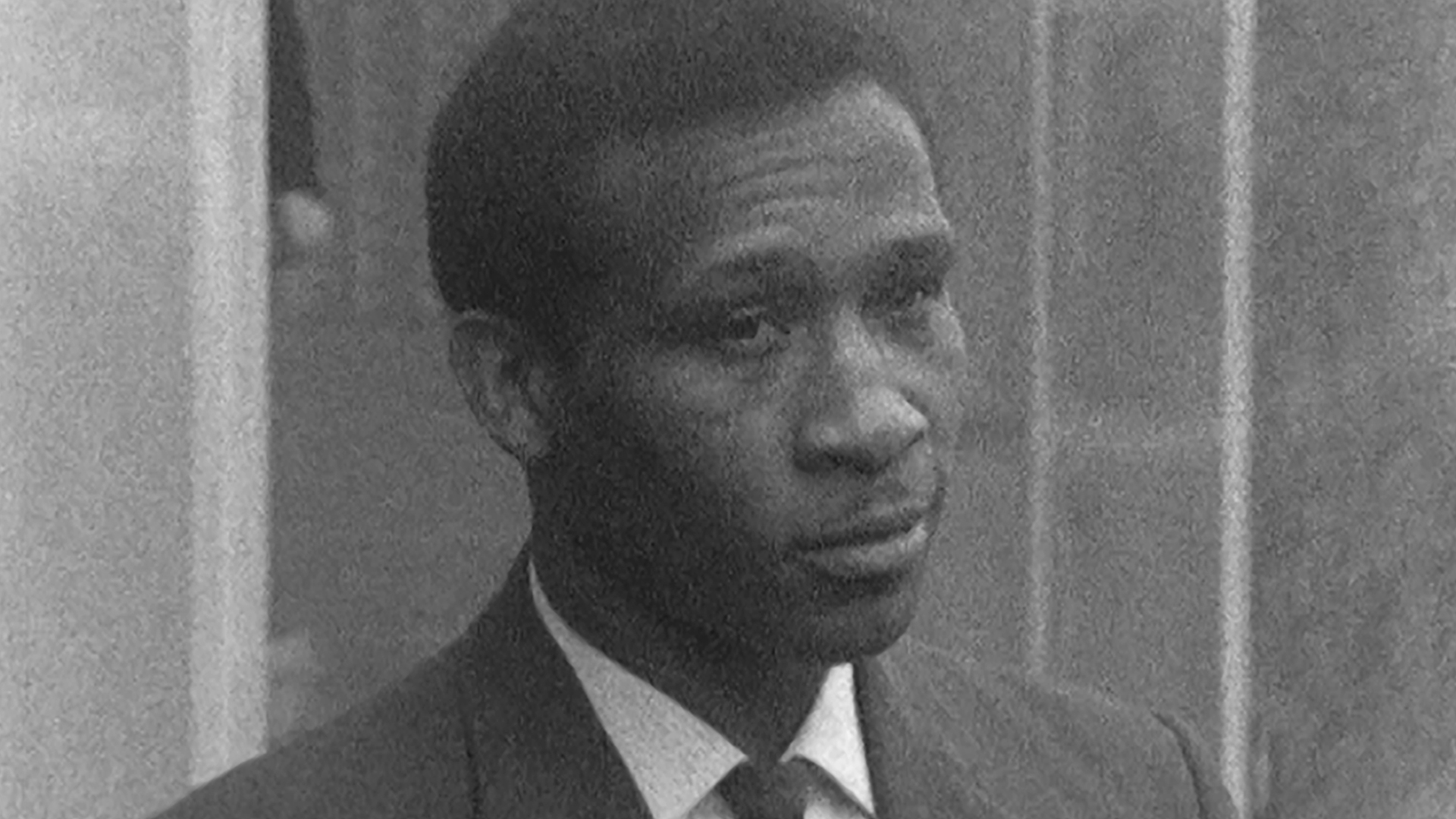
Alexandra Park Pageant, 27 June 1970
7
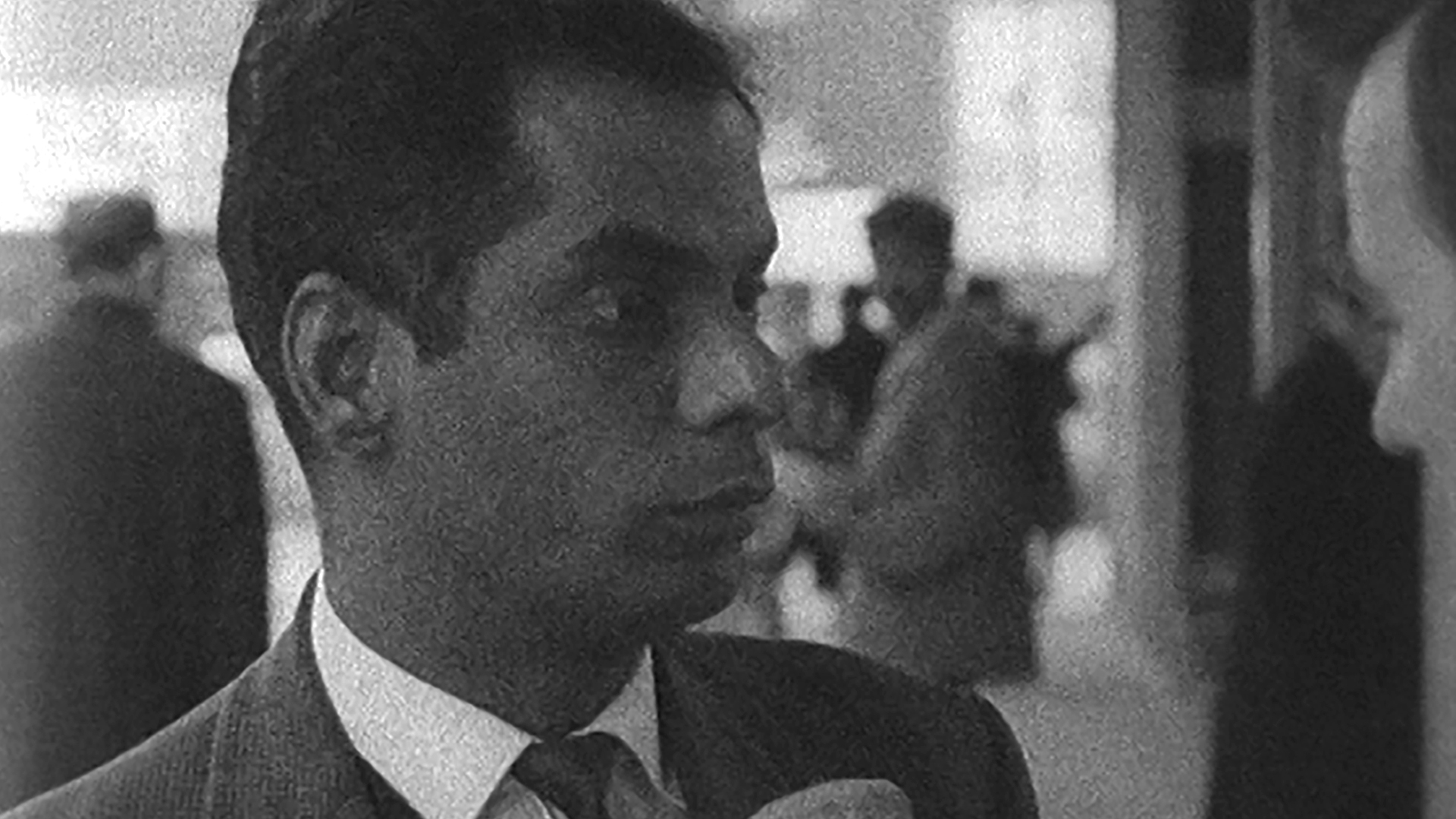
Black Special Constable
8
Vox Pops on Black Police Officers
9
A Suffolk RDC turn down housing for migrants
10
Grove Carnival
11
Divide and Rule - Never!
12
Cold Railway Workers
13
Springtime in an English Village
14
London Line No. 113
15
London Line No 373
16
Tessa Sanderson
17
Ballet Black
18
Afro Housing Self Build Scheme
19
Osibisa Musical Group
20
Community Centre
21
Seaside Escape
22
Cuthbert Gardner
23
Regent of Abyssinia in London Topical Budget 672-1
24
Black Magistrate
25
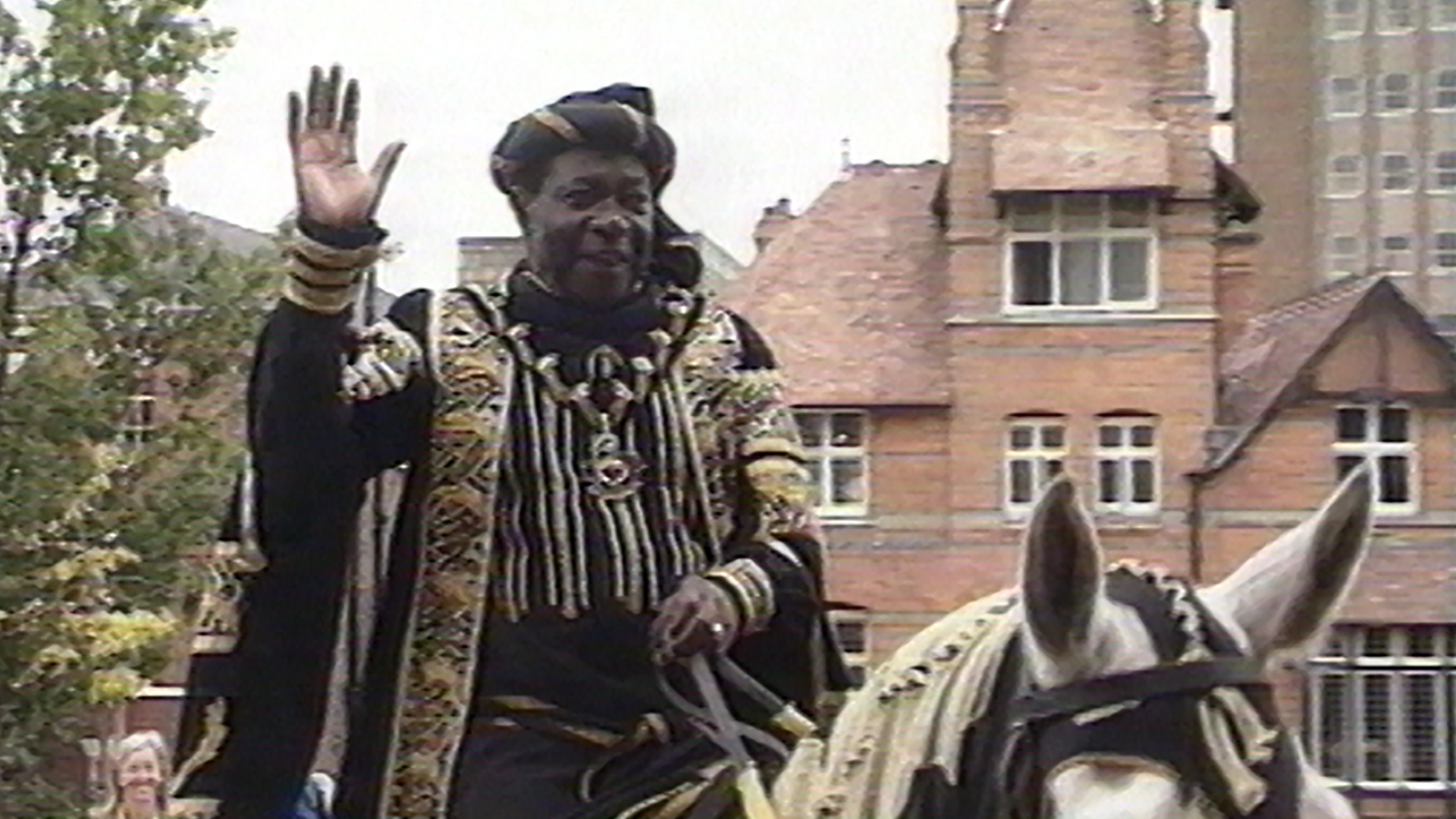
Black Sheriff of Nottingham
26
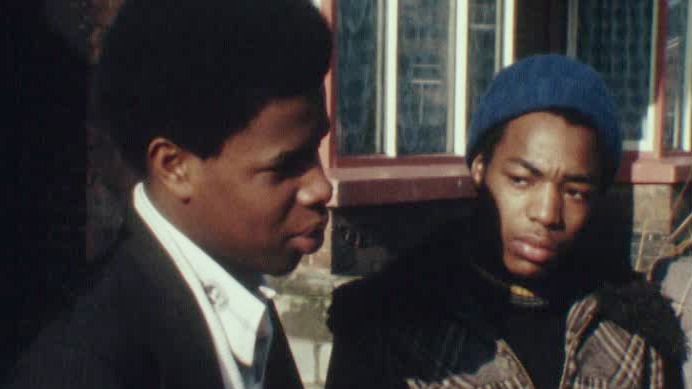
Unemployment Crisis for Birmingham West Indian School Leavers
27
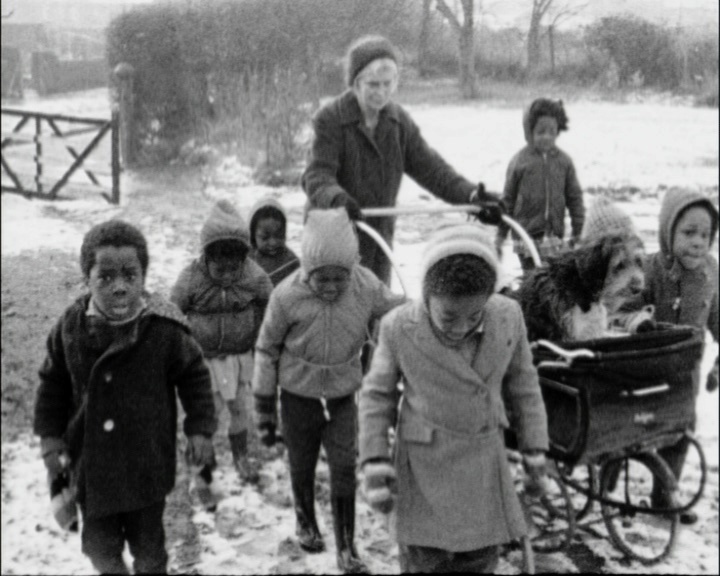
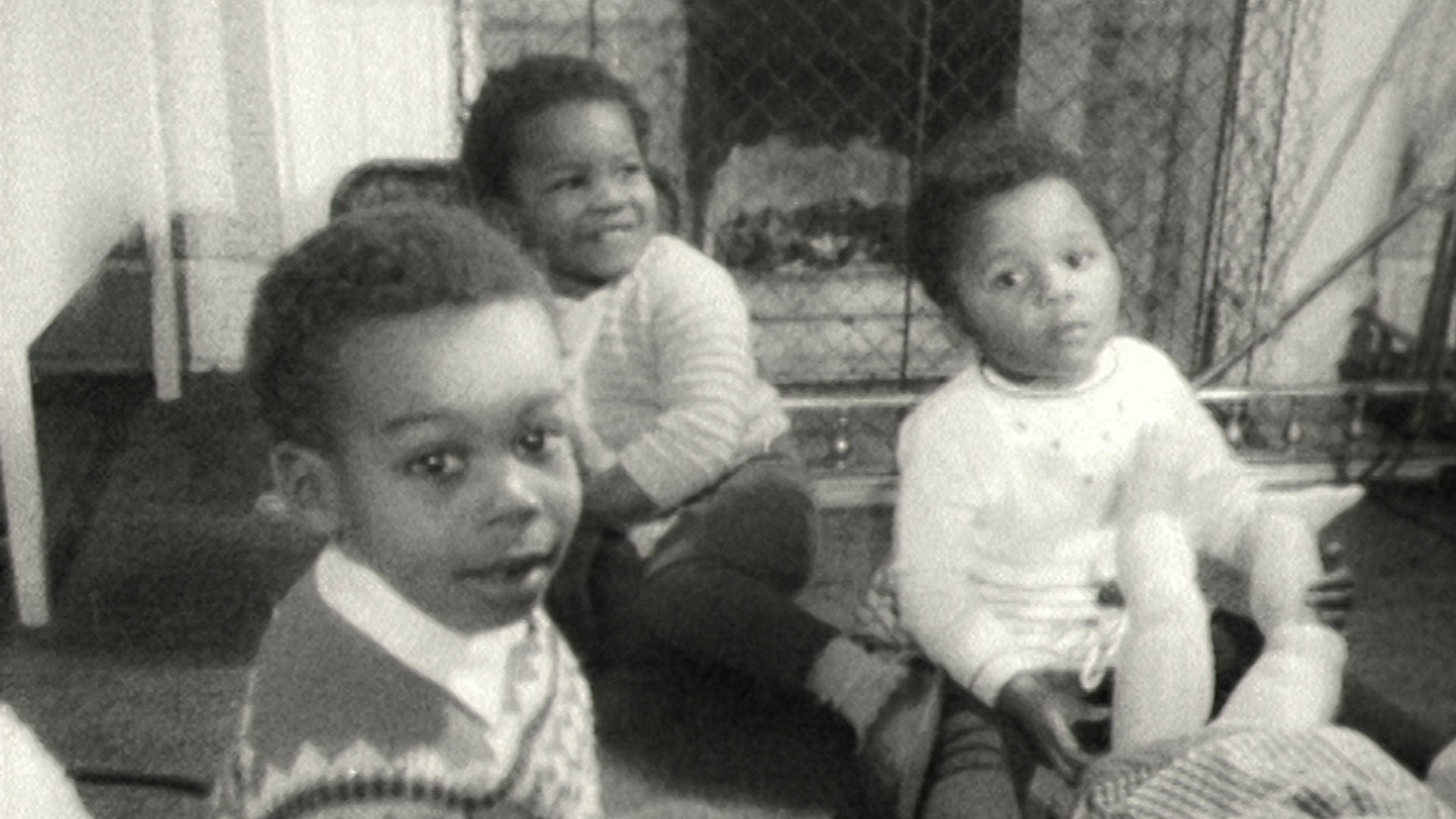
Foster Mother to Eleven Children
28
Fostering Nigerian Children
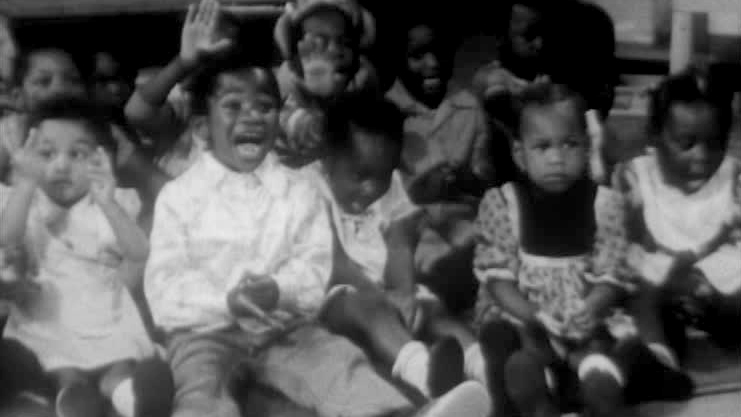
29
African Student Families
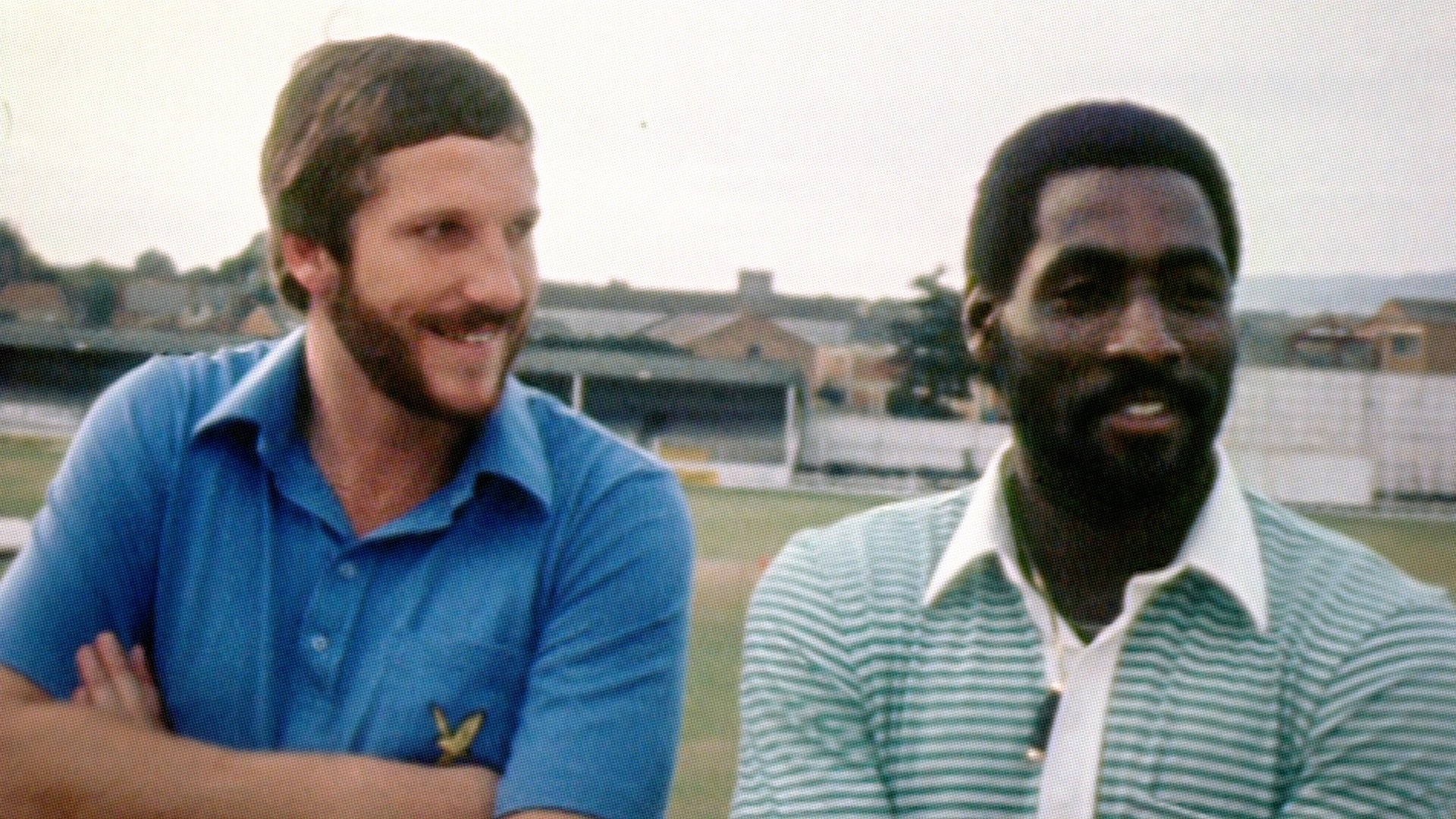
30
Ian and Viv
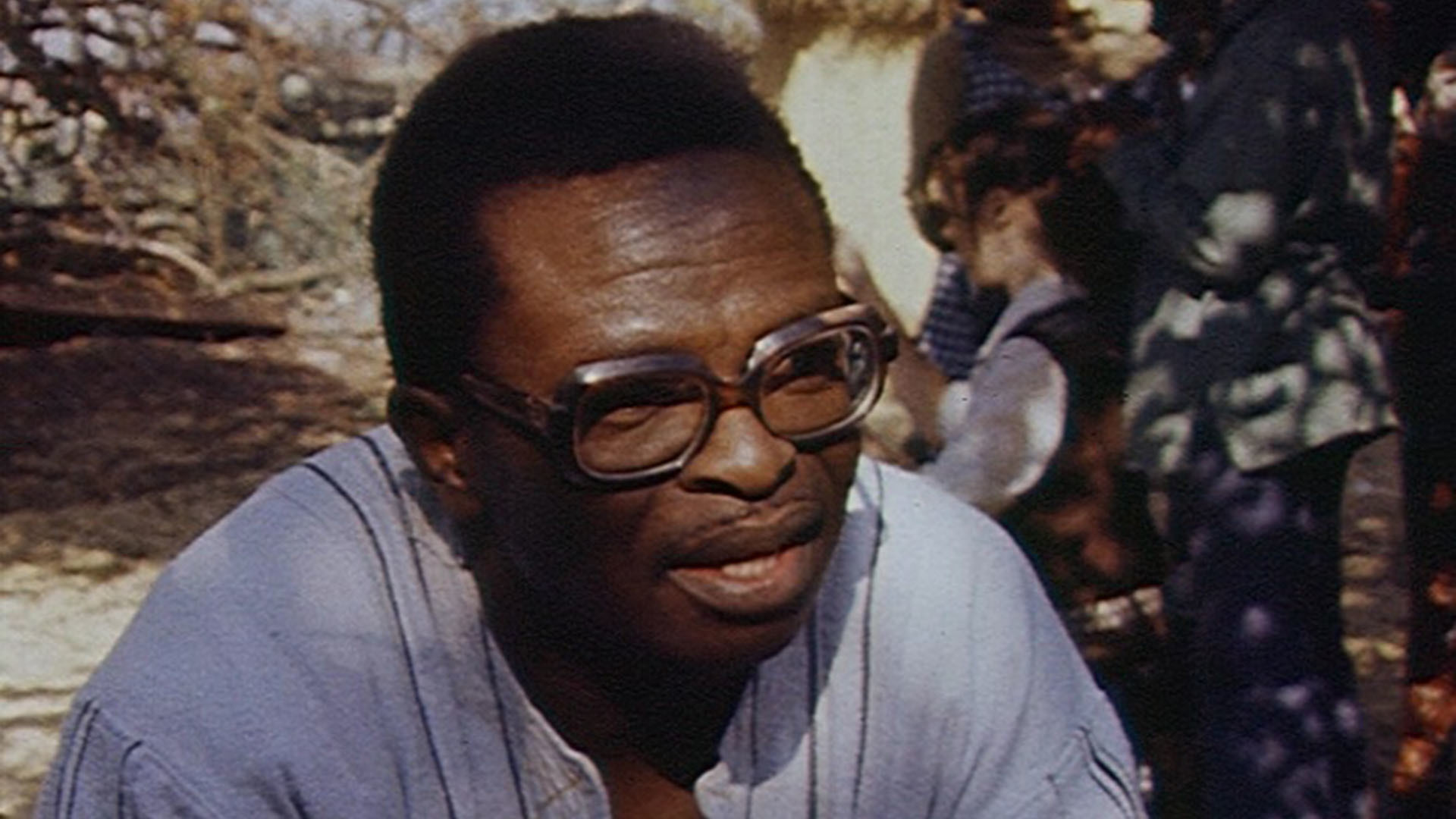
31
Aklowa African Village, Bishop's Stortford, Essex
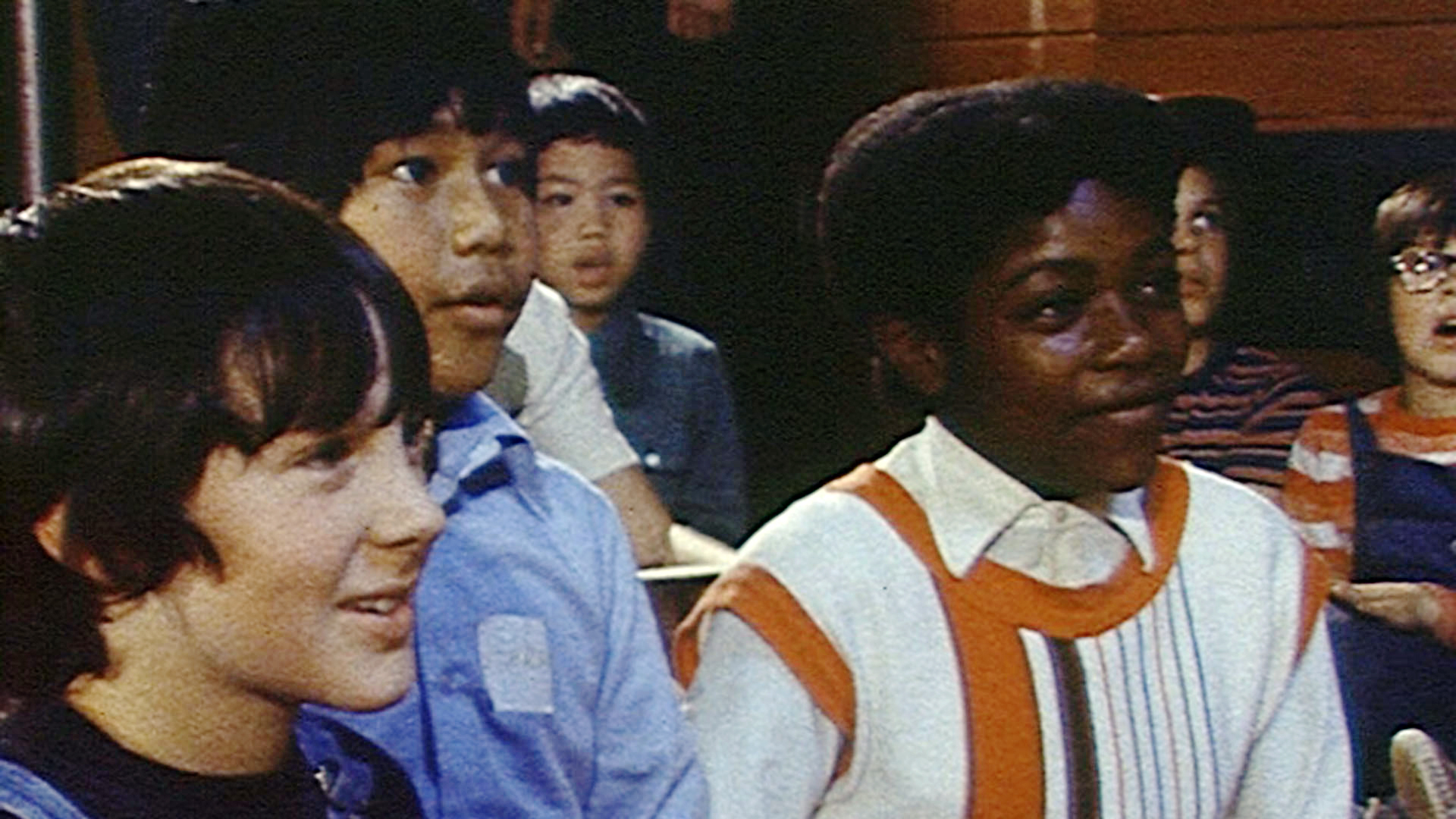
32
Multi-cultural Fortnight in Cambridge
33
African Sculpture Exhibition in Weymouth
34
Aklowa African Village in Essex
35
You in Your Small Corner
36
African music at Stewards Comprehensive, Harlow
37
East African Dance in Weymouth
38
Nice
39
Faith and Henry
40
To Keep Our Way of Life
41
Tunde's Film
42
Steel 'n' Skin
43
Men of Two Worlds
44
Home Away from Home
45
Carnival Fantastique
46
Race Relations Board
47
Carnival of Tears Today Special
48