African Sculpture Exhibition in Weymouth
From the collection of

From the collection of
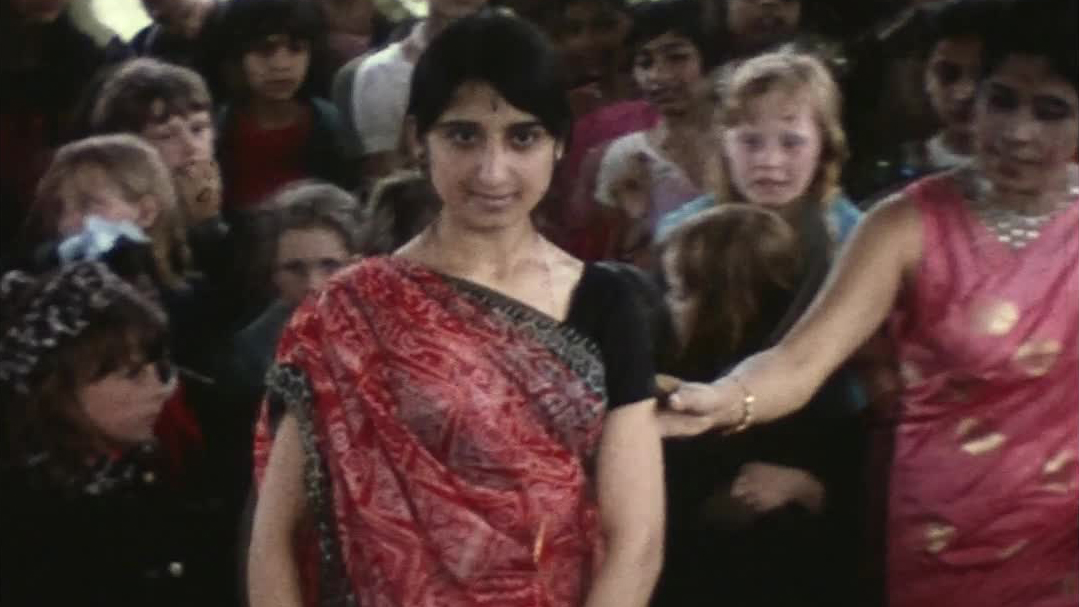
An African sculpture exhibition in a Weymouth school
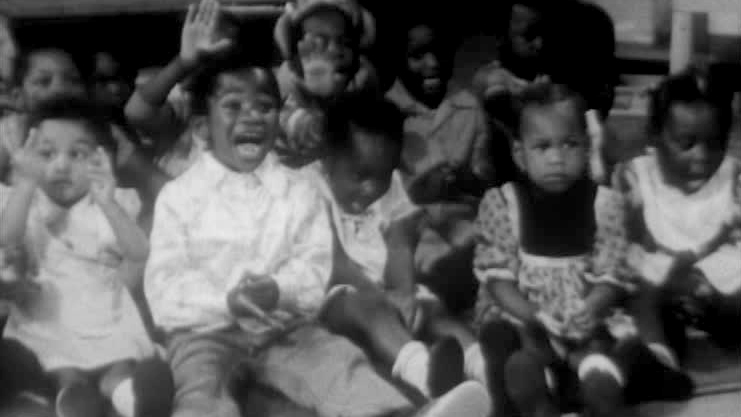
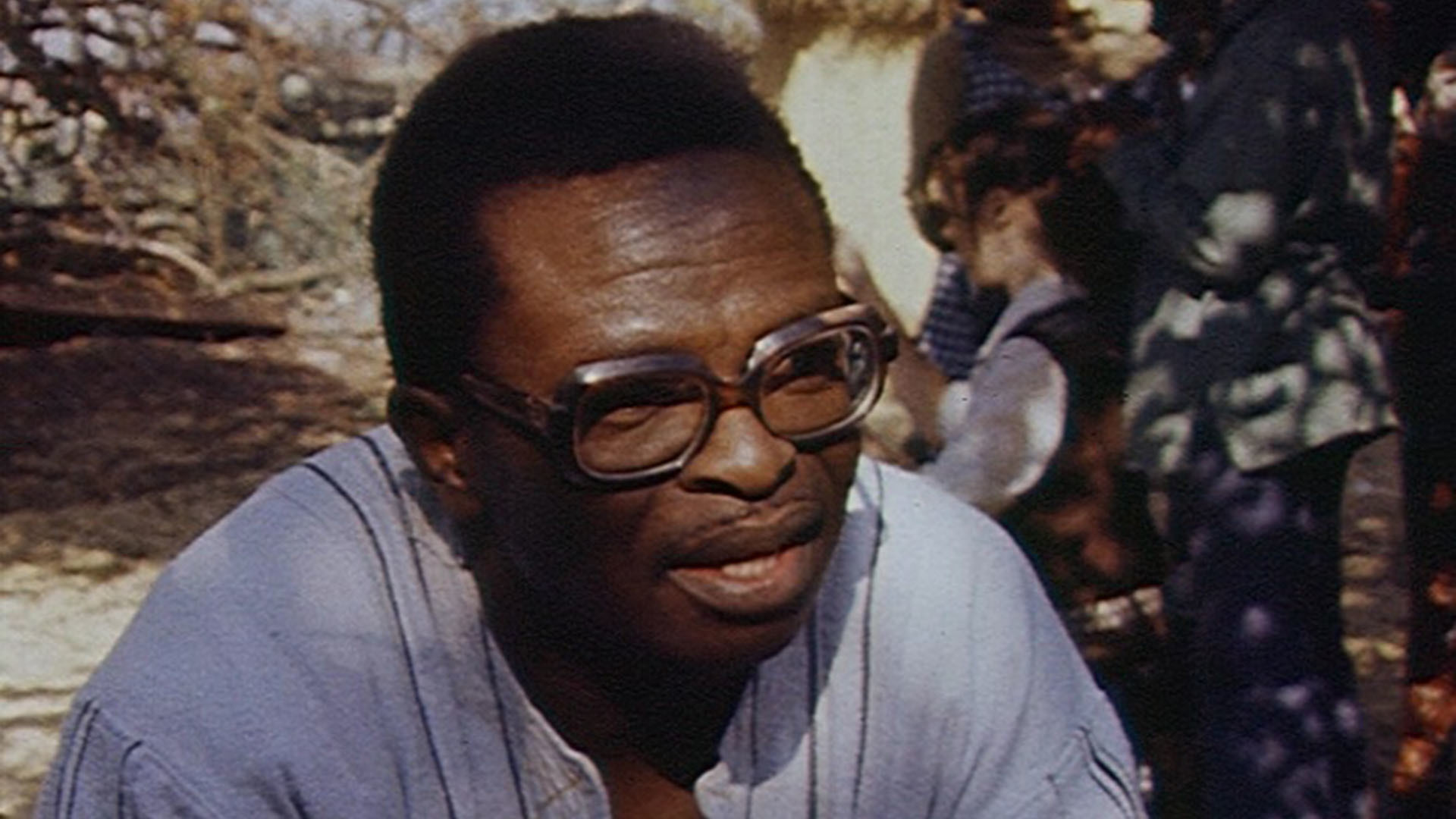
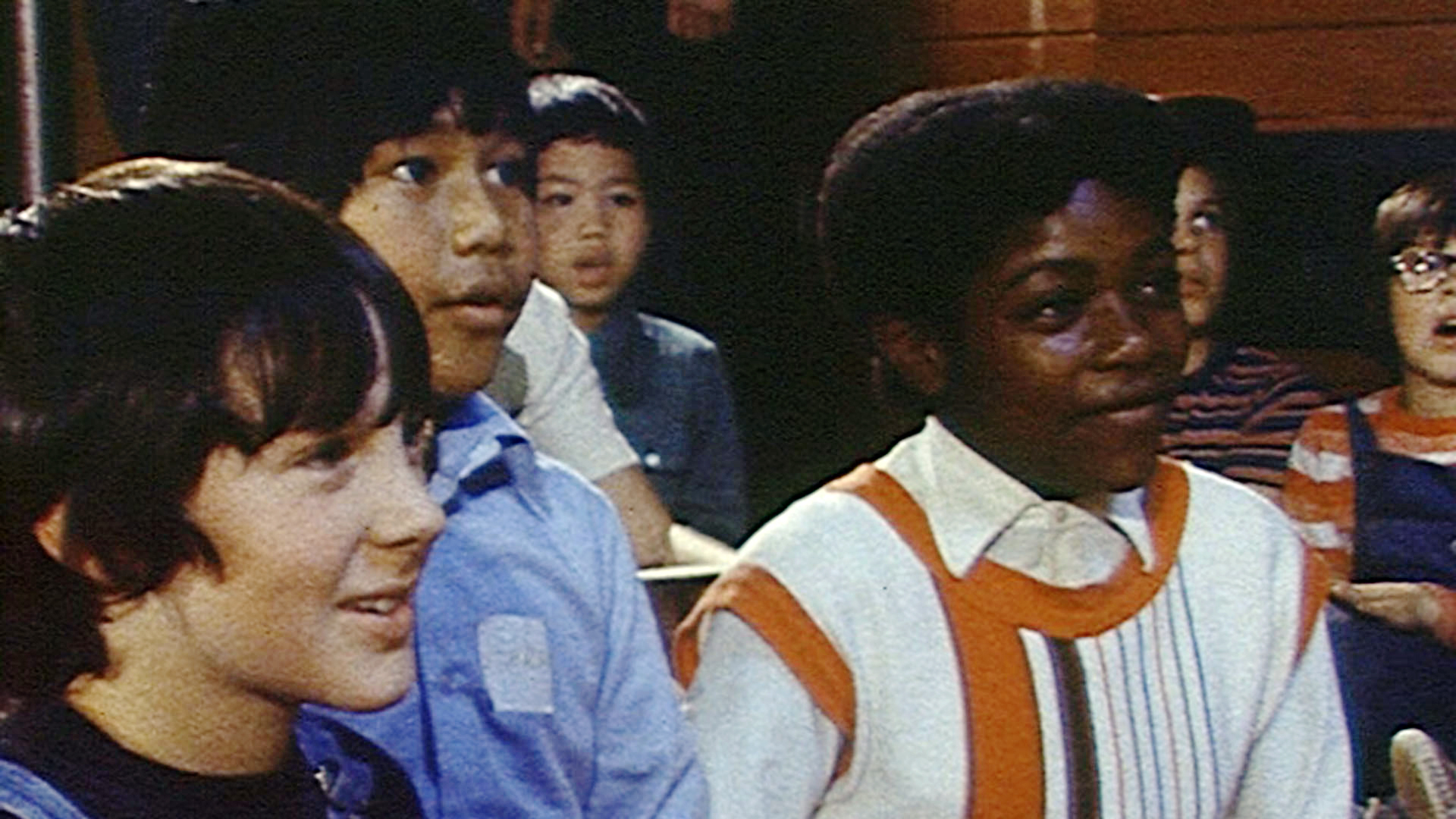
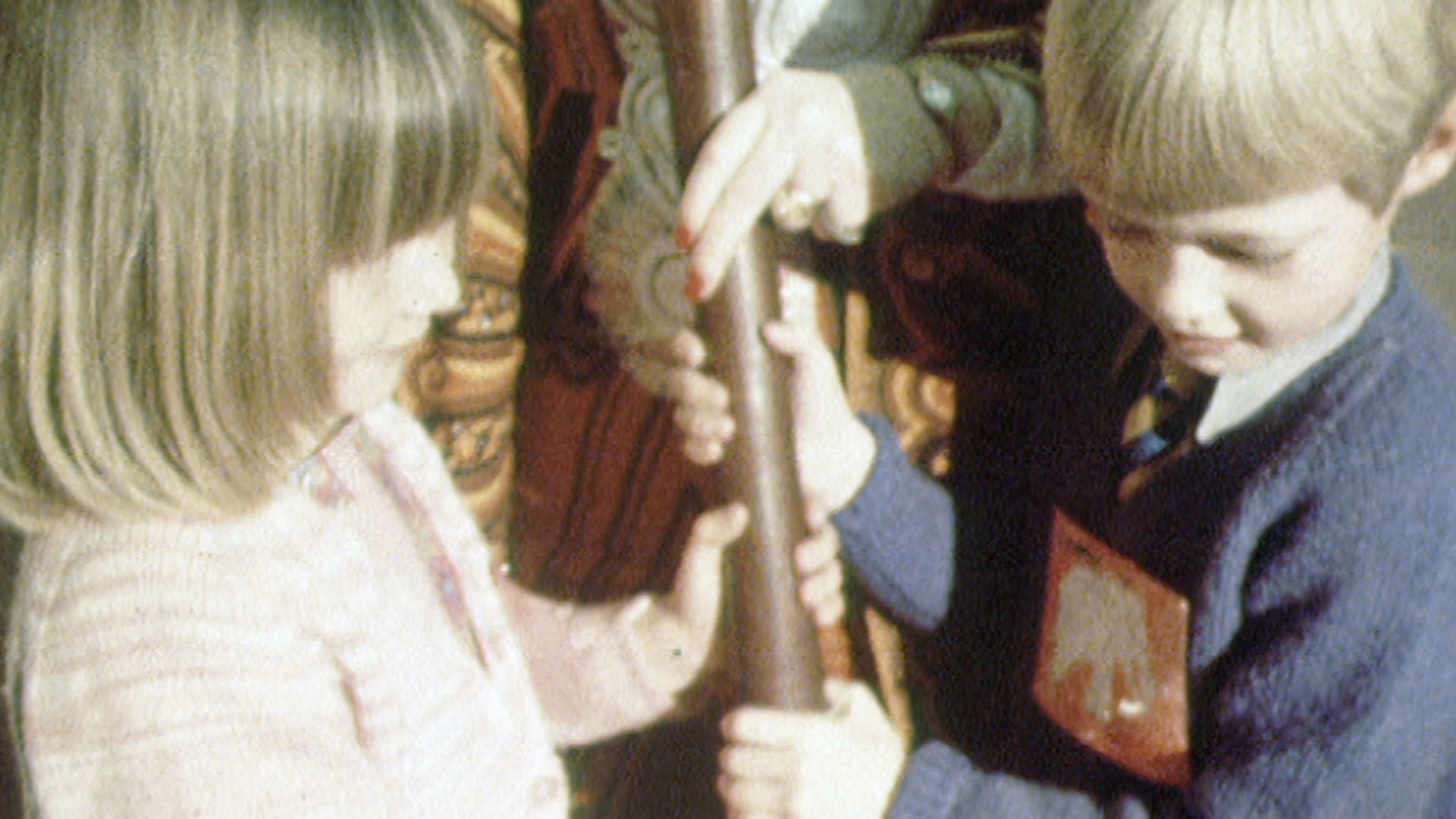
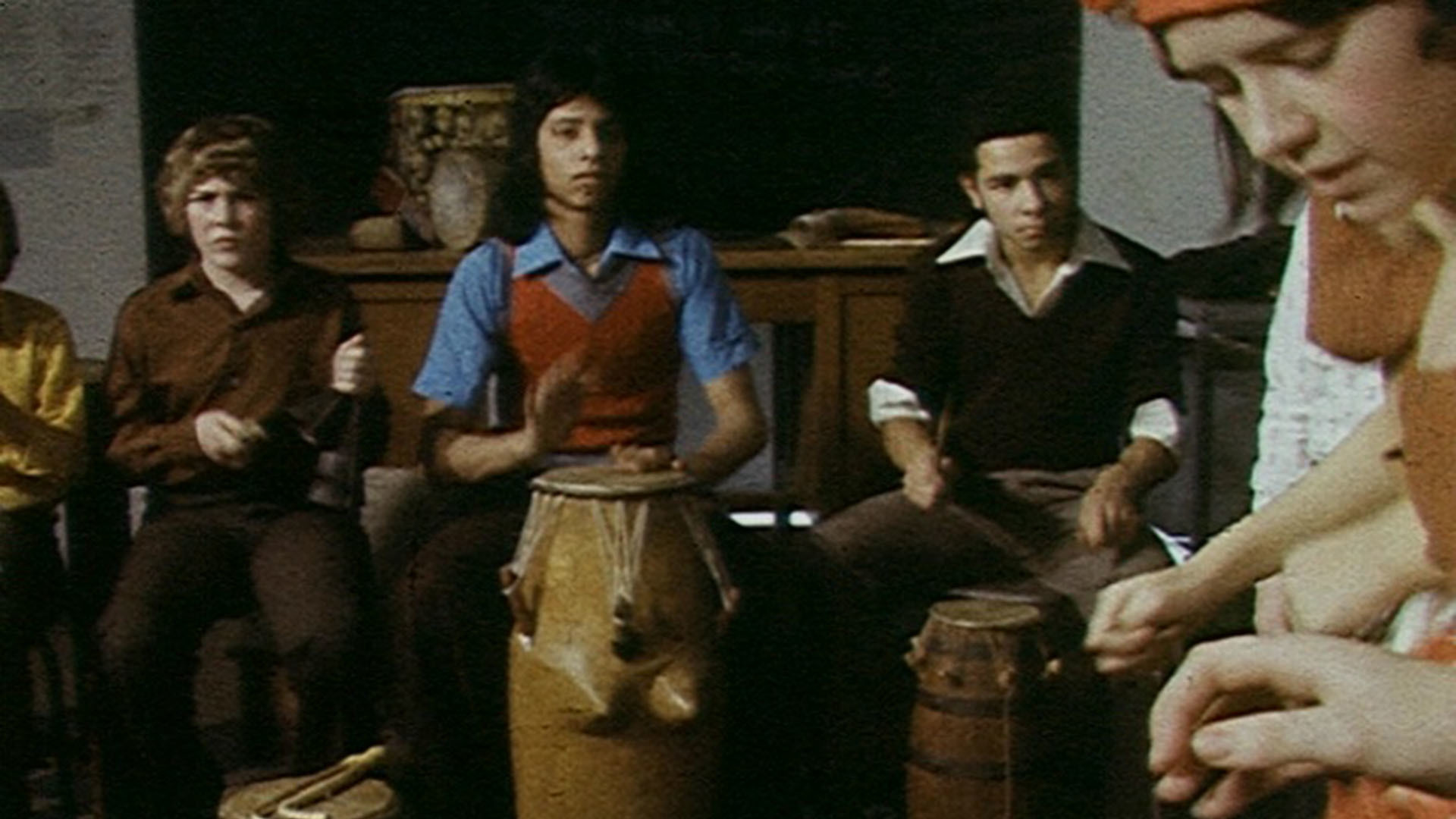
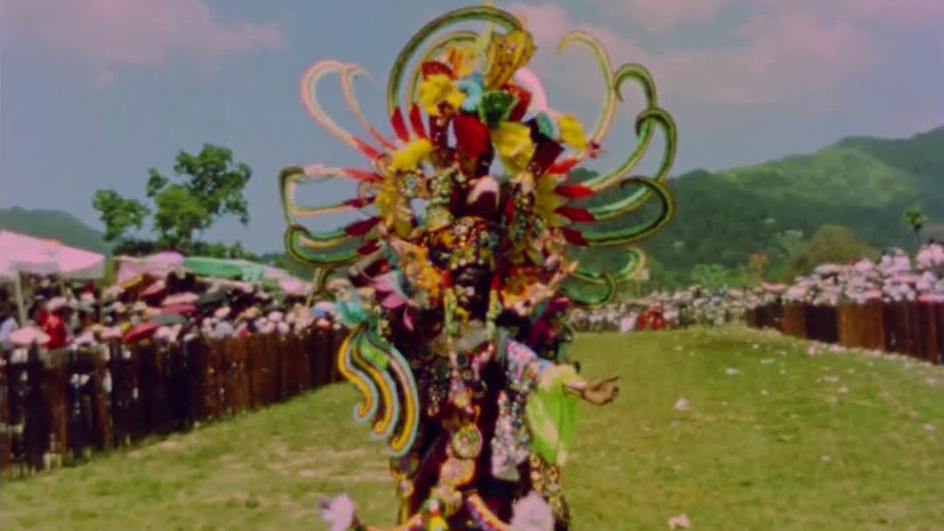
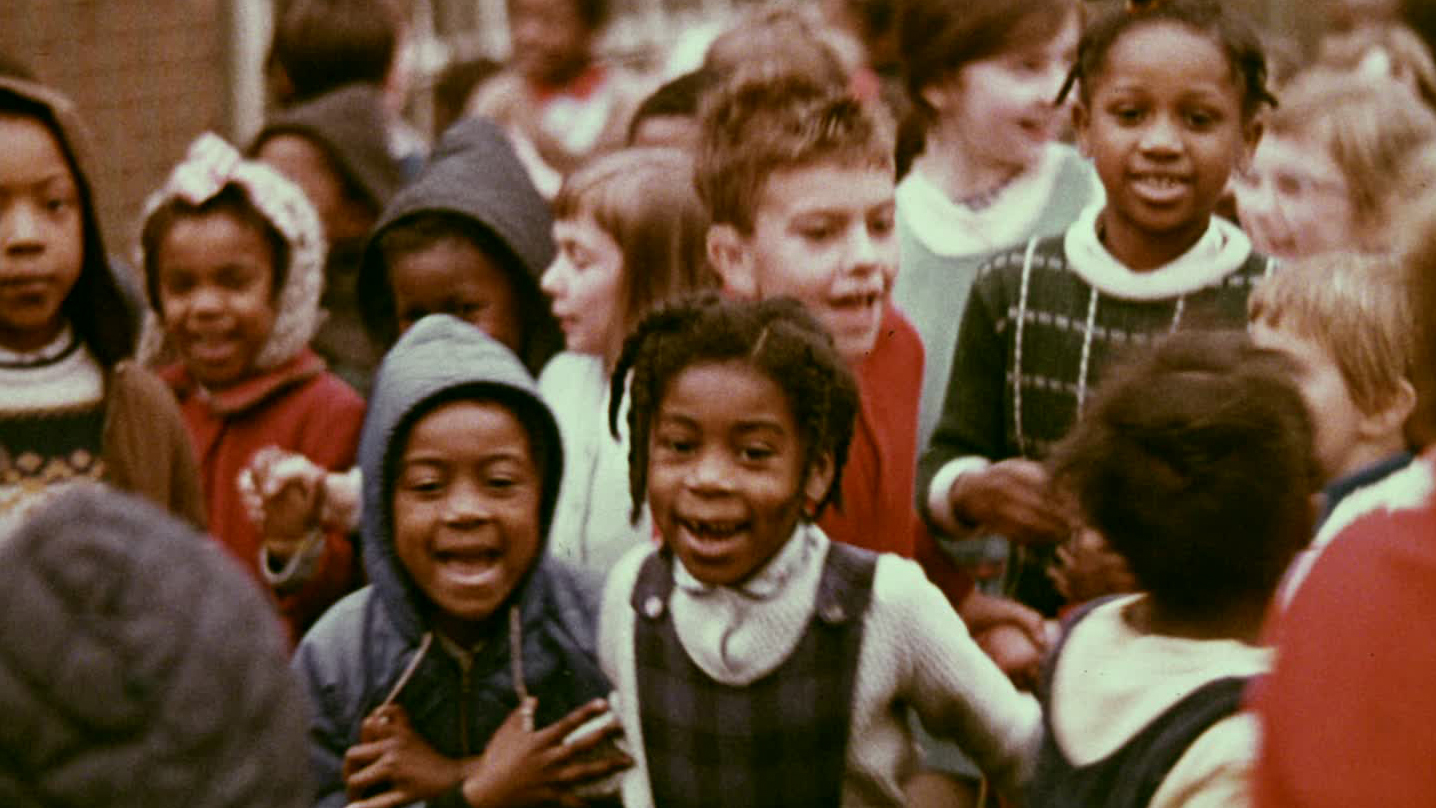
An African sculpture exhibition in Weymouth helps school children learn about African culture and village life. Arts and Crafts has a long history in African culture with many carvings, paintings, sculptures and pottery. Traditional African art represents religion and tradition with certain themes such as the couple, a woman with her child or a huntsman portrayed with a weapon or an animal.
African Art refers to art from Sub-Saharan Africa and reflects the historical, religious and social environment of the artist. It is often labelled as Primitive Art but its influence over artists such as Picasso, Modigliani, Van Gogh, Gauguin and Matisse elevated its status to one of being celebrated for its imagination and emotional expression. African sculpture historically is made out of wood although pottery and bronzes may also be found. Wooden masks are typical and more common in West Africa with many used in ceremonies to depict human, animal or mythical forms.
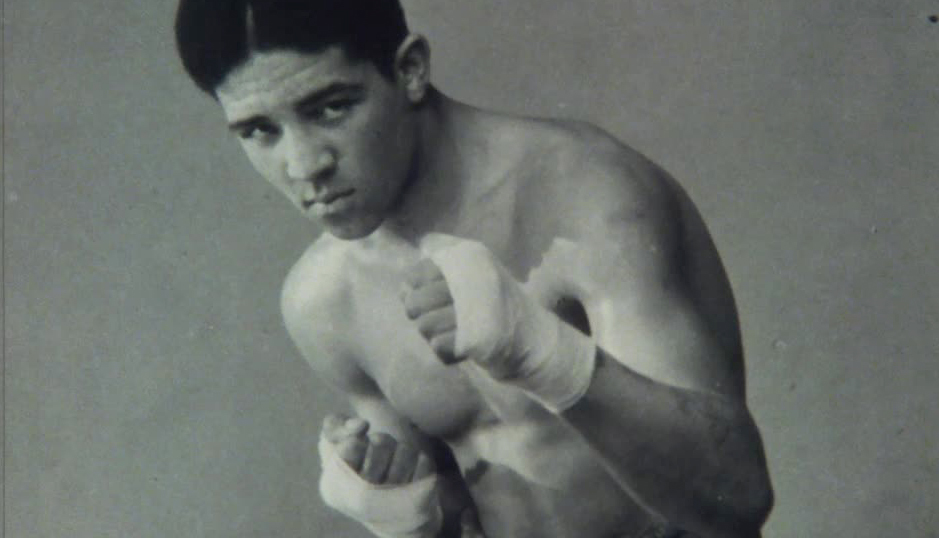
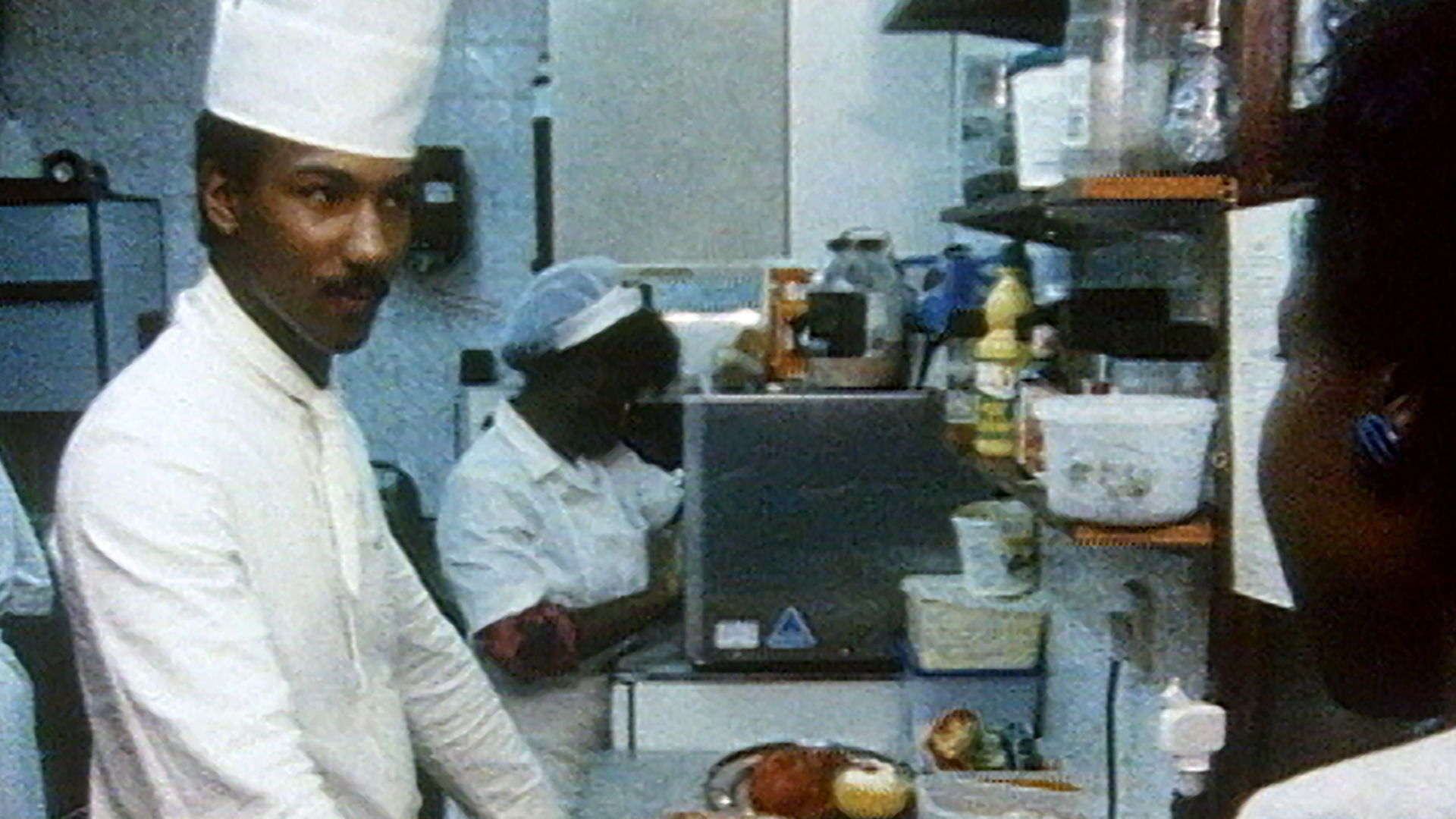
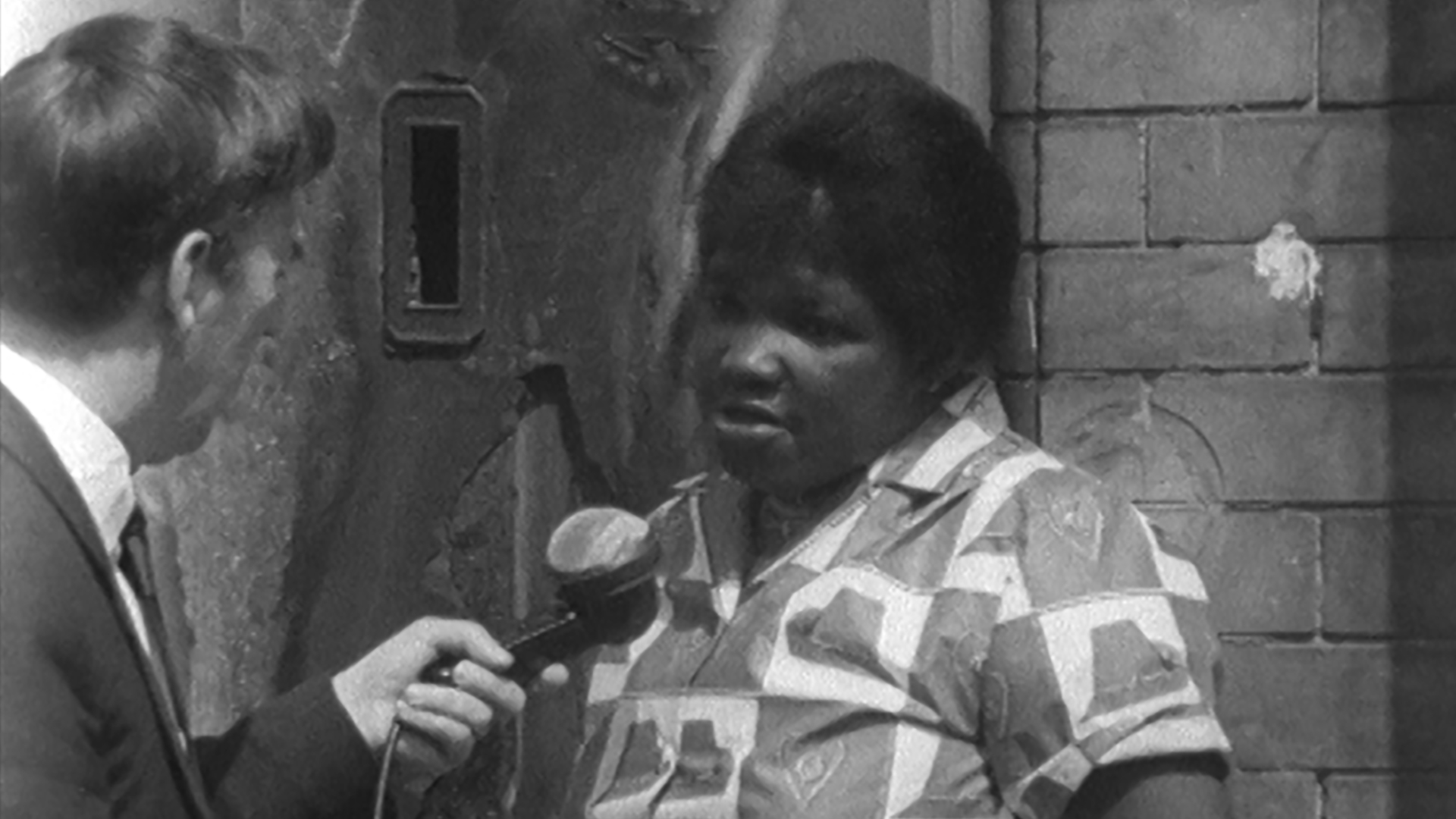
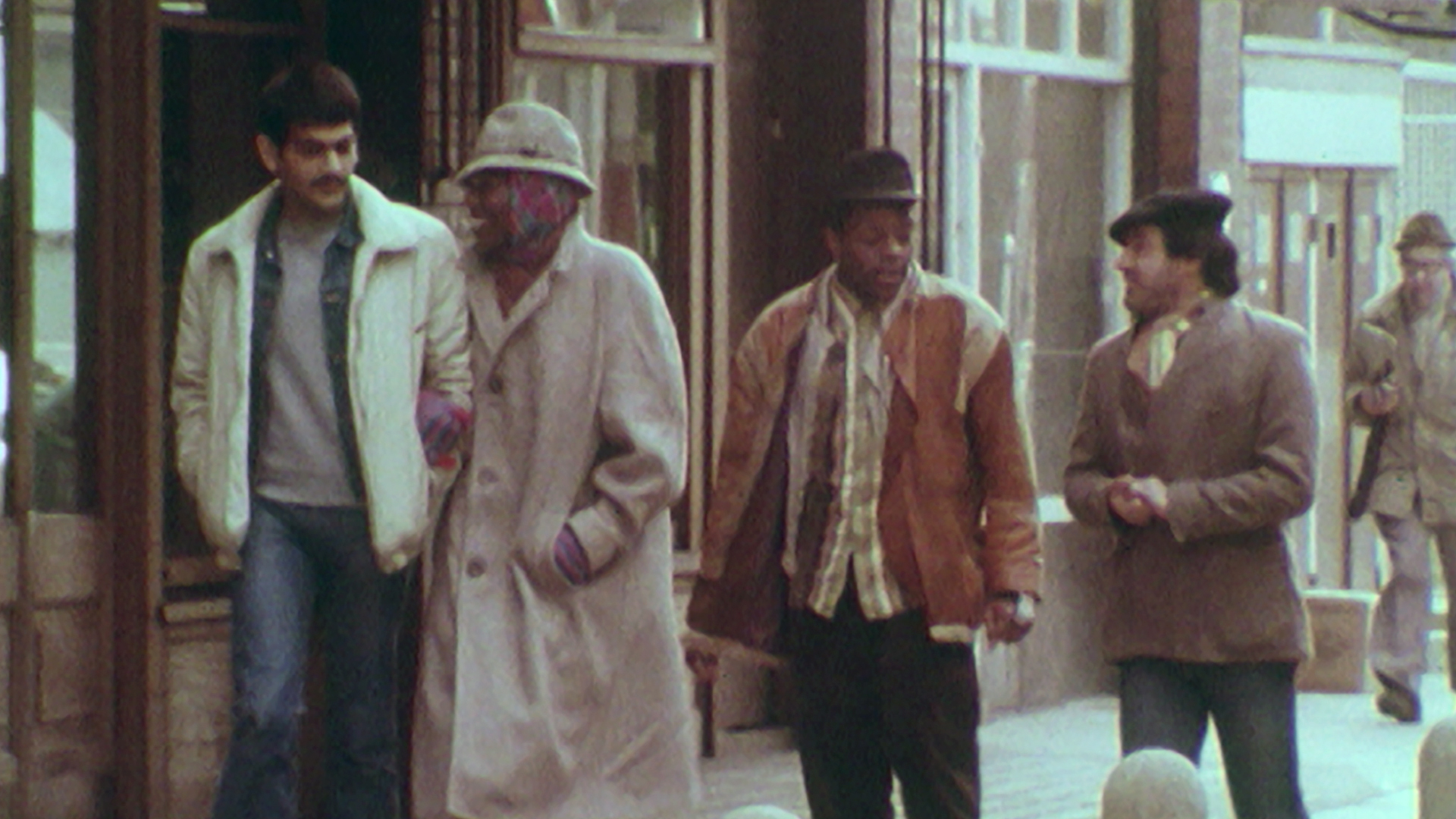
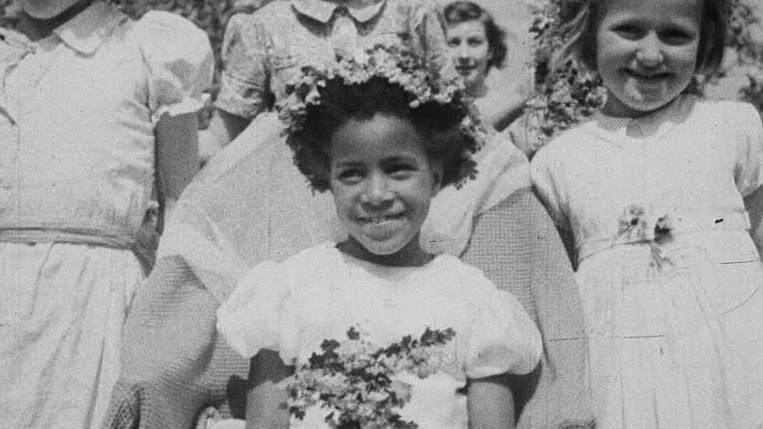
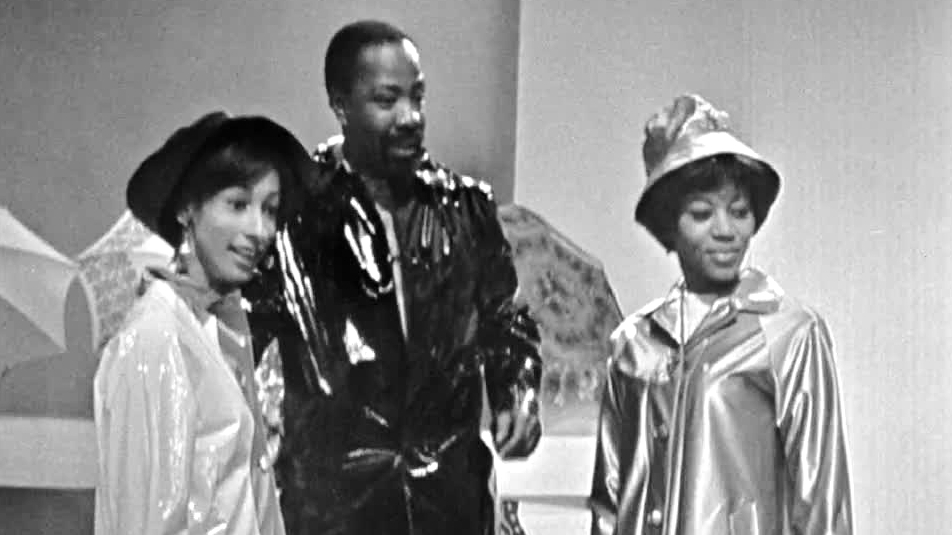
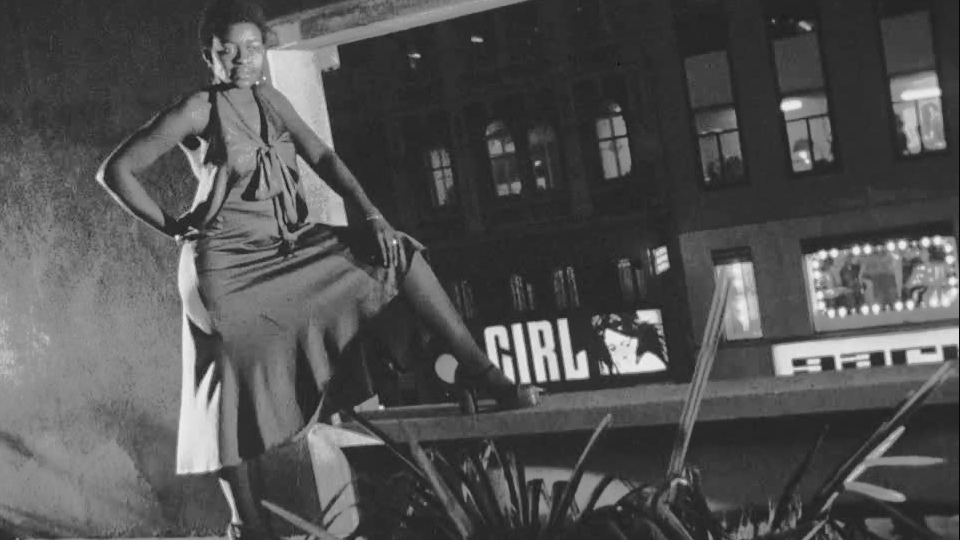
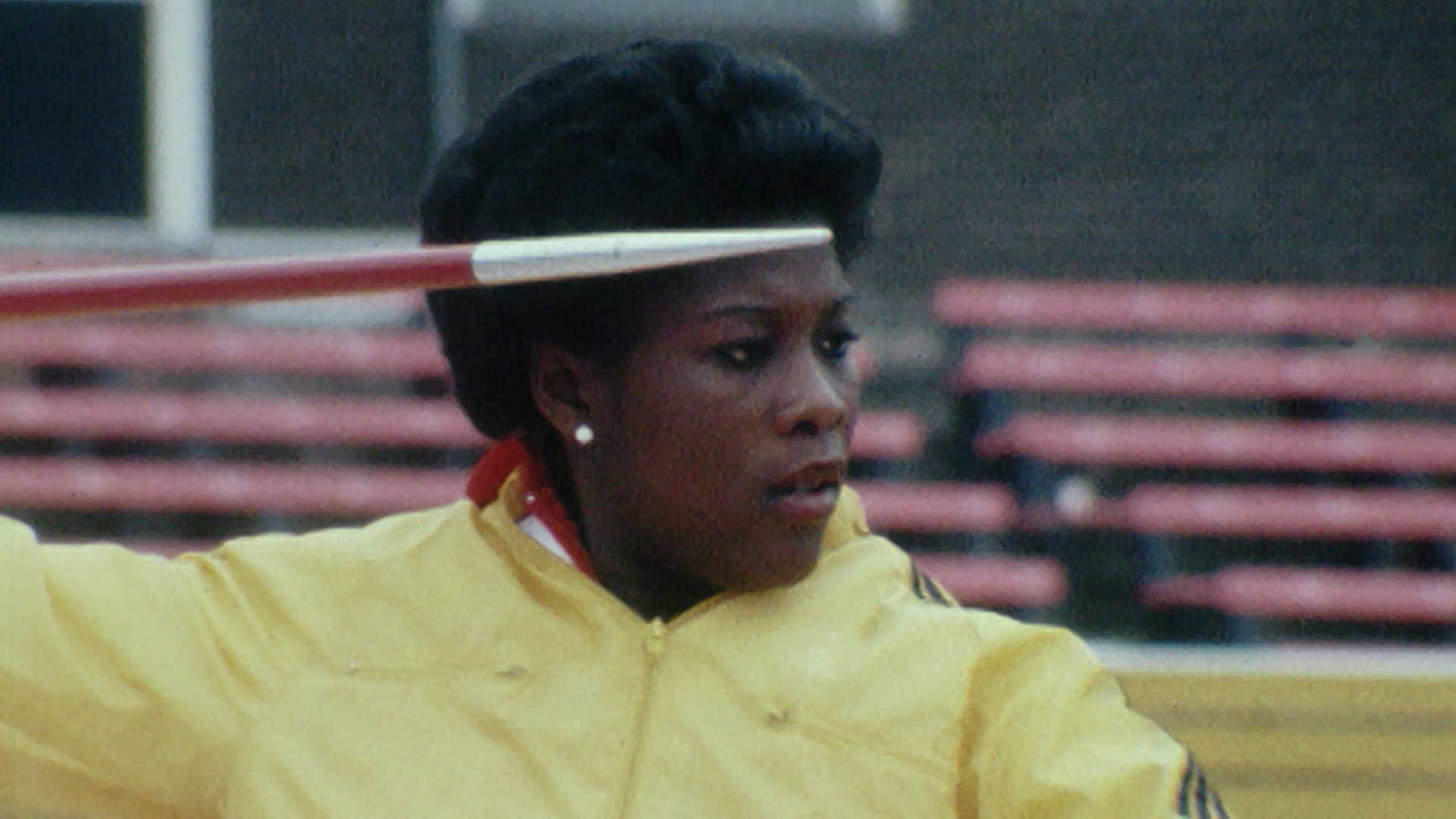
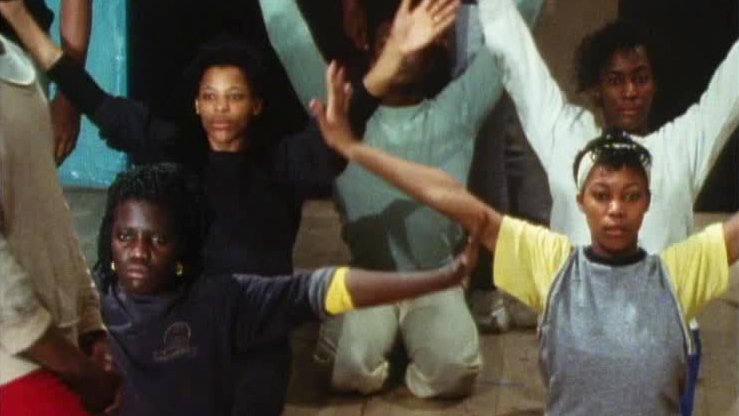
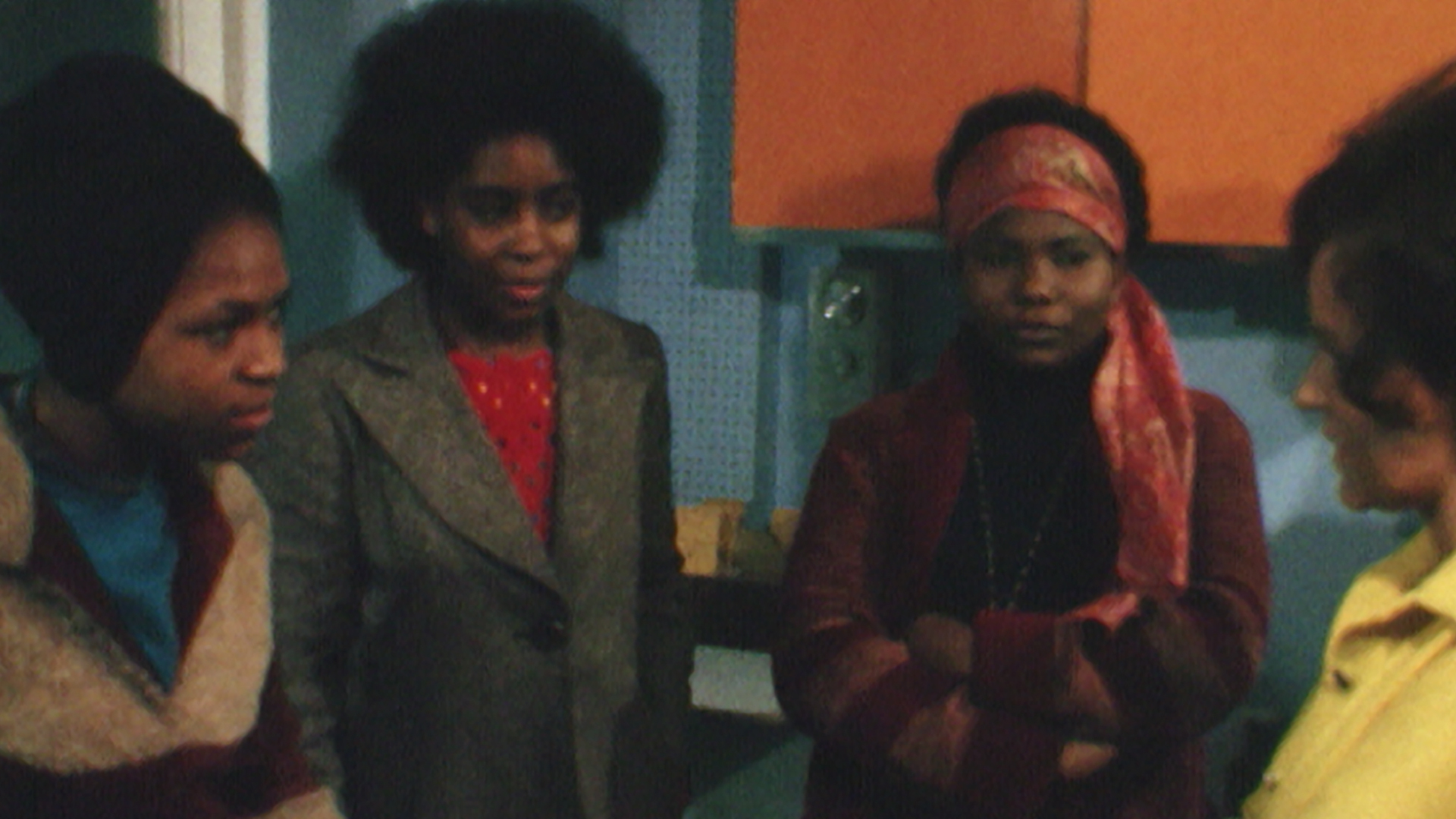
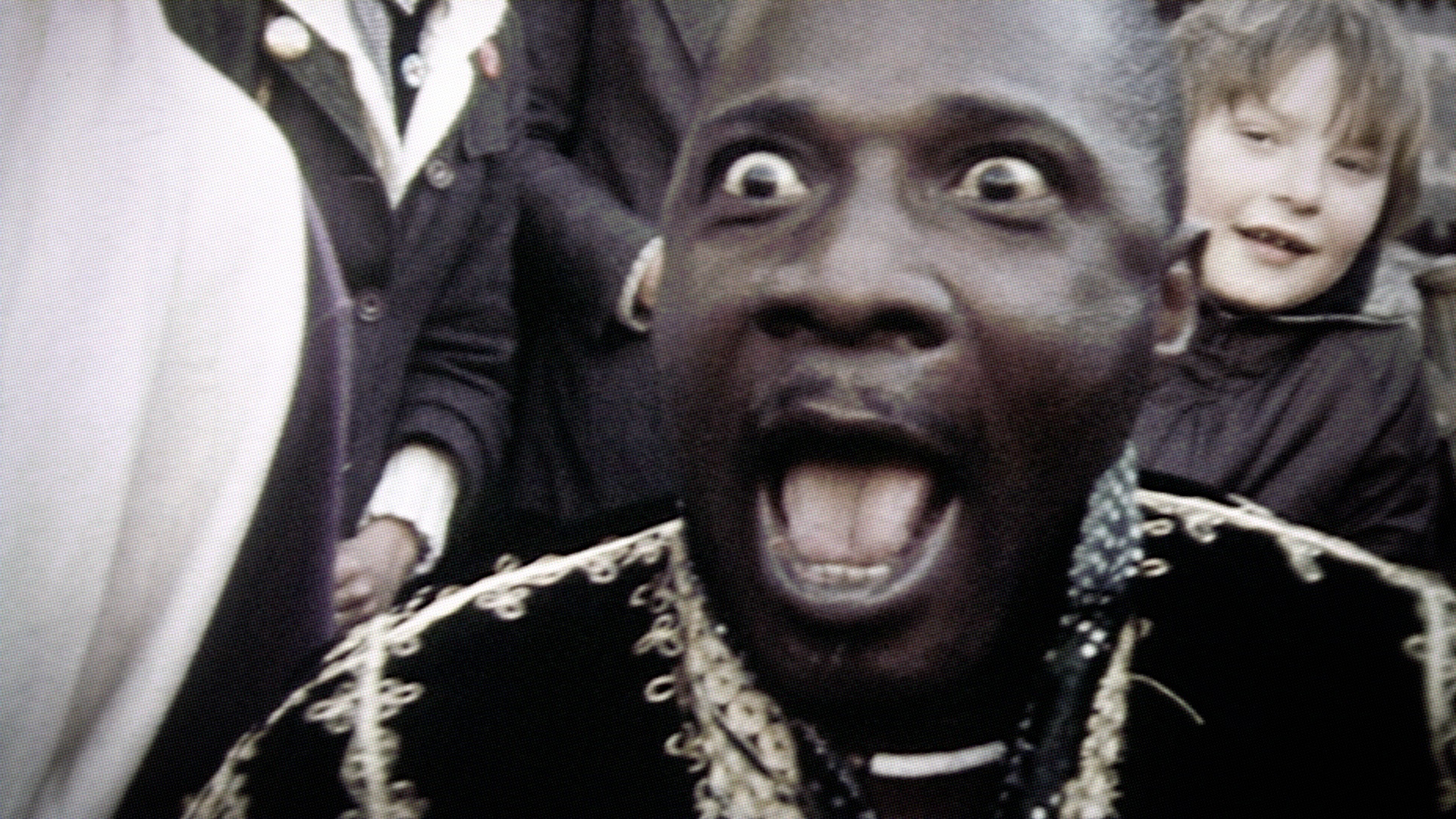
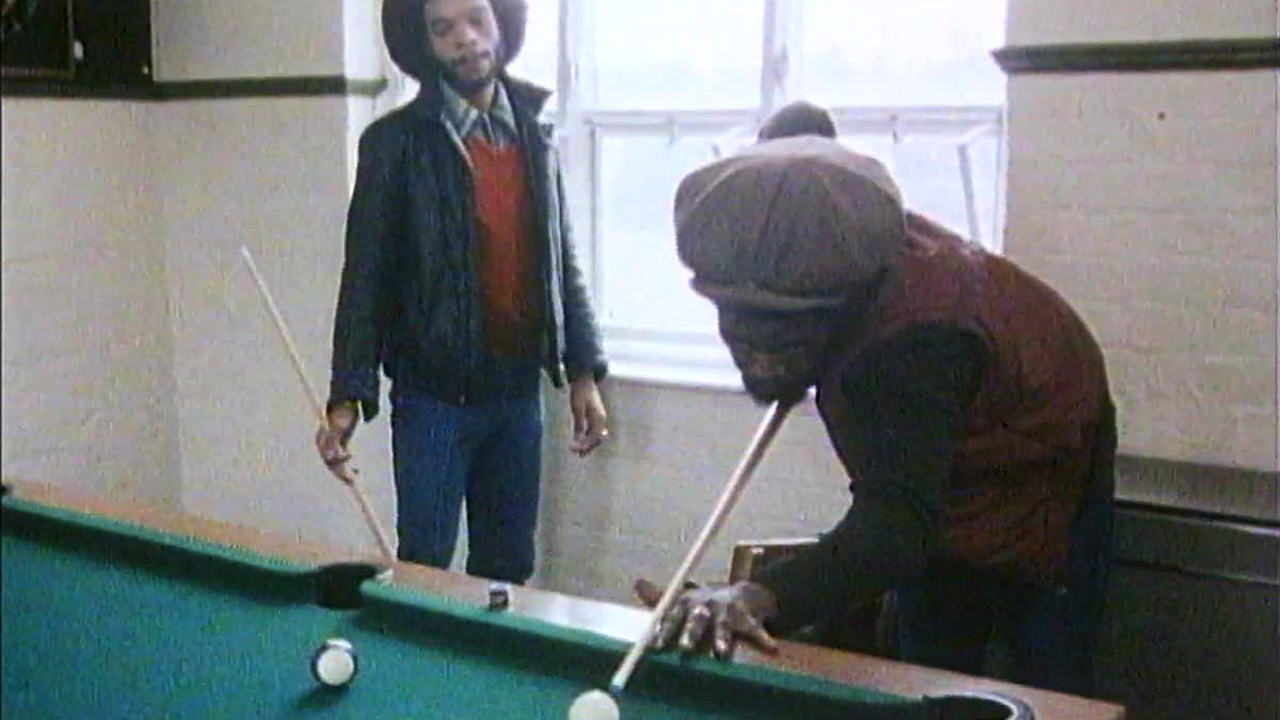
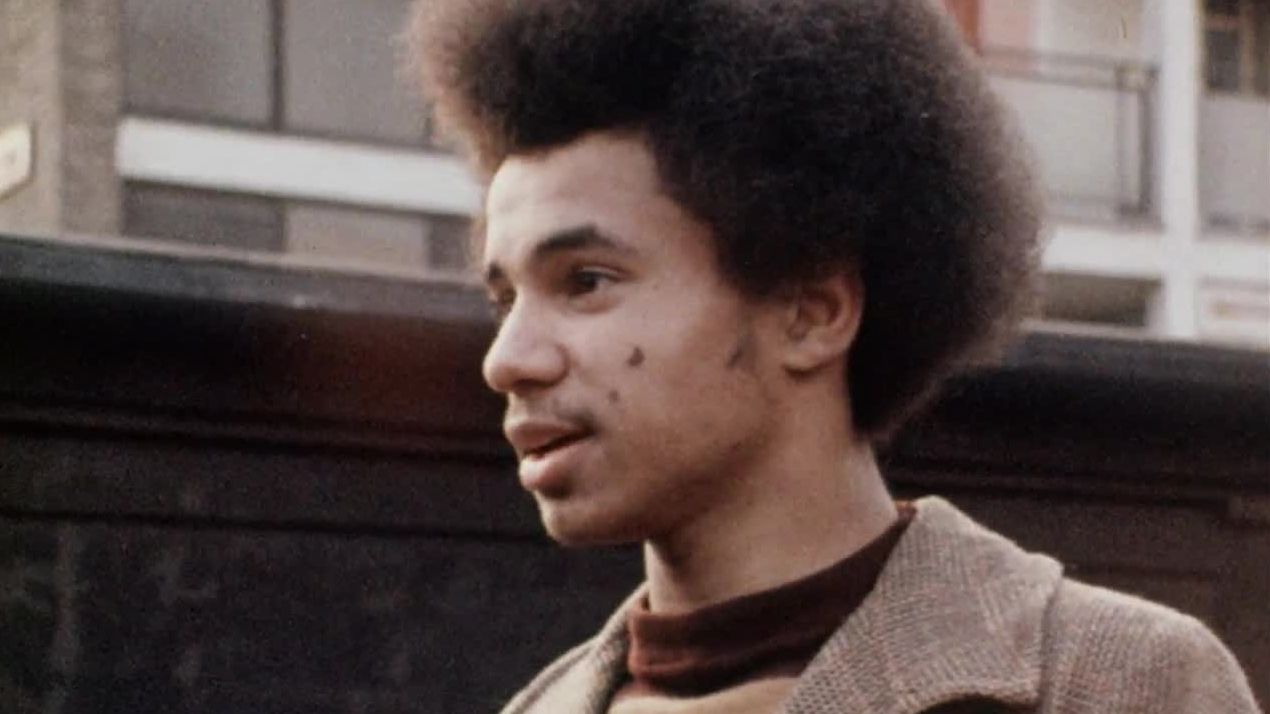
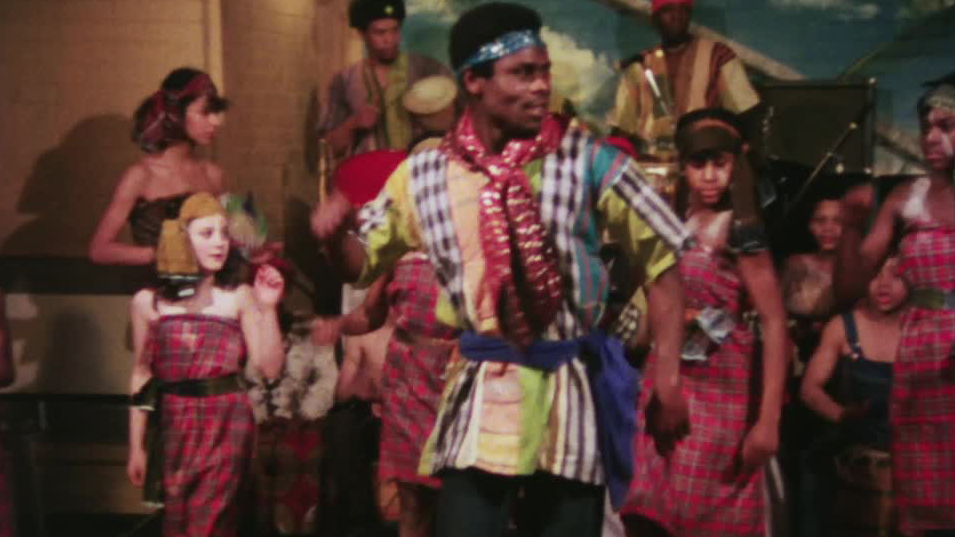
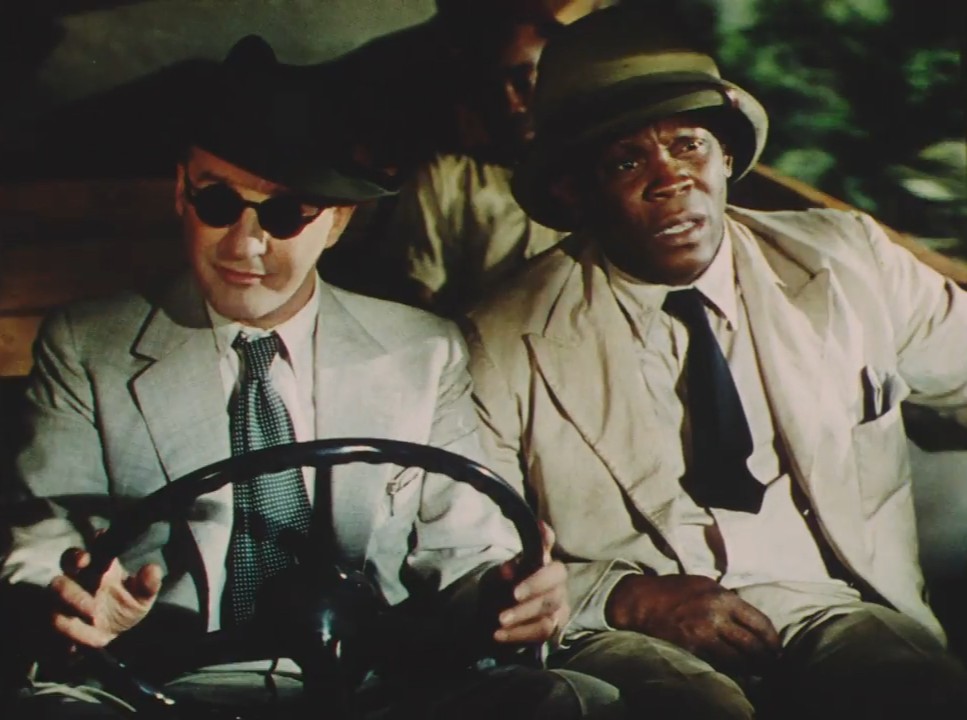
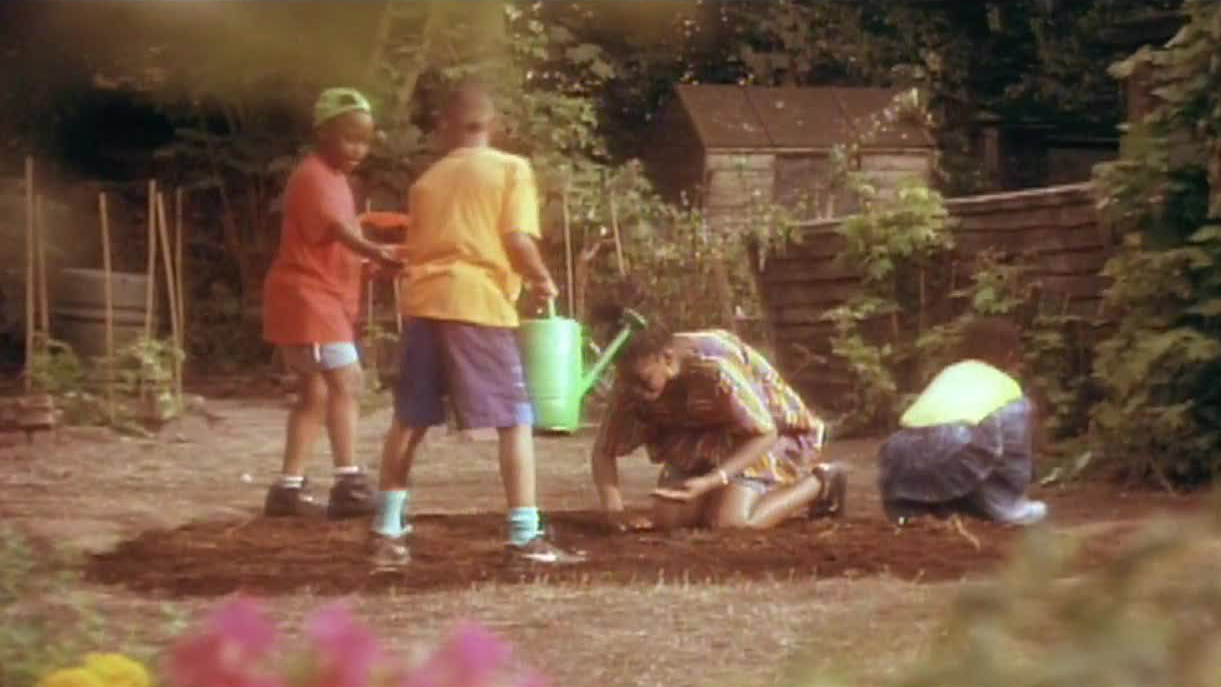
Black communities, like many Global majority groups, have long been ill-served by a mainstream British media accustomed to reflecting predominantly white, middle-class lives - a problem entrenched in the second half of the 20th century with the rise of television. Yet a rich tapestry of work from across the boundaries of fiction and non-fiction, film and TV, made for (though not always by) black people, does exist. This selection contains many surprises – some joyous, some sobering, some heartbreaking – and highlights the often painfully slow progress in addressing negative representations and stereotypes on screen. Impassioned and sometimes violent dispatches from the front line in the fight for racial equality can be found here, but so too can records of progress: in the pioneers breaking new ground in culture, politics and sport, and in the more mundane glimpses of everyday life. And this story is not just London’s story: the selection takes a journey around Britain, to a Nigerian wedding in 1960s Cornwall, an ‘African village’ in Essex and a Caribbean restaurant opening in West Bromwich; Newcastle